
Can dogs eat shrimp?
SafePlain thoroughly cooked shrimp flesh can be an occasional dog treat; avoid raw shrimp and assess shells, tails, calories, and seasonings.


Medically reviewed by Dr. Athena Gaffud, DVM · Last reviewed
Can Dogs Eat Shrimp?
Plain thoroughly cooked shrimp flesh can be an occasional dog treat when it fits the dog's calorie and medical plan. Avoid raw shrimp because raw animal food can carry pathogens. Shrimp is optional and should not be promoted as a source of therapeutic vitamins, minerals, antioxidants, or disease support.
- 1Plain thoroughly cooked shrimp flesh can be an optional dog treat.
- 2Avoid raw shrimp because of pathogen risk.
- 3No evidence-based piece count or body-size serving exists.
- 4Deveining is culinary, while shells and tails are individualized physical hazards.
- 5Assess butter, oil, salt, batter, and allium seasoning as separate issues.

Treats should stay under 10% of your dog's daily calories. JustFoodForDogs makes the rest of it.
- Recipes developed by veterinary nutritionists
- Whole-food ingredients you can recognise
- Fresh meals delivered to your door
Webvet may earn a commission when you click through to JustFoodForDogs, at no extra cost to you.
Is shrimp safe for dogs?
Use fully cooked plain flesh without sauce, breading, batter, butter, or seasoning. FDA lists shrimp among lower-mercury seafood choices for people, but that does not establish a dog serving or health benefit. Product calories and the dog's complete diet remain the practical feeding limits.

Plain cooked shrimp and its nutritional limits
No evidence-based shrimp piece count exists by dog size. Shrimp vary in size and preparation, and a piece table ignores calories, every other extra, body condition, complete diet, and medical restrictions. Use the exact product's calories within the individual dog's treat allowance.
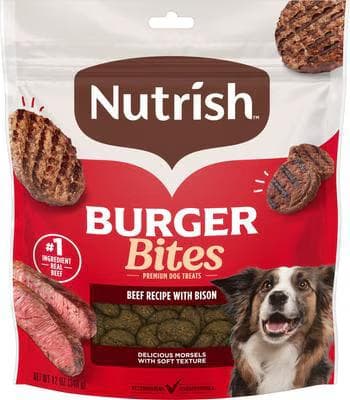
This is an optional dog treat. Review its current label, ingredients, calories, and feeding directions, and count it within the total daily extras.
Webvet may earn a commission when you click through to Chewy, at no extra cost to you.
| Question | What matters |
|---|---|
| Optional amount | Exact product calories and all daily extras |
| Raw or cooked | Raw product adds pathogen risk |
| Shell or tail | Size, sharpness, amount, chewing, symptoms |
| Seasoned product | Alliums, sodium, fat, calories, and amount |
Deciding whether an optional shrimp portion fits
Deveining is a culinary choice, not an established toxicology requirement. The dark tract may be removed for food quality, but its presence does not create a proven poisoning event. Safe cooking and handling are more important for microbial risk. Describe the shrimp as raw or fully cooked, peeled or shell-on, plain or seasoned, fresh or spoiled, and loose or part of another dish. Boiled plain shrimp differs from fried batter, garlic butter, gumbo, curry, fried rice, sushi, ceviche, cocktail sauce, and seafood boil. Save recipes and labels for onion, garlic, sodium, alcohol, spices, xylitol, and packaging. Raw shellfish adds pathogen exposure for the dog and household. A complete dog food containing shrimp also has a different nutritional role from loose table shrimp.
| Preparation | Assessment |
|---|---|
| Plain cooked flesh | Optional if it fits the dog's plan |
| Raw shrimp | Avoid because of pathogen risk |
| Battered, buttered, or seasoned | Review calories, sodium, fat, and actual ingredients |
How to prepare shrimp for your dog
Shells and tails can be difficult to chew and may create a physical concern, but they do not inevitably choke or obstruct every dog. Risk depends on size, sharpness, amount, preparation, and chewing. Remove them before offering shrimp to make the exposure easier to manage.


This is an optional dog treat. Review its current label, ingredients, calories, and feeding directions, and count it within the total daily extras.
Webvet may earn a commission when you click through to Chewy, at no extra cost to you.
Assessing raw shrimp, shells, and tails
Salt, butter, oil, batter, and breading are not toxins by themselves. They change sodium, fat, calories, and gastrointestinal tolerance according to product and amount. Garlic, onion, chives, or leek seasoning creates a separate allium concern.
What about fried, seasoned, or tempura shrimp?
A dog can react adversely to a new food, but no reliable household window predicts shellfish allergy. Offer no new food during an active gastrointestinal illness or food trial. If itching, facial swelling, hives, vomiting, breathing difficulty, or collapse occurs, seek veterinary care.

Shellfish allergies in dogs
If a dog steals shrimp, identify raw versus cooked, amount, shells or tails, sauce or seasoning, packaging, time, and symptoms. A small plain cooked flesh exposure can often be monitored; raw product, large unknown amount, alliums, swallowed packaging, or signs warrants advice. If shrimp came from a restaurant or prepared meal, ask for the recipe and allergen information rather than guessing from appearance. Garlic may be present in butter sauce, marinades, seasoning blends, or batter. Skewers, toothpicks, foil, shells, tails, and plastic packaging are separate objects and should be counted. If several dogs had access, report the maximum each could have eaten rather than dividing the missing amount automatically. A photograph of the shrimp beside a ruler or scale can help establish size when the product label is unavailable. Keep any leftovers refrigerated so the veterinarian can identify the preparation if needed. Do not give bread, milk, oil, salt, charcoal, antihistamines, or gastrointestinal medications unless a veterinarian specifically directs them. An antihistamine does not substitute for emergency care when breathing difficulty, facial swelling, collapse, or rapidly progressive signs occur. When an asymptomatic dog ate one small plain cooked piece, monitoring may be reasonable, but follow the advice given for that animal. Raw shrimp does not guarantee infection; observe without promising that signs will appear within a fixed number of hours. If vomiting or diarrhea develops later, report the raw exposure while allowing the veterinarian to consider other causes. Shells, tails, skewers, toothpicks, hooks, line, foil, and plastic should be reported separately. Their risk depends on amount, size, sharpness, chewing, and the individual dog, not on a guarantee that every tail passes or obstructs. Repeated vomiting, abdominal pain, distention, loss of appetite, marked lethargy, facial swelling, hives, breathing difficulty, collapse, or suspected foreign material warrants prompt care. During an elimination trial, even plain shrimp can invalidate the protocol. Dogs with a known seafood reaction or a tightly controlled therapeutic diet need advice from the treating veterinarian before another exposure.
What to do if your dog ate raw or seasoned shrimp
Dogs with a therapeutic diet, calorie restriction, pancreatitis history, or food sensitivity plan may need no shrimp. The treating veterinarian can decide whether the exact product fits without assigning a universal ban to every diagnosis. During a formal elimination diet, even plain shrimp can invalidate the trial because it introduces an unplanned protein. Dogs receiving low-fat therapeutic food, sodium-controlled diets, or calorie restriction may also need different limits. The issue is compatibility with the prescribed plan, not a claim that shrimp is intrinsically poisonous to those dogs. For training, use a known portion of regular complete kibble when repeated rewards would otherwise turn a small seafood taste into a substantial calorie addition. Refrigerate cooked shrimp promptly and discard spoiled seafood. Wash hands, boards, knives, and bowls after raw handling. Do not let a dog lick raw marinade or seafood packaging. If shrimp was frozen, check the full ingredient statement because some products contain added sodium or seasoning even before cooking.
Choosing another optional dog treat
Repeated vomiting, marked diarrhea, abdominal pain, drooling, gagging, breathing difficulty, weakness, collapse, or inability to keep water down needs prompt care. Do not induce vomiting unless directed by a veterinarian or poison professional. Refrigerate leftovers promptly and secure shells, skewers, sauce cups, and trash before a dog can turn a meal into a mixed exposure.

This is an optional dog treat. Review its current label, ingredients, calories, and feeding directions, and count it within the total daily extras.
Webvet may earn a commission when you click through to Chewy, at no extra cost to you.
Frequently Asked Questions
How many shrimp can a dog eat?
Plain thoroughly cooked shrimp flesh can be an occasional treat if it fits the dog's plan.
Can dogs eat raw shrimp?
Avoid raw shrimp because raw animal foods can carry pathogens.
Can dogs eat shrimp tails or shells?
Deveining is a culinary choice, not a proven safety requirement.
Can dogs eat fried or breaded shrimp?
Shells and tails do not inevitably obstruct, but removing them reduces an avoidable physical concern.
Can dogs be allergic to shrimp?
No evidence-based shrimp piece count or predictable allergy window exists.

More safe treats
More meat & seafood for dogs
Sources
- FDA: Get the Facts about Raw Pet Food Diets
Raw animal foods can expose pets and people to pathogens; the guidance supports avoiding raw fish and shellfish without predicting illness from every bite.
- FDA: Advice about Eating Fish
FDA lists salmon, sardines, and shrimp among lower-mercury choices for people; this is contaminant context, not a pet serving recommendation.
- Merck Veterinary Manual: Gastrointestinal Obstruction in Small Animals
Foreign-body risk depends on the object, amount, and patient rather than being guaranteed by a shell, hull, skin, seed, or bone.
- AAHA: Nutritional Risk Factors
Noncomplete foods above 10 percent of daily calories can dilute essential nutrients, and medical and life-stage factors require individual assessment.
Reviewed by Dr. Athena Gaffud, DVM
General guidance based on credible veterinary sources; not a diagnosis or a substitute for your veterinarian. If your pet ate something toxic or is unwell, contact your vet or a pet poison line right away.