
Can cats eat shrimp?
SafePlain thoroughly cooked shrimp flesh can be an occasional cat treat; avoid raw shrimp and assess shells, tails, calories, and seasonings.


Medically reviewed by Dr. Athena Gaffud, DVM · Last reviewed
Can Cats Eat Shrimp?
Plain thoroughly cooked shrimp flesh can be an occasional cat treat when it fits the cat's complete diet, calorie allowance, and medical plan. Avoid raw shrimp because raw animal food can carry pathogens. Shrimp is optional and should not displace complete feline nutrition.
- 1Plain thoroughly cooked shrimp flesh can be an optional cat treat.
- 2Avoid raw shrimp for pathogen risk, not an unsupported universal thiaminase claim.
- 3No half-shrimp, one-shrimp, or body-size serving is evidence based.
- 4Shell and tail risk depends on the object and cat.
- 5Assess calories, sodium, fat, allium seasoning, and packaging separately.

Treats should stay under 10% of your cat's daily calories. Smalls makes the rest, built around the meat an obligate carnivore actually needs.
- Human-grade ingredients, protein first
- Built for obligate carnivores
- Fresh meals delivered to your door
Webvet may earn a commission when you click through to Smalls, at no extra cost to you.
Can plain cooked shrimp fit an individual cat's diet?
No reliable source establishes that raw shrimp contains thiaminase. Merck identifies thiaminases in certain raw fish and clams, which cannot be broadened to every shrimp species. A single raw bite does not establish thiamine deficiency or automatically require poison control.

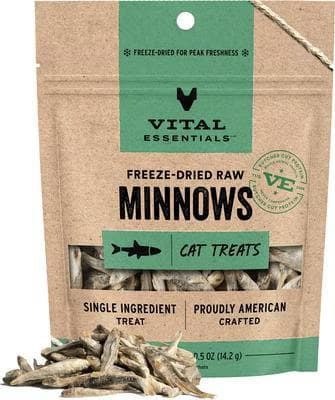
This is an optional cat treat. Review its current label, ingredients, calories, and feeding directions, and count it within the total daily extras.
Webvet may earn a commission when you click through to Chewy, at no extra cost to you.
Shrimp contains protein alongside fat, calories, vitamins, and minerals, and a nutrient list does not establish a feline health benefit. Obligate carnivory does not make every plant ingredient filler or every animal food suitable for every cat.
Deciding whether an optional shrimp portion fits
No evidence-based half-shrimp, one-shrimp, or body-size serving exists. Shrimp vary in size and calories. Use the exact product calories within all daily treats and avoid unapproved extras during growth, calorie restriction, food trials, or therapeutic diets. Describe the shrimp precisely: raw or fully cooked, peeled or shell-on, plain or seasoned, fresh or spoiled, and loose or part of another dish. Plain cooked shrimp differs from fried batter, garlic butter, curry, gumbo, fried rice, sushi, ceviche, cocktail sauce, and seafood boil. Save the recipe or package so onion, garlic, sodium, dairy, alcohol, spices, and sweeteners can be checked. Raw shellfish also creates pathogen exposure for the cat and for people handling dishes, counters, and litter.
| Situation | Assessment |
|---|---|
| Plain cooked flesh | Optional if calories and diet allow |
| Raw shrimp | Pathogen concern; assess amount and patient |
| Shell or tail | Object size, sharpness, amount, chewing, symptoms |
| Seasoned or battered | Check alliums, sodium, fat, calories, and amount |

How to prepare shrimp safely for cats
Cook shrimp thoroughly and use plain flesh. Deveining is a culinary choice rather than a proven toxicology requirement. Handle raw seafood carefully, wash hands and surfaces, and prevent cross-contamination.
Remove shells and tails before offering shrimp. They may create a physical concern depending on size, sharpness, amount, and chewing, but they do not guarantee choking or intestinal obstruction in every cat.
Assessing the exact shrimp product and exposure
Butter, oil, salt, batter, and breading are not toxins by themselves. They change calories, fat, sodium, and tolerance according to product and amount. Garlic, onion, chives, and leek seasoning creates a separate allium concern.

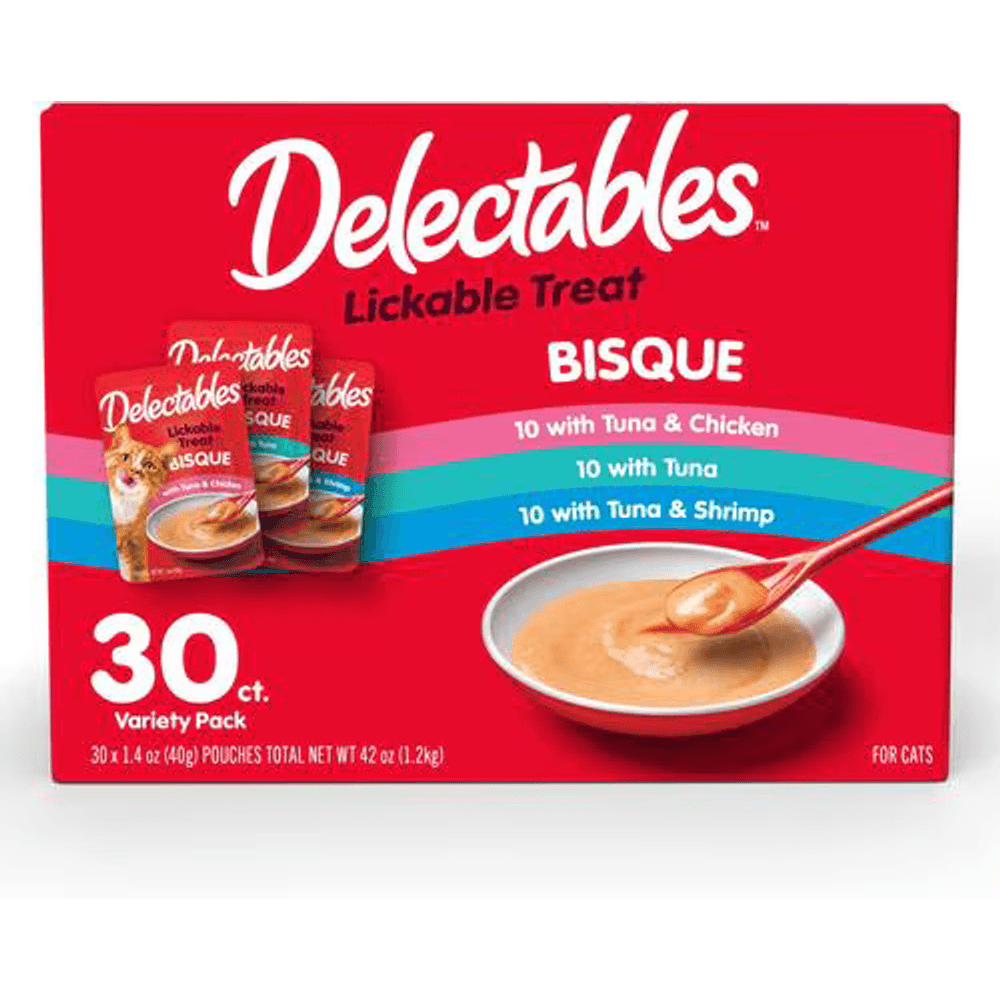
This is an optional cat treat. Review its current label, ingredients, calories, and feeding directions, and count it within the total daily extras.
Webvet may earn a commission when you click through to Chewy, at no extra cost to you.
If a cat steals shrimp, identify raw versus cooked, amount, shells or tails, sauce, seasoning, packaging, time, and symptoms. Seek advice for a large or unknown amount, raw product in a vulnerable cat, alliums, swallowed packaging, repeated vomiting, pain, weakness, breathing difficulty, or collapse. For restaurant shrimp, request the full preparation because garlic can be hidden in butter, marinades, seasoning blends, broth, batter, or sauce. Count missing shells, tails, skewers, toothpicks, foil, and plastic separately. If several cats or pets had access, do not assume equal shares; report the maximum amount one individual could have eaten. Save the package or receipt and photograph the product. Do not give milk, oil, bread, charcoal, hydrogen peroxide, antihistamines, or human stomach medicine unless a veterinarian directs it. Cats should not receive dog emesis methods. A small plain cooked flesh taste in a normal cat may only require observation, while raw seafood, a large unknown amount, allium seasoning, a sharp object, or symptoms can change that recommendation. Raw exposure does not guarantee infection and should not be assigned a fixed symptom window. If signs develop, report the exposure but allow other causes to be evaluated. During a hydrolyzed or novel-protein food trial, even plain shrimp can invalidate results. Cats on renal, cardiac, gastrointestinal, weight-management, or other prescription diets may have specific sodium, fat, protein, phosphorus, or calorie goals. Follow the treating veterinarian's plan rather than applying a broad disease ban. Report shells, tails, skewers, toothpicks, hooks, line, foil, and plastic as separate possible ingestions. Repeated vomiting, abdominal pain, poor appetite, marked lethargy, facial swelling, breathing difficulty, collapse, or suspected foreign material warrants prompt care. Cats should not receive hydrogen peroxide or dog-oriented vomiting methods. During an elimination trial, any shrimp outside the prescribed diet can invalidate results. Cats on renal, urinary, cardiac, gastrointestinal, or weight-management diets may also have individual sodium, phosphorus, fat, protein, or calorie targets that need review.
Choosing another optional cat treat
No treat is automatically best because it is animal protein. Choose by complete diet, calories, ingredients, texture, medical plan, and individual tolerance. A measured portion of regular complete food is often easier to track. Cats often receive calories from lickable treats, dental products, pill foods, toppers, and table scraps in addition to meals. Count all sources. If a cat begins refusing complete food while demanding shrimp, stop using it as an appetite workaround and contact the veterinarian. Persistent poor appetite, especially with vomiting or lethargy, is a medical sign. Shrimp should not become the only food a cat will accept or a substitute for balanced nutrition. Refrigerate cooked seafood promptly and discard spoiled shrimp. Wash hands, utensils, counters, and bowls after raw handling. Keep raw juices and packaging away from other food. Frozen shrimp may contain added sodium or seasoning, so inspect the label before it is cooked rather than assuming frozen means plain. If shrimp was caught rather than purchased, identify the water source, local advisories, handling, bait, hooks, line, and freshness. A wild-caught exposure is not assessed solely by counting shrimp. If a cat scavenges shells from trash, report other discarded food, skewers, foil, plastic, absorbent pads, and cleaning products that may also be present. Keep kitchen and seafood waste in a secured bin.
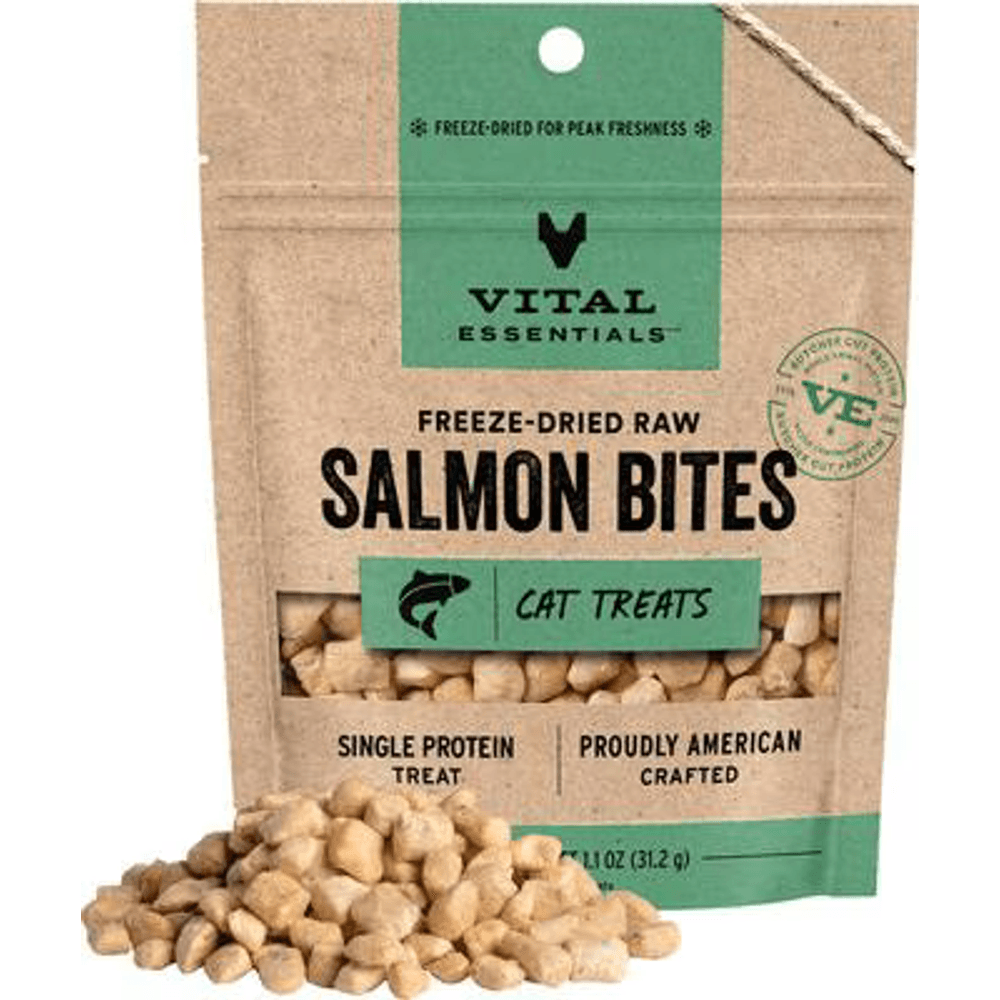
This is an optional cat treat. Review its current label, ingredients, calories, and feeding directions, and count it within the total daily extras.
Webvet may earn a commission when you click through to Chewy, at no extra cost to you.
Frequently asked questions
Can cats eat raw shrimp?
Plain thoroughly cooked shrimp flesh can be an occasional treat if it fits the cat's plan.
Can cats eat shrimp shells and tails?
No reliable source establishes that all raw shrimp contains thiaminase.
How much shrimp can a cat eat?
Avoid raw shrimp because raw animal food can carry pathogens.
Can cats eat shrimp every day?
Shells and tails do not guarantee obstruction, but removing them reduces an avoidable concern.
Can cats eat fried or seasoned shrimp like tempura or scampi?
No evidence-based half-shrimp or body-size serving exists.

Do not induce vomiting unless directed by a veterinarian or poison professional. A small plain cooked flesh exposure can often be monitored, while the actual product and symptoms determine whether more action is needed. For a cat with prior facial swelling, itching, gastrointestinal signs, or a suspected seafood reaction, document the product and timing and avoid another trial until the treating veterinarian reviews the history. A complete diet trial is more informative than rotating shellfish at home.
More safe treats
More meat & seafood for cats
Sources
- FDA: Get the Facts about Raw Pet Food Diets
Raw animal foods can expose pets and people to pathogens; the guidance supports avoiding raw fish and shellfish without predicting illness from every bite.
- Merck Veterinary Manual: Nutritional Requirements of Small Animals
Complete diets control nutrient intake; limited-ingredient home mixtures can be inadequate, and processed plant ingredients can be digested and used.
- Cornell Feline Health Center: Feeding Your Cat
Cats require complete feline nutrition, treats should remain limited, and dairy tolerance varies among adult cats.
- Merck Veterinary Manual: Gastrointestinal Obstruction in Small Animals
Foreign-body risk depends on the object, amount, and patient rather than being guaranteed by a shell, hull, skin, seed, or bone.
Reviewed by Dr. Athena Gaffud, DVM
General guidance based on credible veterinary sources; not a diagnosis or a substitute for your veterinarian. If your pet ate something toxic or is unwell, contact your vet or a pet poison line right away.