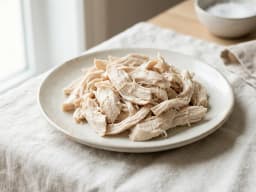
Can cats eat chicken?
SafePlain cooked boneless chicken can be an occasional cat treat, but it is not a complete diet and raw poultry carries pathogen risk.


Medically reviewed by Dr. Athena Gaffud, DVM · Last reviewed
Can Cats Eat Chicken?
Plain, thoroughly cooked, boneless chicken can be an occasional cat treat or topper, but muscle meat alone is not a complete feline diet. Cats have indispensable animal-derived nutrient requirements, yet that does not make any amount of plain meat balanced or prove that properly processed ingredients from other sources are unusable.
- 1Assess chicken by its exact form, amount, added ingredients, and the individual cat.
- 2There is no universal spoon or daily chicken allowance. If the cat's veterinary team approves it, count the cooked meat's calories within the complete treat budget and protect the main balanced diet. Kittens and cats with therapeutic diets need even closer attention to nutrient displacement.
- 3Prepare chicken plainly and choose a size and texture suited to how this cat eats.
- 4Do not intentionally feed bones; accidental bone exposures require case-specific triage.
- 5Call promptly for raw-poultry illness concerns, a substantial bone exposure, or a seasoned product with a hazardous ingredient. Emergency signs include breathing or swallowing difficulty, repeated vomiting, severe lethargy, pain, bleeding, inability to keep water down, or suspected obstruction.

Treats should stay under 10% of your cat's daily calories. Smalls makes the rest, built around the meat an obligate carnivore actually needs.
- Human-grade ingredients, protein first
- Built for obligate carnivores
- Fresh meals delivered to your door
Webvet may earn a commission when you click through to Smalls, at no extra cost to you.
Is Chicken Safe for Cats?

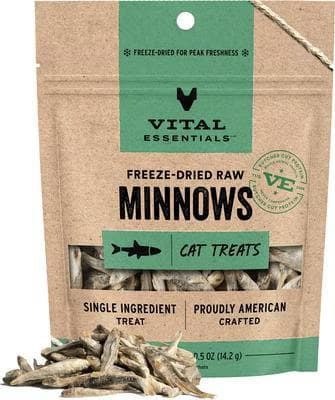
This is an optional cat treat. Review its current label, ingredients, calories, and feeding directions, and count it within the total daily extras.
Webvet may earn a commission when you click through to Chewy, at no extra cost to you.
Cook poultry thoroughly and keep raw juices away from hands, dishes, counters, and other food. FDA warns that raw pet food carries a higher pathogen risk and specifically advises against uncooked meat because H5N1 can be deadly to cats. Freezing or a clean appearance does not replace thorough cooking. For mixed products containing chicken, keep the package and report every ingredient, amount, time, cat's weight, history, and signs.
Chicken provides animal protein, fat, vitamins, minerals, and energy, but it lacks the complete nutrient profile and proportions needed for long-term feline feeding. Cats can digest properly processed starch in complete foods. Their obligate-carnivore status defines essential nutrient needs; it is not evidence that all grains or produce are indigestible.
How to Prepare Chicken
This food adds optional calories and nutrients, but the complete cat food remains responsible for meeting dietary requirements. Related guidance: garlic.

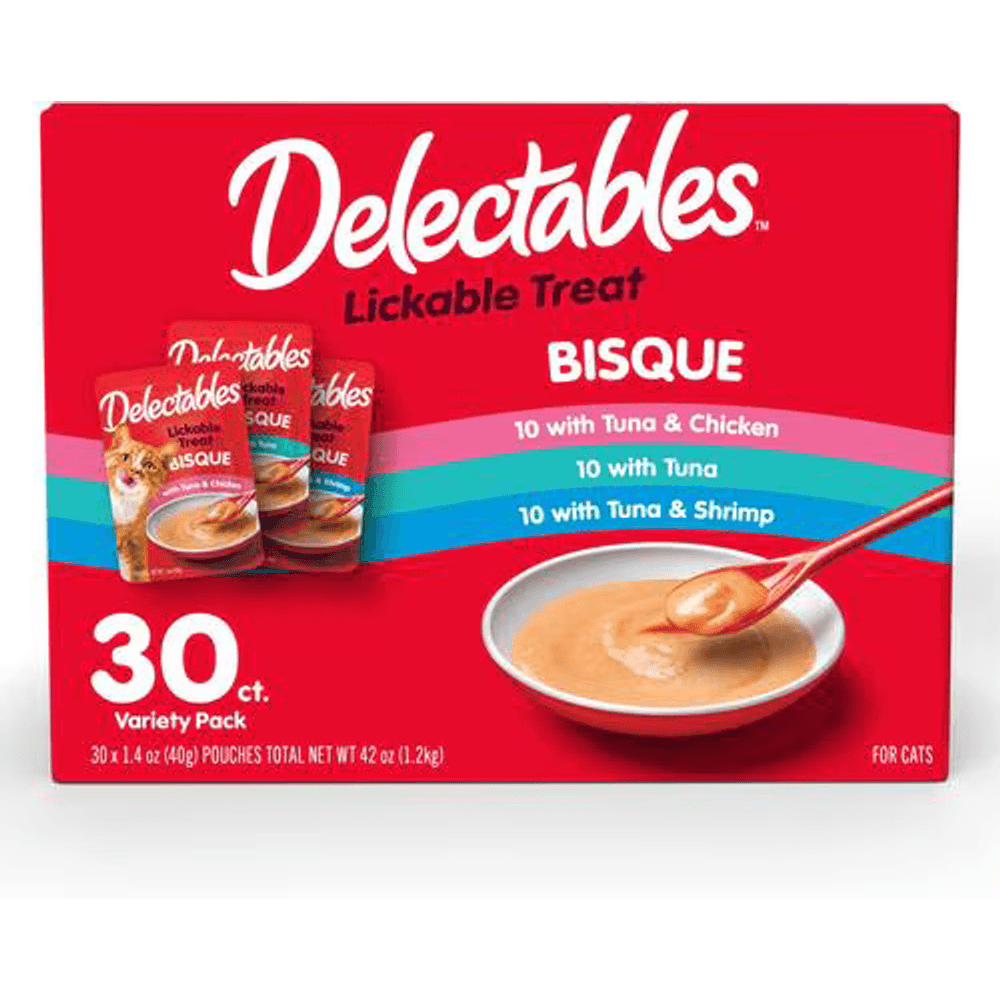
This is an optional cat treat. Review its current label, ingredients, calories, and feeding directions, and count it within the total daily extras.
Webvet may earn a commission when you click through to Chewy, at no extra cost to you.
There is no universal spoon or daily chicken allowance. Plain muscle meat alone is not a complete feline diet. Count chicken toppers and training bites, and use a veterinary plan if the cat refuses balanced food or needs a food-allergy trial. If the cat's veterinary team approves it, count the cooked meat's calories within the complete treat budget and protect the main balanced diet. Kittens and cats with therapeutic diets need even closer attention to nutrient displacement. Use the calories in chicken and the individual cat's remaining treat allowance; body weight alone is not a serving chart.
| Decision point | Evidence-based guidance |
|---|---|
| Plain food | Assess plain chicken by form, amount, tolerance, and the individual cat. |
| Portion | Use the individual calorie allowance, not a fixed piece or spoon table |
| Preparation | Serve it plain and choose a manageable size and texture. |
| Mixed product | Read every ingredient and keep the package or recipe for advice. |
| Medical diet | Skin disease, ear problems, vomiting, or diarrhea cannot confirm chicken allergy. Merck supports a veterinarian-supervised elimination diet followed by controlled challenge. Unplanned chicken tastes can invalidate a food trial, so every treat, flavored medication, supplement, and shared food must follow the trial plan. |
How to Portion Chicken
Use plain, fully cooked meat with no bones, onion, garlic, sauce, or breading. Separate plain cooked boneless meat from raw poultry, skin, drippings, fried coating, seasoned leftovers, and bones. Raw products carry pathogen concerns, and FDA advises against feeding cats raw or unpasteurized meat because of H5N1 risk. If chicken is used to give medicine, confirm that the drug may be given with food and that the cat consumed the complete dose. Let it cool and cut it for the cat's chewing pattern. Skin, butter, and cooking oil add calories; they are not the same hazard as Allium ingredients, but they may make the food a poor fit for an individual plan.
Soft shreds may be easier for some cats than cubes, but no cut is universally safe. Supervise a cat that gulps, remove tough gristle, and avoid forcing food during illness. Cats with oral pain, swallowing trouble, or reduced appetite need veterinary assessment rather than a texture workaround.

What About Raw Chicken?
Bones can lodge or injure the digestive tract, so do not intentionally feed them. The outcome after an accidental bone exposure is not predictable from the words raw or cooked alone. Bone size, sharpness, amount, the cat, and signs guide veterinary triage.
Rotisserie meat, broth, deli slices, nuggets, casseroles, and prepared pet toppers differ from plain chicken. Read every ingredient. Onion and garlic warrant toxicology assessment, while ordinary salt, butter, or oil should be discussed in dose, calorie, and patient context rather than called equivalent poisons. Skin disease, ear problems, vomiting, or diarrhea cannot confirm chicken allergy. Merck supports a veterinarian-supervised elimination diet followed by controlled challenge. Unplanned chicken tastes can invalidate a food trial, so every treat, flavored medication, supplement, and shared food must follow the trial plan.
When Chicken Becomes a Problem
Call promptly for raw-poultry illness concerns, a substantial bone exposure, or a seasoned product with a hazardous ingredient. Emergency signs include breathing or swallowing difficulty, repeated vomiting, severe lethargy, pain, bleeding, inability to keep water down, or suspected obstruction. Related guidance: vomiting; diarrhea.

A cat with vomiting or diarrhea should not automatically be put on chicken and rice. That mixture is not complete, and fasting or home diet changes may be inappropriate for the cause or the cat's condition. Ask the veterinary team whether to feed and what therapeutic diet, if any, is indicated.
Other Safe Protein Treats for Cats
If this food does not fit the plan, choose another veterinarian-approved treat and count it within the same calorie allowance. Related guidance: cooked egg; salmon; turkey.
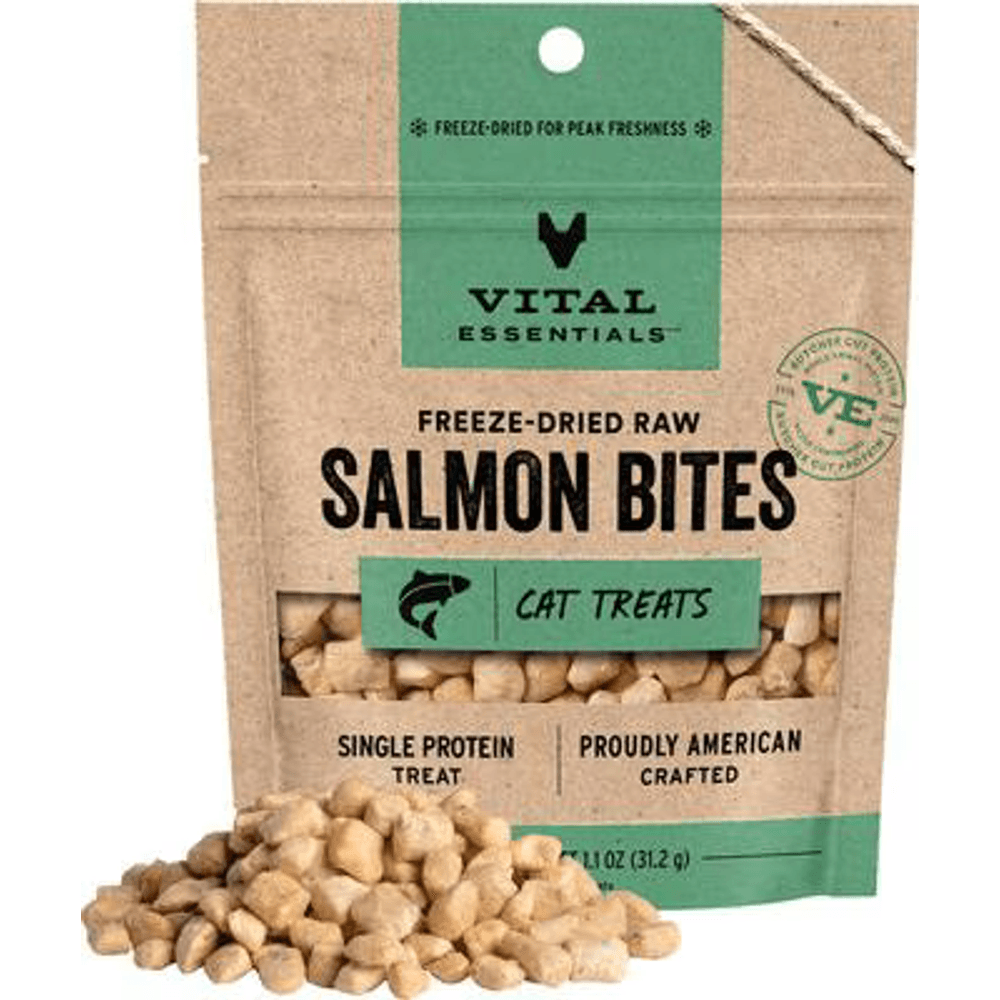
This is an optional cat treat. Review its current label, ingredients, calories, and feeding directions, and count it within the total daily extras.
Webvet may earn a commission when you click through to Chewy, at no extra cost to you.
Frequently Asked Questions
Can cats eat plain cooked chicken?
Yes, plain thoroughly cooked boneless chicken may fit as an occasional treat or topper when its calories are included in the full diet.
Is chicken alone a complete cat meal?
No. Chicken muscle meat is not a complete feline diet and can dilute required nutrients if it displaces too much balanced food.
Why should raw poultry be avoided?
Raw poultry carries foodborne-pathogen risk, and FDA warns that H5N1 can be deadly to cats. Thorough cooking is the safer choice.
Can cats digest processed starch?
Yes. Cats have species-specific essential nutrient needs but can digest properly processed starch in a complete formulated food.
How is chicken allergy confirmed?
Nonspecific signs do not diagnose it. A veterinarian confirms food allergy with a controlled elimination diet followed by challenge.

Cooked boneless chicken can be a small optional extra, not a complete meal or proof that cats cannot use processed starch. Thorough cooking is important for pathogen and H5N1 risk, and allergy claims require an elimination-and-challenge diagnosis. The practical decision is individualized: confirm the exact food, use a manageable texture, keep extras within the calorie plan, and watch the actual cat rather than a fixed schedule. Contact a veterinarian for persistent vomiting or diarrhea, marked lethargy, pain, breathing or swallowing trouble, inability to pass stool or urine, neurologic signs, or any ingredient-specific toxicology concern.
More safe treats
More meat & seafood for cats
Sources
- FDA: Raw Pet Food Diets Can Be Dangerous to You and Your Pet
Reports that tested raw pet foods were more likely than other tested foods to contain disease-causing bacteria and recommends thorough cooking of raw ingredients.
- FDA: Ways to Reduce the Risk of HPAI in Cats
Advises against feeding uncooked meat or uncooked pet food and recommends thorough cooking because H5N1 can be deadly to cats and can also affect dogs.
- FDA: Potentially Dangerous Items for Your Pet
Identifies bones and corn cobs as foods that can lodge in the esophagus, stomach, or intestines and supports prompt case-specific veterinary assessment.
- Merck Veterinary Manual: Overview of Nutrition in Small Animals
Supports complete and balanced feeding and patient-specific nutrition; it does not establish clinical benefit from a treat portion.
- Merck Veterinary Manual: Nutritional Requirements of Small Animals
Supports species-specific nutrient requirements, including the feline need for preformed vitamin A and the distinction between digestibility and essential nutrient source.
- Merck Veterinary Manual: Cutaneous Food Allergy in Animals
States that dietary elimination followed by controlled challenge is the reliable method for confirming food allergy rather than diagnosing it from nonspecific signs alone.
- WSAVA: Feeding Treats to Your Cat
Supports keeping cat treats within about 10% of daily calories without imposing universal piece, spoon, or frequency tables.
Reviewed by Dr. Athena Gaffud, DVM
General guidance based on credible veterinary sources; not a diagnosis or a substitute for your veterinarian. If your pet ate something toxic or is unwell, contact your vet or a pet poison line right away.