
Can cats eat sardines?
SafePlain cooked sardines can be an occasional cat treat; use exact product calories and check packing medium, sodium, bones, and ingredients.


Medically reviewed by Dr. Athena Gaffud, DVM · Last reviewed
Can Cats Eat Sardines?
Plain thoroughly cooked sardine flesh can be an occasional cat treat if it fits the cat's calorie, complete-diet, and medical plan. Sardines are optional and should not be promoted as a treatment for coat, joints, heart, kidney, inflammation, development, or another condition.
- 1Plain cooked sardines can be an optional cat treat.
- 2No feline piece count or fixed weekly schedule is evidence based.
- 3A treat portion does not treat coat, joint, heart, or kidney disease.
- 4Use exact calories, packing medium, sodium, bones, sauce, and ingredients.
- 5Therapeutic diets should not be changed without the treating veterinarian.

Treats should stay under 10% of your cat's daily calories. Smalls makes the rest, built around the meat an obligate carnivore actually needs.
- Human-grade ingredients, protein first
- Built for obligate carnivores
- Fresh meals delivered to your door
Webvet may earn a commission when you click through to Smalls, at no extra cost to you.
Can sardines fit an individual cat's diet?
Sardines contain protein, fat, calories, vitamins, minerals, and long-chain omega-3 fatty acids. Nutrient presence does not prove a clinical outcome from a household taste. Cats should receive essential nutrients from complete feline food unless a veterinarian prescribes a formulated supplement or therapeutic diet.


This is an optional cat treat. Review its current label, ingredients, calories, and feeding directions, and count it within the total daily extras.
Webvet may earn a commission when you click through to Chewy, at no extra cost to you.
FDA lists sardines among lower-mercury choices for people. That provides comparative contaminant context, not a feline serving frequency. Product source, advisories, spoilage, packing medium, and other contaminants can still differ.
Deciding whether an optional sardine portion fits
No evidence-based feline piece count or twice-weekly schedule exists. Fish vary in size and calories. Use the label or weighed product calories within the cat's total extras and avoid displacing complete food. Use the exact sardine package to distinguish water-packed, oil-packed, brined, tomato-sauce, mustard, smoked, dried, raw, and seasoned products. Record the serving mass, sodium, oil, added onion or garlic, and maximum amount missing. Whole canned sardines may contain softened bones, while a stray sharp bone, hook, line, skewer, pull tab, lid, or plastic creates a separate physical concern. Sardines used in a complete feline formula are balanced within that recipe; loose canned fish remains an extra.
Kittens need complete growth nutrition, while age or body size alone does not create a sardine dose. Cats on calorie restriction, elimination trials, or therapeutic diets should receive no additions unless the treating veterinarian approves them.

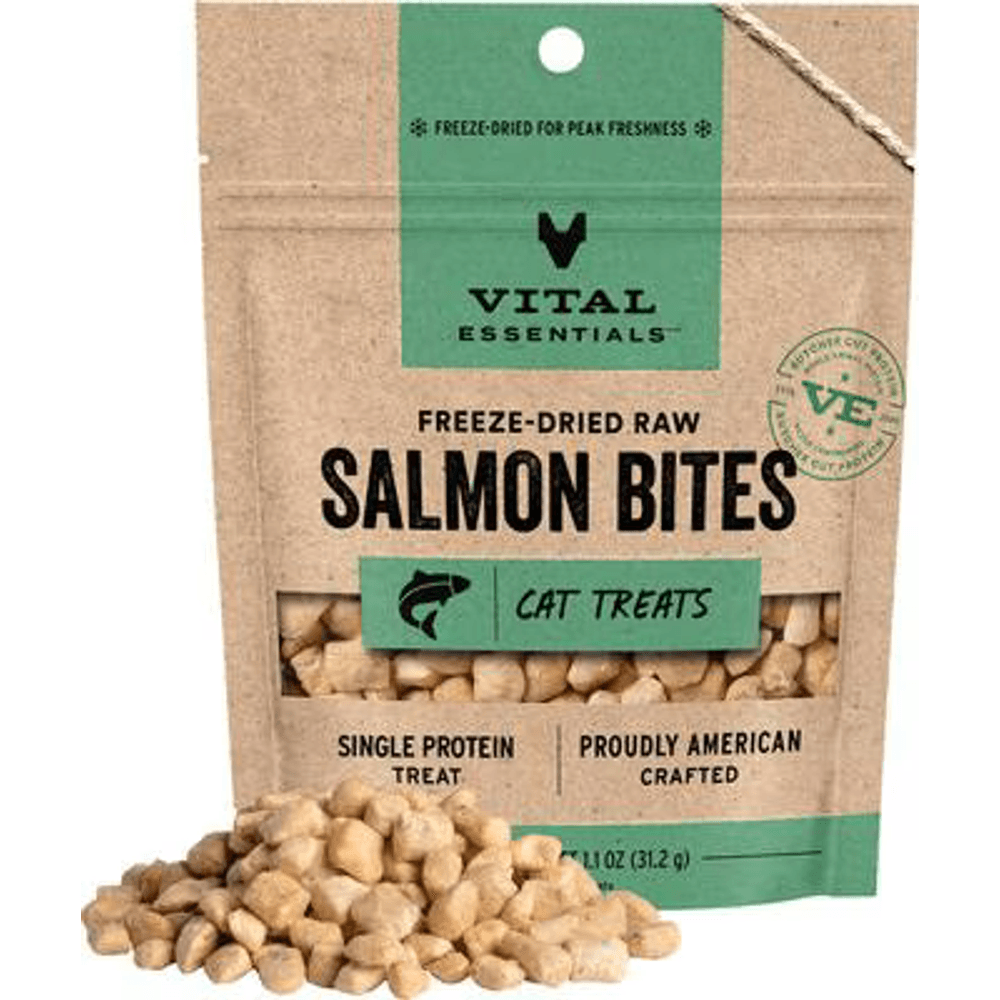
This is an optional cat treat. Review its current label, ingredients, calories, and feeding directions, and count it within the total daily extras.
Webvet may earn a commission when you click through to Chewy, at no extra cost to you.
| Question | What matters |
|---|---|
| Optional amount | Exact calories and all daily extras |
| Canned product | Water, oil, brine, sauce, sodium, and bones |
| Raw exposure | Source, amount, time, and symptoms |
| Medical diet | Diagnosis, laboratory findings, and prescribed nutrient plan |
How to Prepare Sardines for Your Cat
Choose thoroughly cooked plain flesh. Canned products differ in water, oil, brine, sauce, sodium, seasonings, calories, and bones. Read the exact label rather than treating every can as equivalent. Use the calorie statement and serving mass on the exact can. Draining water, brine, or oil does not create a reliable home calculation for what remains in the fish. Do not rinse a seasoned product and assume all sodium, onion, or garlic is gone. Refrigerate leftovers promptly in a covered food-safe container and discard fish from leaking, swollen, badly damaged, or abnormal cans. Keep tins, pull tabs, wrappers, hooks, and fishing line inaccessible. If a cat licks a plate or steals a fish, note whether bones, sauce, packaging, or another ingredient were present. A fishy odor alone is not a diagnosis of spoilage, and vomiting after fish does not prove mercury toxicity, pancreatitis, allergy, or thiamine deficiency. Repeated or severe signs need veterinary assessment. For a cat on a renal or urinary prescription diet, ask whether any fish is compatible with the intended phosphorus, sodium, protein, calorie, and urine goals. Different diagnoses and stages can lead to different advice, so a neighbor's restriction should not be copied. During an elimination diet, even a small sardine can invalidate the trial. If pills are normally hidden in fish, tell the veterinarian so the medication plan can be preserved without undermining the diet.
Soft bones in some canned sardines may be consumed, but they do not prove the cat needs extra calcium or phosphorus. Hard, sharp, or large bones require an object- and patient-specific risk assessment.
Risks and When to Skip Sardines
Avoid raw fish because of pathogen risk. Thiaminase statements require species-specific evidence and sustained-diet context; evidence does not establish that every sardine product contains the enzyme or that one raw taste causes deficiency.

Oil and sodium affect nutritional suitability according to product and amount. They do not guarantee pancreatitis or salt toxicosis. Garlic and onion in a sauce are separate toxic ingredients. Repeated vomiting, marked lethargy, pain, weakness, or neurologic signs warrants veterinary care. After a raid, note the cat's weight, medical conditions, timing, appetite, vomiting, stool, activity, and any package damage. Repeated vomiting, abdominal pain, pronounced lethargy, breathing difficulty, tremors, collapse, or refusal of normal food warrants veterinary advice. Raw fish also creates pathogen exposure for people cleaning dishes and litter. Cats on renal, cardiac, urinary, gastrointestinal, weight-management, elimination, or other therapeutic diets may have individual sodium, phosphorus, fat, protein, or calorie targets that make an otherwise plain sardine unsuitable.
Choosing another planned cat treat
Obligate carnivory describes required nutrients rather than a universal treat ranking, and it does not make plant ingredients unusable. Choose extras by calorie plan, complete nutrition, texture, ingredients, and the individual cat's tolerance and medical needs.
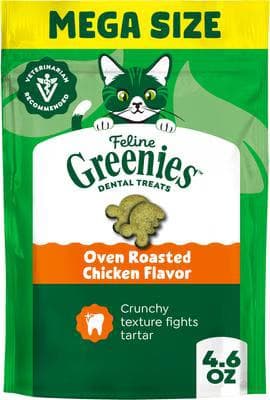
This is a dental cat treat. Follow the current label and ask your veterinarian how it fits alongside tooth brushing and professional dental care.
Webvet may earn a commission when you click through to Chewy, at no extra cost to you.
Frequently Asked Questions
Can cats eat sardines in water?
Plain cooked sardines can be optional when they fit the cat's complete diet and calorie plan.
Can cats eat sardines in oil or brine?
No evidence-based feline fish count or twice-weekly schedule exists.
Are the bones in sardines safe for cats?
Sardine nutrients do not establish coat, joint, heart, or kidney benefits from a treat.
How often can I give my cat sardines?
Avoid raw fish for pathogen risk without assuming every sardine contains thiaminase.
Can kittens eat sardines?
Use prescription diet and laboratory findings for cats with kidney or urinary disease.

Cats with kidney or urinary disease need diagnosis-specific nutrition rather than a generic ingredient ban. Any sardine addition must be assessed against the diagnosis, prescription diet and laboratory findings, and the treating veterinarian's nutrient targets. Cats often receive extras from several sources, including lickable treats, dental products, food used for medication, table scraps, and supplements. Count all of them. Repeated small additions can matter even when no single taste is toxic. If the cat stops eating complete food in favor of sardines, stop offering fish and address the appetite change rather than increasing the topper. Persistent appetite loss is a medical sign, not evidence that the cat merely prefers fish. Wash bowls and utensils after handling raw or oily fish, and keep raw juices away from human food. If several cats shared a can, measure what remains rather than assuming equal portions. Record when each cat last ate normal food and whether any nonfood material is missing. These details make a later veterinary call more useful. If a cat catches or scavenges fish, note the species if known, water source, local fish advisory, freshness, bones, hooks, line, and maximum amount eaten. Do not assume a wild fish is equivalent to a commercial can. Contact a veterinarian for a substantial raw catch, fishing gear, spoilage, or clinical signs. Do not give an over-the-counter vitamin or thiamine product after one raw taste unless a veterinarian identifies a need; supplements can complicate the complete diet and do not address bacterial exposure or a swallowed object.
More safe treats
More meat & seafood for cats
Sources
- FDA: Advice about Eating Fish
FDA lists salmon, sardines, and shrimp among lower-mercury choices for people; this is contaminant context, not a pet serving recommendation.
- FDA: Get the Facts about Raw Pet Food Diets
Raw animal foods can expose pets and people to pathogens; the guidance supports avoiding raw fish and shellfish without predicting illness from every bite.
- Merck Veterinary Manual: Nutritional Requirements of Small Animals
Complete diets control nutrient intake; limited-ingredient home mixtures can be inadequate, and processed plant ingredients can be digested and used.
- Cornell Feline Health Center: Feeding Your Cat
Cats require complete feline nutrition, treats should remain limited, and dairy tolerance varies among adult cats.
- Merck Veterinary Manual: Gastrointestinal Obstruction in Small Animals
Foreign-body risk depends on the object, amount, and patient rather than being guaranteed by a shell, hull, skin, seed, or bone.
- Merck Veterinary Manual: Pancreatitis in Dogs and Cats
Pancreatitis is multifactorial; diet recommendations and risk assessment differ by species, patient, diagnosis, and total nutrient intake.
Reviewed by Dr. Athena Gaffud, DVM
General guidance based on credible veterinary sources; not a diagnosis or a substitute for your veterinarian. If your pet ate something toxic or is unwell, contact your vet or a pet poison line right away.