
Can cats eat hot dogs?
Not recommendedA small plain hot-dog bite is unlikely to poison a cat. Check the actual label, amount, shape, storage, medical history, and symptoms.


Medically reviewed by Dr. Athena Gaffud, DVM · Last reviewed
Can Cats Eat Hot Dogs?
A small bite of an identified plain hot dog is unlikely to poison a healthy cat, but the food is unnecessary and recipes vary in sodium, fat, calories, seasonings, and storage. Check whether the product is beef, pork, poultry, plant-based, cheese-filled, raw, cooked, spoiled, or covered with chili or condiments. Actual onion or garlic content, alcohol, chocolate, sweeteners, and other ingredients require separate review; no standard recipe can be assumed from appearance. Shape, size, and the cat's chewing determine the immediate physical concern, so cutting a piece does not guarantee that choking is impossible. Save the label and report the amount, time, appetite, vomiting, abdominal comfort, activity, breathing, and any missing wrapper, skewer, foil, or absorbent pad. Cats on kidney, heart, urinary, gastrointestinal, allergy-trial, or sodium-restricted diets need the prescribed plan protected. Complete feline food is a more predictable repeated reward than processed meat. An unrefrigerated or spoiled hot dog also differs from a freshly cooked product, so report storage time, package damage, and unusual odor. If several picnic foods were involved, itemize them rather than assuming the hot dog explains every possible symptom. Keep toothpicks, skewers, foil, and condiment packets in that inventory. For future rewards, use part of the cat's measured complete food or a feline treat that does not require guessing about seasoning and package ingredients.
- 1A small plain exposure is usually low risk, but hot dogs are unnecessary.
- 2Check the actual label rather than assuming onion or garlic is present.
- 3Salt, allium, and pancreatitis concerns require product and patient context.
- 4A round piece could cause choking; no source establishes a common feline gut blockage.
- 5Nitrates and approved preservatives are not established feline toxins at food-use levels.

Treats should stay under 10% of your cat's daily calories. Smalls makes the rest, built around the meat an obligate carnivore actually needs.
- Human-grade ingredients, protein first
- Built for obligate carnivores
- Fresh meals delivered to your door
Webvet may earn a commission when you click through to Smalls, at no extra cost to you.
Why Hot Dogs Are a Poor Choice for Cats
A hot dog contains animal protein as well as calories, sodium, fat, and product-specific seasonings. Calling it nutritionally empty or equivalent to candy does not accurately assess the food or the complete feline diet. Calling a hot dog candy for cats obscures the useful questions. The product contains meat-derived protein and fat, but it may also be calorie dense, salty, seasoned, and incomplete as feline nutrition. Those facts make it a poor routine substitute for complete cat food without proving that one plain bite is poison. Compare the actual package rather than relying on the meat name, since beef, pork, turkey, and chicken links can differ greatly in sodium, fat, calories, and spices. A cat on a kidney, heart, urinary, allergy, diabetes, or weight diet may have stricter limits set by the treating veterinarian.


This is an optional cat treat. Review its current label, ingredients, calories, and feeding directions, and count it within the total daily extras.
Webvet may earn a commission when you click through to Chewy, at no extra cost to you.
Cats have species-specific nutrient requirements, but they can digest animal fat and some carbohydrate. Kidney size and obligate carnivory do not establish poisoning from one small food exposure.
The Main Risks of Feeding Cats Hot Dogs
Sodium varies by product. Salt toxicosis requires sufficient exposure and is influenced by water access; a salty label does not by itself establish kidney injury or poisoning in an individual cat.
A fatty food exposure does not predict pancreatitis. Nitrates and approved preservatives are not established feline toxins at food-use levels; assess a specifically identified ingredient rather than a category of additives. Pancreatitis cannot be diagnosed from a fatty-food history alone. Cats may show vague signs such as poor appetite, lethargy, dehydration, vomiting, or abdominal discomfort, and those signs warrant veterinary assessment when they persist or are severe. The presence of nitrate or an approved curing ingredient on a label is not, by itself, evidence of feline poisoning at ordinary food-use levels. A named toxic ingredient should be assessed on its own evidence and dose. This is why the product label, amount eaten, cat's weight and medical history, and current signs are more informative than adjectives such as processed, greasy, or preservative-laden.

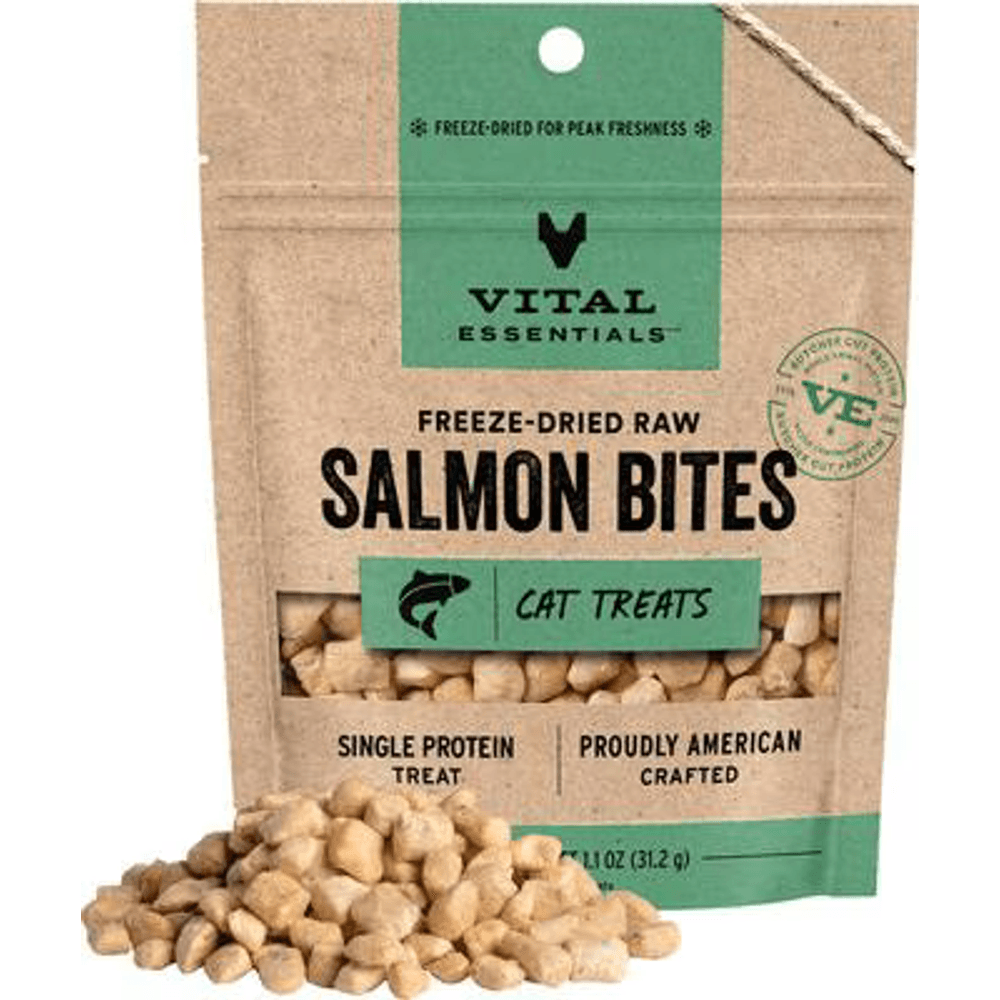
This is an optional cat treat. Review its current label, ingredients, calories, and feeding directions, and count it within the total daily extras.
Webvet may earn a commission when you click through to Chewy, at no extra cost to you.
A round piece could cause choking, particularly if swallowed without chewing. Hot dogs are not established as a common feline intestinal blockage; assess a possible object exposure from its size, amount, cat, and signs. A round piece can cause choking if it is swallowed without adequate chewing, but that possibility does not make hot dogs a documented common feline intestinal blockage. Choking affects the airway and demands immediate action when the cat cannot breathe. A swallowed object in the gastrointestinal tract is a different problem whose risk depends on size, material, location, and signs. Cut any offered food for the individual cat and supervise, while recognizing that no shape is risk free. Contact a veterinarian for repeated vomiting, abdominal pain, refusal of food, marked lethargy, straining, or a swallowed wrapper or other concerning object.
How Much Hot Dog Is Too Much?
There is no evidence-based pea-size or universal hot-dog serving for cats. The food is unnecessary; if a small optional taste fits the cat, count it within the individual calorie and medical plan.
What to Do If Your Cat Ate a Hot Dog
After a small plain exposure, note the product, amount, time, and symptoms. Stomach upset is not inevitable, and no fixed monitoring window applies; fresh water should remain available. If the cat remains normal, continue access to fresh water and the usual complete food unless the veterinarian says otherwise. Do not prescribe fasting from a general article. Appetite changes are important in cats, so a cat that refuses food after the incident should be discussed with the veterinary team rather than managed with more human food.

Seek prompt advice for a known allium, a concerning salt exposure, choking, swallowed packaging, repeated vomiting, weakness, pale gums, breathing changes, dark urine, or other illness. Delayed allium signs remain possible after a sufficient dose.
Better Treat Alternatives for Cats
Choose rewards that fit the cat's complete diet and calorie plan. Plain cooked animal foods may fit some cats, but hot-dog alternatives still need review for sodium, ingredients, texture, allergies, and therapeutic-diet restrictions.
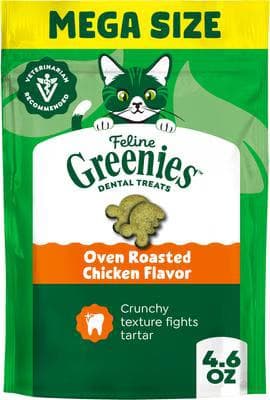
This is a dental cat treat. Follow the current label and ask your veterinarian how it fits alongside tooth brushing and professional dental care.
Webvet may earn a commission when you click through to Chewy, at no extra cost to you.
Commercial treats also vary in calories and formulation. Check the label and use the individual complete-diet plan rather than assuming a puree, baby food, or freeze-dried product is automatically appropriate.
Frequently Asked Questions
What happens if my cat eats a hot dog?
A small plain exposure is usually low risk. Check the exact label, amount, wrapper, and symptoms.
Is it okay to feed cats hot dogs regularly?
Routine hot dogs are unnecessary and may consume the treat-calorie allowance or conflict with a medical diet.
Can hot dogs kill a cat?
Serious harm is possible with choking, a sufficiently large salt or allium dose, packaging, or severe illness, but it is not predicted by every bite.
Can cats eat raw hot dogs?
Most packaged hot dogs are ready-to-eat. Follow storage and reheating directions and distinguish them from uncooked sausage.
My cat won't eat cat food but will eat hot dogs. What should I do?
A cat refusing complete food needs veterinary assessment. Do not replace the diet with hot dogs without diagnosing the appetite change.

Hot dogs are unnecessary rather than uniformly poisonous. A small plain bite is usually low risk; check the actual label and seek case-specific help for a hazardous ingredient, object, amount, or symptom.
Safe alternatives
More meat & seafood for cats
Sources
- USDA FSIS: Hot Dogs and Food Safety
Hot dogs are generally ready-to-eat products; refrigeration, storage, and reheating address potential Listeria contamination.
- Merck Veterinary Manual: Salt Toxicosis in Animals
Salt toxicosis requires a sufficient dose and depends on exposure and water access.
- Merck Veterinary Manual: Garlic and Onion Toxicosis in Animals
Allium risk depends on the ingredient, concentration, dose, and susceptible patient.
- Merck Veterinary Manual: Pancreatitis in Dogs and Cats
Pancreatitis is multifactorial and cannot be diagnosed or predicted from one food exposure alone.
- Merck Veterinary Manual: Gastrointestinal Obstruction in Small Animals
Foreign-body risk and outcome depend on the object, amount, patient, and clinical signs.
- WSAVA: Feeding Treats to Your Cat
All treats share an individual calorie allowance and should not displace complete feline nutrition.
- Merck Veterinary Manual: Overview of Nutrition in Small Animals
Treat choices should be evaluated within the cat's complete diet, calorie plan, medical needs, and ingredient tolerance.
Reviewed by Dr. Athena Gaffud, DVM
General guidance based on credible veterinary sources; not a diagnosis or a substitute for your veterinarian. If your pet ate something toxic or is unwell, contact your vet or a pet poison line right away.