
Can dogs eat bacon?
Not recommendedBacon is not inherently poisonous to dogs, but it is calorie-dense, fatty, and salty. Assess the amount, recipe, dog, and symptoms.


Medically reviewed by Dr. Athena Gaffud, DVM · Last reviewed
Can Dogs Eat Bacon?
Bacon is not inherently poisonous to dogs, but it is calorie-dense, fatty, salty, and unnecessary in a complete diet. A small cooked crumb and a large grease exposure are different situations. Assess the amount, product, recipe, dog's health, and symptoms instead of treating bacon as either harmless or a guaranteed pancreatitis trigger.
- 1Bacon is not a recognized dog toxin, but it is a poor routine treat because of calories, fat, and sodium.
- 2Dietary indiscretion is associated with canine pancreatitis, but there is no universal bacon dose that predicts disease.
- 3Salt toxicosis is dose- and hydration-dependent; a small crumb is not a defined toxic dose.
- 4Raw pork risk depends on processing, source, geography, and cooking rather than every raw-bacon exposure being equivalent.
- 5Garlic, onion, cocoa, and other coating hazards are recipe-specific and require the exact label.

Treats should stay under 10% of your dog's daily calories. JustFoodForDogs makes the rest of it.
- Recipes developed by veterinary nutritionists
- Whole-food ingredients you can recognise
- Fresh meals delivered to your door
Webvet may earn a commission when you click through to JustFoodForDogs, at no extra cost to you.
Is bacon safe for dogs?
Plain cooked bacon does not contain an inherent poison comparable with xylitol or grapes. Its routine concerns are energy density, fat, and sodium. Those properties make it a poor treat, but do not justify analogies that imply one crumb is an acute salt or fat poisoning event.

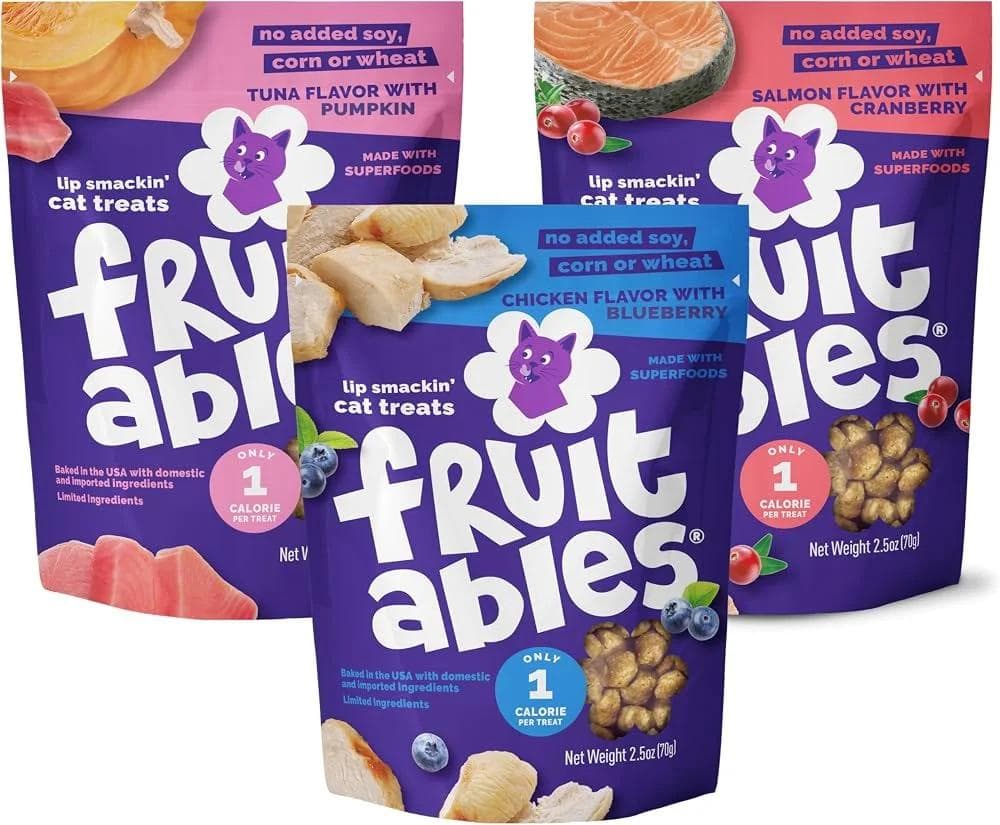
This is an optional dog treat. Review its current label, ingredients, calories, and feeding directions, and count it within the total daily extras.
Webvet may earn a commission when you click through to Chewy, at no extra cost to you.
There is no universal bacon amount that is safe or dangerous for every dog. A veterinarian considers the product, amount, timing, dog size, body condition, pancreatitis history, medical diet, access to water, and symptoms. Fixed dog-size tables imply a precision that the evidence does not support.
Why bacon is a problem: salt, fat, and pancreatitis
Dietary indiscretion is believed to be a canine pancreatitis risk factor, but bacon is not established as a leading or deterministic trigger. A rich exposure plus repeated vomiting and abdominal pain may raise concern, while the same amount may not affect another dog. Diagnosis depends on the full clinical picture.
Obesity, hypertriglyceridemia, prior pancreatitis, certain endocrine disease, and other factors can change a veterinarian's concern. They do not create a universal rule that one specific bacon amount will cause a flare. Dogs on therapeutic diets need advice from the clinician managing that plan.

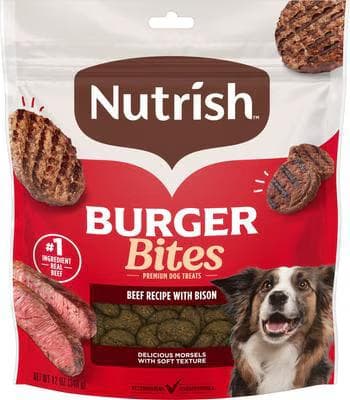
This is an optional dog treat. Review its current label, ingredients, calories, and feeding directions, and count it within the total daily extras.
Webvet may earn a commission when you click through to Chewy, at no extra cost to you.
Bacon contains sodium, but salt toxicosis depends on dose, hydration, and the individual animal. A small bacon exposure does not establish organ strain or salt poisoning from dog size alone. Keep fresh water available and call for marked thirst with neurologic signs, repeated vomiting, weakness, tremors, or seizures.
What about raw bacon, turkey bacon, and bacon grease?
Raw pork products can carry pathogens or parasites, but risk varies with animal source, processing, geography, storage, and preparation. CDC particularly highlights raw or undercooked pork and wild game for Trichinella prevention. Do not imply that every raw commercial bacon exposure carries the same material trichinosis risk.
Turkey bacon, bacon bits, and grease vary in fat, sodium, and other ingredients. Bacon grease is concentrated fat, but it is not literally pure fat and it does not guarantee pancreatitis. Read the label and assess the amount and patient rather than assigning one risk profile to every form.

How much bacon is too much?
There is no evidence-based dog-size table mapping one bacon strip to pancreatitis or salt poisoning. Record whether the dog ate cooked strips, raw bacon, grease, flavored bits, or food cooked in bacon fat. The package provides more useful information than a guessed number of bites because slice weight, sodium, fat, and seasoning vary. Check for onion or garlic flavoring and note access to fresh water. Pan drippings can represent a richer exposure than crumbs from a plate. If bacon is eaten, estimate the amount and use the product's nutrition and ingredient information plus the dog's health history and symptoms. Bacon is unnecessary, so avoiding it as a deliberate treat is reasonable while the actual product and amount guide any exposure assessment.
| Assessment factor | Why it matters | What to report |
|---|---|---|
| Amount | Changes calorie, fat, and sodium exposure | Estimated pieces or grease volume |
| Product | Recipes and processing vary | Package and ingredient list |
| Patient | Size, disease, and diet affect response | Weight and medical history |
| Symptoms | Guide urgency | Timing and progression |
What to do if your dog ate bacon
After a small plain cooked exposure in an asymptomatic dog, remove access, keep fresh water available, and follow veterinarian guidance. Do not assume every dog needs a fixed one-day watch or that one strip is harmless. The amount, recipe, and patient determine the plan.
Contact a veterinarian for a large amount, repeated vomiting, abdominal pain, significant lethargy, neurologic signs, or a recipe containing a hazardous ingredient. Call for repeated vomiting, marked lethargy, abdominal pain, tremors, weakness, altered thirst, or other concerning changes. A clinician may consider dietary indiscretion, pancreatitis, sodium exposure, or an unrelated problem based on the whole case; bacon alone does not determine the diagnosis. Do not withhold water or use a home remedy unless the veterinary team gives that instruction. Do not induce vomiting unless directed. Early assessment is useful, but it is inaccurate to say a bacon amount automatically causes pancreatitis.

Better treats than bacon
A plain lean protein may fit some dogs better than bacon, but any extra still contributes calories and may conflict with a prescribed diet. Choose a veterinarian-approved treat, prepare it without hazardous seasonings, and keep all treats within the dog's individual calorie allowance.
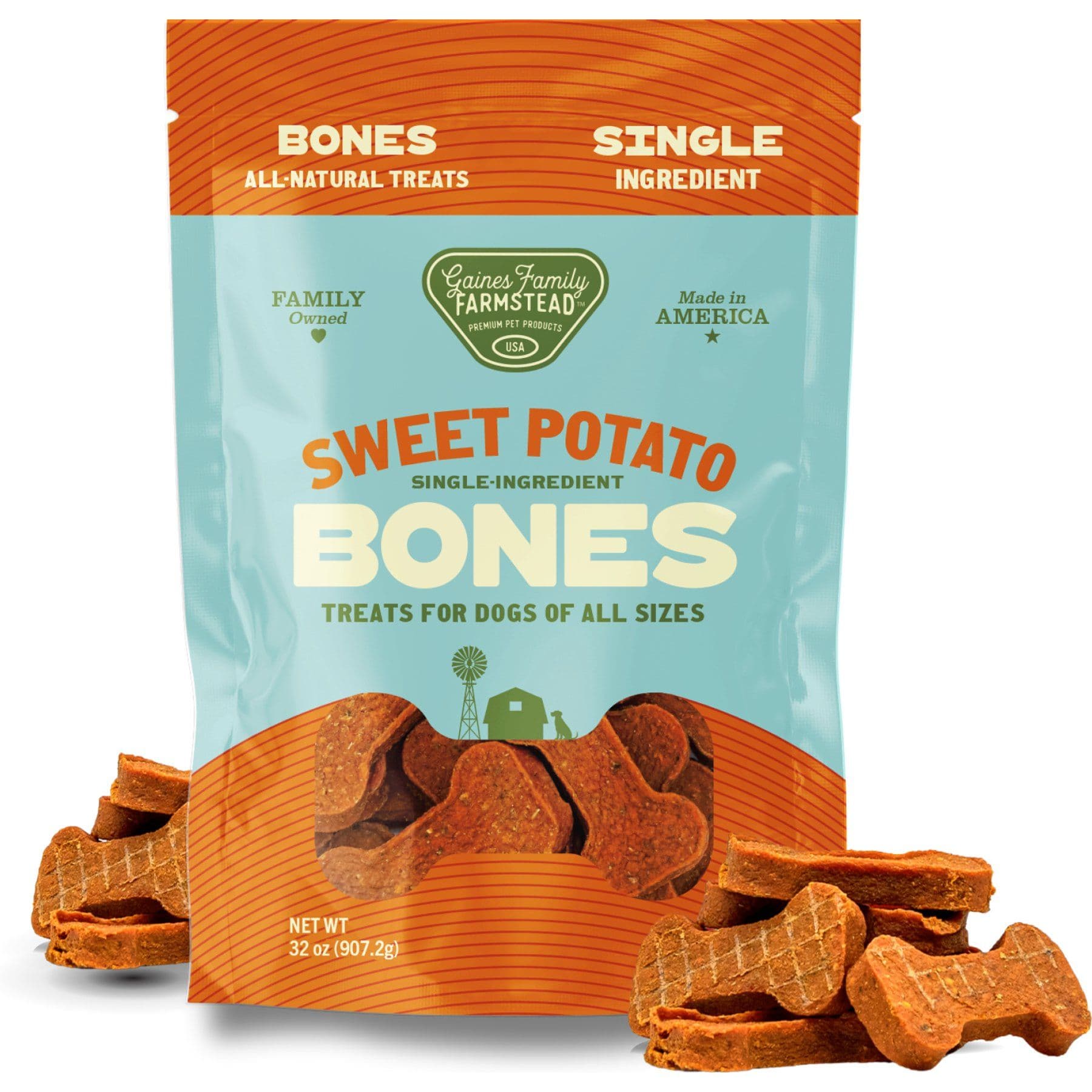
This is an optional dog treat. Review its current label, ingredients, calories, and feeding directions, and count it within the total daily extras.
Webvet may earn a commission when you click through to Chewy, at no extra cost to you.
The bottom line
Bacon is not poisonous by itself, yet its calories, fat, and sodium make it a poor routine choice. A small bacon exposure does not by itself establish organ strain or pancreatitis. If an exposure occurs, use the exact product, amount, dog, and symptoms to decide next steps.
Frequently Asked Questions
Can dogs eat a small piece of cooked bacon?
A small plain cooked piece is unlikely to poison a healthy dog, but it adds calories, fat, and sodium and is not recommended as a routine treat. Product, amount, patient, and symptoms matter.
Can dogs eat raw bacon?
Raw pork risk varies with source, processing, geography, storage, and preparation. Identify the product and amount and ask a veterinarian, especially for noncommercial or undercooked pork and any symptoms.
My dog ate a lot of bacon, what should I do?
Keep the package, estimate the amount, and call a veterinarian with the dog's history and symptoms. Repeated vomiting, abdominal pain, marked lethargy, weakness, tremors, or seizures require prompt assessment.
Is turkey bacon safe for dogs?
Turkey bacon is still a processed product whose fat, sodium, and ingredients vary. It is not automatically safe because it uses turkey. Plain cooked turkey may be a different, lower-fat option if approved for the dog.
Can bacon grease make my dog sick?
Bacon grease is concentrated fat and can cause gastrointestinal upset; a rich-food exposure may be relevant to pancreatitis risk. It does not guarantee disease, so assess the amount, dog, and symptoms.

Safe alternatives
More meat & seafood for dogs
Sources
- Merck Veterinary Manual: Pancreatitis in Dogs and Cats
Supports dietary indiscretion as a canine risk factor while not establishing a food-specific dose or predictable outcome after one exposure.
- Merck Veterinary Manual: Salt Toxicosis in Animals
Describes salt toxicosis in relation to sodium exposure and water access; it gives no bacon-specific universal threshold.
- CDC: How to Prevent Trichinellosis
Supports avoiding raw or undercooked pork and notes that source, processing, and cooking determine Trichinella risk.
- WSAVA: Feeding Treats to Your Dog
Supports limiting all treats to about 10% of a dog's daily calories and calculating the allowance for the individual dog.
Reviewed by Dr. Athena Gaffud, DVM
General guidance based on credible veterinary sources; not a diagnosis or a substitute for your veterinarian. If your pet ate something toxic or is unwell, contact your vet or a pet poison line right away.