Dog symptom
Dehydration in dogs
Reviewed by the Webvet Veterinarian Team · Last reviewed June 22, 2026
Too little body water, usually from not drinking enough or losing fluids through vomiting, diarrhea, or heat. It can worsen quickly — especially in small, young, or sick pets.
Common causes of dehydration in dogs
- Vomiting, diarrhea, or fever
- Not drinking enough (illness, pain, nausea)
- Heat exposure or overexertion
- Underlying disease (kidney disease, diabetes)
Who's most at risk
- Puppies, kittens, and small or senior pets
- Pets with vomiting or diarrhea
- Hot weather and active dogs
- Pets with kidney disease or diabetes
What you can do at home
- Offer fresh water and, if advised, a pet electrolyte solution
- Check the gums — sticky or dry gums suggest dehydration
- Address the cause (e.g., cool a hot pet) and call your vet
When to see a vet
- Sunken eyes, very sticky/dry gums, or skin that stays 'tented' when lifted
- Ongoing vomiting or diarrhea, or they can't keep water down
- Weakness, collapse, or a young, small, or senior pet
- Known kidney disease or diabetes
When it's more serious
- Severe dehydration is dangerous — they likely need IV fluids now.
- Continued fluid loss outpaces home care — see a vet today.
- Those signs mean meaningful dehydration — get them checked promptly.
What your vet may do
- Assess hydration; check gums, heart rate, and weight
- Give fluids under the skin or IV
- Bloodwork to find the cause and check the kidneys
- Treat the underlying problem
Questions to ask your vet
- How dehydrated is my pet?
- Do they need IV fluids and hospitalization?
- What's causing the fluid loss?
- How do I keep them hydrated at home?

Frequently asked questions
What causes dehydration in dogs?
Too little body water, usually from not drinking enough or losing fluids through vomiting, diarrhea, or heat. It can worsen quickly — especially in small, young, or sick pets. Common causes include: Vomiting, diarrhea, or fever; Not drinking enough (illness, pain, nausea); Heat exposure or overexertion; Underlying disease (kidney disease, diabetes).
Is dehydration in dogs an emergency?
See a vet today. See a vet right away if: Sunken eyes, very sticky/dry gums, or skin that stays 'tented' when lifted; Ongoing vomiting or diarrhea, or they can't keep water down; Weakness, collapse, or a young, small, or senior pet; Known kidney disease or diabetes.
What can I do at home for a dog with dehydration?
Offer fresh water and, if advised, a pet electrolyte solution. Check the gums — sticky or dry gums suggest dehydration. Address the cause (e.g., cool a hot pet) and call your vet.
A closer look at dehydration in dogs
Dehydration in a dog is not a minor bad day, it is a fluid deficit that can slide toward an emergency faster than most owners expect. Because it usually rides in on top of another problem, such as vomiting, diarrhea, a hot afternoon, or a dog that has quietly stopped drinking, the single most important thing to know is this: if your dog is dry, weak, or still losing fluids, this is a same-day veterinary issue, not a wait-and-see one. The good news is that you can learn to read your dog's hydration at home in under a minute, and knowing what those checks mean tells you whether to head in now.
- 1Dehydration is almost always a symptom of something else, so finding and treating the cause matters as much as replacing the water.
- 2Three fast home checks tell you a lot: the skin-tent test at the shoulders, the feel of the gums, and whether the eyes look sunken.
- 3Marked dehydration plus weakness, collapse, or ongoing vomiting means go to a vet now, because your dog likely needs fluids under the skin or into a vein.
- 4Puppies, small breeds, and seniors dehydrate far faster and have far less reserve, so treat their warning signs as urgent.
- 5Never try to force water or give human electrolyte drinks or medications without your vet's guidance.
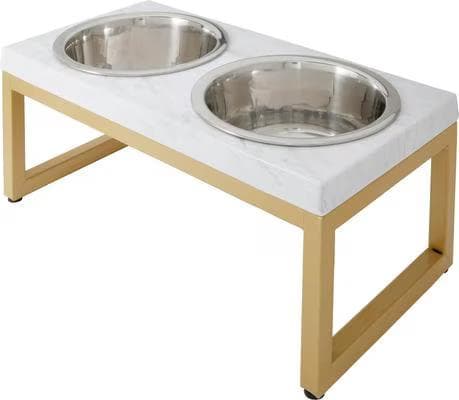
Easy, constant access to fresh water is the simplest prevention. It does not treat a dog who is already dehydrated, that needs fluids from a vet.
Webvet may earn a commission when you click through to Chewy, at no extra cost to you.
What dehydration actually does inside your dog
Water is not just what fills the bowl, it is the medium every cell in your dog's body works in. Blood volume, kidney filtration, temperature control through panting, and the movement of nutrients and waste all depend on your dog holding onto enough fluid and the right balance of electrolytes such as sodium and potassium. When losses outrun intake, the body starts protecting its core: it pulls water out of the tissues under the skin, blood becomes thicker and harder to pump, and circulation to the kidneys and gut drops. That is why a dehydrated dog often looks flat and tired long before anything dramatic happens.

The reason vets treat dehydration so seriously is that it feeds a downward spiral. A dog losing fluid to vomiting or diarrhea also loses electrolytes, which makes them feel more nauseated and less willing to drink, which deepens the deficit. Thicker blood strains the heart and starves the kidneys of the flow they need, and dogs with existing kidney disease or diabetes have almost no margin to give. This is why dehydration can worsen quickly, especially in a small, young, or already sick dog, and why catching it while it is still mild is far easier and safer than reversing it once your dog is weak.
The home checks that tell you how dry your dog really is
The most useful check is the skin-tent test. With your dog standing or sitting calmly, gently lift the loose skin over the shoulder blades, then let it go. In a well-hydrated dog the skin snaps back almost instantly. If it settles slowly, or worse, stays tented like a little tepee before flattening, that loss of springiness is a real sign of fluid depletion. Do it over the shoulders rather than the neck scruff, and remember that very lean, very old, or overweight dogs can give a slightly misleading result, so read this check alongside the others.
Next, look at the gums. Lift your dog's lip and touch the gum above a tooth. Healthy gums are slick and wet, and your finger should glide. Gums that feel tacky, sticky, or dry are a strong signal that your dog is running low on fluid. While you are there, press a fingertip gently against the gum until it blanches to a pale spot, then lift off and watch the pink color flood back. That is capillary refill time, and in a hydrated dog it returns in about one to two seconds; a refill that drags noticeably longer suggests circulation is suffering. Finally, look at the eyes. Eyes that appear sunken or dull, set back a little deeper than usual, point to more advanced dehydration and should never be brushed off.
| Home check | What you feel or see | What it usually means |
|---|---|---|
| Skin tent at the shoulders | Skin snaps back instantly | Hydration is likely fine; keep monitoring |
| Skin tent at the shoulders | Skin returns slowly or stays tented | Meaningful dehydration; call your vet |
| Gum feel | Slick and wet | Well hydrated |
| Gum feel | Tacky, sticky, or dry | Dehydrated; get checked promptly |
| Capillary refill (press gum, watch color return) | Color back in 1 to 2 seconds | Circulation is holding up |
| Capillary refill | Color returns slowly | Poor circulation; urgent vet care |
| Eyes | Bright and full | Reassuring |
| Eyes | Sunken or dull | Advanced dehydration; go now |

Why dogs get dehydrated in the first place
Because dehydration is a downstream symptom, the real question your vet will ask is where the water is going. The biggest culprits are fluid losses from vomiting and diarrhea, which can drain a dog dry within a day, especially when they arrive together. Heat is the other classic driver: dogs cool themselves mainly by panting, and a hot day, a stuffy car, or hard exercise can push losses through the roof, which is how dehydration and heatstroke so often travel together. Then there is simply not drinking enough, which sounds harmless but usually is not, because a dog that suddenly refuses water is often nauseated, in pain, or unwell. Fever raises fluid demand, and underlying diseases such as kidney disease and diabetes cause the body to spill water into the urine, quietly dehydrating a dog even when the water bowl is full.
This is also why a dog can be dehydrated while still drinking. If losses through vomiting, diarrhea, or excessive urination outpace every mouthful, the bowl cannot keep up, which is why home care alone rarely fixes true dehydration once it has taken hold.
What to expect at the vet visit
Your vet starts by confirming how dehydrated your dog is, using the same skin, gum, and eye checks you did at home along with heart rate and body weight, one of the most sensitive ways to track fluid loss. From there the goal is two-part: replace the fluid and find the cause. Mild cases may be managed with fluids given under the skin, a small reservoir the body absorbs over a few hours, often on an outpatient basis. More significant dehydration usually calls for intravenous fluids through a catheter, so your dog is rehydrated in a controlled way while electrolytes are corrected and the kidneys are supported.
Alongside the fluids, expect your vet to look for the source. Bloodwork and a urine test help reveal whether the kidneys are stressed and whether something like diabetes, an infection, or an electrolyte disturbance is at work. Treatment then targets that underlying problem: anti-nausea medication if vomiting is driving the losses, cooling for a heat-related case, or longer-term management for a chronic disease. Recovery for a promptly treated dog is often quick, sometimes just a day, but a dog who was severely dehydrated or has an underlying illness may need hospitalization and more time. Costs vary with how much care is needed, which is another reason catching it early pays off.

How to help at home safely
For a mildly off dog who is still alert and drinking, the safest home steps are gentle ones. Offer fresh, cool water in small amounts often rather than letting a thirsty dog gulp a whole bowl, which can trigger more vomiting. Address the obvious cause where you safely can, such as moving a hot dog into shade or air conditioning and wetting the paws and belly with cool, not ice-cold, water. If your vet advises it, a pet-formulated electrolyte solution can help, but reach for the product your vet recommends rather than improvising.
Puppies, small dogs, and seniors dehydrate fast
Not every dog carries the same risk. Puppies have a high surface-area-to-body-weight ratio and tiny fluid reserves, so a bout of vomiting or diarrhea that a healthy adult would shrug off can dehydrate a puppy dangerously within hours, and parvovirus in an unvaccinated pup is a fast, life-threatening example. Small and toy breeds and lean seniors have less reserve too, and older dogs are also the ones most likely to have kidney disease or diabetes quietly increasing their losses. In all of these dogs, the threshold for calling the vet should be low. Pair a dehydration check with any unusual lethargy, and treat the combination as a reason to be seen sooner rather than later.
How to lower the risk day to day
Most everyday dehydration is preventable with a few steady habits. Keep clean, fresh water available at all times, and put out extra water stations when the weather is hot or when you travel so your dog is never far from a drink. On warm days, walk in the cooler hours, bring water on outings, and never leave a dog in a parked car. Watch water intake during any illness, and if your dog is vomiting, has diarrhea, or simply is not drinking, act early rather than waiting to see whether it passes. Adding water to meals or feeding some moisture-rich food helps dogs who are naturally light drinkers. For any dog with kidney disease or diabetes, following your vet's monitoring plan is the single best safeguard, because those dogs live closer to the edge of dehydration than most.

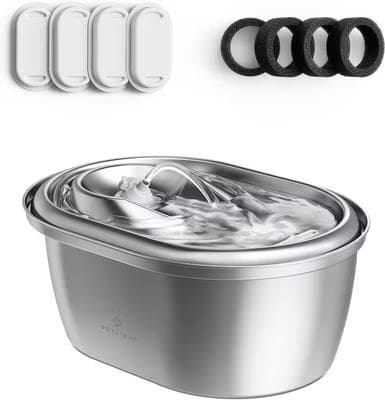
Fresh moving water gets drunk more. Prevention only, a visibly dehydrated dog needs a vet, not a fountain.
Webvet may earn a commission when you click through to Chewy, at no extra cost to you.
The reassuring truth about dehydration is that it is very treatable when caught in time, and you now have the tools to catch it: a quick skin tent at the shoulders, a feel of the gums, a glance at the eyes, and a two-second capillary refill. Trust those checks, factor in your dog's age and any known illness, and remember that dehydration is a signal pointing at something else. When the signs are mild and your dog is bright, gentle home care and a call to your vet may be enough. When they are marked, or paired with weakness or ongoing losses, do not wait, because prompt fluids turn a scary situation into a routine one.
Sources
Reviewed by the Webvet Veterinarian Team
This guide is general information, not a diagnosis, and does not replace an exam by your veterinarian. If your pet is in distress, contact your vet or an emergency clinic right away.
Related symptoms
- Ate something toxic in dogs
- Bloated belly or trying to vomit in dogs
- Collapse or fainting in dogs
- Drinking & urinating more in dogs
- Lethargy or low energy in dogs
- Not eating or loss of appetite in dogs
- Overheating or heatstroke in dogs
- Restlessness or pacing in dogs
- Seizure or tremors in dogs
- Sudden behavior change in dogs
- Weight loss in dogs