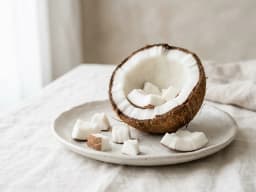
Can dogs eat coconut?
Safe in moderationSmall amounts of coconut flesh are unlikely to cause serious harm to dogs, but oils may upset the gut and coconut water is unsuitable.


Medically reviewed by Dr. Athena Gaffud, DVM · Last reviewed
Can Dogs Eat Coconut?
Coconut is a family of different products, not one uniform treat. ASPCA says small amounts of coconut and coconut-based products are unlikely to cause serious harm, while oils in the flesh and milk may cause stomach upset or loose stool. Coconut water is high in potassium and should not be offered to pets.
- 1Assess coconut by its exact form, amount, added ingredients, and the individual dog.
- 2There is no evidence-based spoon or body-weight table for coconut flesh or oil. If a veterinarian considers a plain form compatible, use the label or food-composition calories and the dog's total treat allowance. Concentrated oil can add substantial calories in a small volume.
- 3Prepare coconut plainly and choose a size and texture suited to how this dog eats.
- 4Shell and husk pieces can create a foreign-body concern; coconut water and oil are concentrated forms.
- 5Call a veterinarian for repeated vomiting or diarrhea, abdominal pain, marked lethargy, choking, dental injury, suspected obstruction, a substantial oil or water exposure, or a mixed product containing a hazardous ingredient. Retain packaging and describe the exact coconut form.

Treats should stay under 10% of your dog's daily calories. JustFoodForDogs makes the rest of it.
- Recipes developed by veterinary nutritionists
- Whole-food ingredients you can recognise
- Fresh meals delivered to your door
Webvet may earn a commission when you click through to JustFoodForDogs, at no extra cost to you.
Is Coconut Safe for Dogs?
A small amount of plain coconut flesh may cause no signs in one dog and gastrointestinal upset in another. Coconut meat, sweetened flakes, milk, cream, water, oil, flour, shell, and husk are not interchangeable. Their fat, mineral content, calorie density, and texture differ. Shell and husk pieces create a swallowed-object question, while desserts and curries may add chocolate, xylitol, raisins, onion, garlic, dairy, or substantial fat. Retain the product label. That general guidance does not make oil, sweetened flakes, milk, cream, water, shell, and husk equivalent. Identify the form and ingredients before deciding whether the exposure is low risk. For mixed products containing coconut, keep the package and report every ingredient, amount, time, dog's weight, history, and signs. Coconut flesh and oil are calorie-dense sources of fat; milk and beverages vary by formulation. A treat portion has no established clinical benefit for skin, coat, immunity, digestion, or hydration. A complete dog food and fresh water should remain the nutritional foundation.

Nutritional Context for Coconut
This food adds optional calories and nutrients, but the complete dog food remains responsible for meeting dietary requirements; coconut oil should not be added as a routine skin, coat, digestive, or weight-control treatment without a veterinary reason. It is calorie-dense fat and can disrupt a low-fat or calorie-restricted plan. Topical oil can also be licked, so include that route when describing the exposure.
How to Portion Coconut
There is no evidence-based spoon or body-weight table for coconut flesh or oil. If a veterinarian considers a plain form compatible, use the label or food-composition calories and the dog's total treat allowance. Concentrated oil can add substantial calories in a small volume. Use the calories in coconut and the individual dog's remaining treat allowance; body weight alone is not a serving chart.

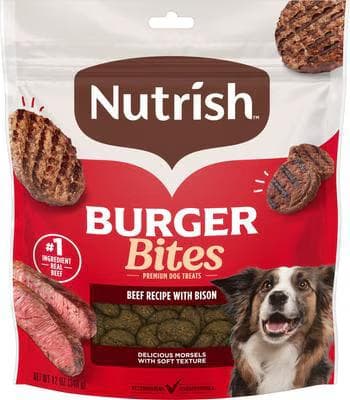
This is an optional dog treat. Review its current label, ingredients, calories, and feeding directions, and count it within the total daily extras.
Webvet may earn a commission when you click through to Chewy, at no extra cost to you.
| Decision point | Evidence-based guidance |
|---|---|
| Plain food | Assess plain coconut by form, amount, tolerance, and the individual dog. |
| Portion | Use the individual calorie allowance, not a fixed piece or spoon table |
| Preparation | Serve it plain and choose a manageable size and texture. |
Remove all hard shell and fibrous husk, use only plain edible flesh if any is offered, and check packaged coconut for sugar, chocolate, xylitol, flavorings, and other additions. Coconut water is a separate product from fresh drinking water and should not be used to manage vomiting, diarrhea, kidney disease, or abnormal thirst at home. Those signs need assessment of the cause. Report the brand because flavored drinks can add sugar, sweeteners, or other ingredients. After shell or husk ingestion, note the object's dimensions and the dog's chewing behavior; persistent vomiting, abdominal pain, appetite loss, gagging, or difficulty passing stool needs assessment. Do not give oil to force a fibrous piece through. Coconut water should not be offered. Refrigerate opened milk or flesh according to the label and discard spoiled products. Hard shell can injure teeth or become a foreign body; a wad of fibrous husk may also be difficult to pass. Risk depends on the piece, amount, dog, chewing behavior, and symptoms. A swallowed fiber does not predict surgery, but a concerning object deserves prompt case-specific advice.
Coconut oil, milk, and water: what about the other forms?
The usual food concerns are calorie density and gastrointestinal intolerance. High-fat dietary indiscretion is associated with canine pancreatitis, but no coconut-specific amount guarantees pancreatitis. A dog with prior disease or a prescribed low-fat diet should follow the treating veterinarian's plan.
How to Prepare Coconut
Flesh, milk, oil, and water are different products. Canned coconut milk may contain stabilizers or added sugar; coconut beverages may be diluted or fortified; baked goods can contain chocolate or sweeteners. Read the exact label rather than applying one safety statement to every coconut item. Dogs with kidney, heart, pancreatic, gastrointestinal, endocrine, or weight concerns may have reasons to avoid a particular coconut product. Those reasons depend on the therapeutic diet and patient. Do not use coconut oil topically or orally as a treatment without veterinary advice. Related guidance: chocolate.

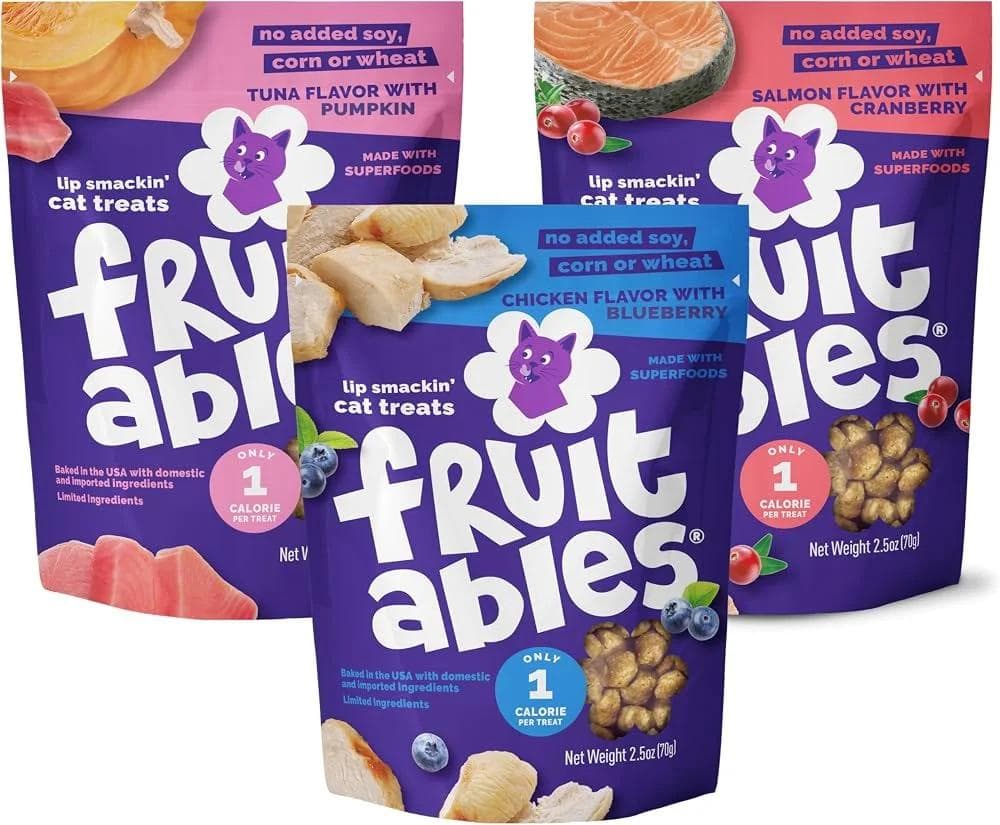
This is an optional dog treat. Review its current label, ingredients, calories, and feeding directions, and count it within the total daily extras.
Webvet may earn a commission when you click through to Chewy, at no extra cost to you.
Risks and When to Call
Call a veterinarian for repeated vomiting or diarrhea, abdominal pain, marked lethargy, choking, dental injury, suspected obstruction, a substantial oil or water exposure, or a mixed product containing a hazardous ingredient. Retain packaging and describe the exact coconut form. Related guidance: vomiting; diarrhea; lethargy.
Coconut water is not a canine hydration drink. Its high potassium content is the reason ASPCA advises against offering it, while ordinary fresh water remains appropriate unless a veterinarian directs otherwise. Do not extrapolate that warning to claim every trace is a defined toxic dose. If this food does not fit the plan, choose another veterinarian-approved treat and count it within the same calorie allowance.
Choosing Other Treats
Coconut flesh may be a low-risk optional taste for some dogs, but coconut oil, milk, water, shell, and husk need separate discussion. No universal spoon amount predicts safety, pancreatitis, or surgery; use the actual product, exposure, and patient for decisions. The practical decision is individualized: confirm the exact food, use a manageable texture, keep extras within the calorie plan, and watch the actual dog rather than a fixed schedule. Contact a veterinarian for persistent vomiting or diarrhea, marked lethargy, pain, breathing or swallowing trouble, inability to pass stool or urine, neurologic signs, or any ingredient-specific toxicology concern. Related guidance: Plain cooked chicken; Blueberries.
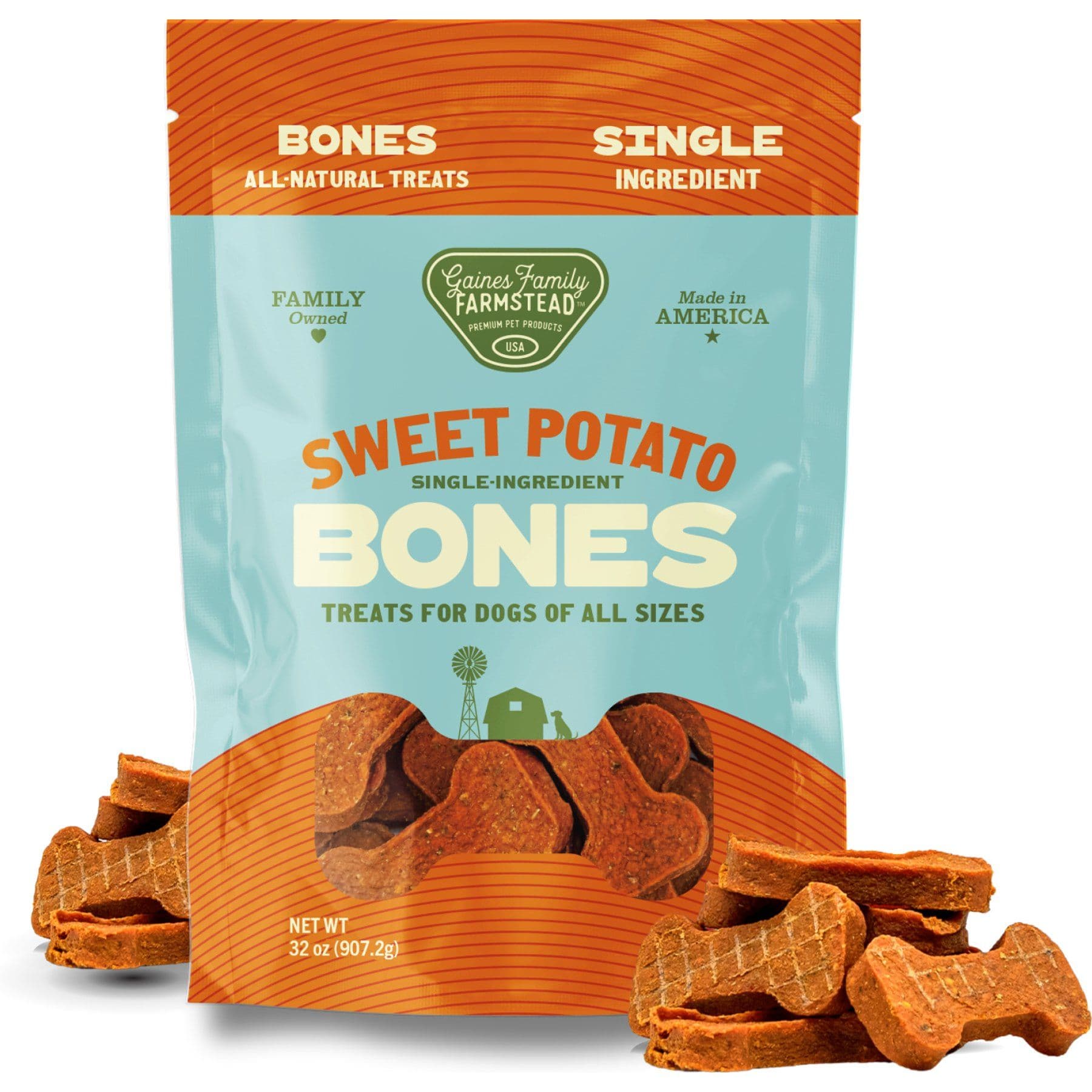
This is an optional dog treat. Review its current label, ingredients, calories, and feeding directions, and count it within the total daily extras.
Webvet may earn a commission when you click through to Chewy, at no extra cost to you.
Frequently Asked Questions

Frequently Asked Questions
Can dogs eat plain coconut flesh?
A small amount is unlikely to cause serious harm, but the oils in flesh may cause stomach upset or loose stool in an individual dog.
Is coconut water safe for dogs?
ASPCA advises that coconut water should not be offered because it is high in potassium. Use ordinary fresh water for routine hydration.
How much coconut oil can a dog have?
No universal spoon amount is supported. Oil is calorie-dense and may conflict with a low-fat or therapeutic diet.
Can coconut trigger pancreatitis?
No coconut-specific dose guarantees pancreatitis. High-fat dietary indiscretion is a risk factor, so susceptible dogs need individualized advice.
What if a dog swallowed shell or husk?
Contact a veterinarian for case-specific assessment. Piece size, material, dog, timing, and signs determine foreign-body or dental concern.
More safe treats
More fruits for dogs
Sources
- ASPCA: People Foods to Avoid Feeding Your Pets
Supports checking flavored or mixed coconut products for separate ingredients that may be hazardous to dogs.
- WSAVA: Feeding Treats to Your Dog
Supports keeping dog treats within about 10% of daily calories and calculating portions from individual energy needs.
- Merck Veterinary Manual: Pancreatitis in Dogs and Cats
Supports dietary indiscretion as a canine risk factor while not establishing a food-specific dose or predictable outcome from one exposure.
- Merck Veterinary Manual: Gastrointestinal Obstruction in Small Animals
Supports patient-specific foreign-body assessment and urgent evaluation when obstruction signs develop.
- Merck Veterinary Manual: Overview of Nutrition in Small Animals
Supports complete and balanced feeding and patient-specific nutrition; it does not establish clinical benefit from a treat portion.
Reviewed by Dr. Athena Gaffud, DVM
General guidance based on credible veterinary sources; not a diagnosis or a substitute for your veterinarian. If your pet ate something toxic or is unwell, contact your vet or a pet poison line right away.