Dog symptom
Blood in stool in dogs
Reviewed by the Webvet Veterinarian Team · Last reviewed June 22, 2026
Red streaks, jelly-like mucus with blood, or black tarry stool. A little fresh blood from straining can be minor, but a lot of blood, ongoing blood, or black tarry stool needs prompt care.
Common causes of blood in stool in dogs
- Colitis from diet, stress, or parasites
- Intestinal infections (including parvovirus in young dogs)
- A swallowed foreign object, or ulcers
- Anal gland or rectal problems
Who's most at risk
- Puppies and kittens (parvovirus, parasites)
- Pets overdue for parasite prevention
- High-stress events
- Scavengers prone to dietary indiscretion
What you can do at home
- Offer water to prevent dehydration; note the stool's color and amount
- Collect a fresh sample to bring to your vet
- Do not give human anti-diarrheal or pain medicines
When to see a vet
- Black, tarry stool (can mean bleeding higher in the gut)
- A lot of blood, or it keeps happening
- Also vomiting, weak, pale, or a young/unvaccinated pet
- A painful or bloated belly
When it's more serious
- Blood in stool with weakness, or in a young pet (possible parvovirus) — seek care now.
- Black, tarry stool can mean bleeding higher in the gut — see a vet today.
- Blood plus vomiting risks rapid dehydration — get them seen today.
What your vet may do
- Exam, hydration check, and a fecal test
- Bloodwork and possibly parvovirus testing in young dogs
- Imaging if an object or mass is suspected
- Treat the cause; fluids and gut protectants as needed
Questions to ask your vet
- Is the blood from the lower gut or higher up?
- Should we test for parvo or parasites?
- Is my pet dehydrated?
- What diet helps the gut recover?

Frequently asked questions
What causes blood in stool in dogs?
Red streaks, jelly-like mucus with blood, or black tarry stool. A little fresh blood from straining can be minor, but a lot of blood, ongoing blood, or black tarry stool needs prompt care. Common causes include: Colitis from diet, stress, or parasites; Intestinal infections (including parvovirus in young dogs); A swallowed foreign object, or ulcers; Anal gland or rectal problems.
Is blood in stool in dogs an emergency?
See a vet today. See a vet right away if: Black, tarry stool (can mean bleeding higher in the gut); A lot of blood, or it keeps happening; Also vomiting, weak, pale, or a young/unvaccinated pet; A painful or bloated belly.
What can I do at home for a dog with blood in stool?
Offer water to prevent dehydration; note the stool's color and amount. Collect a fresh sample to bring to your vet. Do not give human anti-diarrheal or pain medicines.
A closer look at blood in stool in dogs
Seeing blood in your dog's poop is alarming, and it deserves a call to your veterinarian rather than a wait-and-see night at home. A single streak of bright red on an otherwise normal stool from a dog who feels fine is often less worrying than a lot of blood, repeated bloody stools, or a black tarry mess. Because you cannot tell from the floor whether the cause is a passing bout of colitis or something dangerous like parvovirus or a swallowed toxin, the safest move is to note what you see, collect a sample, and get professional guidance the same day.
- 1Bright red blood (hematochezia) usually points to the lower gut, colon, or rectum; black tarry stool (melena) means digested blood from higher up and is more concerning.
- 2A little fresh blood in a bright, happy dog can be minor, but a lot of blood, ongoing blood, or black tarry stool needs prompt veterinary care.
- 3Puppies, unvaccinated dogs, or any dog that is also vomiting, weak, or pale should be seen urgently, as this can signal parvovirus or rapid dehydration.
- 4Never give human anti-diarrheal or pain medicines; many are toxic to dogs and can mask a serious problem.
- 5Bring a fresh stool sample and note the color and amount so your vet can pinpoint the source faster.
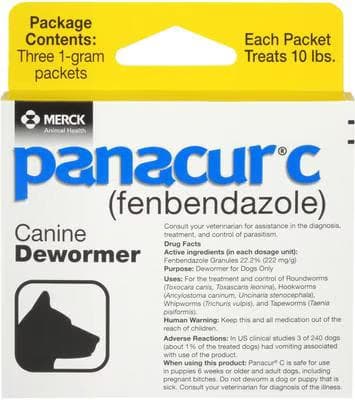
Parasites are a common cause of blood in a dog's stool. Deworming is only the answer once a vet has seen a fecal test, not a guess to try first.
Webvet may earn a commission when you click through to Chewy, at no extra cost to you.
Red blood versus black tarry stool: what the color is telling you
The single most useful thing you can observe is the color of the blood, because it tells your vet roughly where the bleeding is coming from. Fresh, bright red blood is called hematochezia. It has not been digested, so it comes from the lower digestive tract, the colon or rectum, and often shows up as streaks on the surface of the stool, as drips after a bowel movement, or mixed into loose, jelly-like poop. This pattern is classic for colitis, an inflamed colon, and is frequently linked to diet, stress, or parasites.
Black, tarry, sticky stool is a different story. This is melena, and the dark color comes from blood that has been digested on its way through the gut, which means it originated higher up, in the stomach or small intestine. Melena can be harder to notice than bright red blood because owners may mistake it for normal dark stool, but it is generally the more serious of the two. It can point to stomach ulcers, bleeding higher in the tract, or the effects of certain toxins. If your dog's stool looks like tar or coffee grounds, treat it as a reason to be seen today rather than a symptom to monitor.

| What you see | Where it comes from | Common associations | How urgent |
|---|---|---|---|
| Bright red streaks on formed stool | Lower gut, colon, or rectum | Straining, anal gland issues, mild colitis | Call your vet; often less urgent if the dog feels well |
| Loose, jelly-like poop with red blood and mucus | Inflamed colon | Diet, stress, parasites, colitis | See your vet promptly, especially if repeated |
| A lot of bright red blood or bloody diarrhea | Lower gut, sometimes AHDS | AHDS or HGE, parvovirus in young dogs | Urgent; risk of rapid dehydration |
| Black, tarry, or coffee-ground stool | Stomach or small intestine | Ulcers, upper-GI bleeding, some toxins | Urgent; see a vet today |
What is actually happening in your dog's gut
Blood appears in the stool when the delicate lining of the digestive tract is irritated, inflamed, or injured somewhere between the stomach and the anus. That lining is a busy, blood-rich surface, so it does not take much to make it seep. Parasites such as hookworms and whipworms latch onto the gut wall and cause bleeding directly. A sudden diet change, a raided garbage can, or a rich table scrap can inflame the colon within a day. Stress from boarding, travel, or a new home does the same thing through the gut-brain connection, which is why stress colitis is so common after a stressful weekend.
Some causes are far more serious. Acute hemorrhagic diarrhea syndrome, sometimes still called HGE, causes a dramatic, sudden gush of raspberry-jam-colored diarrhea and can send a dog into dangerous dehydration and shock within hours. Parvovirus, which strikes puppies and unvaccinated dogs, destroys the intestinal lining and is life-threatening. A swallowed foreign object can scrape or block the gut, and rodenticide (rat poison) interferes with clotting so a dog bleeds internally. This range, from a minor upset to an emergency, is exactly why the cause cannot be guessed at home.
The most common reasons dogs pass blood
In everyday practice, the biggest drivers are colitis from dietary indiscretion or stress, intestinal parasites, and bacterial or viral infections. Blood mixed into loose or watery diarrhea is one of the most frequent presentations, and it often reflects an irritated colon rather than a catastrophe. Anal gland infections and rectal irritation can leave bright red spots near the tail end. Less common but important causes include ulcers, inflammatory bowel disease, clotting disorders, tumors, and swallowed objects. The point is not to diagnose the exact cause yourself, but to recognize the pattern and give your vet the clues they need.
Why is my dog pooping blood but acting normal?
This is one of the most common questions owners ask, and the reassuring part is that a small amount of bright red blood in a bright, playful, well-hydrated dog is often caused by something minor, such as mild colitis or a bit of straining. A dog acting normal is a genuinely good sign. It does not, however, mean you should ignore it. Blood is never a normal finding, and some serious problems, including early parvovirus and slow internal bleeding from a toxin, can start before your dog looks sick. A same-day phone call to your vet, a description of the stool, and a fresh sample let a professional decide whether you can watch at home or need to come in. Trust the trend: if the blood recurs, increases, turns black, or your dog's energy dips, escalate quickly.

What to expect at the vet visit
Your vet will start with a physical exam and a careful check of hydration and gum color, then usually run a fecal test to look for parasites and, in young dogs, a parvovirus test. Bloodwork helps reveal infection, dehydration, clotting problems, or organ issues. If a swallowed object, mass, or blockage is possible, your vet may recommend X-rays or an ultrasound. This step-by-step approach moves from the cheapest, fastest tests toward imaging only when the picture calls for it, so the workup fits how serious your individual dog looks.
Treatment targets the cause. That might mean deworming for parasites, a bland, easily digested diet and gut protectants for colitis, or intravenous fluids for a dehydrated dog, especially one with AHDS. Infections may need antibiotics, ulcers need specific medications, and a foreign object or tumor may need surgery. Many dogs with simple colitis bounce back within a few days on the right diet, while a dog who is also vomiting or seriously ill may need a night or two of hospitalization. Your vet can give you a realistic sense of cost and recovery once they know what they are treating.
How to help at home safely
While you arrange veterinary care, the safest home steps are simple: keep fresh water available to head off dehydration, note the color and rough amount of blood, and collect a fresh stool sample in a clean bag or container for the fecal test. If your vet advises it, a temporary bland diet of plain boiled white-meat chicken and white rice with no seasoning can rest an irritated gut. Do not add any human medications, and do not attempt home remedies you read about online without checking first. If your dog is also refusing food or water, that raises the urgency and is worth mentioning when you call.
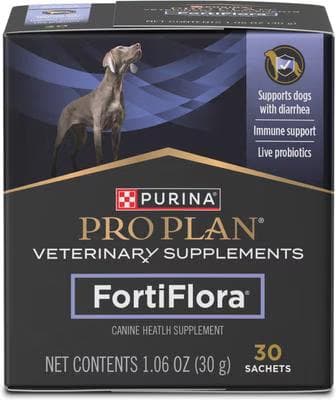
Once your vet has found the cause, a daily probiotic supports the gut lining while it heals.
Webvet may earn a commission when you click through to Chewy, at no extra cost to you.

How to lower the risk going forward
Many episodes are preventable. Keep your dog on year-round parasite prevention and up to date on core vaccines, especially the parvovirus vaccine for puppies. Introduce any new food gradually over about a week to avoid dietary upset, and keep garbage, compost, rich leftovers, and known toxins out of reach. Some everyday human foods, from chocolate to other pantry items, can trigger serious gut distress, so knowing what is off-limits matters. Secure rodenticides and other poisons well away from curious noses, and manage stress around big changes like boarding or moving, since a calmer dog has a calmer colon.
When it crosses into an emergency
Certain combinations should send you straight to a clinic without waiting: a puppy or unvaccinated dog with bloody stool, a large volume of blood, black tarry stool, bloody diarrhea that keeps coming, or blood alongside repeated vomiting, a painful or bloated belly, pale gums, unusual weakness or lethargy, or collapse. These are the patterns behind the most dangerous causes, including parvovirus, AHDS, internal bleeding from a toxin, and obstruction. When in doubt, err toward being seen. Blood in the stool is one of those signs where a quick professional check is always worth it, and acting early gives your dog the best possible outcome.
Sources
Reviewed by the Webvet Veterinarian Team
This guide is general information, not a diagnosis, and does not replace an exam by your veterinarian. If your pet is in distress, contact your vet or an emergency clinic right away.