Dog symptom
Scooting (dragging the rear) in dogs
Reviewed by the Webvet Veterinarian Team · Last reviewed June 22, 2026
Dragging the bottom along the floor usually means irritation around the rear end — most often full or infected anal glands, but sometimes worms or itchy skin.
Common causes of scooting (dragging the rear) in dogs
- Full, impacted, or infected anal glands
- Tapeworms or other parasites
- Itchy, inflamed skin around the rear (allergies)
- Residue or matted fur after diarrhea
Who's most at risk
- Small breeds (anal gland issues)
- Overweight pets
- Pets with allergies or recurrent soft stool
- Pets overdue for deworming
What you can do at home
- Check for visible worms or matted/dirty fur and keep the area clean
- Keep up parasite prevention
- Don't try to express the anal glands yourself unless shown how — you can cause injury
When to see a vet
- Swelling, a foul smell, or a draining sore beside the anus (abscess)
- Licking, pain, or bleeding at the rear
- Scooting that continues despite a clean, parasite-free rear
- Visible worms or rice-like segments
When it's more serious
- That suggests an anal gland abscess — painful and needs treatment soon.
- Pain or bleeding at the rear should be checked by your vet.
What your vet may do
- Check and express the anal glands
- Treat an anal gland infection or abscess
- Deworm if parasites are found
- Address underlying allergies or stool consistency
Questions to ask your vet
- Are the anal glands the problem?
- Do they need deworming?
- How often will the glands need attention?
- Could an allergy be driving this?

Frequently asked questions
What causes scooting (dragging the rear) in dogs?
Dragging the bottom along the floor usually means irritation around the rear end — most often full or infected anal glands, but sometimes worms or itchy skin. Common causes include: Full, impacted, or infected anal glands; Tapeworms or other parasites; Itchy, inflamed skin around the rear (allergies); Residue or matted fur after diarrhea.
Is scooting (dragging the rear) in dogs an emergency?
Book a veterinary visit soon. See a vet right away if: Swelling, a foul smell, or a draining sore beside the anus (abscess); Licking, pain, or bleeding at the rear; Scooting that continues despite a clean, parasite-free rear; Visible worms or rice-like segments.
What can I do at home for a dog with scooting (dragging the rear)?
Check for visible worms or matted/dirty fur and keep the area clean. Keep up parasite prevention. Don't try to express the anal glands yourself unless shown how — you can cause injury.
A closer look at scooting in dogs
When a dog scoots, dragging their rear end across the carpet or the grass, it almost always means something back there feels itchy, irritated, or sore. The single most common reason is a problem with the anal glands, two small scent sacs just inside the anus, though tapeworms, allergies, and a dirty or matted coat can all trigger the same booty-drag. An occasional scoot after a messy bowel movement is usually harmless, but a dog who scoots again and again is telling you the irritation has not gone away and deserves a closer look.
- 1Full, impacted, or infected anal glands are the number one cause of scooting in dogs.
- 2Tapeworms leave tiny rice-grain-like segments near the tail and are a common, easily treated trigger.
- 3Never try to squeeze or express the anal glands yourself unless your vet has shown you how.
- 4Repeated scooting with swelling, a foul smell, or a draining sore beside the anus means it is time to see the vet.
- 5Most scooting settles quickly once the underlying irritation is found and treated.
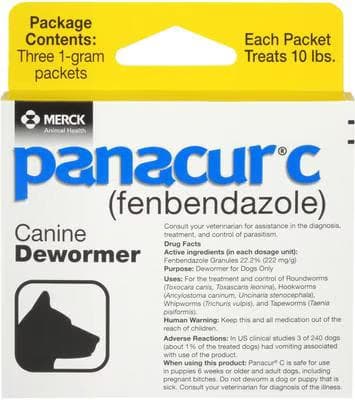
A broad-spectrum fenbendazole dewormer vets trust; pair it with a fecal test rather than guessing which worm.
Webvet may earn a commission when you click through to Chewy, at no extra cost to you.
What is actually happening when a dog scoots
Scooting is not a behavior quirk or a sign your dog is embarrassed. It is a practical attempt to scratch an itch or relieve pressure in a spot they cannot reach with their teeth or paws. By pressing the rear to the floor and pulling forward, a dog applies friction and gentle pressure exactly where the discomfort lives, right around the anus and the base of the tail. Understanding that scooting is a symptom rather than a habit is the key to helping, because the goal is never to stop the scooting itself but to find and fix whatever is making that area feel wrong.
The area under the tail is densely supplied with nerves and sits at the crossroads of several possible problems. Irritated skin, inflamed anal glands, a lingering bit of stool, or parasites emerging around the anus can each set off the same response. That is why a dog dragging their bottom can look identical whether the cause is a mild patch of matted fur or a painful, infected gland that needs veterinary treatment. The behavior tells you where the problem is, not what it is.

The anal gland connection
Dogs have two small anal glands positioned just inside the anus, roughly at the four o'clock and eight o'clock positions. Each holds a strong-smelling fluid that normally gets squeezed out in tiny amounts every time your dog passes a firm stool, leaving the scent signature dogs use to identify one another. When those glands do not empty properly, the fluid thickens and backs up, the sacs swell, and the pressure becomes uncomfortable. Scooting is often the first outward sign that the glands are overfull and your dog is trying to relieve them.
Soft or loose stool is a big reason glands fail to empty, because a firm bowel movement is what provides the natural pressure that expresses them. Dogs with chronic soft stool, food sensitivities, or recurring diarrhea are therefore prone to repeat episodes. Small breeds such as Chihuahuas, Miniature Poodles, and small terriers are especially prone to anal gland trouble, as are overweight dogs, whose extra tissue can change the angle and pressure around the sacs. If the backed-up fluid becomes infected, the gland can form a painful abscess that may rupture through the skin, which is a very different and more urgent situation than a simple full gland.
Worms, allergies, and other culprits
Tapeworms are the classic non-gland cause of scooting. A dog picks them up most often by swallowing an infected flea during grooming, and the mature worm sheds small segments that crawl out around the anus. Fresh, these segments look like moving grains of white rice near the tail or in the fur; dried, they resemble sesame seeds or hard yellowish specks on bedding. Their movement is itchy, which prompts the drag. The good news is that tapeworms are straightforward for a vet to treat with a targeted dewormer, and keeping up flea control prevents reinfection.
Allergies are another frequent driver. Food and environmental allergies make the skin generally itchy, and the sensitive skin around the rear is no exception, so an itchy, allergic dog may scoot alongside licking their paws, rubbing their face, or developing patchy hair loss. Finally, plain hygiene plays a role: long-haired and overweight dogs can trap stool or develop matted fur around the tail, and a lingering mess after a bout of loose stool is irritating enough on its own to send a dog scooting until the area is cleaned.

| Likely cause | Other signs you might see | How urgent |
|---|---|---|
| Full or impacted anal glands | Fishy smell, licking under the tail, residue where they sat | Routine, but book a vet if it keeps recurring |
| Anal gland abscess or infection | Swelling, a draining sore beside the anus, pain, foul smell | Urgent, see a vet promptly |
| Tapeworms or parasites | Rice-grain segments near the tail or in the stool | Routine, needs deworming |
| Allergies or itchy skin | Licking paws, face rubbing, redness, hair loss elsewhere | Routine, worth a vet visit to manage |
| Matted fur or leftover stool | Visible mess or matting, recent loose stool | Mild, clean the area gently and monitor |
How vets pinpoint the cause
A vet approaches scooting methodically, because the treatment depends entirely on the cause. The visit usually starts with a few questions about how long the scooting has been going on, whether the stool has been firm or loose, and whether you have seen any worms, licking, or swelling. From there the exam focuses on the area under the tail. Your vet will typically look at the skin and coat for redness, matting, or fleas, then perform a gentle rectal exam to feel the anal glands and check whether they are full, impacted, or infected. Expressing the glands during that exam both relieves the pressure and lets the vet assess the fluid inside.
If parasites are suspected, a fecal test can confirm tapeworms or other worms, though tapeworm segments are sometimes seen more reliably around the tail than in a lab sample. When allergies seem to be the underlying thread, the conversation shifts to skin and diet, and your vet may suggest a food trial or allergy management plan. For a dog with repeated gland problems, the vet will look for a bigger picture such as chronic soft stool or excess weight, since solving that often reduces how frequently the glands cause trouble.
What treatment usually looks like
For a simple full gland, expressing it is often all that is needed, and many dogs stop scooting almost immediately afterward. An infected gland or abscess is more involved: your vet may clean and drain the area, prescribe antibiotics, and give pain relief, and a ruptured abscess sometimes needs a small procedure to flush and heal properly. Tapeworms are cleared with a dewormer chosen for that parasite, paired with flea control so the cycle does not simply start again. When allergies are behind the itch, treatment aims at the whole dog rather than just the rear, which may involve diet changes, medicated skin care, or medication your vet prescribes to calm the itching. Because human anti-itch and pain products can be toxic to dogs, never give any medication that your veterinarian has not specifically recommended.
How to help at home safely


If you spot rice-grain segments near the tail, that is tapeworm, and it needs the right dewormer rather than a gland squeeze.
Webvet may earn a commission when you click through to Chewy, at no extra cost to you.
There are a few gentle, low-risk things you can do while you sort out the cause. Check the area under the tail for visible worms, matted fur, or leftover stool, and clean it carefully with a pet-safe wipe or warm damp cloth if it is just dirty. Keep your dog on year-round flea and parasite prevention, since fleas are the usual gateway to tapeworms. If your vet has confirmed that soft stool is contributing to gland problems, they may recommend adding fiber to firm up the bowel movements, which helps the glands empty naturally, but check with them before changing the diet so the amount is right for your dog.
Lowering the odds it happens again
Prevention centers on three things: firm stool, a healthy weight, and steady parasite control. Firm, well-formed bowel movements are what naturally empty the anal glands, so a consistent, appropriate diet and, when your vet advises it, added fiber can make a real difference for a dog with recurring gland issues. Keeping your dog lean reduces the tissue and pressure changes that make small breeds and overweight dogs prone to trouble. Year-round flea and worm prevention closes the door on tapeworms. For long-haired dogs, regular grooming and keeping the fur around the tail trimmed and clean prevents matting and trapped stool from becoming a source of irritation in the first place.
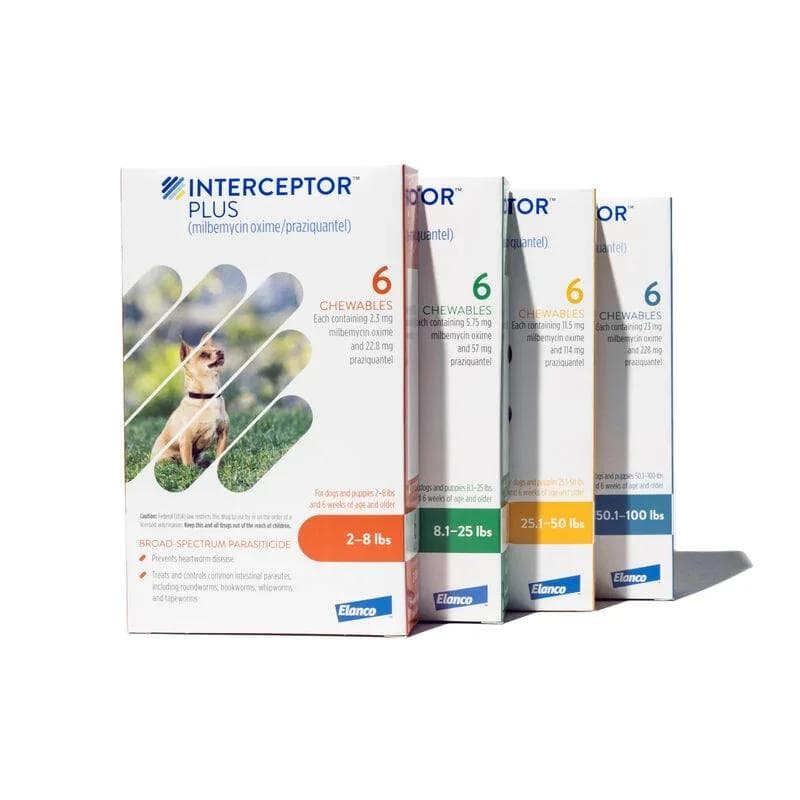
A monthly prescription chew covering heartworm plus roundworm, hookworm, whipworm, and tapeworm. Since scooting usually traces to tapeworm, monthly cover stops it recurring.
Webvet may earn a commission when you click through to Chewy, at no extra cost to you.
Some dogs simply have anal glands that do not empty well no matter what you do, and for them a routine of periodic professional expression, scheduled with your vet or groomer, keeps things comfortable. If your dog needs their glands expressed very often, it is worth asking your vet whether an underlying cause can be addressed rather than treating the symptom on repeat.

When scooting is more than a nuisance
Most scooting is uncomfortable rather than dangerous, but a few signs mean you should not wait it out. Swelling, a foul smell, or a draining sore beside the anus suggests an anal gland abscess, which is painful and needs treatment soon. Bleeding, obvious pain, or a dog who constantly licks and cannot leave the area alone also warrants a prompt visit. And if the scooting keeps up even after you have cleaned the area, confirmed there are no worms, and kept up prevention, that persistence is itself the signal that something the eye cannot see is going on. In every one of these cases, your veterinarian is the right person to make the call.
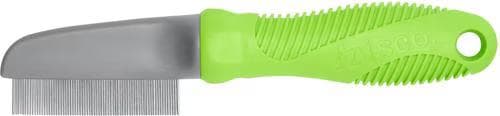
Tapeworm comes from swallowing a flea, so finding and clearing fleas is what stops it coming back.
Webvet may earn a commission when you click through to Chewy, at no extra cost to you.
The reassuring bottom line is that scooting is one of the more treatable things a dog owner deals with. Once the cause is identified, most dogs are comfortable again quickly. Paying attention to how often it happens and what else you notice gives your vet exactly what they need to fix the real problem rather than the drag itself.
Sources
Reviewed by the Webvet Veterinarian Team
This guide is general information, not a diagnosis, and does not replace an exam by your veterinarian. If your pet is in distress, contact your vet or an emergency clinic right away.