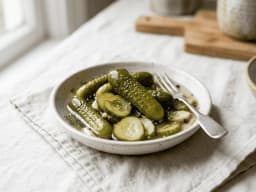
Can dogs eat pickles?
Not recommendedA plain pickle is not an intrinsic dog poison. Check sodium, ingredients, and amount; confirmed garlic or onion requires a dose-based assessment.


Medically reviewed by Dr. Athena Gaffud, DVM · Last reviewed
Can Dogs Eat Pickles?
Pickles are best kept off your dog's plate. A single plain slice that drops on the kitchen floor is not going to poison a healthy dog, but pickles are not a food you should deliberately share. Pickle recipes vary in sodium and ingredients. Vinegar, dill, and sugar are not intrinsic dog toxins; check the exact label for sodium and for ingredients such as garlic or onion. Garlic and onion are genuinely toxic to dogs, and the heavy sodium load is exactly the kind of thing veterinarians warn against. When you strip away the brine, the only healthy part of a pickle is the cucumber underneath, so the smarter move is to skip the pickle and hand your dog a slice of plain cucumber instead.
- 1A plain pickle is not an intrinsic dog poison, but it is not a useful routine treat.
- 2Check the product's sodium and ingredient label and record the amount eaten.
- 3Garlic or onion, if actually present, requires a dose-based assessment.
- 4Salt toxicosis requires excessive exposure; sodium's ordinary presence does not establish poisoning.
- 5Plain cucumber may be lower in sodium, but calling it ideal is a preference, not a toxicology fact.

Treats should stay under 10% of your dog's daily calories. JustFoodForDogs makes the rest of it.
- Recipes developed by veterinary nutritionists
- Whole-food ingredients you can recognise
- Fresh meals delivered to your door
Webvet may earn a commission when you click through to JustFoodForDogs, at no extra cost to you.

Are pickles safe for dogs?
The honest answer is that pickles are not safe as a regular treat, even though a plain dill pickle is not classified as a poison the way chocolate or grapes are. The distinction matters. Toxicity means a food causes direct harm through a chemical mechanism, while pickles cause problems mainly through their overwhelming salt content and the seasonings mixed into the brine. A tiny, unseasoned taste will rarely do lasting damage to a healthy adult dog, but there is no serving size that is actually good for your dog, and there are real ways it can go wrong. That is why most veterinarians and the American Kennel Club land on the same recommendation: do not feed pickles.
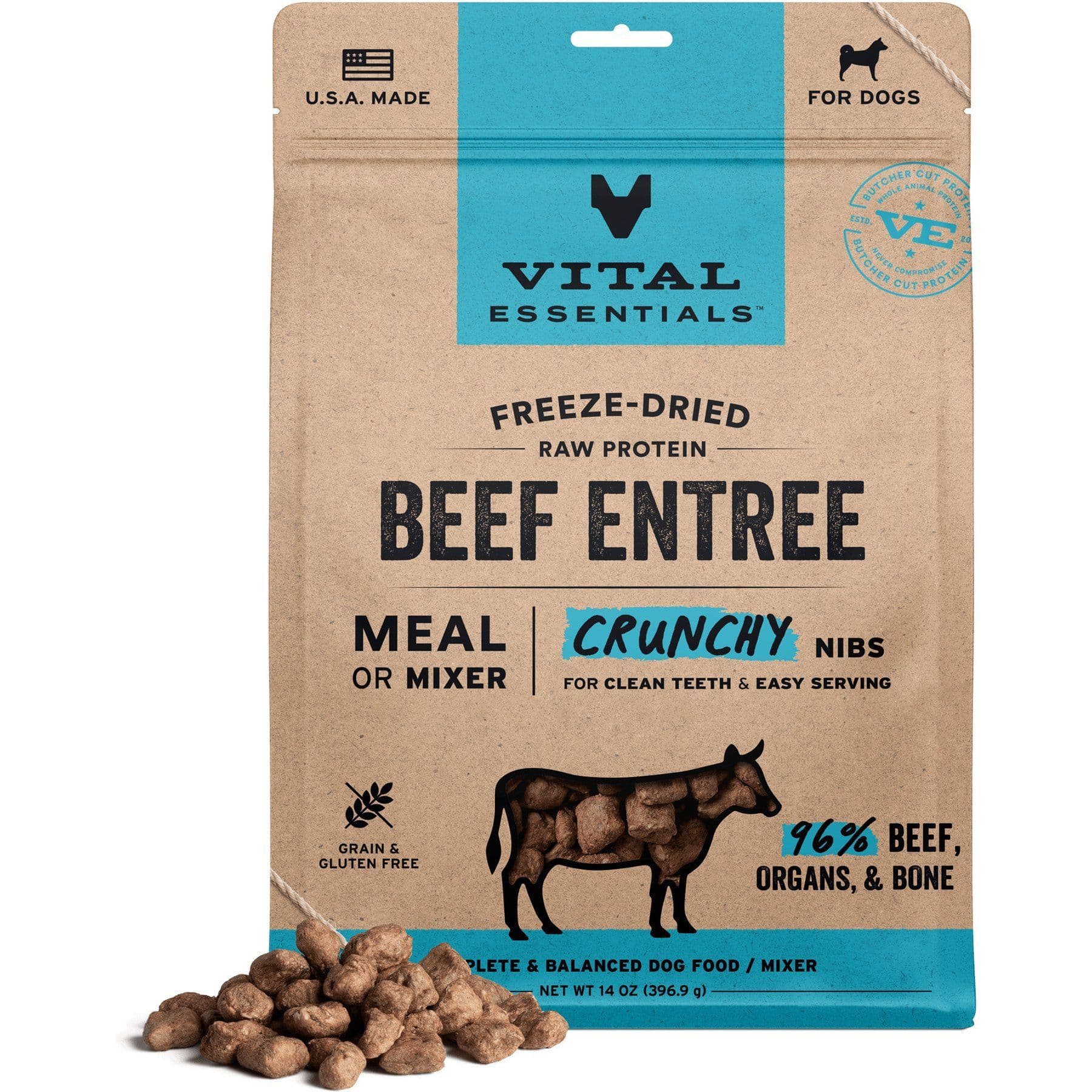
This is an optional dog treat. Review its current label, ingredients, calories, and feeding directions, and count it within the total daily extras.
Webvet may earn a commission when you click through to Chewy, at no extra cost to you.
The risk also depends heavily on the dog and the pickle. A large, healthy Labrador that swipes one plain slice is in a very different situation than a small terrier that gets into a jar of garlic dill spears. Small dogs reach dangerous sodium levels far faster because their bodies are tiny relative to the salt they take in. Dogs with heart disease, kidney disease, or high blood pressure should never have salty foods, because extra sodium makes those conditions worse. Puppies and senior dogs are also less forgiving of sudden salt and stomach upset. When you weigh all of that against a food that offers no real nutrition, the pickle simply is not worth it.
Why pickles are a problem for dogs
The trouble with pickles comes down to what happens to a humble cucumber once it goes into the jar. Cucumbers themselves are a great low-calorie snack for dogs, mostly water with a satisfying crunch. But pickling submerges them in a solution of salt, vinegar, water, and flavorings for days or weeks, and the cucumber soaks all of it up. What comes out is a food that can carry hundreds of milligrams of sodium in a single spear, plus acetic acid from the vinegar and whatever spices the recipe called for. None of that serves your dog, and several parts of it can actively hurt.

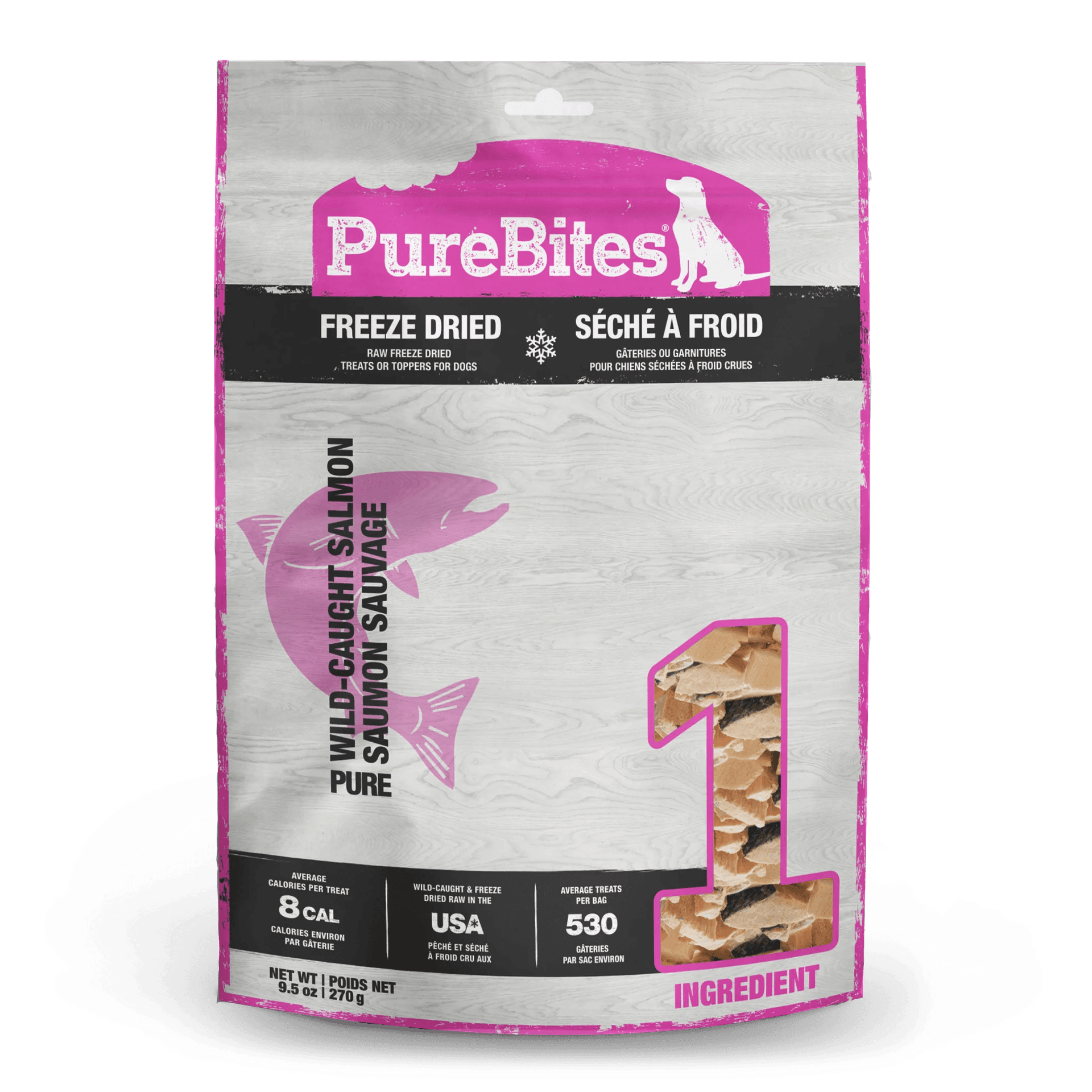
This is an optional dog treat. Review its current label, ingredients, calories, and feeding directions, and count it within the total daily extras.
Webvet may earn a commission when you click through to Chewy, at no extra cost to you.
The salt problem
Sodium is the single biggest reason to keep pickles away from dogs. A dog's diet already contains the salt it needs from complete commercial food, so extra sodium from human snacks stacks on top of what is a safe daily amount. In the short term, too much salt makes a dog very thirsty and can cause vomiting and diarrhea. In larger amounts, it leads to a genuine emergency called salt poisoning or hypernatremia, where the balance of sodium and water in the body is thrown off. Signs include heavy drinking and urination, weakness, tremors, disorientation, and in severe cases seizures. It is uncommon from one slice, but the risk climbs quickly with quantity, especially in small dogs.
The reason small dogs are so vulnerable is simple math. Sodium toxicity depends on how much salt a dog takes in relative to its body weight, so the same spear that a large dog barely notices can be a meaningful dose for a ten-pound dog. Dogs with existing heart or kidney conditions are also far more sensitive, because their bodies already struggle to manage fluid and blood pressure, and a salty snack can tip them into trouble. This is the same reason chips, cured meats, and other salty human foods are discouraged. If your dog has any chronic health issue, treat salty foods like pickles as strictly off-limits rather than an occasional exception.
Garlic, onion, and other seasonings
Beyond salt, the seasonings are what make certain pickles outright dangerous. Garlic dill pickles, bread and butter pickles, spicy pickles, and many gourmet varieties include garlic, onion, or onion powder in the brine. Garlic and onion are part of the allium family, and they contain compounds that damage a dog's red blood cells and can cause a form of anemia. The effect is dose-dependent, but dogs are more sensitive to alliums than people realize, and concentrated forms like powder are especially potent. Because you often cannot tell exactly how much garlic or onion soaked into a pickle, any seasoned variety should be treated as a real hazard rather than a minor concern.
Other additives pile on more reasons to say no. Sweet pickles and relish load in sugar, which contributes to weight gain and dental problems over time and can upset the stomach. Spicy or hot pickles bring peppers and chili that irritate a dog's digestive tract and can trigger vomiting or loose stool. Some commercial products even contain artificial sweeteners, and while xylitol is more common in gums and baked goods, it is worth reading labels on anything processed. The bottom line is that the flavorings that make pickles appealing to us are exactly the parts that make them a poor and sometimes dangerous choice for dogs.

What about pickle juice and brine?
Brine may contain more sodium per mouthful than the pickle, but the actual label and amount determine risk. Vinegar and culinary spices are not salt toxicosis. A meaningful sodium exposure, especially with limited water access or symptoms, warrants veterinary assessment. You will sometimes see suggestions online about giving dogs pickle juice for hydration or muscle cramps the way some athletes use it, but that advice does not apply to dogs and can be actively harmful. Keep jars closed and out of reach, and pour leftover brine straight down the drain.
| Product question | What to check |
|---|---|
| Plain pickle | Sodium per serving and amount eaten |
| Seasoned pickle | Exact garlic, onion, or other ingredients |
| Sweet pickle | Calories and sweetener label |
| Spicy pickle | Amount and actual symptoms |
| Brine | Sodium concentration, volume, water access, and symptoms |
What to do if your dog ate pickles
Start by figuring out what and how much your dog actually ate, because that determines how worried to be. If your dog grabbed a single plain slice, the most likely outcome is nothing at all, or a bit of mild stomach upset. Offer fresh water so your dog can balance out the extra salt, and watch for vomiting, diarrhea, or unusual thirst over the next several hours. Most dogs in this situation are completely fine. Do not try to make your dog vomit on your own, since that can cause its own problems, and there is rarely any need after one small piece.
Escalate quickly if the amount or the type raises the stakes. If your dog ate several pickles, got into garlic or onion varieties, or drank brine, call your veterinarian or an animal poison control line right away rather than waiting for symptoms. Be ready to tell them your dog's weight, the kind of pickle, and roughly how much was eaten, because seasoned products and larger volumes change the plan. Watch closely for warning signs of salt toxicity or allium poisoning, including heavy drinking, repeated vomiting, weakness, wobbliness, pale gums, tremors, or dark urine. Fast action makes these situations far more manageable, so it is always better to make the call than to guess.

Safe alternatives to pickles
The good news is that the crunchy snack your dog was after is easy to provide without any of the downsides. Plain cucumbers are the obvious swap, since a pickle is just a cucumber before the brine. Washed, sliced into coins or sticks, they deliver the same refreshing crunch with almost no calories and no salt, which makes them a favorite hot-weather treat. Carrots are another excellent choice, offering fiber and beta-carotene along with a satisfying crunch, and they double as a low-calorie chew when served whole for larger dogs. Both give your dog the texture and novelty of a pickle while actually supporting its health.
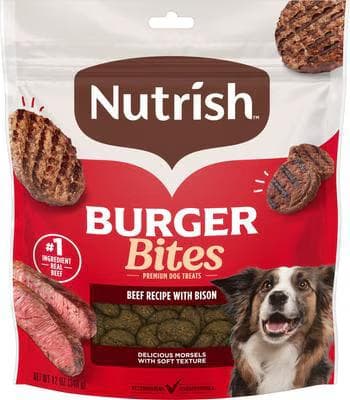
This is an optional dog treat. Review its current label, ingredients, calories, and feeding directions, and count it within the total daily extras.
Webvet may earn a commission when you click through to Chewy, at no extra cost to you.
When you introduce any new snack, keep it plain and keep it small. Skip the salt, oil, garlic, onion, and seasonings that make human food risky, and cut pieces to a size your dog can chew safely to avoid choking. Treats of any kind should make up no more than about ten percent of your dog's daily calories, with the rest coming from a complete, balanced dog food. If your dog has a medical condition or is on a special diet, check with your veterinarian before adding new foods. Stick to that simple approach and you will never need a pickle to give your dog a happy, crunchy reward.
Frequently asked questions
What will happen if my dog eats a pickle?
If your dog ate one plain slice, the most likely result is nothing serious, or mild stomach upset such as gas or a bit of loose stool. Offer fresh water and watch for a few hours. If your dog ate several pickles, a garlic or onion variety, or drank brine, the salt and seasonings can cause more serious problems, so call your veterinarian promptly.
Can dogs eat dill pickles?
Plain dill pickles are the least risky type, but they are still very salty and offer no nutritional value, so they are not recommended. Many dill pickles also contain garlic, which is toxic to dogs. If you want to give your dog a crunchy green snack, a slice of fresh cucumber is a much better and completely safe option.
Can dogs drink pickle juice?
No. Pickle juice is the most concentrated part of the jar, loaded with salt, vinegar, and any garlic or onion in the recipe. Even a small amount can deliver a large dose of sodium quickly, raising the risk of salt toxicity. Keep brine away from your dog entirely and pour leftovers down the drain rather than into a bowl.
Can pickles kill a dog?
A single plain pickle slice is very unlikely to be fatal to a healthy dog. The serious scenarios involve large amounts of salt causing sodium toxicity, or garlic and onion pickles causing red blood cell damage, especially in small dogs or dogs with heart or kidney disease. These are treatable when caught early, which is why prompt veterinary contact matters after a significant amount.
Why do dogs like pickles?
Many dogs are drawn to pickles for the crunch and the strong smell, and some simply love anything their owner is eating. That enthusiasm does not make pickles a good choice. You can satisfy the same craving for a crisp, interesting snack with plain cucumber or carrot, which deliver the crunch your dog wants without the salt or seasonings.

Safe alternatives
More pantry & other for dogs
Sources
- Merck Veterinary Manual: Salt Toxicosis in Animals
Salt toxicosis is an excessive-exposure syndrome influenced by water access.
- Merck Veterinary Manual: Garlic and Onion Toxicosis
Allium toxicity depends on confirmed ingredient form and dose.
- AAHA: Nutritional Risk Factors
Treat selection and calories are nutritional choices, not declarations that one food is an ideal safety substitute.
Reviewed by Dr. Athena Gaffud, DVM
General guidance based on credible veterinary sources; not a diagnosis or a substitute for your veterinarian. If your pet ate something toxic or is unwell, contact your vet or a pet poison line right away.