
Can dogs eat xylitol?
Toxic: do not feedXylitol is highly toxic to dogs. Call immediately after exposure; hypoglycemia can begin within 30 minutes or be delayed 12 to 18 hours.


Medically reviewed by Dr. Athena Gaffud, DVM · Last reviewed
Can Dogs Eat Xylitol?
No. Dogs should never eat xylitol, and even a tiny amount can be life-threatening. Xylitol is a sugar-alcohol sweetener that causes a rapid, dangerous drop in a dog's blood sugar and, at higher doses, liver failure. It is one of the most common household poisons that pet owners never see coming, because it hides inside everyday products that look completely harmless. If your dog has swallowed anything containing xylitol, treat it as an emergency and call a poison-control line immediately rather than waiting for symptoms to appear.
- 1Xylitol is toxic to dogs even in small amounts. There is no safe dose to feed on purpose.
- 2It triggers a sudden insulin surge that crashes blood sugar within 30 to 60 minutes, and larger doses can cause liver failure.
- 3It hides in sugar-free gum, mints, candy, some peanut butters, baked goods, human toothpaste, and certain medications.
- 4On labels it may also be called birch sugar or E967, so read ingredient lists before sharing any human food.
- 5If your dog eats any, call Pet Poison Helpline (855-764-7661) or ASPCA Animal Poison Control (888-426-4435) right away.

Treats should stay under 10% of your dog's daily calories. JustFoodForDogs makes the rest of it.
- Recipes developed by veterinary nutritionists
- Whole-food ingredients you can recognise
- Fresh meals delivered to your door
Webvet may earn a commission when you click through to JustFoodForDogs, at no extra cost to you.

What Is Xylitol and Where Does It Hide?
Xylitol is a sugar alcohol used as a low-calorie sweetener in a huge range of products marketed to people. It tastes almost identical to table sugar, does not spike human blood sugar, and is even good for human dental health, which is why it turns up in so many sugar-free items. The very qualities that make it useful for people are what make it so hazardous for dogs, because a dog's body handles it in a completely different and dangerous way.
The biggest problem is that xylitol is often invisible. It is not a food your dog begs for at the table; it is an ingredient buried in the label of something you already own. Common sources include sugar-free chewing gum and breath mints, which are the number one cause of xylitol poisoning in dogs, along with sugar-free candy and chocolate, sugar-free or keto-friendly baked goods, some brands of peanut butter and other nut butters, protein bars, drink powders, chewable vitamins and supplements, many human toothpastes and mouthwashes, nasal sprays, and even some liquid or chewable medications. On packaging it may be listed as xylitol, birch sugar, or the additive code E967, so the name you are scanning for can vary.
Peanut butter deserves special attention because so many owners use it to hide pills or fill a treat toy. Most major peanut butter brands do not contain xylitol, but a handful of sugar-free or reduced-sugar brands do, and they rarely advertise it on the front of the jar. Never assume a nut butter is safe: turn the jar over and read the full ingredient list every single time, especially if it is labeled sugar-free, low-sugar, or diet.
Why Xylitol Is So Dangerous for Dogs
In people, the pancreas barely reacts to xylitol, so blood sugar stays stable. In dogs, the pancreas mistakes xylitol for real sugar and releases a large flood of insulin. According to veterinary sources, that release can be three to seven times the amount of insulin a dog would normally produce for the same quantity of ordinary sugar. Insulin pulls glucose out of the bloodstream, so all of that extra insulin drives blood sugar down to dangerously low levels, a condition called hypoglycemia, often within 30 to 60 minutes of ingestion.

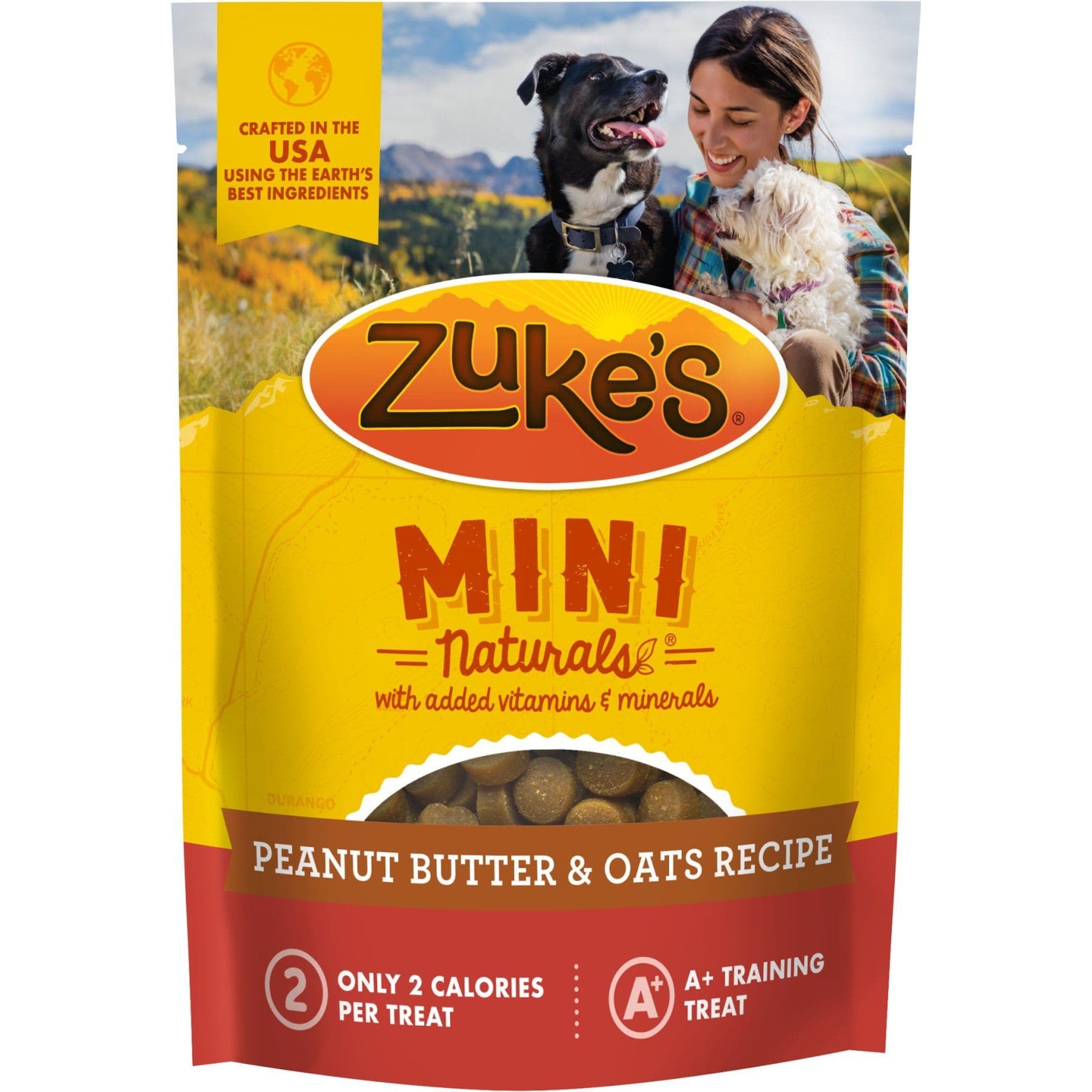
This is an optional dog treat. Review its current label, ingredients, calories, and feeding directions, and count it within the total daily extras.
Webvet may earn a commission when you click through to Chewy, at no extra cost to you.
Hypoglycemia can cause weakness, wobbliness, disorientation, collapse, or seizures. Hepatic injury occurs less commonly, may develop without a preceding dramatic glucose crash, and has an uncertain mechanism. Not every exposure above a numeric threshold progresses to liver failure, so the exact dose and laboratory findings must guide veterinary monitoring.
How Much Xylitol Is Toxic to Dogs?
The toxic dose is frighteningly small, which is why xylitol is treated so seriously. Veterinary toxicology generally considers doses around 0.1 grams per kilogram of body weight enough to cause hypoglycemia, while doses of roughly 0.5 grams per kilogram and above raise the risk of liver failure. Put in practical terms, a single stick of some sugar-free gums can contain enough xylitol to poison a small dog, because the amount per piece varies widely between brands and some pack far more punch than others.
| Dose of xylitol | What it can cause |
|---|---|
| Around 0.1 g per kg body weight | Hypoglycemia (dangerous blood sugar crash) |
| About 0.5 g per kg body weight and up | Risk of acute liver failure |
| One to two pieces of some sugar-free gum | Potentially toxic to a small dog |
| Any amount, any size dog | Reason to call poison control right away |
Because the concentration of xylitol per product is so inconsistent and is often not printed in grams on the label, you should never try to calculate a safe amount at home or decide that your dog probably ate too little to matter. A poison-control veterinarian can look up the specific product, estimate the dose from your dog's weight, and tell you whether monitoring, decontamination, or hospitalization is needed. This is exactly the kind of judgment call that should be made by a professional, not guessed at over the internet.

Signs of Xylitol Poisoning in Dogs
Hypoglycemia can begin within 30 minutes but may be delayed 12 to 18 hours when a product slows absorption, including some gums. Signs include vomiting, sudden weakness or lethargy, wobbliness, tremors, trouble standing, collapse, seizures, or unresponsiveness. Do not wait for signs before calling.
Signs of liver injury tend to appear later, sometimes a day or more after ingestion, and can include ongoing vomiting, poor appetite, yellowing of the gums or eyes, black tarry stool, and unusual bruising or bleeding. Because these effects can be delayed and are not always preceded by an obvious low-blood-sugar episode, a dog that ate a potentially toxic dose needs veterinary bloodwork and monitoring even if it seemed normal at first. Do not let an initially calm patient lull you into skipping the vet.
What to Do If Your Dog Ate Xylitol
Act immediately and do not wait for symptoms. First, take the product away and note what it was, roughly how much your dog ate, and when. Keep the packaging so you can read the ingredient list and the amount of xylitol if it is stated. Second, call your veterinarian, the Pet Poison Helpline at 855-764-7661, or ASPCA Animal Poison Control at 888-426-4435 without delay. Give them your dog's weight and the product details so they can estimate the dose and tell you the next step.
Treatment depends on the dose and timing. If ingestion was very recent and the dog is stable, a vet may carefully induce vomiting or give supportive care. Dogs at risk of hypoglycemia are typically hospitalized so their blood sugar can be checked frequently and glucose given through an IV, and dogs at risk of liver damage receive blood tests, liver-protective medications, and monitoring over a day or more. The good news is that with prompt, aggressive treatment many dogs recover fully, which is exactly why fast action matters so much.

How to Prevent Xylitol Poisoning
Prevention comes down to two habits: read labels and keep tempting products out of reach. Get in the habit of checking the ingredient list of any human food before sharing it, and scan for xylitol, birch sugar, or E967 specifically on anything labeled sugar-free, low-sugar, keto, or diet. Store gum, mints, candy, and sugar-free baked goods where a counter-surfing dog cannot reach them, and keep purses and bags, which often hold a stray pack of gum, off the floor and behind a closed door. Choose a peanut butter you have confirmed is xylitol-free before using it for treats or pill-hiding, and use only pet-specific toothpaste when brushing your dog's teeth, never human toothpaste. If you have both a dog and a household member who chews sugar-free gum or takes chewable supplements, make sure everyone knows how dangerous these are to the dog.
Safe Alternatives to Sweet Treats
If you want to give your dog something a little sweet, skip the artificial sweeteners entirely and reach for whole fruits that are naturally safe in moderation. Blueberries are a low-calorie, antioxidant-rich treat that most dogs love, and a few make a perfect training reward. Sliced apples (with the core and seeds removed) offer natural sweetness plus fiber. These give you the treat-time bonding without any of the danger, and unlike xylitol they actually add a little nutrition. As with any treat, keep extras to about ten percent of your dog's daily calories so the main diet stays balanced.
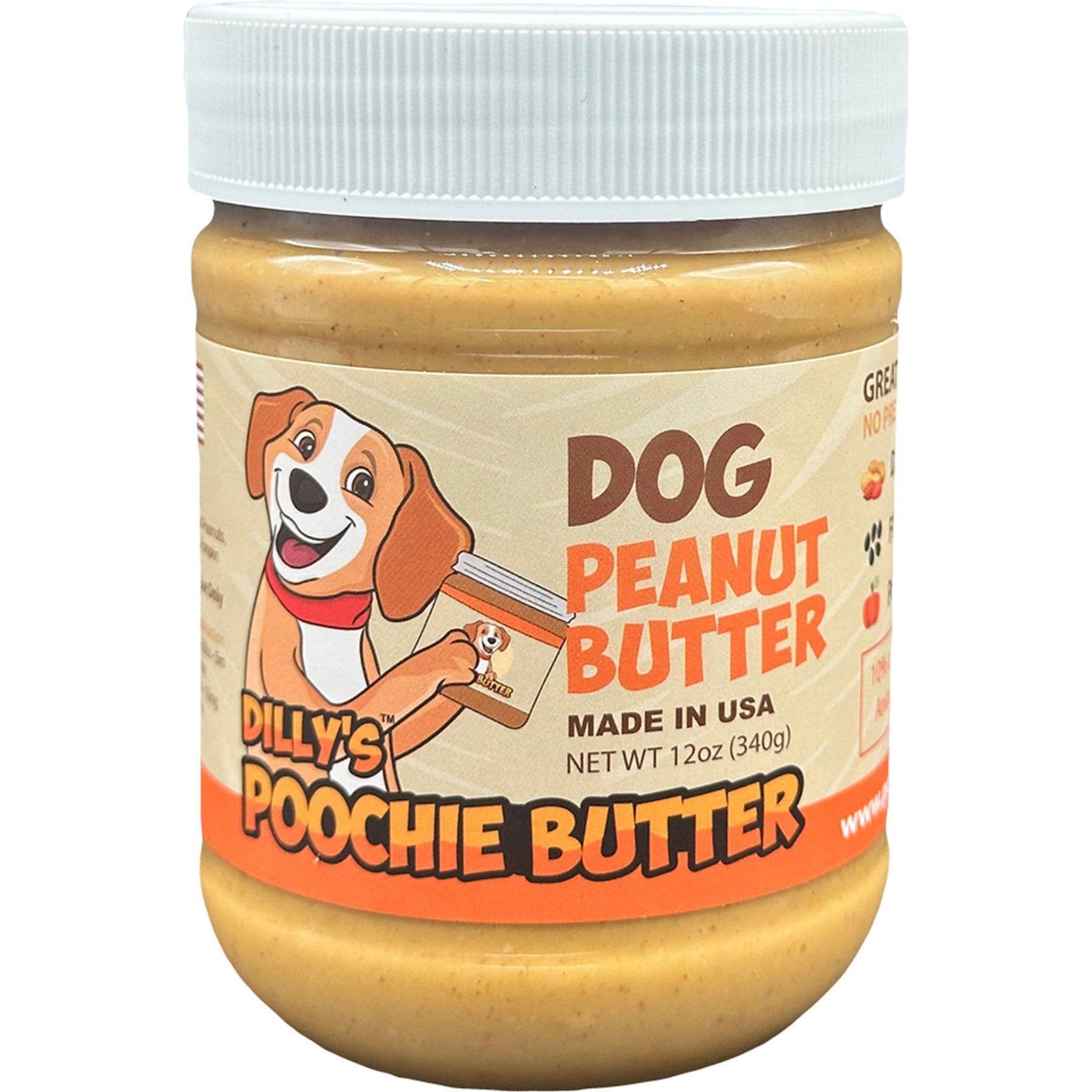
This is an optional dog treat. Review its current label, ingredients, calories, and feeding directions, and count it within the total daily extras.
Webvet may earn a commission when you click through to Chewy, at no extra cost to you.
Frequently Asked Questions
Can one piece of gum with xylitol hurt a dog?
Yes, it can, especially in a small dog. Some sugar-free gums pack enough xylitol into a single piece to cause hypoglycemia in a small breed, and the amount per piece varies a lot between brands. Never assume one piece is harmless. Call poison control with the brand name and your dog's weight so they can estimate the risk.
Which peanut butter has xylitol?
Most major peanut butter brands do not contain xylitol, but some sugar-free, reduced-sugar, or specialty diet brands do. Because formulas change, the only reliable method is to read the ingredient list on the exact jar you own every time, looking for xylitol or birch sugar. If a nut butter is labeled sugar-free, be especially careful before using it for treats or pills.
How quickly does xylitol affect a dog?
Hypoglycemia can begin within 30 minutes and may be delayed 12 to 18 hours when a product slows absorption. Hepatic injury occurs less commonly and may appear later. Contact a veterinarian or animal poison service immediately rather than waiting for signs.
Is xylitol toxic to cats too?
Available evidence suggests cats resist the hypoglycemia and liver injury seen in dogs. A controlled study involved only six healthy cats, so it does not establish unlimited safety. Assess the complete product and contact a veterinarian for hazardous co-ingredients, symptoms, medication exposure, swallowed packaging, or uncertainty.

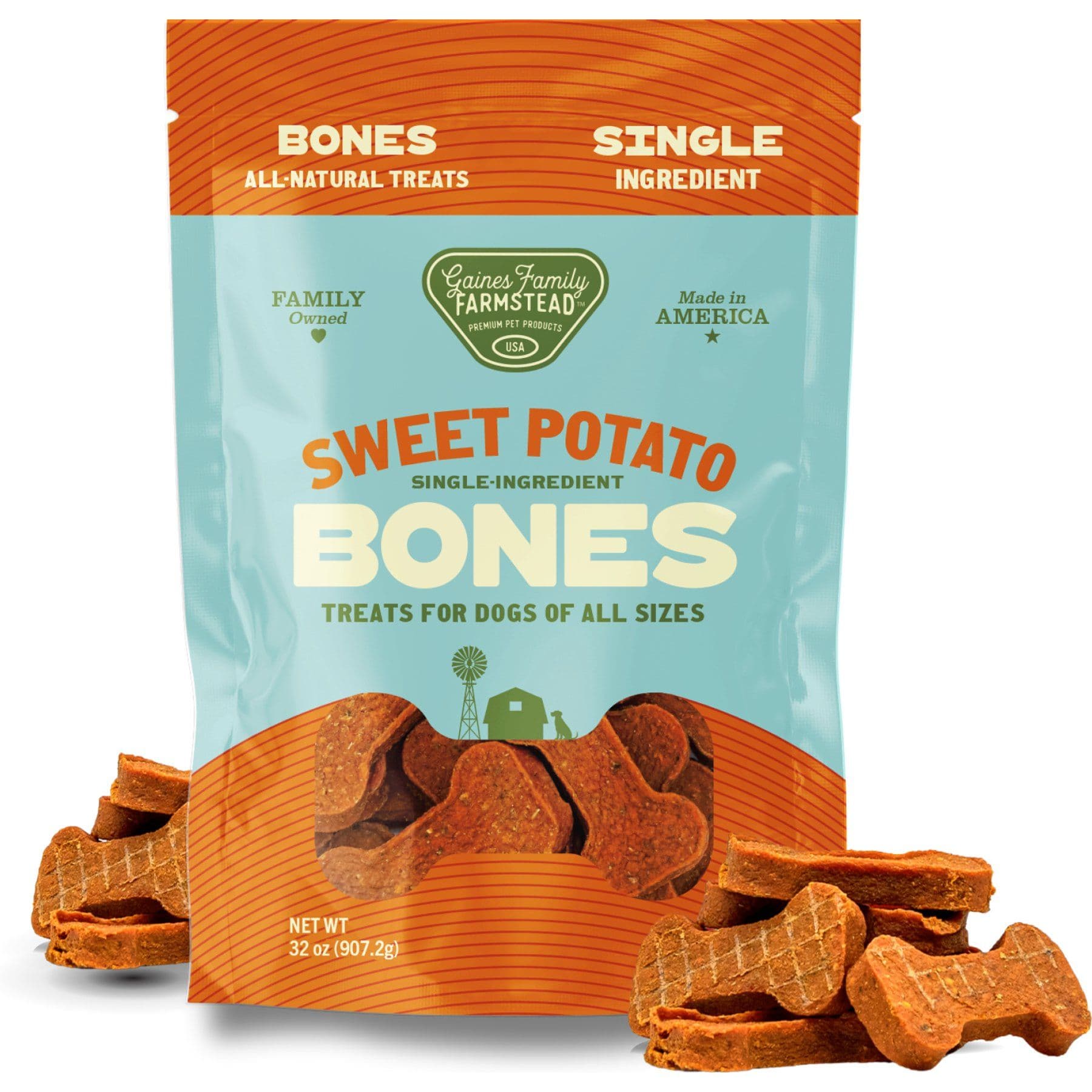
This is an optional dog treat. Review its current label, ingredients, calories, and feeding directions, and count it within the total daily extras.
Webvet may earn a commission when you click through to Chewy, at no extra cost to you.
The bottom line is simple: xylitol and dogs never mix. It is not a treat you portion carefully; it is a poison you keep out of the house or securely out of reach. Learn its other names, read every sugar-free label, and if your dog ever gets into a product that contains it, skip the guesswork and call for help immediately. Fast action is what turns a potential tragedy into a full recovery.
Safe alternatives
More pantry & other for dogs
Sources
- Merck Veterinary Manual: Xylitol Toxicosis in Dogs
Supports canine thresholds near 0.1 g/kg for hypoglycemia, severe hepatic injury in some dogs above 0.5 g/kg, onset from 30 minutes to 12 to 18 hours, and no useful activated-charcoal binding.
- Effects of p.o. administered xylitol in cats
Supports a limited six-cat study with no toxic effects at tested doses, requiring cautious wording rather than unlimited-safety claims.
- ASPCA: People Foods to Avoid Feeding Your Pets
Supports urgent dog exposure response and label awareness.
Reviewed by Dr. Athena Gaffud, DVM
General guidance based on credible veterinary sources; not a diagnosis or a substitute for your veterinarian. If your pet ate something toxic or is unwell, contact your vet or a pet poison line right away.