
Can cats eat xylitol?
Not recommendedDo not give cats sweetened human products. Limited evidence suggests xylitol resistance, but co-ingredients may still be hazardous.


Medically reviewed by Dr. Athena Gaffud, DVM · Last reviewed
Can Cats Eat Xylitol?
Do not intentionally give sweetened human products to cats. Xylitol is a sugar alcohol, and current limited evidence suggests cats resist the severe hypoglycemia and liver injury seen in dogs. That does not establish unlimited safety. If a cat gets into gum, candy, medication, toothpaste, or another product, assess the complete ingredient list, amount, packaging, and symptoms.
- 1Do not intentionally offer xylitol-sweetened human products; limited evidence suggests cats resist the severe dog syndrome but does not establish unlimited safety.
- 2Cats do not need sweetened human foods, but that dietary point does not prove that every sweetener is a feline toxin or has no usable energy.
- 3Xylitol hides in sugar-free gum, mints, candy, some peanut butters, baked goods, and human toothpaste.
- 4A six-cat study found no dog-like hypoglycemia or liver injury at the tested doses, but the evidence base is small and the complete product still matters.
- 5After an exposure, check the full label and call for symptoms, hazardous co-ingredients, medication or oral-care products, packaging, or a substantial or uncertain amount.

Treats should stay under 10% of your cat's daily calories. Smalls makes the rest, built around the meat an obligate carnivore actually needs.
- Human-grade ingredients, protein first
- Built for obligate carnivores
- Fresh meals delivered to your door
Webvet may earn a commission when you click through to Smalls, at no extra cost to you.
Is xylitol safe for cats?
Xylitol is a sugar alcohol, sometimes labeled birch sugar or E967. It causes severe insulin release in dogs, but Merck says xylitol toxicosis has been reported only in dogs and describes cats as resistant to the associated hypoglycemia and liver injury. Do not intentionally offer sweetened products, and do not extrapolate dog thresholds to cats.

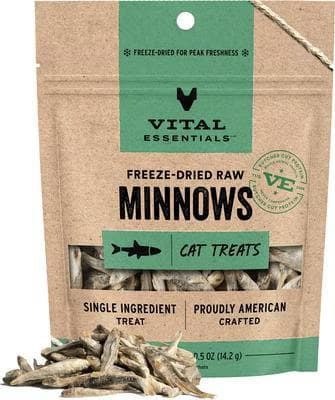
This is an optional cat treat. Review its current label, ingredients, calories, and feeding directions, and count it within the total daily extras.
Webvet may earn a commission when you click through to Chewy, at no extra cost to you.
A controlled study of only six healthy cats found no toxic effects after oral doses of 100, 500, and 1,000 milligrams per kilogram. That is reassuring but too small to establish unlimited safety for every cat or product. Xylitol is unnecessary in a cat treat, but lack of dietary need is not evidence that xylitol itself is a demonstrated feline poison.
Where xylitol hides in your home
The biggest risk with xylitol is not that your cat will crave it, because cats have no sweet tooth. The risk is accidental exposure. Xylitol turns up in a surprising range of everyday products, and a curious cat batting a pack of gum off the counter or licking a smear of peanut butter can end up ingesting it without meaning to. Knowing where it lives makes it far easier to keep out of reach.
Always read the ingredient list on sugar-free and low-carb products, and remember that xylitol may be listed as birch sugar. If a product is marketed as sugar-free or keto-friendly and you are not sure what sweetens it, keep it stored in a closed cupboard your cat cannot open. The table below shows some of the most common places xylitol shows up.
| Product type | Why it is a risk |
|---|---|
| Sugar-free gum and mints | One of the most concentrated sources; easy for a cat to bat around and chew |
| Some peanut and nut butters | A few brands sweeten with xylitol; always check the label before sharing |
| Sugar-free candy and baked goods | Often xylitol-sweetened and may also contain chocolate or other toxins |
| Human toothpaste and mouthwash | Commonly contain xylitol; never use human dental products on a cat |
| Some medications and supplements | Chewable or liquid products may use xylitol as a sweetener |

What xylitol does in a cat's body
In dogs, xylitol fools the pancreas into dumping a large amount of insulin into the bloodstream, which sends blood sugar crashing within 30 to 60 minutes and can cause weakness, collapse, seizures, and even liver failure. The reason cats seem to be spared is that they do not appear to release insulin the same way in response to xylitol. That difference is why veterinary and poison-control sources describe xylitol as far less dangerous to cats than to dogs.
The evidence base is limited, so unlimited safety cannot be claimed. However, the reviewed feline study does not support attributing vomiting or gastrointestinal upset to xylitol, and small body size does not override the observed species-specific resistance. Base triage on the complete product, amount, symptoms, and patient history.
Assess the whole product rather than xylitol alone. Record every ingredient, the amount, the package, and whether a wrapper or container was swallowed. Product-specific co-ingredients and foreign material may require separate veterinary triage.
What to do if your cat eats xylitol
Stay calm and act quickly. Move your cat away from the product so it cannot eat more, and gather the packaging so you can read the ingredient list and estimate how much may have been swallowed. Do not try to make your cat vomit at home unless a veterinarian specifically tells you to, because the wrong technique can do more harm than good. Then pick up the phone. Your regular vet, an emergency clinic, the Pet Poison Helpline at 855-764-7661, or ASPCA Animal Poison Control at 888-426-4435 can all walk you through whether your cat needs to be seen.

Have the cat's weight, exact product, ingredient list, amount, timing, packaging exposure, health history, and observed signs ready. Report any symptom, but do not publish an unsourced xylitol-specific feline symptom list. Professional advice is most important when another ingredient or the complete product creates a hazard.
Cat-safe treats to offer instead
If the veterinary team approves an optional animal-food treat, one possible choice is a small taste of plain plain cooked chicken with no salt, oil, or seasoning is a favorite. A bit of plain cooked egg offers protein most cats love, and a few flakes of plain cooked salmon make an occasional treat. A lick of plain meat baby food with no onion or garlic works too, as does a proper commercial cat treat made for felines.
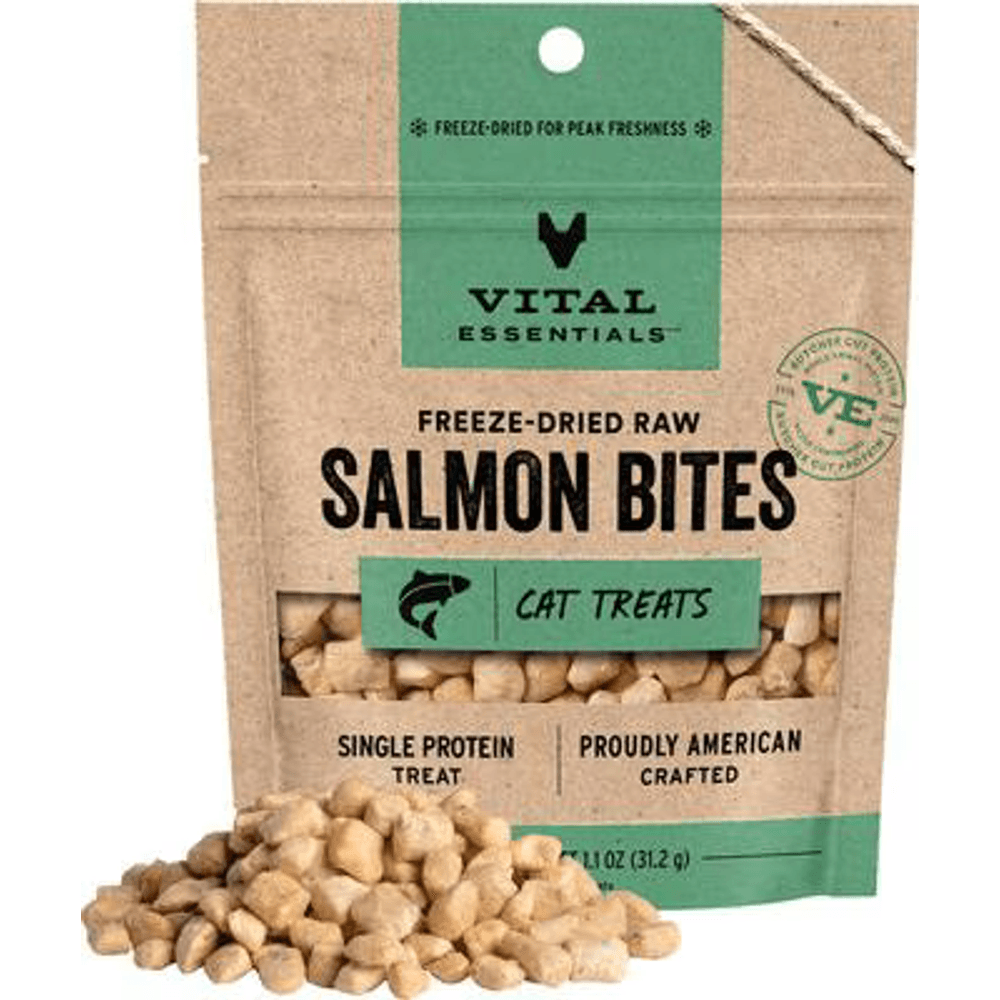
This is an optional cat treat. Review its current label, ingredients, calories, and feeding directions, and count it within the total daily extras.
Webvet may earn a commission when you click through to Chewy, at no extra cost to you.
Count every optional treat within the cat's daily calorie allowance and complete diet. A plain animal food, produce item, or commercial treat can still be unsuitable because of calories, allergens, texture, or a therapeutic diet.

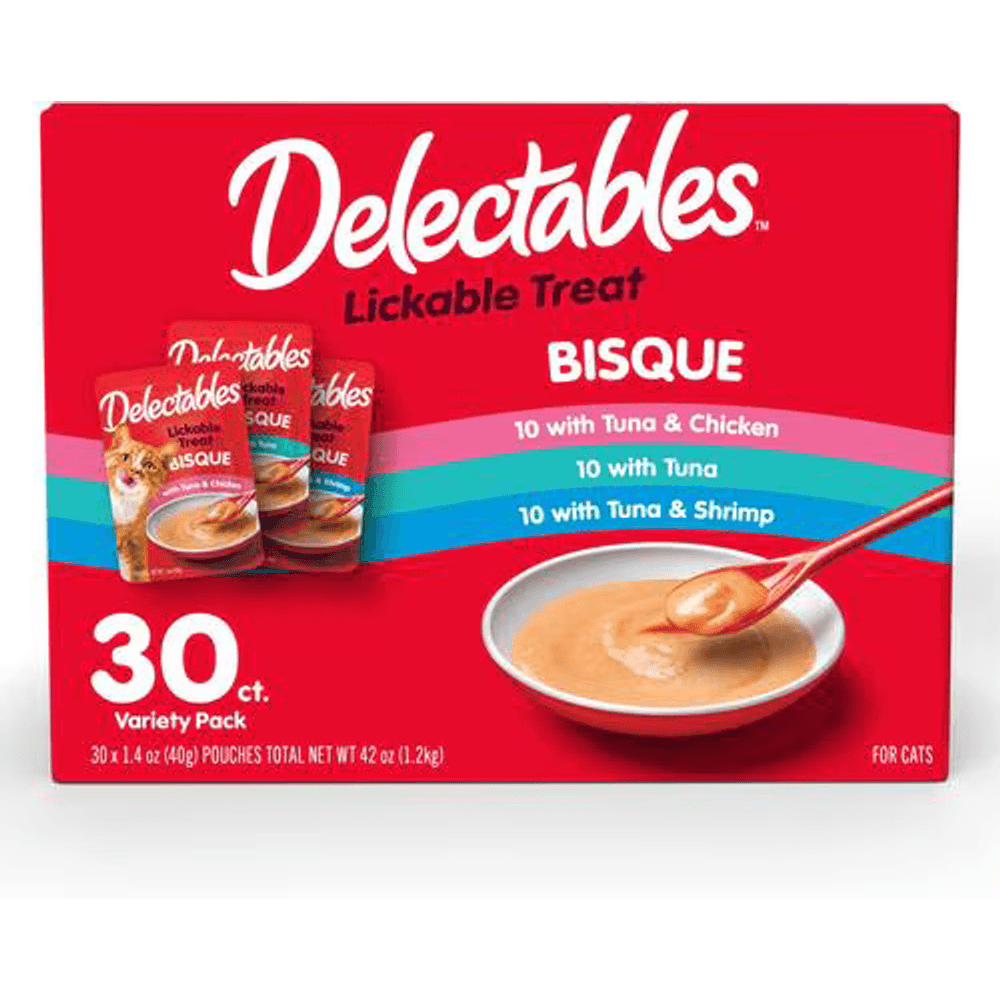
This is an optional cat treat. Review its current label, ingredients, calories, and feeding directions, and count it within the total daily extras.
Webvet may earn a commission when you click through to Chewy, at no extra cost to you.
Frequently asked questions
What will xylitol do to a cat?
Current evidence suggests cats resist the hypoglycemia and liver injury seen in dogs. A six-cat study found no toxic effects at the tested doses, which is reassuring but limited. The reviewed evidence does not establish xylitol-specific vomiting or gastrointestinal upset in cats; assess the complete product and individual circumstances.
Do all peanut butters contain xylitol?
No. Most standard peanut butters do not contain xylitol, but a handful of sugar-free or low-sugar brands do, and it is not always obvious. Always read the ingredient list before letting your cat near any peanut butter, and look for xylitol or birch sugar. Peanut butter is not a meaningful food for cats anyway, so there is no reason to share it.
Which sweeteners are toxic to cats?
Cats do not need sweetened human foods. Xylitol causes a well-established severe syndrome in dogs, while limited feline evidence suggests resistance. Chocolate is a separate feline hazard, and every mixed product should be assessed from its actual ingredients.
My cat licked sugar-free gum. What should I do?
Take the gum away so your cat cannot swallow more, then check the packaging and call your vet, the Pet Poison Helpline at 855-764-7661, or ASPCA Animal Poison Control at 888-426-4435. Have the product name and your cat's weight ready. Serious poisoning is uncommon in cats, but a professional can confirm whether your cat needs to be seen based on the exact product and amount.
Why avoid xylitol for cats if it is not very toxic to them?
Do not offer sweetened human products because they are unnecessary and may contain other hazards. That practical recommendation is separate from toxicity: xylitol is not known to cause the dog-like syndrome in cats, while the limited six-cat study cannot establish unlimited safety.

Do not intentionally give xylitol-sweetened human products to cats. Available evidence suggests resistance to the severe dog syndrome, but it is limited and does not establish unlimited safety. Store human products securely and assess the complete label, amount, packaging, symptoms, and patient after an accidental exposure.
Safe alternatives
More pantry & other for cats
Sources
- Merck Veterinary Manual: Xylitol Toxicosis in Dogs
States that dogs are the only domestic species with reported xylitol toxicosis and describes cats as resistant to dog-like hypoglycemia and liver injury.
- Effects of p.o. administered xylitol in cats
A controlled study of six healthy cats found no toxic effects after 100, 500, or 1,000 mg/kg; this is reassuring but too limited to establish unlimited safety.
Reviewed by Dr. Athena Gaffud, DVM
General guidance based on credible veterinary sources; not a diagnosis or a substitute for your veterinarian. If your pet ate something toxic or is unwell, contact your vet or a pet poison line right away.