
Can dogs eat apples?
SafeDogs can eat plain apple flesh. Remove seeds and the hard core, cut the fruit appropriately, and count it within the dog's treat calories.


Medically reviewed by Dr. Athena Gaffud, DVM · Last reviewed
Can Dogs Eat Apples?
Dogs can eat plain apple flesh. Preparation should match the dog's chewing style. A dog that gulps food may handle a firm wedge differently from one that chews slowly, and a hard core is a different object from soft flesh. Remove the stem, core, and seeds before offering apple. Grated or cooked plain apple changes texture, while dried apple concentrates calories and can be easy to overcount when several pieces are given during training. Wash the fruit, remove the seeds and hard core before intentional feeding, and cut it into a size the individual dog can manage. Apple is an optional treat, not a required source of fiber or vitamins, and its calories belong in the dog's overall treat allowance.
- 1Plain apple flesh is non-toxic to dogs when prepared without the seeds and hard core.
- 2Cyanogenic compounds are mainly a concern when many seeds are chewed or crushed, not from one intact swallowed seed.
- 3A core can be a patient-specific foreign body, but one swallowed core is not automatically an obstruction.
- 4There is no universal slice count; use the apple's calories and the dog's individual calorie allowance.
- 5Apple composition does not prove stool, immune, dental, or weight-loss benefits from a treat portion.

Treats should stay under 10% of your dog's daily calories. JustFoodForDogs makes the rest of it.
- Recipes developed by veterinary nutritionists
- Whole-food ingredients you can recognise
- Fresh meals delivered to your door
Webvet may earn a commission when you click through to JustFoodForDogs, at no extra cost to you.
Are apples good for dogs?
Apple flesh contains water, fiber, carbohydrates, vitamins, and minerals. Those composition facts do not show that a few slices will firm stool, support immunity, repair tissue, clean teeth, or produce weight loss. A complete and balanced dog food should provide the dog's required nutrients, and apple should be treated as an optional calorie-counted extra.


This is an optional dog treat. Review its current label, ingredients, calories, and feeding directions, and count it within the total daily extras.
Webvet may earn a commission when you click through to Chewy, at no extra cost to you.
Chewing a firm apple piece may provide texture and enrichment, but apple is not a dental treatment and does not replace brushing, veterinary dental care, or products with validated plaque or tartar claims. Vitamin content in a small treat does not establish immune or tissue-repair effects.
Whether apple is appropriate depends on the dog's complete diet, calorie target, chewing behavior, and medical history. Introduce any new food cautiously and stop if it causes gastrointestinal upset. Dogs on therapeutic diets should receive only treats approved by the veterinarian managing that diet. The same calorie allowance must include every other snack, chew, training reward, and food used to give medication.
How much apple can dogs eat?
There is no evidence-based number of slices or handfuls that applies to every dog. Keep all extras within the dog's individual calorie allowance, which should be based on energy requirements rather than body weight alone, and calculate the apple portion from its calories. Smaller dogs often have less calorie room, but fixed slice charts create false precision.

| Portion step | What to use |
|---|---|
| 1 | The dog's veterinarian-established daily energy requirement |
| 2 | The total calorie allowance for all treats |
| 3 | Calories in the actual apple portion |
| 4 | The dog's chewing ability, health, and complete diet |
How to prepare and serve apples
Wash the apple, remove the stem, seeds, and hard core, and cut the flesh to an appropriate size. The core is avoided because its firmness and shape can create a patient-specific choking or foreign-body concern. Skin is not toxic and may be left on after washing unless the individual dog handles it poorly.
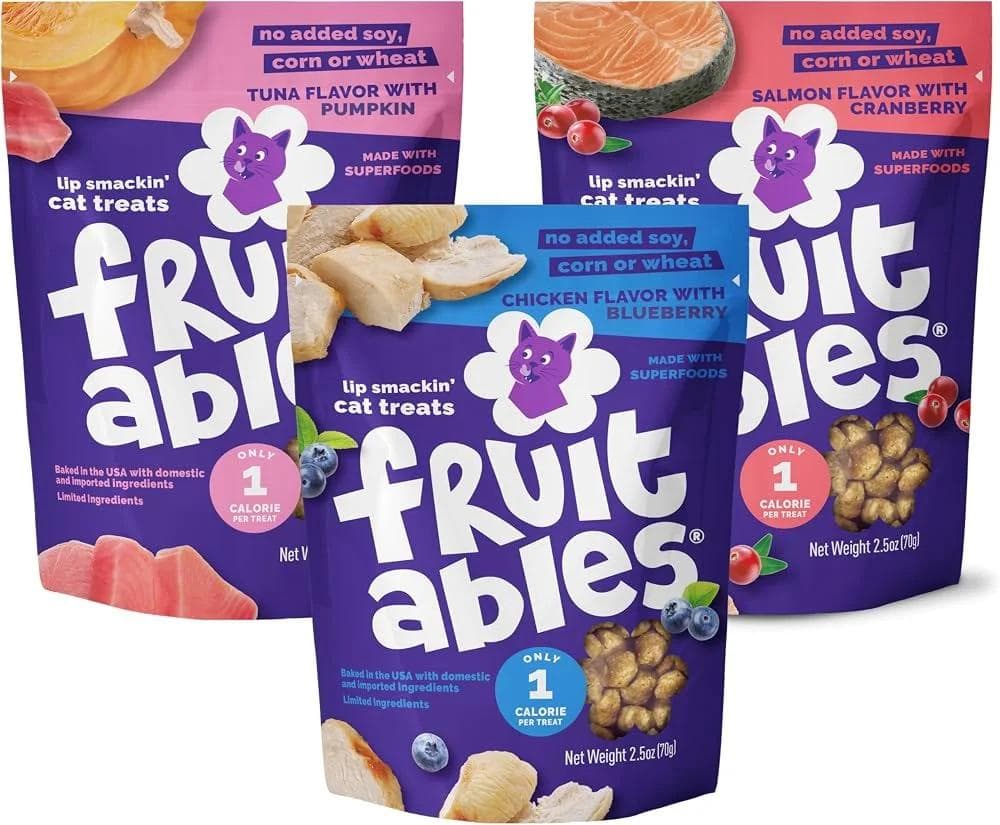
This is an optional dog treat. Review its current label, ingredients, calories, and feeding directions, and count it within the total daily extras.
Webvet may earn a commission when you click through to Chewy, at no extra cost to you.
Any common grocery-store apple variety works, from Gala and Fuji to Granny Smith, so pick whatever you already have on hand. Sweeter varieties simply carry a little more sugar. Fresh, raw apple is the best form. Plain, unsweetened applesauce is fine in small amounts and can be a handy way to hide a pill, but skip the sweetened versions. If your dog is small or gulps food quickly, grate the apple or cut it into very small pieces to reduce the choking risk.
Apple products and parts to avoid

Processed apple products vary. Apple pie, turnovers, cider, caramel apple, fruit leather, and mixed snack bars require their own ingredient review. Check for raisins, alcohol, xylitol, nutmeg, chocolate, high fat fillings, and other co-ingredients without assuming a standard recipe. Keep the label and report what was actually eaten. If a dog swallowed part of a core, note its approximate size and current signs rather than waiting for a fixed obstruction timeline. Read the complete label for added sugar, fat, raisins, nutmeg, xylitol, or other ingredients rather than assuming ordinary pie or applesauce contains a particular toxin. If a dog eats a sugar-free or mixed product, the package and ingredient list are essential for triage.
Risks and what to watch for
Too much of any new food can cause gastrointestinal upset. When several dogs share a home, determine which dog reached the apple and how much core remains before assigning the whole amount to one patient. Save chewed fragments and packaging for identification. Persistent gagging, repeated vomiting, abdominal pain, appetite loss, or difficulty passing stool needs veterinary advice. A large apple piece or core may be a foreign-body concern for some dogs, but risk depends on size, chewing, anatomy, location, and symptoms. Contact a veterinarian for persistent gagging, repeated vomiting, abdominal pain, appetite loss, or difficulty passing stool.
Safe alternatives to apples
Other plain foods may also fit as occasional treats, but their nutrient content does not guarantee a clinical benefit. Use apple for an optional taste or enrichment only when it fits the dog's calorie plan. It should not replace a dental product, a prescribed fiber plan, or a weight-loss diet. For diabetes, gastrointestinal disease, food allergy evaluation, or a therapeutic diet, ask the treating team before adding it. The calories used for apple reduce the room available for every other treat that day. Choose an option that is safe for the individual dog, prepare it appropriately, count its calories, and avoid additions that conflict with the dog's medical or therapeutic diet.

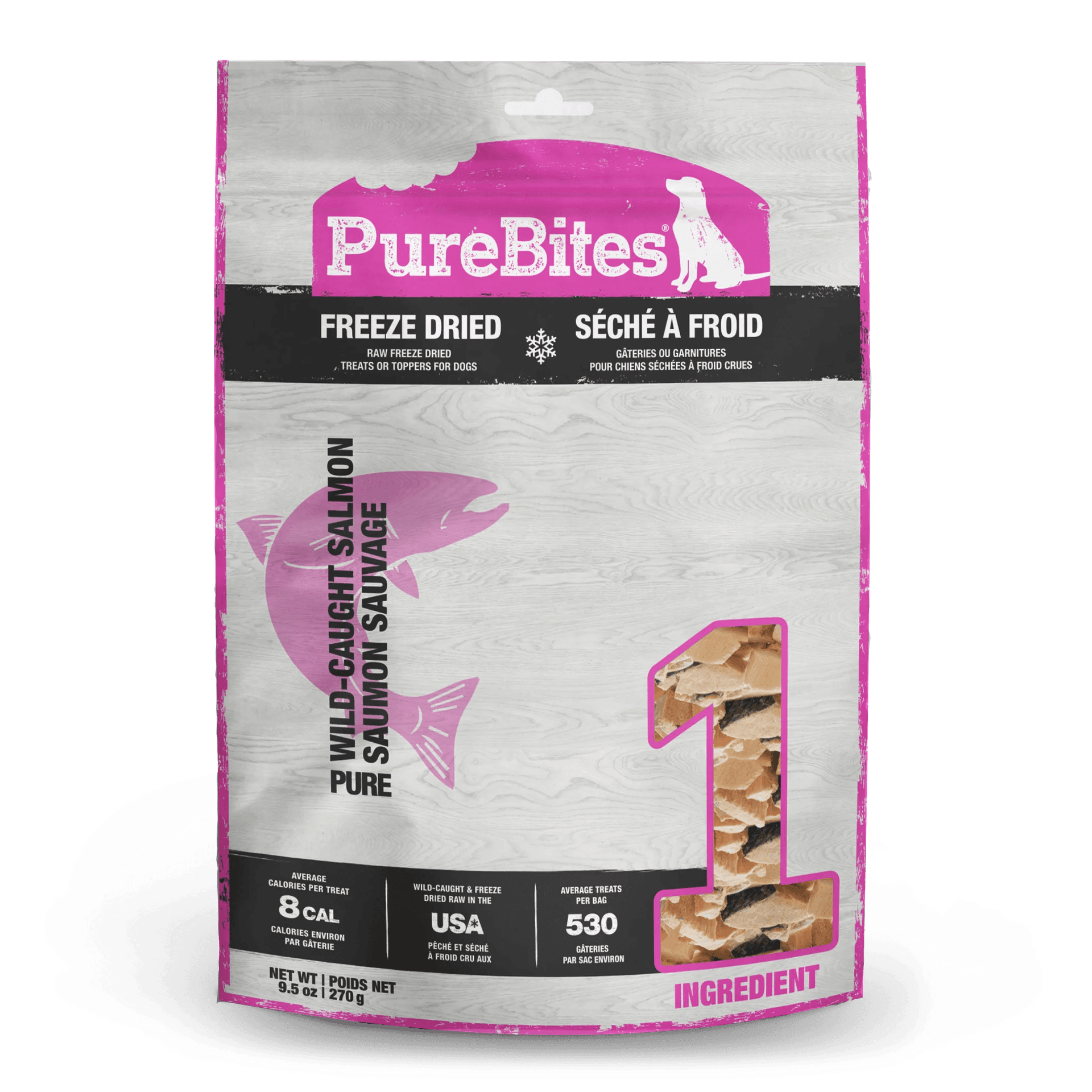
This is an optional dog treat. Review its current label, ingredients, calories, and feeding directions, and count it within the total daily extras.
Webvet may earn a commission when you click through to Chewy, at no extra cost to you.
Frequently asked questions
Can dogs eat apple skin?
Washed apple skin is not toxic. Leave it on or remove it according to the dog's chewing ability and gastrointestinal tolerance, and always cut the apple appropriately.
Can dogs eat apples every day?
Daily use is a calorie and diet question, not a fixed slice rule. Keep all treats within the dog's individual allowance and ask the veterinarian before adding apple to a therapeutic diet.
Are apple seeds poisonous to dogs?
Apple seeds contain cyanogenic compounds that are released mainly when many seeds are chewed or crushed. One intact swallowed seed is unlikely to poison a dog, but seeds should still be removed before intentional feeding.
Can puppies eat apples?
A small piece of seedless, cored apple may be appropriate for some puppies, but growth food must remain complete and balanced. Ask the veterinarian how any treat fits the puppy's calorie plan and chewing ability.
Can dogs eat applesauce?
Plain unsweetened applesauce may be low risk in a small amount, but formulations vary and there is no universal spoon serving. Read the complete label and count the calories.
More safe treats
More fruits for dogs
Sources
- ASPCA: Pet Parents, Beware of These Four Fall Toxins
Explains that cyanide release requires apple seeds to be chewed or ground and that a couple of swallowed seeds are unlikely to cause poisoning.
- WSAVA: Feeding Treats to Your Dog
Supports limiting all treats to about 10% of a dog's daily calories and calculating the allowance for the individual dog.
- Merck Veterinary Manual: Gastrointestinal Obstruction in Small Animals
Supports patient-specific foreign-body risk and urgent assessment when obstruction signs develop.
- Merck Veterinary Manual: Overview of Nutrition in Small Animals
Supports complete and balanced feeding and patient-specific nutrition; it does not establish clinical benefit from a treat portion.
Reviewed by Dr. Athena Gaffud, DVM
General guidance based on credible veterinary sources; not a diagnosis or a substitute for your veterinarian. If your pet ate something toxic or is unwell, contact your vet or a pet poison line right away.