
Can dogs eat applesauce?
Safe in moderationA small amount of plain unsweetened applesauce is usually low risk for dogs. Read the full label, especially on sugar-free products.


Medically reviewed by Dr. Athena Gaffud, DVM · Last reviewed
Can Dogs Eat Applesauce?
A small amount of plain unsweetened applesauce is usually low risk for dogs. Product recipes vary, so read the complete label and identify every sweetener, spice, fruit, and other ingredient. Xylitol is the established canine hazard; a sugar-free label alone does not reveal which sweetener was used.
- 1Plain unsweetened applesauce is generally low risk as an optional dog treat.
- 2There is no universal teaspoon or tablespoon serving; use the exact product's calories and the dog's individual allowance.
- 3Xylitol is toxic to dogs, while sorbitol, erythritol, maltitol, and other polyols are not interchangeable with xylitol.
- 4Xylitol hypoglycemia may begin within 30 minutes or be delayed 12 to 18 hours with some products.
- 5Applesauce is not a proven treatment for constipation or loose stool and is low in fat.

Treats should stay under 10% of your dog's daily calories. JustFoodForDogs makes the rest of it.
- Recipes developed by veterinary nutritionists
- Whole-food ingredients you can recognise
- Fresh meals delivered to your door
Webvet may earn a commission when you click through to JustFoodForDogs, at no extra cost to you.
Is applesauce safe for dogs?
Cooking and pureeing apple changes texture, but it does not automatically make every fiber or vitamin more digestible, and heat can reduce some nutrients. Plain applesauce may be easy for an individual dog to lick, but available veterinary guidance does not validate it as a treatment for constipation, diarrhea, or another gastrointestinal problem.

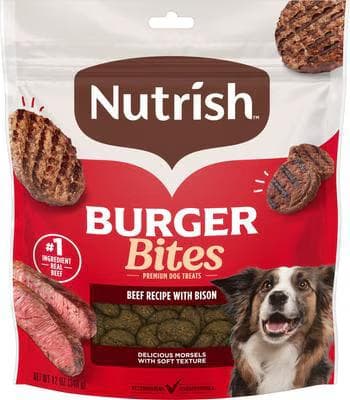
This is an optional dog treat. Review its current label, ingredients, calories, and feeding directions, and count it within the total daily extras.
Webvet may earn a commission when you click through to Chewy, at no extra cost to you.
Commercial applesauce recipes vary. Added sugar contributes calories, and spices or mixed ingredients require their own assessment. A product marketed as sugar-free requires a careful label check, but do not assume that xylitol is a common applesauce ingredient without product evidence.
Why the additives are the real problem
Xylitol can cause a dangerous insulin release, hypoglycemia, and sometimes liver injury in dogs. Signs can begin within about 30 minutes, but onset may be delayed 12 to 18 hours with some products. If xylitol or birch sugar is listed, contact a veterinarian or animal poison service immediately rather than using a short watch window.
Other polyols are not interchangeable with xylitol. Sorbitol, erythritol, maltitol, and similar names may cause different effects and should be evaluated by the exact ingredient and dose. Avoid the false rule that every sweetener ending in -ol has the same canine toxicity as xylitol.

Nutritional Context for Plain Applesauce
Plain applesauce contains water, carbohydrate, and some fiber, but those composition facts do not prove that a treat amount will firm stool, relieve constipation, or provide a meaningful clinical benefit. It is naturally low in fat, so a prior pancreatitis history does not justify describing applesauce sugar and fat as uniquely hazardous.
A complete and balanced dog food should supply required nutrients. Applesauce may be used as an optional texture or flavor when the complete label and calories fit the dog's plan, but it should not replace veterinary evaluation or treatment for gastrointestinal signs.
How much applesauce can dogs have?
There is no universal teaspoon or tablespoon amount for every dog. Keep all treats within the dog's individual calorie allowance and calculate any applesauce portion from the exact product's energy density. Body-weight tables alone do not account for life stage, body condition, activity, disease, or the rest of the diet.
| Portion step | Evidence-based input |
|---|---|
| 1 | The dog's daily energy requirement |
| 2 | The total calorie allowance for all treats |
| 3 | Calories in the exact applesauce product |
| 4 | Medical conditions and any therapeutic diet |
Dogs with diabetes, obesity, food sensitivity, or a prescribed diet need veterinarian-specific advice before any extra food. Prior pancreatitis may also change the overall diet plan, but plain applesauce is low in fat and should not be portrayed as a uniquely fatty trigger.

How to choose and serve it
Choose by ingredient list, not a blanket naming rule. Plain unsweetened product with a simple recipe is easiest to assess. Check specifically for xylitol or birch sugar and for other recipe-specific concerns; do not reject every ingredient ending in -ol as if it were xylitol.
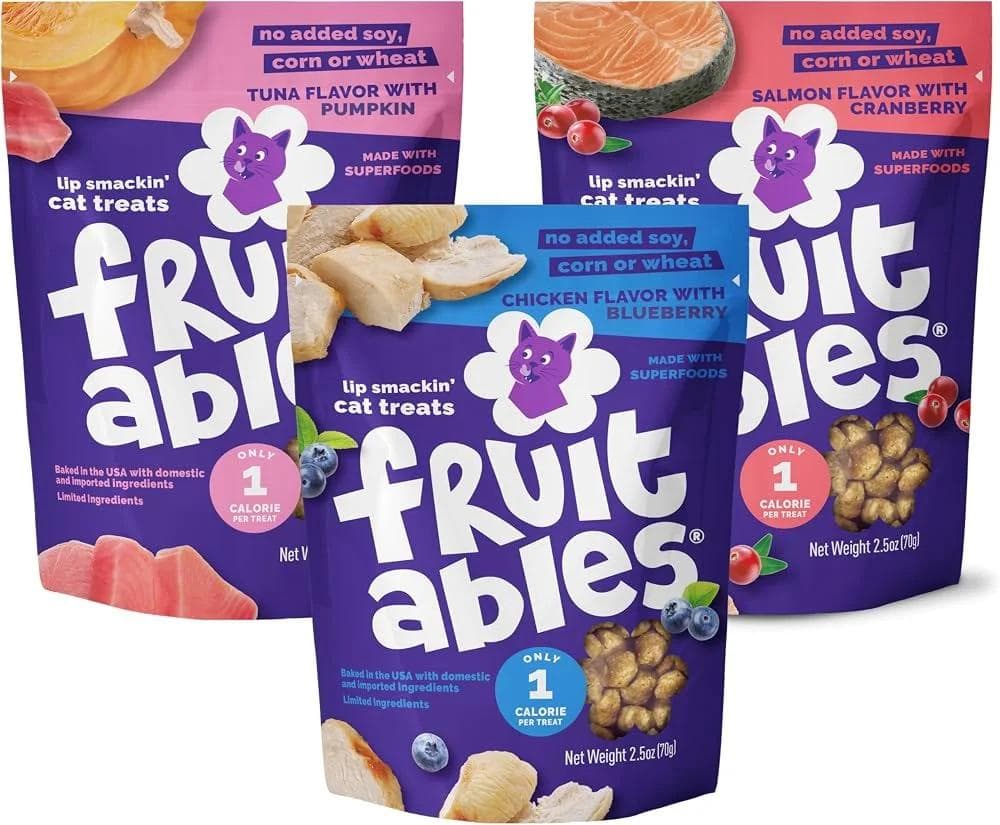
This is an optional dog treat. Review its current label, ingredients, calories, and feeding directions, and count it within the total daily extras.
Webvet may earn a commission when you click through to Chewy, at no extra cost to you.
Serving is simple. You can spoon a small amount over your dog's regular food, offer it off a spoon as a treat, stir it into a puzzle feeder, or freeze it in an ice cube tray or a rubber chew toy for a cooling summer lick. Freezing is a nice trick because it stretches a tiny portion into a longer-lasting treat and keeps the calories in check. Whatever the format, measure the amount rather than pouring freehand so a small taste does not quietly become a large one.
Risks and what to watch for
Too much applesauce can contribute calories or cause gastrointestinal upset in an individual dog. Persistent vomiting, diarrhea, abdominal pain, weakness, collapse, or other concerning signs warrant veterinary advice. Do not use applesauce as a home treatment for ongoing constipation or diarrhea.

What about cinnamon, Mott's, and sugar-free brands?
Sweetened, cinnamon-flavored, and sugar-free products must be evaluated from their exact recipes. A trace spice exposure is not automatically an emergency, and a sugar-free label does not prove xylitol is present. The package determines whether an acute toxicology concern exists.
Applesauce is not a reliable laxative or stool-firming treatment. Fiber type, amount, hydration, underlying disease, and the individual dog all matter. Constipation, persistent diarrhea, pain, repeated vomiting, or appetite loss should be evaluated by a veterinarian rather than managed with an invented spoon dose.
Safe alternatives to applesauce
Fresh seedless, cored apple flesh may be another optional treat, but neither fresh apple nor applesauce guarantees dental, digestive, immune, or antioxidant benefits. Use an appropriate preparation and amount within the dog's complete calorie plan.
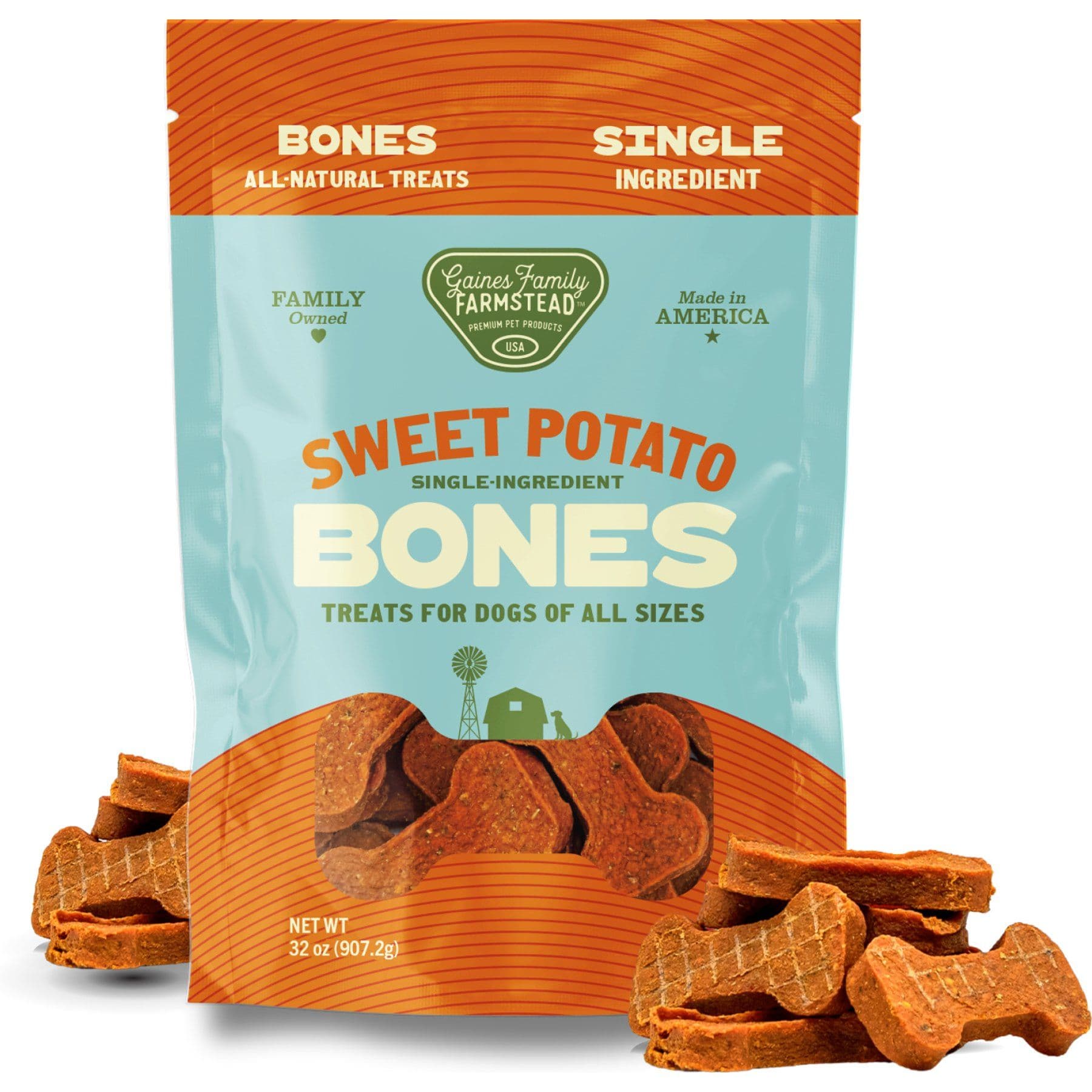
This is an optional dog treat. Review its current label, ingredients, calories, and feeding directions, and count it within the total daily extras.
Webvet may earn a commission when you click through to Chewy, at no extra cost to you.
Plain unsweetened applesauce can be an occasional, calorie-counted extra for some dogs. Read the exact label, distinguish xylitol from other sweeteners, and obtain prompt help for confirmed xylitol exposure. Use veterinary guidance for medical diets or gastrointestinal symptoms.

Frequently Asked Questions
How much applesauce can I give my dog?
There is no universal spoon amount. Calculate any portion from the exact product's calories and the dog's individual treat allowance, and ask the veterinarian when a medical condition or therapeutic diet is involved.
Is Mott's or other sweetened applesauce safe for dogs?
Sweetened applesauce adds calories but is not automatically poisonous. Read the entire recipe and prefer plain unsweetened product if the veterinarian approves it. The label, not the brand name, determines whether xylitol or another concern is present.
Is applesauce a laxative for dogs?
Applesauce is not a validated laxative or treatment for diarrhea. Ongoing constipation, diarrhea, vomiting, pain, or appetite loss needs veterinary evaluation.
Can dogs eat applesauce with cinnamon?
A small trace of cinnamon is not automatically an emergency, but flavored products vary and may contain other ingredients. Use the complete label and amount to decide whether professional advice is needed.
What should I do if my dog ate sugar-free applesauce?
Read the label immediately. If it lists xylitol or birch sugar, call a veterinarian or animal poison service without waiting for signs. If it uses another sweetener, report that exact ingredient, amount, timing, dog, and symptoms for case-specific guidance.
More safe treats
More fruits for dogs
Sources
- Merck Veterinary Manual: Xylitol Toxicosis in Dogs
Describes canine xylitol-induced hypoglycemia, possible liver injury, and delayed onset with some products, supporting prompt dog-specific assessment when xylitol is listed.
- WSAVA: Feeding Treats to Your Dog
Supports limiting all treats to about 10% of a dog's daily calories and calculating the allowance for the individual dog.
- Merck Veterinary Manual: Overview of Nutrition in Small Animals
Supports complete and balanced feeding and patient-specific nutrition; it does not establish clinical benefit from a treat portion.
Reviewed by Dr. Athena Gaffud, DVM
General guidance based on credible veterinary sources; not a diagnosis or a substitute for your veterinarian. If your pet ate something toxic or is unwell, contact your vet or a pet poison line right away.