
Can dogs eat cinnamon?
Safe in moderationCinnamon risk in dogs depends on dose and form: culinary traces differ from loose powder, concentrated extracts, and essential oil.


Medically reviewed by Dr. Athena Gaffud, DVM · Last reviewed
Can Dogs Eat Cinnamon?
Cinnamon cannot be labeled simply safe or toxic without identifying the form and dose. A trace of culinary spice in food differs from a mouthful of loose powder, a concentrated extract, an essential oil, or an inhalation exposure. Form and dose are central to deciding whether a dog needs monitoring or prompt toxicology advice.
- 1Assess cinnamon by its exact form, amount, added ingredients, and the individual dog.
- 2A treat portion of cinnamon must fit the complete diet and the dog's remaining calorie allowance.
- 3Prepare cinnamon plainly and choose a size and texture suited to how this dog eats.
- 4Cinnamon oil and concentrated exposures require different advice from culinary powder.
- 5Call for persistent illness, swallowing trouble, a possible foreign body, or a hazardous co-ingredient.

Treats should stay under 10% of your dog's daily calories. JustFoodForDogs makes the rest of it.
- Recipes developed by veterinary nutritionists
- Whole-food ingredients you can recognise
- Fresh meals delivered to your door
Webvet may earn a commission when you click through to JustFoodForDogs, at no extra cost to you.
Is Cinnamon Safe for Dogs?
A small incidental taste of a lightly flavored food may cause no signs, while a larger powder or concentrated product can irritate the mouth, digestive tract, skin, or airways. A dusting of culinary powder, a chewed stick, a spoonful from a container, cinnamon gum, a baked dessert, potpourri, essential oil, and a supplement are different exposures. Oils and extracts are concentrated, while baked foods can add xylitol, chocolate, raisins, nutmeg, yeast dough, or substantial fat and sugar. Keep the package and recipe for assessment. Veterinary toxicology guidance does not support a pinch-to-teaspoon table that predicts which dog will become ill. For mixed products containing cinnamon, keep the package and report every ingredient, amount, time, dog's weight, history, and signs.


This is an optional dog treat. Review its current label, ingredients, calories, and feeding directions, and count it within the total daily extras.
Webvet may earn a commission when you click through to Chewy, at no extra cost to you.
Cinnamon is not needed in a complete canine diet, and treat-level use has no established clinical benefit for glucose control, inflammation, digestion, or another condition. Human supplement research cannot be converted into a canine dose or used to recommend cinnamon for dogs with diabetes.
Why cinnamon belongs in moderation, not the food bowl
This food adds optional calories and nutrients, but the complete dog food remains responsible for meeting dietary requirements. Related guidance: vomiting; diarrhea; coughing.
There is no evidence-based pinch, teaspoon, or body-weight allowance for feeding cinnamon to dogs. Because products vary greatly in concentration, a volume measure can be misleading. Do not intentionally dose the spice or a supplement; evaluate an accidental exposure from the exact product, amount, dog, route, and signs.

How to Portion Cinnamon
Use the calories in cinnamon and the individual dog's remaining treat allowance; body weight alone is not a serving chart.
| Decision point | Evidence-based guidance |
|---|---|
| Plain food | Assess plain cinnamon by form, amount, tolerance, and the individual dog. |
| Portion | Use the individual calorie allowance, not a fixed piece or spoon table |
| Preparation | Serve it plain and choose a manageable size and texture. |
| Mixed product | Read every ingredient and keep the package or recipe for advice. |
Keep loose spice containers, extracts, oils, supplements, and diffusers out of reach. For diffusers, cleaners, candles, potpourri, or craft mixtures, report the route of exposure as well as the ingredient. Skin contact, grooming, and inhalation can require different advice from swallowing baked food. Preserve the bottle so concentration and any additional essential oils can be identified. Do not blow powder near a dog's face or add concentrated cinnamon to food. For a baked product, retain the package or recipe so every ingredient and the approximate amount can be assessed.
Risks and When to Call
Loose powder can irritate the nose, mouth, throat, and airways when inhaled. That irritation is not the same as choking, which means an airway obstruction. Coughing, gagging, respiratory effort, or powder inhalation deserves prompt veterinary guidance, especially when signs persist.

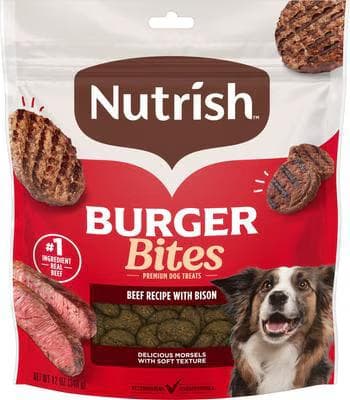
This is an optional dog treat. Review its current label, ingredients, calories, and feeding directions, and count it within the total daily extras.
Webvet may earn a commission when you click through to Chewy, at no extra cost to you.
Cinnamon oil and concentrated extracts pose a different exposure from culinary powder. Move the dog away from loose powder and prevent licking if oil contacts the coat. Ask a veterinarian or poison service before washing a concentrated oil exposure or giving anything by mouth. Coughing, breathing difficulty, repeated vomiting, marked drooling, weakness, tremors, or collapse warrants prompt attention. Cinnamon should not be applied as a flea repellent or given as a diabetes or inflammation treatment. Merck lists cinnamon oil among potentially hepatotoxic essential oils and emphasizes that risk increases with concentration. Skin contact, ingestion, and inhalation may require different first-aid advice, so contact a veterinarian rather than inducing vomiting at home.
Ceylon versus Cassia, sticks, and essential oils
A cinnamon roll, cookie, gum, supplement, or drink must be judged by its actual recipe. Store concentrated oils and supplements in closed cabinets and clean powder spills before a dog can sniff or track through them. Do not reuse a food container for these products because identification becomes harder during triage. Nutmeg, raisins, chocolate, xylitol, alcohol, and other ingredients are separate hazards only when present. Do not imply that every cinnamon baked good contains any one of them.
Dogs with diabetes, liver disease, respiratory disease, or a prescribed diet need case-specific advice. Do not use cinnamon to lower glucose or recommend one cinnamon variety as a canine safety strategy. Medication and dietary management should follow the treating veterinarian's plan.
Risks and When to Call
Call promptly after essential-oil or concentrated-extract contact, substantial powder ingestion, powder inhalation, or a product with a hazardous co-ingredient. Urgent signs include breathing difficulty, repeated vomiting, marked lethargy, tremors, poor coordination, collapse, or seizures. Related guidance: sneezing.

After an Unplanned Exposure
Wipe accessible dry residue away without spreading it into the air and prevent licking, but do not apply a home neutralizer or induce vomiting unless a professional directs it. Bring the product label. Concentration, carrier ingredients, route, timing, and symptoms are essential for useful triage.
If this food does not fit the plan, choose another veterinarian-approved treat and count it within the same calorie allowance.
Choosing Other Treats
For dogs, cinnamon advice should be form-specific and dose-aware. No evidence-based serving table, blood-glucose benefit, or cinnamon-variety ranking applies. Separate culinary traces from powder inhalation, extracts, oils, and recipe-specific co-ingredients. The practical decision is individualized: confirm the exact food, use a manageable texture, keep extras within the calorie plan, and watch the actual dog rather than a fixed schedule. Contact a veterinarian for persistent vomiting or diarrhea, marked lethargy, pain, breathing or swallowing trouble, inability to pass stool or urine, neurologic signs, or any ingredient-specific toxicology concern. Related guidance: Plain cooked chicken; Blueberries.

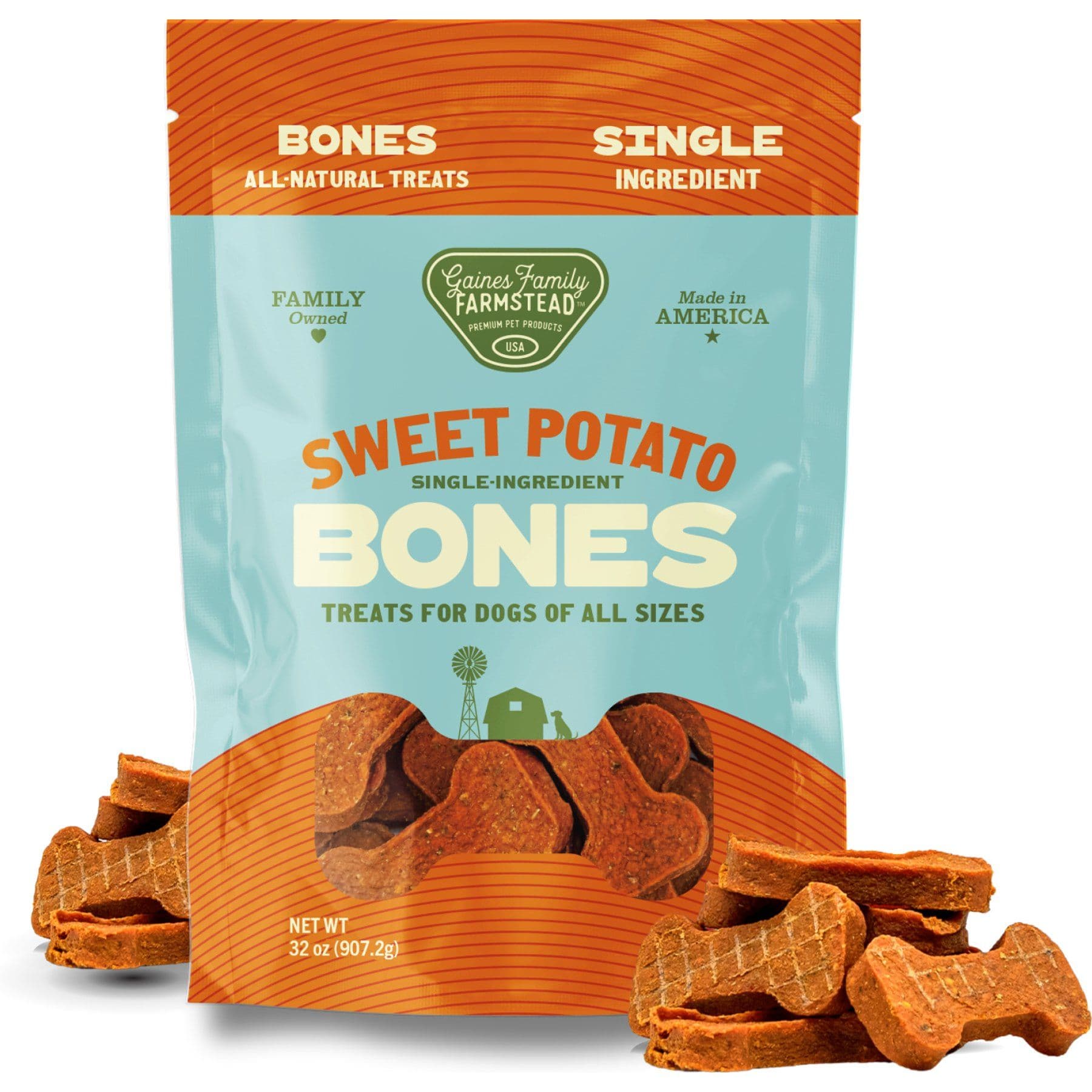
This is an optional dog treat. Review its current label, ingredients, calories, and feeding directions, and count it within the total daily extras.
Webvet may earn a commission when you click through to Chewy, at no extra cost to you.
Frequently Asked Questions
Is cinnamon toxic to dogs?
Risk depends on form and dose. A culinary trace differs from a large powder exposure, inhalation, concentrated extract, or essential oil.
How much cinnamon can a dog have?
No evidence-based pinch or teaspoon table predicts safety. Identify the exact product, concentration, amount, route, dog, and signs.
Can cinnamon lower a dog's blood sugar?
Do not use cinnamon to manage canine diabetes. No supported home dose is established, and prescribed treatment should not be altered.
Can a dog choke on cinnamon powder?
Loose powder can irritate the airways. That is different from physical airway obstruction, but coughing or breathing difficulty needs prompt care.
What matters in a cinnamon baked good?
Check the actual recipe for nutmeg, raisins, chocolate, xylitol, alcohol, and other hazards rather than assuming they are present.
More safe treats
More pantry & other for dogs
Sources
- Pet Poison Helpline: Nutmeg and Cinnamon Toxicity
A veterinary toxicology service explains that dose and form matter, with irritation from cinnamon powder or oil and greater concern after large powder, inhalation, or essential-oil exposure.
- Merck Veterinary Manual: Toxicoses From Essential Oils in Animals
States that essential-oil risk rises with concentration, cats are especially susceptible because of deficient glucuronyl transferase, and cinnamon oil is potentially hepatotoxic.
- ASPCA: People Foods to Avoid Feeding Your Pets
Supports checking cinnamon rolls, gum, drinks, and supplements for separate ingredients that may be hazardous to dogs.
- Merck Veterinary Manual: Grape, Raisin, and Tamarind Toxicosis in Dogs
Establishes canine grape and raisin renal toxicosis without establishing the same detailed syndrome in cats.
Reviewed by Dr. Athena Gaffud, DVM
General guidance based on credible veterinary sources; not a diagnosis or a substitute for your veterinarian. If your pet ate something toxic or is unwell, contact your vet or a pet poison line right away.