Dog symptom
Sneezing or nasal discharge in dogs
Reviewed by the Webvet Veterinarian Team · Last reviewed June 22, 2026
Occasional sneezing is normal. Frequent sneezing or nasal discharge can mean an infection, allergy, or something stuck in the nose.
Common causes of sneezing or nasal discharge in dogs
- Upper respiratory infection (very common in cats)
- Allergies or environmental irritants
- A foreign object such as a grass seed in the nose
- Dental disease affecting the nasal passages
Who's most at risk
- Cats (upper respiratory infections are common)
- Multi-cat homes and shelters
- Brachycephalic breeds
- Exposure to smoke, dust, or aerosols
What you can do at home
- Keep the environment free of smoke, dust, aerosols, and essential-oil diffusers
- Gently wipe away discharge with a soft, damp cloth
- Run a humidifier or sit with your pet in a steamy bathroom to ease congestion
When to see a vet
- Thick, yellow/green, or bloody nasal discharge
- Sneezing with poor appetite, eye discharge, or low energy
- Sudden, violent sneezing fits (possible foreign object)
When it's more serious
- Colored or bloody discharge suggests infection or a deeper problem — book a vet visit.
- Sneezing with these signs (common in cats) warrants a vet check.
- Sudden fits can mean an inhaled foreign body like a grass seed — see your vet.
What your vet may do
- Exam of the nose, eyes, mouth, and teeth
- Look for a foreign body, infection, or dental disease
- Swabs or imaging if it's chronic or one-sided
- Treat infection or remove an object as needed
Questions to ask your vet
- Could something be stuck in the nose?
- Is this infectious to my other pets?
- Do the teeth need checking?
- When does sneezing need imaging?

Frequently asked questions
What causes sneezing or nasal discharge in dogs?
Occasional sneezing is normal. Frequent sneezing or nasal discharge can mean an infection, allergy, or something stuck in the nose. Common causes include: Upper respiratory infection (very common in cats); Allergies or environmental irritants; A foreign object such as a grass seed in the nose; Dental disease affecting the nasal passages.
Is sneezing or nasal discharge in dogs an emergency?
Usually OK to monitor at home. See a vet right away if: Thick, yellow/green, or bloody nasal discharge; Sneezing with poor appetite, eye discharge, or low energy; Sudden, violent sneezing fits (possible foreign object).
What can I do at home for a dog with sneezing or nasal discharge?
Keep the environment free of smoke, dust, aerosols, and essential-oil diffusers. Gently wipe away discharge with a soft, damp cloth. Run a humidifier or sit with your pet in a steamy bathroom to ease congestion.
A closer look at sneezing and nasal discharge in dogs
An occasional sneeze is one of the most normal things a dog can do, and by itself it almost never means trouble. Sneezing is simply your dog's built-in way of blasting dust, pollen, or a tickle out of the nose, and a healthy dog may do it after a sniff-heavy walk, a burst of excitement, or a face full of grass. The signals worth paying attention to are not the sneezes themselves but what comes with them: how often they happen, whether anything is draining from the nose, and how your dog otherwise looks and feels.
- 1A stray sneeze here and there is normal; frequent fits or nasal discharge are what deserve attention.
- 2Clear, watery discharge is usually mild; thick yellow-green or bloody discharge points to infection or a deeper problem.
- 3Sudden, violent, non-stop sneezing after time outdoors can mean something is stuck in the nose, such as a grass seed or foxtail.
- 4Reverse sneezing, that alarming honking snort, looks scary but is usually harmless and self-limiting.
- 5One-sided, worsening, or long-running sneezing in an older dog always warrants a veterinary look.
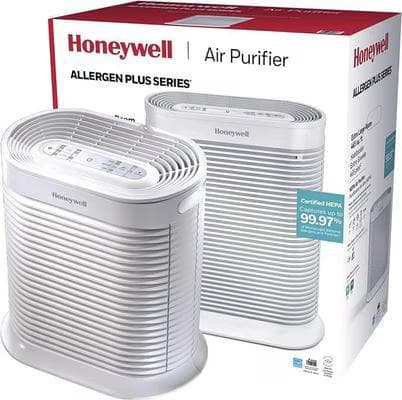
Dust, smoke, and aerosols are common nasal irritants. A HEPA purifier cuts what your dog breathes in the room they sleep in.
Webvet may earn a commission when you click through to Chewy, at no extra cost to you.
What is actually happening when your dog sneezes
A dog's nose is a remarkably sensitive piece of equipment, lined with delicate tissue and packed with far more scent receptors than ours. When an irritant lands on that lining, nerves trigger a fast, forceful exhale through the nose to eject whatever does not belong there. That is a normal, protective reflex. It becomes a symptom worth interpreting when the trigger will not go away, when the lining is inflamed or infected, or when something physically lodges inside the nasal passage and the body keeps trying to expel it.

This is why context matters so much. Sneezing that flares during pollen season or right after you clean with a strong spray tells a very different story from sneezing that starts abruptly mid-walk and refuses to stop, or from a slow, one-sided drip that has been building for weeks. The nose is telling you something in each case, but the message is not the same, and that is exactly what your veterinarian works to decode.
The common reasons dogs sneeze, and how urgent each one is
The everyday culprits are usually harmless: airborne irritants like dust, smoke, pollen, aerosols, perfume, and cleaning products top the list, followed by seasonal or environmental allergies. Upper respiratory infections, including the contagious cluster owners often call kennel cough, can add sneezing to coughing and eye discharge. Less common but more serious causes include a foreign object wedged in the nose, dental disease where an infected upper tooth root breaks into the nasal passage, nasal mites, and, in older dogs especially, nasal tumors. The table below maps the usual suspects to the other clues you would expect to see and roughly how quickly to act.
| Likely cause | Other signs you'd notice | How urgent |
|---|---|---|
| Dust, smoke, pollen, or aerosol irritants | Sneezing tied to a specific place or activity, clears when you leave | Monitor at home |
| Environmental allergies | Seasonal pattern, itchy skin or watery eyes, clear runny nose | Routine vet if persistent |
| Upper respiratory infection | Coughing, thick eye discharge, low energy, poor appetite | Routine vet visit |
| Foreign object (grass seed, foxtail) | Sudden violent fits, pawing at the nose, usually one nostril | Prompt vet visit |
| Dental disease into the nose | Bad breath, discharge from one nostril, chewing on one side | Routine to prompt vet visit |
| Nasal tumor or mites (often older dogs) | One-sided, worsening over weeks, sometimes bloody discharge | See vet, needs imaging |
The sudden, frantic sneezing fit: think foreign body
If your dog was fine one moment and is suddenly sneezing hard and repeatedly, pawing at the face, and looking distressed, a common explanation is that something got inhaled. Grass awns, foxtail seeds, and blades of grass are the classic offenders, and they tend to strike after sniffing through undergrowth. These plant fragments are barbed and do not work their way back out on their own; left in place, they can burrow and cause infection. This is not usually a life-threatening emergency, but it does need a vet, because the object often has to be found and removed under sedation. If the frantic episode is paired with coughing or any breathing trouble, treat it more urgently and call your vet right away.

Reverse sneezing: scary sound, usually harmless
One of the most frightening noises a dog owner can hear is the reverse sneeze: a sudden burst of rapid, snorting, honking inhales, often with the neck extended and elbows out, that can last several seconds and sounds like your dog cannot breathe. Despite the drama, a reverse sneeze is the opposite of a regular sneeze, a spasm that pulls air in rather than pushing it out, and it is usually a harmless way of clearing an irritant from the back of the nose and throat. Episodes typically stop on their own within a minute, and many dogs, especially smaller and flat-faced breeds, have them now and then their whole lives. Gently stroking the throat or briefly covering the nostrils so your dog swallows can help end an episode. It only needs a vet if it becomes frequent, prolonged, or is paired with genuine breathing difficulty.
How vets pinpoint the cause, and what to expect at the visit
A vet starts with the story you tell and a careful physical exam, looking closely at the nose, eyes, mouth, and teeth. A few questions do a lot of the diagnostic work: When did it start? Is it one nostril or both? What does the discharge look like? Is your dog otherwise eating and playing normally? One-sided signs push the focus toward a local problem, such as a foreign body, a diseased tooth root, or a mass, while both-sided signs more often suggest an infection or allergy affecting the whole nasal cavity.
If the problem is mild and the picture fits an irritant or a simple infection, your vet may simply advise supportive care or treat the infection and recheck. If sneezing is chronic, one-sided, bloody, or not responding to first steps, the workup goes deeper: your vet may recommend swabs, dental radiographs, advanced imaging such as a CT scan, or rhinoscopy, where a tiny camera is passed into the nose under anesthesia to look directly and, if needed, retrieve a foreign object or take a biopsy. Treatment then follows the cause: removing what is stuck, treating infection, addressing a bad tooth, or managing allergies. Recovery is quick and complete for the everyday causes, and even foreign-body cases usually bounce back fast once the object is out.

How to help at home, safely
For mild, occasional sneezing with a bright, happy dog, the best home strategy is to remove triggers and keep your dog comfortable. Cut down on airborne irritants by avoiding smoking indoors, skipping aerosol sprays and plug-in or essential-oil diffusers near your dog, and keeping dust down. Gently wipe any discharge away with a soft, damp cloth, and easing congestion with a humidifier or a few minutes in a steamy bathroom can help a stuffy nose. Make sure fresh water is always available.
One rule matters more than any other: never reach for human medications. Many common human decongestants, antihistamines, and pain relievers are toxic to dogs or are dosed in ways that are dangerous for them, and what helps a person can seriously harm a dog. Only ever give a medication your veterinarian has specifically prescribed or approved for your dog. If you are ever unsure whether something your dog ate or inhaled is harmful, the Pet Poison Helpline (855-764-7661) and the ASPCA Animal Poison Control Center (888-426-4435) are available around the clock.
Lowering the risk going forward
You cannot prevent every sneeze, but you can shrink the odds of the bigger problems. Keep your dog's environment as clean and smoke-free as possible, and be mindful during grass-seed season by checking your dog over after walks through tall or dry grass, especially around the face and paws. Stay current on your veterinarian's recommended vaccines, including those that cover contagious respiratory infections, which matters most for dogs in daycare, boarding, or multi-dog settings. Keep up with dental care, since a healthy mouth protects the nasal passages above it. If your dog's sneezing travels with year-round itching or watery eyes, an underlying allergy may be driving it, and the same triggers often show up as itching and scratching, which your vet can help you manage together.

A quick word on sneezing versus coughing
Owners sometimes worry that sneezing signals something like heart disease, but sneezing and coughing are different signals that come from different places. Sneezing comes from the nose and is most often about irritants, infection, or something local in the nasal passage. A persistent cough, breathlessness, tiring easily, or an increased resting breathing rate are the signs more associated with heart or lower-airway problems, and those deserve a prompt vet visit in their own right. If you are unsure which one you are hearing, or your dog is doing both, our guide to coughing in dogs can help you tell them apart, and when in doubt your veterinarian is the right person to ask.
The bottom line for most dogs is reassuring: a sneeze now and then is just a healthy nose doing its job. Watch the pattern rather than the single sneeze, keep the air around your dog clean, never dose human medicine, and let discharge, one-sidedness, violent fits, or a dog who feels unwell be your cue to check in with your veterinarian. When you do bring your dog in, the underlying cause is usually straightforward to find and, in the great majority of cases, straightforward to treat.
Sources
Reviewed by the Webvet Veterinarian Team
This guide is general information, not a diagnosis, and does not replace an exam by your veterinarian. If your pet is in distress, contact your vet or an emergency clinic right away.