Dog symptom
Coughing in dogs
Reviewed by the Webvet Veterinarian Team · Last reviewed June 22, 2026
A reflex to clear the airway. An occasional cough can be harmless, but a persistent cough — or coughing in cats, which is less common — should be checked.
Common causes of coughing in dogs
- Kennel cough or other respiratory infection (dogs)
- Asthma (especially in cats)
- Heart disease
- Heartworm disease
- Irritants, an inhaled object, or a collapsing trachea in small dogs
Who's most at risk
- Small breeds (collapsing trachea)
- Cats (asthma)
- Unvaccinated or highly social dogs (kennel cough)
- Senior pets and those in heartworm regions
What you can do at home
- Use a harness instead of a neck collar to reduce throat irritation
- Keep the air clean — avoid smoke, dust, and strong sprays
- Avoid strenuous exercise until the cough is improving or your vet has checked it
- Note when the cough happens (after exercise, at night) to tell your vet
When to see a vet
- Coughing up blood or froth
- Breathing fast or with effort, or gums look pale/blue
- A cough that lasts more than a week or keeps returning
- Your pet is coughing repeatedly or seems to be working harder to breathe
When it's more serious
- A cough with breathing difficulty or off-color gums is an emergency — go now.
- Blood or froth can mean heart failure or serious lung disease — see a vet today.
- Cats cough far less than dogs; it often means asthma or heart disease — get them checked.
- A persistent or recurring cough should be worked up by your vet.
What your vet may do
- Listen to the heart and lungs; check the throat
- Chest X-rays and possibly heartworm testing
- Treat infection, asthma, or heart disease as found
- Cough suppressants only when appropriate
Questions to ask your vet
- Is this the airway, the lungs, or the heart?
- Should we X-ray or test for heartworm?
- Is it contagious to my other pets?
- What should change if breathing gets harder?

Frequently asked questions
What causes coughing in dogs?
A reflex to clear the airway. An occasional cough can be harmless, but a persistent cough — or coughing in cats, which is less common — should be checked. Common causes include: Kennel cough or other respiratory infection (dogs); Asthma (especially in cats); Heart disease; Heartworm disease; Irritants, an inhaled object, or a collapsing trachea in small dogs.
Is coughing in dogs an emergency?
Book a veterinary visit soon. See a vet right away if: Coughing up blood or froth; Breathing fast or with effort, or gums look pale/blue; A cough that lasts more than a week or keeps returning; Your pet is coughing repeatedly or seems to be working harder to breathe.
What can I do at home for a dog with coughing?
Use a harness instead of a neck collar to reduce throat irritation. Keep the air clean — avoid smoke, dust, and strong sprays. Avoid strenuous exercise until the cough is improving or your vet has checked it. Note when the cough happens (after exercise, at night) to tell your vet.
A closer look at coughing in dogs
A cough is your dog's airway protecting itself, and a single episode after a big drink of water or a tug on the leash is usually nothing to worry about. What matters is the pattern: a cough that keeps returning, lasts more than a week, changes the way your dog breathes, or comes with tiredness or a poor appetite is the body's way of flagging something underneath, from a passing respiratory infection to a heart or airway problem that a vet should sort out. The good news is that most causes of coughing in dogs are treatable once you know which one you are dealing with.
- 1An occasional cough is normal, but a cough that lasts more than a week, keeps returning, or changes your dog's breathing deserves a vet visit.
- 2The sound of the cough is a clue: a dry honking cough points toward the airway, while a soft wet cough that is worse at night can point toward the heart.
- 3Kennel cough is common and contagious between dogs, but it is only one of several causes, which is why a vet exam matters.
- 4A cough combined with fast or labored breathing, or pale or blue gums, is an emergency. Do not wait to be seen.

If the cough flares when the collar pulls tight, this is the switch vets ask for: a harness spreads leash pressure across the chest so nothing presses on the windpipe.
Webvet may earn a commission when you click through to Chewy, at no extra cost to you.
What a cough actually is, and why dogs do it
A cough is a fast, forceful push of air out of the lungs and windpipe. Nerve endings that line the airway act like tiny alarm sensors, and when they detect an irritant, mucus, a bit of inhaled dust, an infection, or pressure from nearby tissue, they trigger the reflex to blast the airway clear. In that sense a cough is a good thing: it is one of the body's main defenses for keeping the lungs clean. The problem is not the reflex itself but what keeps setting it off. A dog who coughs once after gulping water is clearing a small irritation. A dog who coughs many times a day, night after night, has an alarm sensor that will not switch off, and that persistence is the signal worth paying attention to.
Because so many different structures sit close together in the chest and throat, a huge range of problems can end up producing the same outward sign. Irritation of the windpipe, inflammation deep in the small airways, fluid backing up into the lungs because the heart is struggling, an infection settling into the airway lining, an inhaled grass seed, or in small breeds a windpipe that flattens when they get excited can each pull the same lever. That is exactly why a cough is a symptom rather than a diagnosis, and why the useful question is not just whether your dog is coughing but what is driving it.

What the sound of the cough can tell you
One of the most helpful things you can do before an appointment is listen carefully and note the character of the cough, because different problems tend to sound different. A dry, harsh, honking cough that owners often describe as sounding like a goose, especially one that ends in a gag or a retch as if something is stuck in the throat, tends to come from the upper airway. Kennel cough is the classic example, and so is the collapsing windpipe seen in small and toy breeds, where the cough is often set off by excitement, pulling on a collar, or drinking. A softer, wetter, more muffled cough, particularly one that is worse when your dog lies down or in the middle of the night, is more concerning for fluid in or around the lungs and can be an early sign of heart disease. A cough paired with sneezing and a runny nose leans toward an infection, while a sudden violent cough in a dog who was completely fine a moment ago can mean something was inhaled.
None of these patterns is a diagnosis on its own, and plenty of dogs break the rules, but the details genuinely help your vet narrow things down quickly. The table below lines up the most common patterns owners notice with what they often point toward and how quickly they usually need attention. Use it to describe what you are seeing, not to decide whether to skip the vet.
| What the cough sounds like | What it often points toward | Other signs you might notice | How soon to act |
|---|---|---|---|
| Dry, honking, ends in a gag | Kennel cough or a collapsing windpipe (small breeds) | Recent boarding or dog contact; triggered by excitement or the collar | Vet within a few days; sooner if not eating or feverish |
| Soft, wet, worse at night or lying down | Fluid in the lungs from heart disease | Tires easily, breathes faster at rest, less stamina | See a vet promptly, within a day or two |
| Cough with sneezing and nasal discharge | Respiratory infection | Runny nose or eyes, mild lethargy | Vet within a few days; monitor breathing |
| Sudden, violent, after sniffing outdoors | Inhaled grass seed or foreign object | Pawing at the face, gagging, distress | Same day, especially if it does not settle |
| Any cough plus fast or hard breathing, or pale or blue gums | A breathing emergency | Open-mouth effort, blue or grey gums, collapse | Emergency now, do not wait |
How vets pinpoint the cause in dogs
The visit almost always starts with the story you tell, so the notes you brought about when the cough happens, how it sounds, and whether it is getting better or worse do real work. From there the vet listens carefully to the chest with a stethoscope, checking the lungs for crackles or wheezes and the heart for a murmur or an abnormal rhythm, and gently feels the windpipe to see whether a light squeeze reproduces the cough, which is a clue toward airway irritation or collapse. They will look at the gums for color, check for fever, and note the breathing rate at rest. If your dog also has sneezing or nasal discharge, that shifts the thinking toward an infection rather than the heart.
When the exam does not give a clear answer, or when the heart or lungs are the concern, chest X-rays are usually the next step. Images can show an enlarged heart, fluid in or around the lungs, the pattern of pneumonia, or the tell-tale narrowing of a collapsing windpipe. Depending on where you live and your dog's history, your vet may recommend a heartworm test, since heartworm disease can cause coughing and is far easier to prevent than to treat. Bloodwork helps gauge infection and overall health, and in stubborn or complicated cases a referral for an ultrasound of the heart or a scope of the airway can give a definitive picture. The point of this stepwise approach is to avoid guessing: treating a heart problem as if it were kennel cough, or the other way around, wastes time your dog does not have.

What to expect at the vet visit and afterward
Treatment follows the cause, which is why the diagnosis matters so much. A dog with uncomplicated kennel cough often needs little more than rest and time, though your vet may prescribe medication if a bacterial component is involved or the cough is severe. An infection that has moved into the lungs may call for a longer course of antibiotics and close monitoring. Asthma-like airway inflammation and heart disease are managed rather than cured, usually with daily medication that keeps your dog comfortable and active for as long as possible. A collapsing windpipe is often managed with weight control, a harness instead of a collar, cough-easing medication, and avoiding the triggers that set it off, with surgery reserved for the most severe cases. Cough suppressants have their place, but a good vet uses them carefully, because silencing a cough that is clearing an infection or signaling heart trouble can do more harm than good.
Recovery timelines vary just as much. Many infectious coughs ease within one to three weeks, while chronic conditions are about steady control rather than a finish line. Whatever the cause, the pattern to watch during recovery is the same: your dog should gradually cough less, breathe easily at rest, keep eating, and stay their usual bright self. If the cough drags on, worsens, or your dog becomes unusually tired or withdrawn, that is your cue to check back in rather than wait it out. On cost, an uncomplicated cough handled with an exam and medication is modest, while X-rays, heartworm testing, or ongoing management of heart or airway disease add up, so it is fair to ask your vet for an estimate and to talk openly about what each test will change.
How to help your coughing dog at home safely
While you are arranging a vet visit, a few simple changes make your dog more comfortable without masking anything important. Switch from a neck collar to a body harness so there is no pressure on the windpipe, which is one of the easiest ways to reduce throat irritation, especially in small breeds. Keep the air your dog breathes as clean as you can by avoiding cigarette smoke, dust, aerosol sprays, and strong cleaning fumes, and consider running a humidifier or letting your dog sit in a steamy bathroom for a few minutes to soothe a dry airway. Keep exercise gentle until the cough is clearly improving or your vet has weighed in, because pushing a dog to run while their airway or heart is under strain can make things worse. And keep noting the details, when the cough happens, how often, and whether it is changing, because that record is genuinely useful to your vet.

Is it contagious to my other pets?
This is one of the most common worries, and the honest answer is that it depends on the cause. Kennel cough, which is really a group of contagious airway infections, spreads easily between dogs through the air and shared surfaces, so a dog with a fresh honking cough who has recently been boarding, at daycare, at the groomer, or at the dog park should be kept away from other dogs until your vet gives the all clear. Canine influenza spreads the same way. On the other hand, coughs caused by heart disease, a collapsing windpipe, an inhaled object, or heartworm are not contagious at all. Because you often cannot tell the difference from the sound alone, the safest move while you wait for an appointment is to keep a newly coughing dog separate from other dogs in the home and to mention any recent group settings to your vet.
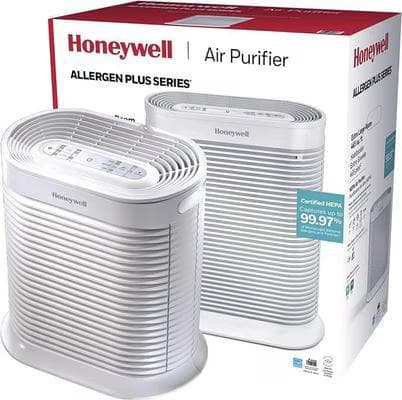
Smoke, dust, and aerosols aggravate an irritated airway. A true-HEPA purifier cleans the air where your dog sleeps.
Webvet may earn a commission when you click through to Chewy, at no extra cost to you.
How to lower the risk of future coughs
You cannot prevent every cough, but you can stack the odds in your dog's favor. Keeping vaccinations current, including the kennel cough and canine influenza vaccines if your dog is social or boards often, cuts the risk of the most common infectious coughs. Year-round heartworm prevention is far cheaper and safer than treating the disease, and it protects against a cause of coughing that can be life threatening. Keeping your dog at a lean, healthy weight eases the load on both the heart and the airway, which matters a great deal for small breeds prone to a collapsing windpipe. Walking on a harness rather than a collar, keeping your home free of smoke and heavy fumes, and staying on top of routine wellness exams so a heart murmur or early airway change is caught before it becomes a crisis all help. For older dogs especially, regular checkups are the best way to spot a developing heart or airway problem while it is still easy to manage.

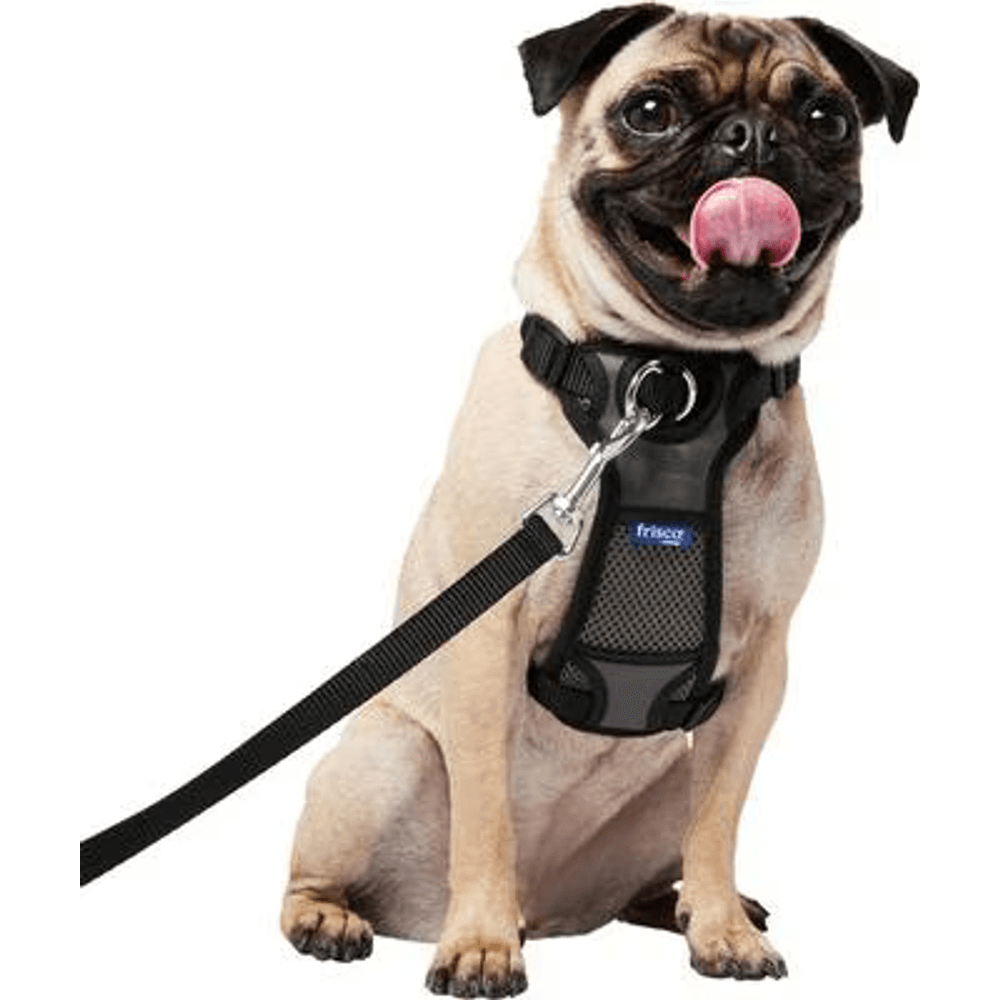
The budget version of the same switch: chest pressure instead of throat pressure on every walk.
Webvet may earn a commission when you click through to Chewy, at no extra cost to you.
What if my dog is coughing but acting normal?
A dog who coughs now and then but is still eating well, playing, and breathing comfortably is reassuring, and a brief, occasional cough in an otherwise bright dog can often be watched for a day or two. But acting normal does not rule out a problem that is still in its early stages, because dogs are good at carrying on despite feeling less than their best. Heart disease and a collapsing windpipe, in particular, can start with a mild cough in a dog who otherwise seems fine. The practical rule of thumb is this: watch closely, and see your vet if the cough lasts more than a week, keeps coming back, gets louder or more frequent, or is joined by any change in breathing, energy, or appetite. When you are unsure, a phone call to your vet costs nothing and often settles the question. Trust what you know about your own dog, and never let a wait-and-see approach delay care when your gut says something is off.
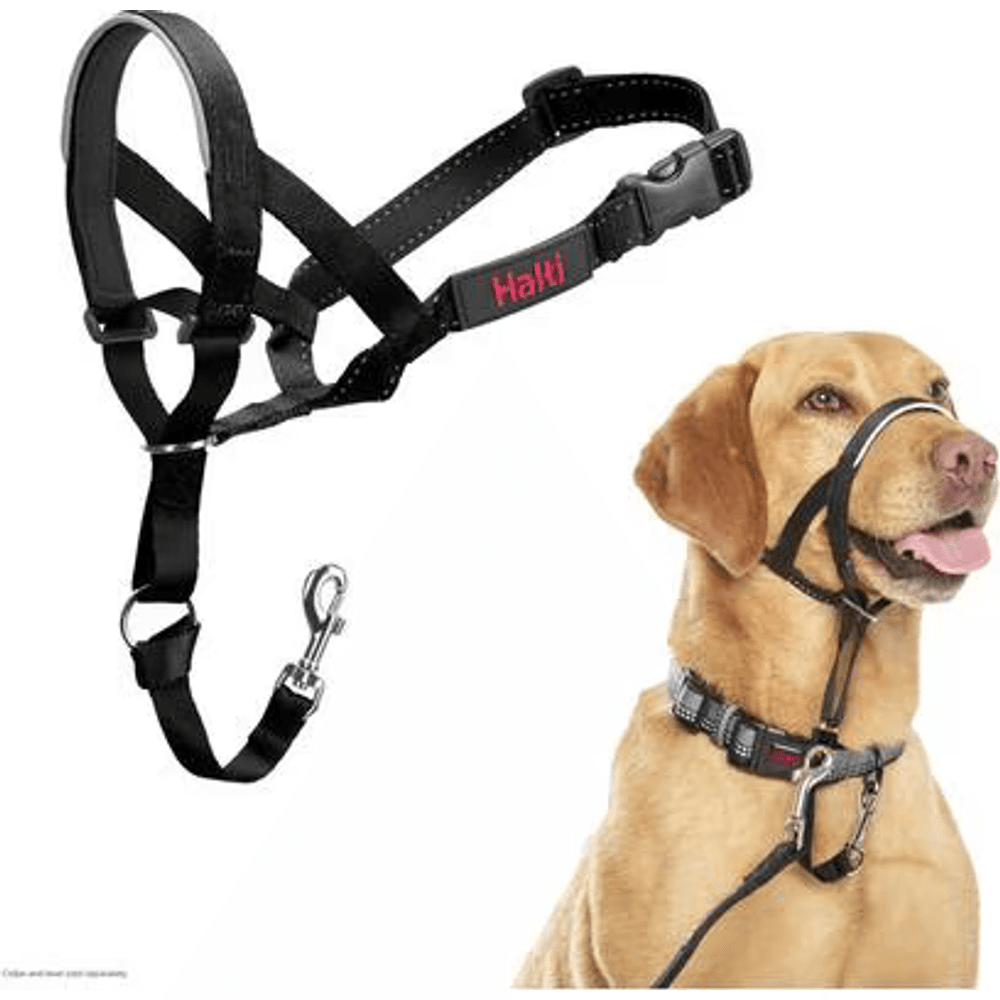
A head halter steers from the head instead of the throat, useful for a strong puller whose cough or collapsing trachea flares on walks.
Webvet may earn a commission when you click through to Chewy, at no extra cost to you.
Sources
Reviewed by the Webvet Veterinarian Team
This guide is general information, not a diagnosis, and does not replace an exam by your veterinarian. If your pet is in distress, contact your vet or an emergency clinic right away.