
Can cats eat applesauce?
Safe in moderationA small lick of plain applesauce is unlikely to harm a cat. Check the whole recipe and call for concerning ingredients, amounts, or symptoms.


Medically reviewed by Dr. Athena Gaffud, DVM · Last reviewed
Can Cats Eat Applesauce?
A small lick of plain applesauce is unlikely to harm a cat. Applesauce is unnecessary in a complete feline diet, and product recipes vary widely. Check the whole recipe for chocolate, raisins, alcohol, concentrated spices, or other concerns and assess the amount and symptoms rather than treating every sweetened or spiced taste as a poison emergency.
- 1A small lick of plain applesauce is unlikely to be a poisoning emergency for a cat.
- 2Cats can digest and absorb some plant-derived nutrients even though they require animal-derived nutrients in a complete diet.
- 3Current evidence does not show the dog-like xylitol syndrome in cats, but the controlled study included only six healthy cats.
- 4Cinnamon, nutmeg, sugar, and other ingredients require dose and product context rather than automatic emergency framing.
- 5There is no universal lick, spoon, kitten, or disease-exclusion rule for applesauce.

Treats should stay under 10% of your cat's daily calories. Smalls makes the rest, built around the meat an obligate carnivore actually needs.
- Human-grade ingredients, protein first
- Built for obligate carnivores
- Fresh meals delivered to your door
Webvet may earn a commission when you click through to Smalls, at no extra cost to you.
Is Applesauce Safe for Cats?
Plain apple puree is not a recognized feline toxin. Check whether foil seals, pouch caps, or torn packaging are also missing after a raid. Report those objects separately from the applesauce because they create a different assessment question. A small accidental taste is usually low risk, but the exact product matters. Sweetened, spiced, and sugar-free labels do not by themselves establish poisoning; identify each ingredient, amount, timing, patient, and symptom before deciding urgency.

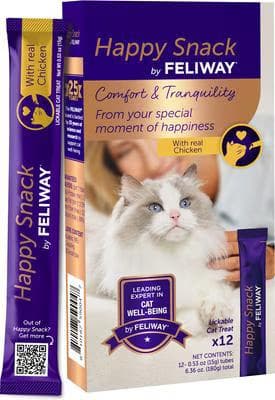
This is an optional cat treat. Review its current label, ingredients, calories, and feeding directions, and count it within the total daily extras.
Webvet may earn a commission when you click through to Chewy, at no extra cost to you.
Nutritional Context for Applesauce and Cats
Cats are obligate carnivores because specific essential nutrients must come from animal tissue, but healthy cats can digest and absorb some nutrients from plant origins. Applesauce is not needed to complete a feline diet, and its nutrient composition does not prove a clinical benefit from a taste. That is different from saying plant nutrients are unusable. A complete feline food is formulated around required nutrient concentrations and appropriate digestibility, not a simple meat-versus-plant test. The presence of apple carbohydrate or fiber does not make a small exposure toxic, and the presence of vitamins does not make applesauce a useful supplement.
How to Offer Applesauce Safely, If at All
If a veterinarian considers a product appropriate, choose a simple recipe and use an amount that fits the cat's complete calorie plan. Unsweetened, no-sugar-added, and sugar-free are different label claims. Read the ingredients for sweeteners, spices, flavor blends, dairy, and other fruits rather than judging by the product name. A homemade batch also needs a recipe check because cinnamon, nutmeg, raisins, or sugar may have been added. Retain the cup, pouch, or recipe if the cat ate more than a taste. Read every ingredient rather than relying on labels such as natural, unsweetened, or sugar-free. Do not add toppings, and do not turn a trace accidental exposure into a routine food. Keep the package because brands and recipes can change, and record the amount and time if an accidental exposure needs assessment. Homemade puree also requires a complete ingredient list, since a familiar recipe name does not establish what was added.

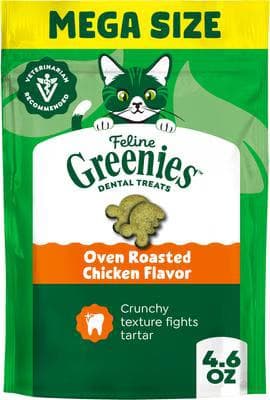
This is a dental cat treat. Follow the current label and ask your veterinarian how it fits alongside tooth brushing and professional dental care.
Webvet may earn a commission when you click through to Chewy, at no extra cost to you.
| Product | Evidence-based context | Action |
|---|---|---|
| Plain apple puree | Small taste is usually low risk | Keep the label and observe |
| Sweetened product | Adds calories; not automatically poisonous | Assess amount and ingredients |
| Spiced product | Risk depends on spice and dose | Read the complete recipe |
| Xylitol product | No dog-like syndrome shown in six healthy cats | Assess the whole case |
| Large amount or symptoms | Patient and product matter | Contact a veterinarian |
How Much Applesauce Can a Cat Eat?
There is no evidence-based lick or spoon amount that applies to every cat. Applesauce is easy to lick quickly and its soft texture does not make the calories irrelevant. Count it with pill pockets, toppers, and every other extra instead of treating a spoon residue as free food. For a cat with diabetes, obesity, gastrointestinal disease, or a therapeutic diet, the treating team can decide whether any applesauce fits the established plan. It should not be used as a routine source of fiber or hydration. Applesauce is optional, and any extra should be calculated from the exact product's calories and the individual cat's diet. Kittens, cats with diabetes, and cats on therapeutic diets need veterinarian-specific guidance rather than universal prohibitions. The calorie calculation should include all treats, toppers, and foods used to give medication. Body weight alone does not describe the cat's energy requirement, body condition, life stage, activity, disease, or the calorie density of the complete food.
Better Treats Than Applesauce for Cats
A small plain animal-protein treat may fit some cats better than fruit puree, but it still contributes calories and may conflict with a therapeutic diet. Choose an option approved for the individual cat and keep complete feline food as the nutritional foundation. Commercial cat treats also vary in calorie density and ingredients, so a feline label does not eliminate the need to count every extra or check compatibility with a prescribed diet.

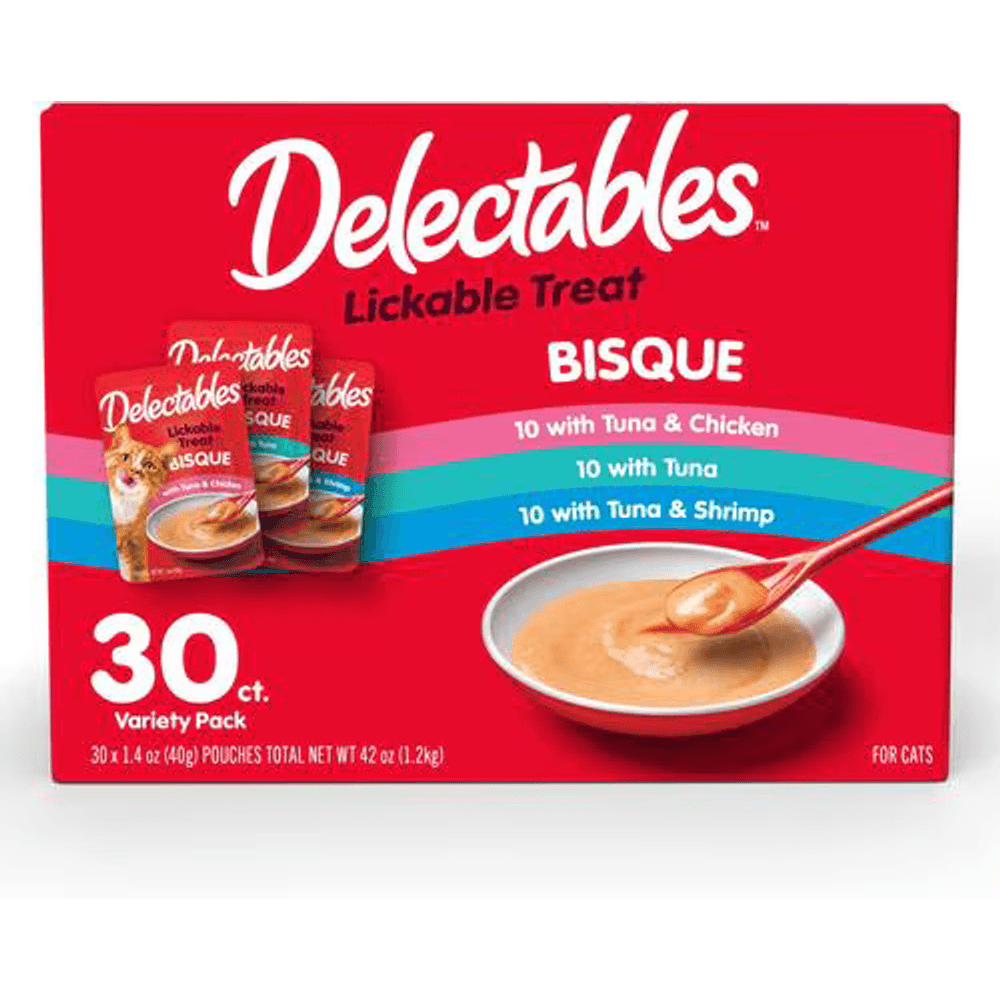
This is an optional cat treat. Review its current label, ingredients, calories, and feeding directions, and count it within the total daily extras.
Webvet may earn a commission when you click through to Chewy, at no extra cost to you.
When to Call Your Vet
A small lick of plain applesauce usually needs no special response. After a spill or opened pouch, remove access and estimate the volume missing from the container rather than using a vague lick description. Report vomiting, diarrhea, tremors, weakness, or unusual behavior along with the label. Do not induce vomiting or give another food to offset a listed ingredient unless a veterinarian directs that response. Contact a veterinarian or animal poison service for a large amount, significant symptoms, or a concerning co-ingredient such as chocolate, raisins, alcohol, or a concentrated spice. Xylitol should not be described as a proven feline poison solely from canine evidence.
Frequently Asked Questions
Can cats eat applesauce every day?
Applesauce is unnecessary as a daily food. There is no universal safe spoon amount, so any planned extra should fit the exact product's calories and the cat's complete diet.
Can cats have applesauce with cinnamon?
A small taste of a lightly cinnamon-flavored product is not automatically a poison emergency. Check the full recipe, amount, and symptoms; concentrated spice or another hazardous ingredient needs separate assessment.
Is sugar-free applesauce safe for cats?
Sugar-free does not identify the sweetener. If xylitol is present, current limited feline evidence is reassuring for the dog-like syndrome but does not prove unlimited safety. Report the complete product and exposure for case-specific advice.
Can kittens eat applesauce?
There is no evidence-based blanket kitten prohibition, but growth diets must remain complete and balanced. Ask the veterinarian before adding any optional human food to a kitten's calorie plan.
Do cats even like applesauce?
Cats may investigate applesauce because of smell, texture, moisture, or curiosity. Their taste biology does not mean they cannot digest or absorb any plant-derived nutrient.

More safe treats
More fruits for cats
Sources
- Merck Veterinary Manual: Overview of Nutrition in Small Animals
Supports complete and balanced feeding and patient-specific nutrition; it does not establish clinical benefit from a treat portion.
- Merck Veterinary Manual: Nutritional Requirements of Small Animals
Supports species-specific nutrient requirements and the distinction between digestibility and nutritional necessity.
- Jerzsele et al.: Effect of xylitol on blood glucose and liver function in cats
A small controlled study of six healthy cats found no dog-like hypoglycemia or liver injury, while leaving broader feline safety uncertain.
- Merck Veterinary Manual: Xylitol Toxicosis in Dogs
Defines the canine xylitol syndrome used only as a comparator; it does not establish a corresponding feline syndrome.
Reviewed by Dr. Athena Gaffud, DVM
General guidance based on credible veterinary sources; not a diagnosis or a substitute for your veterinarian. If your pet ate something toxic or is unwell, contact your vet or a pet poison line right away.