
Can cats eat ice cream?
Not recommendedA small lick of plain ice cream is usually low risk for a cat. Dairy tolerance varies; check the exact flavor, label, amount, and symptoms.


Medically reviewed by Dr. Athena Gaffud, DVM · Last reviewed
Can Cats Eat Ice Cream?
A small lick of identified plain ice cream is usually low risk for a healthy cat, although dairy tolerance varies and the food is calorie dense and unnecessary. Save the carton and identify flavor, sweeteners, mix-ins, amount, time, and any missing lid, spoon, stick, or wrapper. Chocolate, cocoa, coffee, caffeine, alcohol, alliums, medicines, and other co-ingredients need their own assessment. A controlled xylitol study in six healthy cats found no hypoglycemia or liver injury at the tested exposures, but that small study cannot establish broad mixed-product safety. Gas, loose stool, or vomiting may occur with poor dairy tolerance, yet signs are not inevitable and can have other causes. Record appetite, stool, vomiting, activity, breathing, coordination, and any ongoing illness. Persistent signs, marked weakness, tremors, seizures, collapse, or a confirmed hazardous ingredient requires prompt veterinary advice. Measured complete feline food or a labeled cat treat is easier to use for repeated enrichment. Estimate a melted spill from the missing carton amount, not only the residue seen on the cat. If ice cream reached the coat, prevent continued grooming while cleaning it safely, particularly when the flavor or container introduces another hazard.
- 1A small plain exposure is usually low risk; dairy tolerance varies.
- 2Many cats have reduced lactose tolerance and may develop gastrointestinal signs.
- 3Chocolate and caffeine risk depends on dose and product concentration.
- 4Limited feline data did not reproduce the canine xylitol syndrome.
- 5Check every mixed product by label, amount, cat, and symptoms.

Treats should stay under 10% of your cat's daily calories. Smalls makes the rest, built around the meat an obligate carnivore actually needs.
- Human-grade ingredients, protein first
- Built for obligate carnivores
- Fresh meals delivered to your door
Webvet may earn a commission when you click through to Smalls, at no extra cost to you.
Why isn't ice cream good for cats?

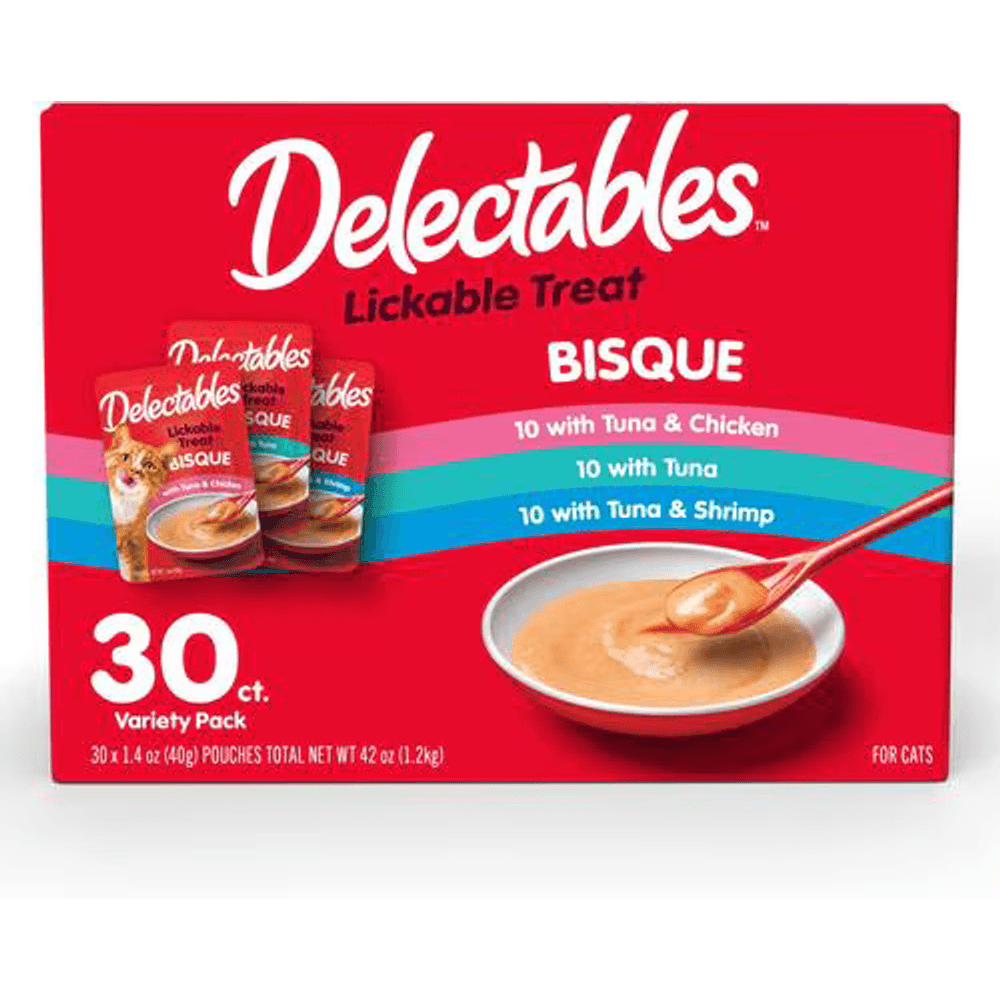
This is an optional cat treat. Review its current label, ingredients, calories, and feeding directions, and count it within the total daily extras.
Webvet may earn a commission when you click through to Chewy, at no extra cost to you.
Cats require complete feline nutrition, but ice cream is not nutritionally zero and animal fat is not physiologically unusable. Sweet-taste biology does not reveal why an individual cat investigates a bowl.
Many cats have reduced lactose tolerance after weaning and may develop gastrointestinal signs from dairy. Response depends on the cat and amount; no source supports nearly every cat, guaranteed fermentation, or an exact symptom time. Many cats have reduced ability to digest lactose after weaning, so milk or cream can produce diarrhea, vomiting, bloating, or abdominal discomfort in some individuals. That does not justify saying nearly every adult cat will react or that a single lick guarantees fermentation and symptoms at a set time. The amount of lactose, fat content, total portion, and individual tolerance all matter. A cat that has previously tolerated a dairy product may still be affected by a larger amount, while another may show no obvious signs after a small taste. Persistent vomiting, diarrhea, reduced appetite, or lethargy needs veterinary assessment rather than a home diagnosis of lactose intolerance.
The lactose problem: why dairy upsets cats
Lactose intolerance can cause diarrhea, vomiting, bloating, or abdominal discomfort in some cats. A cat may tolerate a small exposure, and dairy should not be described as universally unsafe after weaning.
Which ice cream flavors are dangerous?
Chocolate and caffeine assessment requires the ingredient concentration, amount, cat, and signs; a flavor taste is not automatically life-threatening. A small controlled study in healthy cats did not reproduce canine xylitol hypoglycemia or liver injury, but it does not establish unlimited safety for an unknown mixed product. Chocolate and coffee questions require the actual ingredient concentration and amount. Cocoa powder, dark chocolate, milk chocolate, and white chocolate contain very different methylxanthine levels, while a flavor name may represent only a small amount of cocoa or a substantial inclusion. Caffeine may come from coffee, espresso, tea, or added ingredients. Save the package and contact a veterinarian or poison service when the concentration or amount could be concerning or the cat is symptomatic. This dose-based approach recognizes a real hazard without describing every taste of every chocolate-flavored product as automatically life-threatening.

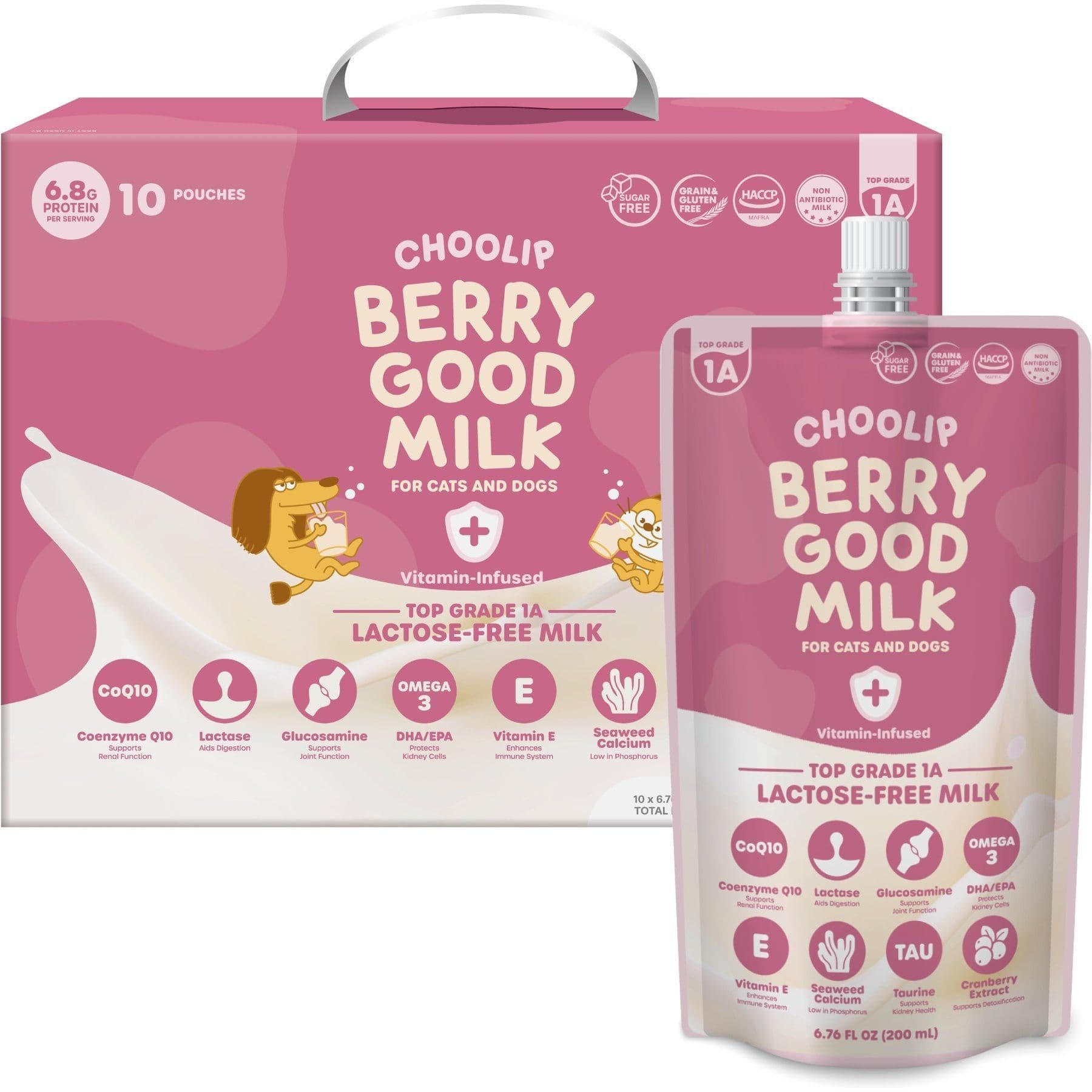
This is an optional cat milk treat. Review its current label, calories, serving directions, and the individual pet's tolerance before use.
Webvet may earn a commission when you click through to Chewy, at no extra cost to you.
What if my cat sneaks a lick?
After a small plain exposure, note the amount and monitor the individual cat. Do not predict gas, diarrhea, or a fixed timeline. Seek advice for illness, a concerning chocolate or caffeine exposure, or an unknown product. Sugar-free also is not an ingredient. It is a marketing description that can cover several sweeteners, so the full label matters. The established xylitol emergency in dogs should not be copied to cats as if the same syndrome were proven. A controlled study in six healthy cats did not reproduce canine hypoglycemia or liver injury, but that small sample does not answer every dose, patient, or mixed-product question. Identify xylitol and every other ingredient, estimate the amount, and assess the cat's signs. Unknown packaging, chocolate, caffeine, medication ingredients, or severe illness may be more important than the sugar-free wording itself.
Cat-safe treats to offer instead

This is an optional cat treat. Review its current label, ingredients, calories, and feeding directions, and count it within the total daily extras.
Webvet may earn a commission when you click through to Chewy, at no extra cost to you.
Choose treats for safety, calorie fit, and individual tolerance. Plain cooked animal foods may suit some cats, but no teaspoon serving or meat-only argument makes an option universally best. Treat selection should stay anchored to the complete feline diet. Ice cream supplies calories and may contain protein, fat, carbohydrate, vitamins, and minerals, so pure filler is not an accurate chemical description. It remains unnecessary and often calorie dense. Plain cooked meat may fit one cat but conflict with another cat's allergy trial, kidney diet, or calorie plan; frozen broth can contain onion or garlic; and dairy-based cat products may still cause signs in an intolerant individual. Count every extra together, use portions the calorie plan permits, and ask the treating team before adding treats to a prescription diet.
Frequently asked questions
What happens if a cat eats ice cream?
A small plain exposure is usually low risk. Dairy response varies; assess any flavored product from its label, amount, and symptoms.
Can I let my cat lick my ice cream?
A tiny plain lick is unlikely to poison a healthy cat, but ice cream is unnecessary and may not fit the calorie or medical plan.
Can cats eat vanilla ice cream?
Vanilla is not a safety guarantee. Check every ingredient and consider the individual cat's dairy tolerance.
Is any ice cream flavor safe for cats?
No flavor is universally appropriate. Chocolate and caffeine require dose assessment; limited feline xylitol data do not prove every mixed product safe.
Can ice cream kill a cat?
Severe harm is possible from a sufficient hazardous-ingredient dose or serious illness, but it is not predicted by every taste.

Ice cream is unnecessary, but a small plain lick is usually low risk. Dairy tolerance varies, and any flavored or unknown product should be assessed from the full label, amount, cat, and symptoms. If the cat stole the carton lid, wrapper, stick, or another object with the dessert, mention that separately. Packaging can create a mechanical problem even when the food ingredients are low risk. Gagging, repeated vomiting, abdominal pain, marked lethargy, or refusal to eat calls for veterinary advice and should not be attributed automatically to lactose.
Safe alternatives
More sweets & treats for cats
Sources
- Cornell Feline Health Center: Feeding Your Cat
Many cats are lactose intolerant and may develop gastrointestinal signs from dairy; milk is generally not recommended as a treat.
- Merck Veterinary Manual: Chocolate Toxicosis in Animals
Chocolate risk depends on methylxanthine concentration, amount, species, body weight, and individual susceptibility.
- Jerzsele et al.: Effect of Xylitol on Blood Glucose and Liver Function in Cats
A small controlled study did not reproduce canine hypoglycemia or liver injury in six healthy cats, leaving broader product safety assessment necessary.
- FDA: Potentially Dangerous Items for Your Pet
Bones can become gastrointestinal foreign bodies; exposure does not guarantee splintering or surgery.
- WSAVA: Feeding Treats to Your Cat
All treats share an individual calorie allowance and should not displace complete feline nutrition.
Reviewed by Dr. Athena Gaffud, DVM
General guidance based on credible veterinary sources; not a diagnosis or a substitute for your veterinarian. If your pet ate something toxic or is unwell, contact your vet or a pet poison line right away.