
Can dogs eat ice cream?
Not recommendedA small lick of plain ice cream is usually low risk for a dog. Check the exact label for chocolate, caffeine, raisins, nuts, and xylitol.


Medically reviewed by Dr. Athena Gaffud, DVM · Last reviewed
Can Dogs Eat Ice Cream?
A small lick of identified plain ice cream is usually low risk for a dog, while calories and dairy tolerance still vary by product and patient. Keep the carton and identify flavor, sweeteners, mix-ins, amount, time, and any missing stick, lid, spoon, or wrapper. Chocolate, cocoa, coffee, caffeine, xylitol, raisins, macadamia nuts, alcohol, medicines, and other ingredients require separate dose-based assessment. Sugar-free on the front label does not establish that xylitol is present, so read every ingredient line. Vomiting, gas, or diarrhea may follow poor dairy tolerance but is not guaranteed after every lick and does not prove lactose intolerance by itself. Frozen texture can also affect a dog with dental pain or gulping behavior without making plain ice cream a toxin. Repeated vomiting, marked weakness, tremors, seizures, collapse, breathing trouble, or a confirmed hazardous ingredient needs prompt care. For cooling or enrichment, fresh water, complete food, or a veterinarian-approved frozen option provides more predictable ingredients and calories. A melted spill can expose the dog to a larger amount than a visible lick, so estimate what left the carton rather than what remains on the floor. Keep other household pets away during cleanup when a hazardous flavor or broken container may be involved.
- 1A small plain exposure is usually low risk; dairy tolerance varies.
- 2Check the exact ingredient label and flavor concentration.
- 3Chocolate, caffeine, raisins, macadamias, and xylitol are separate hazards.
- 4Urgent canine xylitol guidance applies only when xylitol is listed or exposure is plausible.
- 5Dog-labeled frozen treats are not automatically safer; compare calories and ingredients.

Treats should stay under 10% of your dog's daily calories. JustFoodForDogs makes the rest of it.
- Recipes developed by veterinary nutritionists
- Whole-food ingredients you can recognise
- Fresh meals delivered to your door
Webvet may earn a commission when you click through to JustFoodForDogs, at no extra cost to you.
Is ice cream safe for dogs?
Plain ice cream is not a recognized canine toxin, but it adds calories, fat, sugar, and dairy. An unsuitable amount may cause gastrointestinal signs in an individual dog; the outcome is not guaranteed.

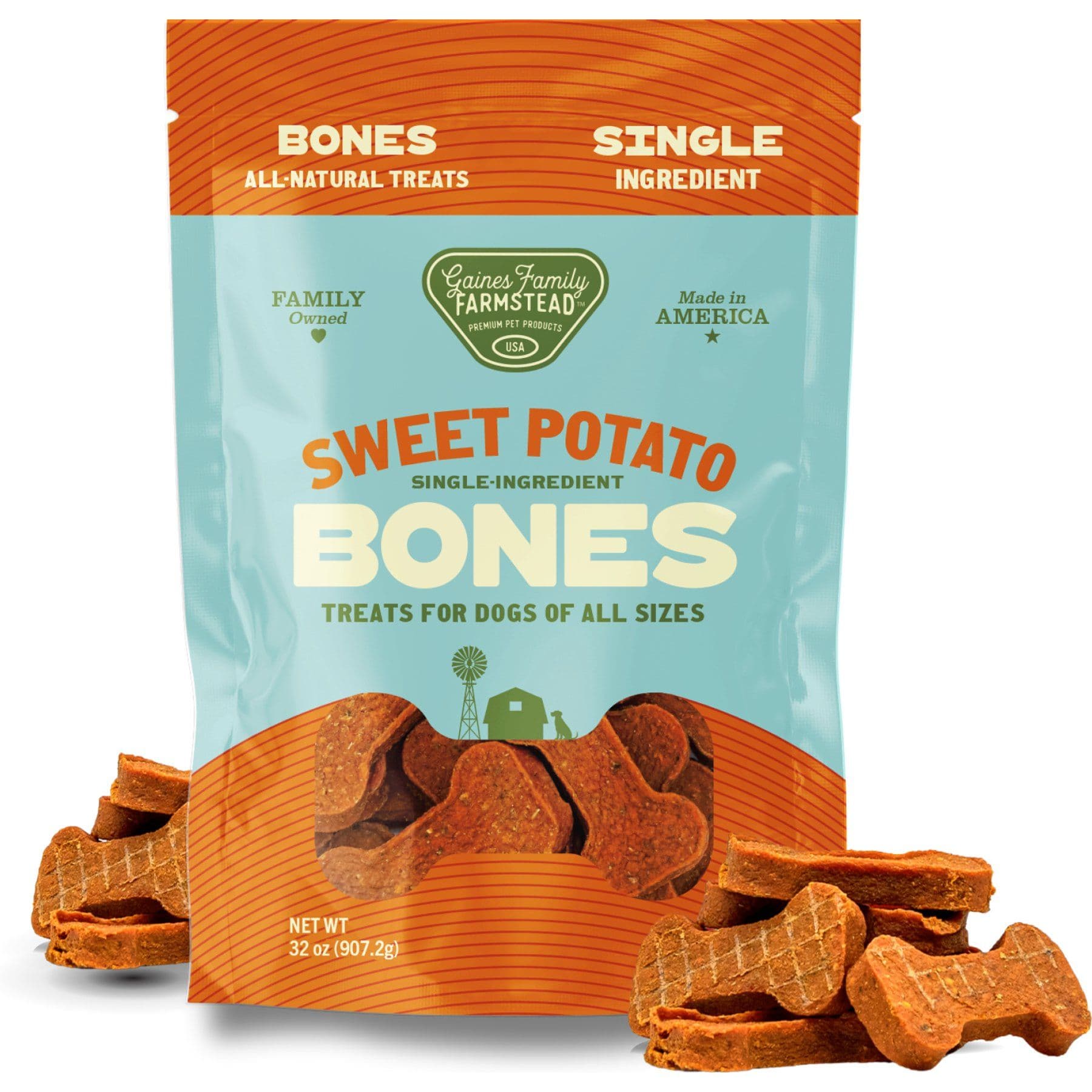
This is an optional dog treat. Review its current label, ingredients, calories, and feeding directions, and count it within the total daily extras.
Webvet may earn a commission when you click through to Chewy, at no extra cost to you.
Flavor names do not establish a toxic dose. Check the label and amount for chocolate or caffeine concentration, raisins, macadamia nuts, xylitol, alcohol, or another specifically hazardous ingredient.
Why ice cream is a poor choice for dogs
Dairy tolerance varies. Reduced lactase can contribute to gas, loose stool, or vomiting after enough lactose, but not every dog reacts and there is no fixed symptom time. Lactose tolerance is individual rather than an all-or-none trait shared by every adult dog. A dog may handle a small amount of one dairy product and develop gas, loose stool, or vomiting after a larger or more lactose-rich product. Fat content and other ingredients can also affect the response, so symptoms cannot automatically be blamed on lactose. For an accidental plain-ice-cream exposure, record the amount and observe the dog instead of promising a reaction within a few hours. Repeated vomiting, inability to keep water down, marked abdominal discomfort, weakness, or persistent diarrhea deserves veterinary advice.
Ice cream adds calories and sugar, but one exposure does not establish obesity, diabetes, dental disease, joint disease, or reduced lifespan. Long-term risk depends on the complete calorie, dental, and medical plan.

Ice cream can be high in fat, but a single exposure does not predict pancreatitis. The disease is multifactorial; repeated vomiting, abdominal pain, poor appetite, or lethargy warrants veterinary assessment.
The dangerous flavors: chocolate, xylitol, and more
Chocolate and caffeine risk depends on methylxanthine concentration, amount, body weight, and individual susceptibility. A flavor name alone cannot establish that an exposure is life-threatening. Chocolate risk is calculated from the type and concentration of cocoa ingredients, the amount eaten, the dog's weight, and clinical signs. Dark cocoa, cocoa powder, milk chocolate, and white chocolate do not contain equal methylxanthine concentrations, and an ice cream flavor can vary by brand. Coffee and other caffeine ingredients also need amount-based assessment. Keep the carton so a veterinarian or poison service can identify the product. A chocolate flavor should prompt a calculation, not an automatic prediction that every taste is fatal. Do not wait for symptoms when the amount or concentration could be concerning, because early professional advice can change management.
Some sugar-free desserts contain xylitol, but no market data supports saying it is in many or increasingly common in ice creams. Read the ingredient list; urgent canine guidance applies only when xylitol is listed or exposure is plausible.

What about a small lick of plain vanilla?
After a small plain exposure, note the amount and monitor the individual dog. Effects and timing vary; seek advice for persistent or severe illness.
Dog ice cream and pup cups: are they better?
A dog-labeled ice cream or pup cup is not automatically safer or nutritionally appropriate. Compare ingredients, calories, dairy content, portion, and fit with the individual complete diet. A dog picture on a frozen cup is not proof that the product is low calorie, lactose free, nutritionally complete, or appropriate for a particular medical condition. Read dog-treat labels for calories, serving weight, fat, sweeteners, and other ingredients just as carefully as human-dessert labels. Whipped-cream pup cups can still be dairy-rich and may contain a meaningful share of a small dog's daily treat allowance. Homemade frozen snacks also require scrutiny: broth may contain onion or garlic, yogurt can contain sweeteners, and fruit or pumpkin adds calories. The best option is the one that fits the dog's complete diet and health plan, not simply the one marketed as canine.
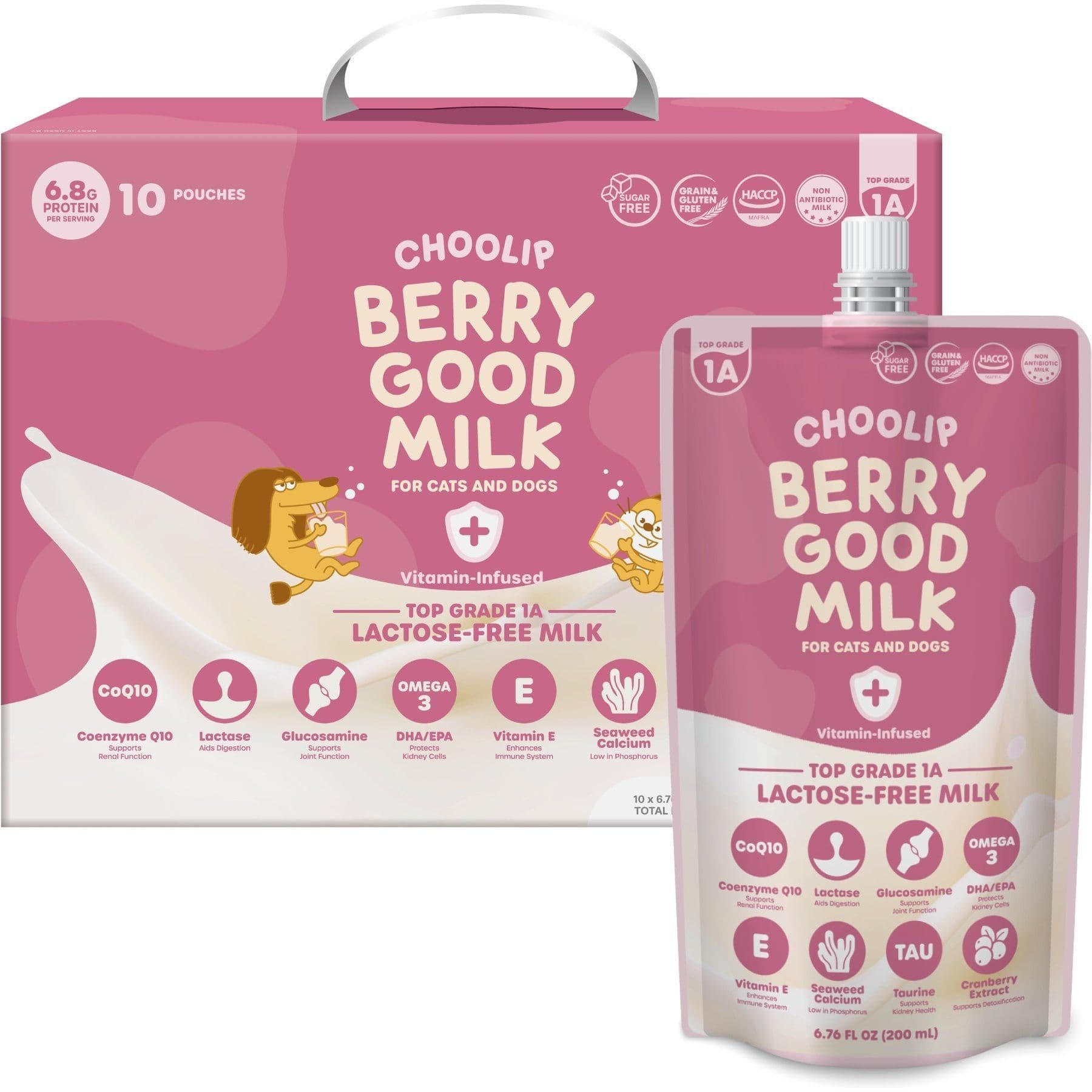
This is an optional dog milk treat. Review its current label, calories, serving directions, and the individual pet's tolerance before use.
Webvet may earn a commission when you click through to Chewy, at no extra cost to you.
Safe frozen alternatives for dogs
Frozen fruit, yogurt, pumpkin, broth, and commercial products all vary. None is proven gentle on the stomach or hydrating treatment; check ingredients and count any optional treat within the calorie plan.

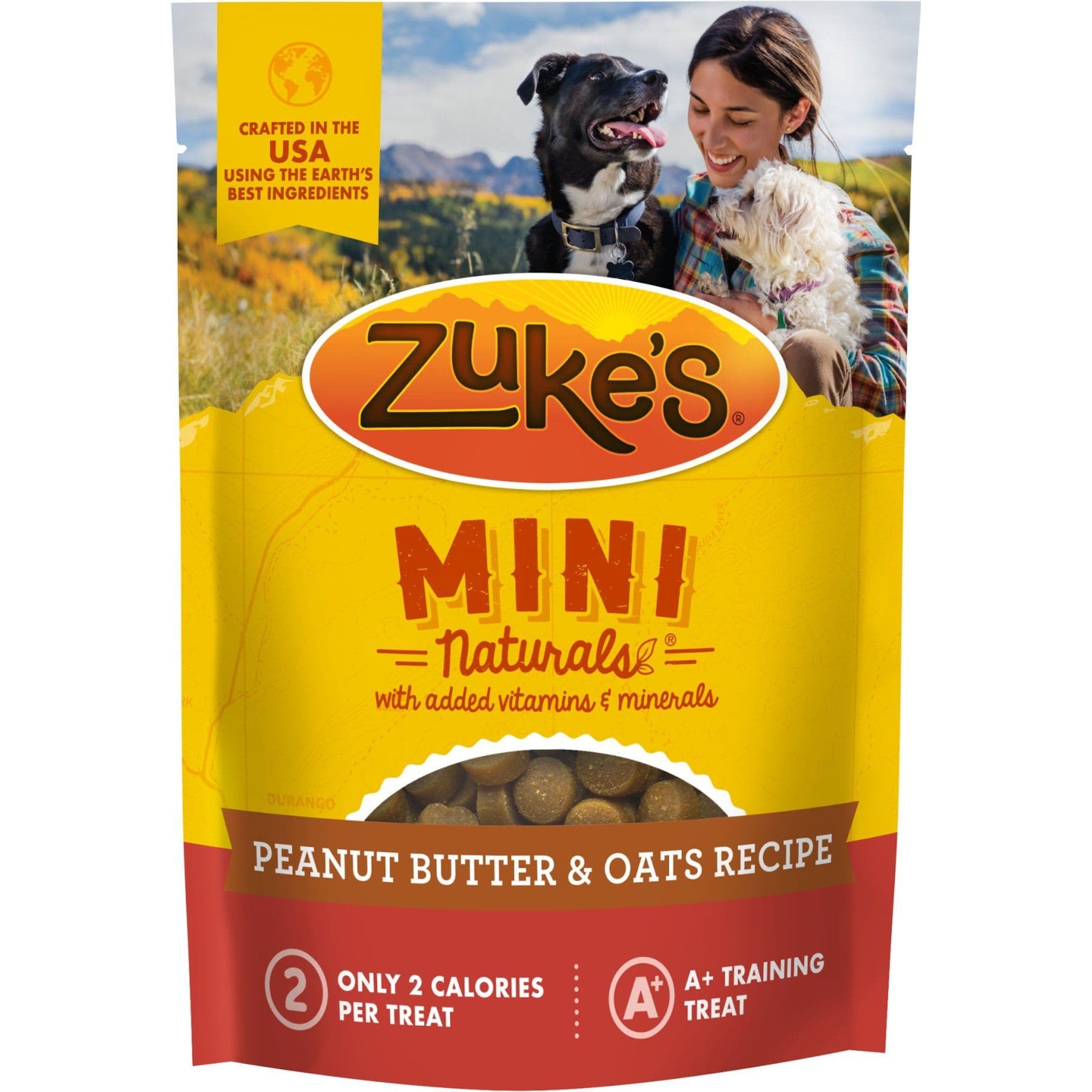
This is an optional dog treat. Review its current label, ingredients, calories, and feeding directions, and count it within the total daily extras.
Webvet may earn a commission when you click through to Chewy, at no extra cost to you.
What to do if your dog ate ice cream
Identify the product, ingredients, amount, time, dog, and symptoms. Seek prompt advice for confirmed or plausible xylitol, a concerning chocolate or caffeine dose, raisins, macadamias, alcohol, severe illness, or an unknown product. When the flavor is unknown, ask where the ice cream came from and whether a receipt, menu, carton, or ingredient list is available. Do not assume that sugar-free means xylitol or that ordinary means free of hazardous mix-ins. Product identification lets a clinician decide whether urgent toxicology calculation, gastrointestinal monitoring, or simple calorie guidance is appropriate.
Frequently asked questions
What kind of ice cream can dogs eat?
No ice cream type is universally appropriate. Check the label, calories, dairy, and the individual diet.
What happens if a dog eats ice cream?
A small plain exposure is usually low risk, but dairy tolerance and signs vary. Hazardous ingredients require separate assessment.
Can dogs eat vanilla ice cream every day?
Daily ice cream is unnecessary and may displace the calorie allowance or conflict with a medical plan.
Is a pup cup safe for dogs?
Not automatically. A pup cup may still contain dairy, sugar, fat, and substantial calories; inspect the product.

Ice cream is optional and often calorie dense. A small plain lick is usually low risk, while a flavored or unknown exposure should be assessed from its actual ingredients, concentration, amount, and the individual dog.
Safe alternatives
More sweets & treats for dogs
Sources
- Merck Veterinary Manual: Chocolate Toxicosis in Animals
Chocolate risk depends on methylxanthine concentration, amount, species, body weight, and individual susceptibility.
- FDA: Paws Off! Xylitol Is Toxic to Dogs
A confirmed or plausible xylitol exposure is a canine emergency; a sugar-free label alone does not prove xylitol is present.
- Merck Veterinary Manual: Xylitol Toxicosis in Dogs
Xylitol can cause dose-dependent hypoglycemia and liver injury in dogs; a confirmed canine exposure needs prompt assessment.
- FDA: Potentially Dangerous Items for Your Pet
Bones can become gastrointestinal foreign bodies; exposure does not guarantee splintering or surgery.
- Merck Veterinary Manual: Pancreatitis in Dogs and Cats
Pancreatitis is multifactorial and cannot be diagnosed or predicted from one food exposure alone.
- WSAVA: Feeding Treats to Your Dog
All treats share an individual calorie allowance and should not displace complete nutrition.
Reviewed by Dr. Athena Gaffud, DVM
General guidance based on credible veterinary sources; not a diagnosis or a substitute for your veterinarian. If your pet ate something toxic or is unwell, contact your vet or a pet poison line right away.