
Can dogs eat bread?
Safe in moderationA small amount of plain baked bread is usually low risk for dogs, but any raw yeast dough is an urgent veterinary exposure.


Medically reviewed by Dr. Athena Gaffud, DVM · Last reviewed
Can Dogs Eat Bread?
A small amount of plain, fully baked bread is usually low risk for a dog, but raw yeast dough is a different and urgent exposure. Expanding dough can distend the stomach, and yeast fermentation can produce ethanol that is absorbed. Do not wait for a fixed symptom window after raw dough ingestion; contact a veterinarian or animal poison service promptly.
- 1Assess baked bread by its exact form, amount, added ingredients, and the individual dog.
- 2A treat portion of baked bread must fit the complete diet and the dog's remaining calorie allowance.
- 3Prepare baked bread plainly and choose a size and texture suited to how this dog eats.
- 4Raw yeast dough is an emergency; baked bread and dough are different exposures.
- 5Call immediately for raw yeast dough, a toxic co-ingredient, severe or persistent signs, marked abdominal distension, or neurologic changes. For a small amount of plain baked bread in a comfortable dog, monitor according to case-specific veterinary advice. Keep the ingredient list and estimate the amount and time.

Treats should stay under 10% of your dog's daily calories. JustFoodForDogs makes the rest of it.
- Recipes developed by veterinary nutritionists
- Whole-food ingredients you can recognise
- Fresh meals delivered to your door
Webvet may earn a commission when you click through to JustFoodForDogs, at no extra cost to you.
Is Baked Bread Safe for Dogs?
Plain baked bread is not inherently toxic, although it adds calories and may cause gastrointestinal upset in an individual dog. Distinguish fully baked bread from raw yeast dough, which can expand and produce ethanol after ingestion. For baked products, check the complete recipe for raisins, xylitol, chocolate, onion, garlic, nuts, mold, or rich fillings. Keep the bag or bakery label because a product name does not reveal every ingredient. Raw yeast dough is an urgent exposure because both physical expansion and ethanol production are possible. Amount, yeast activity, time, patient size, signs, and treatment affect the course. For mixed products containing baked bread, keep the package and report every ingredient, amount, time, dog's weight, history, and signs.

Raw Yeast Dough Is an Emergency
Bread supplies varying amounts of starch, protein, fat, fiber, sodium, and micronutrients depending on the recipe. Calling it nutritionally essential or nutritionally empty is too absolute. A treat-sized piece is unnecessary in a complete diet and has no established clinical benefit, but its suitability depends on calories, ingredients, and the individual dog. This food adds optional calories and nutrients, but the complete dog food remains responsible for meeting dietary requirements. Related guidance: vomiting; collapse.
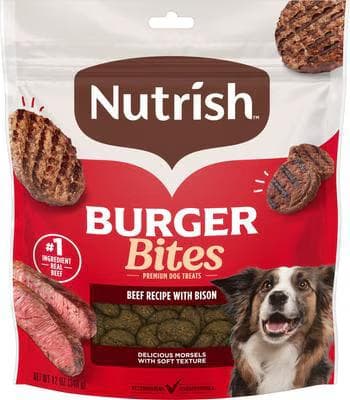
This is an optional dog treat. Review its current label, ingredients, calories, and feeding directions, and count it within the total daily extras.
Webvet may earn a commission when you click through to Chewy, at no extra cost to you.
There is no universal slice or cube allowance. Use the calories printed for the exact loaf or recipe and the individual dog's treat allowance. No evidence-based thumbnail, half-slice, puppy, or body-weight serving applies to every dog.
Forms and Ingredients of Baked Bread
Use the bread calories and the individual dog's remaining treat allowance; body weight alone is not a serving chart. Related guidance: macadamia nuts.

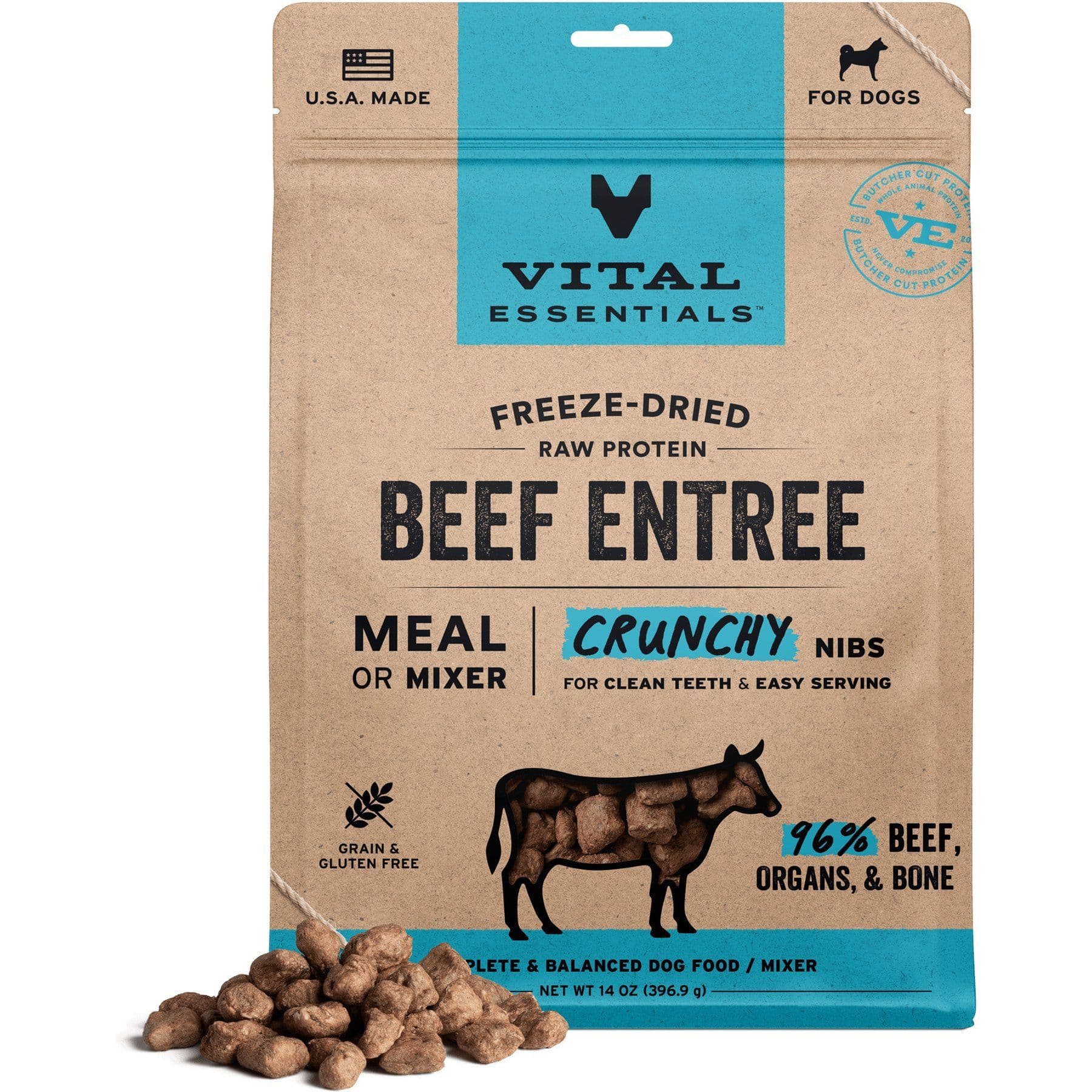
This is an optional dog treat. Review its current label, ingredients, calories, and feeding directions, and count it within the total daily extras.
Webvet may earn a commission when you click through to Chewy, at no extra cost to you.
How to Portion Baked Bread
Only consider fully baked, cooled bread with a known ingredient list. Keep raw yeast dough completely inaccessible and do not attempt a home remedy after ingestion. Break baked bread into a manageable texture, supervise a dog that gulps, and count any spreads or fillings separately. Soft bread can form a wad when swallowed quickly, while crusts and dense pieces vary in firmness. Choking concern depends on the dog's anatomy, chewing behavior, and piece size. It is not appropriate to call every small piece safe or to predict obstruction from a fixed cube measurement.
| Decision point | Evidence-based guidance |
|---|---|
| Plain food | Assess plain baked bread by form, amount, tolerance, and the individual dog. |
| Portion | Use the individual calorie allowance, not a fixed piece or spoon table |
| Preparation | Serve it plain and choose a manageable size and texture. |
| Mixed product | Read every ingredient and keep the package or recipe for advice. |
The dominant emergency in this topic is raw yeast dough, not plain baked bread. Abdominal distension, unproductive retching, weakness, incoordination, depression, vomiting, or collapse after raw dough exposure needs immediate care. Do not wait for signs because professional guidance may be time-sensitive.
How to Prepare Baked Bread
Raisin bread, chocolate bread, garlic bread, sweetened baked goods, and products containing xylitol require ingredient-specific assessment. Check the full recipe and package rather than treating all bread as one exposure. Butter, sugar, or salt affects calories and tolerance but is not interchangeable with raisins, chocolate, Allium ingredients, or canine xylitol.
Nutritional Context for Baked Bread
Dogs with diabetes, prior pancreatitis, obesity, gastrointestinal disease, or a therapeutic diet should follow the treating team's plan. Those conditions do not make every crumb unsuitable by definition. Suspected wheat or other food allergy is diagnosed through a veterinarian-directed elimination and challenge process, not from itching, ear disease, or diarrhea alone. Call immediately for raw yeast dough, a toxic co-ingredient, severe or persistent signs, marked abdominal distension, or neurologic changes. For a small amount of plain baked bread in a comfortable dog, monitor according to case-specific veterinary advice. Keep the ingredient list and estimate the amount and time.

Life Stage and Medical Diets
Puppies and senior dogs need diets appropriate to life stage, but age alone does not establish a bread ban. Likewise, plain rice and chicken should not be promoted as a universal treatment or assumed to be lower calorie. A veterinarian should direct any diet used to manage illness. Related guidance: itching.
When to Seek Urgent Help
If this food does not fit the plan, choose another veterinarian-approved treat and count it within the same calorie allowance.
Choosing Other Treats
The safe distinction is simple: plain baked bread is usually a calorie and tolerance question, while raw yeast dough requires prompt professional triage. Use the dog's calorie allowance instead of a fixed serving chart, have suspected food reactions diagnosed, and evaluate every added ingredient. The practical decision is individualized: confirm the exact food, use a manageable texture, keep extras within the calorie plan, and watch the actual dog rather than a fixed schedule. Contact a veterinarian for persistent vomiting or diarrhea, marked lethargy, pain, breathing or swallowing trouble, inability to pass stool or urine, neurologic signs, or any ingredient-specific toxicology concern. Related guidance: Plain cooked rice; Plain cooked chicken.


This is an optional dog treat. Review its current label, ingredients, calories, and feeding directions, and count it within the total daily extras.
Webvet may earn a commission when you click through to Chewy, at no extra cost to you.
Frequently Asked Questions
Is plain baked bread toxic to dogs?
A small amount of plain fully baked bread is usually low risk, but its calories, sodium, and complete ingredient list still matter.
Why is raw yeast dough an emergency?
Raw yeast dough can expand in the stomach and produce absorbable ethanol during fermentation. Contact a veterinarian or animal poison service promptly after exposure.
How much baked bread can a dog have?
There is no universal slice or cube allowance. Use the exact bread calories, the dog's full diet, and the individual treat allowance.
Does itching prove a wheat allergy?
No. Itching, ear disease, and gastrointestinal signs have many causes. Food allergy assessment requires a veterinarian-directed elimination and challenge process.
Should rice and chicken replace bread for an upset stomach?
No home diet is a universal treatment for gastrointestinal signs. A veterinarian should decide whether a temporary diet is appropriate and nutritionally suitable.
More safe treats
More grains & bread for dogs
Sources
- Merck Veterinary Manual: Bread Dough Toxicosis in Animals
Supports urgent assessment of raw yeast dough because expansion can distend the stomach and fermentation produces absorbed ethanol in susceptible species.
- Merck Veterinary Manual: Overview of Nutrition in Small Animals
Supports complete and balanced feeding and patient-specific nutrition; it does not establish clinical benefit from a treat portion.
- Merck Veterinary Manual: Nutrition in Disease Management in Small Animals
Supports clinician-directed therapeutic diets and careful diagnosis of adverse food reactions rather than blanket food exclusions.
- Merck Veterinary Manual: Cutaneous Food Allergy in Animals
States that dietary elimination followed by controlled challenge is the reliable method for confirming food allergy rather than diagnosing it from nonspecific signs alone.
- WSAVA: Feeding Treats to Your Dog
Supports keeping dog treats within about 10% of daily calories and calculating portions from individual energy needs.
- ASPCA: People Foods to Avoid Feeding Your Pets
Supports checking dough, baked goods, spreads, and mixed bread recipes for separate ingredients that may be hazardous to dogs.
Reviewed by Dr. Athena Gaffud, DVM
General guidance based on credible veterinary sources; not a diagnosis or a substitute for your veterinarian. If your pet ate something toxic or is unwell, contact your vet or a pet poison line right away.