
Can cats eat bread?
Safe in moderationA small bite of plain baked bread is usually low risk for cats, but raw yeast dough requires immediate veterinary advice.


Medically reviewed by Dr. Athena Gaffud, DVM · Last reviewed
Can Cats Eat Bread?
A small bite of plain, fully baked bread is usually low risk for a cat, but raw yeast dough requires immediate veterinary advice. The dough can expand in the stomach and produce ethanol as yeast ferments carbohydrate. Dogs appear more often in reports, yet the mechanism is not a reason to delay triage for an exposed cat.
- 1Assess baked bread by its exact form, amount, added ingredients, and the individual cat.
- 2There is no evidence-based fragment size or universal serving for cats. If the treating team considers a plain baked taste compatible with the diet, use the exact product calories and total treat allowance. Protect the complete diet rather than turning a descriptive small taste into a dose.
- 3Prepare baked bread plainly and choose a size and texture suited to how this cat eats.
- 4The raw-dough mechanism is the central emergency. A cat with abdominal enlargement, unproductive retching, weakness, incoordination, depression, vomiting, or collapse after raw dough exposure needs immediate care. A comfortable cat that ate a tiny amount of plain baked bread is a different situation.
- 5Call for persistent illness, swallowing trouble, a possible foreign body, or a hazardous co-ingredient.

Treats should stay under 10% of your cat's daily calories. Smalls makes the rest, built around the meat an obligate carnivore actually needs.
- Human-grade ingredients, protein first
- Built for obligate carnivores
- Fresh meals delivered to your door
Webvet may earn a commission when you click through to Smalls, at no extra cost to you.
Is Baked Bread Safe for Cats?
Fully baked plain bread is not recognized as a feline poison. Raw yeast dough requires prompt professional triage because gastric distension and ethanol exposure are possible. Severity and timing depend on the dough, amount, fermentation, patient, and treatment, so no fixed home-monitoring window is appropriate. For mixed products containing baked bread, keep the package and report every ingredient, amount, time, cat's weight, history, and signs. Cats require a complete diet that meets species-specific needs for animal-derived nutrients, but they can digest properly cooked starch. Bread is optional and may add carbohydrate, sodium, fat, or other ingredients. It is inaccurate to call every bread zero-value or to claim the feline body cannot use cooked starch at all.

Nutritional Context for Baked Bread
This food adds optional calories and nutrients, but the complete cat food remains responsible for meeting dietary requirements. There is no evidence-based fragment size or universal serving for cats. If the treating team considers a plain baked taste compatible with the diet, use the exact product calories and total treat allowance. Protect the complete diet rather than turning a descriptive small taste into a dose.
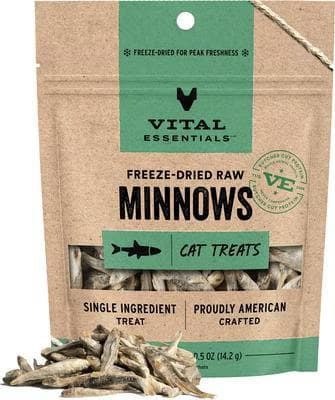
This is an optional cat treat. Review its current label, ingredients, calories, and feeding directions, and count it within the total daily extras.
Webvet may earn a commission when you click through to Chewy, at no extra cost to you.
Raw Yeast Dough Is an Emergency
Use the bread calories and the individual cat's remaining treat allowance; body weight alone is not a serving chart. Keep raw dough inaccessible. For baked bread, verify that the center is fully cooked and the recipe is known, then offer only a manageable plain piece if appropriate. Do not add butter, spreads, fillings, or seasoning without assessing those ingredients separately. Related guidance: collapse.

Forms and Ingredients of Baked Bread
A soft or dense piece may be swallowed differently by different cats. Choose a texture the cat can manage and supervise. No universal fragment size guarantees safety, and breathing or swallowing trouble is urgent regardless of the food. Related guidance: raisins; Chocolate; xylitol.
| Decision point | Evidence-based guidance |
|---|---|
| Plain food | Assess plain baked bread by form, amount, tolerance, and the individual cat. |
| Portion | Use the individual calorie allowance, not a fixed piece or spoon table |
| Preparation | Serve it plain and choose a manageable size and texture. |
| Mixed product | Read every ingredient and keep the package or recipe for advice. |
| Medical diet | Kidney disease, diabetes, obesity, gastrointestinal disease, life stage, and therapeutic diets require individualized veterinary planning. None creates a universal bread rule. Plain cooked rice also should not be recommended as a purposeful treatment for a cat's upset stomach without diagnosis and a clinician-directed feeding plan. |
| Concerning signs | Call for persistent illness, swallowing trouble, or a hazardous co-ingredient. |
How to Portion Baked Bread
The raw-dough mechanism is the central emergency. A cat with abdominal enlargement, unproductive retching, weakness, incoordination, depression, vomiting, or collapse after raw dough exposure needs immediate care. A comfortable cat that ate a tiny amount of plain baked bread is a different situation. Raisin bread, chocolate products, garlic bread, alcohol-containing recipes, and sweetened products require full ingredient review. Feline grape and raisin risk remains uncertain rather than established as the canine renal syndrome. Precautionary avoidance and professional advice are appropriate, but a feline nephrotoxic syndrome has not been confirmed.

Why a Cat May Show Interest in Baked Bread
Kidney disease, diabetes, obesity, gastrointestinal disease, life stage, and therapeutic diets require individualized veterinary planning. None creates a universal bread rule. Plain cooked rice also should not be recommended as a purposeful treatment for a cat's upset stomach without diagnosis and a clinician-directed feeding plan. Contact a veterinarian or animal poison service promptly after raw yeast dough, a concerning mixed ingredient, a substantial exposure, or significant signs. Keep the package or recipe. Do not induce vomiting or give food, oil, alcohol remedies, or other home treatment unless a veterinarian directs it.
Choosing Other Treats
A controlled xylitol study involved only six healthy cats and did not reproduce the dog-like hypoglycemia or liver-injury syndrome. That limited evidence does not prove every dose or product safe. Avoid intentional feeding, assess the whole baked product, and use feline rather than canine evidence. If this food does not fit the plan, choose another veterinarian-approved treat and count it within the same calorie allowance. Related guidance: plain cooked chicken; plain cooked egg; salmon; plain cooked rice.
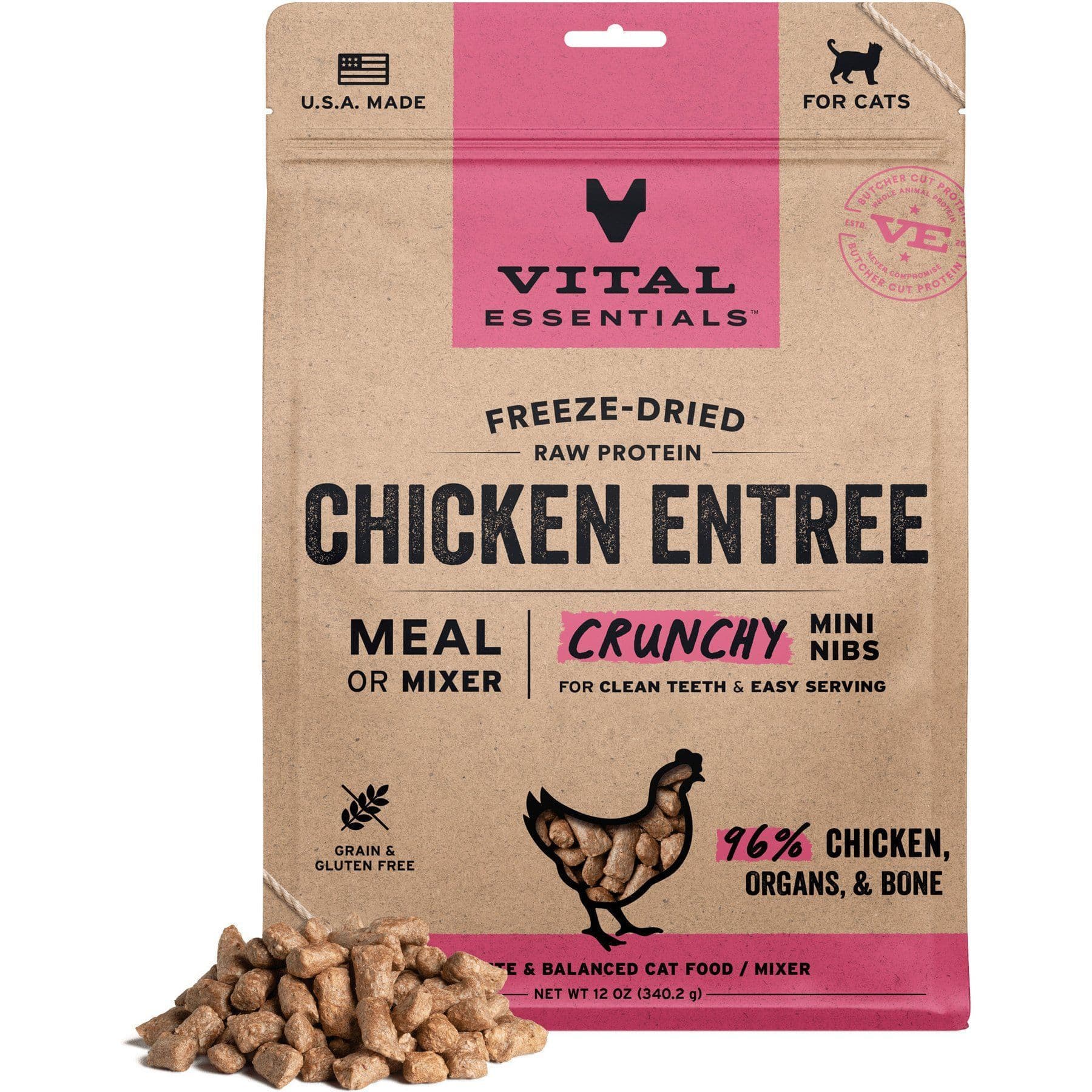
This is an optional cat treat. Review its current label, ingredients, calories, and feeding directions, and count it within the total daily extras.
Webvet may earn a commission when you click through to Chewy, at no extra cost to you.
The Bottom Line
For cats, plain baked bread is usually an optional calorie question; raw yeast dough is an urgent toxicology and gastric-expansion concern. Cats can digest cooked starch; keep raw dough separate from baked bread and assess every recipe ingredient. The practical decision is individualized: confirm the exact food, use a manageable texture, keep extras within the calorie plan, and watch the actual cat rather than a fixed schedule. Contact a veterinarian for persistent vomiting or diarrhea, marked lethargy, pain, breathing or swallowing trouble, inability to pass stool or urine, neurologic signs, or any ingredient-specific toxicology concern.


This is an optional cat treat. Review its current label, ingredients, calories, and feeding directions, and count it within the total daily extras.
Webvet may earn a commission when you click through to Chewy, at no extra cost to you.
Frequently Asked Questions
Is plain baked bread poisonous to cats?
A small amount of plain fully baked bread is usually low risk, but it is optional and the exact calories and ingredients still matter.
Why is raw yeast dough urgent for cats?
Fermenting raw dough can expand in the stomach and produce absorbed ethanol. Published cases are dog-heavy, but an exposed cat still needs prompt professional triage.
Can cats digest bread starch?
Yes, cats can digest properly cooked starch, although a complete feline diet must meet species-specific requirements for animal-derived nutrients.
Are raisin bread and xylitol proven to affect cats like dogs?
No. Feline grape and raisin risk remains uncertain, and one xylitol study of six healthy cats did not reproduce the dog-like syndrome. Avoidance and case-specific advice remain prudent.
How much bread can a cat have?
There is no universal fragment-size allowance. If approved, fit the actual bread calories within the cat's complete diet and total treat allowance.
More safe treats
More grains & bread for cats
Sources
- Merck Veterinary Manual: Bread Dough Toxicosis in Animals
Supports urgent assessment of raw yeast dough because expansion can distend the stomach and fermentation produces absorbed ethanol in susceptible species.
- Merck Veterinary Manual: Overview of Nutrition in Small Animals
Supports complete and balanced feeding and patient-specific nutrition; it does not establish clinical benefit from a treat portion.
- Merck Veterinary Manual: Nutritional Requirements of Small Animals
Supports species-specific nutrient requirements, including the feline need for preformed vitamin A and the distinction between digestibility and essential nutrient source.
- WSAVA: Feeding Treats to Your Cat
Supports keeping cat treats within about 10% of daily calories without imposing universal piece, spoon, or frequency tables.
- Jerzsele et al.: Effect of xylitol on blood glucose and liver function in cats
A controlled study of six healthy cats did not reproduce the dog-like xylitol syndrome, while leaving broader feline product safety uncertain.
- VCA Animal Hospitals: Household Hazards, Toxic Hazards for Cats
States that whether grapes and raisins produce the canine renal syndrome in cats is unknown and recommends precautionary professional advice after exposure.
- Merck Veterinary Manual: Grape, Raisin, and Tamarind Toxicosis in Dogs
Establishes canine grape and raisin renal toxicosis without establishing the same detailed syndrome in cats.
Reviewed by Dr. Athena Gaffud, DVM
General guidance based on credible veterinary sources; not a diagnosis or a substitute for your veterinarian. If your pet ate something toxic or is unwell, contact your vet or a pet poison line right away.