Cloudy Eyes in Dogs: Cataracts vs. Nuclear Sclerosis
Cloudy eyes in senior dogs are usually harmless nuclear sclerosis, not cataracts. Learn to tell them apart, what the vet exam and surgery cost, and the red flags that mean see a vet now.

BVMS MRCVS
Medically reviewed by Dr. Pippa Elliott, BVMS MRCVS · Last reviewed

This article contains affiliate links. Webvet may earn a commission when you buy through them, at no extra cost to you.
WebVet may earn a commission from qualifying purchases made through links on this page, at no additional cost to you.
You notice a bluish-gray haze in your older dog's eyes, and your first thought is cataracts and blindness. Take a breath. In most senior dogs, cloudy eyes in dogs are caused by nuclear sclerosis, a normal, painless aging change that barely affects vision at all.
The hard part is that nuclear sclerosis and true cataracts can look almost identical from across the room. This guide shows you how to tell them apart, what a vet actually does to confirm it, what treatment and surgery really cost, and the warning signs that mean you should not wait.
- 1Nuclear sclerosis is a normal aging change of the lens: painless, symmetric, and it rarely causes meaningful vision loss.
- 2Cataracts are a true opacity of the lens that can progress to blindness and often need surgery.
- 3Only a veterinarian using a slit lamp can tell the two apart with certainty, so book the exam rather than guessing.
- 4Sudden cloudiness, redness, squinting, or a dog bumping into furniture is an emergency: see a vet the same day.
- 5Cataract surgery is the only cure for a cataract and typically costs $3,000 to $4,500 for both eyes; nuclear sclerosis needs no treatment.
- 6No eye drop, food, or supplement reverses an existing cataract. Supplements only support general eye health.
 Sponsored
Have a health question about your dog?
Talk to a licensed vet at Dutch over video or message, including nights and weekends.
Use code Pets60
Plans start at $12/month · covers up to 5 pets
- Licensed vets in most states
- Rx for 150+ conditions
- 4.7 on Trustpilot
What "Cloudy Eyes" Actually Means (Quick Answer)
"Cloudy eyes" is a symptom, not a diagnosis. It means light is no longer passing cleanly through part of the eye, so the eye looks hazy, gray, blue, or milky. The cloudiness can sit in the lens deep in the eye or on the clear cornea at the surface, and those are very different problems.
If owners are asking why are my dog's eyes cloudy, the honest answer is that there are several possible causes and they range from completely harmless to sight-threatening. The two most common in older dogs are nuclear sclerosis and cataracts, but glaucoma, corneal ulcers, dry eye, and uveitis can all cloud an eye too.
Because a painless aging change and a painful emergency can look similar at first glance, cloudiness in a senior dog always earns a proper look from your veterinarian. You are not overreacting by getting it checked.
What the Color and Pattern of Cloudiness Tells You
The colour of the haze and where it sits in the eye narrow the list fast. Colour alone never gives you a diagnosis, but it tells you which questions to ask your vet and how quickly you need to be sitting in the waiting room.

Start by working out whether the cloudiness sits on the clear surface of the eye (the cornea) or deeper, behind the pupil, in the lens. Surface problems tend to hurt. Lens problems usually do not.
- Surface cloudiness on the cornea often comes with squinting, tearing, or a dull, matte look to the whole eye.
- Deep cloudiness in the lens sits behind the pupil, looks like fog inside a clear window, and is usually painless.
- Cloudiness you can see from across the room is more likely to be dense and lens-based.
- Cloudiness visible only up close or in bright light is more likely to be early nuclear sclerosis.
- Cloudiness that changes day to day is almost always surface fluid or discharge, not a lens change.
Blue and Cloudy Eyes in Dogs
Owners searching blue cloudy eyes in dogs are usually describing the most common and most reassuring pattern: an even, translucent blue-gray haze sitting in both pupils. In a dog over eight, that pattern is nuclear sclerosis far more often than anything else.
What causes blue cloudy eyes in dogs when the dog is young, or when only one eye is affected, is a different question. A one-sided blue tint on the front of the eye is usually corneal edema: fluid trapped in the cornea by an ulcer, an injury, glaucoma, or inflammation inside the eye.
White Cloudy Eyes in Dogs
White cloudy eyes in dogs point toward a denser process. A chalky, milky, frosted-glass appearance behind the pupil that blocks your own view of the deeper eye is the classic look of a mature cataract. It reads as white and opaque rather than translucent.
A patchy cloudy opacity, meaning white in some parts of the lens and clear in others, usually means an immature cataract or a scar. Patchiness is a useful clue on its own, because normal lens aging is smooth and even right across the lens.
Density matters more than shade. If you can still make out the iris pattern and the black of the pupil through the haze, light is still getting through. If the pupil has vanished behind a solid white disc, it is not.
What Cloudy Spots in Dogs' Eyes Mean
Owners searching cloudy spots in dogs eyes are describing focal opacities: small, defined marks rather than an overall haze. Most are not emergencies, but a few are, and the difference usually comes down to whether the spot is new.
- Corneal scars: white or gray marks left behind by a healed ulcer, scratch, or foreign body. Stable and painless.
- Lipid or calcium deposits: crescent or ring-shaped whitish spots in the cornea, sometimes linked to thyroid disease or high blood fats.
- Focal or incipient cataracts: small opacities sitting behind the pupil that may stay tiny for years or slowly enlarge.
- Pigment spots: brown or black rather than white, usually harmless in breeds prone to corneal pigment.
- Active ulcers: a spot that appeared this week alongside squinting or tearing is not a scar, and that is same-day territory.
A spot that is stable month to month is far less worrying than one that is new, growing, or painful. Photograph the eye in the same lighting every few weeks so you can compare honestly instead of relying on memory.
Green, Yellow, and Goopy Cloudiness
Green cloudy eyes in dogs almost always means discharge sitting on the surface rather than a green eye. Yellow or green material is pus, and pus means infection or an ulcer that has become infected. That belongs in the discharge section further down this guide.
| Colour or pattern | Most likely cause | Urgency |
|---|---|---|
| Even blue-gray haze, both eyes | Nuclear sclerosis | Routine senior exam |
| Blue-white haze, one eye, painful | Corneal edema from ulcer, glaucoma, or uveitis | Same day |
| Dense white, blocks view of the pupil | Mature cataract | Within days |
| Patchy white with clear areas | Immature or focal cataract | Within weeks |
| Small fixed white or gray spot | Corneal scar or lipid deposit | Next routine visit |
| Yellow or green film over a hazy eye | Infection or infected ulcer | Same week, same day if painful |
Why Your Dog's Eyes Look Cloudy Only in Light or Photos
If you are wondering why do my dogs eyes look cloudy in light but clear indoors, you are seeing a real and normal effect. When dogs eyes look cloudy in light only, early nuclear sclerosis is usually the reason, and it is a lighting artifact rather than a haze that comes and goes.
In dim light the pupil widens, so you see more of the clear outer lens. In bright light the pupil narrows over the hardened central core, and that core is what scatters light back at you. Camera flashes exaggerate it further by bouncing off the reflective layer behind the retina.
- Look at your dog in a dim room, then in bright daylight. A haze obvious only in the bright setting fits early nuclear sclerosis.
- Check both eyes from the same angle. Aging change is symmetric, so a one-sided haze is not explained by lighting.
- Take one photo without flash and one with it. Flash-only cloudiness is usually a reflection, not disease.
- Note whether your dog squints in that same bright light. Light sensitivity plus cloudiness suggests pain, not aging.
- If the cloudiness is there in every lighting condition, stop testing and book the exam.
The search dogs eyes cloudy in photos is one of the most common false alarms in this whole topic. If the eye looks clear in person, tracks normally, and your dog is comfortable, the photo is telling you about the camera rather than the eye.
One Cloudy Eye vs. Both: Why Symmetry Matters So Much
Of all the patterns on this page, symmetry is the one worth memorising. Aging affects both lenses at roughly the same rate, so nuclear sclerosis shows up in both eyes at a similar stage. Disease rarely bothers to be that tidy.
- Both eyes, equally hazy, painless, in a dog over eight: nuclear sclerosis is the leading explanation.
- Both eyes, clouding fast over days or weeks: diabetes, inherited cataracts, or a body-wide inflammatory disease.
- One eye only, painless and slow: an early cataract, an old scar, or a lipid deposit.
- One eye only, painful, red, or watery: an ulcer, glaucoma, uveitis, or trauma, and none of those can wait.
- One eye that looks larger or bulges compared with the other: possible glaucoma, which is an immediate emergency.
Photograph both eyes side by side in the same light, from directly in front, at your dog's eye level. That single photo is often more useful to a vet than a long verbal description, and it gives you a baseline for comparison later.
Nuclear Sclerosis vs. Cataracts: The Core Difference
The single most useful thing to understand is the nuclear sclerosis vs cataracts distinction, because it drives everything else. Both involve the lens, the clear disc inside the eye that focuses light, but they are not the same process and they do not carry the same outlook.
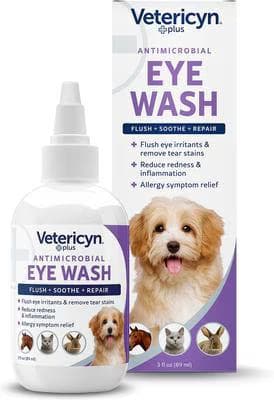
A sterile antimicrobial rinse that flushes irritants, pollen, and discharge out of the eye and helps lift tear stains. A sensible at-home first step for mild irritation, though it does not replace a vet exam for a painful eye.
Webvet may earn a commission when you click through to Chewy, at no extra cost to you.

Nuclear sclerosis in dogs happens because the lens keeps making new fibers throughout life. Older fibers get pushed toward the center and compressed, so the lens core hardens and scatters light. The result is a faint, even, blue-gray sheen. Light still passes through, so your dog keeps seeing.
Cataracts in dogs are different. A cataract is an actual opacity where the lens proteins clump and turn cloudy, blocking light like frosted glass. Depending on how much of the lens is involved, a cataract can cause anything from a small blind spot to total blindness in that eye.
Here is a quick side-by-side to help you self-triage before your appointment. Remember that this table is a starting point, not a substitute for the exam.
| Feature | Nuclear Sclerosis | Cataracts |
|---|---|---|
| Typical onset | Gradual from 6-8 years, obvious by 8-10+ | Any age; common in seniors and diabetic dogs |
| Appearance | Even bluish-gray haze, both eyes symmetric | Denser white or gray opacity, can be patchy |
| Vision impact | Little to none | Partial blind spot to full blindness |
| Pain | None | Usually none unless complications develop |
| Can the vet see the retina through it | Yes, light still passes through | No once the cataract is mature |
| Treatment | None needed, just monitor | Surgery to restore vision |
| Urgency | Routine senior check | Confirm with a vet; surgery is time-sensitive |
The good news for most owners: if your senior dog has a soft, symmetric haze and is still navigating the house, stairs, and yard normally, nuclear sclerosis is the more likely answer. Still, the two overlap enough that only an eye exam settles it.
How to Use the Comparison Table
Run the quick side-by-side self-triage above in a fixed order rather than reading it top to bottom at random. Four rows do most of the work, and they are best read as a sequence.
- Onset age and speed: an even haze that crept in after eight years fits aging. A haze that arrived within a week does not, at any onset age.
- Symmetry: nuclear sclerosis affects both eyes to a similar degree, so one cloudy eye is a red flag until a vet proves otherwise.
- Vision impact: watch your dog find a dropped treat on a plain floor and cross an unfamiliar room. Real vision impact points to a cataract or something worse, not to aging.
- Pain: squinting, tearing, light avoidance, or rubbing means something active is happening and the aging explanation is off the table.
If three or four of those point toward aging, you have a strong case for a routine appointment. If even one points the other way, treat that one as your answer and move faster.
The reason a framework helps here is that the two conditions are managed completely differently. Guessing wrong in the reassuring direction can cost your dog vision. Guessing wrong in the worried direction costs one exam fee.
Why Senior Dogs Get Nuclear Sclerosis (Age of Onset)
At what age do dogs' eyes start getting cloudy? For most dogs, the lens begins hardening around 6 to 8 years of age, though you usually cannot see it yet. The bluish haze of senior dog cloudy eyes becomes visible to the naked eye later, often around 8 to 10 years and beyond.

So what age do dogs get nuclear sclerosis in a way an owner would notice? Consider these general patterns:
- Small breeds tend to show a visible haze later, sometimes not until 10 or 11 years.
- Large and giant breeds age faster and may show it by 7 or 8 years.
- By the time a dog reaches 13 or 14, nearly every dog has some degree of nuclear sclerosis in both eyes.
Nuclear sclerosis is not a disease, an injury, or a sign that you did anything wrong. It is as normal for an aging dog as gray hair around the muzzle. It develops slowly and symmetrically, meaning both eyes look about the same, which is one clue that separates it from many other causes of cloudiness.
Because it comes on so gradually, most dogs adapt without their owners ever noticing a vision problem. The change is happening to the lens, not to your dog's comfort or happiness.
Age-Band Expectations by Size
If you want a rough calendar for when to expect the haze, body size is the best single predictor, because larger dogs age faster across every system including the lens.
| Size | Lens hardening begins | Haze visible to an owner |
|---|---|---|
| Toy and small, under 20 lb | 7 to 9 years | 10 to 12 years |
| Medium, 20 to 50 lb | 6 to 8 years | 9 to 11 years |
| Large, 50 to 90 lb | 6 to 7 years | 8 to 10 years |
| Giant, over 90 lb | 5 to 7 years | 7 to 9 years |
- Both eyes should reach a similar stage at a similar time, so wide asymmetry is a reason to get checked rather than to wait.
- A haze that appears well before these bands, especially before five years, is more likely a cataract than normal aging.
- Diabetic dogs are the major exception, because their lenses can cloud at any age within a matter of weeks.
- Flat-faced breeds with prominent eyes often show surface cloudiness earlier, since their corneas are more exposed to drying and injury.
These bands describe onset age, not a deadline. Plenty of twelve-year-old dogs still have startlingly clear eyes, and that is entirely normal too.
What Nuclear Sclerosis Looks Like (and Why It's Not an Emergency)
Nuclear sclerosis has a fairly recognizable look once you know what to watch for. Typical features include:
- A translucent blue-gray or smoky haze centered in the pupil.
- A symmetric appearance, with both eyes affected to a similar degree.
- No redness, no discharge, and no signs of pain or squinting.
- A dog that still tracks a thrown treat, finds the door, and manages stairs.
The reason this change is not an emergency comes down to physics. In nuclear sclerosis, the hardened lens still lets light reach the retina, so functional vision is largely preserved. Your veterinarian can usually still see straight through to the back of the eye during the exam, which is a key confirming sign.

A boric acid rinse that flushes everyday dust and pollen from a dog's eyes and helps reduce the tear staining that follows chronic watering. Not a treatment for infection.
Webvet may earn a commission when you click through to Chewy, at no extra cost to you.
Owners sometimes worry that the haze will "turn into" cataracts. Nuclear sclerosis itself does not become a cataract, although an older dog can develop both at once. That overlap is exactly why a hands-on exam matters, even when you are fairly sure it is just aging.
The bottom line for this majority-benign case is reassuring: no drops, no surgery, and no restrictions. You simply keep an eye on it and mention any changes at your dog's routine senior visits.
What Cataracts Look Like (Early, Immature, Mature, Hypermature)
Cataracts are graded by how much of the lens has clouded over, and the stage matters because it predicts vision loss and guides treatment timing. Veterinarians generally describe four stages.

The four cataract stages
- Incipient: less than about 15 percent of the lens is affected. Vision is normal and the change is often only visible under magnification.
- Immature: a larger portion is cloudy but some clear lens remains, so the retina is still partly visible and the dog retains some vision.
- Mature: the entire lens is opaque and white. The dog is functionally blind in that eye, and the vet can no longer see the retina behind it.
- Hypermature: the lens shrinks and the capsule wrinkles as proteins break down. This stage can trigger painful inflammation inside the eye called lens-induced uveitis.
A dense, chalky-white opacity that blocks your view of the deeper eye points toward a cataract rather than nuclear sclerosis. Cataracts can also look patchy or crystalline rather than the smooth, even haze of aging.
One cause deserves special attention in senior dogs: diabetes. Diabetic dogs very commonly develop cataracts, sometimes within weeks, and often in both eyes at once.
If your dog's eyes clouded quickly and you have noticed increased drinking, urination, or appetite changes, ask your vet to check for diabetes right away. For the full disease picture and surgical detail, see our deep dive on cataracts in dogs.
How Vets Diagnose: The Exam, Slit Lamp, and Tonometry
Wondering how to tell if dog has cataracts or nuclear sclerosis at home? You realistically cannot be certain, and that is not a failing on your part. The tools that make the call live in the exam room, which is why a veterinary visit is the real answer.

Here is what typically happens at the appointment:
- History and basic exam: your vet asks about onset speed, other symptoms, drinking and urination, and watches how your dog moves around the room.
- Slit lamp biomicroscopy: a narrow beam of light and magnification let the vet see exactly where the cloudiness sits. Nuclear sclerosis shows an even haze the light passes through, while a cataract blocks the beam.
- Tonometry: a quick, gentle pressure reading of the eye. This rules out glaucoma, a painful pressure buildup that is a true emergency.
- Retinal check: if the lens is clear enough, the vet examines the back of the eye. Being able to see the retina strongly favors nuclear sclerosis.
If surgery is on the table, an ophthalmologist adds two more tests before booking: an electroretinogram (ERG) to confirm the retina still works, and an ocular ultrasound to check the structures behind a mature cataract. These make sure vision can actually be restored before anyone operates.
How to Prepare for the Eye Exam
A little preparation turns a rushed ten-minute appointment into a useful one. Your vet cannot see how the eye looked last month, so the history you bring is genuinely diagnostic information rather than small talk.
- Photograph both eyes straight on, in daylight and without flash, and bring the images on your phone.
- Write down when you first noticed the cloudiness and whether it arrived over hours, days, weeks, or months.
- Note any squinting, pawing at the face, tearing, discharge, or new reluctance to go out at dusk.
- List every medication and supplement your dog takes, including parasite treatment and any eye drops you have already tried.
- Record recent changes in drinking, urinating, appetite, or weight, since those shift suspicion toward diabetes.
- Ask when you book whether to skip the morning meal, in case sedation or bloodwork is needed on the day.
Do not put anything in the eye on the morning of the appointment unless your vet has asked you to. Lubricants and redness relievers change how the surface takes up fluorescein stain, which makes an ulcer harder to read.
When You Get Referred to a Veterinary Ophthalmologist
General practice vets diagnose most cloudy eyes without help. A referral to a board-certified veterinary ophthalmologist comes up when surgery is on the table, when eye pressures are abnormal, or when the cause is still unclear after the first exam.
- Expect a longer visit than a routine appointment, commonly 45 to 90 minutes once dilation time and testing are included.
- Dilating drops take around 20 minutes to work and leave most dogs light-sensitive for several hours afterward, so plan a quiet evening.
- A specialist consult typically runs $150 to $300 before any imaging, and referral practices usually want your own vet's records sent ahead.
- Ask directly whether your dog is a surgical candidate, and if not, what ongoing treatment for cloudy eyes in dogs of this cause involves.
- Find a certified specialist through the American College of Veterinary Ophthalmologists directory rather than by search ranking.
Your First Week After a Cloudy-Eye Diagnosis
Owners often leave the clinic with a diagnosis and no plan for the next seven days. Use that week to set a baseline, start any prescribed medication properly, and get clear on exactly what you are watching for.
- Days one and two: start prescribed drops exactly on schedule and set phone alarms, because most missed doses are memory failures rather than decisions.
- Day two: take your baseline photo set of both eyes in the same spot and lighting, then save it in a dated album.
- Day three: run the cotton-ball and unfamiliar-obstacle vision checks described later in this guide and write down what you actually saw.
- Day four: remove the obvious hazards for a dog whose sight may fade, including unfenced pool edges, open stair tops, and balcony gaps.
- Day five: if diabetes was raised at the exam, confirm the blood glucose result and book the follow-up testing rather than assuming no news is good news.
- Day six: if more than one drop was prescribed, leave five minutes between bottles and apply any ointment last, because ointments slow whatever follows them.
- Day seven: report any change for the worse straight away instead of holding it until the scheduled recheck.
 Sponsored
Vet care that's always there
Unlimited video calls and messaging with licensed vets for less than a typical vet visit. One membership covers up to five pets.
Use code Pets60
Plans start at $12/month · covers up to 5 pets
- Licensed vets in most states
- Rx for 150+ conditions
- 4.7 on Trustpilot
Other Causes of Cloudy Eyes You Shouldn't Confuse With Cataracts
Nuclear sclerosis and cataracts are the headline causes, but several other conditions cloud an eye and some are urgent. This is where a careful vet exam earns its keep, because the treatment for each is completely different.
A common question is how to tell if your dog has cataracts or glaucoma. You often cannot tell by looking, because both can make an eye appear cloudy. The difference is that glaucoma is painful and blinding, while a simple cataract usually is not.
Glaucoma tends to bring a red eye, a fixed or dilated pupil, and obvious discomfort, and it is confirmed by the pressure reading (tonometry). If your dog's cloudy eye also looks red or sore, treat it as urgent.
If you notice cloudiness together with discharge, tearing, or pawing at the face, our guides on dog eye discharge and watery eyes in dogs can help you describe what you are seeing to your vet.
The main cataract mimics
- Glaucoma: dangerously high pressure inside the eye. Painful, reddened, often with a dilated pupil and rapid vision loss. A same-day emergency. See glaucoma in dogs.
- Corneal ulcer: a scratch or erosion on the eye's clear surface, causing a bluish haze, squinting, and tearing. Read corneal ulcer in dogs.
- Dry eye (KCS): low tear production leaves the cornea dull, cloudy, and coated in thick mucus over time. See dry eye in dogs.
- Uveitis: inflammation inside the eye that clouds the fluid and causes redness and pain. Learn more at uveitis in dogs.
- Conjunctivitis: red, irritated eye tissue with discharge, more surface irritation than deep cloudiness. See conjunctivitis in dogs.
- Entropion: an inward-rolling eyelid that rubs the cornea and can cause secondary cloudiness in some breeds. See entropion in dogs.
The takeaway is that "cloudy" covers a lot of ground. Some of these, like corneal ulcers and glaucoma, hurt and can steal sight quickly, which is exactly why a look is worth it.
Two Mimics Owners Miss: Endothelial Degeneration and Lens Luxation
Two more conditions belong on any honest list of cataract lookalikes, and both are routinely written off as ordinary aging.
- Corneal endothelial degeneration: the cell layer that pumps fluid out of the cornea wears out with age, so the cornea holds water and turns a soft bluish haze. It is bilateral, slowly progressive, and classic in older Boston Terriers, Chihuahuas, and Dachshunds. Because it sits on the surface, it can eventually blister and ulcerate, which hurts.
- Lens luxation: the fibres holding the lens in place break down and the lens slips forward or backward. The eye can look cloudy, watery, and red, and a forward-slipped lens blocks fluid drainage and triggers glaucoma. Terrier breeds are over-represented, and this is a same-day emergency.
The practical difference is where the cloudiness lives. Endothelial degeneration hazes the window itself, so it looks like it is on the front of the eye. Cataracts and nuclear sclerosis sit behind the pupil, like fog inside a lantern.
Conjunctivitis is worth naming here too, since owners often ask whether it causes cloudiness. Conjunctivitis alone inflames the pink tissue around the eye and does not cloud the lens, but the ulcers and dry eye that travel with it certainly can.
Cloudy Eyes With Discharge or Redness: Infection Signs
When cloudiness arrives with goop or a red eye, the differential shifts away from lens aging and toward active surface disease. Cloudy red eyes in dogs mean inflammation somewhere in the eye, and inflammation in an eye is either painful, sight-threatening, or both.
My dog has a cloudy eye and discharge is one of the most common ways owners describe conjunctivitis, a corneal ulcer, dry eye, or uveitis. Those four need four different medications, and telling them apart takes a fluorescein stain test and a tear test.
Reading the Discharge
- Clear and watery: irritation, allergies, an early ulcer, or a blocked tear duct. Uncomfortable but not usually infected.
- Stringy gray or white mucus: often dry eye, especially when the surface looks dull and the mucus keeps returning within hours of wiping.
- Yellow green dog eye discharge: this is pus. It means bacterial infection or an infected ulcer, and cloudy goopy eyes in dogs at this stage need prescription treatment rather than rinsing.
- Brown or reddish staining below the eye: usually tear overflow rather than infection, though whatever is causing the overflow still needs a look.
Cloudy eyes in dogs with discharge should never be treated with a leftover bottle from a previous eye problem. If an ulcer is present underneath the goop, the wrong drop can make it deeper within a day or two.
Reading the Redness
- Bloodshot whites with fine surface vessels: surface irritation, conjunctivitis, or an allergic flare.
- Deep brick-red vessels that look like they come from behind the eye: uveitis or glaucoma, and both are urgent.
- Cloudy and red eyes in dogs together with squinting: assume an ulcer or glaucoma until a vet proves otherwise.
- Redness in one eye with a pupil that does not match the other side: same-day care, no exceptions.
For the full colour-by-colour breakdown of what each type of goop suggests, our dog eye discharge guide owns that topic in depth. If the cloudiness sits on the surface and your dog is squinting, read corneal ulcers in dogs next.
Is Cloudy Eyes in Dogs Always Serious? Red Flags That Mean "Go Now"
Is cloudy eye in dogs always serious? No. The most common cause, nuclear sclerosis, is completely benign. But some cloudiness signals a true emergency, and knowing the difference protects your dog's vision.

Owners often search, is cloudy eyes in dogs an emergency? The answer comes down to how fast it appeared and what else is happening. Slow, painless, symmetric haze in a comfortable senior dog is rarely urgent. The following signs are different and mean same-day care, not "watch and wait."
A dog that suddenly cannot see is frightened and vulnerable, and conditions like glaucoma can cause permanent blindness within hours if pressure is not lowered fast. When in doubt, call your vet or the nearest emergency clinic and describe what you see.
It is always better to have a benign haze confirmed than to miss a sight-threatening problem. If discharge is part of the picture, our page on dog eye infections can help you gauge urgency while you arrange care.
Sudden Cloudy Eyes: When Cloudiness Appears Overnight
One rule cuts through most of the confusion around this symptom, and it is speed. Nuclear sclerosis takes years to become visible. Anything that clouds an eye in hours or days is something else, and most of those are treatable only if you act quickly.
Sudden cloudy eyes in dogs most often trace back to four causes: acute glaucoma, corneal edema from an ulcer or injury, uveitis, and rapidly forming diabetic cataracts. Three of those four hurt. All four can cost your dog vision if they are left alone.
- 1Cloudiness that develops over months and stays painless is usually aging, so book a routine exam.
- 2Cloudiness that develops over hours or a single day is never nuclear sclerosis, so call the same day.
- 3Cloudiness plus squinting, redness, or a dilated pupil is an emergency regardless of your dog's age.
- 4Cloudiness appearing in both eyes over a week or two in a thirsty, hungry dog points at diabetes until a blood test says otherwise.
Young Dog Cloudy Eye Suddenly: What It Usually Is
A young dog cloudy eye suddenly is a completely different clinical picture from a graying senior, because aging changes are off the table. Cloudy eyes in young dogs almost always mean injury, infection, inflammation, or an inherited problem.
- Corneal ulcer or scratch: the most common cause by a distance. Rough play, a stick, a cat's claw, or a grass seed leaves a bluish surface haze plus squinting and tearing.
- Blunt trauma: a knock to the head or eye can cloud the cornea within hours and can also bleed inside the eye.
- Uveitis: inflammation inside the eye from infection, tick-borne disease, or immune causes, often with redness and a small pupil.
- Inherited cataracts: some breeds cloud over in their first few years, including Siberian Huskies, Boston Terriers, Cocker Spaniels, and Miniature Schnauzers.
- Primary glaucoma: Cocker Spaniels, Basset Hounds, Beagles, and Shar-Peis can develop it young, and it blinds fast.
Owners searching young dog cloudy eye suddenly treatment are usually hoping for a product. There is not one. Treatment depends entirely on which cause is in play, and the wrong drop can turn a fixable problem into a lost eye.
Old Dog Cloudy Eye Suddenly
An old dog cloudy eye suddenly carries the same urgency with one extra worry attached. Seniors are the age group most likely to develop glaucoma secondary to another eye problem, and a pressure spike can destroy the retina inside a day.
The reassuring version does exist. Sometimes the haze had been there for months and the owner simply noticed it under new lighting. If you have photos from a few months back, compare them before you panic, then still book the exam.
- Genuinely new and painful: emergency clinic or a same-day appointment with your own vet.
- Genuinely new, painless, and in both eyes over a week or two: same-week visit with a blood glucose check included.
- Probably present all along, painless and symmetric: routine appointment, and start photographing it monthly.
- Uncertain either way: call the clinic and describe it rather than deciding alone. Triage over the phone is free.
Cloudy Eyes in Dogs and Diabetes
Diabetes is the single most common reason a dog's eyes cloud over quickly without pain. High blood sugar draws water into the lens, the lens fibres swell and rupture, and a clear lens can turn dense white in a matter of weeks. Some dogs lose sight within days.
Cloudy eyes in dogs diabetes searches usually come from owners who have already noticed the other signs. A large share of diabetic dogs develop cataracts within the first year after diagnosis, which is why any rapid bilateral cataract deserves a glucose test.
- Drinking and urinating noticeably more than usual.
- Eating well while steadily losing weight.
- Both lenses clouding at a similar rate over a few weeks.
- A previously diagnosed diabetic dog whose regulation has slipped recently.
There is good news buried in that. Diabetic cataracts respond to surgery as well as any other kind, provided the diabetes is stable and the retina is healthy. Tight blood sugar control will not reverse an existing cataract, but it protects the second eye.
Treatment Options for Cataracts and Nuclear Sclerosis
How do you treat cloudy eyes in dogs? The honest answer is that it depends entirely on the cause, which is why the diagnosis comes first. Treatment splits cleanly along the two main conditions.

For nuclear sclerosis, the treatment is simple: nothing beyond monitoring. There is no drop or pill that reverses it, and none is needed because vision stays functional. The right nuclear sclerosis dog treatment is routine senior eye checks plus attention to any new changes.
Supportive home care, like keeping the eyes clean and comfortable with a vet-safe lubricating gel such as Optixcare Eye Lube Plus, is about general comfort, not fixing the haze.
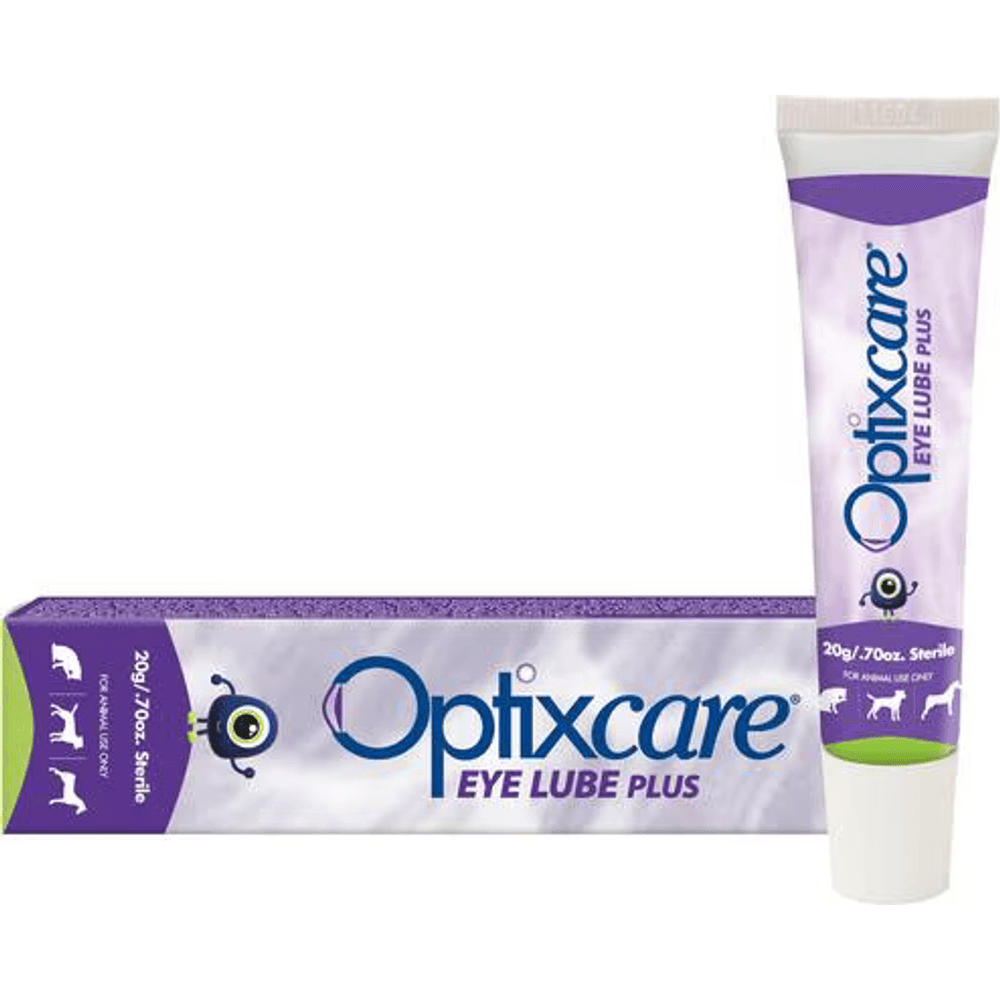
A sterile lubricating gel that soothes and moisturizes dry, irritated eyes and helps support the tear film in dogs and cats prone to dryness. A gentle, vet-shelf staple for everyday eye comfort.
Webvet may earn a commission when you click through to Chewy, at no extra cost to you.
Owners often ask how do I clear up my dog's cloudy eyes, hoping for a drop that dissolves the cloudiness. For a genuine cataract, no over-the-counter drop, rinse, or supplement clears it. The only proven cure is surgery.
Cataract surgery in brief
- The procedure is called phacoemulsification: the surgeon breaks up and removes the clouded lens through a tiny incision, usually placing an artificial lens so the eye can focus again.
- Success rates for restoring functional vision are high, commonly cited around 85 to 90 percent when dogs are good candidates.
- It is performed by a board-certified veterinary ophthalmologist, not a general practice, and requires pre-surgical testing.
Deciding between surgery and simply monitoring is a real choice, and the right answer depends on your dog's vision, overall health, and your budget.
Cataract surgery vs. monitoring
Pros
- Cataract surgery can restore near-normal vision
- It prevents painful hypermature complications like lens-induced uveitis
- It dramatically improves quality of life for a blind or nearly blind dog
Cons
- It is costly and available only through specialists
- It requires anesthesia and weeks of eye drops and recheck visits
- Not every dog qualifies, especially if the retina is already damaged
- Monitoring alone costs nothing but does not restore lost sight
Many dogs with early cataracts or with nuclear sclerosis do beautifully with monitoring alone. Surgery earns its place when a cataract is actively taking your dog's sight.
Cure vs. Manage: What Each Cause Actually Needs
Whether cloudy eyes in dogs can be cured has a different answer for every cause, so it helps to see the causes lined up rather than treated as one question.
| Cause | Cure or manage | What that means in practice |
|---|---|---|
| Nuclear sclerosis | Manage | No treatment needed, monitored at senior exams |
| Cataract | Cure by surgery only | Phacoemulsification restores vision in suitable dogs |
| Corneal ulcer | Cure | Medication, sometimes surgery, and the haze clears as it heals |
| Dry eye | Manage | Lifelong tear-stimulating drops keep the cornea clear |
| Uveitis | Depends on cause | Anti-inflammatories settle the eye, underlying disease is treated |
| Glaucoma | Manage | Pressure-lowering drugs, sometimes surgery, sight often already lost |
| Endothelial degeneration | Manage | Hypertonic saline ointment reduces corneal swelling |
So how to treat cloudy eyes in dogs comes down to naming the cause first. That is not a stalling answer. It is the reason two dogs with identical-looking eyes can walk out of the same clinic with a lifelong drop schedule and a surgical referral respectively.
What Cataract Surgery Recovery Actually Looks Like
Owners rarely get told what the weeks after surgery involve, and it is a genuine commitment. Plan for it before you book the date.
- Day of surgery: most dogs go home the same day or the next morning, wearing a protective cone.
- Weeks one and two: multiple eye drops several times daily, often four different bottles, plus oral anti-inflammatories.
- Weeks one to three: strict rest. No running, no rough play, no swimming, and harness walks only so nothing pulls at the neck.
- Recheck cadence: typically one day, one week, two to three weeks, then six to eight weeks after surgery.
- Months two to twelve: drops taper down, though many dogs stay on a low-frequency drop long term to guard against inflammation and glaucoma.
The cone stays on until your surgeon clears it, usually two to three weeks. A single hard rub against the furniture can undo the repair, which is why compliance matters more here than in almost any other veterinary procedure.
Cost of Cataract Surgery vs. Monitoring Nuclear Sclerosis
Cost is often the deciding factor, and it is one that most articles skip. How much does it cost to fix a dog's cloudy eye? If the cause is nuclear sclerosis, the answer is essentially nothing, because it needs no treatment beyond the eye check that is already part of a senior wellness visit.
If the cause is a cataract and you choose surgery, the numbers are much larger. Dog cataract surgery cost varies by region and by whether one or both eyes are treated, but these ranges are typical:
- Ophthalmology consult plus pre-surgical testing (slit lamp, tonometry, ERG, ocular ultrasound): often $300 to $800.
- Phacoemulsification surgery: commonly around $1,500 to $3,000 per eye.
- A full package for both eyes including testing, medications, and recheck visits: frequently $3,000 to $4,500 or more.
| Option | What It Involves | Typical Cost |
|---|---|---|
| Monitoring nuclear sclerosis | Routine senior eye checks | $0 extra (part of a wellness exam) |
| Specialist consult plus testing | Slit lamp, tonometry, ERG, ocular ultrasound | ~$300 to $800 |
| Cataract surgery, one eye | Lens removal, usually with an implant | ~$1,500 to $3,000 |
| Both eyes, full package | Surgery, meds, and follow-up rechecks | ~$3,000 to $4,500+ |
These are general ranges, not quotes, and prices differ widely by specialist, so always get a written estimate. If your dog's cloudiness turns out to be a corneal ulcer rather than a cataract, the cost picture differs; our pages on dog eye ulcer surgery cost and ulcer treatment options cover that scenario.
What the Workup and Aftercare Add to the Bill
The surgery quote is rarely the whole number. Ask any specialist for a written cost estimate that itemises every line below, because the gap between the headline surgical fee and the final invoice is almost always the workup and the aftercare.
| Line item | Typical range | Notes |
|---|---|---|
| Ophthalmology consult | $150 to $300 | Often billed separately from testing |
| Electroretinogram (ERG) | $150 to $400 | Confirms the retina still responds to light |
| Ocular ultrasound | $150 to $350 | Looks behind a mature cataract for retinal detachment |
| Pre-anaesthetic bloodwork | $100 to $250 | Standard before anaesthesia in senior dogs |
| Phacoemulsification | $1,500 to $3,000 per eye | Usually includes the artificial lens implant |
| Take-home medications | $100 to $250 | Several drops for several weeks |
| Recheck visits | $60 to $150 each | Four to six visits in the first two months |
- Treating both eyes under one anaesthetic is usually cheaper than booking two separate surgeries.
- Monitoring costs for nuclear sclerosis stay close to zero, because the eye check is already part of a senior wellness exam.
- Pet insurance often covers cataract surgery when the policy predates the diagnosis. Hereditary-condition wording is the clause to read first.
- CareCredit, Scratchpay, and in-house payment plans are widely accepted at specialty practices, and many will hold a surgery date while financing clears.
- Veterinary teaching hospitals sometimes take referral cases at reduced cost, so ask whether a vet school is within driving distance.
Prices vary regionally by a factor of two, so the per eye figure quoted in one city tells you very little about another. Get two written estimates where you can, and confirm which rechecks and medications are already included in the surgical fee.
Can Diet or Supplements Slow Cloudy Eyes?
What food helps with dog cloudy eyes? This is one of the most searched questions on the topic, and it deserves a straight answer: no food or supplement reverses an existing cataract, and none makes nuclear sclerosis go away. Be cautious of any product that promises otherwise.
That said, nutrition does play a supporting role in eye health. Antioxidants and omega-3 fatty acids help protect the delicate tissues of the eye from oxidative stress over time.
A dog eye vision supplement such as Ocu-GLO, which blends lutein, omega-3 DHA, and other antioxidants, is formulated to support ocular health, and many owners use it as general senior-dog support.
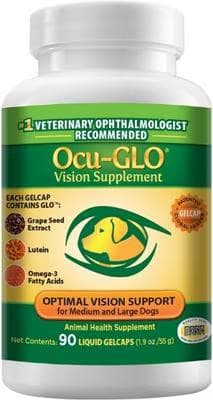
A veterinary ophthalmologist formulated blend of grape seed extract, lutein, and omega-3 fatty acids aimed at supporting retinal health in medium and large dogs. Supportive care, not a treatment for cataracts or glaucoma.
Webvet may earn a commission when you click through to Chewy, at no extra cost to you.
Practical, evidence-aligned steps include feeding a complete, balanced diet, keeping your dog at a healthy weight, and, for diabetic dogs, tight blood sugar control, since well-managed diabetes reduces the drivers of sugar cataracts. Diet supports the eye; it does not replace a surgeon when a cataract is blinding your dog.
Home Remedies and Eye Drops: What Actually Helps (and What to Avoid)
Dog cloudy eye home remedy is one of the highest-volume searches on this topic, and it deserves an honest answer rather than a list of kitchen ingredients. Some home care genuinely helps. Nothing you can buy without a prescription reverses a cataract.
The useful frame is comfort and hygiene versus cure. You can absolutely keep a senior dog's eyes clean, lubricated, and free of irritation at home. You cannot dissolve a clouded lens, and products that claim to are selling hope.
What Genuinely Helps at Home
- Vet-approved lubricating drops or gels: they ease the dryness and grittiness of senior eyes and are safe long term. This is the honest version of eye drops for cloudy eyes in dogs.
- Sterile saline eye wash: safe for rinsing dust, pollen, or shampoo out of an eye that is otherwise comfortable.
- A clean, damp cotton pad: wipe crust from the inner corner outward, using a fresh pad for each eye so you do not carry infection across.
- Trimming facial hair: long hair around the eyes wicks tears away and rubs the cornea, so keeping it short protects the surface.
- Sun and dust protection: dog goggles help working, hiking, and open-window dogs who already have a fragile cornea.
- Consistent senior wellness exams: the most effective home habit is the one that catches glaucoma before it takes sight.
A senior dog cloudy eye home remedy worth your time is boring by design: lubricate, keep the area clean, keep hair off the surface, and have the eye examined twice a year once your dog passes seven.
What to Skip or Avoid Entirely
- Lanosterol or NAC cataract-dissolving drops: heavily marketed, but the clinical evidence in dogs does not support the claim that they clear an established cataract.
- Human redness-relief drops: these constrict blood vessels and can mask a worsening eye, so they should never go in a dog's eye.
- Leftover steroid drops: applied to an undiagnosed ulcer they can deepen it and perforate the eye.
- Castor oil, coconut oil, and apple cider vinegar: natural remedies for cloudy eyes in dogs of this kind are not sterile, and vinegar on an inflamed cornea is genuinely painful.
- Chamomile tea, breast milk, and honey rinses: home remedies for cloudy eyes in dogs that circulate on social media and risk introducing bacteria into an eye that may already be ulcerated.
- Waiting two weeks to see whether a remedy works: in glaucoma, two weeks is the difference between sight and permanent blindness.
| Approach | Verdict | Why |
|---|---|---|
| Vet-prescribed lubricating drops | Helps | Comfort and surface hydration |
| Sterile saline rinse | Helps | Safe hygiene for a non-painful eye |
| Antioxidant vision supplements | Supportive only | May support ocular health, does not reverse a cataract |
| OTC lanosterol or NAC drops | Avoid | No reliable clinical evidence in dogs |
| Human redness-relief drops | Avoid | Masks disease and is not formulated for dogs |
| Home oils, vinegar, tea rinses | Avoid | Non-sterile and can worsen an ulcer |
| Cataract surgery | Cures a cataract | The only proven way to restore vision |
If you want dog cloudy eye drops for daily comfort, ask your veterinarian which lubricant suits your dog's specific problem. A dry-eye dog, an ulcer-prone flat-faced dog, and a healthy senior with nuclear sclerosis need three different bottles.
A Safe Weekly Eye-Care Routine for Senior Dogs
Most owners do too much to a healthy eye and too little to a monitored one. A short, repeatable routine covers both problems and takes under two minutes.
- Wash your hands, then look at both eyes in good daylight before you touch anything.
- Wipe any crust away with a fresh damp cotton pad per eye, working from the inner corner outward.
- Apply a vet-recommended lubricating drop or gel if your vet has advised one, holding the bottle tip clear of the eye surface.
- Trim or comb hair back from the eye area if it is reaching the surface.
- Take one straight-on photo a month in the same lighting, and keep them in one album so you can compare progress honestly.
- Note anything new (squinting, discharge, a fresh spot, a colour change) and call your vet rather than waiting for the next routine visit.
Can You Prevent Cloudy Eyes in Dogs?
Partly. How to prevent nuclear sclerosis in dogs has a short answer: you cannot, because it is normal lens aging in the same way a gray muzzle is normal coat aging. The preventable share of cloudiness is real, though, and it is worth the effort.
- Control diabetes tightly. Well-regulated blood sugar delays diabetic cataracts and protects the second eye once the first has clouded.
- Treat ulcers and dry eye promptly. Corneal scarring is permanent cloudiness that a two-week delay can lock in for life.
- Get pressure checks for at-risk breeds. Cocker Spaniels, Basset Hounds, Beagles, and Shar-Peis benefit from tonometry at senior exams, because glaucoma caught early keeps sight.
- Protect the eyes from trauma. Goggles for open-window rides and off-road hikes, plus grass-seed checks after summer fields.
- Book senior wellness exams every six months from around seven years of age, and earlier in giant breeds.
- Screen breeding dogs. ACVO eye certification identifies inherited cataracts before they are passed to another generation.
So how to prevent cloudy eyes in dogs is really two answers in one. The aging haze is not preventable and does not need to be. The sight-threatening causes behind it often are, and every one of those wins comes from catching things early.
Living With a Dog Who Has Cloudy Eyes
If your dog's cloudiness is nuclear sclerosis or a stable early cataract, day-to-day life usually carries on with only small adjustments. Dogs rely heavily on smell and hearing and adapt remarkably well to gradual vision changes.

A few habits keep a vision-changed senior comfortable and confident:
- Keep furniture, food bowls, and beds in consistent places so your dog can map the home from memory.
- Use your voice before you touch a dozing dog to avoid startling one that cannot see you approach.
- Light stairs and hallways well, and consider a gate at the top of steep stairs.
- Keep the eye area clean and free of buildup with a gentle routine; our guide on how to clean dog eyes walks through the basics.
For general senior eye comfort, a vet-approved lubricating drop can help, and our roundup of the best dog eye drops compares safe options. Keep up with routine senior wellness exams, ideally every six months, so any true cataract or other change is caught early.
Most importantly, watch for the red flags above. As long as your dog is comfortable, eating well, and moving confidently, a little cloudiness is usually just a sign of a life well aged.
Do Cloudy Eyes Mean My Dog Is Going Blind?
This is the fear underneath the search, so here is the direct answer. Do cloudy eyes in dogs mean blindness? Usually not. The most common cause by a wide margin is nuclear sclerosis, which leaves functional vision largely intact for the rest of a dog's life.
The more accurate way to hold the question is that cloudiness is a symptom with a wide range of outcomes. A few causes threaten sight seriously. Most do not. Which one you are dealing with is exactly what the eye exam settles.
Which Causes Actually Threaten Vision
- Mature and hypermature cataracts: functional blindness in that eye, plus a risk of painful lens-induced uveitis and secondary glaucoma.
- Untreated glaucoma: the fastest route to permanent blindness, sometimes within 24 to 48 hours of a pressure spike.
- Severe or perforating corneal ulcers: these can scar the centre of the cornea or cost the eye entirely.
- Chronic uveitis and retinal detachment: sight loss that often cannot be recovered even after the eye itself is calmed.
- Nuclear sclerosis: mild changes in near focus and dim-light vision. Dogs compensate so well that most owners never notice a difference.
Simple Vision Checks You Can Run at Home
- Cotton-ball drop: silently drop a cotton ball into your dog's field of view. A sighted dog tracks it, and cotton makes no sound, so hearing cannot fake the result.
- Unfamiliar obstacle course: move a few chairs and cushions, then walk your dog through on a loose lead. Bumping into new objects tells you far more than navigating a familiar room.
- Dim-light walk: many dogs lose low-light vision first, so hesitation on the stairs at dusk is an early sign worth reporting.
- One eye at a time: gently cover one eye with your palm and repeat the cotton-ball test, because dogs hide one-sided vision loss extremely well.
- Menace-gesture caveat: waving a hand at the face moves air, so dogs often blink even when blind. Treat that blink as unreliable evidence.
Bring the results with you to the appointment. Owner observations about stairs, dusk, and unfamiliar rooms genuinely change how a veterinarian prioritises the workup.
Can Cloudy Eyes in Dogs Go Away?
Whether cloudy eyes in dogs can go away depends entirely on where the cloudiness sits. Surface cloudiness often clears completely once the cause is treated. Cloudiness inside the lens does not.
- Corneal edema from an ulcer or uveitis: usually clears over days to weeks once the underlying problem is controlled.
- Corneal scars: fade and thin over months, though a dense scar across the centre of the eye may be permanent.
- Nuclear sclerosis: does not clear, does not need to, and progresses very slowly over years.
- Cataracts: never resolve on their own. The question can cloudy eyes in dogs be reversed has one honest answer where a cataract is concerned, and that answer is surgery.
- Glaucoma-related cloudiness: may reduce once pressure is lowered, but sight that has already been lost does not come back.
So does cloudy eyes in dogs mean blindness in your dog specifically? A proper exam answers that in about twenty minutes, and for the large majority of senior dogs it answers it reassuringly.
Blind and low-vision dogs, incidentally, do far better than most owners expect. With consistent furniture placement, verbal cues before contact, and scent markers at doorways, most adapt within a few weeks and keep the life they had.
How Dogs Adapt When Vision Does Fade
Vision matters less to a dog than it does to us. Scent and hearing carry most of the load already, so a dog losing sight gradually often keeps its routine intact while the owner is still worrying about it.
- Keep furniture, water bowls, and beds in fixed positions so your dog can navigate from memory.
- Speak before you touch a sleeping or resting dog, so you never startle one that cannot see you approach.
- Add texture cues: a different rug at the top of the stairs or by the back door works as a landmark underfoot.
- Use scent markers such as a dab of vanilla on doorframes to flag key routes through the house.
- Teach simple directional words like step, stop, and left so you can steer on walks without pulling.
- Keep exercise going. Confidence returns faster in dogs that carry on walking familiar routes.
Most dogs settle into low vision within a few weeks. If your dog seems anxious, disoriented at night, or reluctant to move, tell your vet, because pain and cognitive changes in seniors can look a lot like vision loss.
FAQ
How do you treat cloudy eyes in dogs?
A: It depends on the cause. Nuclear sclerosis needs no treatment, only monitoring. A true cataract that is blinding the eye is treated with surgery, since no drop or supplement reverses it. Other causes such as glaucoma, dry eye, or corneal ulcers each have their own targeted treatment, which is why a veterinary diagnosis comes first.
How do I clear up my dog's cloudy eyes?
A: There is no home remedy or over-the-counter drop that clears a real cataract or reverses nuclear sclerosis. If the haze is nuclear sclerosis, nothing needs clearing because vision is fine. If it is a cataract affecting sight, surgery is the only proven fix. See your vet before trying any product so you treat the right problem.
At what age do dogs' eyes start getting cloudy?
A: The lens usually begins hardening around 6 to 8 years of age, and the bluish haze of nuclear sclerosis becomes visible to owners around 8 to 10 years and older. Small breeds often show it later, while large and giant breeds may show it a little earlier.
Is cloudy eye in dogs always serious?
A: No. The most common cause, nuclear sclerosis, is a harmless aging change. But sudden cloudiness, pain, redness, a dilated pupil, or a dog bumping into things can signal an emergency like glaucoma or uveitis. When cloudiness appears fast or comes with discomfort, treat it as urgent.
How do you tell if your dog has cataracts or glaucoma?
A: You often cannot tell by looking, because both can cloud the eye. Glaucoma is painful and usually brings a red eye, a dilated pupil, and rapid vision loss, while a simple cataract is typically painless. Only a vet can confirm it, using a pressure test called tonometry to check for glaucoma.
What food helps with dog cloudy eyes?
A: No food cures a cataract or reverses nuclear sclerosis. A balanced diet with antioxidants and omega-3 DHA supports general eye health, and a vision supplement like Ocu-GLO is used as maintenance support. For diabetic dogs, good blood sugar control is the single most helpful dietary factor for the eyes.
How much does it cost to fix a dog's cloudy eye?
A: Nuclear sclerosis costs nothing to manage because it needs no treatment. Cataract surgery typically runs about $1,500 to $3,000 per eye, or roughly $3,000 to $4,500 for both eyes once you include pre-surgical testing, medications, and rechecks. Always ask for a written estimate.
What is the treatment for nuclear sclerosis in dogs?
A: Nuclear sclerosis needs no medical or surgical treatment. It is a normal aging change that does not significantly harm vision. The recommended approach is routine senior eye exams to monitor for any true cataract or other condition developing alongside it, plus general home eye care for comfort.
What is the success rate of dog cataract surgery?
A: When dogs are good surgical candidates, phacoemulsification restores functional vision in roughly 85 to 90 percent of cases. Pre-surgical testing such as an electroretinogram and ocular ultrasound helps confirm the retina still works, which is why candidate selection matters so much to the outcome.
Why does my dog's eye look cloudy in bright light but clear indoors?
That pattern usually means early nuclear sclerosis. In bright light the pupil narrows over the hardened centre of the lens, which is the part that scatters light back at you, so the haze becomes obvious. Indoors the pupil widens and you see more clear lens. If the cloudiness is present in every lighting condition, or your dog squints in the light, book an exam.
My dog's eye turned cloudy overnight. Is that an emergency?
Treat it as one. Nuclear sclerosis takes years to appear, so cloudiness that develops over hours or a day points to acute glaucoma, corneal edema from an ulcer or injury, or uveitis. All three can permanently damage vision quickly. Call your vet or the nearest emergency clinic the same day, especially if the eye is red, squinting, or painful.
Do cloudy eyes in dogs mean blindness?
Usually not. The most common cause in senior dogs is nuclear sclerosis, which barely affects functional vision. Mature cataracts, untreated glaucoma, severe ulcers, and chronic uveitis genuinely can cause blindness, which is why the cause matters more than the cloudiness itself. Only a veterinary exam can tell you which category your dog falls into.
Does cloudy eyes in dogs go away?
It depends on where the cloudiness sits. Corneal edema from an ulcer or uveitis often clears within days to weeks once the cause is treated, and corneal scars can fade over months. Nuclear sclerosis and cataracts do not clear on their own. A cataract can only be removed surgically, and nuclear sclerosis needs no treatment at all.
Is there a safe dog cloudy eye home remedy?
Safe home care exists, but no home remedy cures cloudiness. Vet-approved lubricating drops, sterile saline rinses, gentle wiping with a clean damp pad, and keeping facial hair trimmed all help comfort and hygiene. Avoid human redness-relief drops, leftover steroid drops, oils, vinegar, and tea rinses, all of which can worsen an undiagnosed ulcer.
What does yellow green dog eye discharge with a cloudy eye mean?
Yellow or green discharge is pus, which means a bacterial infection or an infected corneal ulcer rather than an aging change. Combined with cloudiness it needs a veterinary exam, a fluorescein stain test to check for an ulcer, and prescription treatment. See your vet the same day if the eye is painful, held shut, or your dog is rubbing at it.
Can diabetes cause a dog's eyes to turn cloudy?
Yes, and it is the most common reason a dog's eyes cloud over quickly without pain. High blood sugar pulls water into the lens, and a clear lens can turn dense white within weeks, often in both eyes. If your dog is drinking and urinating more than usual, ask your vet to check blood glucose right away.
Why is only one of my dog's eyes cloudy?
Nuclear sclerosis affects both lenses at roughly the same rate, so a haze in one eye only usually means something other than aging. Painless one-sided cloudiness can be an early cataract, an old corneal scar, or a lipid deposit. One-sided cloudiness with redness, squinting, tearing, or a bulging eye needs same-day veterinary care, since glaucoma and corneal ulcers both present that way.
Can I prevent my senior dog's eyes from going cloudy?
You cannot prevent nuclear sclerosis, because it is normal lens aging. You can reduce the sight-threatening causes: keep diabetes tightly regulated, treat ulcers and dry eye promptly so they do not scar, protect the eyes from trauma and grass seeds, and book senior wellness exams every six months so glaucoma and cataracts are caught while there is still something to protect.
What should I bring to my dog's eye appointment?
Bring straight-on daylight photos of both eyes, a note of when the cloudiness started and how fast it appeared, and a list of every medication, supplement, and eye drop your dog has had. Do not medicate the eye that morning unless your vet asked you to, because drops change how the surface takes up the diagnostic stain.
Do I need a veterinary ophthalmologist, or is my regular vet enough?
Your regular vet can diagnose most cloudy eyes with a slit lamp and a pressure check. A board-certified veterinary ophthalmologist is worth the referral when cataract surgery is being considered, when eye pressure is abnormal, or when the cause is still unclear after the first exam.
Sources

Editor
The Webvet Editorial Team is the in-house group of pet-care editors and writers behind Webvet, operated by Smart Pet Collective. The team researches, writes, and maintains Webvet's pet health, behavior, and medication content. Every article follows a defined editorial process: research from reputable veterinary and scientific sources, careful drafting, mandatory review of medical content by a credentialed veterinarian, and dated publication. Health and medication articles are medically reviewed by a licensed veterinary professional before they go live and are kept current over time.
Veterinarian · BVMS MRCVS
Dr. Pippa Elliott, BVMS, MRCVS, is a veterinarian with nearly 30 years of experience in companion animal practice. Dr. Elliott earned her Bachelor of Veterinary Medicine and Surgery from the University of Glasgow. She was also designated a Member of the Royal College of Veterinary Surgeons. Married with 2 grown-up kids, Dr. Elliott has a naughty Puggle named Poggle, 3 cats and a bearded dragon.


