Entropion in Dogs: Eyelid Surgery Cost & Recovery
Entropion in dogs rolls the eyelid inward, rubbing the cornea. A vet-reviewed guide to symptoms, breeds, surgery cost, recovery, and when it is an emergency.

BVMS MRCVS
Medically reviewed by Dr. Pippa Elliott, BVMS MRCVS · Last reviewed

This article contains affiliate links. Webvet may earn a commission when you buy through them, at no extra cost to you.
WebVet may earn a commission from qualifying purchases made through links on this page, at no additional cost to you.
If your vet has just told you your dog's eyelid is rolling inward, your next questions are usually the practical ones: what will surgery cost, and will my dog be okay. Entropion in dogs is a common, correctable eyelid condition where the lid margin folds in toward the eye, letting fur and lashes scrape the cornea.
The reassuring part comes first. Once treated, entropion has an excellent prognosis, and most dogs recover fully. This guide leads with the cost and decision questions, then walks through symptoms, breed risk, treatment, and recovery, all vet-reviewed.
- 1Entropion is an inward-rolling eyelid that lets hair rub the cornea, causing pain and, if ignored, corneal ulcers.
- 2Surgery is the definitive fix, and it typically costs $300 to $1,500 per eye at a general vet, more with a board-certified ophthalmologist.
- 3Puppies often get temporary eyelid tacking first, with permanent correction once the face finishes growing.
- 4Recovery usually takes 10 to 14 days with an e-collar, pain relief, and activity rest.
- 5Left untreated, entropion can scar the cornea and threaten vision, so it is a treat-it condition, not a live-with-it one.
- 6Any sudden vision change, cloudy eye, or a dog holding its eye shut is a same-day emergency.
 Sponsored
Have a health question about your dog?
Talk to a licensed vet at Dutch over video or message, including nights and weekends.
Use code Pets60
Plans start at $12/month · covers up to 5 pets
- Licensed vets in most states
- Rx for 150+ conditions
- 4.7 on Trustpilot
What Is Entropion in Dogs?
Entropion is the inward rolling of part or all of the eyelid margin, so the eyelashes and surrounding fur turn in and rub against the surface of the eye. Vets sort it into two broad types, and the type drives the treatment plan.
Primary (congenital) entropion
Primary entropion is a conformational, largely inherited problem. The bone and soft tissue around the eye develop in a shape that lets the lid roll in. It usually shows up young, often before a dog turns one, and it is the reason breed matters so much with this condition.
Secondary and spastic entropion
Secondary entropion develops from something else going on in or around the eye:
- Spastic entropion, where pain from a scratch, ulcer, or foreign body makes the dog squint so hard the lid folds inward.
- Cicatricial entropion from scar tissue after an injury or infection.
- Age-related entropion when a dog loses fat or muscle tone around the eye.
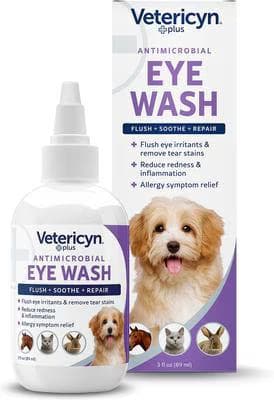
A sterile antimicrobial rinse that flushes irritants, pollen, and discharge out of the eye and helps lift tear stains. A sensible at-home first step for mild irritation, though it does not replace a vet exam for a painful eye.
Webvet may earn a commission when you click through to Chewy, at no extra cost to you.
Either lid can be affected. Lower-lid entropion is most common, but the upper lid or both lids can roll in, especially in loose-skinned breeds.
Put it plainly: what is entropion in dogs? It is an eyelid that rolls inward instead of sitting flat against the eye, so fur and lashes drag across the cornea with every blink.
Entropion eyelids in dogs are a structural problem, not an infection, which is why the fix is mechanical rather than medical. The complication your vet is working to prevent is a corneal ulcer from that constant friction. Entropion in dogs responds very well to treatment once it is diagnosed.
Symptoms & Signs of Entropion in Dogs
The hallmark is a dog eyelid rolled in toward the eye, but the earliest clues are usually the behaviors that come with a constantly irritated eye. Because that fur is dragging across the cornea every time the dog blinks, the eye waters, reddens, and hurts.

Watch for these signs:
- Squinting or holding one eye partly closed
- Excessive tearing and watery eyes, sometimes with brown tear staining on the fur
- Redness and visible irritation of the eye
- Pawing or rubbing at the eye, or rubbing the face on furniture and carpet
- A visible section of eyelid rolled inward
- Thick or mucus-like eye discharge if a secondary infection sets in
- Sensitivity to light, or a dull, cloudy look to the surface of the eye
Tearing and discharge overlap with many eye problems, so it helps to compare notes. Our guides to dog eye discharge, watery eyes in dogs, and dog tear stains break down what different discharge types can mean before a diagnosis is confirmed. If you want to gently rinse the eye at home while you wait for an appointment, a saline-based product such as Nutri-Vet Dog Eye Rinse & Drops is a reasonable comfort step, though it does not fix the underlying eyelid problem.

A boric acid rinse that flushes everyday dust and pollen from a dog's eyes and helps reduce the tear staining that follows chronic watering. Not a treatment for infection.
Webvet may earn a commission when you click through to Chewy, at no extra cost to you.
Owners searching entropion in dogs symptoms are usually trying to separate real irritation from a one-off scratch. The tell is persistence. The symptoms of entropion in dogs do not clear in a day or two, and they come straight back whenever eye medication is stopped.
If you are hunting for entropion in dogs pictures to compare against your own dog, look at the lid margin from the side in good daylight rather than head-on. From the front, a rolled lid can easily read as an ordinary squint.
- Dry eye (keratoconjunctivitis sicca), which causes squinting and thick discharge but leaves the lid margin sitting normally
- A grass seed or other foreign body, which usually comes on suddenly and affects one eye
- Allergic conjunctivitis, which tends to hit both eyes and itch more than it hurts
- Distichiasis, where extra lashes grow from the lid margin and rub the eye even though the lid itself is not rolled in
- A corneal ulcer from trauma, which can trigger the same hard squinting seen with spastic entropion
Any of these can sit alongside entropion rather than instead of it, so a look-alike does not rule entropion out. Our guide to dog eye discharge helps you read what the discharge itself is signalling before a diagnosis is confirmed.
Causes & Breeds Prone to Entropion
Most canine entropion is genetic, tied to the shape of a dog's face and the amount of loose skin around the eyes. That is why some entropion dog breeds are far more likely to be affected than others.

The main causes are:
- Inherited facial conformation (deep-set eyes, heavy brows, or loose facial skin)
- Brachycephalic (flat-faced) skull shape that changes how the lids sit
- Scarring from prior eye injury, surgery, or chronic infection
- Nerve damage or loss of muscle tone around the eye
- Spastic squinting driven by ongoing pain from another eye condition
Breeds commonly predisposed to entropion include:
- Chow Chow and Shar-Pei (heavy facial folds, so Shar-Pei entropion surgery is often needed young)
- English Bulldog, French Bulldog, and Pug
- Great Dane, Saint Bernard, Bullmastiff, and Rottweiler
- Labrador Retriever and Golden Retriever
- Bloodhound, Cocker Spaniel, Poodle, and Pekingese
Being a listed breed does not guarantee entropion, and mixed-breed dogs can develop it too. Breed simply tells your vet to watch the eyes closely, especially during puppyhood.
Is Entropion Hereditary, and Can You Prevent It?
Yes. Primary entropion is hereditary in the predisposed breeds, inherited as a conformational trait rather than a single gene, which is why it runs in particular lines and littermates. That also sets the limits on prevention: nothing you feed or apply will prevent the face shape a puppy is born with.
- Ask a breeder for the eye history of both parents and for recent veterinary ophthalmologist exam results
- Have a high-risk puppy's eyelids checked at every routine visit, so a roll is caught before the cornea is damaged
- Treat painful eye problems promptly to prevent spastic entropion from developing on top of them
Entropion vs. Ectropion: What's the Difference?
People often confuse the two, so a quick entropion vs. ectropion comparison helps. Entropion rolls the eyelid inward so hair scrapes the cornea. Ectropion does the opposite: the lid droops or sags outward, exposing the pink inner conjunctiva and leaving the eye prone to drying and debris. Some dogs even have both on different lids, sometimes called a combination or diamond eye.
| Feature | Entropion | Ectropion |
|---|---|---|
| Eyelid direction | Rolls inward toward the eye | Droops or sags outward |
| What it exposes | Lashes and fur rub the cornea | Inner conjunctiva left exposed |
| Main risk | Corneal ulcers, scarring, pain | Dryness, irritation, infection |
| Typical breeds | Chow Chow, Shar-Pei, Bulldog, Labrador | Bloodhound, Saint Bernard, Cocker Spaniel |
| Usual fix | Hotz-Celsus surgery | Surgical tightening of the lid |
Both are structural eyelid problems, and both can be corrected surgically. The key difference is direction, and that direction determines which part of the eye is at risk.
Is Entropion Painful & What Happens If It's Left Untreated
Yes, entropion is painful for dogs. Hair rubbing the cornea with every blink is genuinely uncomfortable, the same way a single eyelash turned the wrong way feels in a human eye, except it is constant. That is why affected dogs squint, tear, and rub. Mild cases may look subtle, but the eye is still being irritated.
Can a dog live with entropion? Technically a dog survives with it, but it should not have to. Untreated entropion is a progressive problem, not a stable one. The chronic rubbing tends to cause escalating damage over time:
- Painful corneal abrasions that keep recurring
- Corneal ulcers, which can become deep or infected
- Scarring and brown pigment on the cornea that clouds vision
- In severe, neglected cases, corneal rupture and loss of the eye
Entropion is the leading eyelid cause of chronic corneal injury, so this is where the real medical stakes live. If your dog is showing ulcer signs, our deep-dive on corneal ulcers in dogs covers diagnosis and treatment in detail, along with corneal ulcer symptoms and what to do about a corneal ulcer that is not healing. A veterinary lubricant such as Pet Drops Ultra Lubricant Eye Drops can offer short-term comfort while you arrange care, but it is a stopgap, not a treatment.
 Sponsored
Vet care that's always there
Unlimited video calls and messaging with licensed vets for less than a typical vet visit. One membership covers up to five pets.
Use code Pets60
Plans start at $12/month · covers up to 5 pets
- Licensed vets in most states
- Rx for 150+ conditions
- 4.7 on Trustpilot
How Vets Diagnose Entropion in Dogs
Diagnosing entropion is largely a visual exam, but a good vet checks for the damage it may already be causing before recommending surgery. Expect a full ophthalmic workup rather than a quick glance.

A typical diagnosis includes:
- A hands-on look at the eyelid position and how much of the lid is rolling in
- A fluorescein stain, where a green dye highlights any corneal ulcers or scratches
- A Schirmer tear test to rule out dry eye, which can mimic or worsen irritation
- A topical anesthetic check to tell spastic entropion from primary entropion
That last step matters. If numbing the eye relieves the pain and the lid relaxes back to normal, the entropion was likely spastic, driven by another painful problem the vet then treats directly. If the lid stays rolled in, it is anatomical and will need surgical correction. When the exam turns up a secondary ulcer, your vet may start eye ulcer treatment at the same visit.
Treatment Options: Surgery, Eyelid Tacking & Non-Surgical Management
Can you fix entropion in dogs without surgery? Sometimes, but only in specific situations. True anatomical entropion almost always needs a surgical fix, because you cannot permanently change eyelid shape with drops. Non-surgical management fits two cases: mild or spastic entropion where treating the underlying cause resolves the squinting, and interim comfort care while a dog waits for surgery.
Non-surgical and temporary options include:
- Lubricating ointments and gels to protect the cornea from friction
- Treating the root irritation (an ulcer or foreign body) that caused spastic entropion
- Eyelid tacking, temporary sutures that roll the lid outward without removing tissue
A soothing product like Vetericyn Plus Pet Eye Gel is often used to calm mild irritation and for pre-op comfort, though it is supportive care rather than a cure.
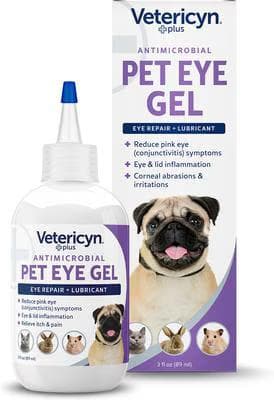
A lubricating antimicrobial gel that clings to the eye surface longer than a rinse, easing conjunctivitis symptoms, lid inflammation, and irritation from minor corneal abrasions. For dogs, cats, and small pets.
Webvet may earn a commission when you click through to Chewy, at no extra cost to you.
The definitive procedure is the Hotz-Celsus technique, where the surgeon removes a precise crescent of skin and muscle below the lid so it sits correctly. It is done under general anesthesia, usually as a day procedure, and complex or loose-skinned cases may need a specialist ophthalmologist.
Home Remedies for Entropion in Dogs: What Helps & What Doesn't
Search interest in home remedies for entropion in dogs is high, so here is the honest framework. A home remedy for entropion in dogs can keep a dog more comfortable while surgery is arranged. Nothing you do at home un-rolls the eyelid itself.
Owners often ask which eye drops for entropion in dogs actually help. Lubricating eye drops and gels cushion the cornea and cut friction, which is genuine comfort care, but they cannot change the shape of the lid.
- Vet-approved lubricating eye drops or ointment to cushion the cornea between the fur and the eye surface
- Sterile saline rinses to flush dust and discharge away from the eye area
- Keeping face fur trimmed by a groomer so less hair reaches the eye
- Swapping a neck collar for a harness so leash pressure does not add to the strain
- Treating the underlying painful condition in spastic cases, the one scenario where non-surgical management can genuinely fix entropion without surgery
- Warm compresses, which soothe skin but cannot reposition an eyelid
- Human eye drops, honey, coconut oil, or herbal washes, which risk irritation and infection
- Leftover steroid eye drops from another pet, which can make an unnoticed corneal ulcer dramatically worse
- Supplements marketed for eye health, which do nothing for lid conformation
Can entropion in dogs correct itself? In two situations, sometimes. Some puppies in loose-skinned breeds outgrow a mild roll as the skull finishes growing, which is why vets tack the lid rather than cut it. Spastic entropion often settles once the painful trigger is treated.
That second exception is worth spelling out. If a corneal ulcer in dogs is driving the squint, treating the ulcer is what relaxes the lid, not any product you buy for the eyelid.
Choosing a treatment comes down to your dog’s age and how much damage the lid is doing. Puppies often start with tacking, adults with a permanent surgical repair, and mild cases may be managed with lubrication while the vet monitors the cornea.
Entropion Surgery Cost for Dogs: What to Expect
So how much does dog eye surgery cost, and is entropion surgery expensive for dogs? The honest answer is that the entropion dog surgery cost varies widely with severity, how many lids are involved, and who does the operation. It is a meaningful expense, but it is rarely in the tens of thousands, and it is a one-time fix for most dogs.
| Scenario | Typical Cost Range (Per Eye) | Notes |
|---|---|---|
| Mild, one lid at a general vet | $300 to $800 | Straightforward Hotz-Celsus, includes anesthesia |
| Moderate, both eyes at a general vet | $800 to $1,800 total | Two-lid correction in one session |
| Board-certified ophthalmologist | $1,500 to $3,000+ | Complex, recurrent, or brachycephalic cases |
| Puppy eyelid tacking | $200 to $500 | Temporary, occasionally repeated |
Those figures typically fold in pre-op bloodwork, anesthesia, the surgery itself, an e-collar, and go-home medications. A general-practice vet handles most routine cases well, while giant breeds, Shar-Pei, and revision surgeries often go to a specialist, which raises the cost. For comparison shoppers, our breakdown of dog eye ulcer surgery cost shows how a related eye procedure is priced.
What happens if you can't afford the surgery
If your dog needs surgery but you cannot afford it, you have real options, and delaying blindly is the worst of them. Consider these routes:
- Ask your clinic about payment plans or third-party pet financing such as CareCredit or Scratchpay
- Contact nonprofit and charitable funds (for example breed-specific rescues or veterinary schools that offer discounted care)
- Get a written estimate from both a general vet and a specialist, since prices differ
- Ask whether staged treatment (managing the eye now, operating soon) is medically safe in your dog's case
While you sort out timing, keeping the cornea lubricated matters. Vets often recommend a product like Optixcare Eye Lube Plus to protect the eye of a dog awaiting surgery or managing mild chronic entropion.
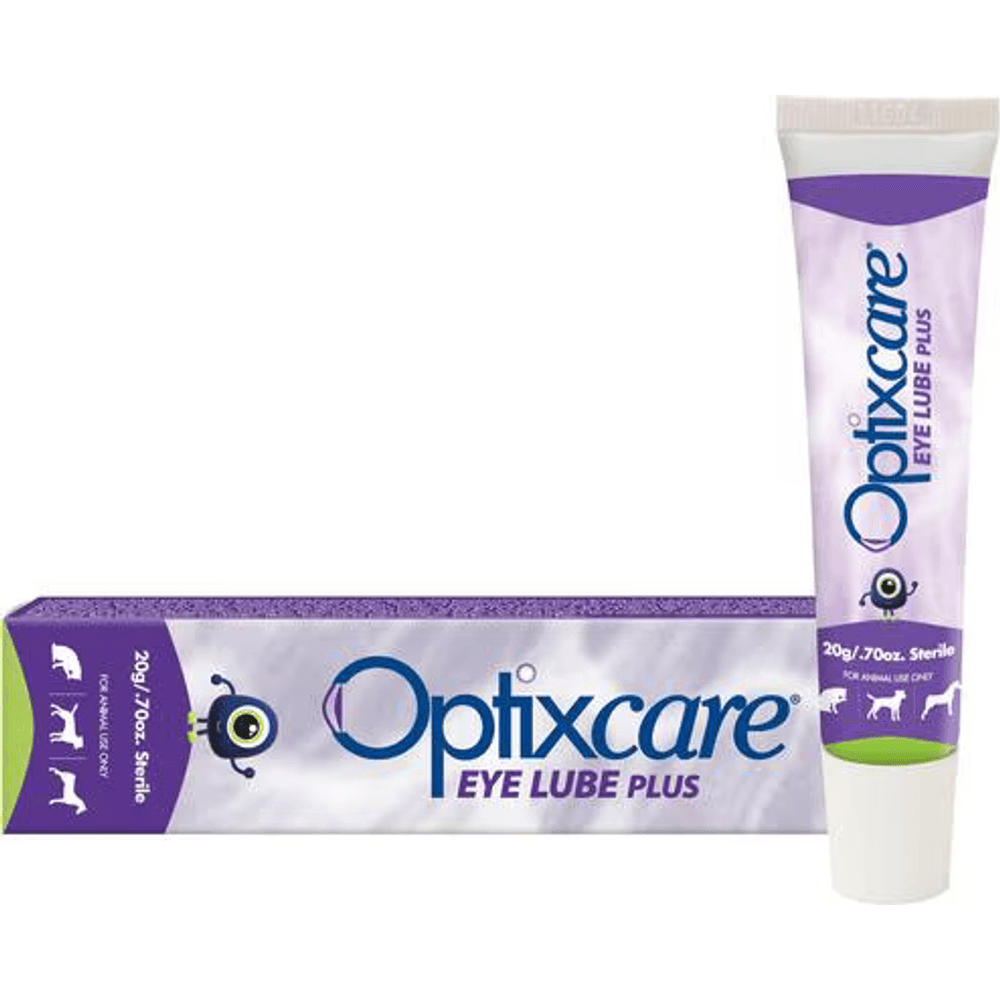
A sterile lubricating gel that soothes and moisturizes dry, irritated eyes and helps support the tear film in dogs and cats prone to dryness. A gentle, vet-shelf staple for everyday eye comfort.
Webvet may earn a commission when you click through to Chewy, at no extra cost to you.
Entropion Surgery Cost at a Glance
If you remember one set of numbers, make it these: routine entropion correction runs roughly $300 to $800 per eye at a general practice, and about $1,500 to $3,000 per eye with a board-certified veterinary ophthalmologist for complex, recurrent, or brachycephalic cases.
- How many lids need correcting, since each lid is quoted separately
- Whether the case is straightforward or involves heavy facial folds, as in a Shar-Pei or Chow Chow
- Whether a general practitioner or a board-certified veterinary ophthalmologist operates
- Whether a corneal ulcer has to be treated at the same visit
- Regional pricing, which is why two clinics in the same state can quote very differently
Ask for the estimate in writing, and confirm whether the figure is per eye or covers both eyes. That one question prevents most of the sticker shock owners describe on surgery day.
Recovery Timeline After Entropion Surgery
Is entropion surgery painful for dogs? There is some post-op soreness, but it is well controlled with prescribed pain medication, and most dogs are noticeably more comfortable within days because the constant corneal rubbing has stopped. The entropion surgery recovery time for a dog is usually short and smooth.

A typical recovery looks like this:
- Days 1 to 3: mild swelling and bruising around the lid, pain relief given, strict rest
- Days 3 to 10: swelling eases, e-collar stays on at all times to stop rubbing
- Around day 10 to 14: non-dissolving sutures are removed at a recheck
- Weeks 2 to 4: normal activity resumes once your vet confirms healing
- 1Keep the e-collar on continuously for 10 to 14 days, even overnight.
- 2Give all pain medication and any prescribed eye ointment exactly as directed.
- 3No rough play, swimming, or face-rubbing until the recheck clears your dog.
- 4Call the vet if you see increased redness, swelling, or discharge.
Gentle eye-area hygiene helps healing. A product such as Vetericyn Plus Antimicrobial Eye Wash is commonly used to clean around (not in) the surgical site, and our guide on how to clean a dog's eyes covers safe technique. Your vet may also prescribe an antibiotic ointment like Terramycin Ophthalmic Ointment to prevent infection, which is a prescription product to be used only under veterinary direction.
Entropion Surgery Before and After: What to Expect
Searches for dog entropion surgery before and after are really asking one thing: will the eye look normal again. In most dogs it does, but the first week looks worse than the finished result, and that catches owners off guard.

- Days 1 to 3: a puffy lid, mild bruising, and a visible suture line, so the eye can look worse than it did before surgery
- Days 7 to 10: swelling largely gone and the lid margin already resting away from the cornea
- Weeks 2 to 4: sutures out, tearing and squinting resolved, and the healed line settling into the lid fold
That progression is the normal arc of dog entropion surgery recovery. Comparing entropion in dogs before and after photos taken at the same angle in the same light is the fairest way to judge how your own dog is healing.
- Over-correction, where too much skin was removed and the lid now droops outward as ectropion
- Under-correction, where part of the lid still rolls in and the squinting never fully stops
- Recurrence months later, most common in Shar-Peis and Chow Chows as facial skin keeps changing
- A suture line that opens, weeps, or turns hot and swollen, which needs a same-day recheck
A revision is usually smaller than the original operation, adjusting the existing correction rather than starting over. Raise any of the signs above at the recheck instead of waiting to see whether it settles on its own.
Prognosis & Long-Term Outlook
The long-term outlook for entropion is excellent. Once the lid is surgically corrected, the vast majority of dogs live comfortable, normal lives with no recurrence. Owners often notice a striking entropion surgery before-and-after difference: an eye that was squinting and weeping becomes bright, open, and clearly more comfortable.
A few dogs need more than one procedure:
- Loose-skinned breeds like the Shar-Pei and Chow Chow have a higher recurrence rate and may need a touch-up.
- Very young dogs operated on early can shift as they grow, occasionally needing revision.
- Over-correction can create mild ectropion, which a specialist can refine.
Choosing an experienced surgeon for high-risk breeds lowers the odds of a second surgery. When a repeat procedure is needed, it is usually minor compared with the original.
Preventing Entropion & Should You Breed a Dog With It
You cannot prevent inherited conformation, but you can prevent passing it on and can head off spastic entropion. Early screening in predisposed breeds means the problem is caught and corrected before the cornea is damaged. For spastic cases, promptly treating any painful eye condition stops the squinting cycle before the lid habit sets in.
If you are choosing a puppy from a high-risk breed, ask the breeder about the eye history of the parents and littermates.
When to See a Vet Immediately
Entropion itself warrants a prompt (not always emergency) vet visit, but certain signs mean do not wait. Use this quick triage:
- A cloudy, bluish, or hazy area on the surface of the eye
- Your dog clamping one eye shut and refusing to open it
- Sudden, severe pain, heavy pawing, or a dramatic increase in discharge
- Any visible change in vision, bumping into things, or a dull eye surface
- A wound, bleeding, or a bulging appearance to the eye
Any of these can mean a corneal ulcer or worse has developed on top of the entropion, and corneas can deteriorate within a day or two. When in doubt, call your veterinarian or an emergency clinic the same day. It is always better to have an eye checked and cleared than to lose vision to a delay.
Entropion in Dogs FAQs
Frequently Asked Questions
How much does entropion surgery cost for dogs?
A: Entropion surgery typically costs about $300 to $800 per eye at a general-practice vet for a straightforward case, and $1,500 to $3,000 or more at a board-certified ophthalmologist for complex, recurrent, or brachycephalic dogs. The price usually includes anesthesia, the procedure, an e-collar, and go-home medications. Correcting both eyes costs more than one, and specialist care raises the total.
Is entropion surgery expensive for dogs?
A: It is a meaningful expense but usually a one-time fix that resolves the problem for life, so many owners find it worthwhile against a lifetime of eye pain and repeated corneal treatments. Compared with managing chronic corneal ulcers indefinitely, the surgery is often the more affordable path over time. Ask for written estimates from both a general vet and a specialist.
What happens if my dog needs surgery but I can't afford it?
A: Ask your clinic about payment plans and pet financing such as CareCredit or Scratchpay, look into nonprofit funds, breed rescues, and veterinary teaching hospitals that offer reduced-cost care, and get estimates from more than one clinic. In the meantime, ask your vet whether it is safe to lubricate and manage the eye until you can schedule surgery. Do not simply leave it untreated.
Can a dog live with entropion?
A: A dog can survive with entropion, but it should not be left untreated, because it is a progressive, painful condition. Constant rubbing tends to cause corneal ulcers, scarring, and, in severe cases, vision loss. It is a treat-it condition rather than a live-with-it one, and surgery has a very high success rate.
Is entropion painful for dogs?
A: Yes. Hair and lashes rubbing the cornea with every blink are genuinely painful, which is why affected dogs squint, tear up, and paw at the eye. Even mild cases cause ongoing discomfort, and severe cases can be intensely painful once ulcers form. Relief is one of the biggest benefits of correcting the eyelid.
Is entropion surgery painful for dogs?
A: There is some post-operative soreness, but it is well controlled with prescribed pain medication, and most dogs are more comfortable within a few days than they were before surgery, because the corneal rubbing has stopped. Expect an e-collar and rest for 10 to 14 days, then a return to normal life once the vet clears healing.
Can you fix entropion in dogs without surgery?
A: Only in limited situations. Spastic entropion caused by another painful problem can resolve when that underlying issue is treated, and mild cases can be managed temporarily with lubrication. Puppies often get temporary eyelid tacking rather than immediate surgery. True anatomical entropion, however, needs surgical correction, since drops cannot permanently change eyelid shape.
At what age do puppies get entropion?
A: Primary entropion often appears young, frequently before a puppy turns one, and sometimes as early as a few weeks to a few months in predisposed breeds. Because a puppy's face is still growing, vets commonly use temporary eyelid tacking first and reserve permanent surgery for when the dog is fully grown.
What is the difference between entropion and ectropion?
A: Entropion rolls the eyelid inward so fur and lashes rub the cornea, risking ulcers. Ectropion droops the eyelid outward, exposing the inner conjunctiva and leaving the eye prone to drying and debris. Some dogs have both. Both are structural eyelid problems that can be corrected surgically, but they roll in opposite directions.
Can entropion in dogs correct itself?
Rarely, and only in two situations. A mild roll in a growing puppy from a loose-skinned breed can improve as the skull matures, which is why vets often place temporary tacking sutures instead of operating early. Spastic entropion can resolve once the painful trigger, such as an ulcer or a foreign body, is treated. True anatomical entropion does not correct itself and needs surgery.
Do home remedies for entropion in dogs work?
They help with comfort, not with the cause. Vet-approved lubricating eye drops, saline rinses, and trimming the fur around the eye reduce friction while surgery is scheduled. No drop, compress, supplement, or oil can un-roll an inturned eyelid, and human or leftover medicated drops can make an unnoticed corneal ulcer worse. Treat home care as a bridge to the vet visit, never a replacement for it.
What does dog entropion surgery recovery look like week by week?
Expect swelling, mild bruising, and a visible suture line for the first few days, with an e-collar on around the clock. By day seven to ten the lid is already sitting correctly and the swelling has eased. Sutures usually come out at day ten to fourteen, and by week two to four the eye is open, comfortable, and no longer tearing. Call your vet if redness, swelling, or discharge increases at any point.
Sources

Editor
The Webvet Editorial Team is the in-house group of pet-care editors and writers behind Webvet, operated by Smart Pet Collective. The team researches, writes, and maintains Webvet's pet health, behavior, and medication content. Every article follows a defined editorial process: research from reputable veterinary and scientific sources, careful drafting, mandatory review of medical content by a credentialed veterinarian, and dated publication. Health and medication articles are medically reviewed by a licensed veterinary professional before they go live and are kept current over time.
Veterinarian · BVMS MRCVS
Dr. Pippa Elliott, BVMS, MRCVS, is a veterinarian with nearly 30 years of experience in companion animal practice. Dr. Elliott earned her Bachelor of Veterinary Medicine and Surgery from the University of Glasgow. She was also designated a Member of the Royal College of Veterinary Surgeons. Married with 2 grown-up kids, Dr. Elliott has a naughty Puggle named Poggle, 3 cats and a bearded dragon.


