Pododermatitis in Dogs: Symptoms, Causes, and Treatment
Pododermatitis in dogs is inflammation of the skin of the paws, and it shows up as red, swollen, itchy feet the dog licks constantly. Here are the causes from allergies to infection, how vets find the cause, treatment, and how long healing takes.

BVMS MRCVS
Medically reviewed by Dr. Pippa Elliott, BVMS MRCVS · Last reviewed

This article contains affiliate links. Webvet may earn a commission when you buy through them, at no extra cost to you.
Pododermatitis in dogs is inflammation of the skin of the paws, and it is a sign with many possible causes rather than a single disease. Red, swollen, itchy feet that a dog licks constantly are the classic picture, and painful swelling or limping means the paw needs a vet's attention.
Because pododermatitis in dogs can come from allergies, infection, parasites, foreign bodies, paw shape, hormone disease, autoimmune disease, or tumors, treatment depends on finding the cause. This guide covers what the condition looks like, what vets test for, how it is treated, safe home paw care, and how long healing takes.
- 1Pododermatitis is inflammation of the skin of the paws, and it has many underlying causes.
- 2Watch for the signs: red, swollen, itchy paws, licking, limping, hair loss, or reddish brown fur staining.
- 3Vets look for the cause with cytology and skin scraping first, then culture, biopsy, or allergy testing as needed.
- 4Deep bacterial infections need long antibiotic courses: 3 to 6 weeks for interdigital furunculosis and 8 to 12 weeks for deep infection.
- 5Limping, painful bumps between the toes, or a nodule or ulcer on one paw need a prompt vet visit.

 Sponsored
Want a vet's take on your dog's skin or coat?
Talk to a licensed vet at Dutch over video, often the same day. They can recommend treatment and prescribe it when it's appropriate.
Use code Pets60
Plans start at $12/month · covers up to 5 pets
- Licensed vets in most states
- Rx for 150+ conditions
- 4.7 on Trustpilot
What Is Pododermatitis in Dogs?
Pododermatitis in dogs is inflammation of the feet or paws. VCA Animal Hospitals uses that definition, and a PubMed Central review of canine pododermatitis defines it as inflammation of the skin of the paw. In plain terms, a pododermatitis dog has sore, inflamed paws, and the word describes the problem, not its cause.
Today's Veterinary Practice notes that pododermatitis is common and has multiple underlying causes. That is why two dogs with similar red paws can need very different treatment:
- One dog may have yeast overgrowth linked to allergies.
- Another may have a deep bacterial infection.
- A third may have a grass awn lodged between the toes.
A related term you may hear is interdigital furunculosis. The Merck Veterinary Manual describes interdigital furuncles as deep pyoderma lesions that form between the toes. These painful, infected bumps, often called interdigital cysts, are one of the more stubborn forms of pododermatitis in dogs paws.
Many owners first notice the problem as nonstop foot licking. If you are still sorting out why your dog chews its feet, our guide to dog licking paws and what it could mean covers the wider list of reasons before you narrow in on paw inflammation.
Day-to-day paw care for an inflamed foot starts with keeping it clean. VCA lists foot soaks and wipes among the topical therapies vets use, and Today's Veterinary Practice names chlorhexidine as an initial topical, so ask your vet which antiseptic suits your dog.
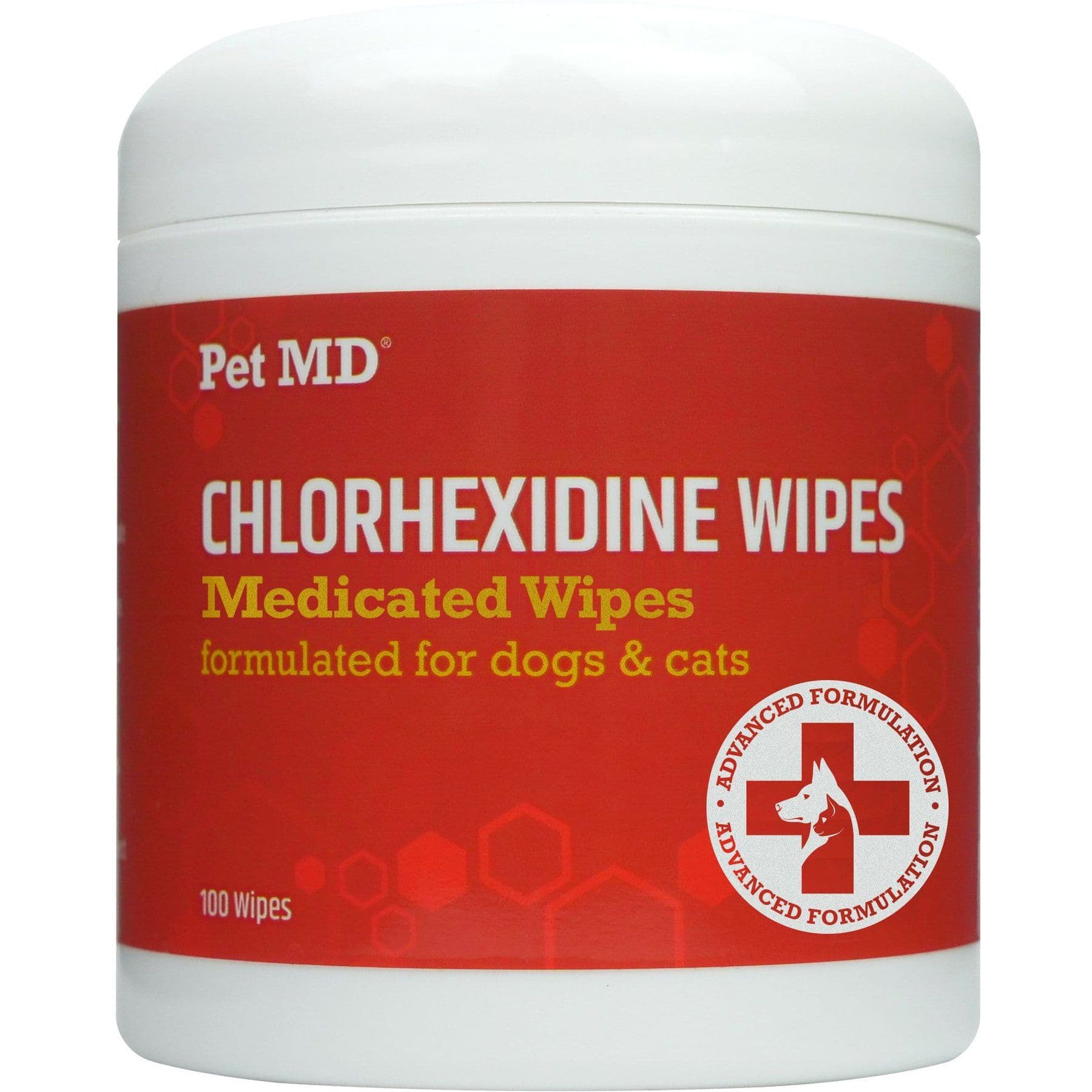
Pet MD Chlorhexidine Wipes are antiseptic wipes for dogs and cats, 100 count.
Webvet may earn a commission when you click through to Chewy, at no extra cost to you.
Symptoms of Pododermatitis in Dogs
The main pododermatitis in dogs symptoms are red, swollen paws, itching, licking, hair loss, and in deeper cases pain and limping. According to VCA, paws with an infectious cause are often red and swollen, there is often hair loss, and the dog may lick the feet constantly.
The pattern of signs often hints at the cause. VCA describes these typical presentations:
- Infection: red, swollen paws, hair loss, and constant licking.
- Allergy: constant itch, with the tops of the paws most commonly involved, and usually reddish brown fur staining from saliva or yeast.
- Autoimmune disease: crusts (scabs) and ulcers, with occasional blisters.
- Tumor: usually only one foot is involved, with a nodule or one or more ulcers.

What does pododermatitis look like in dogs?
Pododermatitis looks like red, puffy skin between the toes or on the tops of the paws, often with thinning hair and reddish brown staining where the dog licks. Deeper infections show raised, painful bumps between the toes. Autoimmune forms show crusts and ulcers, and Royal Canin Academy notes layers of dry pustules on the footpads with pemphigus foliaceus.
If you are looking at pictures of pododermatitis in dogs paws, early stage changes tend to be mild redness between the toes and brownish staining of the fur. Later photos of pododermatitis in dogs show swelling, sores, or nodules. For comparison images of yeast on the skin, see our dog yeast infection skin pictures guide.
Pain is a key sign. Merck notes that interdigital furuncles are usually painful and the dog may be obviously lame on the affected foot. A swollen paw can also have causes beyond pododermatitis, and our swollen dog paw guide walks through those.
- Thickened, crusty pads: these may point to a separate pad condition, covered in hyperkeratosis in dog paws.
- Flaking pads: pads that shed layers are covered in dog paw pad peeling.
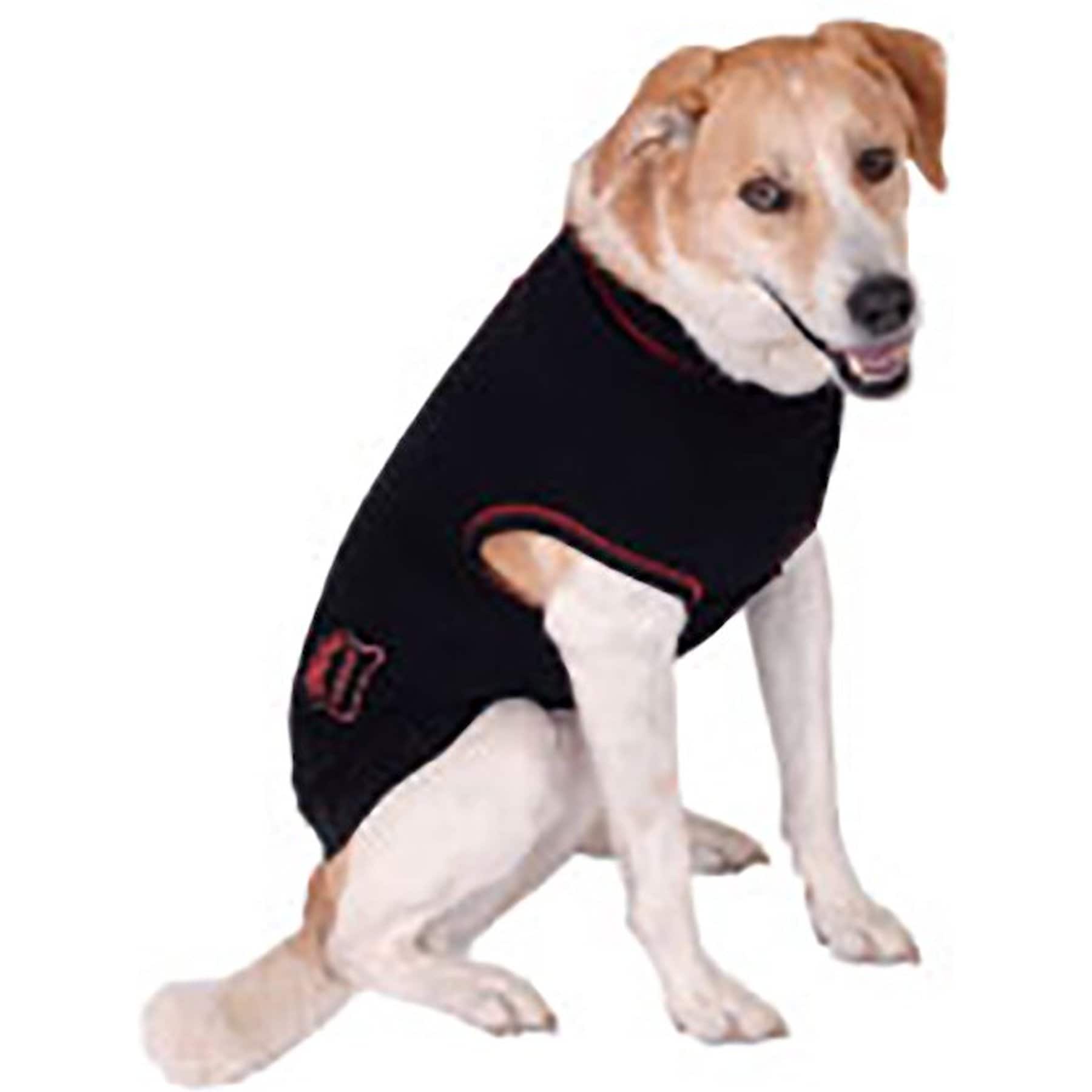
Medipaw Recovery Protective Suit is a protective garment for a dog's leg or paw, size medium.
Webvet may earn a commission when you click through to Chewy, at no extra cost to you.
At home, constant licking is a sign VCA links to paw inflammation, and saliva stains the fur reddish brown. A protective garment that covers the leg is one way to keep a tongue off a sore paw; ask your vet whether a cone or a suit fits your dog better.
What Causes Pododermatitis in Dogs?
Pododermatitis in dogs is caused by allergies, infection, parasites, foreign bodies, irritants, paw conformation, hormone disease, autoimmune disease, and tumors. VCA groups the pododermatitis causes in dogs into infectious, allergic, immune-mediated, hormonal or metabolic, tumor, and irritant categories, and the PMC review adds parasitic and foreign body causes.
What causes pododermatitis?
The causes of pododermatitis in dogs fall into a few groups:
- Allergic pododermatitis in dogs: atopy, seasonal allergies, food hypersensitivity, and allergic contact dermatitis (VCA).
- Infectious pododermatitis dog cases: bacteria, yeast, fungi, and parasites (VCA).
- Parasites: demodicosis from Demodex mites, hookworm dermatitis, and tick infestation, among others (PMC review).
- Foreign bodies: plant material, wood splinters, thorns, and foxtails (PMC review).
- Immune-mediated disease: pemphigus foliaceus and systemic lupus erythematosus (VCA).
- Hormonal disease: hypothyroidism and hyperadrenocorticism (VCA).
- Tumors: squamous cell carcinoma, melanoma, and mast cell tumor (VCA).
- Irritants and trauma: excessive exercise or running on hard surfaces (VCA).
Two cause groups show up again and again:
- Secondary bacterial infection: Royal Canin Academy notes that secondary infection is frequent and will often cause itch, so a dog with allergic paws may also need treatment for infection. Merck states that the most common cause of interdigital furunculosis, the deep form of interdigital pododermatitis in dogs, is a deep bacterial infection.
- Malassezia yeast: Malassezia pododermatitis in dogs, the yeast infection pododermatitis dog paw pattern, shows as reddish brown fur staining from yeast overgrowth, according to VCA, and it often travels with allergies. Our overview of dog skin allergies explains the allergic triggers behind it.
Plasma cell and idiopathic pododermatitis
Some names you may see are plasma cell pododermatitis, plasmacytic pododermatitis, or lymphocytic plasmacytic (lymphoplasmacytic) pododermatitis in a dog. These are less common forms your vet may name after a biopsy. When no trigger is found, canine pododermatitis is sometimes labeled idiopathic disease, which is why the search for a cause matters so much.
The table below matches common paw signs to the likely cause group and the test that confirms it, based on VCA, Merck, Royal Canin Academy, and the PMC review. It is a starting point for your vet visit, not a diagnosis.
| What you see | Likely cause group | How it is confirmed |
|---|---|---|
| All four paws itchy, tops of paws red, reddish brown staining | Allergy, often with Malassezia yeast | Cytology for yeast, then an allergy work-up |
| Reddish brown staining and redness between the toes | Malassezia yeast overgrowth | Cytology |
| Painful bumps between the toes, limping | Deep bacterial infection (interdigital furunculosis) | Cytology plus bacterial culture |
| Chronic infection between the toes that keeps returning | Demodex mites or another underlying disease | Skin scrapings, hair plucks, blood and urine tests |
| One paw with a single painful lesion | Foreign body such as a grass awn | Exam, radiographs, surgical exploration |
| Crusts, ulcers, or dry pustules on the footpads | Autoimmune disease such as pemphigus foliaceus | Biopsy |
| One foot with a nodule or ulcer | Tumor | Biopsy |
 Sponsored
Vet care that's always there
Unlimited video calls and messaging with licensed vets for less than a typical vet visit. One membership covers up to five pets.
Use code Pets60
Plans start at $12/month · covers up to 5 pets
- Licensed vets in most states
- Rx for 150+ conditions
- 4.7 on Trustpilot
Which Dogs Get Pododermatitis?
Dogs with short, bristly hair between the toes, wide paws, flat feet, or extra body weight are more prone to pododermatitis, along with any dog that has allergies. Merck and the PMC review describe paw shape and coat as the main built-in risks, and living surfaces and allergy add to them.
Risk factors named in the veterinary references:
- Bristly hair between the toes: Merck explains that short bristly hairs on the webbing between the toes predispose dogs to interdigital furunculosis.
- Wide paws: Merck notes that breeds with wider paws and a greater distance between digital pads are predisposed.
- Flat feet and scoop-shaped webs: the PMC review names breeds such as the Pekingese and some terriers.
- Extra weight: Merck adds that more pressure may be put on the spaces between the toes in overweight dogs.
- Hard or wire surfaces: Merck reports that lesions in confined dogs are likely to recur unless the dog is removed from wire or concrete surfaces.
- Hard exercise: VCA lists trauma, excessive exercise, and running on hard surfaces as irritant causes.
- Allergies: allergic dogs of any build are at risk, since allergy is a major trigger.
For dogs that spend time on hard ground, Merck lists booties and managing kennel and exercise-area surfaces as ways to protect the paws at home.
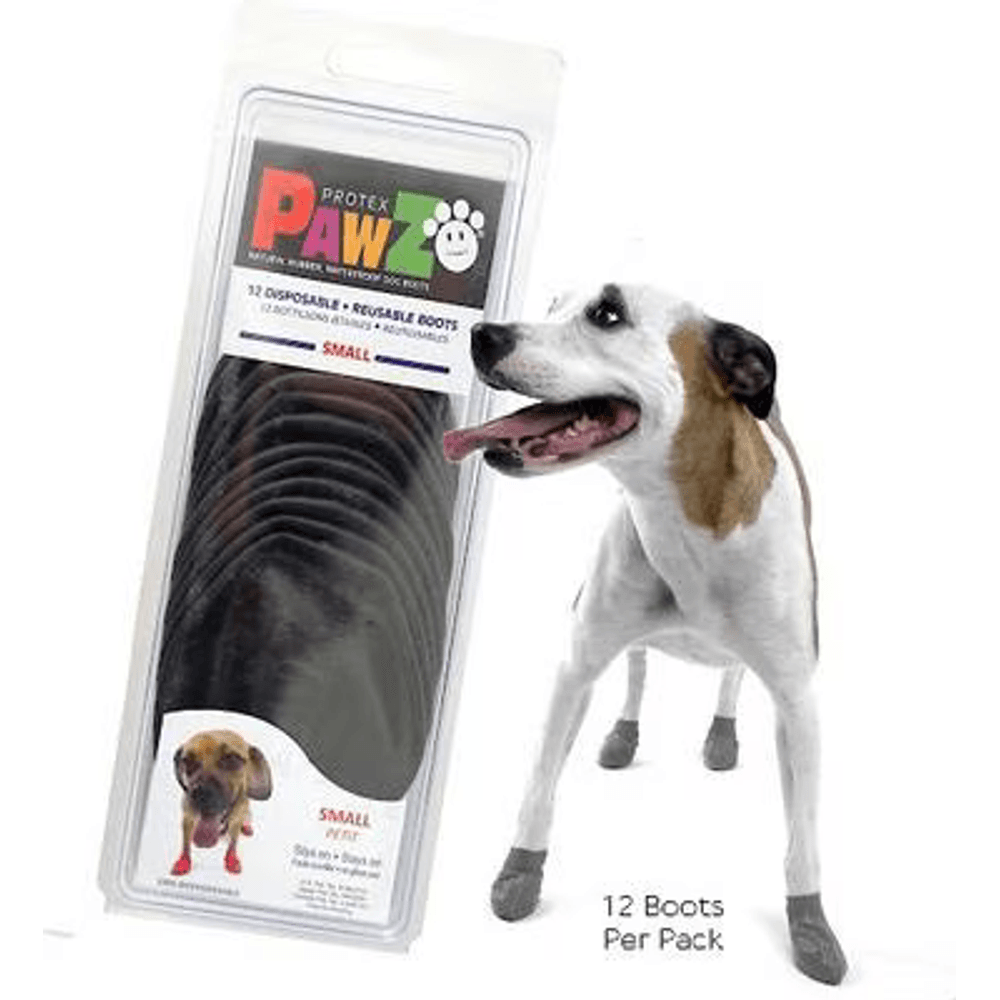
Pawz Waterproof Dog Boots are waterproof dog boots sold 12 to a pack.
Webvet may earn a commission when you click through to Chewy, at no extra cost to you.
How Is Pododermatitis Diagnosed?
Pododermatitis is diagnosed by examining the paws and running cytology and skin scrapings first, then cultures, biopsies, blood tests, or allergy testing to find the underlying cause. Today's Veterinary Practice states that cytology and skin scraping should be performed for all dogs with pododermatitis.
The pododermatitis in dogs VCA overview and the other veterinary references describe these tests:
- Cytology: a skin sample checked under a microscope for inflammatory cells, bacteria, yeast, and parasites (VCA).
- Skin scrapings and hair plucks: used to look for parasites including Demodex mites (VCA).
- Bacterial and fungal cultures: identify the organism and which drugs will work (VCA, Royal Canin Academy).
- Biopsy: a tissue sample for autoimmune disease, tumors, or unusual inflammation (VCA).
- Blood and urine tests: screen for underlying disease such as hypothyroidism (VCA).
- Radiographs: may be needed to find opaque foreign bodies or show bone changes (PMC review).

Royal Canin Academy states that an initial approach should include, at a minimum, cytology, deep skin scraping, and a fungal culture. The PMC review stresses that every case of chronic interdigital pyoderma must be evaluated carefully for Demodex mites, so expect scrapings even if your dog has been treated before.
The list of canine pododermatitis differentials is long. Veterinary references name allergy as a major cause but do not set out one fixed allergy protocol. Your vet will choose the right approach, and our guide to dog allergy testing explains the options.
Treatment for Pododermatitis in Dogs
Treatment for pododermatitis in dogs targets the underlying cause, combined with topical care and, for infection, oral antibiotics or antifungals. Today's Veterinary Practice states that treatment of pododermatitis greatly depends on the underlying trigger, so treating pododermatitis in dogs starts with the diagnosis.
How do you treat pododermatitis in dogs?
You treat pododermatitis in dogs by treating the cause and the infection at the same time. VCA lists topical therapy such as shampoo washes, foot soaks, or wipes, and states that oral antibiotics and antifungals may be required for more severe cases. Allergic dogs also need allergy control, and parasites, foreign bodies, or hormone disease need their own treatment.
To treat pododermatitis in dogs paws that are deeply infected, Merck advises:
- Daily paw washing with a 2% chlorhexidine and 2% miconazole shampoo while culture results are pending.
- Systemic antibiotics chosen by known susceptibility.
- Surgical exploration for solitary lesions, to find and remove foreign bodies such as grass awns.
What medicine can I use to treat pododermatitis in my dog?
The medicine depends on the cause, and your vet prescribes it after testing. Antibiotics for pododermatitis in dogs should be chosen by culture: Merck says a cephalosporin or other antimicrobial of known susceptibility is indicated. Royal Canin Academy notes clindamycin or fluoroquinolones are usually a good choice. Do not use leftover antibiotics.
Other medicines your vet may use include:
- Antifungals: Royal Canin Academy notes that some fungal cases need systemic antifungal therapy for many months.
- Allergy medicines: for allergic pododermatitis in dogs treatment, Royal Canin Academy names glucocorticoids or oclacitinib.
- Anti-inflammatory pain relief: Merck notes NSAIDs may be useful for associated lameness.
- Topical antiseptics: Today's Veterinary Practice names chlorhexidine as an initial topical, with systemic drugs if the infection is deep.
In chronic cases, the PMC review reports that surgical debridement of devitalized tissue or CO2 laser surgery can make medical treatment more effective. That decision usually comes up for dogs with long-standing scarring and cysts.
Alongside prescriptions, home topical care fills the gaps between vet visits. Some owners ask their vet about an enzymatic cream for a small patch of irritated paw skin, applied to clean, dry skin as directed.
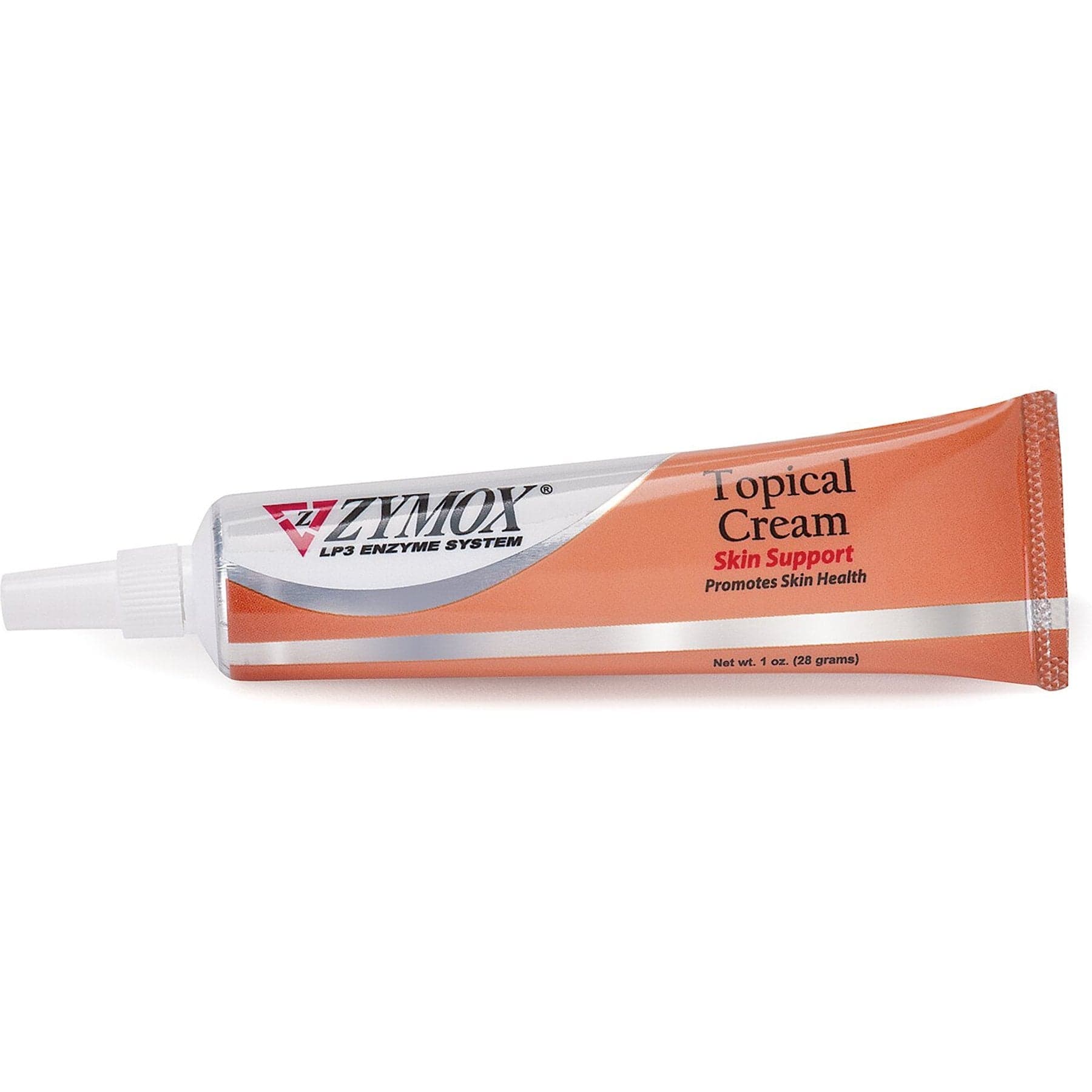
Zymox Topical Cream is an enzymatic skin cream for dogs and cats in a 1-fl oz tube.
Webvet may earn a commission when you click through to Chewy, at no extra cost to you.
Home Treatment and Paw Care
Pododermatitis in dogs home treatment means vet-directed soaks, washes, or wipes, and paw protection, used alongside the treatment your vet prescribes. Merck recommends bathing the affected feet daily with antimicrobial soaks and shampoos, and VCA lists shampoo washes, foot soaks, and wipes as topical therapy.
How to treat pododermatitis in dogs at home, once your vet has examined the paw:
- Wash or soak the feet daily with the antiseptic product your vet recommends, such as a chlorhexidine shampoo.
- Rinse if the product directions say to, then gently pat the paws.
- Use antiseptic wipes between washes if your vet suggests them.
- Give every prescribed oral medicine for the full course, even after the paws look better.
- Keep the paws off wire, concrete, and rough ground, and consider booties.
Merck names chlorhexidine, paired with miconazole, for daily paw washes, and VCA lists wipes as a topical option between full soaks.
Owners often ask about a pododermatitis dog Betadine soak. Betadine (povidone-iodine) is not the antiseptic the veterinary references name for paw washes; chlorhexidine is. Ask your vet before using Betadine or any other soak, and follow their dilution and timing instructions.
For a fungal infection pododermatitis dog paw home remedy, yeast and fungal paws need a diagnosis first. Merck pairs chlorhexidine with miconazole, an antifungal, in its daily paw wash. Some owners also ask their vet about an enzymatic topical such as Zymox Topical Dog & Cat Enzymatic Skin Cream for a small patch of irritated skin.

What kills yeast on dogs' paws naturally?
Veterinary references do not support natural remedies for pododermatitis in dogs, such as coconut oil or homemade soaks, for killing yeast on the paws. The antifungal approach they describe is a chlorhexidine and miconazole wash, with oral antifungals for severe cases. If you want to try something natural, ask your vet first, since yeast often comes with an allergy that still needs treatment.
Licking works against home care, and saliva stains the fur reddish brown. Ask your vet whether your dog needs a cone or a protective garment while the paws heal. Once the skin has healed, a protective balm can help with dry pads, and our dog paw balm guide covers when one fits.
How Long Does Pododermatitis Take to Heal?
No single healing time applies to pododermatitis in dogs, because it depends on the cause, but deep infections need weeks to months of treatment. Merck states that interdigital furunculosis needs aggressive long-term treatment of 3 to 6 weeks, while the PMC review says deep bacterial pododermatitis usually needs 8 to 12 weeks of antibiotics.
How long does it take for pododermatitis to heal in dogs?
Healing time depends on the cause and the depth of infection. Merck gives 3 to 6 weeks of treatment for interdigital furunculosis, and the PMC review gives 8 to 12 weeks of antibiotics for deep bacterial infection. Royal Canin Academy notes some fungal cases need antifungals for many months. Allergic and immune cases need ongoing control.
Chronic pododermatitis in dogs often recurs, so the healing timeline can stretch well past the first course of treatment. These are the main reasons chronic pododermatitis and interdigital furunculosis in dogs come back:
- Scarring: the PMC review notes that lesions heal with scarring, which makes the foot more susceptible to future infections.
- Cysts: Today's Veterinary Practice says interdigital cysts are a common cause of reinfection and relapse, requiring long-term treatment.
- Free keratin: Merck names a granulomatous reaction to free keratin in the tissues as a common cause of recurrence.
- Missed triggers: Demodex mites or an uncontrolled allergy keep the problem coming back, which is why vets check for both.
The good news is that VCA reports most dogs respond well to therapy. The goal differs by cause, though. For allergic and immune-mediated cases, VCA explains that the therapeutic goal is to minimize clinical signs and recurrences, so these dogs need long-term management rather than a one-time cure.
What happens if pododermatitis is left untreated?
Untreated pododermatitis tends to get worse. Merck warns that interdigital lesions, if left untreated, rapidly develop into single or multiple nodules that are painful and can cause lameness. Deep infection also leads to scarring, which the PMC review says leaves the foot more prone to future infections. Underlying causes such as tumors or hormone disease also go unaddressed.
Can You Walk a Dog With Pododermatitis?
Veterinary references give no specific walking rule for pododermatitis, but Merck advises keeping dogs off wire and concrete surfaces. Ask your vet how much walking suits your dog, especially if your dog is limping or the paw has painful bumps or sores.
Can you walk a dog with pododermatitis?
Veterinary references do not set an activity limit, so ask your vet how much walking suits your dog. Merck reports that lesions in confined dogs are likely to recur unless the dog is removed from wire or concrete surfaces, and VCA lists excessive exercise and running on hard surfaces as irritant causes.

Merck lists booties as an additional measure to protect the paws. A boot can keep a cleaned or medicated paw away from dirt, wet ground, and rough surfaces during short outings.
Weight also plays into walking comfort. Merck notes that more pressure may be put on the spaces between the toes in overweight dogs.
If your dog starts limping during or after walks, stop and book a vet check.
When to See a Vet
See a vet for any red, swollen, itchy paws, and get a prompt visit for limping, painful bumps between the toes, or nodules. Painful paws with lameness point to deep infection that needs prescription treatment, according to Merck.
Signs that need a vet:
- Limping or holding up a foot.
- A nodule or ulcer on one foot only.
- Crusts, blisters, or pustules on the footpads.
- Paws that keep flaring up after treatment.
Merck notes that lesions that recur despite treatment can signify an underlying disease, so repeated flare-ups deserve a fuller work-up rather than another round of the same medicine. If your dog is scratching more than its feet, our guide to why your dog is so itchy covers whole-body causes of itch, and our flea allergy dermatitis in dogs guide covers one common trigger.
Pododermatitis in Dogs FAQs
Frequently Asked Questions
Will coconut oil help my dog's dermatitis?
Veterinary references do not support coconut oil as a treatment for pododermatitis or paw dermatitis. Ask your vet before using it, because it does not treat infection, yeast, or the allergy that is often behind the problem.
What antibiotics treat pododermatitis in dogs?
The right antibiotic is chosen from a bacterial culture. Merck recommends a cephalosporin or other antimicrobial of known susceptibility, and Royal Canin Academy notes clindamycin or fluoroquinolones are usually good choices. Courses run 3 to 6 weeks for interdigital furunculosis (Merck) and 8 to 12 weeks for deep infection (PMC review).
Is pododermatitis in dogs contagious?
Pododermatitis is inflammation with many causes, so the label alone does not tell you whether a dog is or is not contagious. Only a parasitic cause, such as mites, or a fungal cause would be a separate question, so ask your vet once the cause is known.
Can I treat pododermatitis at home?
You can do much of the daily care at home, such as a medicated soak and wipes, but only after a vet visit. Most cases need a diagnosis and often prescription antibiotics or antifungals, which home care cannot replace.
What is interdigital pododermatitis?
Interdigital pododermatitis is inflammation between the toes. Its deep form, interdigital furunculosis, causes painful infected bumps often called interdigital cysts. Today's Veterinary Practice notes that these cysts are a common cause of reinfection and relapse.
Is pododermatitis painful for dogs?
Yes, it often is. Itchy cases make dogs lick their feet constantly, and Merck notes that deep furuncles are usually painful and may make a dog limp on the affected foot.
Can a yeast infection cause pododermatitis?
Yes. VCA lists yeast among the infectious causes, and Malassezia overgrowth often shows as reddish brown fur staining on the paws. If you notice staining or redness on the feet, mention it to your vet; cytology confirms whether yeast is present.

Editor
The Webvet Editorial Team is the in-house group of pet-care editors and writers behind Webvet, operated by Smart Pet Collective. The team researches, writes, and maintains Webvet's pet health, behavior, and medication content. Every article follows a defined editorial process: research from reputable veterinary and scientific sources, careful drafting, mandatory review of medical content by a credentialed veterinarian, and dated publication. Health and medication articles are medically reviewed by a licensed veterinary professional before they go live and are kept current over time.
Veterinarian · BVMS MRCVS
Dr. Pippa Elliott, BVMS, MRCVS, is a veterinarian with nearly 30 years of experience in companion animal practice. Dr. Elliott earned her Bachelor of Veterinary Medicine and Surgery from the University of Glasgow. She was also designated a Member of the Royal College of Veterinary Surgeons. Married with 2 grown-up kids, Dr. Elliott has a naughty Puggle named Poggle, 3 cats and a bearded dragon.


