Onion Toxicity in Dogs: Garlic, Chives, Leeks, and What to Do
Onion toxicity in dogs happens when onions, garlic, chives, or leeks damage red blood cells, causing anemia that can appear days after eating. Here is how much is toxic by weight, where onion hides in food, the signs, and what to do.

BVMS MRCVS
Medically reviewed by Dr. Pippa Elliott, BVMS MRCVS · Last reviewed

This article contains affiliate links. Webvet may earn a commission when you buy through them, at no extra cost to you.
Onion toxicity in dogs is a poisoning caused by eating onion, garlic, chives, leeks, or a related Allium plant, whether raw, cooked, dried, or powdered. Compounds in these plants damage red blood cells, and the resulting anemia often appears days after the meal.
Because the signs are delayed, the time to call your vet is as soon as you know your dog ate it, not when symptoms start. Garlic carries more risk than the same amount of onion.
- 1In the Allium family, onions, garlic, chives, and leeks damage red blood cells in dogs, whether raw, cooked, dried, or powdered.
- 2If your dog eats onion or garlic, call a vet or pet poison hotline right away, even if the dog seems fine.
- 3Garlic is 3 to 5 times more toxic than onion, and garlic powder is more concentrated than fresh cloves.
- 4Published thresholds for dogs run from about 0.5% of body weight in onion to 15 to 30 g/kg of raw onion.
- 5Heinz bodies form within 24 hours of eating, but red blood cell breakdown typically occurs 3 to 5 days after exposure.
What Is Onion Toxicity in Dogs?
Onion toxicity in dogs is damage to red blood cells from sulfur compounds in onions, garlic, chives, and leeks, which can cause Heinz body hemolytic anemia several days after a dog eats them, so call a vet right away. It is also called onion poisoning in dogs.
The Merck Veterinary Manual attributes the damage to sulfur-containing oxidants in Allium plants, and ASPCA Animal Poison Control names N-propyl disulfide as the toxic principle in onion. In Veterinary Medicine, R.B. Cope of Oregon State University describes the result as anemia, methemoglobinemia, and impaired oxygen transport; see anemia in dogs.
Garlic toxicity in dogs is the same condition from a stronger plant, so a dog can get sick from eating garlic too; can dogs eat garlic covers the feeding question. Veterinary Partner notes dogs are less susceptible than cats but still at risk if they eat enough, and Cope names avoiding exposure as the best prevention for pets.

The KidCo Safeway Steel Mounted Dog & Cat Gate is a pet gate.
Webvet may earn a commission when you click through to Chewy, at no extra cost to you.
Which Onion Family Foods Are Toxic to Dogs?
The onion family foods that are toxic to dogs are the Allium plants: onions, garlic, chives, leeks, shallots, and scallions, also called green onions, plus onion or garlic powder, whether raw, cooked, or dried. That means chives and leeks are toxic to dogs too.

Merck names garlic, onions, chives, and leeks, with garlic and onions most often involved, and the Pet Poison Helpline onion profile also lists green onions and shallots. For the yes-or-no question about sharing, see can dogs eat onions.
Garlic and onion toxicity in dogs differ mainly in strength. Garlic is 3 to 5 times more toxic than onion, per Merck, and powders are more concentrated because the water has been removed: VCA Animal Hospitals notes one teaspoon of garlic powder equals eight cloves of fresh garlic. Merck says dogs are most often poisoned by concentrated forms:
- Dehydrated onion or garlic flakes
- Onion powder or garlic powder
- Dry onion soup mixes
A 2025 laboratory study on canine blood in Animals found that every garlic preparation tested caused red blood cell breakdown, with granulated garlic the strongest. Onion family plants also grow in vegetable gardens and plant beds; see plants toxic to dogs for other yard hazards.
Cooked onion toxicity in dogs is just as real as raw. VCA says all forms are poisonous, including raw, cooked, dried, powdered, and liquid preparations, and Cope states that cooking or spoilage does not reduce toxicity. Kitchen scraps count too, from trimmed leek tops to leftover onion pieces.
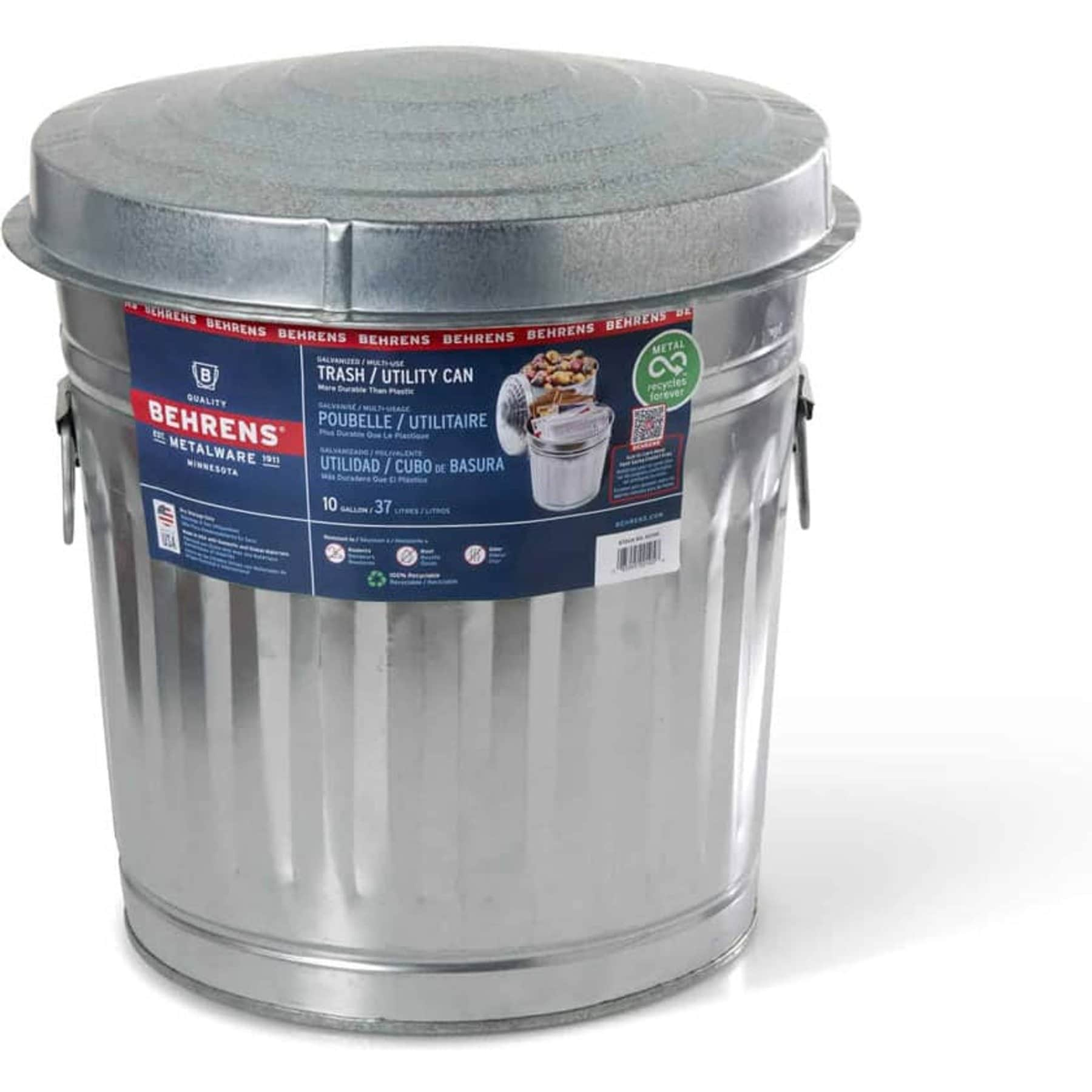
The Behrens galvanized steel trash can is a 10-gallon can with a fitted lid.
Webvet may earn a commission when you click through to Chewy, at no extra cost to you.
How Much Onion Is Toxic to Dogs?
How much onion is toxic to dogs depends on body weight, and any amount warrants a call to your vet. The published thresholds are about 0.5% of body weight in onion and the 15 to 30 g/kg raw onion level; 0.5% of body weight equals 5 g/kg, three to six times lower than that range.
Pet Poison Helpline veterinary toxicologist Ahna Brutlag, writing in dvm360, states that onion or garlic above 0.5% of a dog's body weight is potentially toxic, about 2.5 ounces for a 30-pound dog. Merck reports clinical signs in dogs after 15 to 30 g/kg of raw onion.
This onion dose by dog weight table converts the published onion thresholds into grams of raw onion for common dog sizes, so you can tell your vet roughly how much your dog ate. The grams are calculated from those thresholds, none of them is a safe amount, and every row ends with the same step: call your vet or poison control.
| Dog weight | Raw onion at 0.5% of body weight (5 g/kg) | Raw onion at 15 g/kg | Raw onion at 30 g/kg | Next step |
|---|---|---|---|---|
| 5 lb (2.3 kg) | 11 g | 34 g | 68 g | Call your vet or poison control |
| 10 lb (4.5 kg) | 23 g | 68 g | 136 g | Call your vet or poison control |
| 20 lb (9.1 kg) | 45 g | 136 g | 272 g | Call your vet or poison control |
| 30 lb (13.6 kg) | 68 g | 204 g | 408 g | Call your vet or poison control |
| 40 lb (18.1 kg) | 91 g | 272 g | 544 g | Call your vet or poison control |
| 50 lb (22.7 kg) | 113 g | 340 g | 680 g | Call your vet or poison control |
| 60 lb (27.2 kg) | 136 g | 408 g | 816 g | Call your vet or poison control |
| 80 lb (36.3 kg) | 181 g | 544 g | 1,089 g | Call your vet or poison control |
| 100 lb (45.4 kg) | 227 g | 680 g | 1,361 g | Call your vet or poison control |
Read each row as a level where harm has been reported, not a safe limit. USDA FoodData Central lists a medium raw onion at about 110 g, which is about 0.5% of the body weight of a 48 lb dog, so one medium onion passes that line for any smaller dog.
The chart works as a simple onion toxicity calculator for dogs. How much garlic is toxic to dogs is harder to chart: Brutlag's 0.5% of body weight line covers onion or garlic, but Merck rates garlic 3 to 5 times more toxic than onion, and powders are stronger still, so the same weight of garlic carries more risk than the onion amounts above. Garlic studies in dogs report:
- Repeated dosing: Garlic extract equal to 5 g of whole garlic per kg once a day for 7 days caused Heinz bodies and falling red cell counts but no overt hemolytic anemia, and the authors concluded garlic-containing foods should not be fed to dogs (American Journal of Veterinary Research, 2000).
- A fatal case: A dog died of garlic toxicosis with 16 g of raw garlic cloves in its stomach, less than reported toxic doses, which the authors say suggests individual susceptibility or incomplete recovery of what was eaten (Animals, 2026).
Will my dog be ok if he ate a little bit of onions?
A small amount of onion can still hurt your dog, and there is no way to judge it at home. VCA says stomach upset can follow potentially any amount, and a 2011 review in the Journal of Venomous Animals and Toxins states that treatment is indicated after any quantity. Call your vet.
How much onion is toxic to a 20 lb dog?
For a 20 lb (9.1 kg) dog, about 45 g of raw onion reaches 0.5% of body weight, and 136 to 272 g falls in Merck's 15 to 30 g/kg range. A 110 g medium onion is more than double the lower line, and garlic is stronger, so call your vet about any amount.
Hidden Onion and Garlic in Cooked Foods
Onion and garlic hide in many cooked foods, so a dog can eat them without anyone serving a raw onion. Hidden sources in cooked foods include soups, gravies, sauces, baby food, seasoned meat, and leftovers, and Merck lists dry onion soup mix among the concentrated forms most often linked to poisoning.

Pet Poison Helpline notes that onions can be present in soups, gravies, sauces, and even some baby food, and says a pan of sauteed onions, garlic, or leeks may result in poisoning. The 2011 review adds that several baby food makers add onions or onion powder for palatability.
Reported poisonings after cooked dishes, per a 2016 review in Frontiers in Veterinary Science, include:
- Catalan spring onions (calcots)
- Baked garlic
- Onion souffle
- Butter-cooked onions
- Chinese steamed dumplings made with Chinese chives and garlic
In one case report in the Journal of the American Animal Hospital Association, a 4-year-old miniature schnauzer that ate Chinese steamed dumplings with Chinese chive and garlic was brought in 2 days later for loss of appetite and had severe Heinz body hemolytic anemia.
Can I give my dog meat that was cooked with onions?
No. VCA says never give your dog food seasoned with onions or garlic, and Cope states that cooking does not reduce Allium toxicity. Veterinary references do not publish how much onion ends up in a serving of meat, stew, or gravy, so no plate can be called safe. If your dog already ate some, call your vet.
Pet Poison Helpline tells owners to read labels thoroughly and advises against using onion or garlic powder chronically in pet food. Feed your dog its own food rather than table scraps; for dry food, the IRIS Remington Airtight Pet Food Storage Container, 28-qt is a bin with airtight seals and snap-lock latches.
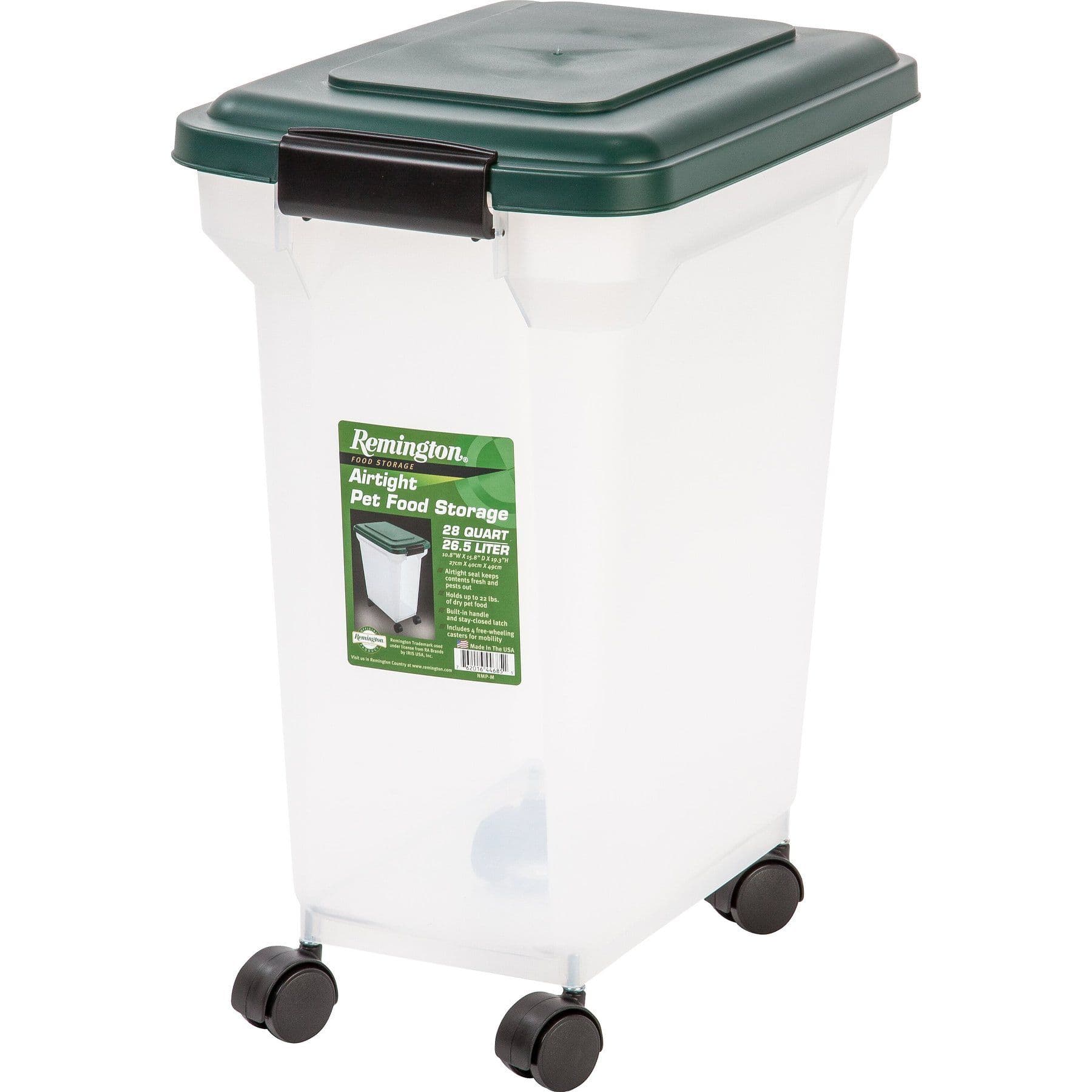
The IRIS Remington Airtight Pet Food Storage Container, 28-qt, is a dry pet food bin with snap-lock latches.
Webvet may earn a commission when you click through to Chewy, at no extra cost to you.
How to Keep Onions and Garlic Away From Your Dog
Keeping onions and garlic away from your dog comes down to five places: storage, trash, counters, gardens, and kitchen access. VCA calls preventing access to plants, herbs, seasonings, and supplements the key to avoiding poisoning, and the 2011 review urges owners not to store Allium in places their pets can reach.
- Storage: Keep onions, garlic, shallots, and onion or garlic powder on a high shelf or in an upper cabinet, since VCA notes some pets can open lower cabinets or get into open drawers.
- Trash: Dispose of leftovers where your dog has no access, as VCA advises. A lidded can such as the Behrens Galvanized Steel Trash Can with Lid, 10-gal, a galvanized steel can with a fitted lid, is one option for kitchen scraps.
- Counters: Move cutting boards, cooling pans, and plates of leftovers out of reach, because VCA notes some pets get on counters or knock items off counters and tables.
- Gardens: Fence off garden beds and plant beds that contain onions, garlic, chives, or leeks, as VCA advises.
- Kitchen access: Keep your dog out of the kitchen while you cook, for example with a pet gate such as the KidCo Safeway Steel Mounted Dog & Cat Gate, 30.5-in, Black.
If you drop seasonings or plants, VCA advises confining all pets to another area of the home until everything is picked up, and not assuming a pet will skip something because it tastes bad. VCA also notes that pets commonly chew through closed bottles, so keep vitamins and supplements out of reach.
Bags count too: VCA advises keeping purses, backpacks, lunch boxes, and suitcases where curious pets cannot get into them. For general first aid at home or in the car, the Kurgo Pet First Aid Kit is a 50-piece kit with a Dog First Aid Guide; its supplies, such as gauze, bandages, and tweezers, are for wound care, not for poisoning.
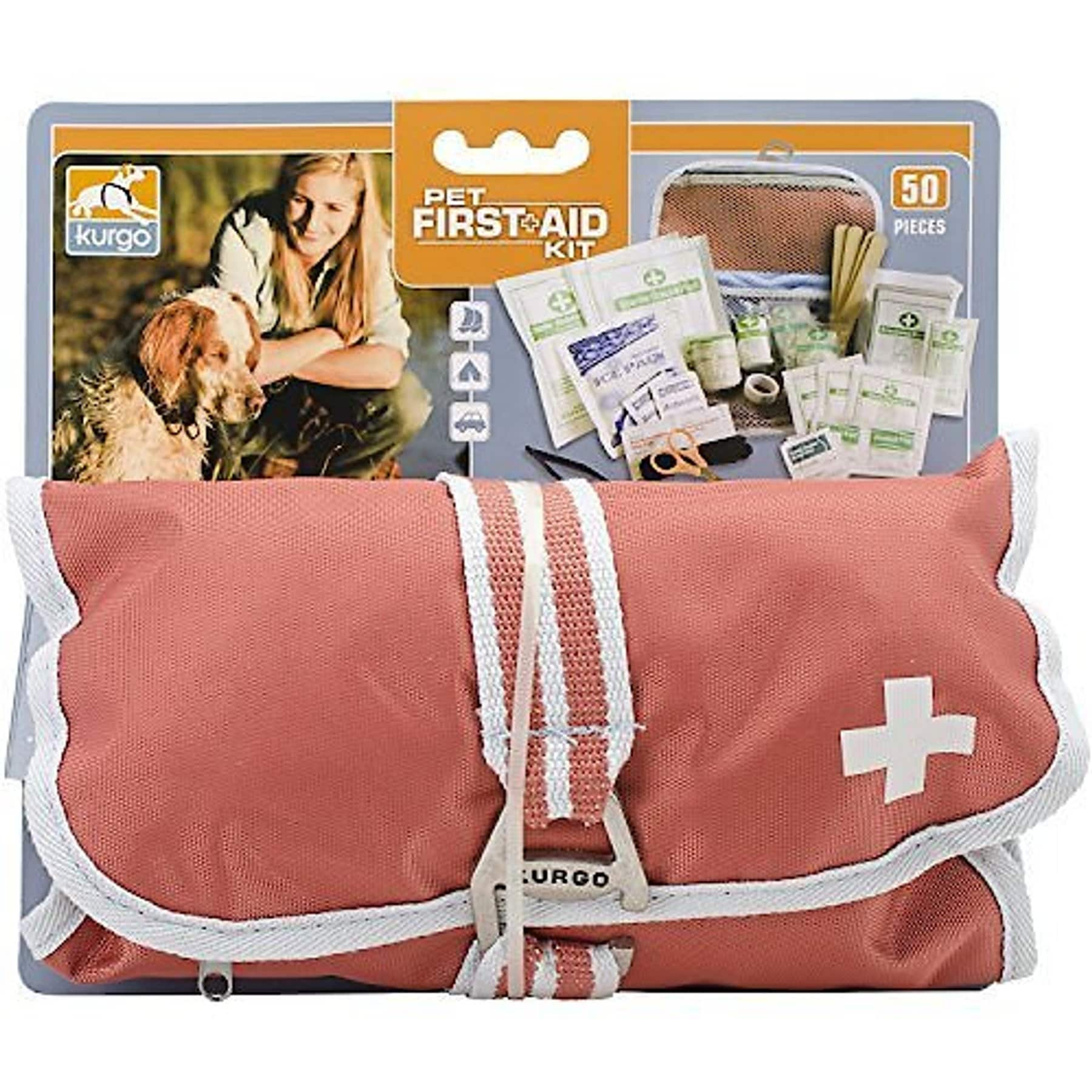
The Kurgo Pet First Aid Kit is a first aid kit for dogs to keep at home or in the car.
Webvet may earn a commission when you click through to Chewy, at no extra cost to you.
Skip garlic as a home flea remedy: Pet Poison Helpline says it has been shown to be ineffective and does not recommend it. For other household hazards, see tips to dog proof your home, what to do if your dog ate grapes, and can dogs have Tylenol.
Symptoms of Onion Toxicity in Dogs
The symptoms of onion toxicity in dogs start with stomach upset and progress to signs of anemia as red blood cells break down. The main symptoms are vomiting, diarrhea, drooling, pale gums, weakness, fast breathing, and red or brown urine, and the signs of garlic toxicity in dogs are the same.

Early signs, per VCA and the 2016 Frontiers review, include:
- Mouth irritation and drooling
- Nausea and vomiting
- Abdominal pain
- Diarrhea
- Loss of appetite and a dull, depressed attitude
Signs of anemia, which VCA links to larger amounts and which Merck and the 2016 Frontiers review describe, include:
- Weakness, lethargy, and exercise intolerance
- Pale gums
- Fast breathing or panting, and a fast heart rate
- Red or brown urine
- Yellowing of the gums, skin, or eyes (jaundice)
- Collapse
Recent eating can leave an onion or garlic smell on the breath, per Cope and Pet Poison Helpline. VCA notes kidney damage can occur in dogs with red blood cell destruction, and Merck says hemoglobin in the urine can cause secondary kidney injury. See also lethargy in dogs and dog vomiting and diarrhea.
Onion Toxicity Timeline in Dogs
Onion toxicity in dogs follows a delayed timeline: Heinz bodies form within 24 hours, and red blood cell breakdown typically occurs 3 to 5 days after eating. Merck says Heinz body formation and methemoglobinemia begin within 24 hours and peak at about 72 hours, and signs of anemia may take as long as several days to appear.
Here is how the onion poisoning timeline in dogs typically runs:
- Within 24 hours: Heinz bodies and methemoglobin begin to rise. In a 1985 dosing study in Veterinary Pathology, dogs had large numbers of Heinz bodies within one day of a single dose of dehydrated onion.
- About day 3: Heinz body damage peaks, at about 72 hours per Merck and on day 3 in two dosing studies.
- Days 3 to 5: Red blood cell breakdown typically occurs. In the 1985 study, packed cell volume fell by a mean of 19 percentage points by day 5.
- Days 5 to 8: The body responds with new red cells. Reticulocytosis first appeared on day 5 in the 1985 study, and reticulocyte counts were highest on day 8 in a 2008 cooked-onion study in the Journal of Veterinary Pharmacology and Therapeutics.
- Up to 10 to 20 days: How long symptoms can potentially last, according to Pet Poison Helpline.
How long does it take for a dog to show onion toxicity?
Signs of anemia usually take a few days to show. Cope says signs can appear within one day after a large amount, though a lag of several days is more common; Pet Poison Helpline puts onset at 24 hours to several days. No exact hour is published for the first vomiting, so call your vet right away.
What to Do If Your Dog Ate Onion or Garlic
If your dog ate onion or garlic, call a vet or pet poison hotline right away, even if the dog seems fine. Red blood cell damage builds for days before signs show, and the 2011 review states that treatment is indicated after any quantity.
There are no home remedies for onion toxicity in dogs, and there is no safe way to treat onion poisoning in dogs at home. Pet Poison Helpline says it is not always safe to induce vomiting or give other home remedies, and to seek counsel before taking action.
Take these steps, and do not delay the call in step 4:
- Move your dog away from the food and pick up what is left; VCA advises confining pets until dropped material is picked up.
- Keep the package, label, or recipe close at hand, since ASPCA Poison Control caseworkers ask about the product, the strength of its ingredients, and the amount.
- Note your dog's breed, age, weight, and health history, which the ASPCA asks about, and when the dog ate.
- Call your vet, Pet Poison Helpline at (855) 764-7661, or the ASPCA Animal Poison Control Center at (888) 426-4435. Both are open 24 hours a day.
- If you are sent to a clinic, give the clinic the case number and call-back number from the hotline so the clinic can phone the poison center.
Pet Poison Helpline charges a $99 USD per incident fee, which includes all follow-up consultations, and the ASPCA says a consultation fee may apply. VCA notes that early consultation and treatment are often less expensive and can help prevent serious health effects; see emergency vet cost.
How to help a dog who ate onions?
Help a dog who ate onions by calling your vet or a poison hotline right away. At the clinic, your vet may induce vomiting and give activated charcoal, per Pet Poison Helpline.
Cope notes vomiting helps mainly when a dog without signs ate within the last one or two hours, so use how to make a dog throw up only with your vet's go-ahead.
How Vets Treat Onion Toxicity in Dogs
Treatment for onion toxicity in dogs is decontamination, bloodwork, IV fluids, oxygen, and a blood transfusion when anemia is severe. Garlic poisoning is treated the same way. There is no specific antidote: Cope describes removing the Allium source from the gut, treating the anemia, and giving supportive care.
Vets confirm the diagnosis from the exposure history, the clinical signs, and bloodwork showing Heinz body hemolytic anemia, according to Merck. How to treat onion toxicity in dogs then depends on how recently the dog ate and how anemic it is:
- Decontamination: A vet may induce vomiting and give activated charcoal, per Pet Poison Helpline; Merck notes it is unknown whether charcoal binds the sulfur compounds from Allium.
- Bloodwork: Red blood cell counts and possibly kidney function, per VCA, with packed cell volume or blood smears checked daily, per Brutlag in dvm360.
- IV fluids: To help protect the kidneys from damage caused by hemoglobin in the urine, per Merck.
- Oxygen and a blood transfusion: For life-threatening signs or severe anemia, per Merck and Cope.
- Hospitalization: Recommended if red blood cell destruction occurs, per VCA.

Can dogs recover from onion poisoning?
Yes. Dogs can recover from onion poisoning, and Pet Poison Helpline rates the prognosis as excellent with early intervention and appropriate care. Cope says the outlook depends on the plant, the severity of the anemia, and whether supportive care is started, and the 2011 review notes that lethal effects are infrequent in dogs.
Do not wait to see whether your dog recovers on its own, because that outlook depends on early care, and Pet Poison Helpline notes symptoms can potentially last 10 to 20 days. Deaths do happen: UK Veterinary Poisons Information Service records from 1994 to 2008, cited in the 2016 Frontiers review, include two deaths and two euthanized dogs among 69 dog cases.
How to stop onion toxicity in dogs?
Stop onion toxicity in dogs by calling your vet or a poison hotline right away, before red blood cell damage has time to build. A vet can remove what is left in the stomach and track red cell values, and Pet Poison Helpline says the sooner a poisoning is addressed, the easier, less expensive, and safer it is to treat.
Onion Toxicity in Dogs FAQs
Frequently Asked Questions
Will a small amount of garlic hurt my dog?
Usually not, if it is the trace of garlic sometimes found in dog treats, which Pet Poison Helpline calls unlikely to be harmful. Garlic from your kitchen is different: Merck rates garlic 3 to 5 times more toxic than onion, and the helpline says large numbers of garlic pills or garlic powder may cause poisoning, so call your vet right away about any fresh cloves or garlic powder your dog ate.
Will my dog be okay if he ate one onion ring?
There is no way to know from home, because no safe number of onion rings is published and neither is the amount of onion in an onion ring. Cooking does not reduce Allium toxicity, so call your vet or poison control now with your dog's body weight and how many rings it ate, and let them judge the risk.
My dog ate an onion and nothing happened. Should I be worried?
Yes, call your vet now, because the signs of onion toxicity are delayed. Merck says signs usually go unnoticed until substantial red blood cell breakdown has occurred, a few days after exposure. Bloodwork checks red blood cell counts and possibly kidney function, and Cope advises monitoring red cells for several days after eating.
Is onion toxicity in dogs cumulative?
Yes, repeated small exposures can add up. Cope says Allium toxicosis typically follows a single large quantity or repeated small amounts, and Pet Poison Helpline says onions and garlic eaten in large or chronic amounts cause Heinz body formation and anemia. No safe cumulative total is published, so keep seasoned table food out of your dog's diet.
Are some dog breeds more sensitive to onions?
Yes. Akita and Shiba Inu dogs are reported to be more sensitive to Alliums, according to Pet Poison Helpline. Cope ties this to an inherited trait of high red blood cell glutathione and potassium that is relatively common in Japanese breeds. In a 1992 boiled-onion study, dogs without the trait were still affected, only less.

Editor
The Webvet Editorial Team is the in-house group of pet-care editors and writers behind Webvet, operated by Smart Pet Collective. The team researches, writes, and maintains Webvet's pet health, behavior, and medication content. Every article follows a defined editorial process: research from reputable veterinary and scientific sources, careful drafting, mandatory review of medical content by a credentialed veterinarian, and dated publication. Health and medication articles are medically reviewed by a licensed veterinary professional before they go live and are kept current over time.
Veterinarian · BVMS MRCVS
Dr. Pippa Elliott, BVMS, MRCVS, is a veterinarian with nearly 30 years of experience in companion animal practice. Dr. Elliott earned her Bachelor of Veterinary Medicine and Surgery from the University of Glasgow. She was also designated a Member of the Royal College of Veterinary Surgeons. Married with 2 grown-up kids, Dr. Elliott has a naughty Puggle named Poggle, 3 cats and a bearded dragon.
Related reading

Cat Proof Christmas Tree: Vet-Reviewed Safety Steps, Deterrents, and Cat-Safe Tree Options

Dog Ate Grapes or Raisins? Signs of Poisoning and What to Do

Are Essential Oils Safe for Dogs? Toxic Oils and Safe Use
