5 Tips to Dog-Proof Your Home for a Safer Environment
A Guide to Ensure Your Dog's Safety and Happiness

BVMS MRCVS
Medically reviewed by Dr. Pippa Elliott, BVMS MRCVS · Last reviewed

This article contains affiliate links. Webvet may earn a commission when you buy through them, at no extra cost to you.
Knowing how to dog-proof your home is essential for the well-being and happiness of your furry friend.
Dogs are naturally curious and may get into potentially dangerous situations. That’s why taking the proper precautions is a must. By dog-proofing your home, you ensure your pet’s safety and your own peace of mind.
This article explores five essential tips to help you assemble a safe environment for your dog.
These tips will cover a range of topics — from securing hazardous zones to providing safe toys and chewables. By implementing these measures, you can significantly reduce the risk of accidents and potential harm to your pet.
Identify Hazards to Dog-Proof Your Home
Identifying and securing hazardous areas is essential to ensure your dog’s safety, especially if you have a puppy. Dogs are naturally curious creatures (and puppies even more), and certain areas within your home may pose a potential risk to their well-being. By taking proactive measures, you prevent accidents and keep your dog out of harm's way.
Common hazardous areas that require special attention include the kitchen, bathroom, and garage. These areas often contain substances, objects, or situations that can be dangerous for your furry friend.
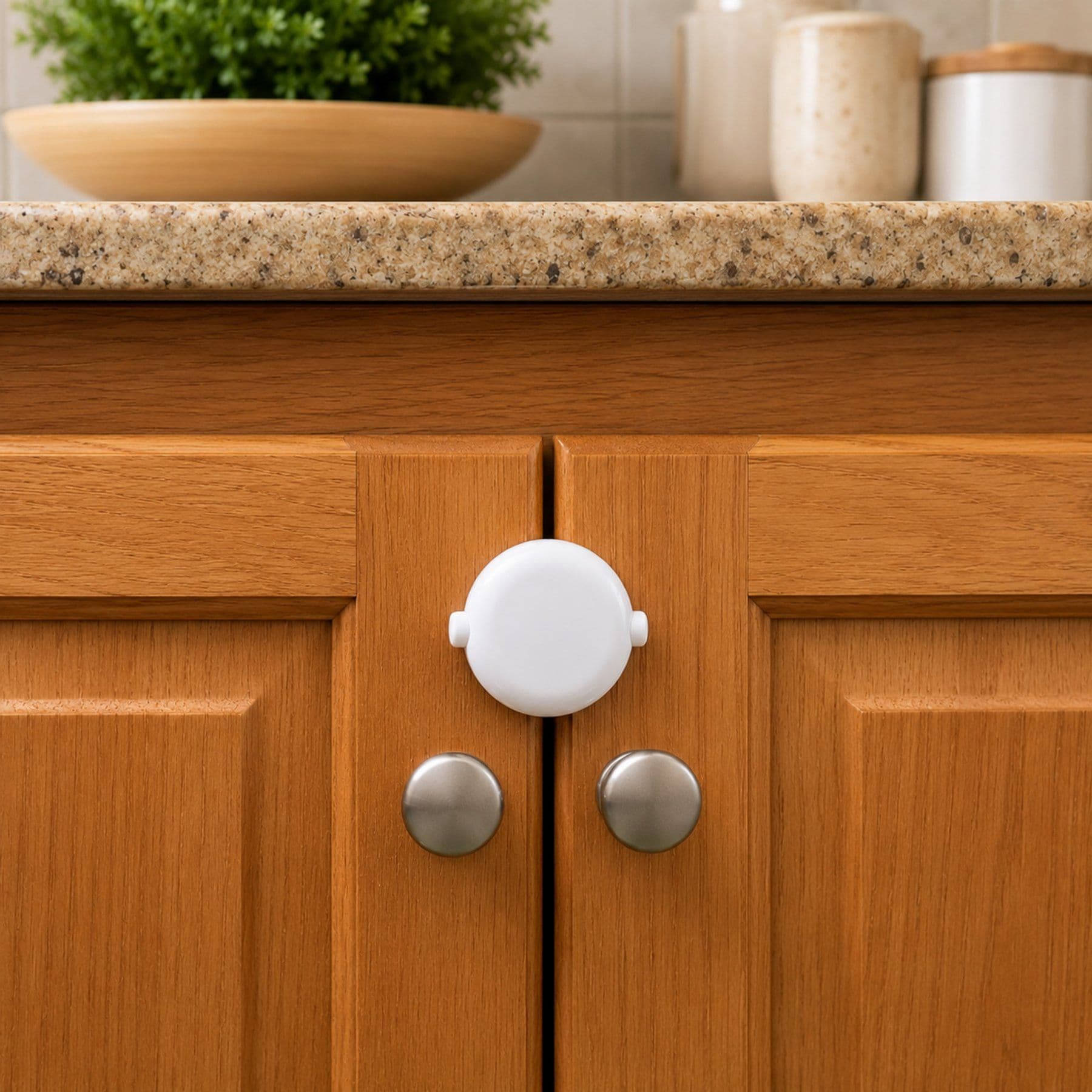
Adhesive double-door cabinet locks made for homes with dogs, no drilling. Bait stations, cleaners, and medications belong behind a latch a nose cannot open, which is the prevention step every poison-control call ends with.
Webvet may earn a commission when you click through to Chewy, at no extra cost to you.
The bathroom is another area that can be hazardous. Cleaning supplies, medications, and personal care products may contain chemicals that are toxic to dogs. Toilet bowls, open cabinets, and electrical outlets also present dangers.
The garage, with its assortment of tools, chemicals, and potentially dangerous materials, should be off-limits to your dog. Items such as pesticides, antifreeze, sharp objects, and power tools can cause serious harm if accessed by them.
Mitigate these risks with the following practical solutions:
- Use Baby Gates: Install sturdy baby gates to prevent your dog from entering areas that are unsafe.
- Rely on Cabinet Locks: Use childproof cabinet locks to secure cabinets in the kitchen and bathroom (and the garage, offices, or similar areas) to prevent your dog from accessing potentially harmful substances or objects.
- Buy Garbage Cans With Lids: Invest in garbage cans with secure lids to keep your dog from rummaging through and potentially ingesting harmful waste.
- Keep Dangerous Items Out of Reach: Store toxic substances, cleaning supplies, medications, and other potentially hazardous items in locked cabinets or on high shelves.
The Dangers of Toxic Substances
Many common household items that we may not think a lot about may be harmful or even fatal to dogs. That is why it’s so important to make sure these items are properly secured.
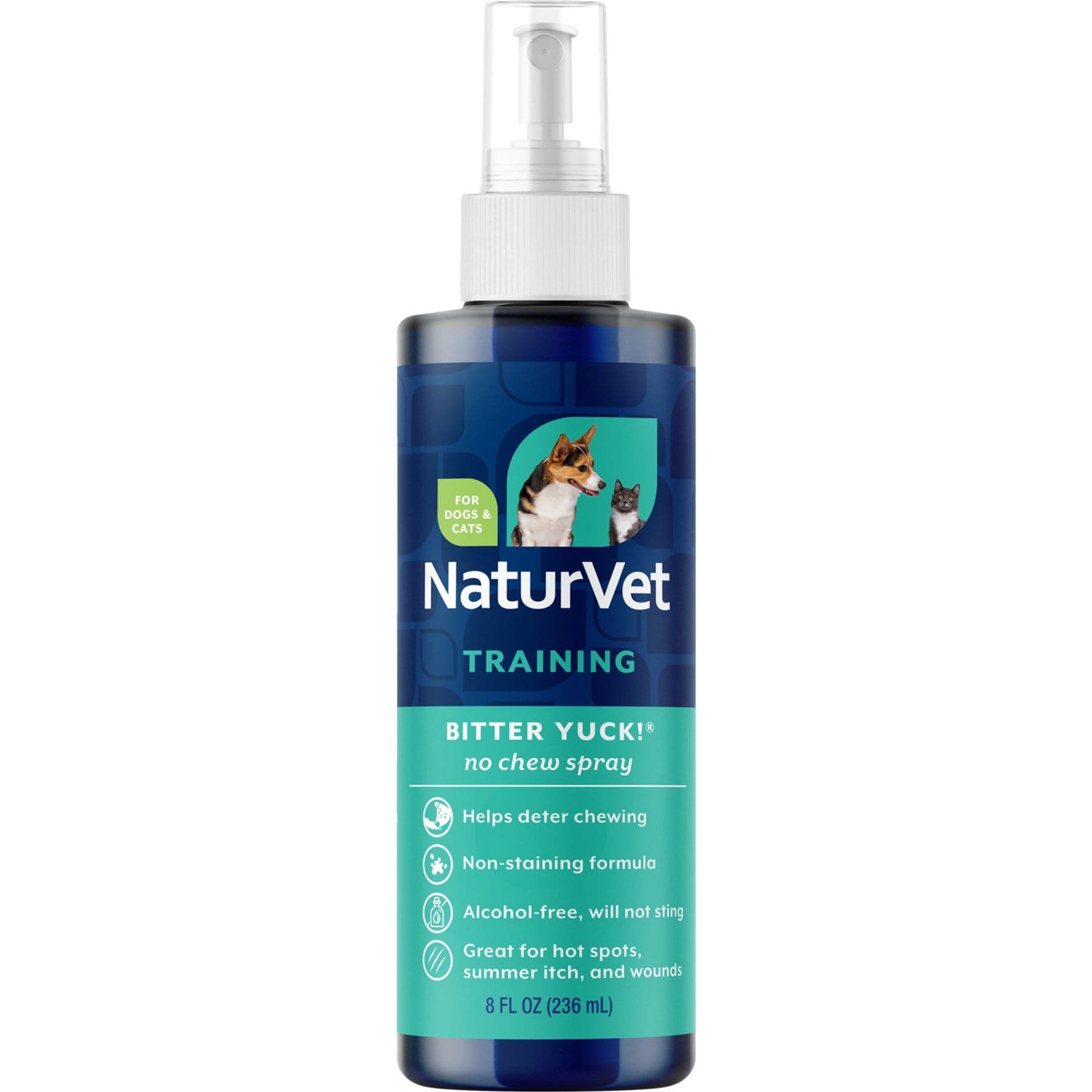
A bitter, alcohol-free taste deterrent labeled for cats and dogs. Misted on leaves, stems, and cords it makes a tempting plant taste terrible, which is the honest fix when moving the plant out of reach is not an option.
Webvet may earn a commission when you click through to Chewy, at no extra cost to you.
In your efforts to dog-proof your home, below are examples of common household items that can be toxic to dogs:
- Cleaning Products: Many cleaning agents contain chemicals like bleach, ammonia, or phenols, which are harmful if ingested or inhaled by dogs.
- Plants: Several indoor and outdoor plants are toxic to dogs, including lilies, azaleas, tulips, daffodils, and certain types of ferns. Ingesting these plants may lead to symptoms ranging from mild stomach upset to severe toxicity.
- Medications: Human medications, including pain relievers, antidepressants, and even over-the-counter drugs like acetaminophen or ibuprofen, may be extremely toxic to dogs. Keep medications securely stored and out of your dog's reach.
- Foods: Certain human foods can be toxic to dogs, such as chocolate, grapes, raisins, onions, garlic, alcohol, caffeine, and xylitol (an artificial sweetener). Ingesting these substances may cause serious health issues ranging from gastrointestinal upset to organ failure.
If your dog consumes something potentially toxic or harmful, stay calm and take immediate action. Assess the situation and contact your veterinarian or a pet poison control hotline for guidance. Follow their advice and closely monitor your dog's behavior and symptoms.
Taking preventive measures in the future, such as keeping toxic substances out of reach, can help avoid similar incidents.
Prevent Access to Cords and Wires
Chewing on cords and wires poses significant risks to dogs and may lead to serious injuries.

A durable rope-and-knot fetch toy that channels chewing, tugging, and fetch energy into safe play, and the woven rope gives teeth a light scrub.
Webvet may earn a commission when you click through to Chewy, at no extra cost to you.
The electrical current running through cords and wires can cause burns or electrocution, while swallowing or ingesting cords can result in internal damage or blockages.
Take proactive measures to keep cords and wires out of your dog's reach. Here are some strategies to prevent your dog from accessing cords and wires:
- Use Cord Concealers: Cord concealers are plastic tubes or covers that hide and protect cords. You can place them along walls or furniture to keep cords safely tucked away.
- Rearrange Furniture: Rearranging furniture helps in two ways. First, it helps to block access to cords and wires. Second, it creates a barrier that discourages your dog from venturing behind furniture and reaching the cords.
- Secure Cords and Wires: Use cord clips or cable ties to secure cords and wires to walls or furniture. Keeping them neatly bundled and fastened reduces the temptation for your dog to play with or chew on them.
Supervise your dog when they are in areas with cords and wires until you are confident that the preventive measures are effective.
Protect Furniture and Decoration
Unstable furniture and fragile decorations pose significant dangers to dogs. Dogs can accidentally knock over or bump into unstable furniture, leading to injuries or damage.
Fragile decorations break easily and cause harm if ingested or stepped on. Securing your furniture and choosing pet-friendly decorations help create a safer environment for your dog.
Compare coverage choices for your pet, then request a quote directly on Lemonade.
- Check a price for your pet
- Review available coverage choices
- See the terms before you decide
Eligibility, waiting periods, limits and exclusions apply.
Webvet may earn a commission when you click through to Lemonade, at no extra cost to you.
Here are some tips for securing furniture:
- Use Anti-Tip Brackets: Install anti-tip brackets or straps to anchor large furniture pieces, such as bookshelves, cabinets, or dressers, to the wall. These brackets provide stability and prevent the furniture from tipping over if your dog jumps or bumps into it.
- Check and Secure Heavy Items: Ensure heavy objects, such as TVs or floor lamps, are securely anchored or mounted to prevent them from toppling over if your dog accidentally runs into them.
- Avoid Precarious Perches: Discourage your dog from climbing or jumping onto unstable surfaces like wobbly chairs or tables. Consider using sturdy, pet-friendly furniture designed to withstand dog activities.
- Secure Tablecloth and Loose Fabric: If you have tablecloths or loose fabric draping over furniture, secure them properly to prevent your dog from pulling on them, which could cause items to fall or furniture to tip over.
When it comes to decorations, consider the following suggestions:
- Choose sturdy decorations that are less likely to break or shatter.
- Avoid small, swallowable decorations.
- Opt for elevated or wall-mounted decorations.
A dog’s behaviour may become erratic due to separation anxiety. This is particularly common in adopted dogs. We recommend checking https://pets.webmd.com/dogs-separation-anxiety to learn more about it and how to deal with it.
Training, Toys, and Chewables
A dog’s curiosity and desire to play should be satisfied as efficiently as possible. Providing your dog with appropriate toys and chewables is essential for their physical and mental well-being. Dogs have the instinct to chew, and by offering safe and engaging options, you can satisfy this need while minimizing potential hazards.
Training is also another important aspect of dog safety, and it contributes to an overall healthy coexistence between you and your puppy. By training your dog, you ensure that your dog remains safe even while you are not around and make it easier to keep them away from dangerous situations.
Here are some things you can do:
- Provide Toys and Chewables: Giving your dog access to toys and chewables serves several purposes. It helps prevent destructive chewing on inappropriate items, such as furniture or household objects. It also provides mental stimulation, reduces boredom, and promotes good dental health by keeping their teeth clean and strong.
- Change Toys Periodically: Keep your dog engaged by rotating their toys. This prevents boredom and makes old toys feel new again. By offering a variety of textures, shapes, and interactive features, you cater to different preferences and keep your dog entertained.
- Crate Training: Introducing crate training can provide a safe space for your dog and help prevent destructive behavior when you're unable to supervise them. Ensure the crate is comfortable and stocked with appropriate toys and chewable to keep your dog occupied and content while inside.
Always supervise your dog when they're playing with toys or chewables, especially during the initial introduction, to ensure they don't pose any risks or cause discomfort.
Regularly inspect toys for signs of wear or damage, and replace them as needed to maintain a safe play environment.
By providing your dog with appropriate toys, engaging chewable, and incorporating mental stimulation into their routine, you promote their overall well-being while minimizing the chances of them engaging in destructive behaviors or encountering unsafe objects.
Feature image: Istockphoto
FAQs
What should I do if my dog keeps getting into the trash?
If your dog has a habit of getting into the trash, consider using a trash can with a secure lid or keeping it in a cabinet with a childproof lock. It's also important to provide your dog with ample mental and physical exercise to reduce their desire to explore the trash. Training them with commands like "leave it" or "stay" will help.
What are some pet-friendly alternatives to toxic plants?
Opt for pet-friendly plants that are safe for dogs, such as spider plants, Boston ferns, or pet grass. You can also create vertical gardens or hanging baskets out of reach of your dog. Another option is to use artificial plants as decorations to eliminate any risks associated with toxic plants.
How do I choose safe cleaning products for a dog-friendly home?
Look for cleaning products labeled as pet-safe, or use natural alternatives such as vinegar, baking soda, or diluted lemon juice. Avoid using products that contain toxic chemicals like bleach, ammonia, or phenols, which can be harmful to dogs if ingested or inhaled.

Editor
Paul Pan writes clear, research-backed pet health and lifestyle content designed to help pet parents make smart, confident choices.
Veterinarian · BVMS MRCVS
Dr. Pippa Elliott, BVMS, MRCVS, is a veterinarian with nearly 30 years of experience in companion animal practice. Dr. Elliott earned her Bachelor of Veterinary Medicine and Surgery from the University of Glasgow. She was also designated a Member of the Royal College of Veterinary Surgeons. Married with 2 grown-up kids, Dr. Elliott has a naughty Puggle named Poggle, 3 cats and a bearded dragon.