Best Dog Brush for Shedding: Vet-Reviewed Picks by Coat Type
No single brush handles every shedding dog: short coats, thick double coats, and long or curly coats each need a different tool. Which brush fits your dog's coat, how to deshed without scraping skin, and our picks.

BVMS MRCVS
Medically reviewed by Dr. Pippa Elliott, BVMS MRCVS · Last reviewed

This article contains affiliate links. Webvet may earn a commission when you buy through them, at no extra cost to you.
Best dog brush for shedding: match the tool to your dog's coat
The best dog brush for shedding depends on coat type. A rubber curry brush or a shedding blade suits a short smooth coat, a deshedding tool or an undercoat rake suits a double coat, and a slicker brush followed by a comb suits a long or curly coat. No single brush handles every shedding dog well.
Whichever tool fits, use it gently, in short sessions, and only as often as the coat needs. Sudden or patchy hair loss, bald spots, or an itchy dog is a question for your vet rather than a reason to brush harder.
- 1Choose tools by coat type: short smooth coats need a rubber curry or shedding blade, double coats need a deshedding tool or undercoat rake, and long or curly coats need a slicker and a comb.
- 2Both undercoat rakes and deshedding tools pull out loose undercoat, but they can irritate or cut the skin if pressed hard or overused.
- 3Brush short coats about once a week, thick undercoats once or twice a week, and long, silky, or curly coats daily, with more sessions in spring and fall.
- 4Bald patches, red or broken skin, sores, odor, or constant scratching need a vet, not a new brush.
Shedding itself is normal. The American Kennel Club explains that shedding is primarily triggered by changes in daylight and temperature, and that seasonal shedders lose the most hair in spring and fall. A brush does not stop that cycle; it collects the loose hair before it lands on the sofa.
How much a dog sheds depends mostly on whether the coat has an undercoat. VCA Animal Hospitals notes that breeds with a thick undercoat often go through two heavy seasonal shedding cycles a year, in late spring and late fall, when much of that soft under layer comes out at once.
The six picks below are judged on each maker's label and stated specification and on how well that design fits a given coat.
| Pick | Tool type | Best fit | Skip it if | Price |
|---|---|---|---|---|
| FURminator Short Hair Dog Deshedding Tool, Orange, Medium | Deshedding tool with a stainless-steel edge | Short double coats such as Labradors and corgis | The coat is long, curly, silky, or wire, or the skin is sore | Listed at $33.57 on Chewy when checked in November 2026 |
| Safari Double Row Rotating Pins Undercoat Rake Dog Grooming Tool | Undercoat rake with two rows of rotating pins | Thick double coats such as huskies, shepherds, and Great Pyrenees | The dog has a single short coat with no undercoat | Listed at $20.49 on Chewy when checked in November 2026 |
| Miracle Care Slicker Dog Brush, Large | Slicker brush with angled stainless wire tines | Long and medium coats, and as a finishing brush on double coats | The coat is very short and smooth, or the skin is thin and sensitive | Listed at $17.31 on Chewy when checked in November 2026 |
| Frisco Bone Dog Curry Brush | Rubber curry brush with soft rubber tips | Short smooth coats, and bath time for most dogs | You need to reach a thick undercoat | Listed at $6.99 on Chewy when checked in November 2026 |
| Wahl Dog Shedding Blade, Orange/White | Double-sided shedding blade, coarse and fine edges | Short and short double coats on a budget | The coat is long, curly, or tangled | Listed at $11.99 on Chewy when checked in November 2026 |
| Pet Teezer De-Shedding Dog Grooming Brush, Large | Palm-held brush with two-tier teeth | Double-coated dogs that dislike metal tools | The coat is matted or very long | Listed at $11.72 on Chewy when checked in November 2026 |

Before buying, three questions narrow the field quickly:
- Does your dog have an undercoat? If the hair is short and lies flat with no soft fluff underneath, a rubber curry or bristle tool is enough. If you can part the coat and see dense, woolly hair near the skin, you need a tool that reaches the undercoat.
- How long is the outer coat? Blade-style deshedding tools work on short and medium coats; long and silky coats need pins and combs that slide through without cutting or pulling.
- Does the hair keep growing? Coats that grow continuously, like a poodle's, shed little and need detangling and trimming more than deshedding.
 Sponsored
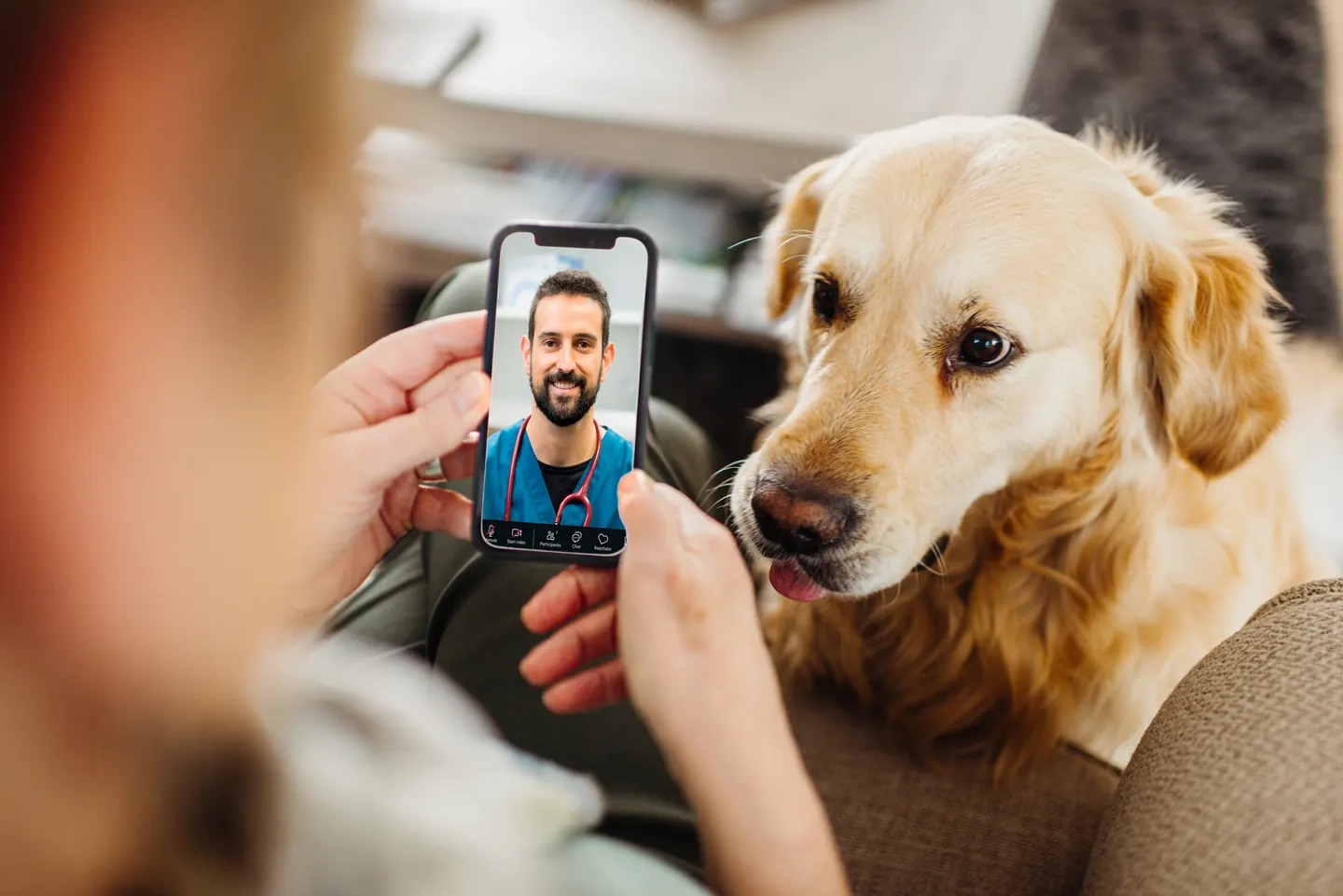
Want a vet's take on your dog's skin or coat?
Talk to a licensed vet at Dutch over video, often the same day. They can recommend treatment and prescribe it when it's appropriate.
Use code Pets60
Plans start at $12/month · covers up to 5 pets
- Licensed vets in most states
- Rx for 150+ conditions
- 4.7 on Trustpilot
Our picks: the best dog brushes for shedding
These six tools cover the shedding jobs owners most often face:
- A short double coat that sheds year-round.
- A heavy coat blowing its undercoat in spring or fall.
- A long coat that tangles as it sheds.
- A slick short coat with little undercoat.
- A tight budget.
- A dog that will not tolerate a metal tool.
A good shedding brush is one whose design suits the coat in front of you, and most dogs need two tools, not one: a tool that loosens or pulls the undercoat, and one that finishes the outer coat.
Groomers do not use a different kind of tool. They rely on the same core set: a slicker, a rake, a deshedding tool, a rubber curry, and a comb, chosen by coat.
A soft or palm-held brush earns its place for sensitive dogs. A puppy's first brush should be gentle from the first session, since Purdue University's Center for Canine Welfare advises getting puppies used to brushing while they are young.
FURminator Short Hair Dog Deshedding Tool: best for short double coats
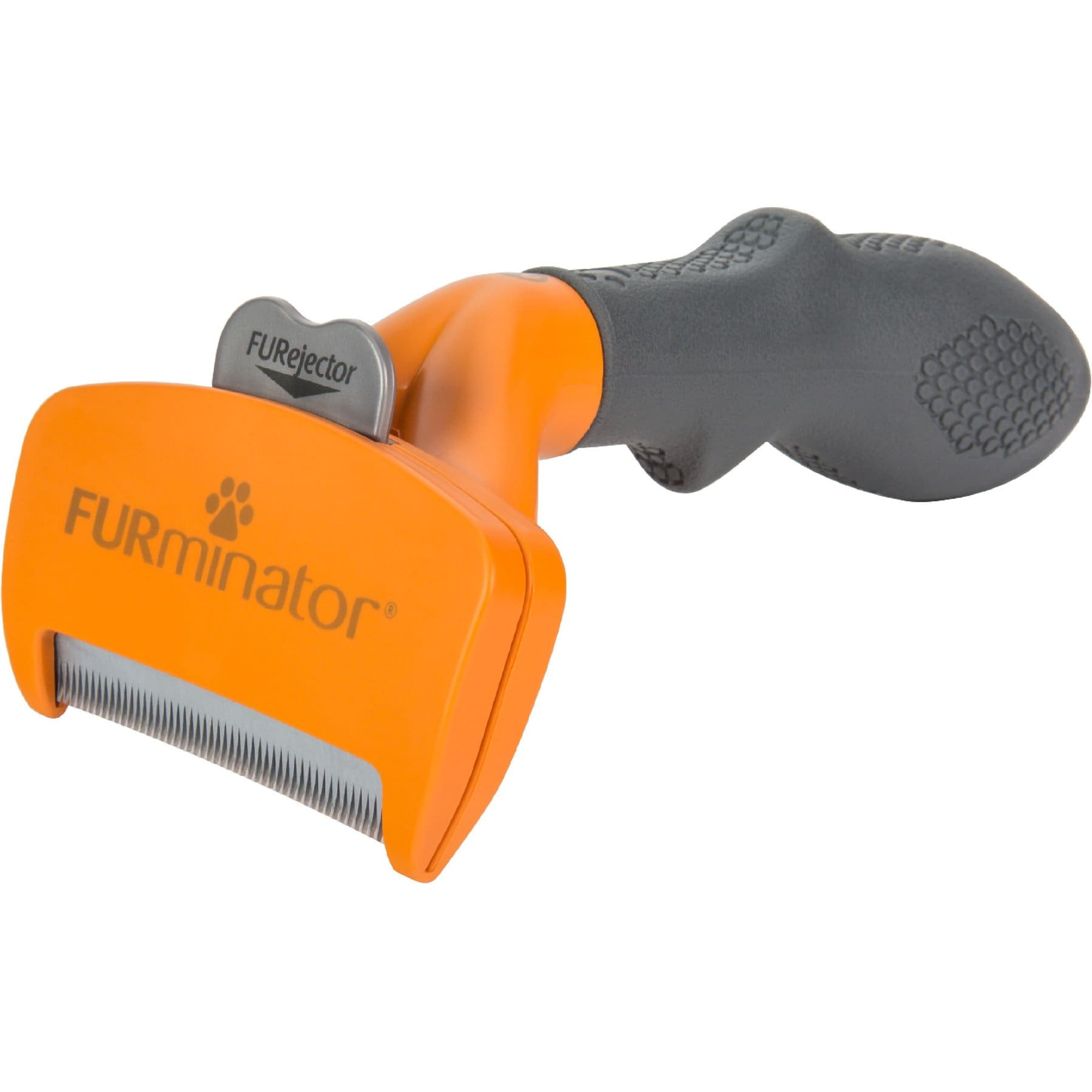
A short-hair deshedding tool for pulling loose undercoat from short double coats like Labradors and corgis.
Webvet may earn a commission when you click through to Chewy, at no extra cost to you.
The FURminator Short Hair Dog Deshedding Tool, Orange, Medium is a deshedding tool with a stainless-steel edge that, according to the listing, reaches through the topcoat to remove loose hair and undercoat. The short-hair version is sized to the shorter outer coat of dogs such as Labradors and corgis, which the American Kennel Club lists among short double coats.
This style of tool is what one breeder in an American Kennel Club grooming guide prefers for a double coat because it reaches the undercoat. The same guide cautions that used incorrectly it can damage the coat.
Purdue's guide adds that deshedding tools can irritate or even cut the skin, so a light hand matters more than the tool. The listing says the edge will not cut the skin when used as directed; that is the maker's description, and the safe approach is still to watch the skin. The linked listing is the Medium head, so check the listing's size guidance against your dog before buying.
- Suits: short double coats in a shedding season, such as Labradors and corgis.
- Skip it if: the coat is long, curly, silky, or wiry, or the skin is red or broken anywhere you would brush.
- Use it: with short strokes in the direction the hair grows, lifting off rather than pressing in, and stop the moment the skin looks pink or the dog pulls away.
- Compared with the Wahl blade: a single fixed edge in a sized head rather than a flexible two-sided band, at roughly three times the price.
- Price: listed at $33.57 on Chewy when checked in November 2026.
Safari Double Row Rotating Pins Undercoat Rake: best for thick double coats
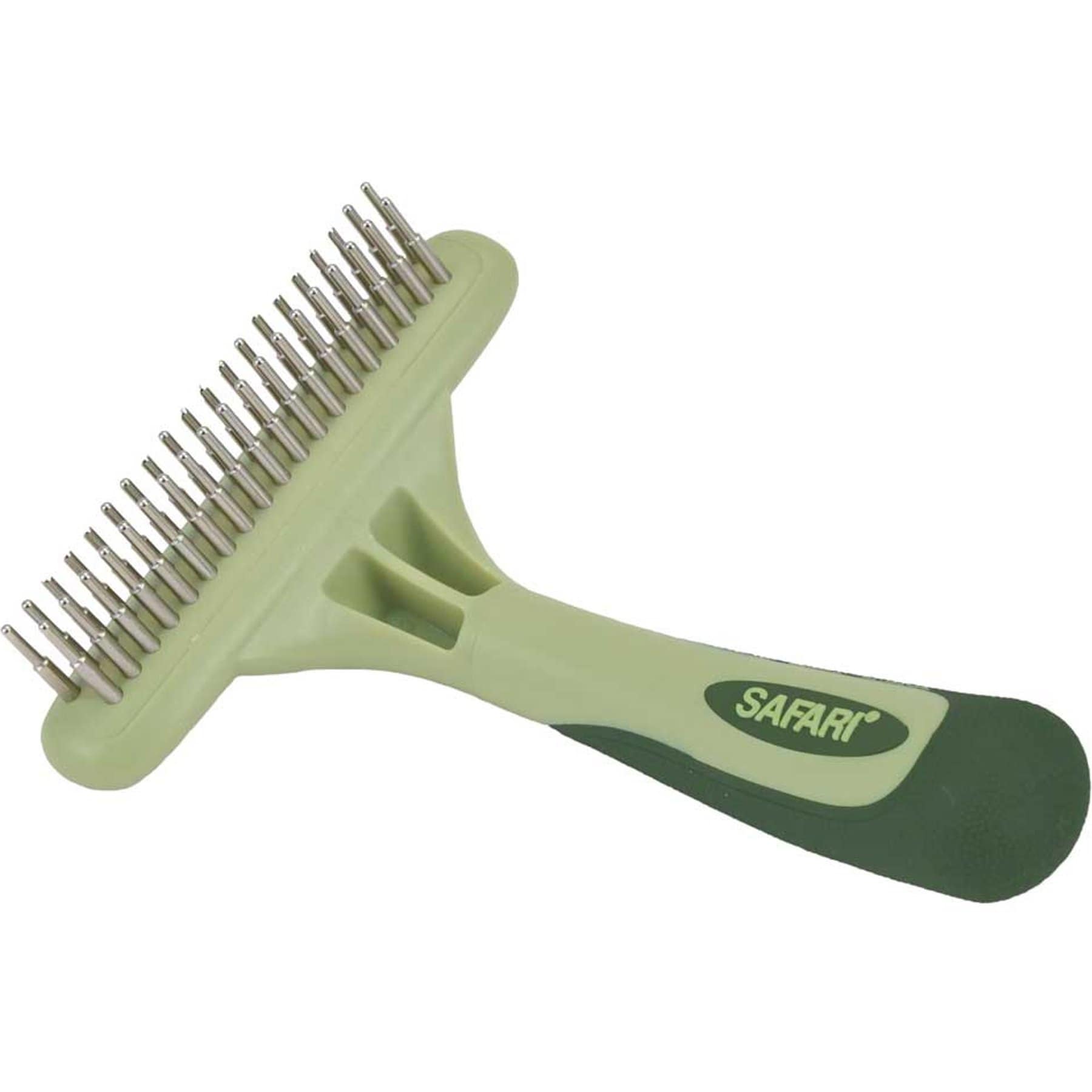
An undercoat rake with rotating pins for thick double coats that blow undercoat in spring and fall.
Webvet may earn a commission when you click through to Chewy, at no extra cost to you.
The Safari Double Row Rotating Pins Undercoat Rake Dog Grooming Tool is an undercoat rake designed, the listing says, for dogs with thick undercoats. It has two rows of rounded, rotating pins, and the rotation is meant to let the pins roll through the coat rather than drag across it.
A rake differs from a blade-style deshedding tool in how it removes hair. A rake's pins comb out the loose layer instead of catching it on a fine edge, which suits longer, denser coats. The Safari rake fits the heavy coats of huskies, German Shepherds, Great Pyrenees, and Bernese Mountain Dogs.
- Suits: thick double and arctic-type coats, especially while a dog is blowing coat in spring or fall.
- Skip it if: your dog has a short single coat with no undercoat; the pins have nothing to catch.
- Use it: work in small sections from the skin outward, and finish with a slicker or comb.
- Compared with the FURminator: pins rather than an edge, so it suits longer, heavier coats where a short blade only skims the topcoat.
- Price: listed at $20.49 on Chewy when checked in November 2026.
Miracle Care Slicker Dog Brush, Large: best for long and medium coats
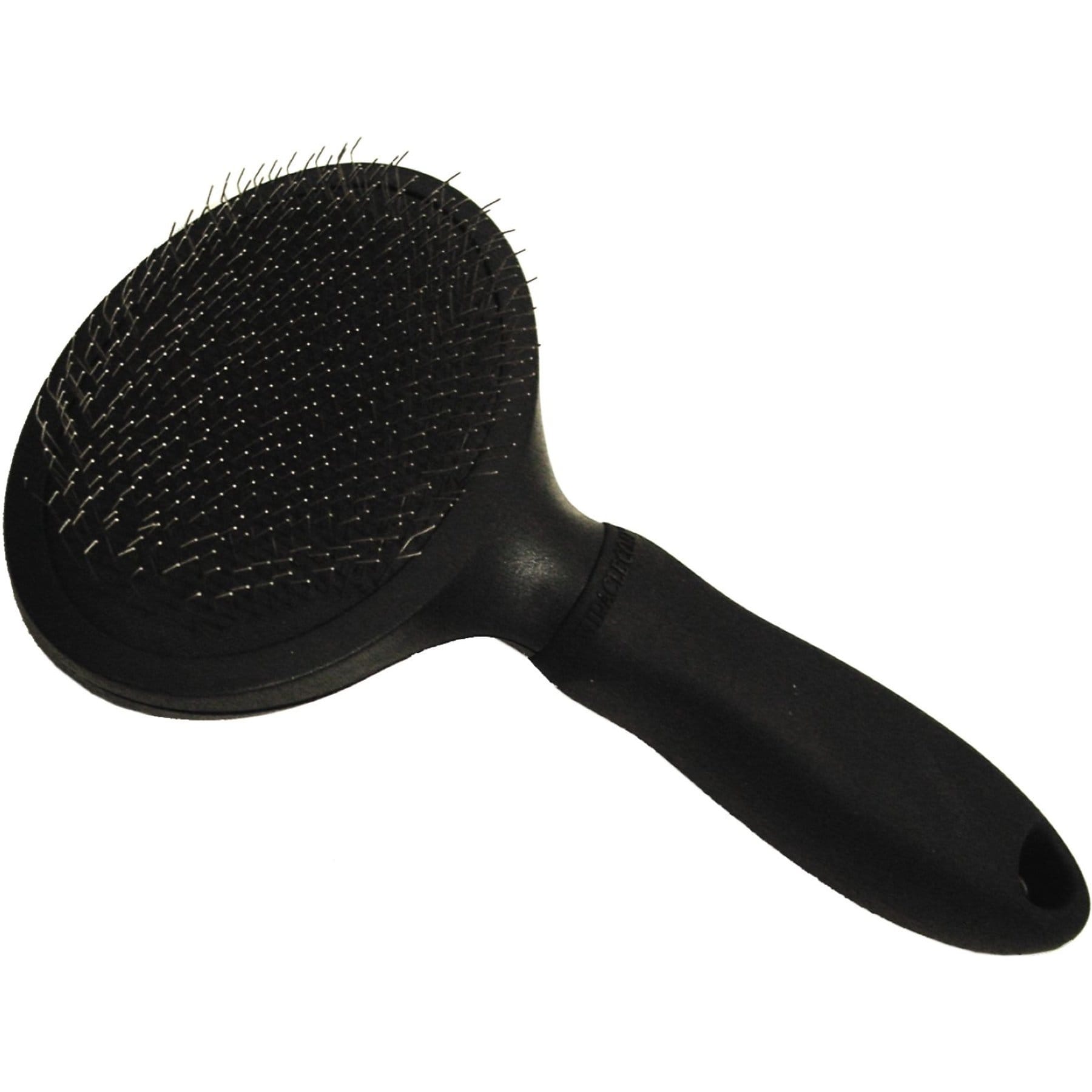
A large slicker brush for detangling and lifting shed hair from long and medium coats.
Webvet may earn a commission when you click through to Chewy, at no extra cost to you.
The Miracle Care Slicker Dog Brush, Large is a slicker brush with soft, angled stainless wire tines. The listing describes it as a detangling brush that also lifts loose hair and reaches into the undercoat on double-coated breeds.
Purdue's guide calls the slicker the most commonly used brush and good for most coat types, which is why it suits the dog whose coat tangles as it sheds. It is a finishing tool on double coats after a rake, and the main brush on long coats. For choosing a slicker by breed and pin firmness, see the full guide to slicker brushes for dogs.
- Suits: long and medium coats, feathering on legs and tails, and as a follow-up brush on double coats.
- Skip it if: the coat is very short and smooth, where wire tines mostly meet skin.
- Use it: brush the hair, not the skin, with light, short strokes; pressing a slicker into the skin is how scrapes happen.
- Compared with the Safari rake: a slicker collects loose hair near the surface and works out small tangles, while the rake goes deeper into a heavy undercoat. Many double-coated dogs need both.
- Price: listed at $17.31 on Chewy when checked in November 2026.
Frisco Bone Dog Curry Brush: best for short smooth coats
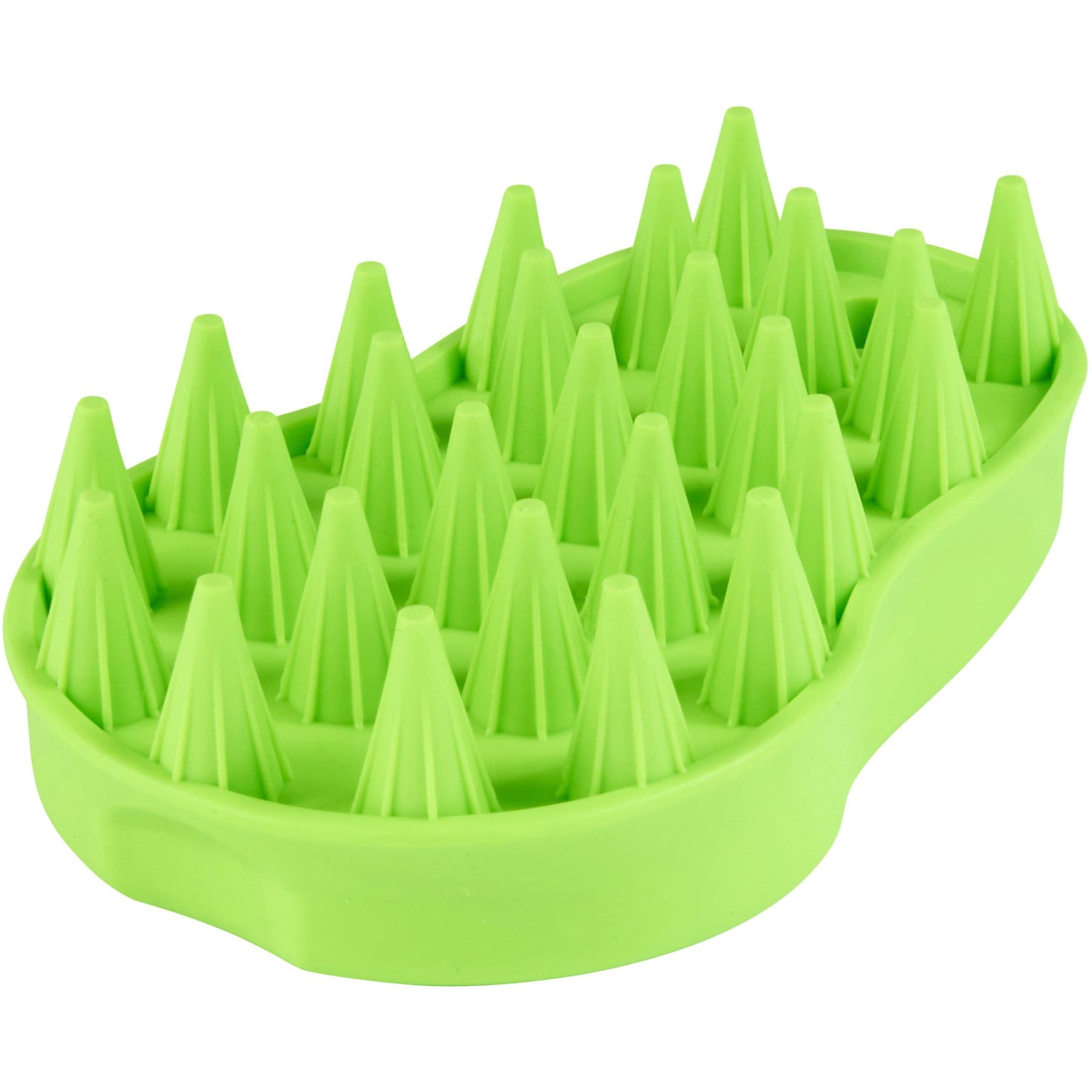
A bone-shaped rubber curry brush for short smooth coats and for working shampoo in at bath time.
Webvet may earn a commission when you click through to Chewy, at no extra cost to you.
The Frisco Bone Dog Curry Brush is a rubber curry brush with soft rubber tips. The listing describes it scrubbing away dirt, dead skin, and loose fur down to the skin without pulling the hair, and helping work up a lather at bath time.
A rubber curry does a different job from metal tools. Purdue notes that rubber brushes can minimally reduce shedding, may benefit the coat by massaging the skin, and can be used wet or dry. On a short smooth coat with no real undercoat, that gentle loosening is often all the coat needs.
- Suits: short smooth coats such as boxers, pointers, and pit bull types, plus bath-time scrubbing for most dogs.
- Skip it if: you need to clear a thick undercoat; rubber nubs will not reach it.
- Use it: circular motions to loosen hair, then a hand or damp cloth to wipe it away.
- Compared with the Wahl blade: softer and slower, with no metal edge, so it is the gentler first tool on thin-coated or sensitive skin.
- Price: listed at $6.99 on Chewy when checked in November 2026.
Wahl Dog Shedding Blade: best budget shedding tool
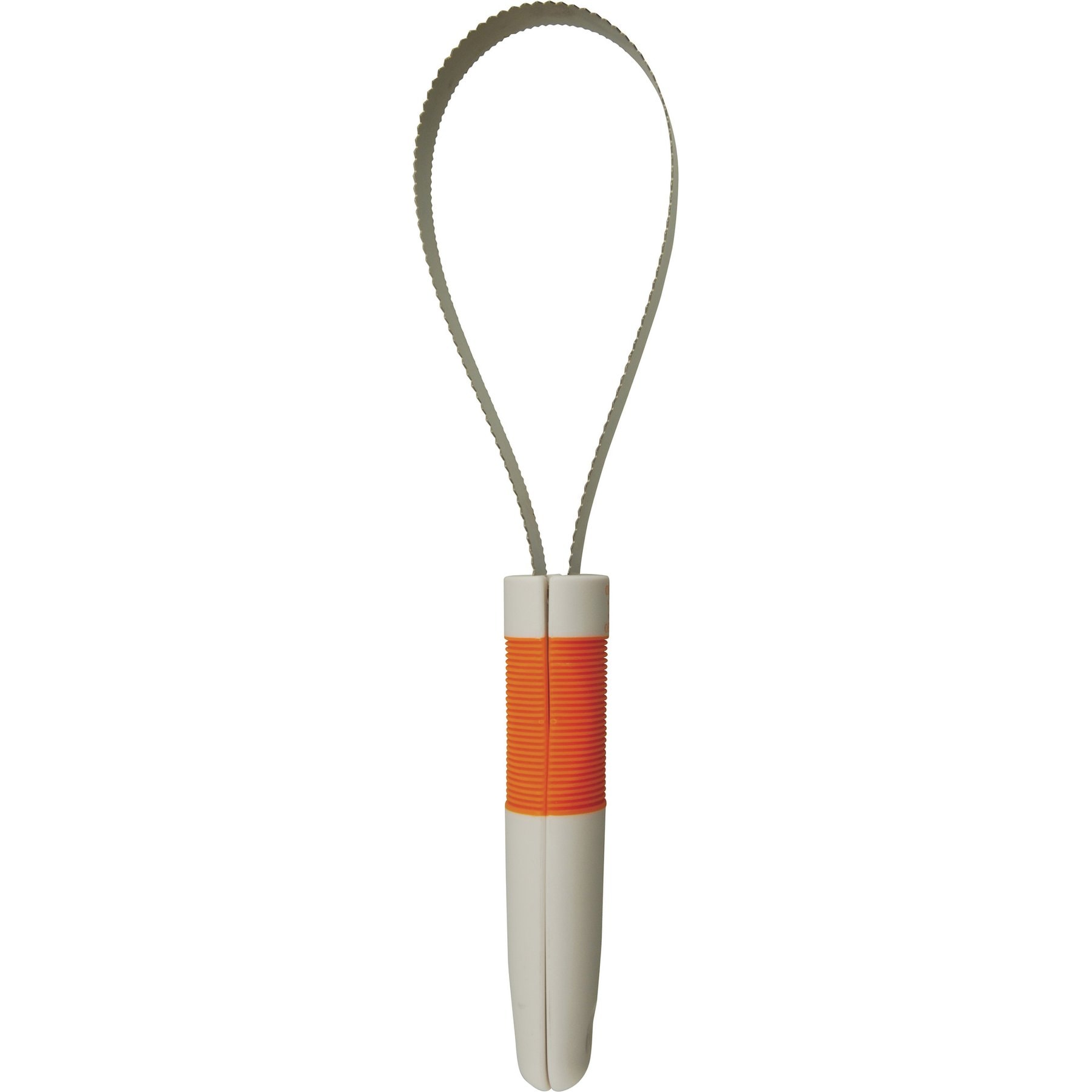
A low-cost double-sided shedding blade for short and short double coats during heavy shedding.
Webvet may earn a commission when you click through to Chewy, at no extra cost to you.
The Wahl Dog Shedding Blade, Orange/White is a double-sided shedding blade with a coarse side and a fine side, plus a non-slip grip that the listing describes as built for longer grooming sessions.
Purdue lists the shedding blade for double coats and says it can help with heavy shedding and fur removal. Compared with the FURminator, the Wahl blade costs about a third as much and has two edge grades rather than a single fixed edge. Use the coarse side for heavier hair and the fine side to finish.
- Suits: short and short double coats during heavy shedding, and owners on a budget.
- Skip it if: the coat is long, curly, or tangled; a blade drags and pulls on those coats.
- Use it: with light pressure only, letting the serrated edge catch hair rather than scrape skin.
- Compared with the Frisco curry: removes more hair per stroke on a shedding coat, but needs more care over bony areas such as the hips, spine, and legs.
- Price: listed at $11.99 on Chewy when checked in November 2026.
Pet Teezer De-Shedding Dog Grooming Brush: best gentle everyday brush
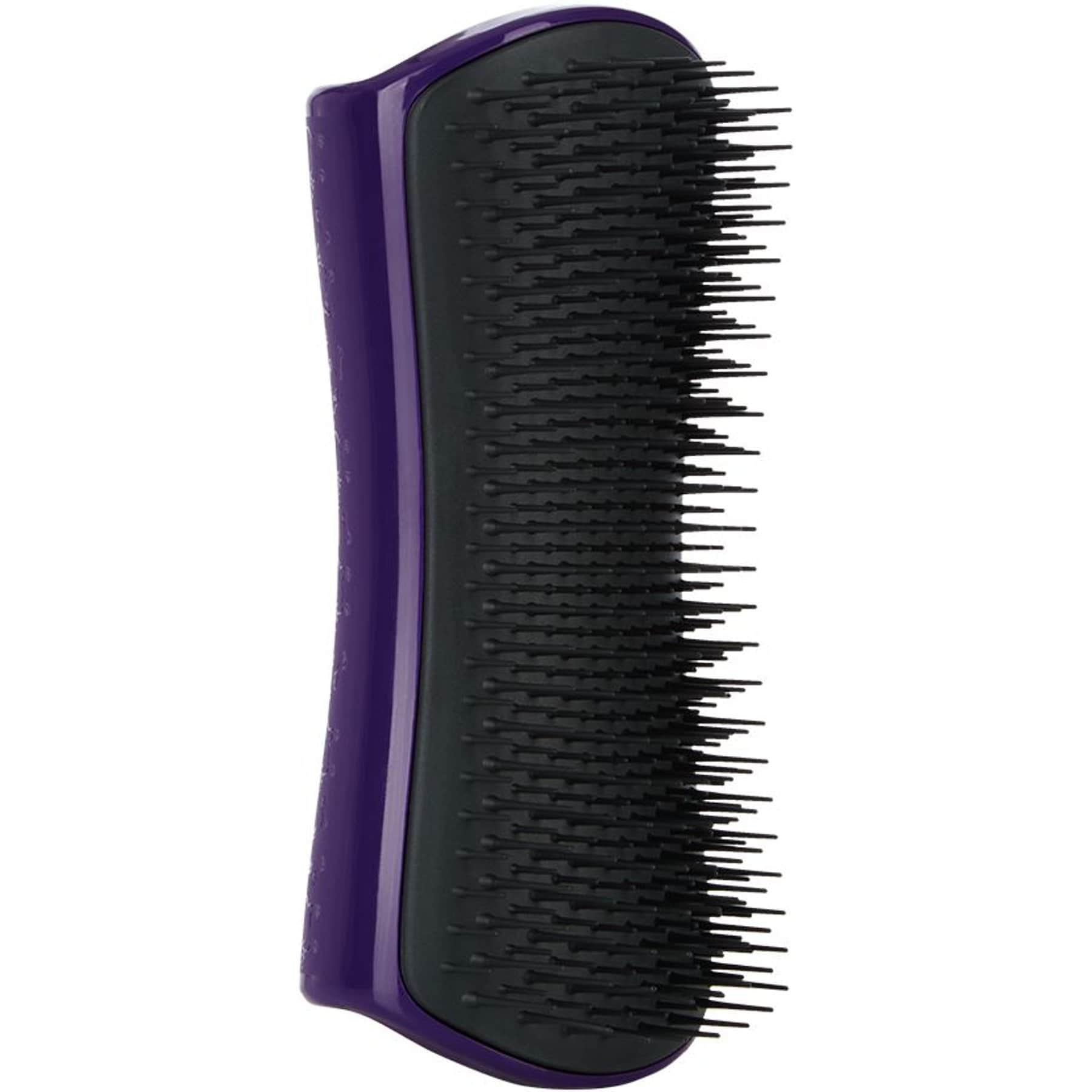
A palm-held two-tier brush for gentle everyday deshedding on dogs that dislike metal tools.
Webvet may earn a commission when you click through to Chewy, at no extra cost to you.
The Pet Teezer De-Shedding Dog Grooming Brush, Large is a palm-held brush with an ergonomic shape. Its listing describes two-tier teeth: longer teeth that reach down toward the undercoat and shorter teeth that collect the loose hair, and it names double-coated dogs as the intended use.
Its advantage is comfort for dog and owner. There is no metal edge, so it suits a dog that tenses at the sight of a rake or blade, and the palm grip is designed to reduce wrist strain. It is a maintenance brush between deeper sessions, not a replacement for a rake on a heavy coat.
- Suits: double-coated dogs that dislike metal tools, puppies learning to be brushed, and quick daily passes in shedding season.
- Skip it if: the coat is matted or very long; the teeth are not built to work through tangles.
- Use it: short daily sessions paired with treats, especially for nervous dogs.
- Compared with the FURminator: gentler and less thorough, a brush for frequent light passes rather than a deep deshed.
- Price: listed at $11.72 on Chewy when checked in November 2026.
How to choose between the picks
Most shedding dogs are best served by a pair of tools rather than a single brush. These pairings follow coat guidance from VCA, Purdue, and the American Kennel Club:
- Short smooth coat: the Frisco curry alone, or with the Wahl blade in heavy shedding.
- Short double coat: the FURminator short-hair tool or the Wahl blade, finished with the curry.
- Thick or long double coat: the Safari rake first, then the Miracle Care slicker.
- Long or curly coat: the Miracle Care slicker and a metal comb, with no blade-style tool.
- Nervous dog or puppy: the Pet Teezer, in short sessions with treats, before moving to metal tools.
Tools these picks leave out
A few other tool types suit narrower jobs:
- Electric brush: the core shedding work is done by a rake, blade, slicker, or curry, not a powered tool. A clipper or trimmer is a different tool for a different job.
- Wooden pin brush: the classic wooden pin brush, which the AKC describes as having widely spaced wire pins with balled tips, suits silky coats such as the Cavalier King Charles Spaniel more than heavy shedders.
- Stripping knife: wire coats are maintained with stripping tools, which the American Kennel Club says resemble butter knives with comb-like serrated edges. That is specialist work for terriers, not general shedding.
- Any tool used too hard: every one of these tools can leave red, sore skin if pressed hard or kept too long on one spot. Light pressure and short sessions prevent it.
 Sponsored
Vet care that's always there
Unlimited video calls and messaging with licensed vets for less than a typical vet visit. One membership covers up to five pets.
Use code Pets60
Plans start at $12/month · covers up to 5 pets
- Licensed vets in most states
- Rx for 150+ conditions
- 4.7 on Trustpilot
Which shedding brush for which coat: short, double, long, curly, and wire coats
| Coat type | Example breeds | Best shedding tool | Tool to avoid | How often | Warning sign |
|---|---|---|---|---|---|
| Short smooth coat | Boxer, pointer, pug, pit bull types, beagle | Rubber curry brush, grooming glove, or short bristle brush | Undercoat rake or long-pin tools that only hit skin | About once a week | Bald spots, scabs, or flaky red skin |
| Short double coat | Labrador Retriever, corgi | Short-hair deshedding tool or shedding blade, then a curry | Long-pin rake sized for heavy coats | Once or twice a week, more in spring and fall | Redness or scratches after brushing |
| Medium or thick double coat | German Shepherd, Golden Retriever, Australian Shepherd, Border Collie, Siberian Husky | Undercoat rake, then a slicker or comb | Shaving to the skin | Once or twice a week, daily while blowing coat | Patchy hair loss that does not regrow |
| Long double or arctic coat | Great Pyrenees, Newfoundland, Bernese Mountain Dog, Samoyed, Malamute, Pomeranian | Undercoat rake with longer pins, slicker, wide-tooth comb | Short-blade deshedding tool alone | Several times a week, daily in heavy shedding | Mats close to the skin, hot spots |
| Long silky coat | Cavalier King Charles Spaniel, Yorkshire Terrier, Shih Tzu, Maltese | Pin or boar bristle brush, slicker, comb | Blade-style deshedding tools | Daily | Tangles behind ears, odor, sores |
| Curly or continuously growing coat | Poodle, Goldendoodle, Labradoodle, other doodles | Slicker plus comb, regular trims | Deshedding blades and undercoat rakes | Daily for poodles and their hybrids | Mats, trapped moisture, itching |
| Wire coat | Cairn Terrier, Standard Schnauzer, German Wirehaired Pointer | Pin brush and medium comb, stripping or a pet strip by a groomer | Repeated clipping as the only care | Weekly | A soft, faded coat or skin problems |
The coat type, not the breed name, decides the tool. Two dogs of the same breed can carry very different amounts of undercoat, and mixed breeds often sit between categories. Part the hair down to the skin: if a soft, woolly undercoat sits under the guard hairs, treat the dog as double-coated.
Every other breed is sorted the same way: by coat length and whether an undercoat is present. If a coat seems to fall between two rows, your vet or groomer can tell you which brush suits it.
These brushing frequencies follow Purdue University's Center for Canine Welfare, which advises brushing short-haired and smooth dogs once a week or so, thick undercoats once or twice a week or more if needed, and curly coats 2 to 3 times a week. Its printed guide adds that wavy-coated dogs such as poodles and their hybrids need daily brushing.
Short smooth coats: Labrador-style short hair versus truly smooth coats
For a short-haired dog, the right brush depends on whether that short coat hides an undercoat. VCA Animal Hospitals explains that many short-haired breeds lack a distinct undercoat and shed at low levels all year, and it recommends flexible grooming gloves or short-bristle brushes for smooth-coated dogs such as pointers and boxers.
For a pit bull type, a boxer, or a greyhound, that means a rubber curry such as the Frisco Bone Dog Curry Brush, a glove, or a bristle brush. A pug, beagle, or bulldog falls in the same group. The Labrador is different: the American Kennel Club lists it among breeds with short double coats, along with the Pembroke and Cardigan Welsh Corgis.
So the best brush for a corgi or a Labrador is a short-hair deshedding tool or shedding blade used once or twice a week, followed by a curry. Coat color makes no difference, and a Labrador puppy gets the same plan with a softer touch and shorter sessions.
Double coats: German Shepherds, golden retrievers, huskies, and Aussies
Double coats shed the most and benefit most from an undercoat rake. The AKC describes medium double coats as common in herding breeds such as the Border Collie and Australian Shepherd, so an Australian Shepherd is best served by a rake followed by a slicker.
How the double-coat tools line up by breed:
- German Shepherd: a deshedding tool or rake weekly, more often during heavy shedding; a longer-pin rake for long-coated dogs.
- Golden Retriever: a rake for the body, a slicker and comb for the feathering on legs, chest, and tail.
- Australian Shepherd and Border Collie: a rake, then a slicker to lift what it loosens.
- Siberian Husky and Alaskan Malamute: a rake used at least weekly, and more often while the undercoat comes out in clumps.
German Shepherds follow the same logic. The American Kennel Club German Shepherd grooming guide describes brushing weekly, rising to daily during heavy shedding.
A Golden Retriever's brushes need to handle a feathered double coat. The American Kennel Club notes that thick double-coated dogs such as Golden Retrievers are more likely to shed year-round. For a Golden, that means a rake such as the Safari Double Row Rotating Pins Undercoat Rake Dog Grooming Tool for the body, plus a slicker and comb for the feathering.
Huskies sit at the heavy end. The American Kennel Club says Siberians have thick double coats and shed more than a lot of dogs, with heavier periods of shedding twice a year. Puppies of either breed start with a soft slicker and a light touch.
Long and arctic coats: Great Pyrenees, Newfoundland, Samoyed, and Pomeranian
A Great Pyrenees needs a longer-pin undercoat rake plus a slicker and a wide-tooth comb. The AKC lists the Newfoundland, Bernese Mountain Dog, Great Pyrenees, and Saint Bernard among long double coats, and the Pomeranian, Samoyed, American Eskimo Dog, and Alaskan Malamute among triple or arctic coats.
A short-blade deshedding tool is the wrong size for these coats: the outer coat is too long for a short edge to reach the undercoat. Long coats are brushed in layers, from the skin out, so mats do not form near the skin where a brush cannot see.
Long silky coats: Shih Tzu, Yorkie, Cavalier, and Maltese
Long silky coats need detangling, not deshedding, so the best brush for a Shih Tzu is the same kit that suits a Yorkie or Maltese. Purdue's printed brushing guide lists Shih Tzus, Yorkshire Terriers, poodles and their crossbreeds as dogs whose hair continuously grows and needs regular trimming, and VCA says long, silky, or curly coats need daily brushing to prevent tangles and mats.
A pin brush and a soft slicker are standard for a Yorkie or Maltese. For a Cavalier King Charles Spaniel, the American Kennel Club Cavalier grooming guide recommends a boar bristle brush or a pin brush and notes Cavalier shedding is not seasonal. Blade-style deshedding tools are the ones to avoid.
Curly coats: poodles, goldendoodles, and other doodles
Curly coats shed little, so a poodle's brush is really a mat-prevention tool. VCA notes slicker brushes work well for curly, non-shedding coats like poodles, and the AKC describes the poodle as a breed with hair rather than fur, along with the Maltese, Havanese, and Puli.
For a doodle or other poodle cross, the right brush depends on which parent the coat favors. A curly doodle coat gets a slicker and comb daily; a looser, shedding coat may also need a gentle rake. Many owners of low-shedding coats choose them for allergy reasons, which is covered in hypoallergenic dog breeds.
Wire coats: Cairn terriers, schnauzers, and wirehaired breeds
A wire coat routine is a pin brush plus combs, not a deshedding tool. The American Kennel Club wire coat guide advises brushing a wire coat once a week with a pin brush, which pulls out some dead hair and excess undercoat, then combing with a medium-toothed comb.
The AKC adds that most, but not all, terriers benefit from hand-stripping, and that clipping alone will eventually soften the coat, with a risk of skin conditions. Most pet owners have a groomer do a pet strip, a clipper trim with carding to remove soft undercoat.

What's the hardest dog to groom?
No single breed is officially the hardest dog to groom, but the hardest coats are those that grow continuously, very dense double or arctic coats, and wire coats that need stripping. Purdue lists Shih Tzus, Yorkshire Terriers, and poodles and their crossbreeds as needing regular professional trimming, while giant long-coated breeds such as the Great Pyrenees take the most time to rake out during shedding season.
Deshedding tools, undercoat rakes, slickers, and curry brushes: how each works

Dog brushes fall into a handful of designs, and each removes hair in a different way. That is why one brush cannot do every job, and why most shedding dogs need two tools: one to loosen or pull the undercoat and one to finish the outer coat.
- Deshedding tool: a fine-toothed edge, often stainless steel, set in a handle. It catches loose undercoat as it moves through the topcoat. Purdue says deshedding tools remove undercoat and prevent matting and tangles, but must be used with care because they can irritate or even cut the skin.
- Undercoat rake: one or two rows of long metal pins set like a garden rake. The pins comb out loose undercoat from dense coats; longer pins suit longer coats.
- Slicker brush: fine, bent wire tines on a flat or curved pad. It lifts loose hair and works out small tangles, and Purdue calls it the most commonly used brush.
- Shedding blade: a band of serrated metal, sometimes bent into a loop, that skims loose hair from short and double coats.
- Rubber curry brush: soft rubber nubs or ridges that loosen hair and dirt on short coats, wet or dry.
- Bristle brush and grooming glove: natural or synthetic bristles, or a rubber-studded glove, for smooth coats and finishing shine.
- Pin brush and comb: widely spaced pins for long and silky coats, and combs to check for tangles after brushing.
Deshedding tools: what a FURminator does and its limits
Most deshedding tools, including the FURminator, work the same way: a fine edge reaches through the topcoat and catches loose undercoat. Many owners use the brand name for the whole category.
The limits matter as much as the strength. The tool removes hair that is already loose, so it reduces what lands on the floor but cannot stop the natural shedding cycle. It works best on short and medium double coats; on long, silky, or curly coats it can pull or cut hair.
Deshedding tool or undercoat rake: which first?
Both remove undercoat, so the choice comes down to coat length and density:
- Short or medium double coat: a deshedding tool's short edge reaches the undercoat quickly.
- Long, thick, or arctic double coat: a rake's longer pins reach the skin layer that a short edge misses.
- Dog blowing coat heavily: start with the rake to clear bulk, then a deshedding tool or slicker on shorter areas.
- Long, silky, or curly coat: neither; use a slicker and a comb.
Undercoat rakes for heavy coats
An undercoat rake has one main job: clearing dense undercoat on long or thick double coats. Pins that rotate or have rounded tips are designed to roll through the coat rather than scratch, and pin length should roughly match coat length, so a long-coated Newfoundland needs longer pins than a Border Collie.
Rakes are slower than a deshedding edge but gentler on longer coats, and they are the usual first step when a dog is blowing coat. Follow with a slicker to collect what the rake loosened.
Curry brushes, gloves, and massage brushes
A rubber curry brush is the simplest shedding tool. It loosens hair and dirt in circular strokes, and the same design is sold as a massage brush because the rubber nubs rub the skin. Purdue's guide notes rubber brushes can minimally reduce shedding and may benefit the coat by massaging the skin.
A grooming glove works on the same idea: a rubber-studded glove that removes loose hair while it feels like petting. Purdue says grooming gloves can remove dirt or hair but are not a main grooming tool for most dogs, so treat a glove as a quick daily pass on a short coat.
Metal loops, blades, and boar bristle brushes
A brush with a metal loop is usually a shedding blade: a flexible band of serrated metal held in a loop or opened flat. It works on short coats and short double coats; on long coats the teeth catch and pull. The Wahl Dog Shedding Blade, Orange/White is a double-sided version with a coarse and fine edge.
A metal brush can be gentle or harsh depending on the tips and pressure. A boar bristle brush sits at the soft end: natural bristles that smooth and polish a short or silky coat. Purdue notes a stiff bristle brush is especially good for short, straight coats such as pugs but is not good for removing mats or shedding fur.
What brush do professional groomers use?
Professional groomers most often reach for a slicker brush, which Purdue describes as the most commonly used brush and good for most coat types. Around it, groomers keep an undercoat rake, a deshedding tool, a rubber curry, and metal combs, choosing by coat. The comb is the check: if it glides from skin to tip, the brushing is done.
For a dog that tenses at metal tines, a palm-held option like the Pet Teezer De-Shedding Dog Grooming Brush, Large gives a softer middle ground. For a long coat, a slicker such as the Miracle Care Slicker Dog Brush, Large is the base tool, used with a comb.
Do deshedding brushes really work?
Yes, deshedding brushes really work for removing loose undercoat, but they do not stop shedding. Purdue says deshedding tools remove undercoats and prevent matting and tangles, and the AKC German Shepherd guide quotes a breeder who finds a de-shedding brush alone is enough for routine brushing when used correctly. Shedding itself continues with the seasons.
The trade-off is skin safety. The same Purdue guidance warns these tools can irritate or even cut the skin. Used lightly on the right coat, on a schedule that matches the season, the right deshedding brush removes loose hair without leaving the skin pink.
How to deshed a dog safely: how often, how hard, and when to stop

Deshedding is safe when pressure, time, and frequency stay modest. Purdue University's Center for Canine Welfare advises brushing in the direction the hair grows, always brushing gently, avoiding tools that pull the hair, and brushing all over rather than focusing too long on one part of the body, which can be uncomfortable.
These frequency bands come from Purdue's guide and VCA:
- Short and smooth coats: about once a week.
- Thick undercoats: once or twice a week, or more if needed.
- Curly coats: 2 to 3 times a week, and daily for poodles and their hybrids.
- Long, silky, or curly coats: daily, according to VCA Animal Hospitals, to keep tangles and mats from forming.
- Shedding seasons: more often in spring and fall, when Purdue notes dogs may need extra brushing.
Line brushing dogs with thick coats
Line brushing is how groomers work through a thick or long coat without missing the undercoat. Part the coat in a horizontal line, push the top layer up, and brush the hair below the line down and out, then move the line up a little and repeat. Working in sections reaches the layer where mats start.
It takes longer than surface brushing, but surface brushing on a heavy coat leaves the undercoat untouched. If a comb snags close to the skin, that patch needs gentle detangling, and tight mats belong to a groomer or vet; see matted dog hair for how they are handled safely.
A simple deshedding routine
A routine keeps each session short and the skin safe:
- Check the coat with your hands first for tangles, lumps, sores, or fleas.
- Work out small tangles gently with a slicker or your fingers; leave tight mats for a groomer.
- Use the undercoat tool for the coat, rake or deshedding tool, in short strokes with the hair growth.
- Move around the body rather than staying on one patch.
- Finish with a slicker or comb, then a curry or glove on short coats.
- Reward the dog and stop while it is still relaxed, even if some areas wait for the next session.
Puppies, seniors, and sensitive skin
Puppies need a gentle start rather than a full deshed. The American Kennel Club suggests a soft slicker brush on a puppy and a medium-strength slicker on an adult dog, and Purdue advises getting puppies used to brushing young.
Older dogs and dogs with thin coats over bony areas need the same light touch. If a dog has skin disease, sores, or recent surgery, ask your vet before using any metal deshedding tool on that area.
How hard to press, and signs to stop
The tool should glide, not scrape. VCA advises being gentle with any brush and avoiding excessive pulling on tangles, and Purdue warns that deshedding tools can irritate or cut the skin. Stop a session when you see any of these:
- Pink or red skin, scratch lines, or flecks of blood.
- Thinning patches where the coat looks lighter than the rest.
- The dog tensing, pulling away, turning to mouth the brush, or freezing.
- A tool that brings out tufts of the outer coat, not just soft undercoat.
Purdue's advice is specific: if your dog freezes, tries to escape, tries to bite, or otherwise seems stressed, stop and ask your vet for help on how to proceed.
Can you over-brush a dog?
Yes, you can over-brush a dog. Too much pressure, too many passes over one spot, or repeated hard passes with a deshedding edge can irritate the skin and damage the coat. Purdue advises brushing the whole body rather than lingering on one area.
Do dogs like being brushed?
Many dogs do learn to enjoy it. Purdue says brushing can be pleasant when done well, and recommends starting puppies young, brushing when the dog is relaxed or tired such as after exercise, and pairing brushing with high-value treats, ideally with a second person feeding treats while the other brushes.
When shedding, itching, or skin problems need a vet
Normal shedding and abnormal hair loss look different. The Merck Veterinary Manual says that if shedding is not accompanied by bald patches or symmetric hair loss, it is likely just a stage in the natural replacement of the coat. Shedding may be abnormal if it results in obvious loss of the coat and bald spots.
Itching changes the picture. Merck notes that infections, parasites, and allergies commonly cause itching or pain with hair loss, and that if a dog has hair loss and is scratching excessively, the itching should be investigated first. Hormonal imbalances such as hypothyroidism are another cause the manual names.

Signs that point to a vet visit rather than a new brush:
- Bald spots or patches, or hair loss in a matching pattern on both sides of the body.
- Itching, licking, or chewing at the skin.
- Red, scaly, greasy, or flaky skin, or a strong odor.
- Sores, scabs, bumps, or skin that bleeds after gentle brushing.
- Fleas or flea dirt found while brushing.
- Shedding far beyond the dog's usual pattern outside spring and fall.
Normal shedding versus a problem
Normal shedding follows a pattern you can predict, and a coat problem breaks it in recognizable ways:
| What to check | Normal shedding | Worth a vet visit |
|---|---|---|
| Hair loss pattern | Loose hair comes out evenly, with no bare skin showing | Bald spots, or hair loss in a matching pattern on both sides |
| Timing | Heavier in spring and fall in double-coated dogs, then eases | Far beyond the dog's usual pattern, or outside the shedding seasons |
| Skin | Clean, with no redness, scale, or odor | Red, scaly, greasy, or smelly skin, scabs, or discharge |
| Behavior | No more scratching, licking, or chewing than usual | Constant scratching, licking, or chewing |
| Coat | Shiny, with no dandruff or greasiness | Dull, flaky, or greasy coat |
Hair loss that breaks any of those patterns is worth a vet visit, especially bald spots or hair loss in a matching pattern on both sides, which Merck separates from normal coat replacement.
What the vet looks for
A vet starts with history and a physical exam. The Merck Veterinary Manual itching guide says parasites, including mites and fleas, are the first cause a vet seeks to exclude, and that infections are often accompanied by hair loss, scaling, odor, and fluid discharge. Skin scrapings, lab tests, or biopsies may follow.
Stress counts too. VCA Animal Hospitals notes many dogs shed excessively when under stress, and that a healthy dog does not shed excessively and has a shiny coat free from dandruff or greasiness. Moves, boarding, or illness can trigger a temporary surge.
These WebVet guides cover the common causes in more depth:
- Hair loss in dogs explains patterns and medical causes.
- Dog skin allergies covers itch from environmental and food allergies.
- Dry skin on dogs covers flaking and dandruff.
- Fleas on dogs: what they look like and how to stop them covers flea dirt and prevention.
Beyond brushing: baths, drying, and keeping shed hair under control at home

Brushing does most of the work, but baths and drying help release a shedding undercoat. VCA Animal Hospitals notes dogs with a heavy undercoat benefit from a bath in spring or fall, when they undergo seasonal shedding, and advises brushing out burrs and tangles before bathing because tangles can become impossible to remove afterward.
Bath brushes
A bath brush is usually a rubber curry: soft nubs that work shampoo down to the skin and loosen hair while wet. Brushes sold for the shower, for shampooing, or for scrubbing are mostly variations of that design, and any of them is safe on a soaked coat.
Choose the shampoo with the same care. VCA says human shampoo, including baby shampoo, is far too harsh for dog skin. A deshedding shampoo such as the FURminator DeShedding Dog Shampoo, 16-fl oz bottle lists omega-3 and omega-6 fatty acids and a formula without parabens or chemical dyes; check the full label for fragrance if your dog's skin is sensitive.
Frequency matters as much as product. The American Kennel Club warns that bathing too often can deplete a dog's natural oils and dry out the skin and coat, and VCA says healthy dogs typically need a bath no more than once every few weeks. For a full schedule by coat, see how often should you bathe your dog.
Brushing sprays: what to check on the label
A brushing spray is a detangling or conditioning mist used to reduce static and help a brush glide. Read the ingredient list before buying. Pet Poison Helpline warns that tea tree oil can absorb through the skin and cause severe effects, and dogs can also be poisoned by licking it from the coat. Skip sprays with concentrated essential oils.
Drying: blowing out the undercoat
The American Kennel Club advises that when a dog is shedding its undercoat, owners should brush or blow it out. Groomers use forced-air dryers on double coats after a bath because airflow loosens undercoat that a brush then collects. Heat, noise, and nozzle distance all need care, covered in the guide to the dog blow dryer.
What do groomers use for shedding dogs?
Groomers use a sequence rather than one tool: brushing out tangles first, a bath with dog shampoo while working the coat with a rubber curry, a forced-air dryer to blow out loose undercoat, then an undercoat rake or deshedding tool and a slicker to finish. The AKC's advice to brush or blow out a shedding undercoat is the principle behind that routine.
Many grooming appointments also include checking the anal sacs, which the Merck Veterinary Manual says normally empty during defecation, with small breeds predisposed to problems; see dog anal glands for why and when they are expressed.
Vacuum brushes, shop vacs, and lint brushes
A vacuum grooming attachment fits a brush head to a vacuum hose so hair is pulled away as you brush. The right one is whichever your dog tolerates: vacuums are loud, and noise-sensitive dogs need slow introduction. A grooming attachment for a shop vacuum works the same way but is usually louder.
For the house, the AKC says huskies naturally shed their entire soft undercoat, so a strong vacuum cleaner is a must. Upholstery, car seats, and clothes need a different tool. A lint brush such as the Lilly Brush Hair Clean-up Dog & Cat Brush is sold as a reusable alternative to lint rollers for furniture, clothing, and cars.
Simple habits keep the rest under control:
- Brush outdoors or on an easy-to-clean floor during shedding season.
- Wash dog beds and throws often, since they collect undercoat fast.
- Vacuum high-traffic areas several times a week while a dog is blowing coat.
- Keep a lint brush near the door for clothes and car seats.
Best dog brush for shedding questions
Frequently Asked Questions
Can you over-brush a dog?
Yes. Pressing hard, going over the same patch again and again, or repeated hard passes with a deshedding edge can leave the skin red and sore, sometimes called brush burn. Purdue warns deshedding tools can irritate or cut the skin. Spread strokes over the whole body, keep pressure light, and let irritated skin heal before brushing there again.
What is the best brush for a short-haired dog that sheds?
For a short coat without an undercoat, a rubber curry brush or grooming glove is usually best, because it loosens hair without scratching skin that has little hair over it. Purdue suggests brushing short, smooth coats about once a week.
If the short coat has a dense undercoat, as in Labradors and corgis, add a short-hair deshedding tool or shedding blade once or twice a week, more in spring and fall.
Is a deshedding tool safe on a long-haired dog?
A short-blade deshedding tool is a poor fit for a long coat, because the edge can catch and cut long guard hairs and pull tangles. For a long coat with a thick undercoat, an undercoat rake with pins long enough to reach the skin, followed by a slicker and comb, is the safer choice. Silky single coats need detangling, not undercoat removal.
Do vacuum grooming attachments work for shedding?
They can collect loose hair as it is brushed out, but like a brush they only remove hair that is already loose. The bigger issue is noise. For a dog afraid of the vacuum, VCA suggests starting with it turned off and stationary and building up slowly with treats, and warns that punishment makes fear worse.
Do dogs like being brushed?
Most dogs can learn to like it. Keep short sessions at first, even a minute, as VCA Animal Hospitals suggests for handling practice, and pair brushing with treats. Purdue recommends high-value treats and a time when the dog is relaxed, such as after exercise.
A dog that freezes, tries to escape, or bites is telling you to stop. Go back to an easier step, and ask your vet for help if the fear does not ease.
Veterinarian · BVMS MRCVS
Dr. Pippa Elliott, BVMS, MRCVS, is a veterinarian with nearly 30 years of experience in companion animal practice. Dr. Elliott earned her Bachelor of Veterinary Medicine and Surgery from the University of Glasgow. She was also designated a Member of the Royal College of Veterinary Surgeons. Married with 2 grown-up kids, Dr. Elliott has a naughty Puggle named Poggle, 3 cats and a bearded dragon.


