How Often Should You Bathe Your Dog?
Choose a bathing routine that fits your dog’s coat, lifestyle, and skin health. Learn when ordinary washing is enough, when more baths can cause problems, and when your veterinarian should set the schedule.

BVMS MRCVS
Medically reviewed by Dr. Pippa Elliott, BVMS MRCVS · Last reviewed

This article contains affiliate links. Webvet may earn a commission when you buy through them, at no extra cost to you.
How often should you bathe your dog? For a dog with healthy skin, use dirt, odor, coat needs, and their response to the last bath to guide the interval. Many dogs need only occasional baths; a monthly bath can suit some dogs, while others comfortably go longer. A skin-treatment schedule is a separate decision made with your veterinarian.
Start by deciding whether you are cleaning a dirty coat or treating a diagnosed skin problem. This guide helps you choose a routine bathing interval, recognize when frequent washing needs a closer look, and pick useful supplies without assuming every dog needs medicated shampoo.
 Sponsored
Have a health question about your dog?
Talk to a licensed vet at Dutch over video or message, including nights and weekends.
Use code Pets60
Plans start at $12/month · covers up to 5 pets
- Licensed vets in most states
- Rx for 150+ conditions
- 4.7 on Trustpilot
How often does a healthy dog need a bath?
Separate a hygiene bath from a treatment bath before choosing frequency. For healthy skin, the goal is cleanliness and comfort; a treatment schedule addresses a diagnosed problem. A simple bath log helps identify repeat odor or post-bath itching instead of escalating shampoo use. For example, note whether the next bath followed another muddy walk or whether odor returned without any new dirt.
There is no universal dog bathing frequency. A healthy dog can need a bath after one muddy afternoon and then remain clean for weeks. Rather than choosing how often to wash a dog from a calendar alone, check the coat and skin. Visible dirt, sticky residue, or ordinary doggy odor can justify washing; fresh sores or persistent scratching call for a different response.
- 1Healthy skin: bathe for cleanliness and coat care, adjusting to the individual dog.
- 2Skin disease: follow the veterinarian’s treatment schedule and the prescribed product directions.
Is it okay to bathe your dog once a month? Yes, that can be a workable interval for some healthy dogs, provided their skin remains comfortable and they do not need cleaning sooner. It is neither a minimum requirement nor permission to ignore skin changes. Twice a month may suit a particular coat or lifestyle, but more frequent washing is not automatically better care.
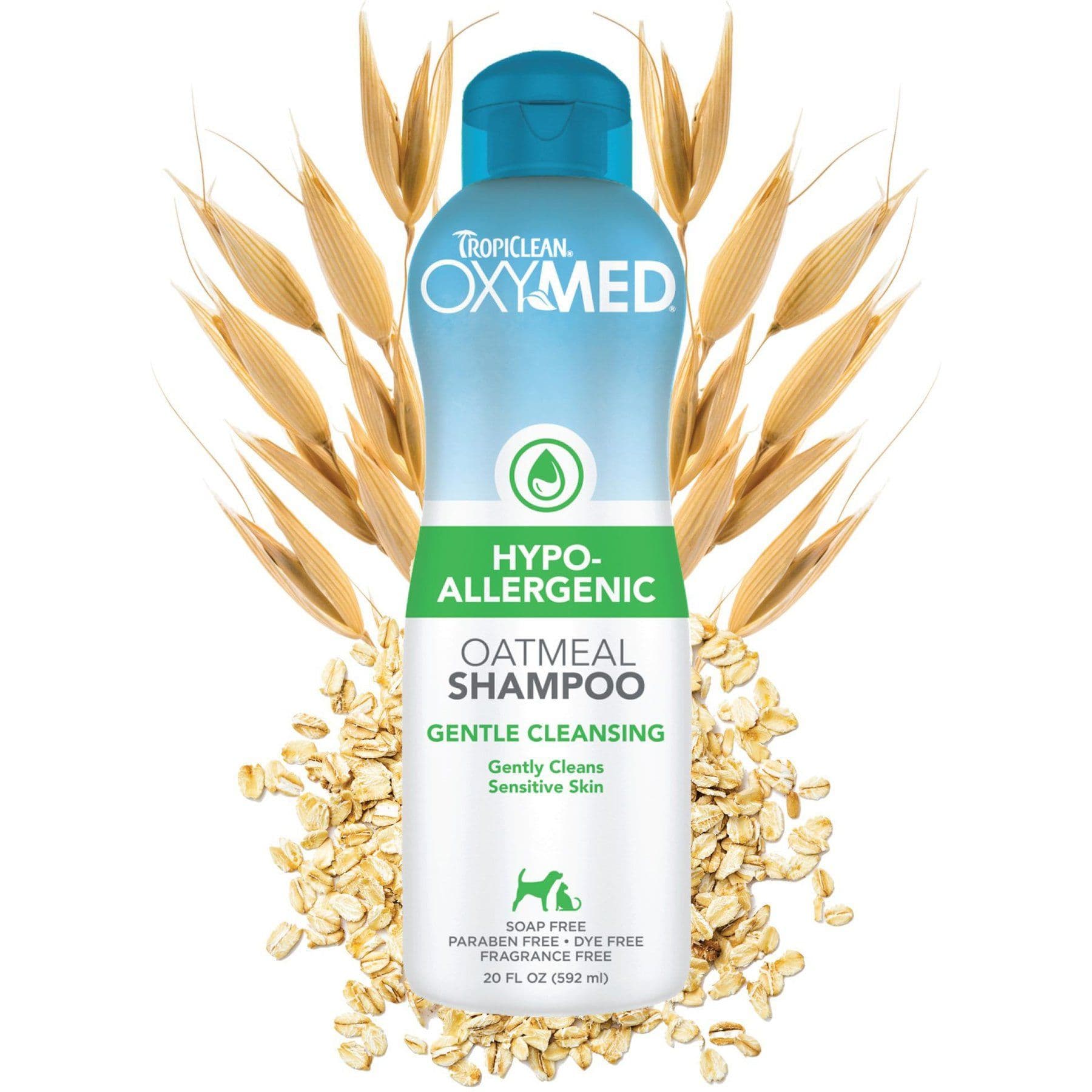
An unscented oatmeal shampoo option for appropriate routine bathing. Follow the bottle directions and your dog’s skin-care advice.
Webvet may earn a commission when you click through to Chewy, at no extra cost to you.
Veterinary guidance gives examples rather than a rule for every breed: VCA’s coat-care guidance describes occasional washing for many dogs and roughly six to eight weeks for healthy non-shedding breeds. Use that as a discussion starting point, not a diagnosis or an instruction to wait when your dog is soiled.
Signs that a bath is needed
How do you know if your dog needs a bath? Check for visible dirt, a sticky coat, or ordinary dog odor. A full pet bath may be useful when a damp cloth cannot remove the mess. If the skin is sore or persistently itchy, a veterinary check is more useful than assuming a stronger wash will solve it.
Adjust bathing for coat, lifestyle, and season
Coat type changes the work involved, but fur length alone does not set a safe bathing interval. If you are wondering how often should you bathe a short haired dog versus a long haired dog, start with the same skin check. Then consider tangles, undercoat, drying time, and the grooming routine that keeps that coat manageable.
- Short-haired dogs, such as a Boxer or Chihuahua: a clean, comfortable coat may need fewer full washes. Short fur does not rule out skin disease, so frequent odor or itching still deserves attention.
- Long-haired dogs, such as a Shih Tzu: regular brushing and professional coat maintenance can matter more than adding extra baths. Remove manageable tangles before washing; seek help for tight mats rather than cutting close to the skin.
- Double-coated dogs, such as a Labrador, German Shepherd or Pomeranian: loosen and remove shedding hair with appropriate brushing. Washing the outer coat without reaching and drying the undercoat can leave the job unfinished.
- Hairless dogs and dogs with continuously growing coats, including many Poodle mixes such as a Cavapoo: get an individual grooming plan. Having little fur does not mean having no skin-care needs.
A breed name alone does not set a bathing interval. Even two dogs of the same breed can differ because of age, coat condition, activity and skin health. Ask a groomer about maintaining the coat and your veterinarian about persistent skin symptoms.

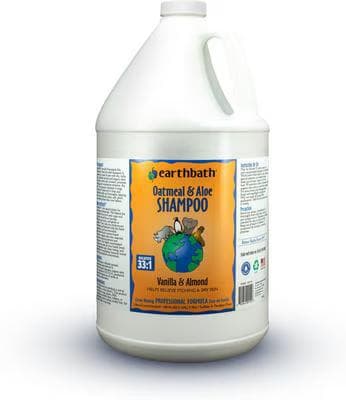
An oatmeal-and-aloe option for a dog whose routine care calls for this formula. The linked offer is the large 128-fl oz bottle.
Webvet may earn a commission when you click through to Chewy, at no extra cost to you.
How often do indoor dogs need a bath? Usually the decision still rests on actual dirt and odor, not simply living indoors. An indoor dog that stays clean may go longer between baths; one with urine or fecal soiling needs prompt cleaning. A clean dog in winter does not need washing because a summer reminder appeared on your calendar.
Summer activity can add mud, sand, swimming, or outdoor allergens. Winter can bring less outdoor mess but still leave paws and belly dirty after a walk. Adjust to what happened that day. AAHA’s allergy guidance includes wiping paws and coat after outdoor time as a supportive measure. Local cleanup can be enough without an extra whole-body shampoo bath.
Can you bathe a dog weekly or every day?
| Record | Example or prompt |
|---|---|
| Date and reason for bath | Muddy walk, routine grooming, or prescribed treatment |
| Product and directions | Exact formula, dilution if directed, and contact time |
| Skin response | Comfort, redness, odor or scratching after drying and the next day |
| Next step | Return to routine care, or contact the clinic about a concerning change |
Weekly bathing may be appropriate for an individual dog, particularly under a treatment plan. It is not a default requirement for healthy dogs. If your question is “can I bathe my dog once a week,” look at why the bath is needed and what happens afterward. A dog that becomes flaky or itchy needs reassessment rather than another fragranced wash to cover the problem.
What is overbathing a dog? It means washing often enough, or with an unsuitable routine, that the skin or coat becomes irritated or dry. There is no single number of baths that defines it for every dog. VCA’s guidance on frequent bathing advises reducing frequent baths if dryness develops and checking with a veterinarian if the problem continues.
- Daily bathing: ordinary whole-body shampooing every day is generally unnecessary for a clean, healthy dog. Do not turn daily spot cleaning into a mandatory daily full bath.
- Twice-weekly bathing or every three days: these schedules need a clear reason and a suitable product. They may be part of veterinary treatment, rather than routine hygiene.
- A dog that smells again almost immediately: check the source. Repeated washing can miss a skin or ear problem, urine soiling, or dirty bedding.
Bathing every day in summer is not automatically safer because the weather is warm. Likewise, a product described as gentle does not establish how often your particular dog should use it. Keep the interval and the shampoo choice as two linked decisions, and avoid changing both repeatedly while trying to work out what caused irritation.
 Sponsored
Vet care that's always there
Unlimited video calls and messaging with licensed vets for less than a typical vet visit. One membership covers up to five pets.
Use code Pets60
Plans start at $12/month · covers up to 5 pets
- Licensed vets in most states
- Rx for 150+ conditions
- 4.7 on Trustpilot
Choose a shampoo for the job
The best shampoo for frequent dog bathing is not necessarily the strongest cleaner or the one with the longest list of active ingredients. For routine cleaning, use a dog-formulated shampoo suited to the coat and skin, and read the bottle’s directions. A product name alone cannot confirm that it is appropriate for an itchy dog or a puppy.
For example, TropiClean OxyMed Hypo-Allergenic Unscented shampoo is an available oatmeal-based option for a buyer looking for an unscented formula. CHI Oatmeal Dog Shampoo and Burt’s Bees Oatmeal Shampoo are other available dog-shampoo formulas, but they are not interchangeable prescriptions or proof that a dog needs more baths. We have not performed hands-on testing of these products.
An Epsom salt bath for a dog’s paws or an apple cider vinegar bath for itchy skin is not interchangeable with a labeled dog shampoo. Do not assume home recipes treat allergies or establish a suitable bathing interval. Ask your veterinarian which preparation, if any, fits the skin problem before adding salts, baking soda or vinegar to the bath.
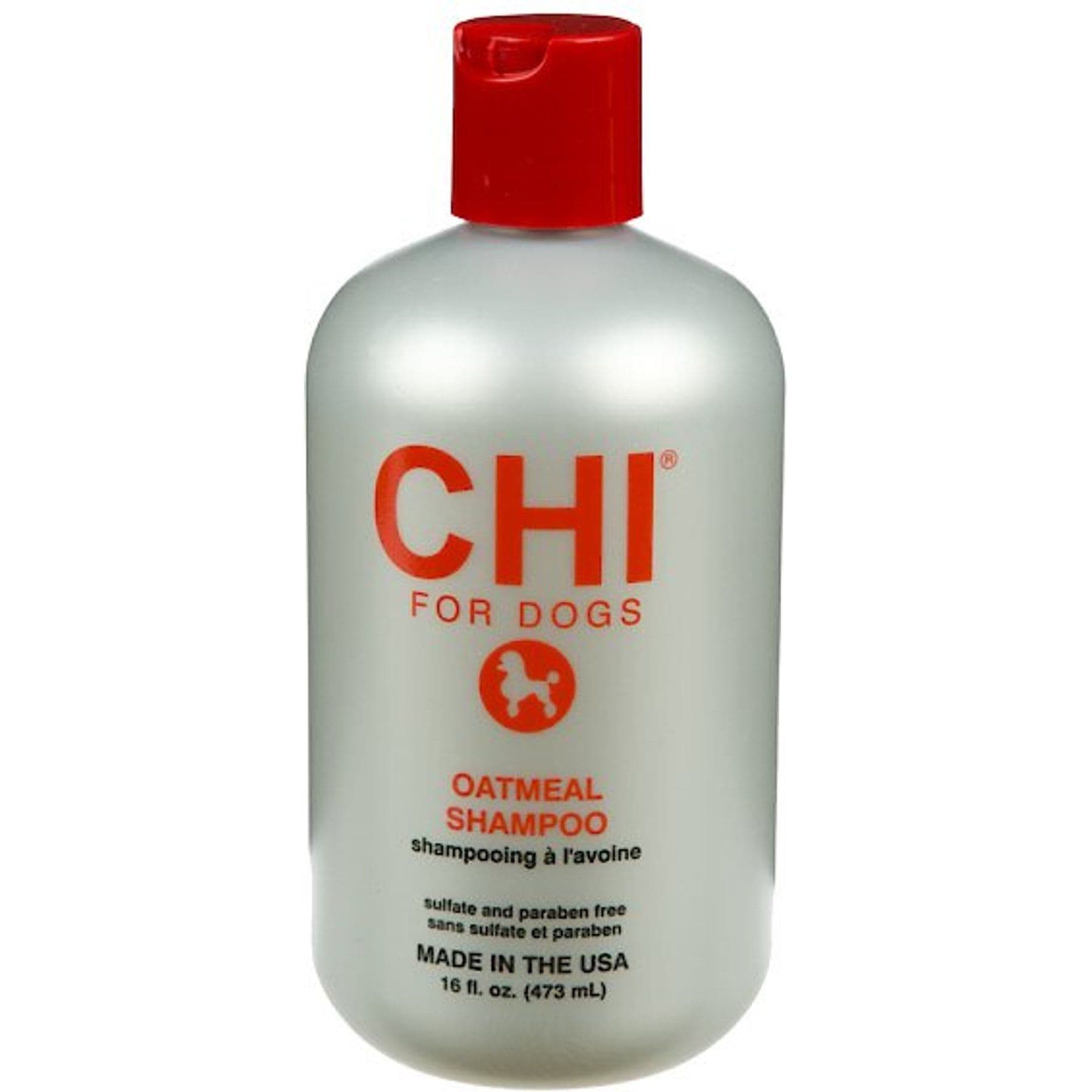
An oatmeal dog-shampoo alternative for an appropriate routine bath. Compare the current formula and directions before choosing.
Webvet may earn a commission when you click through to Chewy, at no extra cost to you.
How often should you bathe your dog with allergies? Have your veterinarian set the interval for your dog’s skin allergies rather than relying on the shampoo name. If the real question is which dog shampoo to use for allergies or itchy skin, start with the cause of the symptoms. Our dog shampoo for itchy skin guide compares the relevant choices and explains the boundaries between routine cleansing and treatment. A dry bath shampoo or no-rinse product can be convenient in a suitable situation, but it does not replace a veterinary exam or directions for a prescribed wash.
Where oatmeal shampoo fits
An oatmeal bath and an oatmeal shampoo are not necessarily the same preparation. A colloidal oatmeal bath disperses oat material in water; a formulated shampoo also contains cleansing ingredients. Earthbath Oatmeal & Aloe shampoo is one current rinse-off option. Check its exact formula, fragrance and bottle size, and follow the directions for the product you actually have. Treat itch relief as a comfort goal, not proof that an underlying skin problem has been treated.
If you are comparing colloidal oatmeal, oatmeal-and-aloe formulas, or an oatmeal bath for itchy paws, use our oatmeal shampoo for dogs guide for the fuller ingredient discussion. Oatmeal shampoo does not identify the cause of itching, and no ingredient name creates a universal bathing interval. Persistent symptoms deserve veterinary attention even if the coat smells cleaner after washing.
How often should you bathe a puppy?
A puppy needs cleanup when soiled, with care to keep them warm and dry. There is no puppy bath schedule that fits every age, coat, and household. For how often to bathe a puppy, distinguish cleaning a dirty area from repeatedly shampooing the entire body. Ask your veterinarian for guidance for a very young, sick, or unusually small puppy.

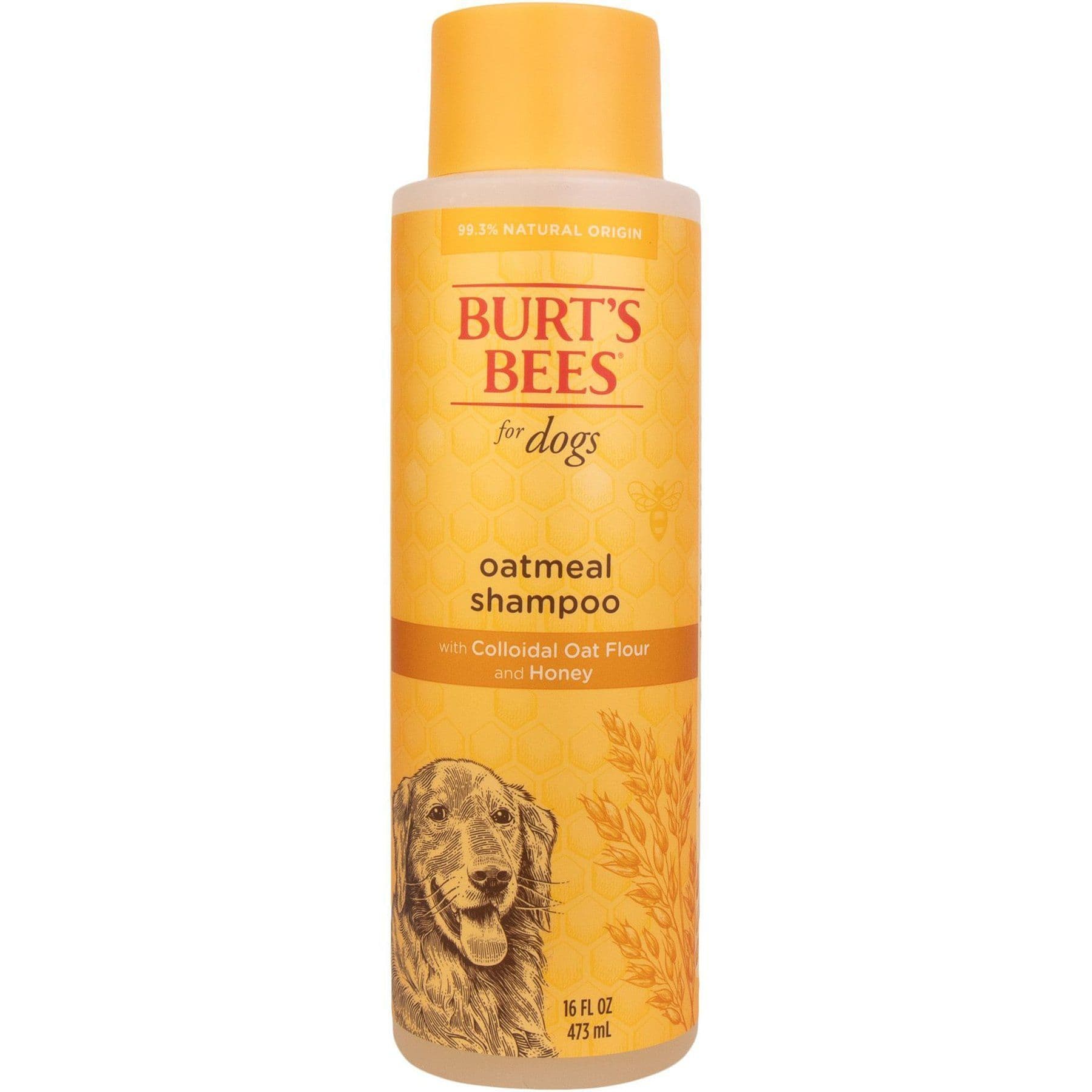
An oatmeal-and-honey dog shampoo option. Check the current label’s age suitability before using any shampoo on a puppy.
Webvet may earn a commission when you click through to Chewy, at no extra cost to you.
The age for a dog’s first bath is also a product and individual-health question. Do not assume an adult dog shampoo is suitable for newborns because the bottle sounds mild. Check age restrictions, use an appropriate warm setting, and have a towel ready before starting. If the puppy is cold, weak, or unwell, contact your veterinary team rather than making a bath the first priority.
- Prepare the location and supplies before bringing the puppy in.
- Clean soiled areas promptly and gently, avoiding a prolonged stressful session.
- Keep the puppy supervised throughout and dry them carefully afterward.
When a veterinarian sets the bathing schedule
A therapeutic bath is different from a hygiene bath. Skin infections, allergies, and other conditions can require a selected product, contact time, and repeat schedule. Ask your veterinarian to write down all three. Our medicated dog shampoo guide explains ingredient categories, including chlorhexidine, without turning them into routine products for every dog.
How often should a dog be bathed with chlorhexidine shampoo? Follow the specific product and veterinary plan, rather than copying another dog’s schedule. VCA’s medicated-bathing instructions explain that frequency depends on the condition being treated. Ask what to do if you miss a bath, which areas to treat, whether a preliminary cleansing wash is needed, and when to report lack of improvement.
For a dog with sensitive or dry skin after a bath, report worsening symptoms and the products used. More frequent treatment can sometimes be appropriate; more frequent unsupervised experimentation is a different matter. Redness, sores, hair loss, or persistent odor should not be managed indefinitely by switching bottles.
Bathing after surgery
After spaying or neutering, the incision and your discharge instructions take priority over a routine bath calendar. Our spay and neuter incision-healing guide explains recovery precautions. Ask the surgical team when bathing can resume rather than applying a healthy dog’s grooming interval to a healing incision.
How long to wait before bathing a dog after being spayed depends on the incision and the surgical team’s instructions. There is no single number of days after a spay that makes every dog ready for a bath. Even if two or three weeks have passed, the calendar alone cannot confirm healing. Keep the follow-up appointment and obtain clearance from the surgical team.
If your dog becomes dirty before then, ask how to clean the affected area while protecting the incision. Before neutering or another planned procedure, ask whether a preoperative bath is wanted and when to give it. Report changes in the incision rather than trying to wash them away.
Bathing around flea treatments
For flea shampoo or a topical flea preventive, follow that exact product’s bath timing and compatibility directions. Our flea shampoo for dogs guide covers flea-wash decisions. A routine shampoo’s mild label does not tell you when to repeat an insecticidal bath or whether it can be combined with another treatment.
Seeing fleas does not mean you should bathe your dog every day. How often a flea shampoo can be used depends on its label and the rest of the control plan. Do not repeat the bath early because fleas remain visible, or substitute a second flea or tick product without checking compatibility.
Likewise, the wait before or after bathing with a topical treatment is product-specific. Read its water-exposure directions before getting the coat wet. Ask your veterinary team about puppies, pregnancy or conflicting instructions, and confirm which product and schedule the household should follow.
How to bathe a dog without unnecessary repeat washing
Learning how to bathe your dog at home starts with preparation. Regular brushing removes loose hair between washes. Good preparation makes a bath more useful than repeating an incomplete wash. Gather dog bathing essentials first: an appropriate shampoo, towels, a non-slip surface, a brush suited to the coat, and a way to rinse gently. Choose a comfortable location you can safely manage. Keep everything within reach so you never leave a dog unattended in water.

- Brush before bathing. Deal with loose tangles first; ask a professional to handle mats that pull tightly on the skin.
- Wet the coat gently with comfortable lukewarm water. Avoid directing a strong stream at the face, eyes, or ears.
- Apply the selected shampoo exactly as directed. Dilute it only if its label or your veterinarian instructs you to do so.
- Use the required contact time. Do not assume that the timing for a medicated shampoo applies to every routine shampoo.
- Rinse thoroughly, including the belly, armpits, legs, and areas where foam can remain hidden.
- Towel-dry and finish drying in a comfortable environment. Avoid hot air directed at the skin, and give dense coats extra attention.
For the drying step, the Bone Dry Microfiber Dog Bath Towel is a reusable option. Choose a towel size that lets you dry the coat comfortably, and keep a clean spare nearby for a very wet dog.
For therapeutic use, veterinary dermatology guidance emphasizes matching the washing method to the patient and treatment. A plan that cannot realistically be completed needs discussion with the prescribing team. If mobility, dog size, or coat thickness makes thorough rinsing difficult, ask about practical alternatives instead of quietly shortening contact time.
After drying, look at the skin and note the result in the bath log. If the dog is comfortable and clean, return to normal grooming. If irritation appears or a familiar smell returns unusually quickly, document that pattern. A detailed observation is more useful than simply saying the shampoo “did not work.”
What about zoomies after a bath?
A burst of running after a bath does not tell you that the dog needs bathing more often. Owners describe it as zoomies, going crazy, getting hyper, or having extra energy. Whether dogs feel better, sleep better, or like feeling clean after a bath cannot be reliably inferred from energetic running alone. Dogs that go crazy after baths may look full of energy, but that does not establish a benefit from more frequent washing. The behavior itself is a separate question from the health of the skin and coat. See our guide to dog zoomies after a bath for that explanation, and choose the next wash from cleanliness and skin response rather than post-bath excitement.
Bathing questions owners ask
Frequently Asked Questions
Can I rinse my dog with water between baths?
Yes, plain water can remove some surface dirt between shampoo baths. A damp cloth can also handle a small dirty area. Rinse gently and dry the coat afterward, particularly if it is thick. If your dog has a prescribed skin-care routine, ask whether additional rinsing fits the plan; water-only cleaning is not a replacement for medication.
Should I bathe my dog after swimming?
If you bathe your dog after swimming, decide whether shampoo is actually needed. A fresh water rinse after swimming can help remove salt, chlorine, sand, or debris. Dry the coat afterward. Not every swim requires a full shampoo bath, but obvious dirt or persistent odor after swimming may call for more attention. If swimming repeatedly irritates the skin or ears, discuss the pattern with your veterinarian instead of compensating with stronger shampoo.
What if my dog is frightened of the bath?
If your dog is frightened of the bath, start with a secure non-slip surface and gentle handling, and avoid forcing a struggling dog through a long session. A professional groomer or veterinary team can help plan safer handling when fear, size, or pain makes home bathing difficult. Low-stress alternatives should suit the reason for washing; do not skip a prescribed treatment without discussing another workable approach.
Can I use baby shampoo on my dog?
Choose a dog-formulated shampoo rather than substituting baby shampoo. A product intended for babies is designed for human skin, and “gentle” does not establish suitability for a dog. If you have run out, ask whether spot cleaning with water can wait until the correct product is available. For irritated or diseased skin, ask your veterinarian which formula to use.

Editor
The Webvet Editorial Team is the in-house group of pet-care editors and writers behind Webvet, operated by Smart Pet Collective. The team researches, writes, and maintains Webvet's pet health, behavior, and medication content. Every article follows a defined editorial process: research from reputable veterinary and scientific sources, careful drafting, mandatory review of medical content by a credentialed veterinarian, and dated publication. Health and medication articles are medically reviewed by a licensed veterinary professional before they go live and are kept current over time.
Veterinarian · BVMS MRCVS
Dr. Pippa Elliott, BVMS, MRCVS, is a veterinarian with nearly 30 years of experience in companion animal practice. Dr. Elliott earned her Bachelor of Veterinary Medicine and Surgery from the University of Glasgow. She was also designated a Member of the Royal College of Veterinary Surgeons. Married with 2 grown-up kids, Dr. Elliott has a naughty Puggle named Poggle, 3 cats and a bearded dragon.
Related reading

Ruffwear Polar Trex Review: Winter Dog Boots for Snow, Ice, and Salt

Canada Pooch Dog Boots Review: Soft Shield, Hot Pavement, and Suspender Fit

Pawz Dog Boots Review: Rubber Balloon Boots for Salt, Heat, and Hardwood
