Flea Shampoo for Dogs: Vet-Reviewed Picks and How to Use It
Flea shampoo kills the fleas on your dog within minutes but leaves no lasting protection. Vet-reviewed picks, a step-by-step flea bath protocol, puppy age minimums, and honest guidance on when shampoo alone is not enough.

BVMS MRCVS
Medically reviewed by Dr. Pippa Elliott, BVMS MRCVS · Last reviewed

This article contains affiliate links. Webvet may earn a commission when you buy through them, at no extra cost to you.
Flea shampoo for dogs does one job well: it kills the fleas that are on your dog right now, usually within minutes of contact. What it cannot do is keep new fleas off. Most flea shampoos leave no meaningful residual protection, so fleas waiting in your carpet, bedding, and yard can hop right back on.
That honest limit is the single most important thing to understand before you buy a bottle. Used correctly, a flea bath gives an itchy, flea-covered dog fast relief and knocks down the adult flea load while a longer-acting preventive takes over. Used alone, it almost never ends an infestation.
This guide covers how flea shampoos actually work, which ingredients matter, our vet-reviewed picks, puppy age minimums, and a step-by-step flea bath protocol that gets the most out of every lather.
- 1Flea shampoo kills fleas on contact, often within minutes, but provides no lasting protection once rinsed away.
- 2Shampoos with an insect growth regulator (IGR) like methoprene add up to 28 days of egg and larva control on the coat.
- 3Most pyrethrin and IGR flea shampoos are labeled for puppies 12 weeks and older; always check the label age minimum.
- 4Leave the lather on for 5 to 10 minutes, starting with a ring of lather around the neck so fleas cannot escape to the head.
- 5A flea bath treats the dog, not the home. Pair it with a monthly preventive and environmental treatment to actually end an infestation.
 Sponsored
Need flea, tick, or parasite care for your dog?
A licensed vet at Dutch can recommend the right preventive and prescribe it when it's appropriate. Annual members get 20% off their first flea and tick order.
Use code Pets60
Plans start at $12/month · covers up to 5 pets
- Licensed vets in most states
- Rx for 150+ conditions
- 4.7 on Trustpilot
How flea shampoo works (and what it can't do)
Do flea shampoos really work on dogs? Yes, within their narrow job description: a properly used flea shampoo kills the fleas on your dog at the time of the bath, usually within 5 to 15 minutes of contact with the lather. It does not prevent reinfestation, because the active ingredients rinse away with the suds.
Most flea shampoos are EPA-registered pesticide products built around pyrethrins, insecticides derived from chrysanthemum flowers that attack the flea's nervous system on contact. The kill happens while the lather sits on the coat, which is why contact time matters so much. Formulas that add an insect growth regulator such as methoprene (sold under the Precor name) also sterilize flea eggs and stop larvae from developing, with label claims of up to 28 days of egg and larva control.
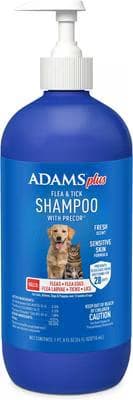
A gentle flea and tick shampoo for cats and dogs that kills ticks on contact and soothes sensitive skin. Handy for washing your dog down after a hike.
Webvet may earn a commission when you click through to Chewy, at no extra cost to you.
Here is why that still is not enough to end an infestation. The adult fleas biting your dog are roughly 5 percent of the total flea population in your home. The other 95 percent are eggs, larvae, and pupae hiding in carpet fibers, floor cracks, upholstery, and pet bedding, according to the Companion Animal Parasite Council.
Those immature stages keep hatching for weeks after the bath, and each new adult jumps straight back onto your freshly washed dog. Breaking that cycle takes a coordinated plan for the pet and the home. Our full guide on how to get rid of fleas on dogs walks through that whole-infestation battle plan, including what actually kills fleas fast and how to treat the house.
What a flea shampoo can and cannot do
A flea shampoo can:
- Kill on contact: adult fleas on the dog die during the bath, giving fast relief from biting.
- Wash away flea dirt, flea eggs, dead fleas, and allergy-triggering saliva residue from the coat.
- Soothe irritated, itchy skin when the formula includes oatmeal or aloe.
- Add short-term egg and larva control on the coat when it contains an IGR.
A flea shampoo cannot:
- Prevent new fleas from jumping on the moment your dog is dry. There is no residual protection.
- Treat the 95 percent of the flea population living in your carpet, bedding, and yard.
- Replace a monthly oral or topical preventive. Veterinary consensus is clear that shampoo alone does not end an infestation.
- Protect against ticks for more than a brief window, even when labeled flea and tick shampoo for dogs.
Flea shampoo ingredients: pyrethrins, IGRs, and natural formulas
The active-ingredient panel tells you almost everything about how well a flea shampoo will work and how carefully it needs to be used. Three ingredient families dominate the shelf: pyrethrins and pyrethroids, insect growth regulators, and plant-based essential-oil blends.
Pyrethrins and permethrin
Pyrethrins are natural insecticides extracted from chrysanthemum flowers. They paralyze and kill fleas on contact but break down quickly, which is why pyrethrin shampoos kill during the bath and then stop working. Permethrin is the longer-lasting synthetic cousin (a pyrethroid) that appears in some flea and tick shampoos and many topical products. The Merck Veterinary Manual notes that pyrethrins and pyrethroids remain common in over-the-counter flea products precisely because they act fast on contact.
Used as labeled on healthy adult dogs, these ingredients have a long safety track record. Overdose or misuse is where problems start: signs of pyrethrin or permethrin toxicity in dogs include excessive drooling or tremors, vomiting, wobbliness, and skin twitching. Small dogs and sick, elderly, or pregnant dogs are at higher risk, so ask your veterinarian first for those pets.
Insect growth regulators (IGRs)
An insect growth regulator does not kill adult fleas. Instead, it mimics a flea hormone so eggs fail to hatch and larvae never mature. Methoprene, labeled as Precor in Adams products, is the IGR you will see most often in shampoos, with claims of egg and larva control on the coat for up to 28 days.
That makes an IGR the most valuable add-on a flea shampoo can carry. The adult-killing ingredients rinse away, but the IGR keeps working against the next generation of fleas laid on your dog. If you are choosing between two shampoos, the one with an IGR is doing meaningfully more.
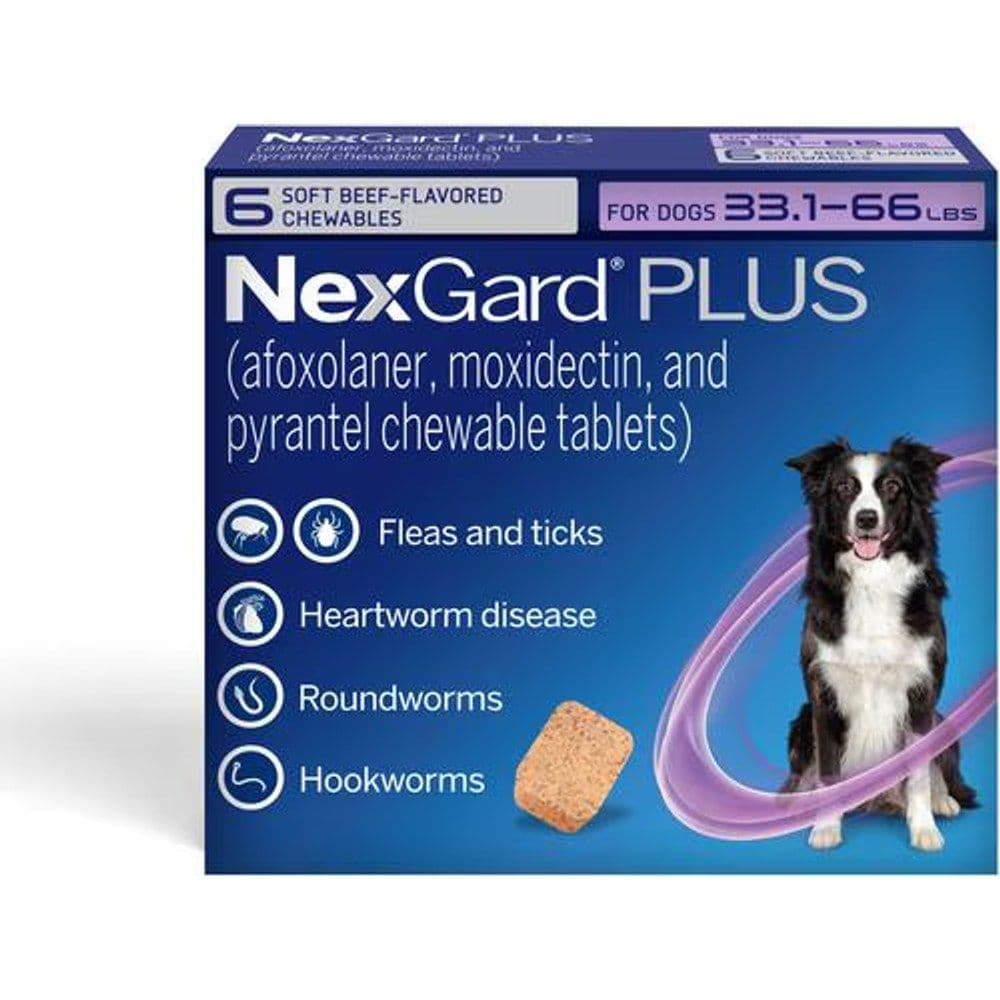
Beef-flavored monthly chew that protects dogs from fleas, ticks, heartworm disease, roundworms, and hookworms.
Webvet may earn a commission when you click through to Chewy, at no extra cost to you.
Natural and essential-oil formulas
What smells do fleas hate on dogs? Marketing loves this question. Cedarwood, peppermint, clove, lemongrass, and rosemary oils all repel fleas to some degree, and they anchor most natural flea shampoos. The evidence behind them is much weaker than for EPA-registered pyrethrin and IGR products: repellency is short-lived, kill rates are inconsistent, and concentrations vary widely between brands.
Essential oils are also not automatically gentler. Concentrated tea tree, pennyroyal, and clove oils have caused toxicity in dogs, and many natural formulas are unsafe for puppies or cats despite the botanical branding. A plain, soapy lather physically drowns some fleas too, so mild natural shampoos are best viewed as grooming products with a modest flea bonus, not treatment.
| Ingredient | What it does | How long it works | Watch-outs |
|---|---|---|---|
| Pyrethrins | Kill adult fleas on contact during the bath | During the bath only | Toxicity signs if overdosed: drooling, tremors, vomiting |
| Permethrin (pyrethroid) | Kills fleas and some ticks on contact | Brief residual at shampoo concentrations | Highly toxic to cats; keep cats away until dry |
| Methoprene (Precor IGR) | Sterilizes flea eggs, stops larvae developing | Up to 28 days on the coat (label claim) | Does not kill adult fleas on its own |
| Essential oils (cedarwood, peppermint, clove) | Mild repellency, some contact kill | Hours at most | Weaker evidence; some oils toxic at high concentration |
| Oatmeal / aloe (inactive) | Soothes flea-bitten, irritated skin | Comfort only | No insecticidal effect |
 Sponsored
Vet care that's always there
Unlimited video calls and messaging with licensed vets for less than a typical vet visit. One membership covers up to five pets.
Use code Pets60
Plans start at $12/month · covers up to 5 pets
- Licensed vets in most states
- Rx for 150+ conditions
- 4.7 on Trustpilot
Best flea shampoos for dogs: vet-reviewed picks
The best dog shampoo to kill fleas is a pyrethrin-based formula that also carries an insect growth regulator, and Adams Plus Flea & Tick Shampoo with Precor is the clearest example of that combination on the shelf. It kills adult fleas on contact and keeps working against eggs and larvae for up to 28 days, which no adult-only formula can match.
Effectiveness among contact-kill shampoos is more similar than the marketing suggests. All of them kill the fleas on the dog during the bath; the real differences are the IGR, skin conditioners, label age minimums, and price. Here is how the main categories stack up.
Best overall: pyrethrin plus IGR
Adams Plus Flea & Tick Shampoo pairs pyrethrins with the Precor IGR (methoprene) and adds oatmeal, aloe, and lanolin for irritated skin. It is labeled for dogs and puppies 12 weeks and older. For a dog actively crawling with fleas, this is the category we recommend first: contact kill now, plus a month of egg and larva suppression on the coat.
Best for sensitive or flea-bitten skin
Dogs with raw, flea-bitten skin need soothing as much as killing. Look for a pyrethrin or pyrethroid formula with a high proportion of oatmeal, aloe, or coconut-derived cleansers, such as the flea and tick lines from Veterinary Formula Clinical Care or Sentry's oatmeal flea shampoo. If the skin is broken, scabbed, or infected, skip the insecticidal bath entirely and see your veterinarian; medicated shampoo plus a fast-acting oral flea product is usually the safer combination.
Best natural option
If you want to avoid conventional insecticides, an essential-oil formula such as TropiClean's cedarwood and lemongrass flea and tick shampoo is the established choice. Set expectations honestly: you get a good cleansing bath that drowns and repels some fleas, not a pesticide-grade knockdown, and there is no IGR protecting against the next generation. Check the label carefully for puppy age limits and cat warnings, which apply to natural formulas too.
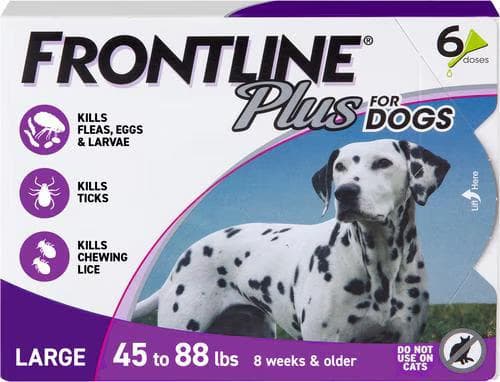
A monthly topical spot-on for large dogs 45 to 88 lbs that kills fleas, ticks, and chewing lice. A waterproof pick for dogs who do better with a topical than an oral chew.
Webvet may earn a commission when you click through to Chewy, at no extra cost to you.
How we chose
- EPA-registered active ingredients with published label directions, or clearly disclosed botanical actives.
- An IGR strongly preferred, because contact kill alone is obsolete the moment the dog dries.
- Clear puppy age minimums printed on the label.
- Skin-soothing inactives, since nearly every flea-bath candidate has irritated skin already.
Can puppies use flea shampoo? Age limits and safety
Most pyrethrin and IGR flea shampoos, including Adams Plus, are labeled for puppies 12 weeks of age and older. Some milder formulas allow use at younger ages, and some are stricter, so the printed label age minimum is the rule that matters. If the bottle does not state an age, do not use it on a puppy.
Puppies are more vulnerable to insecticide toxicity than adult dogs. They are small, so a given amount of pyrethrin is a bigger relative dose. They also chill quickly during baths, and they groom and lick themselves constantly, swallowing residue an adult dog might not.
Safe flea removal for puppies under 12 weeks
- Bathe with warm water and a mild, fragrance-free puppy or dish-soap lather. Plain suds drown fleas without insecticide.
- Follow with a slow, thorough flea-comb pass, dunking the comb in soapy water between strokes.
- Dry the puppy quickly and keep it warm. Chilling is a real risk in very young puppies.
- Ask your veterinarian about age-appropriate products. Capstar (nitenpyram), an oral tablet that kills adult fleas within hours, is labeled for puppies as young as 4 weeks that weigh at least 2 pounds.
- Treat the mother and the environment. Flea-infested puppies are reinfested from the nest within hours if the source is not addressed.
Keep the ASPCA Animal Poison Control Center number saved in your phone before you ever need it: (888) 426-4435. A consultation fee may apply, but their toxicologists handle flea-product exposures constantly.
The short version for puppies: what age a puppy can have flea shampoo is decided by the label, and most flea and tick shampoo for puppies is cleared only from 12 weeks of age. There is no universal cutoff, so a flea and tick shampoo for puppies that one brand allows at 12 weeks may be off-limits under 6 months in another. Read the bottle before you lather any young dog, and when in doubt, ask your vet which flea shampoo matches your puppy's exact age and weight.
How to give a flea bath the right way
The best thing to bathe a flea-infested dog in is an EPA-registered flea shampoo used exactly as the label directs: lather a ring around the neck first, work the suds over the whole body, keep 5 to 10 minutes of contact time, then rinse completely. Technique decides whether the bath kills nearly every flea or lets half of them escape.

Step-by-step flea bath protocol
- 1. Read the label first. Confirm the age minimum, the dilution or amount for your dog's size, and the stated contact time. The label is the law with EPA-registered products.
- 2. Brush out mats and gather supplies. Tangles block lather from reaching the skin where fleas live. Have towels, a flea comb, and a cup or sprayer ready before the dog is wet.
- 3. Wet a ring around the neck first and lather it before anything else. Fleas flee rising water by running up toward the head; a collar of lather blocks the escape route to the ears and face.
- 4. Wet and lather the rest of the body with lukewarm water, working from neck to tail. Massage suds down to the skin on the belly, groin, armpits, and tail base, the spots fleas favor most.
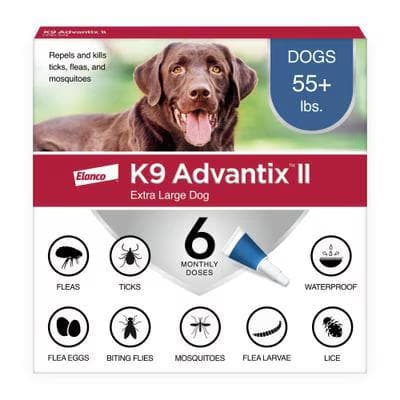
A monthly topical for dogs over 55 lbs that repels and kills ticks, fleas, and mosquitoes. Repelling ticks before they bite is a useful layer during heavy tick season.
Webvet may earn a commission when you click through to Chewy, at no extra cost to you.
- 5. Wash the face carefully with a washcloth and plain water or minimal lather, keeping shampoo out of the eyes, ears, and mouth.
- 6. Let the lather sit for 5 to 10 minutes, or whatever contact time the label specifies. This is the step most people skip, and it is where the actual killing happens. Talk to your dog, offer treats, and watch the clock.
- 7. Rinse until the water runs completely clear, then rinse once more. Leftover insecticide residue is the main cause of post-bath skin irritation and licking exposure.
- 8. Towel dry, then run a flea comb through the damp coat, paying attention to the neck, tail base, and belly. Drop anything you catch into a bowl of soapy water.

The flea-comb check: how you know it worked
The comb-through is your verification step, not an optional extra. Live fleas after a full-contact-time bath usually mean the lather missed spots or the infestation pressure in the home is high. Flea dirt (black pepper-like specks that turn rusty red on a wet paper towel) tells you fleas were feeding recently even if you see none now.
Repeat the comb check daily for the next week. New adult fleas appearing within days are not a shampoo failure; they are the carpet and bedding population hatching on schedule, which is exactly why the next section matters.
How often can you give a flea bath?
Follow the label, which for most insecticidal flea shampoos means no more than once every 1 to 2 weeks. Frequent insecticidal baths dry the skin, increase toxicity risk, and signal that the real problem (no residual preventive, untreated home) is not being addressed. If you feel the need to flea-bathe weekly, the plan is wrong, not the shampoo.
One question dominates every flea bath for dogs: how long to leave flea shampoo on a dog. For most EPA-registered products the answer is 5 to 10 minutes of contact time, and leaving the lather on for that full window is what actually kills the fleas rather than just wetting them. The routine below works for dogs of every size; only the amount of shampoo and the exact contact time printed on the label change from one product to the next.
Flea shampoo vs. oral and topical preventives
Shampoo is a treatment for the fleas of the moment; preventives are protection that keeps working for weeks. Modern options span prescription isoxazoline chewables such as NexGard PLUS, Simparica TRIO, Credelio, and Bravecto, over-the-counter topicals like Frontline Plus and K9 Advantix II, and the Seresto collar. We compare the whole landscape, including safety records, in our guide to the safest flea treatment options for dogs, and we cover speed of kill, dosing, and prescription requirements for chewables in our deep dive on oral flea treatments for dogs.
Here is the honest decision framework no product label will give you.
| Factor | Flea shampoo | Oral preventive (Rx chewables) | Topical / collar |
|---|---|---|---|
| Speed of kill | Minutes, during the bath | Hours after the dose (fast-kill class) | Hours to a day after application |
| Residual protection | None (IGR formulas: egg/larva control up to 28 days) | 4 to 12 weeks per dose depending on product | About 1 month (topicals) to 8 months (Seresto collar) |
| Ends an infestation alone? | No | Yes, over 2 to 3 months as environmental stages die off | Usually, over the same timeline |
| Ongoing cost | Lowest per bottle, but per-bath only | Moderate; prescription required for isoxazolines | Low to moderate over the counter |
| Best use case | Immediate relief for a flea-covered dog; rescue intakes; before starting a preventive | Dogs needing reliable month-round protection; flea allergy dermatitis | Owners preferring non-oral options; multi-month convenience |
When shampoo is enough, and when it is not
Shampoo alone can be enough when:
- Your dog picked up a handful of fleas from a one-time exposure and your home shows no signs of infestation.
- You are cleaning up a new rescue or foster before starting a preventive.
- Your veterinarian recommends a bath as the first step for a heavily infested or debilitated dog.
You need more than shampoo when:
- Fleas reappear within days of a proper bath. That is the home population hatching, and it needs environmental treatment plus a residual preventive.
- Your dog has flea allergy dermatitis. Even a few bites trigger misery, so month-round prevention is non-negotiable.
- Multiple pets share the household. Every dog and cat needs its own species-appropriate preventive or the cycle never breaks.
Searches like what kills fleas immediately or how to get rid of fleas overnight are really asking for a whole-infestation plan: a fast-kill oral product for the dog, vacuuming and washing for the home, and a residual preventive to hold the line. Our complete guide to how to get rid of fleas on dogs covers that plan step by step, and the Companion Animal Parasite Council flea guidelines explain why year-round prevention is the standard veterinary recommendation.
Safe use checklist
Flea shampoos are pesticides applied directly to your dog's skin, and the EPA's pet pesticide guidance is blunt about the most common mistake: not following the label. Before every flea bath, run this checklist.
- Dog product on dogs only. Never on cats, rabbits, or other species.
- Check the age and weight minimums on the label against your dog.
- Do not combine an insecticidal shampoo with other insecticide products (dips, sprays, powders) on the same day without veterinary approval. Spot-on preventives are generally fine to resume once the coat is fully dry, but confirm timing with the preventive's label or your vet.
- Skip insecticidal baths for pregnant, nursing, elderly, or sick dogs unless your veterinarian directs otherwise.
- Wear gloves if you have sensitive skin, and wash your hands and arms after the bath.
- Watch your dog for 24 hours afterward for drooling, tremors, vomiting, or lethargy.
A flea-covered dog is also a dog that may be losing blood, especially a puppy or small breed. Pale gums, weakness, or lethargy in a heavily infested dog can signal flea anemia, which is a see-your-vet-today problem, not a bath-at-home problem.
Frequently asked questions
How long does flea shampoo take to work?
Pyrethrin-based flea shampoos start killing fleas within minutes of contact, which is why the label's 5 to 10 minute contact time matters. Most fleas on the dog are dead by the end of a properly timed bath. Any protection ends when the lather is rinsed away, except for the egg and larva control an IGR formula leaves on the coat.
Can I use human shampoo or baby shampoo to kill fleas?
A thick lather of any soap drowns some fleas, so a bath with mild soap is better than nothing in a pinch, especially for young puppies. But human shampoos are the wrong pH for dog skin and contain no insecticide or IGR, so survivors are common and nothing prevents immediate reinfestation. Use a labeled dog flea shampoo when the dog is old enough.
Does flea shampoo kill flea eggs?
Adult-only formulas mostly wash eggs off rather than killing them. Shampoos containing an insect growth regulator such as methoprene (Precor) sterilize flea eggs and prevent larvae from developing, with label claims up to 28 days on the coat. No shampoo touches the eggs already scattered through your carpet and bedding, which is why home treatment is essential.
Do flea and tick shampoos kill ticks too?
Flea and tick shampoos kill many ticks present on the dog during the bath, but attached ticks may need to be removed by hand afterward, and the shampoo provides no meaningful protection against new ticks once the dog dries. For real tick prevention, use a dedicated preventive product recommended by your veterinarian.
Can I use flea shampoo if my dog is already on a flea preventive?
Usually a bath is unnecessary in that case: a working preventive kills new fleas as they arrive, and bathing (especially with harsh degreasing shampoos) can reduce the effectiveness of some topical spot-ons. If your dog is on an oral preventive, an occasional soothing bath is fine. Seeing live fleas despite a current preventive is a conversation to have with your vet, not a reason to stack insecticides.
Why does my dog still have fleas after a flea bath?
Because the bath only treated the dog. Roughly 95 percent of a flea infestation lives in the environment as eggs, larvae, and pupae, and those keep hatching for weeks, jumping onto your clean dog on arrival. Fleas returning within days means it is time for a residual preventive on every pet in the home plus thorough vacuuming and hot-water washing of bedding.
The bottom line
Flea shampoo is a fast, inexpensive way to kill the fleas on your dog today, and a pyrethrin-plus-IGR formula like Adams Plus is the strongest version of that tool. Respect its limits: no residual protection, strict label age minimums for puppies, and zero effect on the flea factory running in your carpet.
Give the bath correctly (neck ring first, 5 to 10 minutes of contact, complete rinse, flea-comb check), then hand the job off to a modern preventive and a home cleanup plan. If your dog is very young, pregnant, sick, or showing drooling or tremors after any flea product, call your veterinarian before doing anything else.

Editor
The Webvet Editorial Team is the in-house group of pet-care editors and writers behind Webvet, operated by Smart Pet Collective. The team researches, writes, and maintains Webvet's pet health, behavior, and medication content. Every article follows a defined editorial process: research from reputable veterinary and scientific sources, careful drafting, mandatory review of medical content by a credentialed veterinarian, and dated publication. Health and medication articles are medically reviewed by a licensed veterinary professional before they go live and are kept current over time.
Veterinarian · BVMS MRCVS
Dr. Pippa Elliott, BVMS, MRCVS, is a veterinarian with nearly 30 years of experience in companion animal practice. Dr. Elliott earned her Bachelor of Veterinary Medicine and Surgery from the University of Glasgow. She was also designated a Member of the Royal College of Veterinary Surgeons. Married with 2 grown-up kids, Dr. Elliott has a naughty Puggle named Poggle, 3 cats and a bearded dragon.


