How to Get Rid of Fleas on Dogs: Treatments That Actually Work
Learning how to get rid of fleas on dogs takes more than one bath. This vet-reviewed guide covers fast-acting flea medicine, a four-step home plan, honest home remedies, and how to keep fleas gone for good.

BVMS MRCVS
Medically reviewed by Dr. Pippa Elliott, BVMS MRCVS · Last reviewed

This article contains affiliate links. Webvet may earn a commission when you buy through them, at no extra cost to you.
To learn how to get rid of fleas on dogs, you need a coordinated, multi-step approach: start a fast-acting, vet-recommended flea treatment, comb and bathe your dog to remove live fleas, and treat your home and yard at the same time.
Because fleas reproduce so quickly, full clearance usually takes three weeks to three months, and every pet in the household must be treated together.
If you have ever treated your dog, watched the fleas vanish, then seen them roar back two weeks later, you are not doing anything wrong. You are simply running into how fleas work.
The adult fleas biting your dog are a tiny fraction of the problem, and the real infestation is hiding in your carpet, bedding, and yard.
This guide walks through exactly how to get rid of fleas on dogs the way veterinarians actually recommend, including which flea medicine works fastest, what home remedies are worth your time, and how long the whole process really takes.
- 1Treat the dog AND the environment. About 95% of a flea infestation (eggs, larvae, pupae) lives in your home and yard, not on your dog.
- 2Use a vet-recommended, fast-acting flea treatment. Modern oral and topical products kill fleas far more reliably than shampoos or collars alone.
- 3Treat every pet in the home on the same day, even pets that do not seem to have fleas.
- 4Expect 3 weeks to 3 months for full clearance, because new fleas keep hatching from pupae that no product can kill.
- 5Many popular home remedies (garlic, many essential oils) are ineffective and can be toxic to dogs. Always confirm with your veterinarian.

 Sponsored
Need flea, tick, or parasite care for your dog?
A licensed vet at Dutch can recommend the right preventive and prescribe it when it's appropriate. Annual members get 20% off their first flea and tick order.
Use code Pets60
Plans start at $12/month · covers up to 5 pets
- Licensed vets in most states
- Rx for 150+ conditions
- 4.7 on Trustpilot
How to Know If Your Dog Has Fleas
Before you treat, confirm that fleas are actually the problem. Fleas are fast, flat, and reddish-brown, and a heavy infestation can be obvious. But early on, the signs are easy to miss or mistake for allergies or dry skin.

The Telltale Signs
Watch for these common signs of fleas on dogs:
- Excessive scratching, biting, or chewing, especially around the rump, tail base, and back legs.
- Restless, frantic grooming that seems out of proportion to the season or weather.
- Hair loss and red, irritated skin from constant scratching, often in patches over the lower back.
- Scabs, bumps, or hot spots, which are raw, inflamed sores that can appear quickly when a dog chews one area.
- Tiny dark specks in the coat (flea dirt), often the first clue before you ever spot a live flea.
Some dogs are so allergic to flea saliva that a single bite triggers intense, full-body itching. This is called flea allergy dermatitis, and it is one of the most common skin conditions vets see in dogs.
The relentless chewing it causes can also lead to painful hot spots that need their own treatment.
How to Spot Flea Dirt (the White Paper Towel Test)
Flea dirt is flea feces, made up largely of digested blood. To check, run a flea comb or your fingers through your dog's coat near the tail base and tail, and collect any dark specks onto a damp white paper towel.
If the specks smear reddish-brown, that is flea dirt, and it confirms fleas even when you cannot find an adult. Plain dirt or dandruff will not turn red.
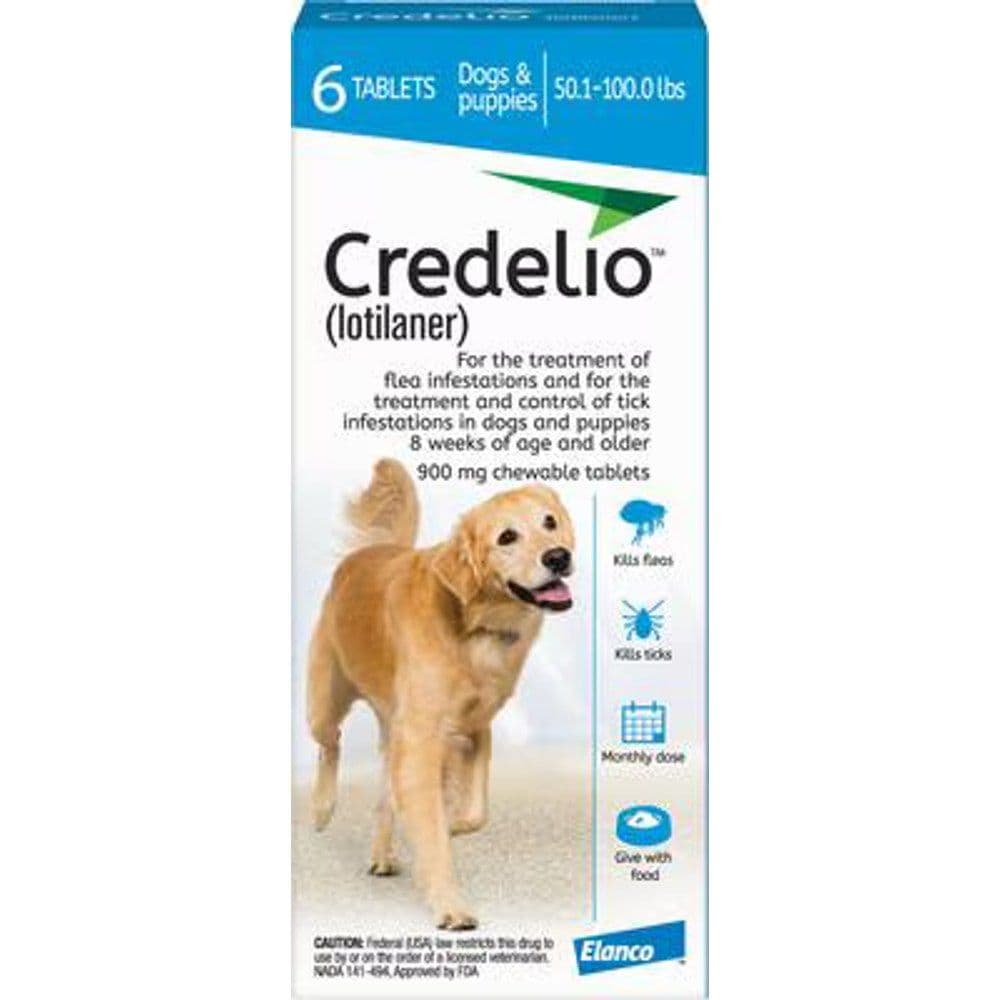
Monthly prescription chew that kills fleas and ticks on dogs, including the black-legged (deer) ticks that can spread Lyme disease.
Webvet may earn a commission when you click through to Chewy, at no extra cost to you.
Where Fleas Hide on a Dog's Body
Fleas prefer warm, protected areas where they are hard to dislodge. Focus your search on the base of the tail and rump, the groin and belly, the armpits, and behind the ears.
Part the fur down to the skin in these spots, since fleas move quickly and dive deep into the coat.
If you are not sure what you are looking at, this guide to what fleas actually look like on a dog can help you tell fleas apart from other specks and debris.
First, Understand the Flea Life Cycle (Why Fleas Are So Hard to Kill)
Here is the single most important idea in this entire article: the fleas you can see are only a small slice of the population.
Most flea-control failures happen because owners treat the dog, see the adults die, and assume the job is done, while thousands of eggs and immature fleas keep developing out of sight.
Egg to Larva to Pupa to Adult, Explained
The flea life cycle has four stages, and most of it happens off your dog:
- Egg: A single female flea can lay around 40 to 50 eggs per day. The eggs are smooth and fall off your dog into carpet, bedding, and soil.
- Larva: Tiny worm-like larvae hatch out and burrow deep into carpet fibers and cracks, feeding on flea dirt and debris while avoiding light.
- Pupa: The larva spins a sticky, protective cocoon. Inside, the developing flea is shielded from almost every insecticide, and it can wait weeks to months for a host to appear.
- Adult: Triggered by warmth, vibration, and carbon dioxide, the adult emerges, jumps onto a dog, and begins feeding and breeding within a day or two. The cycle starts over.
The 95% Rule: Only 5% of Fleas Are on Your Dog
At any given moment, only about 5% of a flea infestation is made up of the adult fleas living on your dog. The other roughly 95% exists as eggs, larvae, and pupae scattered through your home and yard.
That is why killing the adults you can see never ends an infestation on its own.
It also explains the frustrating rebound so many owners experience. You treat your dog, the visible fleas die, and a week later a fresh wave of adults hatches from cocoons that were never touched.
To actually win, you have to attack the dog and the environment at the same time, and keep at it long enough to outlast the protected pupae.
How to Get Rid of Fleas on Dogs: The 4-Step Plan
The most effective fleas on dogs treatment is not a single product, it is a system. Do these four steps together, not one at a time, and treat every pet in the home on the same day.

Skipping any step is the most common reason flea treatment for dogs fails.
Step 1: Use a Vet-Recommended Flea Treatment (Fast-Acting)
Start with a modern, fast-acting flea medicine for dogs that your veterinarian recommends. Prescription oral and topical products kill fleas far more reliably than shampoos, powders, or collars alone, and many also interrupt the life cycle by preventing eggs from developing.
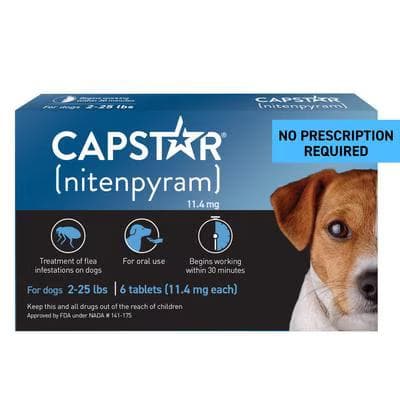
An over-the-counter nitenpyram tablet that starts killing adult fleas within 30 minutes. A fast knockdown for an active infestation, no prescription required, useful alongside a longer-term preventive.
Webvet may earn a commission when you click through to Chewy, at no extra cost to you.
For a dog that is miserable right now, a fast-acting oral product can begin killing adult fleas within hours.
Choosing the best flea treatment for dogs depends on your dog's weight, age, health, and lifestyle, which is exactly why a quick conversation with your vet matters. We compare the major product types in detail below.
Step 2: Use a Flea Comb to Remove Live Fleas
A fine-toothed flea comb is simple, cheap, and genuinely useful, especially for puppies too young for most medications. Comb slowly through the coat, paying close attention to the tail base, groin, and armpits.
After each pass, dunk the comb in a bowl of hot, soapy water to drown the fleas you catch.
Combing will not clear an infestation by itself, but it removes live fleas and flea dirt right away and lets you monitor whether your treatment is working.
Step 3: Give Your Dog a Flea Bath (and When NOT To)
A warm bath with a gentle dog shampoo, or a small amount of plain dish soap, will drown many of the fleas currently on your dog and soothe irritated skin. Lather and let the suds sit for several minutes before rinsing thoroughly.
A bath provides fast relief, but the effect is temporary, since it does nothing to the eggs and pupae in your home, and new fleas will jump back on within days if you skip the other steps.
Step 4: Treat Your Home and Yard
This is the step owners skip most, and the reason fleas keep coming back. To clear the 95% living in your environment: Compare labeled options by surface and application format in our best flea sprays for home and furniture.
- Vacuum daily, focusing on carpets, rugs, upholstery, baseboards, and under furniture. Vacuuming removes eggs and larvae and, through warmth and vibration, even coaxes adults out of their cocoons so treatments can reach them. Empty the canister or bag into an outdoor trash bin afterward.
- Wash all bedding in hot water, including your dog's bed, blankets, and any washable covers, then dry on high heat. Repeat weekly during an active infestation.
- Treat the home environment for heavy infestations using a vet- or label-approved household flea product, ideally one with an insect growth regulator that stops eggs and larvae from maturing. Follow the directions exactly and keep pets and people off treated surfaces until dry.
- Address the yard by mowing regularly and clearing leaf litter and debris from shady, moist spots near walkways and resting areas, where fleas thrive. Targeted outdoor treatment may help if your dog keeps getting reinfested outside.
 Sponsored
Vet care that's always there
Unlimited video calls and messaging with licensed vets for less than a typical vet visit. One membership covers up to five pets.
Use code Pets60
Plans start at $12/month · covers up to 5 pets
- Licensed vets in most states
- Rx for 150+ conditions
- 4.7 on Trustpilot
Flea Medicine for Dogs: Oral vs. Topical vs. Collars (Compared)
There is no single best flea treatment for dogs that fits every household. The right pick balances how fast it works, whether it stops the life cycle, how long it lasts, and your dog's age and health.

This table compares the main categories of flea medicine for dogs at a glance.
| Product type | Example actives | Speed of kill | Targets eggs/larvae? | Typical duration | Rx or OTC |
|---|---|---|---|---|---|
| Oral (long-acting) | Isoxazolines (afoxolaner, fluralaner, sarolaner) | Hours | Breaks the cycle by killing adults before they breed | 1 to 3 months per dose | Prescription |
| Oral (instant knockdown) | Nitenpyram | About 30 minutes | No (kills adults only) | About 24 hours | OTC |
| Topical spot-on | Fipronil, imidacloprid, selamectin | Hours to about a day | Some formulas also affect eggs/larvae | About 1 month | OTC and Rx |
| Flea collar | Flumethrin, imidacloprid | Slower onset | Some long-acting collars do | Up to several months | OTC |
| Shampoo / spray | Pyrethrins and others | On contact during use | Usually no | Little to no lasting effect | OTC |
Product names and active ingredients are listed for education only. Always confirm the right choice and dose for your individual dog with your veterinarian.
Oral Flea Medications
Oral medications are often the cornerstone of modern flea control. The isoxazoline class (such as afoxolaner, fluralaner, and sarolaner) is given as a chewable tablet, starts killing fleas within hours, and protects for one to three months depending on the product.
Because there is nothing on the coat to wash off, oral products are convenient for dogs that swim or get bathed often. They require a prescription, so your vet can confirm your dog is a good candidate.
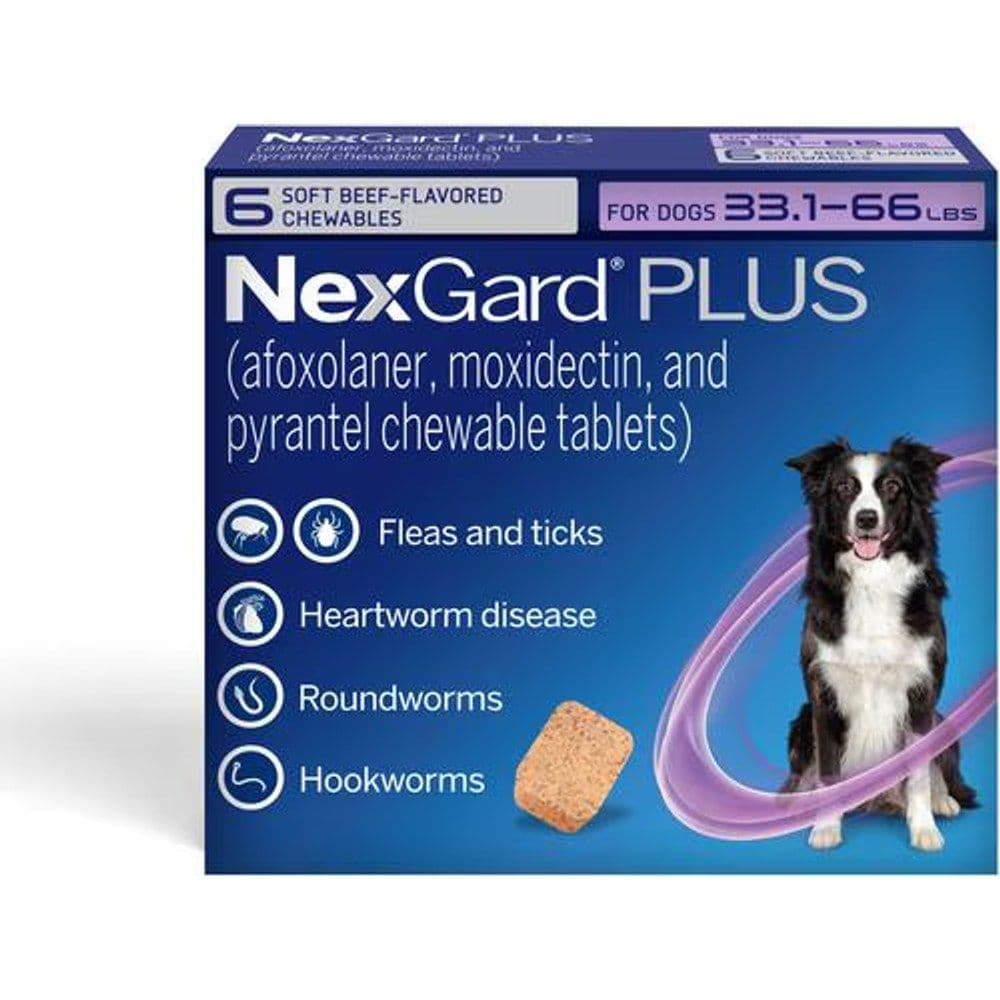
Beef-flavored monthly chew that protects dogs from fleas, ticks, heartworm disease, roundworms, and hookworms.
Webvet may earn a commission when you click through to Chewy, at no extra cost to you.
Topical Spot-On Treatments
Topical spot-ons are liquids applied to the skin between the shoulder blades, where the dog cannot lick them off. Common actives include fipronil, imidacloprid, and selamectin, and many spread across the skin to kill fleas over about a month.
Apply to dry skin, part the fur down to the skin, and avoid bathing for about 48 hours before and after so the product can distribute properly. Always use a dog-specific product, never one labeled for cats.
Flea Collars (and Which Actually Work)
Flea collars vary enormously in quality. Older drugstore collars are largely ineffective, but certain modern, vet-recommended collars release active ingredients steadily and can provide months of protection.
If you choose a collar, ask your vet which products actually work, fit it snugly enough that two fingers slip underneath, and trim any excess length.
Flea Shampoos and Sprays
Flea shampoos and sprays kill fleas on contact during use but leave little or no lasting protection, so fleas can reinfest within days. Think of them as a way to knock down a heavy load fast and bring quick comfort, not as a standalone cure.
Use them as one part of the four-step plan, alongside a long-acting product and environmental treatment.
What Kills Fleas on Dogs Instantly?
When your dog is covered in fleas and miserable, you want relief now. A few options work very quickly, but speed and lasting control are two different things.
Nitenpyram (Capstar): Kills Adult Fleas in About 30 Minutes
Nitenpyram, sold over the counter as Capstar, is an oral tablet that starts killing adult fleas within about 30 minutes and can clear most of them within a few hours.
It is excellent for fast, dramatic relief, for example before a bath or when bringing home a heavily infested rescue.
The catch is that it only lasts about 24 hours and does nothing to eggs or pupae, so fleas return unless you pair it with a long-acting treatment.
A warm bath with dish soap and thorough flea combing also kill many adult fleas right away. Like nitenpyram, these are short-term knockdowns, not solutions.
Why "Instant" Isn't "Done"
Killing every adult flea on your dog this afternoon does not end the infestation, because the eggs, larvae, and pupae in your home are untouched and will keep producing new adults for weeks.
Use fast knockdown for immediate comfort, but always combine it with a long-acting preventive and environmental cleanup. Instant relief plus a long-term plan is what actually gets you to zero fleas.
Home Remedies for Fleas on Dogs (What Helps, What's Hype)
Plenty of home remedies for fleas on dogs circulate online. A few are genuinely useful as supporting tactics, several do nothing, and some are downright dangerous. Here is an honest breakdown.
Remedies With Some Merit
- A dish-soap bath drowns adult fleas on your dog and offers quick relief. It is a fine first move, but the effect ends as soon as the bath does.
- Frequent flea combing physically removes live fleas and flea dirt and is safe even for young puppies.
- Diligent vacuuming and hot-water washing of bedding are among the most effective things you can do at home, because they remove eggs and larvae from the environment.
- Food-grade diatomaceous earth can help dry out fleas in the environment when used carefully on carpets and cracks. Use only the food-grade form, apply lightly, avoid creating dust your dog or family inhales, and never rely on it as your only method.
Apple Cider Vinegar, Essential Oils, Garlic: The Honest Verdict
Apple cider vinegar does not kill fleas. At best it may slightly discourage them, but it will not clear an infestation, and applying it to broken, irritated skin can sting.
Essential oils are widely promoted as natural flea control, but many, including tea tree, pennyroyal, and pine oils, are toxic to dogs, especially in concentrated form.
Garlic is also a poor idea: in sufficient amounts it can damage a dog's red blood cells and cause anemia. The safety risks outweigh any unproven benefit.
Remedies That Don't Work (and Can Be Dangerous)
Skip these entirely. The following are popular but provide no lasting flea control:
- Brewer's yeast and B-vitamin supplements have not been shown to repel fleas.
- Ultrasonic flea-repelling devices do not work.
- Dawn dish soap left on as a leave-on treatment, herbal collars, and most DIY sprays provide no lasting control.
Relying on ineffective remedies wastes precious time while the infestation multiplies, and a dog with flea allergy keeps suffering. When fleas are established, evidence-based veterinary products are faster, safer, and ultimately cheaper than weeks of failed experiments.
How Long Does It Take to Get Rid of Fleas on Dogs?
Be patient and honest with yourself about the timeline. Even when you do everything right, learning how to get rid of fleas on dogs completely takes three weeks to three months.
The adult fleas on your dog die quickly once treatment starts, but new ones keep emerging from pupae in your home for weeks, and no product can kill fleas inside their protective cocoons.
The key is consistency: keep every pet on a long-acting product for several consecutive months, and keep vacuuming and washing bedding.
You are essentially waiting out the entire life cycle so that each newly hatched flea hits a treated dog and a treated home before it can breed. Stopping early is the single most common reason an infestation drags on.
Why Does My Dog Still Have Fleas After Treatment?
Seeing fleas after you have treated your dog is frustrating, but it is usually normal and does not mean the product failed. Here is what is typically going on.
The Pupae Problem (the "Flea Cocoon" Reservoir)
Pupae are sealed inside sticky cocoons that shield them from insecticides, and they can lie dormant for weeks to months before hatching. This hidden reservoir means new adults will keep appearing on your treated dog for some time.
As long as your dog stays on an effective product, those new fleas die before they can breed, and the population steadily collapses. The fix is time and consistency, not a stronger single dose.
Common Mistakes
If fleas persist well beyond a few weeks, check for these common errors:
- Not treating every pet. One untreated cat or dog keeps the whole household supplied with fleas.
- Stopping too early. Quitting after one dose, before the environmental population is exhausted, lets fleas rebound.
- Ignoring the environment. Treating only the dog leaves 95% of the problem in your carpets and yard.
- Wrong, underdosed, or expired product. Using a product meant for a different weight or species, dosing inaccurately, or using an expired treatment all reduce effectiveness.
- Ongoing reinfestation. Wildlife in the yard, a flea-heavy environment, or visits to infested areas can reintroduce fleas, which is why year-round prevention matters.
Flea Treatment for Puppies, Senior, and Pregnant Dogs
Not every flea product is safe for every dog, and life stage matters a great deal. Always check the label's minimum age and weight, and talk to your vet before treating these groups.
- Puppies: Most flea medications have a minimum age and weight, often around 8 weeks and a few pounds. For very young puppies, a flea comb and a warm bath with gentle soap, plus aggressive cleaning of their environment, are the safest first line. Ask your vet which product is approved for your puppy's age and size.
- Senior dogs: Older dogs with kidney, liver, or other health conditions, or those on multiple medications, may need a product chosen with their full medical picture in mind. Your vet can recommend the safest effective option.
- Pregnant or nursing dogs: Only some products are labeled as safe during pregnancy and lactation. Never assume, and confirm with your veterinarian before applying anything.
- Multi-pet homes: Treat every dog and cat on the same day, and use only species-appropriate products. Several flea ingredients that are safe for dogs are highly toxic to cats, so never share products between them.
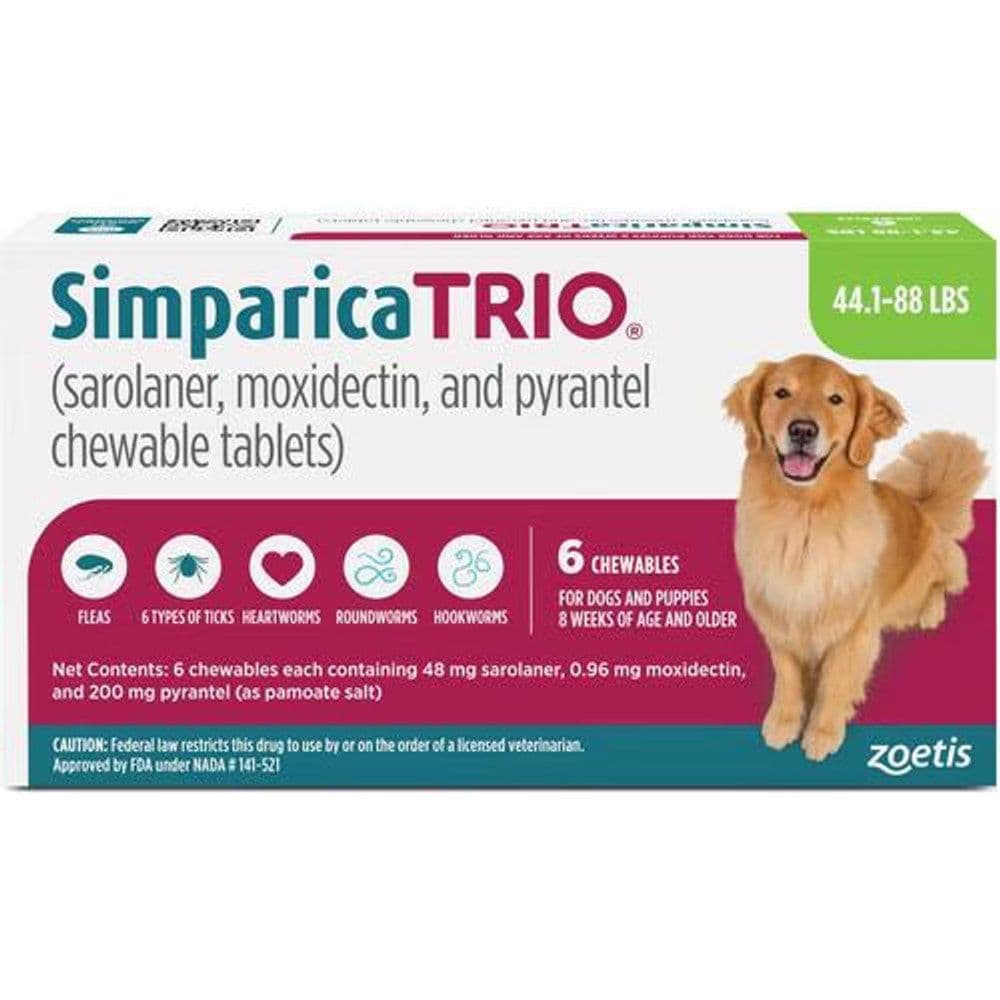
Monthly chew that protects dogs from fleas, six species of ticks, heartworm disease, roundworms, and hookworms.
Webvet may earn a commission when you click through to Chewy, at no extra cost to you.
Health Risks of Fleas: FAD, Tapeworms, and Anemia
Fleas are not just an itchy nuisance. They can cause real medical problems, which is why prompt, thorough treatment matters.
- Flea allergy dermatitis (FAD): An allergic reaction to flea saliva that triggers intense itching, hair loss, and skin infections from a single bite. It is one of the most common skin diseases in dogs.
- Tapeworms: When a dog swallows an infected flea while grooming, it can develop a tapeworm infection. Owners often notice small rice-like segments near the dog's rear or in the stool.
- Anemia: Heavy infestations can remove enough blood to cause anemia, which is especially dangerous in puppies, small dogs, and debilitated pets. Pale gums and weakness are red flags that warrant urgent veterinary care.
- Disease transmission: Fleas can carry certain bacterial infections, adding another reason to keep them off your dog and out of your home.
How to Prevent Fleas on Dogs Year-Round
Why Year-Round Prevention Beats Treatment
Preventing fleas is far easier, cheaper, and less stressful than fighting an established infestation for months. Fleas can survive indoors all year, even in cold climates, and warm homes let them breed through the winter.

Most veterinarians recommend keeping dogs on a flea preventive 12 months a year rather than only in summer, so a few hitchhikers never get the chance to explode into an infestation.
Choosing the Right Preventive for Your Dog's Lifestyle
The best preventive is the one you will use consistently and correctly. Consider your dog's lifestyle: a dog that swims or is bathed often may do better on an oral product, while some households prefer a long-acting topical or collar.
Many products also cover ticks, and some combine flea control with broader parasite protection, so your vet can help you build a single, convenient routine. The same year-round mindset that stops fleas also underpins parasite prevention more broadly.
When to See Your Veterinarian
Over-the-counter steps help many dogs, but call your veterinarian if you see any of the following:
- Severe itching, raw skin, hair loss, scabs, or signs of a skin infection.
- Pale gums, weakness, or lethargy, which can signal flea-related anemia and need prompt care, especially in puppies and small dogs.
- Rice-like segments near your dog's rear or in the stool, a sign of tapeworms.
- Fleas that persist despite weeks of diligent treatment of both the dog and the home.
- A young puppy, pregnant or nursing dog, or a senior with health problems who needs flea treatment.
Your vet can prescribe the most effective products, treat secondary skin infections or tapeworms, and build a year-round prevention plan tailored to your dog.
Frequently Asked Questions
What kills fleas on dogs instantly?
Nitenpyram (Capstar), an oral over-the-counter tablet, starts killing adult fleas within about 30 minutes. A warm dish-soap bath and thorough flea combing also kill many fleas right away. All of these are short-term knockdowns, so pair them with a long-acting preventive and home treatment for lasting results.
How quickly can fleas infest a dog?
Very quickly. A single female flea can begin laying around 40 to 50 eggs per day within a day or two of landing on your dog. Because each generation multiplies so fast, just a few fleas can become a full household infestation within weeks if left untreated.
Why is it hard to get rid of fleas on dogs?
Because only about 5% of the fleas are on your dog. The other 95%, as eggs, larvae, and pupae, live in your home and yard. Pupae are protected inside cocoons that resist insecticides and can hatch for weeks, so you have to treat the environment and stay consistent over time.
What do flea bites look like on dogs?
Flea bites usually appear as small red bumps, often clustered on the lower back, tail base, belly, and inner thighs. In flea-allergic dogs, even one bite can cause widespread redness, scabs, hair loss, and intense itching. You may also spot flea dirt, dark specks that turn reddish-brown on a damp paper towel.
How do dogs get fleas?
Dogs usually pick up fleas from the environment: other animals, including wildlife and stray cats, shared spaces like yards, parks, kennels, and groomers, or even fleas hitchhiking indoors on clothing. Fleas jump onto a passing host, so your dog does not need direct contact with another pet to get them.
Can fleas make dogs sick?
Yes. Fleas can cause flea allergy dermatitis, transmit tapeworms when swallowed during grooming, and trigger dangerous anemia in heavy infestations, particularly in puppies and small dogs. They can also carry certain bacterial infections. This is why fleas should be treated promptly, not just tolerated.
What should I do if my dog has fleas but no other pets do?
Treat every pet in the home anyway, using species-appropriate products. Other pets almost certainly have fleas or flea eggs even if they are not visibly scratching, and the immature fleas are already in your environment. Treating only one animal leaves a reservoir that reinfests everyone, so whole-household treatment is essential.
Is it normal to still see fleas after treatment?
Yes, especially in the first few weeks. New adult fleas keep hatching from protected pupae in your home and jump onto your dog, where an effective product kills them before they breed. As long as you stay consistent and treat the environment, you should see steadily fewer fleas over a few weeks to a few months.
How long does it take to get rid of fleas on a dog?
Usually three weeks to three months, even when you do everything right. Adult fleas on your dog die fast, but new ones keep emerging from pupae in the environment for weeks. Keeping every pet on a long-acting product and cleaning the home consistently is what finally breaks the cycle.
Can I get rid of fleas on my dog without going to the vet?
Mild cases can sometimes be managed with over-the-counter products, flea combing, bathing, and thorough home cleaning. But veterinary products are usually faster and more effective, and a vet visit is important for severe itching, very young or pregnant dogs, suspected anemia or tapeworms, or infestations that will not clear. When in doubt, call your vet.
The bottom line: knowing how to get rid of fleas on dogs is really about playing a marathon, not a sprint.
Treat your dog with a fast-acting, vet-recommended product, comb and bathe to remove live fleas, attack the eggs and larvae in your home and yard, and treat every pet at once, then stay consistent for several months.
Pair that effort with year-round prevention and you can keep your dog itch-free for good.
This article was reviewed by a licensed veterinarian for medical accuracy. It is for general educational purposes and is not a substitute for individualized veterinary advice. Always consult your own veterinarian about the safest, most effective flea treatment and prevention plan for your dog.
Veterinarian · BVMS MRCVS
Dr. Pippa Elliott, BVMS, MRCVS, is a veterinarian with nearly 30 years of experience in companion animal practice. Dr. Elliott earned her Bachelor of Veterinary Medicine and Surgery from the University of Glasgow. She was also designated a Member of the Royal College of Veterinary Surgeons. Married with 2 grown-up kids, Dr. Elliott has a naughty Puggle named Poggle, 3 cats and a bearded dragon.


