Safest Flea Treatment for Dogs: A Vet-Reviewed 2026 Guide
For most healthy dogs, vet-prescribed flea preventives used as labeled are the safest choice. This vet-reviewed guide compares every treatment type, explains the FDA isoxazoline warning, and covers seizure-prone dogs and homes with cats.

BVMS MRCVS
Medically reviewed by Dr. Pippa Elliott, BVMS MRCVS · Last reviewed

This article contains affiliate links. Webvet may earn a commission when you buy through them, at no extra cost to you.
WebVet may earn a commission from qualifying purchases made through links on this page, at no additional cost to you.
Choosing the safest flea treatment for dogs is harder than it should be. Every box promises protection, yet headlines about seizure warnings and recalled collars leave many dog parents afraid to use anything at all.
Here is the honest answer up front: for most healthy dogs, prescription flea medications used exactly as labeled are among the safest options available, and the risk of skipping flea control usually outweighs the risk of using it. But "most dogs" is not "your dog," and the right choice depends on your dog's age, weight, health history, and even the other pets in your home.
This guide walks through every treatment type, the FDA warning you have probably heard about, and the specific situations where the standard advice changes.
For most healthy dogs, vet-prescribed oral or topical flea preventives used exactly as labeled are the safest choice. Dogs with seizure histories, herding-breed genetics, or homes with cats need a product matched to that risk, so ask your veterinarian before switching.
What Makes a Flea Treatment "Safe" for Your Dog?
A flea treatment is safe when it is approved by the FDA or EPA for dogs, dosed to your dog's exact weight, age-appropriate, and compatible with your dog's health history. No single product is safest for every dog; safety is a match between the product and the animal.
Four factors matter most:
- Regulatory approval. Oral flea medications are drugs regulated by the FDA. Most topicals and collars are pesticides regulated by the EPA. Both pathways require safety and efficacy data before sale.
- The active ingredient. Each chemical class has its own safety profile and its own warnings. The ingredient list, not the brand name, tells you what you are giving.
- Your dog's individual risk. Age, weight, breed genetics, pregnancy, and conditions like epilepsy all change which products are appropriate.
- Your household. Some dog products, especially those containing permethrin, are dangerous to cats that live with or groom your dog.
And one point that gets lost in safety debates: fleas themselves are a health hazard. The Companion Animal Parasite Council notes that fleas transmit tapeworms, cause flea allergy dermatitis, and can cause anemia in heavily infested puppies. Doing nothing is not the safe option.
Safest Flea and Tick Prevention for Dogs, by Type
There are four main categories of flea and tick prevention for dogs. Here is how each one earns, or loses, its safety reputation.
Oral prescription medications
Prescription chewables are often considered the safest flea and tick option for healthy dogs because dosing is precise, nothing rubs off on children or furniture, and a veterinarian screens your dog before prescribing. Most belong to the isoxazoline class: NexGard (afoxolaner), Bravecto (fluralaner), Simparica (sarolaner), and Credelio (lotilaner).
Newer combination products extend that coverage. Credelio Quattro pairs lotilaner with moxidectin, praziquantel, and pyrantel to cover fleas, ticks, heartworm, and intestinal worms in one monthly chew. In 2025 the FDA approved Bravecto Quantum, a vet-administered fluralaner injection that protects for up to a year, the first long-acting option of its kind.
Spinosad (Comfortis, and combined with milbemycin in Trifexis) is an older non-isoxazoline oral that remains a reasonable choice, though vomiting is its most common side effect.
The isoxazoline class carries an FDA neurologic warning, covered in detail below. For dogs without seizure histories, veterinary dermatology and parasitology groups continue to recommend these products as first-line prevention.
So which oral is the safest? For a healthy dog with no seizure history, any of the isoxazoline chews is a sound first choice, and your vet's pick usually comes down to spectrum and dosing convenience. If you specifically want to avoid the isoxazoline class, spinosad (Comfortis, or Trifexis with added worm coverage) is the safest oral alternative, and nitenpyram (Capstar) is the safest oral for a fast, short-term knockdown of an active infestation.
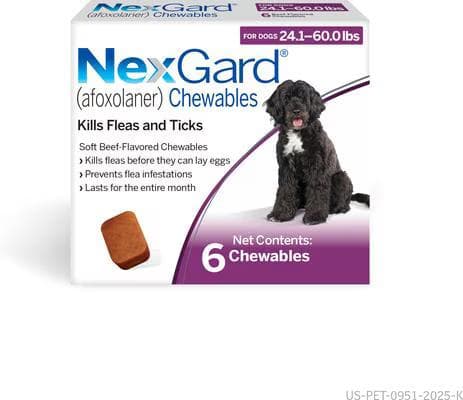
A monthly beef-flavored prescription chew (afoxolaner) that kills fleas before they lay eggs and kills ticks. A popular oral pick for dogs who do better with a chew than a topical.
Webvet may earn a commission when you click through to Chewy, at no extra cost to you.

Topical spot-on treatments
Topicals are applied to the skin between the shoulder blades once a month. The longest-running actives have decades of safety data behind them:
- Fipronil (Frontline Plus, with (S)-methoprene): available over the counter, labeled for puppies 8 weeks and older.
- Imidacloprid (Advantage II, with pyriproxyfen): OTC, labeled from 7 weeks.
- Selamectin (Revolution): prescription, also prevents heartworm, and is well tolerated at label doses even in ivermectin-sensitive herding breeds.
- Permethrin combinations (K9 Advantix II, Vectra 3D): effective tick repellents for dogs, but highly toxic to cats. Cornell's Riney Canine Health Center specifically cautions that dog-safe permethrin products are not appropriate anywhere near cats.
The main topical risks are application errors: using a large-dog dose on a small dog, dosing a cat with a dog product, or bathing with harsh shampoos that strip the product. Mild skin irritation at the application site is the most commonly reported side effect.
The safest topical for most dogs is a long-established fipronil product (Frontline Plus) or imidacloprid product (Advantage II), both with decades of tolerability data and over-the-counter access. If your dog also needs heartworm coverage or carries herding-breed genetics, selamectin (Revolution) is the safest topical pick, since it is well tolerated in MDR1 dogs at the label dose. Match the weight band exactly, because misdosing, not the chemistry, is the main topical risk.
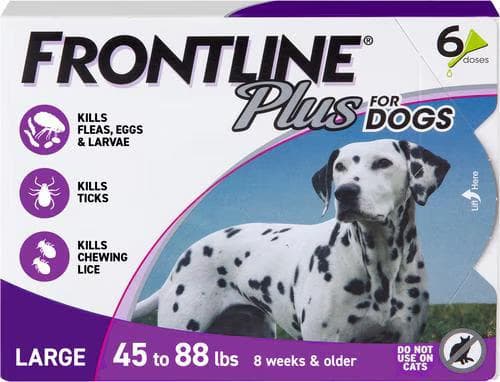
A monthly topical spot-on for large dogs 45 to 88 lbs that kills fleas, ticks, and chewing lice. A waterproof pick for dogs who do better with a topical than an oral chew.
Webvet may earn a commission when you click through to Chewy, at no extra cost to you.
Flea and tick collars
Modern collars are nothing like the pesticide-dust collars of past decades. The Seresto collar releases low doses of imidacloprid and flumethrin continuously for 8 months, and its convenience makes consistent protection easier.
Collars have faced public scrutiny: after incident reports made headlines, the EPA reviewed Seresto and in 2023 allowed continued sale while requiring enhanced safety reporting and label improvements. Fit matters too. A collar should sit snugly (two fingers of space), and dogs that chew on each other's collars, or share a home with cats that groom them, need supervision or a different format.
Avoid bargain-bin collars with organophosphates like tetrachlorvinphos; cheaper chemistry is where collar safety problems concentrate.
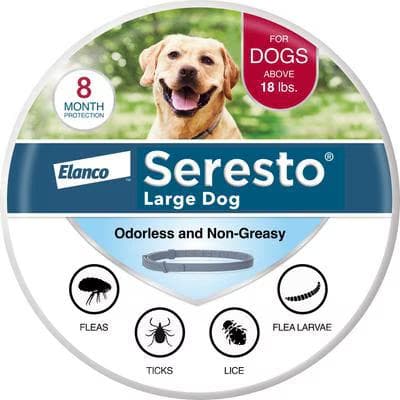
An eight-month flea and tick collar for dogs over 18 lbs that releases protection steadily. A low-effort layer to help keep ticks off between vet-recommended preventives.
Webvet may earn a commission when you click through to Chewy, at no extra cost to you.
Shampoos, sprays, and dips
Flea shampoos kill the fleas on your dog today and are gone tomorrow; they are cleanup tools, not prevention. Used occasionally and per label, a pyrethrin-based or oatmeal-formula flea shampoo is low-risk for adult dogs. Old-style chemical dips, however, use concentrated organophosphates or amitraz and have the worst safety record of any category. Most veterinarians no longer recommend dips at all.
If a bath is part of your flea response, pair it with a real preventive, and treat the environment too. Our guide to getting rid of fleas in the house and yard covers that side of the battle.
A gentle flea and tick shampoo for cats and dogs that kills ticks on contact and soothes sensitive skin. Handy for washing your dog down after a hike.
Webvet may earn a commission when you click through to Chewy, at no extra cost to you.
Flea Treatment Safety Comparison Table
| Product | Active ingredient(s) | Type | Rx needed? | Key safety notes |
|---|---|---|---|---|
| NexGard | Afoxolaner | Monthly chew | Yes | Isoxazoline class; FDA seizure caution; from 8 weeks, 4 lbs |
| Bravecto | Fluralaner | 12-week chew or injection | Yes | Isoxazoline class; FDA seizure caution; from 6 months |
| Simparica / Simparica Trio | Sarolaner (+ moxidectin, pyrantel in Trio) | Monthly chew | Yes | Isoxazoline class; FDA seizure caution; Trio adds heartworm coverage |
| Credelio / Credelio Quattro | Lotilaner (+ moxidectin, praziquantel, pyrantel in Quattro) | Monthly chew | Yes | Isoxazoline class; FDA seizure caution; Quattro adds worm coverage |
| Comfortis / Trifexis | Spinosad (+ milbemycin in Trifexis) | Monthly chew | Yes | Non-isoxazoline; vomiting most common side effect; avoid with high-dose ivermectin |
| Frontline Plus | Fipronil + (S)-methoprene | Monthly topical | No | Decades of use; from 8 weeks; mild skin irritation possible |
| Advantage II | Imidacloprid + pyriproxyfen | Monthly topical | No | Flea-only (no ticks); from 7 weeks |
| Revolution | Selamectin | Monthly topical | Yes | Well tolerated in MDR1 herding breeds at label dose; covers heartworm |
| K9 Advantix II | Imidacloprid + permethrin + pyriproxyfen | Monthly topical | No | Repels ticks; NEVER use on or near cats |
| Seresto | Imidacloprid + flumethrin | 8-month collar | No | EPA-reviewed with updated labeling; check fit; supervise chewers |
| Capstar | Nitenpyram | Oral tablet | No | Kills adult fleas within hours, lasts about a day; from 4 weeks, 2 lbs |
 $65 · no membership
Need flea, tick, or heartworm prevention for your dog?
A licensed vet can recommend and prescribe the right preventive for your dog online when it's appropriate.
 Talk to a vet
- Licensed vets
- All 50 states
- same-day Rx

Webvet may earn a commission if you book.
The FDA Isoxazoline Warning, Explained Honestly
In September 2018, the FDA issued an alert that isoxazoline flea and tick products (NexGard, Bravecto, Simparica, Credelio, and later additions) have been associated with neurologic adverse events in some dogs and cats, including muscle tremors, ataxia (wobbly movement), and seizures. The FDA's fact sheet notes these events can occur even in dogs with no prior seizure history, and it required manufacturers to add the warning to labels.
For a side-by-side look at two monthly prescription combinations, see Simparica Trio vs NexGard Plus.
Two things are true at once, and an honest safety guide has to say both:
- The warning is real. Dogs with epilepsy or a prior seizure event should generally avoid isoxazolines, and the FDA advises veterinarians to weigh that history before prescribing.
- The FDA did not pull these products. The agency states isoxazolines remain safe and effective for the majority of animals, and reported neurologic events are rare relative to the enormous number of doses sold each year.
What this means practically: if your dog has ever had a seizure, tell your vet before accepting any chewable prescription. If your dog has been on an isoxazoline for years without issues, the warning is not a reason to panic or to stop protection mid-season.
If you have seen scarier claims, note that viral lists of "flea medicines killing dogs" almost always trace back to this same 2018 advisory, stripped of the FDA's own context about rarity and continued approval.
Is Topical Flea Treatment Safer Than Oral?
Neither format is categorically safer; they trade different risks. Orals eliminate application errors and residue on hands and furniture but cannot be "removed" if a dog reacts, which is why seizure-prone dogs are usually steered to topicals. Topicals can be bathed off in an emergency and skip the isoxazoline question entirely (for fipronil and imidacloprid products), but they add risks of misapplication, residue exposure to children and cats, and skin irritation.
A practical rule many vets use: healthy dog, busy household, tick pressure = oral. Seizure history, cats in the house doing the grooming, or a known chewable-class reaction = carefully chosen topical. Your veterinarian's read on your specific dog beats any general rule.
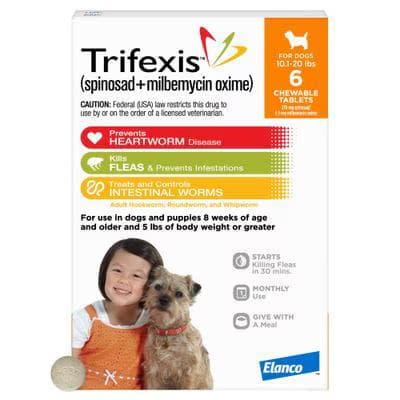
A monthly chew (spinosad and milbemycin oxime) that kills fleas, prevents heartworm, and treats intestinal worms. A non-isoxazoline oral option that starts killing fleas within 30 minutes.
Webvet may earn a commission when you click through to Chewy, at no extra cost to you.

Safest Flea Treatment for Dogs With Seizures or Other Special Risks
Dogs with seizure histories
Skip the isoxazoline class. Most veterinarians instead reach for fipronil-based topicals (Frontline Plus), imidacloprid products (Advantage II), or selamectin (Revolution), none of which carry the FDA neurologic warning. Capstar (nitenpyram) is also considered safe for quick knockdown of an active infestation. Confirm any choice with the vet managing your dog's epilepsy, since even "safe" products deserve a records check against current medications.
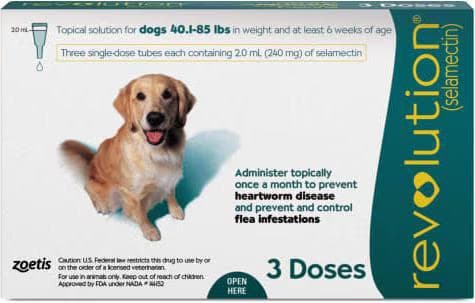
A monthly topical (selamectin) that prevents heartworm and controls fleas, and is well tolerated in herding breeds at the label dose. A prescription pick for dogs who need a non-isoxazoline option.
Webvet may earn a commission when you click through to Chewy, at no extra cost to you.
Herding breeds and the MDR1 gene
Collies, Australian Shepherds, Shelties, and related breeds can carry an MDR1 (ABCB1) gene mutation that lets certain drugs reach the brain at higher levels. This matters mostly for high-dose ivermectin, not for flea products at label doses; selamectin has been tested and is well tolerated in MDR1-mutant dogs at its approved dose. If you own a herding breed, a one-time DNA test resolves the question for life, and it is worth doing before anesthesia or antiparasitic decisions anyway.
Puppies, seniors, pregnant and nursing dogs
Every product has a minimum age and weight; the lowest go to Capstar (4 weeks, 2 lbs) and Advantage II (7 weeks). Most isoxazolines start at 8 weeks and a minimum weight, and Bravecto starts at 6 months. For pregnant or nursing dogs, options narrow sharply: Frontline Plus and Revolution carry reproductive-safety labeling, while most chewables are unstudied in pregnancy. This is a call-your-vet situation, not a read-the-box situation.
Small and toy breeds
For small and toy breeds, the safest flea treatment is simply the one dosed to their exact low weight band, never a large-dog product split down. The lowest-weight options include Capstar (from 2 lbs), NexGard (from 4 lbs), and Advantage II (from 7 weeks). A too-strong dose, not the chemistry itself, is the usual cause of trouble in a 6-pound dog, so confirm the weight band on the box before every purchase.
Homes with cats
The single most dangerous flea-treatment mistake in multi-pet homes is permethrin exposure in cats. Never apply K9 Advantix II, Vectra 3D, or any permethrin product to a cat, and keep treated dogs away from cats until the application site is fully dry, since cats that groom a freshly treated dog can be poisoned. If your cat and dog are inseparable, choose a permethrin-free product line for the whole household.

Safest Flea Medicine for Dogs Without a Vet Prescription
You can protect a dog well without a prescription; the OTC aisle just requires more label reading. The safest over-the-counter flea medicines for most dogs are the long-established topicals: Frontline Plus (fipronil) and Advantage II (imidacloprid), plus the Seresto collar for owners who prefer set-and-forget coverage. For an immediate kill during an active infestation, OTC Capstar tablets clear adult fleas within hours.
Three OTC safety rules:
- Match the weight band exactly. The most common OTC harm is a dosing error, not the chemistry itself.
- Buy from a reputable retailer. Counterfeit flea products with wrong concentrations circulate through third-party marketplace sellers. The EPA and FDA both recommend purchasing from known retailers or your vet clinic.
- Know what OTC does not cover. No OTC product prevents heartworm. If you skip the vet for fleas, you still need a heartworm plan.
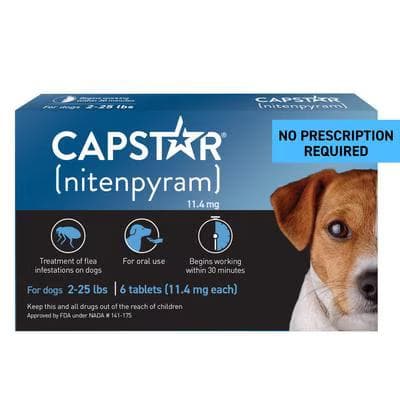
An over-the-counter nitenpyram tablet that starts killing adult fleas within 30 minutes. A fast knockdown for an active infestation, no prescription required, useful alongside a longer-term preventive.
Webvet may earn a commission when you click through to Chewy, at no extra cost to you.
If you are comparing specific products, our vet-reviewed roundup of the best flea and tick prevention for dogs ranks the options this safety guide describes.

Natural and Non-Toxic Flea Treatments: What Actually Works
The honest answer: mechanical and environmental methods work but are labor-intensive, while most "natural" repellent products lack efficacy evidence, and a few are outright dangerous.
Worth doing:
- Flea combing daily with a fine-tooth comb, dunking catches in soapy water. Genuinely effective for monitoring and light infestations.
- Hot-water washing of bedding weekly and vacuuming carpets and upholstery frequently (toss the bag or empty the canister outside). Environmental control removes eggs and larvae, which are 95 percent of a flea population.
- Yard management: mowing, clearing leaf litter, and blocking wildlife hiding spots reduces reinfestation pressure.
Approach with skepticism:
- Essential-oil sprays and collars: efficacy evidence is thin, and concentrated tea tree or pennyroyal oil is toxic to dogs. "Natural" does not mean non-toxic.
- Food-grade diatomaceous earth: modest environmental effect at best, and the dust is a respiratory irritant for you and your dog.
- Garlic or brewer's yeast: no credible efficacy data, and garlic in meaningful amounts damages canine red blood cells.
If your dog already has fleas, natural methods alone rarely end an infestation, because the eggs in your carpet keep hatching. Pair any approach with the steps in our guide on how to get rid of fleas on dogs. If you need help separating eggs from dandruff or flea dirt, see what flea eggs on dogs look like.

How to Use Any Flea Treatment More Safely
Most flea-product injuries come from how a product is used, not from the product itself. The FDA's adverse-event data consistently point to dosing and species errors as leading causes.
- Weigh your dog before every purchase; growing puppies change weight bands fast.
- Read the label every time, even for repeat buys, since formulations change.
- Never use dog products on cats, and never split one large-dog dose between two dogs.
- Give the first dose of any new product on a weekday morning, then watch your dog for 24 hours so your regular vet is open if anything seems off.
- Keep a photo of the package and lot number until the dose cycle ends.
- Tell your vet about every medication and supplement your dog takes before starting a new preventive.
- Check your dog for ticks after outdoor time even while on prevention; no product is 100 percent. Our photo guide to what tick bites look like on dogs shows what to watch for, and a removal tool makes clean extraction easier.
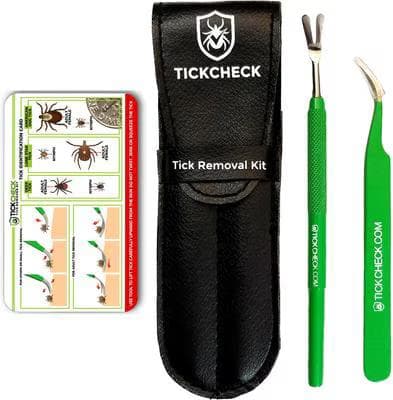
A vet-style tick removal kit with fine-tip tools that grip the tick right at the skin for a clean, straight pull, plus a tick ID card. Easy to keep in your dog-walking bag.
Webvet may earn a commission when you click through to Chewy, at no extra cost to you.
When to Call Your Veterinarian
Call your vet the same day if you see any of these after applying or feeding a flea treatment:
- Muscle tremors, stumbling, or a seizure
- Repeated vomiting or refusal to eat beyond one missed meal
- Intense lethargy or behavior that feels wrong to you
- Skin that is red, weeping, or painful at a topical application site
- Any symptoms in a cat that had contact with a treated dog (treat this as an emergency)
Bring the packaging. Your vet can also report the event to the FDA or EPA, which is how safety data on these products improves.
FAQ: Safest Flea Treatments for Dogs
Frequently Asked Questions
What is the safest flea medication for dogs?
For most healthy dogs, veterinarians consider prescription products used exactly as labeled the safest option, with topicals like fipronil (Frontline Plus) and selamectin (Revolution) preferred for dogs with seizure histories. There is no single safest product for every dog; the safest choice is the one matched to your dog's age, weight, health history, and household by a veterinarian.
What flea treatment should I avoid for dogs?
Avoid old-style organophosphate or amitraz dips, bargain collars containing tetrachlorvinphos, counterfeit products from unverified marketplace sellers, and any cat-labeled product. Dogs with seizure histories should also avoid the isoxazoline chewable class (NexGard, Bravecto, Simparica, Credelio) per the FDA's labeling.
What do holistic vets recommend for flea and tick prevention?
Holistic practitioners typically emphasize daily flea combing, frequent hot-water washing of bedding, vacuuming, and yard management, sometimes with essential-oil repellents. The mechanical methods are genuinely useful; the oil-based repellents lack strong efficacy evidence, and some oils (tea tree, pennyroyal) are toxic to dogs, so vet them carefully.
What is the number one vet recommended flea treatment for dogs?
Surveys of prescribing patterns consistently show isoxazoline chewables (NexGard, Simparica, Bravecto, Credelio) as the most-recommended class for healthy dogs because of their efficacy against both fleas and ticks. Recommendation is individual, though: the same vet who suggests NexGard for one patient will steer an epileptic dog to a topical instead.
What dog flea medicine should I avoid buying over the counter?
Skip products that do not list an EPA registration number, collars using tetrachlorvinphos or propoxur, and deeply discounted "name brand" products from third-party sellers, which are the main channel for counterfeits. Stick to known retailers and check that the weight band on the box matches your dog.
What is the best non-toxic flea treatment for dogs?
The most effective genuinely non-chemical approach is mechanical: daily flea combing, washing bedding in hot water weekly, and vacuuming floors and furniture frequently, since most of a flea population lives in the environment as eggs and larvae. For active infestations, non-chemical methods alone rarely succeed, so many owners pair them with a well-tolerated topical.
What is the least toxic flea medication for dogs?
Among effective products, nitenpyram (Capstar) and the insect growth regulators lufenuron, methoprene, and pyriproxyfen have some of the widest safety margins, though they work best as part of a broader plan. Fipronil and imidacloprid topicals also have decades of tolerability data. "Least toxic with real efficacy" usually beats "zero chemical, zero control."
How do the Amish get rid of fleas?
Traditional low-tech approaches rely on the same mechanical controls anyone can use: flea combs, soapy-water traps, hot-water laundering, sunlight-drying bedding, and keeping animals out of infested spaces. These methods reduce flea numbers but are slow against an established infestation, which is why most modern households combine them with a labeled preventive.
What is the safest tick and flea treatment for dogs?
For most healthy dogs, veterinarians consider a vet-prescribed oral chew or a proven topical the safest option that covers both fleas and ticks, with the specific pick matched to the dog. Flea-only products like Advantage II do not kill ticks, so in tick country choose a fipronil topical (Frontline Plus), an isoxazoline chew, or, for a repellent layer, a permethrin product like K9 Advantix II (never near cats).
What is the safest flea treatment for small dogs?
The safest flea treatment for a small dog is one labeled for its exact weight, since the biggest risk to toy breeds is an overdose from a large-dog product. Low-weight options include Capstar from 2 lbs, NexGard from 4 lbs, and Advantage II from 7 weeks. Confirm the weight band on the box before every purchase, because small dogs have the least margin for a dosing error.
The Bottom Line
The safest flea treatment for dogs is the one chosen for your dog, not the one with the best marketing or the scariest headline. For most dogs that means a vet-prescribed oral or a proven topical; for seizure-prone dogs, MDR1 breeds, puppies, and cat households, it means the specific alternatives above.
Whatever you choose, dose by weight, buy from a source you trust, and keep your veterinarian in the loop. Fleas are a solvable problem, and 2026's options are the safest and most effective any generation of dog owners has had.
$65 · no membershipNeed flea, tick, or heartworm prevention for your dog?
A licensed vet can recommend and prescribe the right preventive for your dog online when it's appropriate.
Talk to a vet- Licensed vets
- All 50 states
- same-day Rx
Webvet may earn a commission if you book.

Editor
The Webvet Editorial Team is the in-house group of pet-care editors and writers behind Webvet, operated by Smart Pet Collective. The team researches, writes, and maintains Webvet's pet health, behavior, and medication content. Every article follows a defined editorial process: research from reputable veterinary and scientific sources, careful drafting, mandatory review of medical content by a credentialed veterinarian, and dated publication. Health and medication articles are medically reviewed by a licensed veterinary professional before they go live and are kept current over time.
Veterinarian · BVMS MRCVS
Dr. Pippa Elliott, BVMS, MRCVS, is a veterinarian with nearly 30 years of experience in companion animal practice. Dr. Elliott earned her Bachelor of Veterinary Medicine and Surgery from the University of Glasgow. She was also designated a Member of the Royal College of Veterinary Surgeons. Married with 2 grown-up kids, Dr. Elliott has a naughty Puggle named Poggle, 3 cats and a bearded dragon.


