How to Remove a Tick From a Dog (Safely, Step by Step)
Learn how to remove a tick from a dog the right way: fine-point tweezers, a straight-up pull, and no twisting or squeezing. This vet-reviewed guide covers the exact technique, what to do if the head gets stuck, disposal, aftercare, and the symptoms to watch for.

BVMS MRCVS
Medically reviewed by Dr. Pippa Elliott, BVMS MRCVS · Last reviewed

This article contains affiliate links. Webvet may earn a commission when you buy through them, at no extra cost to you.
To remove a tick from a dog, grasp it with fine-point tweezers as close to the skin as possible, then pull straight up with slow, steady pressure. Do not twist, jerk, or squeeze the body.
The whole technique takes seconds, and doing it calmly and correctly matters far more than doing it fast. Below, a vet-reviewed, step-by-step walkthrough of how to remove a tick from a dog, what to do if the head stays stuck, how to clean up afterward, and the symptoms to watch for in the weeks ahead.
- 1Use fine-point tweezers or a dedicated tick tool. Grasp the tick at the skin, then pull straight up, slow and steady, with no twisting or squeezing.
- 2Skip the folk remedies. Petroleum jelly, nail polish, a hot match, and essential oils do not work and can make the tick release more saliva into your dog.
- 3If a piece of the mouthparts stays behind, leave it alone like a splinter in most cases. It usually works its way out on its own.
- 4Clean the bite, disinfect your tweezers, wash your hands, and kill the tick in rubbing alcohol. Save it in a sealed bag in case your dog gets sick.
- 5Watch the bite and your dog for two to three weeks. Lethargy, fever, limping, or a swollen bite site means call your vet.

 Sponsored
Need flea, tick, or parasite care for your dog?
A licensed vet at Dutch can recommend the right preventive and prescribe it when it's appropriate. Annual members get 20% off their first flea and tick order.
Use code Pets60
Plans start at $12/month · covers up to 5 pets
- Licensed vets in most states
- Rx for 150+ conditions
- 4.7 on Trustpilot
How Fast Do You Need to Act? The Transmission Clock
The single best thing you can do is remove the tick promptly. For many tick-borne illnesses, the longer a tick stays attached and feeding, the higher the risk that it passes an infection to your dog. That is why daily tick checks and same-day removal matter so much.
Why the transmission window varies by disease
You will see different timelines online, and they are not contradictions. They reflect different pathogens.
The bacterium that causes Lyme disease, for example, generally needs a longer attachment window to transmit, while some other organisms can pass much sooner after the tick begins to feed. The exact numbers depend on the tick species and the infection involved.
| Disease | General attachment time before transmission risk rises |
|---|---|
| Lyme disease | Often around 24 to 48 hours of attachment |
| Anaplasmosis | Can transmit sooner, often within roughly 24 hours |
| Ehrlichiosis | May transmit relatively quickly, sometimes within a few hours of feeding |
| Rocky Mountain spotted fever | Risk can begin within several hours of attachment |
These are general guideposts, not guarantees, and transmission can sometimes happen faster or slower. The practical takeaway is simple: do not wait. The moment you find a tick, plan to remove it.
Remove it now, or wait for the vet?
For a tick on the body, leg, or back, removing it at home right away is the right call. The faster it comes off, the lower the risk.
Save the vet trip for the trickier spots: a tick on the eyelid, deep inside the ear canal, or inside the mouth, or a dog who will not hold still safely.
If you cannot get to tweezers immediately, a dedicated tick-removal tool, or even a clean loop of dental floss snugged down at the skin, can work in a pinch until you get the right gear.
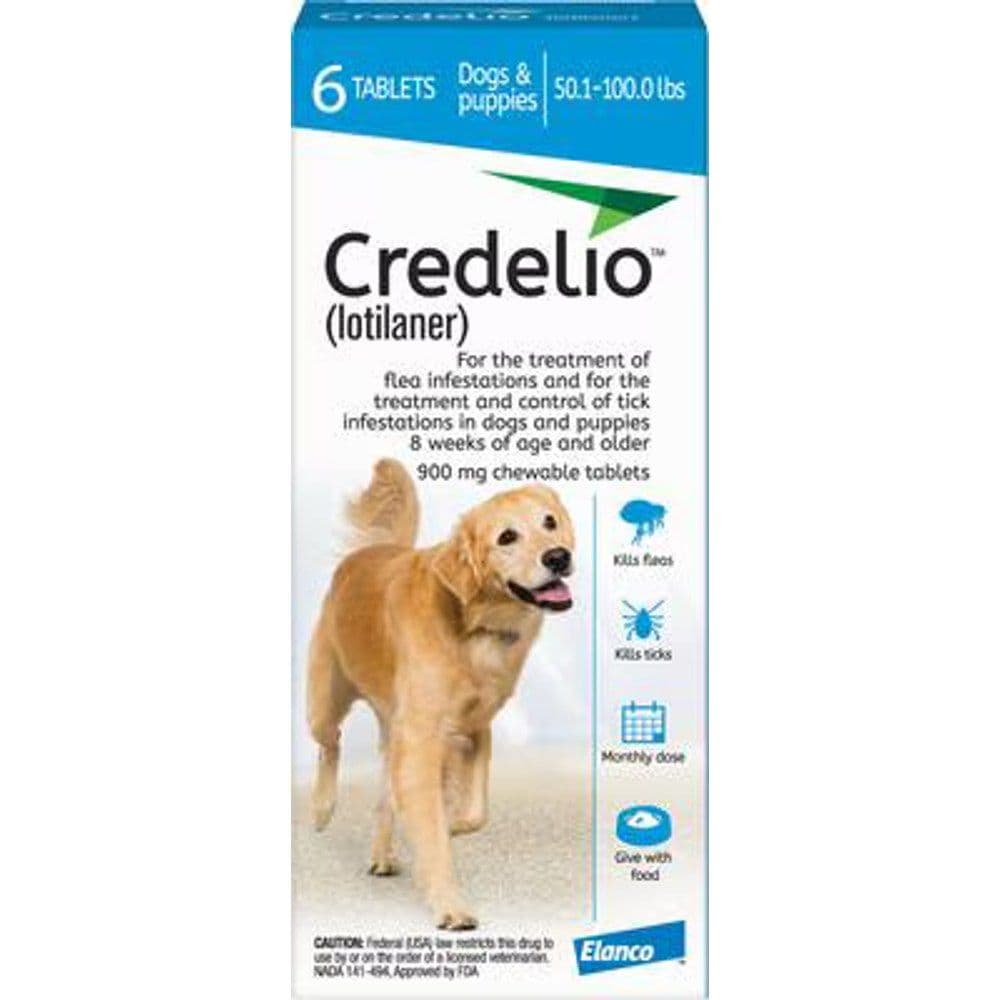
Monthly prescription chew that kills fleas and ticks on dogs, including the black-legged (deer) ticks that can spread Lyme disease.
Webvet may earn a commission when you click through to Chewy, at no extra cost to you.
First, Make Sure It's Actually a Tick
Before you reach for the tweezers, confirm you are actually looking at a tick. Pulling at a skin tag, wart, or nipple by mistake can hurt your dog and draw blood for no reason.

Tick vs. skin tag, scab, wart, or nipple
A tick has legs. Part the fur and look closely: if you can see six or eight tiny legs near the skin where it attaches, it is a tick.
- Skin tags and warts: are soft, flesh-toned, and grow out of the skin with no legs and no distinct head.
- Nipples: are smooth, symmetrical, and arranged in even rows down the belly.
- A scab: is flat, crusty, and stuck to the surface.
- A tick: sits on top of the skin with its mouthparts buried in, and the body often has a slightly shiny, leathery look.
What an embedded, engorged tick looks like
An unfed tick is flat and small, sometimes no bigger than a sesame seed, with its legs easy to spot. Once it has been feeding, it swells with blood and can look like a gray, tan, or bluish balloon, sometimes as large as a small grape.
People often mistake a fully engorged tick for a wart or a skin growth because the swollen body hides the legs. Look at the base where it meets the skin to find the legs and mouthparts.
Where ticks hide on a dog
Ticks like warm, hidden, hard-to-reach spots. When you run your hands over your dog after a walk, pay special attention to these areas:
- In and around the ears, including the inner flap
- Between the toes and in the webbing of the paws
- The groin, armpits, and other skin folds
- Around the eyelids and on the face
- Under the collar and at the base of the tail
Ticks are also a sign your dog is picking up hitchhikers outdoors, so it is worth keeping an eye out for other parasites like fleas at the same time.
What You'll Need: Tools and Supplies
Good tick removal on a dog comes down to one thing: a tool that lets you grip the tick low, right at the skin, without crushing it. Gather these before you start so you are not fumbling mid-removal:

- Fine-point tweezers or a dedicated tick-removal tool
- Disposable gloves to keep tick fluids off your skin
- Rubbing alcohol or an antiseptic, plus a small jar or sealable bag
- A treat or two and, ideally, a second person to help keep your dog calm
Fine-point tweezers vs. tick-removal tools
Several tools can do the job. Here is how the common options for tick removal on a dog compare:
| Tool | How it works | Best for |
|---|---|---|
| Fine-point tweezers | Pinch the tick at the skin and pull straight up | Most ticks; the gold-standard household option |
| Tick hook or twister | Slide the forked notch under the tick and lift or gently rotate | Small, well-attached ticks in awkward spots |
| Tick scoop or spoon | Slide the notched edge against the skin to lever the tick off | Quick field removal on the go |
| Tick key (card style) | Catch the tick in the keyhole slot and slide it away from the skin | Keeping in a wallet or hiking kit |
| Blunt household tweezers | Hard to grip low without squeezing the body | Not recommended; use fine-point instead |
Whichever tool you choose, the principle never changes: get under the tick at skin level, then lift it away without crushing the body.
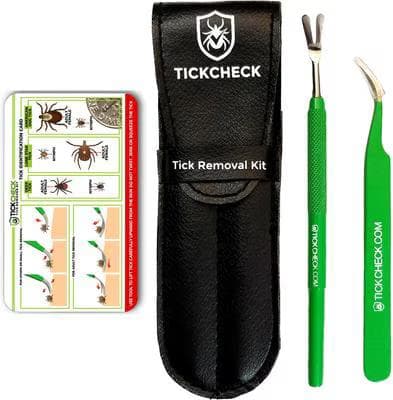
A vet-style tick removal kit with fine-tip tools that grip the tick right at the skin for a clean, straight pull, plus a tick ID card. Easy to keep in your dog-walking bag.
Webvet may earn a commission when you click through to Chewy, at no extra cost to you.
Why fingers, nail polish, Vaseline, and matches fail
You may have heard you can smother a tick with petroleum jelly, paint it with nail polish, or back it out with a hot match. Skip all of these.
The idea is that the tick will detach on its own, but in practice these methods are slow and unreliable, and they can stress or irritate the tick so it salivates more into the bite.
That is the opposite of what you want, because tick saliva is how infections get passed along. A lit match near your dog's skin is also a burn risk.
Essential oils, dish soap on a cotton ball, and bare fingers are no better. Fingers cannot grip low enough without squeezing the body, which can inject more saliva and leave the mouthparts behind. The mechanical pull with proper tweezers is faster, cleaner, and safer than any folk remedy.
 Sponsored
Vet care that's always there
Unlimited video calls and messaging with licensed vets for less than a typical vet visit. One membership covers up to five pets.
Use code Pets60
Plans start at $12/month · covers up to 5 pets
- Licensed vets in most states
- Rx for 150+ conditions
- 4.7 on Trustpilot
How to Remove a Tick From a Dog: Step by Step
Here is exactly how to remove a tick from a dog, start to finish. Work in good light, and have a second person help hold your dog if you can.

- Put on gloves and calm your dog. Slip on disposable gloves to keep tick fluids off your hands. Settle your dog somewhere comfortable, and have a helper gently steady them with treats nearby so they stay relaxed.
- Part the fur and expose the tick. Use your fingers to spread the hair around the tick so you can see exactly where it meets the skin. A clear view is what lets you grip in the right place.
- Grasp the tick as close to the skin as possible. Position the tweezers right at the mouthparts where the tick enters the skin, not on its swollen body. Gripping low is the key to getting the whole tick and avoiding a squeeze.
- Pull straight up, slow and steady. Apply firm, even, upward pressure in a straight line. Do not twist, jerk, or yank. Twisting can snap the mouthparts off and leave them in the skin. Let the steady tension ease the tick free.
- Inspect that you removed the whole tick. Look at the tick to confirm the head and mouthparts came with it, and check the bite site. Then set the tick aside in a container so you can clean up and, if needed, save it.
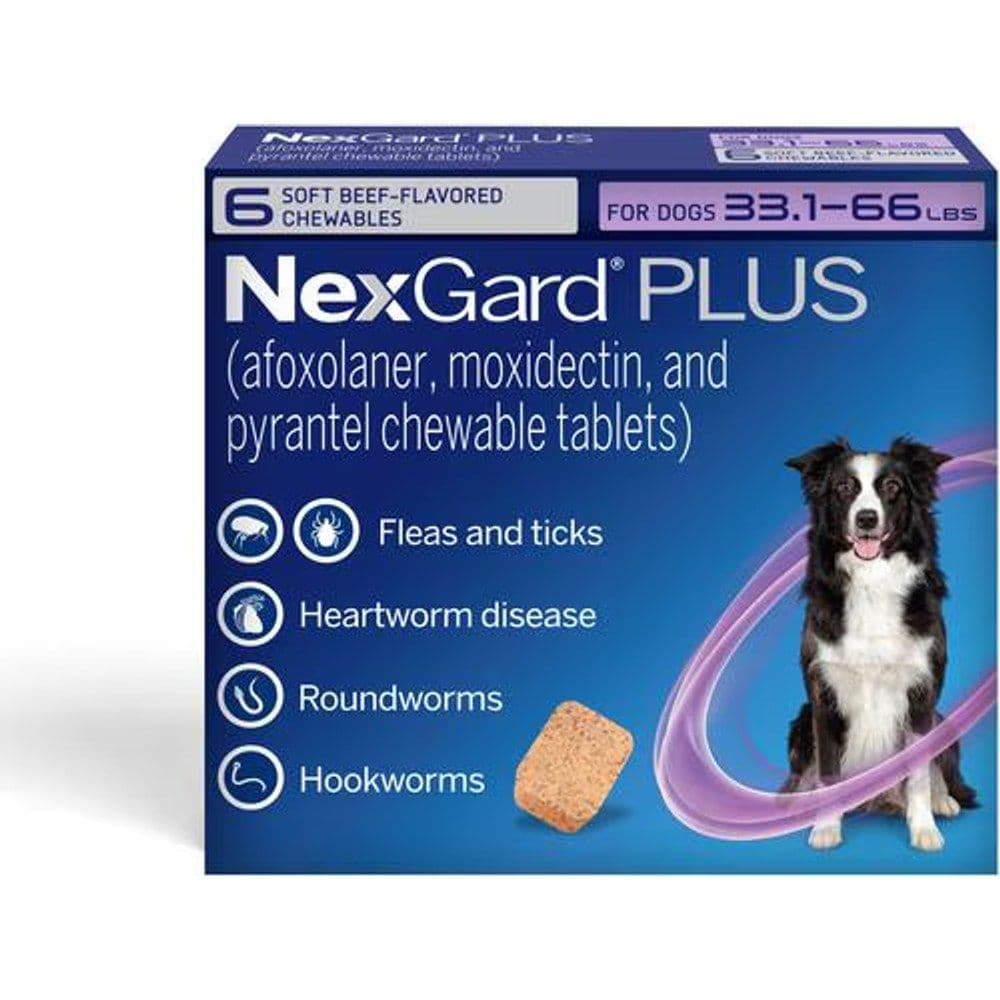
Beef-flavored monthly chew that protects dogs from fleas, ticks, heartworm disease, roundworms, and hookworms.
Webvet may earn a commission when you click through to Chewy, at no extra cost to you.
What If the Tick's Head Is Stuck in the Dog's Skin?
A tick head stuck in a dog is one of the most common worries after removal, and the good news is that it is usually not an emergency. If a small dark fleck stays behind in the skin, here is what to do.
The "head" is really the mouthparts
What people call the head is usually just the tick's mouthparts, the barbed feeding structure it anchors into the skin. A tick cannot live or keep transmitting disease on its mouthparts alone once the body is gone.
Leftover mouthparts behave much like a splinter: your dog's body treats them as a foreign object and works them out over time.
When to try removing leftover parts vs. leave them alone
If the leftover piece is sitting right at the surface and lifts out easily with clean tweezers, you can gently remove it. If it does not come freely, leave it alone.
Digging, squeezing, or gouging at the skin causes more trauma and raises the chance of infection than the small fragment itself. Clean the area and let it heal.
When this needs a vet
Call your vet if the bite site becomes increasingly red, swollen, warm, or painful over the following days, if it oozes pus, or if a firm lump forms and does not settle.
These can signal a local infection or an inflammatory reaction that may need treatment. When in doubt, a quick photo sent to your clinic can save a visit.
How to Get a Tick Off a Dog Without Tweezers
Sometimes you find a tick and the tweezers are nowhere in sight. If you need to know how to get a tick off a dog without tweezers, you still have safe options that follow the same straight-up principle.
Tick tool, dental floss loop, or card edge
A dedicated tick-removal tool is the best tweezer-free choice and worth keeping in your kit. No tool on hand? Loop a length of dental floss or thin thread around the tick, snug it right down against the skin at the mouthparts, then pull straight up with slow, even tension.
The notched edge of a sturdy card, like a tick key or even a credit card, can also be slid against the skin to lever the tick out. As always, no twisting and no squeezing the body.
What to do on a hike with no kit
On the trail, use the floss-loop or card-edge method to get the tick off promptly, since prompt removal lowers the risk more than waiting for perfect tools. Drop the tick in a sealable bag or a bit of folded tape so it cannot reattach.
Then finish the job at home: wash the bite, disinfect properly, and do a full-body check for any other ticks you may have missed.
What to Do After Removing a Tick
Knowing what to do after removing a tick is just as important as the removal itself. A few quick steps protect the bite, kill the tick, and give you a record in case your dog gets sick later.
Clean and disinfect the bite site
Wipe the bite with a pet-safe antiseptic or a little rubbing alcohol on a cotton ball. A mild soap-and-water clean works too. Do not scrub hard. A small amount of redness right after removal is normal as the skin recovers.
How to kill and dispose of the tick
Never crush a tick with your fingers, since that can expose you to whatever it was carrying. To kill and dispose of it safely, choose one of these:
- Drop it into a small container of rubbing alcohol, the simplest way to kill it.
- Seal it tightly in a piece of tape or a zip-top bag.
- Flush it down the toilet. Wash your hands well afterward.
Should you save the tick or get it tested?
It is smart to save the tick rather than toss it immediately. Seal it in a small bag with the date and, if you know it, where your dog picked it up.
If your dog develops symptoms in the coming weeks, that tick can help your vet, and mail-in tick-identification or testing services exist that can tell you the species and whether it carried certain pathogens. At minimum, snap a clear photo before you dispose of it.
Disinfect your tools and wash your hands
Wipe your tweezers or tool with rubbing alcohol so they are clean for next time, remove and discard your gloves, and wash your hands thoroughly with soap and water. Ticks can carry diseases that affect people too, so this last step protects you and your family.
Aftercare: What's Normal vs. a Red Flag at the Bite Site
Most tick bites heal quietly. Knowing what normal healing looks like, versus what is not, keeps you from panicking over a small bump while still catching a real problem early.

Normal: a small bump, mild redness, a scab
After you remove a tick from a dog, it is normal to feel a small firm bump or see mild redness at the bite for a few days to a couple of weeks.
This is the skin reacting to the bite, much like a mosquito welt, and it should slowly shrink and fade.
A tiny scab may form and fall off. As long as it is getting better over time, it is healing as expected.
Red flags at the bite site
Call your vet if the bite area does the opposite of healing. Warning signs include:
- Redness that spreads outward or grows over several days
- Pus, oozing, or a foul smell from the site
- A firm lump or granuloma that keeps growing instead of shrinking
- Your dog licking, chewing, or scratching the spot obsessively
Symptoms to Watch For in the Weeks After a Tick Bite
Even a textbook removal does not fully rule out illness, because some infections are passed before you ever find the tick. Keep a casual eye on your dog for the next two to three weeks, and longer if you live in a high-tick region.
Signs of tick-borne illness in dogs
Contact your vet if your dog shows any of these in the weeks after a bite:
- Lethargy, low energy, or seeming generally off
- Fever, shivering, or loss of appetite
- Lameness or a limp that shifts from leg to leg
- Swollen lymph nodes or swollen, painful joints
Common tick-borne diseases in dogs
Ticks can transmit Lyme disease, ehrlichiosis, anaplasmosis, babesiosis, and Rocky Mountain spotted fever, among others. These illnesses range from mild to serious and often respond well when caught early, which is exactly why prompt removal and a few weeks of watchfulness matter.
To understand the specific infections, how they present, and how vets diagnose them, see our full guide to tick-borne diseases in dogs.
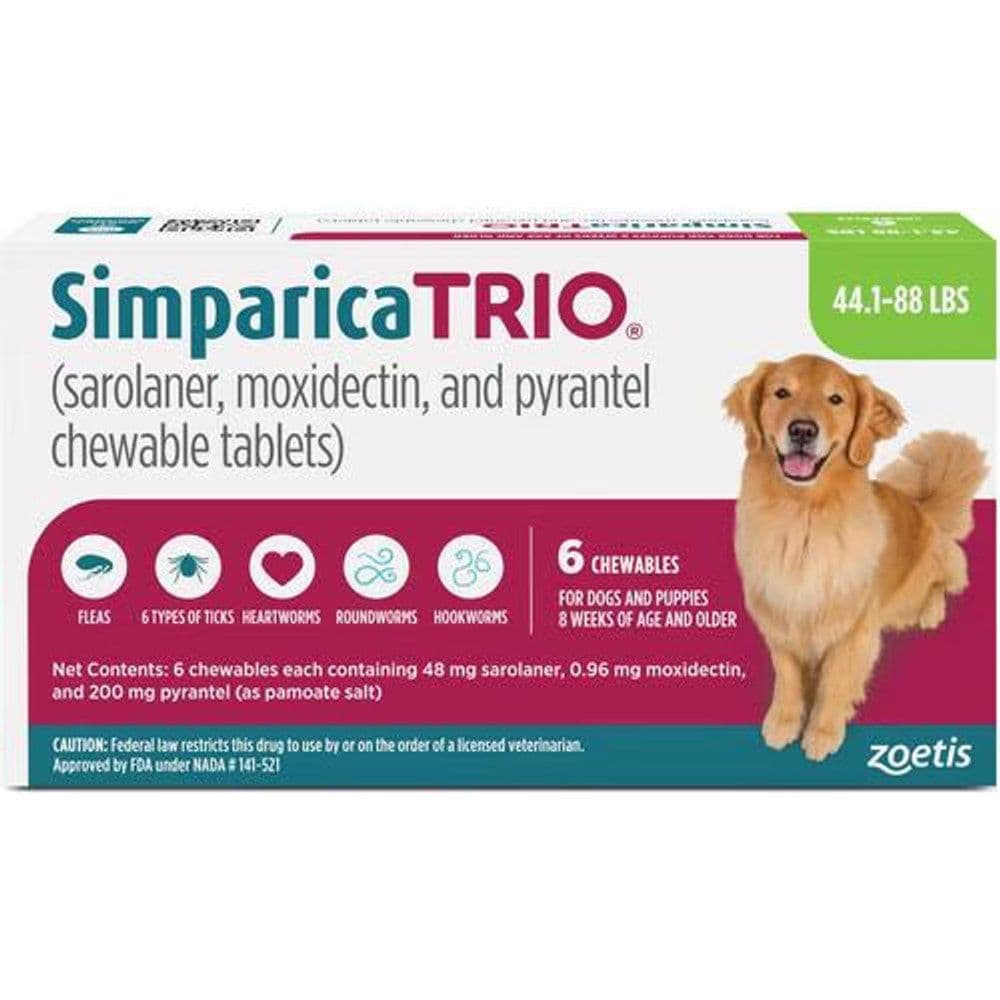
Monthly chew that protects dogs from fleas, six species of ticks, heartworm disease, roundworms, and hookworms.
Webvet may earn a commission when you click through to Chewy, at no extra cost to you.
How long to watch and when to call
Symptoms can appear days to weeks after a bite, so a two-to-three-week window of casual monitoring is reasonable for most dogs. You do not need to rush to the clinic over a single, cleanly removed tick on a dog that feels fine.
But if anything on the symptom list shows up, call your vet and mention the recent tick bite so they can factor it into the workup.
When to Skip DIY and See a Vet
Most ticks are safe to remove at home, but a few situations are better left to professionals. Reach for the phone instead of the tweezers when:
- The tick is on the eyelid, deep in the ear canal, or inside the mouth, where removal could injure delicate tissue
- Your dog has multiple ticks or a heavy infestation that is overwhelming to handle alone
- Your dog will not stay still enough for safe removal, or becomes fearful or aggressive
- Your dog is already acting sick, or the bite site looks infected
How to Prevent Ticks on Your Dog
The best tick removal is the one you never have to do. A layered prevention routine keeps ticks off your dog and out of your yard.
Year-round tick prevention
Veterinary tick preventives come in several forms, including oral isoxazolines, topical spot-ons, and tick-repellent collars. Many vets recommend year-round protection, since ticks can stay active in mild weather. Talk to your vet about which product fits your dog's age, weight, health, and local tick pressure.
Yard and home defense
Ticks thrive in tall grass and leaf litter. Mow regularly, clear fallen leaves and brush, and keep a barrier of wood chips or gravel between your lawn and any wooded edge.
Discourage deer and rodents that carry ticks, and consider a vet-approved or professional yard treatment if your area is high-risk.
Daily tick checks after walks
Make a habit of running your hands over your dog after every walk in grass or woods, checking the ears, toes, groin, armpits, and tail base.
Catching a tick before it attaches, or within the first day, is the most reliable way to prevent disease. A quick check at the door turns into protection over a whole season.
Frequently Asked Questions
How do you remove a tick from a dog?
Put on gloves, part the fur, and grip the tick with fine-point tweezers as close to the skin as you can. Pull straight up with slow, steady pressure. Do not twist or squeeze the body. Then clean the bite, disinfect your tools, and wash your hands.
What is the best way to get a tick off a dog?
The best way is a fine-point tweezer or a dedicated tick-removal tool used to pull the tick straight out at the skin. Mechanical removal beats every folk remedy. The key is to grasp low at the mouthparts and lift steadily without crushing the tick or leaving it attached longer.
Can you remove a tick from a dog with Vaseline or petroleum jelly?
No. Smothering a tick with petroleum jelly does not reliably make it detach, and it can stress the tick into releasing more saliva into the bite, which may raise infection risk. Skip the Vaseline, nail polish, and hot matches, and pull the tick straight out with tweezers instead.
What happens if a tick's head stays stuck in a dog?
A tick head stuck in a dog is usually just leftover mouthparts and is rarely serious. It often works its way out like a splinter. If it lifts out easily, you can remove it, otherwise leave it alone, clean the area, and call your vet if the spot becomes red, swollen, or infected.
How do you get a tick off a dog without tweezers?
Use a dedicated tick-removal tool if you have one. Otherwise, loop a strand of dental floss around the tick at the skin and pull straight up, or slide the notched edge of a tick key or card against the skin to lever it out. Avoid twisting and never squeeze the body.
Should you twist a tick or pull it straight out?
Pull straight out. Twisting or jerking can snap off the mouthparts and leave them embedded in the skin. Use slow, steady, upward pressure until the tick releases. A purpose-made tick twister is the one exception, and it is designed for a gentle, controlled rotation as you lift.
What should you do after removing a tick from your dog?
Clean the bite with antiseptic, kill the tick by dropping it in rubbing alcohol or sealing it in tape, and wash your hands. Save the tick in a labeled bag in case your dog gets sick, disinfect your tweezers, and watch the bite and your dog for the next two to three weeks.
How long does a tick have to be attached to give a dog Lyme disease?
For Lyme disease specifically, a tick generally needs to be attached for roughly 24 to 48 hours before transmission risk rises significantly. Other tick-borne infections can transmit faster. This is exactly why same-day removal and daily tick checks during tick season make such a difference.
Is it OK to remove a tick from a dog yourself, or should a vet do it?
It is perfectly fine to remove most ticks at home with proper technique, and prompt removal is better than waiting. See a vet for ticks on the eyelid, deep in the ear, or inside the mouth, for heavy infestations, for a dog who will not hold still, or if your dog seems unwell.
Should I save the tick after I remove it?
Yes, it is a good idea. Seal the tick in a small bag with the date and location, or at least take a clear photo. If your dog develops symptoms later, the tick can help your vet identify the species, and mail-in tick-testing services can check it for certain disease-causing pathogens.
The Bottom Line
Removing a tick from your dog is straightforward once you know the rule: grip low at the skin with fine-point tweezers and pull straight up, slow and steady, with no twisting or folk remedies. Clean the bite, save the tick, and watch your dog for a couple of weeks.
Reach out to your veterinarian if the tick is in a delicate spot, if you cannot remove it cleanly, or if your dog shows any sign of illness after a bite. When in doubt, your vet is always the right call.
Veterinarian · BVMS MRCVS
Dr. Pippa Elliott, BVMS, MRCVS, is a veterinarian with nearly 30 years of experience in companion animal practice. Dr. Elliott earned her Bachelor of Veterinary Medicine and Surgery from the University of Glasgow. She was also designated a Member of the Royal College of Veterinary Surgeons. Married with 2 grown-up kids, Dr. Elliott has a naughty Puggle named Poggle, 3 cats and a bearded dragon.


