Why Do Dogs Go Crazy After a Bath? Post-Bath Zoomies, Explained
Why do dogs go crazy after a bath? Those post-bath zoomies are a normal burst of energy called a FRAP. Learn what triggers them, when they signal stress, and how to keep the victory lap safe.


BVMS MRCVS

This article contains affiliate links. Webvet may earn a commission when you buy through them, at no extra cost to you.
Why do dogs go crazy after a bath? The short answer: those soggy victory laps are the zoomies, and they are your dog’s way of releasing pent-up energy, celebrating that the bath is finally over, drying off, and shaking that flowery shampoo smell. Veterinary behaviorists even have a name for the sprints: frenetic random activity periods, or FRAPs.
If you have ever typed “why do dogs go crazy after a bath” into your phone while a dripping-wet dog tears laps around your living room, take a breath. This is one of the most common, most normal things dogs do, and in nearly every case it means your pup feels just fine.
Below, we will look at what the zoomies actually are, why baths flip that switch, whether dogs feel better after a bath, when the behavior deserves a closer look, and how to keep the post-bath racetrack safe for everyone involved.
- 1Post-bath zoomies are frenetic random activity periods (FRAPs): short, completely normal bursts of energy release, not misbehavior.
- 2The biggest triggers are relief that the bath is over, an instinct to dry off, warming back up, and resetting their own scent.
- 3Zoomies with loose, wiggly body language are happy zoomies. Frantic behavior with a tucked tail or trembling points to bath stress instead.
- 4Towel-dry first, clear a safe running zone with good traction, and let the burst run its course. Most zoomies end within a few minutes.
Why Do Dogs Go Crazy After a Bath?
A bath stacks several zoomie triggers on top of each other, which is why even mellow dogs often go a little wild the moment they escape the tub. Here are the main reasons behind the madness.
Relief and the Big Energy Release
For most dogs, a bath means standing still while being held, soaked, lathered, and rinsed. Even dogs who tolerate it well are working hard to hold it together. Veterinary behaviorists note that restraint and unfamiliar handling are common low-grade stressors for dogs, and that tension has to go somewhere.
The moment the bath ends, all of that bottled-up energy comes out at once. Think of the zoomies as your dog’s pressure valve: a fast, physical way to shake off stress and announce that the ordeal is over.
The Drying-Off Instinct
A soaked coat is heavy, cold, and uncomfortable, and dogs are built to fix that themselves. The full-body shake is the headline move, but running, rolling, and rubbing against the carpet, the couch, and your legs all help wick water out of the coat. Those drying moves blend right into a zoomie sprint.
You can shortcut a lot of it by getting your dog genuinely dry before they leave the bathroom. An absorbent microfiber option like the Bone Dry Microfiber Dog Bath Towel pulls far more water out of the coat than a standard bath towel, which means less frantic rubbing on your furniture afterward.
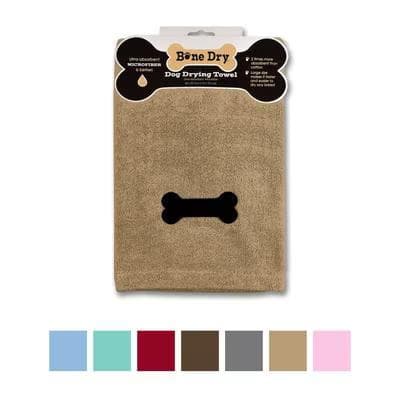
Webvet may earn a commission when you click through to Chewy, at no extra cost to you.

The Great Scent Reset
Dogs experience the world nose-first, and their own smell is part of their identity. Your lavender-oatmeal shampoo may smell lovely to you, but to your dog it just erased them. Rolling on the rug, rubbing along the furniture, and tearing around the yard are all ways of reclaiming a more familiar, dog-approved scent.
You can meet your dog halfway here by skipping heavy perfumes. A gentle, lightly scented formula like Earthbath Oatmeal & Aloe Shampoo gets the coat clean without burying your dog’s own smell under a cloud of fragrance, which can take some urgency out of the post-bath scent reset.
Warming Back Up
Wet fur pulls heat away from the body fast. A burst of sprinting is an efficient way to get the blood pumping and warm back up, which is one reason post-bath zoomies are often more dramatic in cooler weather. A little shivering right after a bath is normal for the same reason; it should stop once your dog is dry.
Most dogs pick one warm spot to finish drying, and it is usually your couch. Laying a waterproof layer like the Pet Parents Pawtect Blanket over that spot lets a damp dog curl up and warm back up without soaking the cushions, which saves you scrubbing wet-dog smell out of the upholstery later.
Bath Time Means Playtime
Dogs learn patterns quickly. If baths in your house have historically ended with towel wrestling, laughter, and treats, your dog may simply be anticipating the after-party. Your giggling and cheering during a zoomie session is genuinely rewarding to your dog, which teaches them that the post-bath sprint is part of the fun.
What Are the Zoomies, Anyway?
Zoomies are those sudden, joyful explosions of running that seem to come out of nowhere. One second your dog is standing still, and the next they are doing laps around the coffee table with their rear end tucked low for maximum speed. The American Kennel Club describes zoomies as sudden bursts of energy, often complete with racing in circles and a few spins.
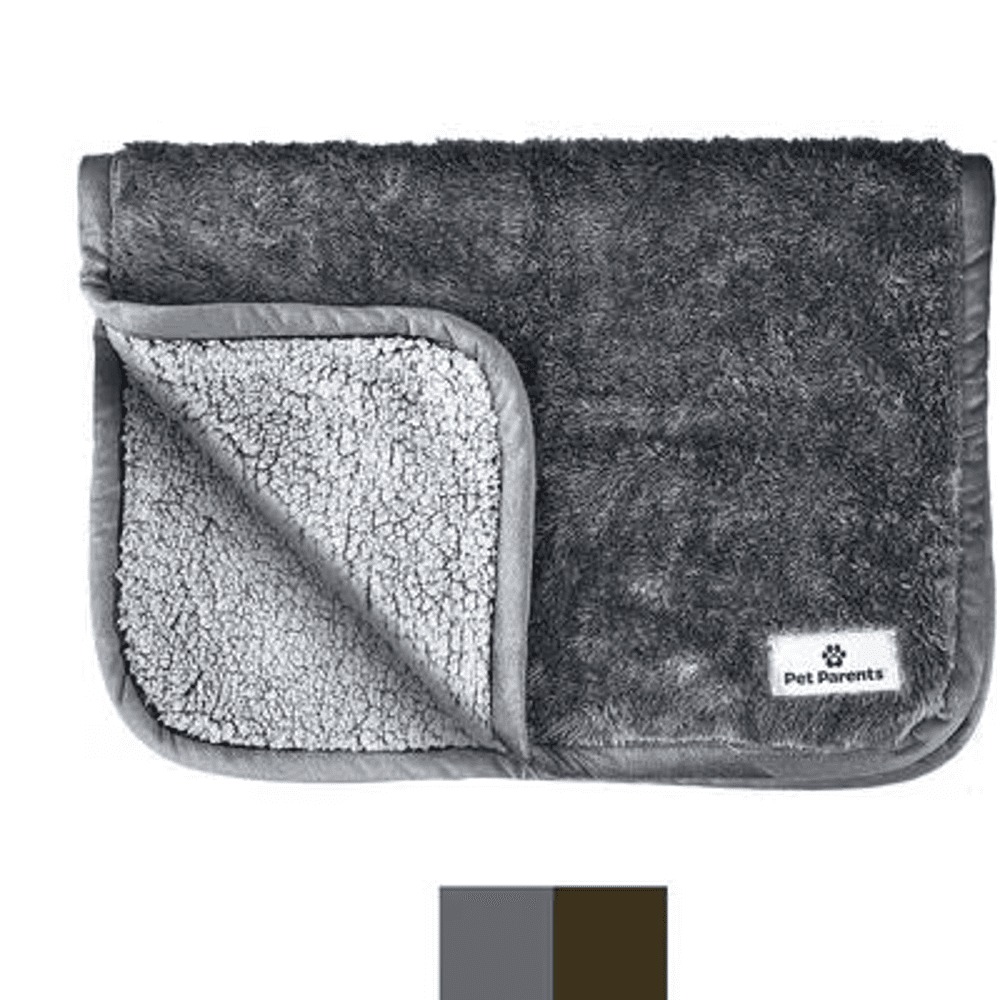
A plush, waterproof sherpa blanket that gives a cold or shivering dog a warm, cozy layer to curl into. The hidden waterproof lining protects the bed, couch, or car seat, and the whole thing is machine washable.
Webvet may earn a commission when you click through to Chewy, at no extra cost to you.
Behavior researchers call these episodes frenetic random activity periods, or FRAPs. According to PetMD, FRAPs are a normal way for dogs of any age to burn off excess energy, excitement, or even a little nervous tension. Puppies get them most often, but plenty of dignified senior dogs still enjoy a good post-bath sprint.
A classic case of the zoomies usually looks like this:
- High-speed laps around the room or yard, often with the hindquarters tucked low
- Sudden starts, stops, and hairpin turns
- Spins, bouncing, and play bows (front elbows down, rear end up, tail wagging)
- A wide, open-mouthed, happy expression
Episodes are short. Most last from a few seconds to a couple of minutes, and your dog typically flops down afterward looking extremely pleased with themselves.

Do Dogs Feel Better After a Bath?
Most dogs do feel better after a bath, even the ones who complain through the whole thing. A clean coat is lighter and less itchy, warm water loosens tight muscles, and washing away trapped dirt, dander, and pollen can genuinely relieve irritated skin. That physical relief is a big part of the burst of good feeling you see afterward.
That said, “better” shows up in different ways. Some dogs celebrate with zoomies, some rub and lick themselves to tidy their coat and reclaim their scent, and some curl up for a deep, satisfied nap. All of that is normal dog-after-bath behavior, and none of it means the bath went badly.
Do dogs actually like being clean after a bath? Many seem to, especially once itchy skin calms down, though plenty of dogs would happily trade that fresh feeling for a good roll in the yard five minutes later. Both reactions are completely normal, and neither one is a review of your bathing technique.
Why Does My Dog Act Weird After a Bath?
If your dog acts weird after a bath, sprinting, rubbing against furniture, rolling on the carpet, and throwing dramatic full-body shakes, that weird behavior is a perfectly normal package of drying off, releasing tension, and rebuilding a familiar scent. Unless your dog also shows real stress signals like a tucked tail, trembling that will not stop, or hiding afterward, there is nothing here to worry about. The strangeness usually passes within a few minutes, and most dogs are back to their usual selves before their coat is even dry.
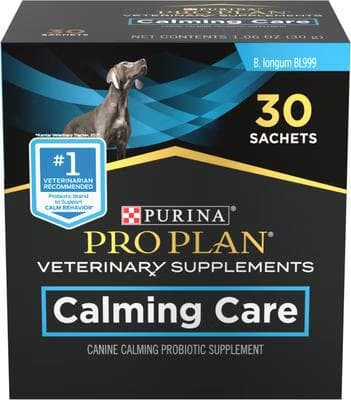
Probiotic supplement formulated to help dogs maintain calm behavior, with the BL999 strain. Liver-flavored powder in 30 daily sachets.
Webvet may earn a commission when you click through to Chewy, at no extra cost to you.
Are Post-Bath Zoomies Ever a Problem?
Are zoomies a sign of a happy dog? Usually, yes. The behavior itself is healthy, and for most dogs it is nothing more than joyful energy release. The useful question is not whether your dog zooms, but what their body is saying while they do it.
Happy zoomies look like this:
- A loose, wiggly body and a relaxed, open mouth
- Play bows and bouncy, exaggerated movement
- Soft eyes and a freely wagging tail
- A dog who settles happily within a few minutes
Bath stress looks different:
- A tucked tail, pinned ears, or trembling that continues long after the bath
- Frantic escape attempts, hiding, or avoiding you afterward
- Whining, lip licking, or acting unusually subdued or lethargic
Here is the tell in one line: happy zoomies show a loose, wiggly body, bouncing play bows, and soft eyes, while bath stress shows a tucked tail, pinned ears, and trembling that does not stop when the running does. Watch the whole dog rather than the speed; the running looks similar either way, but the body language around it tells the honest story.

For a dog who stays generally anxious about handling and water, a daily calming probiotic like Purina Pro Plan Veterinary Diets Calming Care can support calmer behavior over time while you rebuild the bath’s reputation with treats and patience.
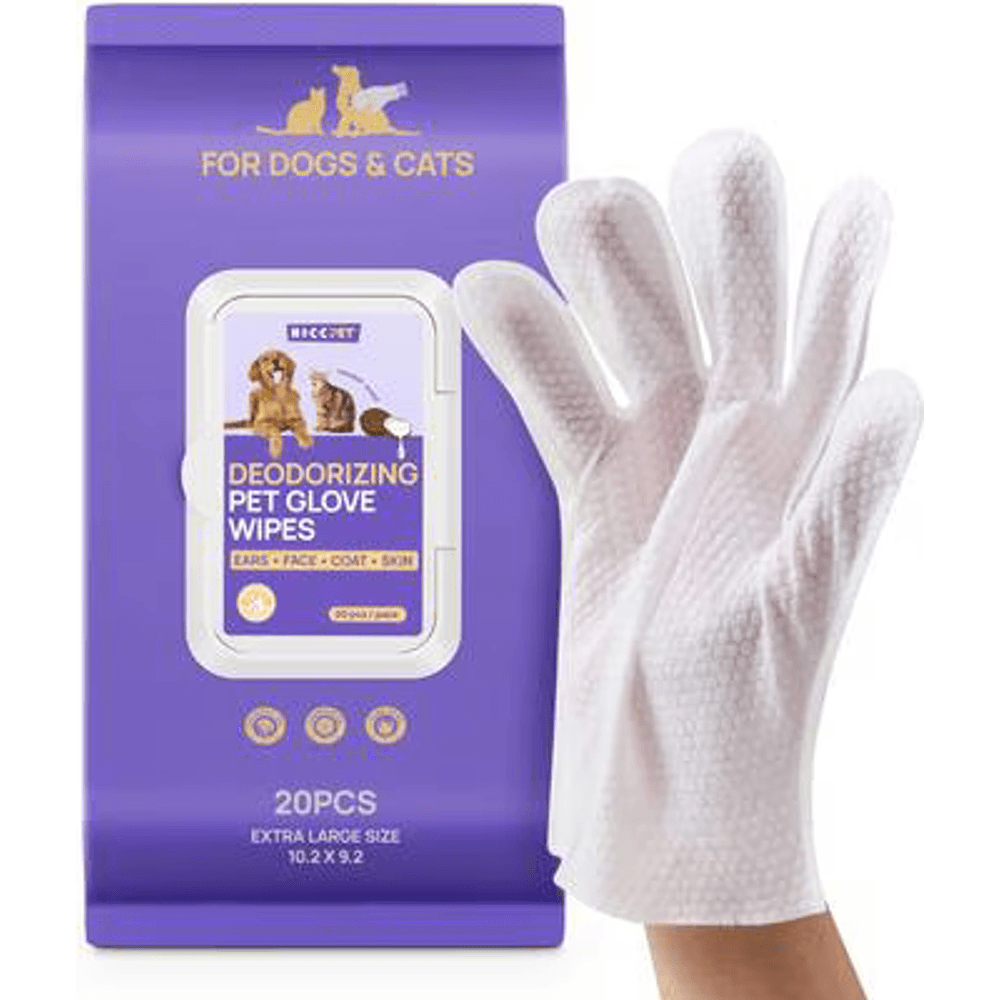
Wearable glove wipes that let you freshen and wipe down a dog's or cat's coat and skin without a full bath, while a fabric layer stays between your hand and the pet.
Webvet may earn a commission when you click through to Chewy, at no extra cost to you.
If the second list sounds like your dog, the zoomies are not the problem; the bath experience is. Learning to read the rest of your dog’s signals helps here, and our guide to why dogs stare at their people is a good primer on what canine body language is really telling you. A dog who stays lethargic, shivers for hours, or seems truly rattled after every bath deserves a chat with your veterinarian to rule out pain or skin discomfort.
When a Puppy Seems Traumatized After a Bath
If your puppy seems traumatized after a bath, hiding, refusing treats, or flinching at the sight of the tub, slow everything down. Go back to basics with shallow warm water, lots of treats, and short sessions so the next bath writes a better memory.
How to Manage Post-Bath Zoomies Safely
You do not need to stop the zoomies. You just need to make sure the racetrack is safe. A few minutes of setup before the bath saves a lot of scrambling afterward.
One reassurance before the checklist: a zoomie lap through the yard does not undo the bath you just gave. A damp coat picks up grass clippings and dirt on the way, and that only needs a wipe-down rather than a second wash. Something like HICC PET Deodorizing Glove Wipes freshens a dog up between baths without stripping the skin all over again.
- Towel-dry first. Do a thorough towel rub while your dog is still in the tub or on the bath mat. A drier dog is warmer, less slippery, and less desperate to wipe themselves on your sofa. Owners often ask how long dogs shiver after bath time; a damp dog may shiver for 10 to 20 minutes while the coat dries, and thorough toweling cuts that time dramatically.
- Give them traction. Hardwood and tile plus wet paws is a wipeout waiting to happen. Steer the sprint toward carpeted rooms or lay down runners and rugs.
- Clear the runway. Move floor lamps, kids’ toys, and anything fragile out of the flight path, and block stairs. Our guide to dog-proofing your home covers how to set up safe spaces room by room.
- Take it outside when you can. In warm weather, a securely fenced yard is the perfect zoomie arena: soft ground, no furniture, and the sun helps with drying.
- Offer an outlet. Channeling the burst beats suppressing it. A quick game of fetch with a durable toy like the Frisco Fetch Colorful Ball Knot Rope Dog Toy turns random ricocheting into a game you both control.

Helping Your Dog Settle After the Zoomies
Once the sprint winds down, help your dog land softly. Do a final towel rub, dim the chaos, and offer a chew or a stuffed food toy in a quiet corner. A dedicated cozy landing spot, like the donut-style FurHaven Calming Cuddler Bolster Dog Bed, gives freshly bathed dogs a warm place to curl up while their coat finishes drying.
Run the same wind-down every time and your dog will learn the full arc on their own: bath, sprint, snooze. Predictability is deeply calming to dogs, and it turns bath day from an ordeal into a routine with a built-in nap at the end.
How to Make Bath Time Calmer
The calmer the bath, the tamer the zoomies that follow. You are not trying to eliminate the fun; you are draining the stress out of the buildup, and small props like a lick mat and a non-slip mat do most of the heavy lifting. None of this requires special training skills; it is mostly about slowing down, paying generously in treats, and letting your dog learn that the tub is boring in the best possible way.
- Build a positive association. Pair the tub with high-value treats, praise, and a calm voice. A lick mat smeared with peanut butter stuck to the tub wall works wonders for wiggly bathers.
- Use lukewarm water and a non-slip mat. Comfortable temperature and steady footing remove the two things dogs dislike most about the tub itself.
- Exercise first. A brisk walk or play session before the bath takes the top off your dog’s energy so there is less rocket fuel for later.
- Keep it brief and predictable. Same order, same spot, same towel. Dogs relax when they know the routine and know it ends well.
- End with a reward. A treat and some easy praise after the final rinse teaches your dog that finishing calmly pays better than fleeing.

How Often Should You Bathe Your Dog?
For most healthy dogs, a bath every four to six weeks is a sensible starting point, and the American Kennel Club notes that at minimum most dogs should be bathed about every two to three months. The right rhythm depends heavily on coat type and lifestyle:
- Short, smooth coats (think beagles and boxers): every one to three months is usually plenty, unless they find something disgusting to roll in first.
- Double coats (huskies, golden retrievers, German shepherds): roughly every six to eight weeks, with extra baths during spring and fall shedding seasons. Regular brushing matters even more than bathing for these breeds.
- Oily coats (basset hounds and some spaniels): these dogs can need bathing as often as weekly to keep the coat from getting greasy.
- Curly and wool coats (poodles, doodles, bichons): bathe on your grooming cycle, typically every three to six weeks, with thorough brushing between appointments.
- Hairless breeds (Chinese crested, xoloitzcuintli): weekly baths protect their exposed skin.
The short version on bathing frequency by coat type: short coats need the fewest baths, double coats do best on a six-to-eight-week rhythm, oily coats may need weekly washing, curly and wool coats follow the grooming cycle, and hairless breeds need weekly skin care. Landing on the right schedule even tames the post-bath zoomies a little, because a dog bathed on a comfortable rhythm carries less stress into the tub.
Can you bathe your dog once a week? Yes, if their skin tolerates it and you use a gentle dog-specific shampoo. Bathing more often than the coat needs can strip natural oils and leave skin dry and itchy, so watch for flaking or scratching and stretch the interval if you see it.
Signs your dog actually needs a bath include a noticeable doggy odor, a greasy or dull coat, visible dirt, or more scratching than usual. And if you almost never bathe your low-odor couch potato, that is generally fine too; just keep up with brushing and nail trims between the occasional tub session.

Frequently Asked Questions
Do dogs feel happier after a bath?
Many dogs do seem happier once the bath is over, partly from physical relief (a clean, less itchy coat) and partly from plain emotional relief that the ordeal has ended. Individual dogs vary: confident, well-conditioned bathers may genuinely enjoy the whole process, while nervous dogs mostly feel happy that it is finished. Building positive bath associations with treats and calm handling shifts more of that happiness into the bath itself.
Why do dogs rub themselves on everything after a bath?
Dogs rub themselves on everything after a bath mostly for scent and drying reasons. Shampoo replaces your dog’s familiar smell with an unfamiliar perfume, and scent rolling on rugs, grass, and furniture helps them feel like themselves again. The friction also squeezes water out of the coat. Licking their legs and paws afterward is the same idea: a little self-grooming to finish the job you started.
How long do post-bath zoomies last?
Most post-bath zoomies last from a few seconds to a few minutes, and dogs settle on their own once the burst of energy is spent. Puppies and high-energy breeds may run longer or repeat a lap or two after a rest. If your dog stays frantically wound up for a long stretch after every bath, look at reducing bath stress with more towel-drying, warmer water, and calmer handling rather than trying to stop the running itself.
Can I stop my dog from getting the zoomies after a bath?
You can take the edge off, but you should not try to fully stop your dog from getting the zoomies after a bath; the run is a healthy release. Exercise your dog before the bath, towel-dry thoroughly, and channel the energy into a controlled game of fetch or a quick session in the yard. Over time, a calm, predictable bath routine shrinks the stress that fuels the wildest sprints, and the zoomies naturally get shorter and sillier.
So the next time your freshly shampooed dog rockets off the bath mat and takes three laps around the kitchen island, enjoy the show. The post-bath zoomies are one of the purest displays of dog joy there is: a quick, harmless celebration that the bath is over, the coat is drying, and life is good. Lay down a towel, guard the stairs, and let them run.

Wendy Toth is an entrepreneurial writer, editor, and mom of two humans, two dogs and one cat. She’s currently Content Director here at PetFul. For the last 15 years she has held positions at Parents Magazine, NBC, PetSmart, and GreatPetCare, where she was co-founder. Her writing has appeared in many national outlets including Pet Lab Co., Retail Me Not, Ask Men, Wild Society Nutrition, and The New York Times. Because she loves her work so much, she’s obsessed with helping others find career fulfillment, and covers it regularly at PowerSuiting.
Veterinarian · BVMS MRCVS
Dr. Pippa Elliott, BVMS, MRCVS, is a veterinarian with nearly 30 years of experience in companion animal practice. Dr. Elliott earned her Bachelor of Veterinary Medicine and Surgery from the University of Glasgow. She was also designated a Member of the Royal College of Veterinary Surgeons. Married with 2 grown-up kids, Dr. Elliott has a naughty Puggle named Poggle, 3 cats and a bearded dragon.


