Dog Anal Glands: Problems, Signs, and Prevention
Dog anal glands are two small scent sacs that can clog, become infected, or abscess. Learn the warning signs, what treatment looks like, and how fiber and weight control prevent repeat problems.

BVMS MRCVS
Medically reviewed by Dr. Pippa Elliott, BVMS MRCVS · Last reviewed

This article contains affiliate links. Webvet may earn a commission when you buy through them, at no extra cost to you.
Dog anal glands are two small sacs that sit just inside your dog's anus and hold a strong-smelling, fishy fluid. In most dogs they empty a little with every bowel movement and never cause trouble.
When they fail to empty, the fluid thickens, the sacs overfill, and your dog starts scooting, licking, and smelling like fish.
This guide explains what the glands do, the signs of a problem, what impaction and infection look like, and the prevention steps (fiber, weight control, and stool quality) that stop the cycle from repeating.
- 1Anal glands are two scent sacs at roughly 4 and 8 o'clock around the anus that normally empty during defecation.
- 2Scooting, licking the rear, and a sudden fishy smell are the three classic signs the glands are full.
- 3Untreated impaction can progress to infection and a painful abscess that ruptures through the skin.
- 4Healthy dogs do not need routine expression; only dogs with recurring problems do.
- 5Firm stool is the best prevention: adequate fiber, a healthy weight, and treatment of any chronic soft stool.
 Sponsored
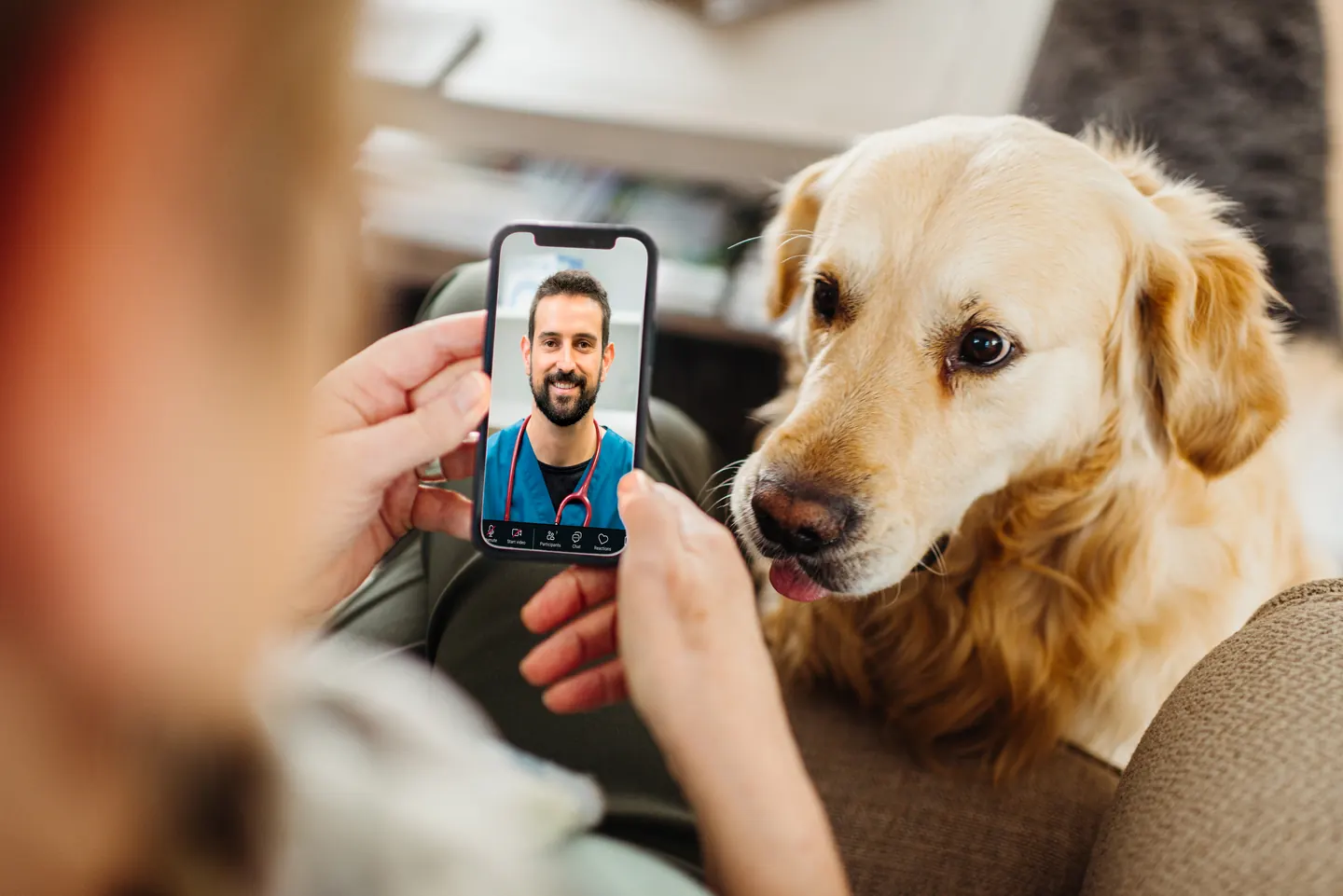
Have a health question about your dog?
Talk to a licensed vet at Dutch over video or message, including nights and weekends.
Use code Pets30
Plans start at $11/month · covers up to 5 pets
- Licensed vets in most states
- Rx for 150+ conditions
- 4.7 on Trustpilot
What are dog anal glands and why do they cause problems?
Dog anal glands (technically anal sacs) are two small pouches, each about the size of a pea to a grape, located just under the skin at the 4 o'clock and 8 o'clock positions around the anus.
Each sac stores an oily, fishy-smelling fluid produced by glands in its lining, and each empties through a tiny duct that opens right at the anal margin.

The fluid is scent-marking material. When your dog passes a firm stool, the stool presses against the sacs and squeezes a small amount of fluid out, leaving a chemical signature other dogs read with great interest. This is a big part of why dogs sniff each other's rears and why they investigate poop on walks.
Problems start when the sacs stop emptying on schedule. Common reasons include:
- Soft stool or diarrhea: loose stool cannot press on the sacs, so fluid builds up.
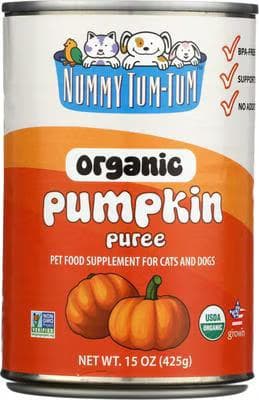
Pure USDA-organic pumpkin puree, no fillers or additives. Adds gentle soluble fiber to firm up loose stool and settle a mildly upset stomach. A simple vet-favorite topper.
Webvet may earn a commission when you click through to Chewy, at no extra cost to you.
- Obesity: extra fat around the anus cushions the sacs so stool never compresses them well.
- Thick or gritty secretion: some dogs simply produce fluid that clogs the narrow duct.
- Allergies and skin inflammation: swelling around the duct narrows the exit.
- Small-breed anatomy: small dogs such as Chihuahuas, toy Poodles, and Beagles are overrepresented for gland trouble.
Anal sac disease is the umbrella term veterinarians use for the whole spectrum, from simple impaction to infection, abscessation, and (rarely) tumors. The Merck Veterinary Manual notes it is one of the most common reasons dogs are presented for rear-end irritation, and it is far more common in dogs than in cats.
Why the emptying mechanism fails
Why the emptying mechanism fails is worth understanding, because every prevention strategy targets it. The sacs have no muscle of their own to push fluid out. They depend entirely on outside pressure: the stool passing through the rectum and the squeeze of the anal sphincter around it.
Picture the difference a stool makes. A firm, bulky stool presses both sacs flat on its way out, like squeezing two small water balloons. A soft or narrow stool slides past without touching them. String together a week of soft stools and the sacs have gone a week without emptying.
The secretion itself also varies dog to dog. Most dogs produce a thin brownish liquid that exits the narrow duct easily. Some produce a thicker, grittier paste, and those dogs become the chronic cases: even perfect stool cannot push paste through a duct sized for liquid.
Signs your dog's anal glands need attention
You know your dog likely needs his glands checked (and possibly squeezed) when he scoots his rear along the floor, licks or chews at the area under his tail, or suddenly gives off a fishy smell.
Any one of these on its own warrants a look; two or three together make full anal glands the leading suspect.

The full sign list includes:
- Scooting or dragging the bottom on carpet or grass
- Licking or biting at the anus or base of the tail
- A fishy odor on your dog, his bedding, or spots where he sits
- Straining or discomfort when passing stool
- Redness, swelling, or a visible lump beside the anus
- Sudden sitting, tail chasing, or reluctance to sit at all
Use this sign-to-action table to match what you are seeing to the likely gland problem and the correct next step:
| Sign | Likely gland problem | Next step |
|---|---|---|
| Occasional scooting, otherwise comfortable | Full or mildly impacted sacs | Monitor 24-48 hours; add fiber; vet visit if it repeats |
| Frequent scooting plus licking | Impaction | Vet or groomer expression within a few days |
| Fishy smell on dog or furniture | Sacs leaking or recently emptied under pressure | Bathe the area; vet check if odor persists past a day or two |
| Redness or swelling beside the anus | Infection (sacculitis) | Vet appointment promptly; may need flushing and medication |
| Painful hot lump, dog guards rear, may have fever | Abscess forming | Same-day vet visit |
| Open draining sore beside the anus, blood or pus | Ruptured abscess | Urgent vet care today |
| Firm, non-painful, growing mass in an older dog | Possible anal sac tumor | Prompt vet exam with rectal palpation |
You can do a gentle visual check at home. Lift the tail in good light and look at the area beside the anus. Healthy gland territory looks like ordinary skin.
Redness, a bulge on one side, moisture, or a spot your dog will not let you touch all justify a call to the vet. Do not press or squeeze anything that looks swollen; if an abscess is forming, pressure can rupture it.
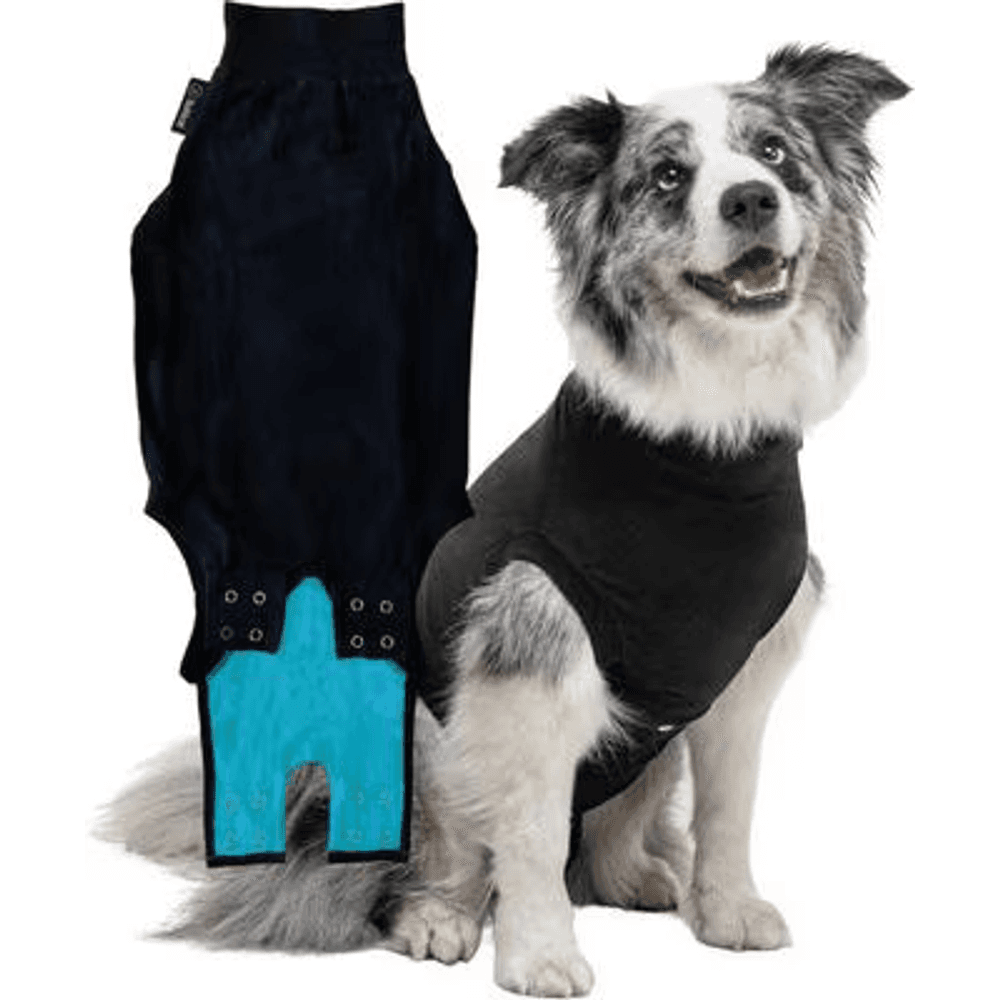
A breathable full-body recovery suit that covers a spay or abdominal incision, the vet-recommended cone alternative that lets a dog rest, walk, and go potty normally without licking or scratching the wound.
Webvet may earn a commission when you click through to Chewy, at no extra cost to you.
Timing matters more than owners expect. A dog who scoots once after a soft stool day and stops has probably self-resolved.
A dog who scoots daily for a week is building pressure in a sac that is not draining, and each week of delay raises the odds of infection. The practical rule: signs that persist past 48 hours earn a professional check.
What the early signs feel like to your dog
Owners often ask why a dog scoots instead of just looking uncomfortable. Full sacs create a pressure sensation right at the anus, somewhere between an itch and a cramp. Scooting drags the sacs across the floor, applying exactly the pressure the stool failed to provide. It sometimes works, which is why dogs keep doing it.
The smell has a signature too. Fresh gland secretion smells sharply of fish and fades over hours. Infected secretion smells fouler and lingers. If your nose says rotten rather than fishy, move the timeline up and get the sacs checked sooner.
 Sponsored
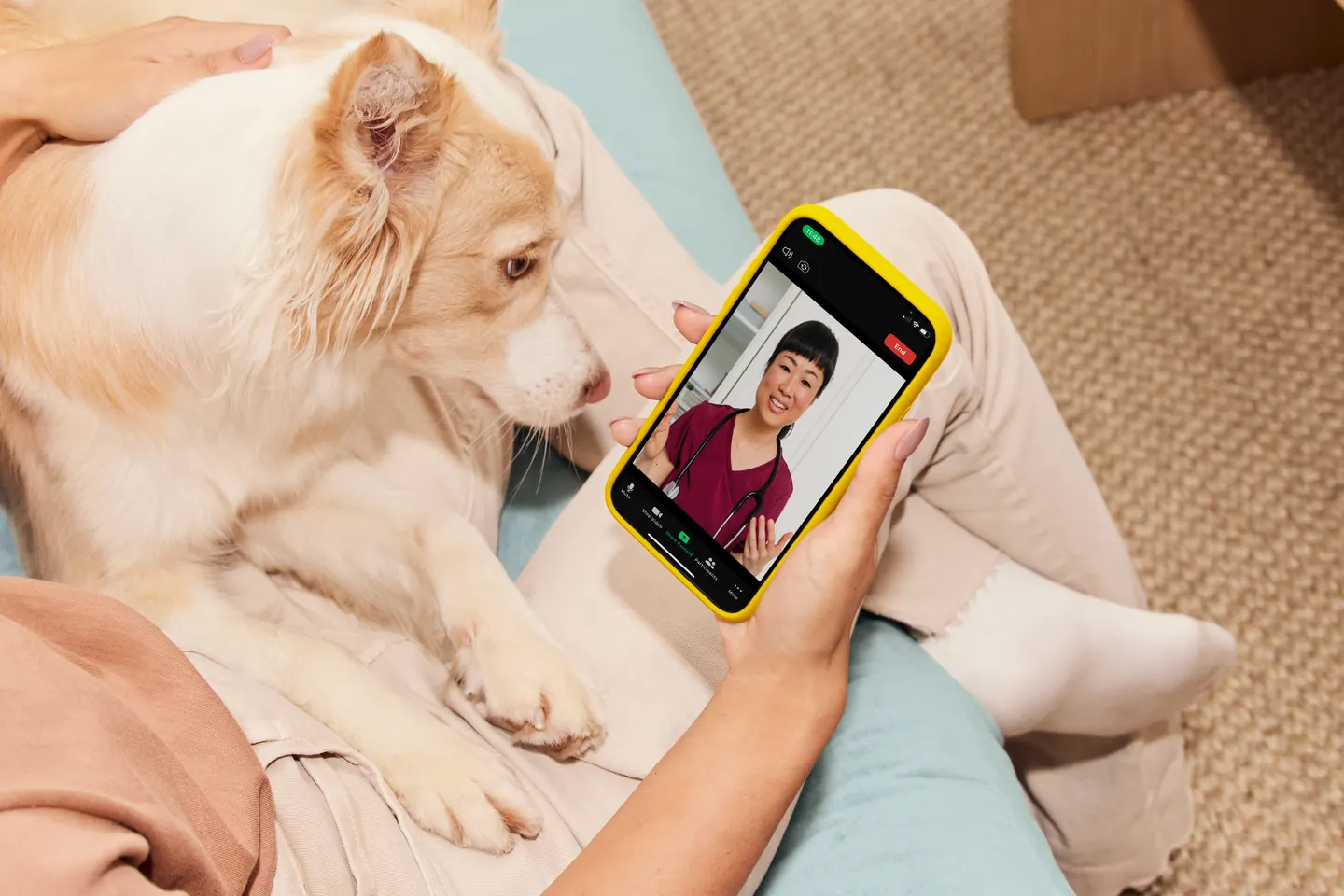
Vet care that's always there
Unlimited video calls and messaging with licensed vets for less than a typical vet visit. One membership covers up to five pets.
Use code Pets30
Plans start at $11/month · covers up to 5 pets
- Licensed vets in most states
- Rx for 150+ conditions
- 4.7 on Trustpilot
Impacted, infected, and abscessed anal glands
Anal gland disease follows a predictable escalation: impaction first, then infection, then abscess. Impaction means the fluid has thickened into a paste the duct cannot pass. The sac swells, the area gets uncomfortable, and the scooting starts.
At this stage the fix is usually simple: a vet expresses the sacs manually and the dog feels better within a day.
If bacteria multiply inside a blocked sac, impaction becomes infection (anal sacculitis): the secretion turns yellow or bloody, the area reddens, and expression becomes painful. Untreated infection can wall off into an abscess, a hot, swollen pocket of pus beside the anus that can rupture through the skin.
VCA Animal Hospitals describes ruptured abscesses as painful emergencies that need flushing, antibiotics, and pain relief.
Each stage has its own signs, timelines, and treatment details. For the full breakdown, including how vets grade severity, what flushing involves, and abscess aftercare, see our complete guide to impacted anal glands in dogs.
What happens when anal gland problems go untreated
If you never address full glands, one of two things happens. Many dogs eventually empty the sacs on their own with a firm stool, and the problem resolves quietly. But in dogs whose glands cannot self-empty, the trapped fluid keeps thickening, pressure and inflammation build, and the risk of infection climbs week by week.
The end stage of an ignored impaction is an abscess that bursts through the skin beside the anus, leaving a draining wound that needs sedation, flushing, antibiotics, and sometimes surgical repair.
What began as a five-minute expression becomes a multi-visit medical problem, and dogs that abscess once are more likely to have recurring trouble in that sac. Chronic irritation also teaches dogs to lick constantly, which creates secondary skin infections around the rear.
The cost curve follows the same shape as the disease. A routine expression is one of the cheapest procedures on a clinic's menu, often done by a technician without an exam fee. Treating an infected sac adds sedation, flushing, and medication. Treating a ruptured abscess adds wound care, rechecks, and sometimes surgery.
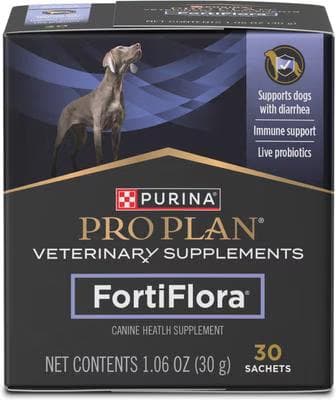
The #1 vet-recommended probiotic for dogs. Daily powder sachets with live probiotics support healthy digestion and firmer stools, and can help dogs coping with diarrhea or GI upset.
Webvet may earn a commission when you click through to Chewy, at no extra cost to you.
Recurrence is the other cost of waiting. A sac that has been badly infected or abscessed heals with scar tissue, and scarred ducts drain even worse than they did before. Dogs treated late often graduate into the chronic-management group that dogs treated early never join.
Do dog anal glands need to be expressed?
Most dogs never need their anal glands expressed by a person. A healthy dog passing firm stool empties his own sacs naturally, and routinely squeezing healthy glands can actually inflame the ducts and create the problem you were trying to prevent.
Expression is for dogs showing signs of full glands or dogs with a known history of impaction.
Dogs with recurring trouble may need expression on a schedule, anywhere from every few weeks to a few times a year. Your vet will help you find the right interval based on how quickly the sacs refill.
Groomers often offer external expression, but veterinary teams express internally, which empties the sacs more completely and lets them feel for thickening, pain, or masses.
Some owners of chronic-impaction dogs learn to do it themselves at home with a vet's blessing. If that is you, our step-by-step guide on how to express dog anal glands covers the technique, when home expression is appropriate, and the mistakes that hurt dogs.
What an expression visit looks like
The appointment is short and undramatic. A technician or vet gloves up, lubricates a finger, and palpates each sac from inside the rectum, pressing gently toward the opening until the fluid exits. The whole procedure takes a minute or two, and most dogs tolerate it with nothing more than an indignant look.
The person expressing also gathers information you cannot get at home: how full each sac was, whether the fluid was normal liquid or thick paste, whether there was blood or pus, and whether the sac wall felt thickened or painful. Ask for that report every time; it tells you whether the plan is working.
Expect a fishy smell in the room and possibly a day of mild irritation afterward. Bring your dog back sooner than scheduled if scooting resumes within a few days, since fast refill changes the treatment conversation.
Full, leaking, or smelly glands: what to do
Full glands feel like firm peas or grapes at the 4 and 8 o'clock positions, and a dog with full glands is usually the one scooting.
If your dog is otherwise comfortable, you can give it a day or two: add a spoonful of plain canned pumpkin to meals, make sure he is well hydrated, and watch. If the scooting continues, book an expression rather than letting pressure build.
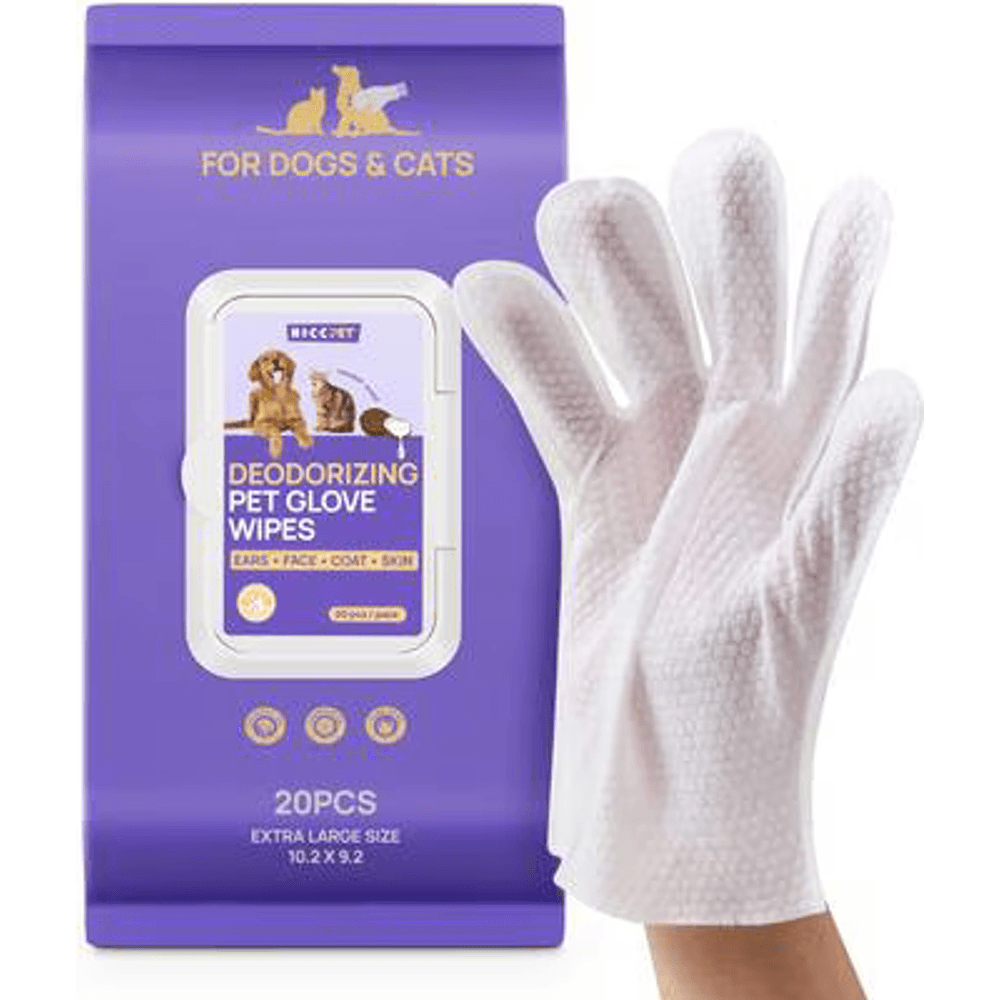
Wearable glove wipes that let you freshen and wipe down a dog's or cat's coat and skin without a full bath, while a fabric layer stays between your hand and the pet.
Webvet may earn a commission when you click through to Chewy, at no extra cost to you.
Leaking is different: dogs sometimes release gland fluid involuntarily when startled, scared, or deeply relaxed in sleep, leaving a sudden fishy patch. Occasional leaks are normal; constant leaking suggests overfull sacs or weak duct tone and deserves a vet check.
If odor is your main complaint, our guide to why dogs smell like fish walks through every source of the smell, and if scooting is the main sign, see the full cause rundown in our dog scooting explainer.
To get gland smell off your dog, bathe the rear with a gentle dog shampoo and dry well. For furniture and bedding, an enzymatic pet odor cleaner breaks down the oily secretion better than standard detergent.
If the smell returns within days despite cleaning, the sacs are refilling too fast and need veterinary attention rather than more baths.
Preventing anal gland problems: fiber, weight, and supplements
The way to relieve and prevent anal gland problems long term is to make every stool firm enough to express the sacs naturally. Three levers matter most: dietary fiber, body weight, and gut health.
- Fiber adds bulk, and bulk is what presses the sacs empty. Practical options include a teaspoon to a tablespoon of plain canned pumpkin (not pie filling) per meal depending on your dog's size, psyllium husk dosed by your vet, or a prescription high-fiber diet for chronic cases. Fiber works best alongside an overall healthy gut; our guide to gut health for dogs covers stool quality, fiber types, and feeding strategy in depth.
- Weight control matters just as much. Overweight dogs have weaker pelvic muscle tone and more fat padding around the sacs, so stool passes without compressing them. Getting an overweight dog to a lean body condition measurably reduces recurrences. And because soft stool is the most common trigger of all, treat the cause of any ongoing loose stool; start with our rundown of why dogs get diarrhea.
- Supplements can help around the edges. A veterinary probiotic powder such as FortiFlora supports consistent stool quality in dogs prone to soft stool, and combination fiber-probiotic gland supplements are popular for chronic scooters. Omega-3 fatty acids may help allergic dogs whose duct inflammation drives their impaction. Supplements support the plan; they do not replace expression when a sac is already impacted.
For a closer look at a named fiber supplement, read our guide to Glandex for dogs.
Getting the fiber plan right
Introduce fiber gradually over a week and judge the result by the stool, not the label: you are aiming for formed, bulky stool your dog passes easily. Too much fiber swings the other way into loose stool, which defeats the purpose.
If pumpkin alone does not firm things up within two weeks, ask your vet about a measured psyllium dose or a therapeutic high-fiber diet rather than stacking more add-ins.
For allergic dogs, prevention has a second front: controlling the allergy itself. Itchy, inflamed skin around the rear narrows the gland ducts, so dogs whose allergies flare each season often have gland trouble on the same calendar.
Managing the allergy with your vet (diet trials, medication, flea control) frequently reduces the gland problem as a side effect.
Worked example: a fiber plan for a 28-pound Beagle
A worked example makes the plan concrete. Take a 28-pound Beagle who needs expressions every month: start a tablespoon of plain canned pumpkin split across two meals, trim two pounds over three months, and recheck at each expression. Many dogs like this stretch from monthly visits to quarterly, then to none.
There is no single best dog food for anal gland issues; the right food is whatever keeps stool consistently firm, and a daily fiber supplement can close the gap when diet alone falls short.
Anal gland removal surgery
Yes, dog anal glands can be removed. The surgery, called anal sacculectomy, takes out one or both sacs entirely and permanently ends the impaction cycle.
Vets reserve it for dogs with severe recurrent infections or abscesses that fail medical management, and for anal sac tumors, because the sacs sit beside the nerves that control fecal continence.
In experienced hands complications are uncommon, but temporary or (rarely) permanent incontinence is the risk owners must weigh. Most dogs recover over one to two weeks with a cone and soft-stool management.
If your dog is on the every-three-weeks expression treadmill despite good prevention, sacculectomy is a reasonable conversation to have with your vet or a board-certified surgeon.
Deciding whether removal is worth it
The decision usually comes down to arithmetic and quality of life. Add up a year of expressions, flushings, antibiotics, and the dog's recurring discomfort, and compare it against a single surgery and recovery. For true chronic cases the surgery often wins on both counts within a year or two.
If your vet recommends removal because of a mass rather than recurring infection, the timeline compresses. Anal sac tumors can spread early, so staging tests and surgery move quickly once one is found. This is another argument for having any firm swelling near the anus examined promptly rather than watched.
Do cats have anal glands too?
They do. Cats have the same two sacs in the same positions, and while they clog far less often than dogs' glands, impaction and abscesses do happen, and cats hide the signs better. If you share your home with a cat, our guide to cat anal glands covers the feline version of the problem.
The practical difference for multi-pet homes: a cat sitting oddly, straining in the litter box, or overgrooming under the tail deserves the same gland suspicion a scooting dog earns, because a cat abscess is often the first sign anyone notices.
Frequently Asked Questions
How do you know if your dog needs his glands squeezed?
The reliable signs are scooting, licking or chewing under the tail, a fishy smell, and straining or discomfort when pooping. If your dog shows one or more of these, have a vet check the sacs. A dog with none of these signs does not need expression, even at grooming visits.
How often should dog anal glands be expressed?
Only as often as signs appear. Dogs with no history of problems should not be on an expression schedule at all. Chronic cases vary widely, from every three to four weeks to a couple of times a year; your vet will set the interval by how fast the sacs refill.
What breeds have the most anal gland problems?
Small breeds are overrepresented: Chihuahuas, toy and miniature Poodles, Beagles, Cocker Spaniels, Cavalier King Charles Spaniels, and Lhasa Apsos come up often. Overweight dogs of any breed and dogs with skin allergies are also at higher risk.
Can I prevent anal gland problems with food?
Diet is the single biggest lever. Enough fiber to keep stool firm and bulky lets the sacs empty naturally with each bowel movement. Plain canned pumpkin, psyllium, high-fiber therapeutic diets, and a probiotic for dogs with inconsistent stool all help. Keeping your dog lean multiplies the benefit.
Do all dogs eventually have anal gland problems?
No. Most dogs go their whole lives emptying their glands naturally and never need help. Problems cluster in small breeds, overweight dogs, allergic dogs, and dogs with chronic soft stool. If your dog is none of those and shows no signs, his glands need no maintenance at all.
Why does my dog smell like fish after being scared?
Sudden fear or stress can make a dog involuntarily express his anal glands all at once, releasing the fishy secretion. It is normal and harmless when it happens occasionally. Frequent leaking without a trigger deserves a vet check.
Anal gland trouble is unpleasant, but it is one of the most manageable recurring problems in dog ownership. Learn the three signs, act before impaction becomes infection, and put firm stool and a lean body at the center of prevention.
When in doubt, a quick rectal check at your vet costs little and rules out the problems that get expensive when ignored.

Editor
The Webvet Editorial Team is the in-house group of pet-care editors and writers behind Webvet, operated by Smart Pet Collective. The team researches, writes, and maintains Webvet's pet health, behavior, and medication content. Every article follows a defined editorial process: research from reputable veterinary and scientific sources, careful drafting, mandatory review of medical content by a credentialed veterinarian, and dated publication. Health and medication articles are medically reviewed by a licensed veterinary professional before they go live and are kept current over time.
Veterinarian · BVMS MRCVS
Dr. Pippa Elliott, BVMS, MRCVS, is a veterinarian with nearly 30 years of experience in companion animal practice. Dr. Elliott earned her Bachelor of Veterinary Medicine and Surgery from the University of Glasgow. She was also designated a Member of the Royal College of Veterinary Surgeons. Married with 2 grown-up kids, Dr. Elliott has a naughty Puggle named Poggle, 3 cats and a bearded dragon.
Related reading

Cat Cremation Cost: Private, Communal, and Additional Charges

Cat Euthanasia Cost: Clinic, At-Home Care, and Aftercare

Dog Microchip Cost: Implantation, Registration, and Ongoing Fees
