Dog Scooting: Why Dogs Drag Their Butts and What to Do
Dog scooting usually points to full anal glands, but parasites, allergies, and matted fur cause it too. See the causes ranked by likelihood, safe home care, and the red flags that mean a vet visit.

BVMS MRCVS
Medically reviewed by Dr. Pippa Elliott, BVMS MRCVS · Last reviewed

This article contains affiliate links. Webvet may earn a commission when you buy through them, at no extra cost to you.
Dog scooting, that undignified drag of the rear across your carpet, almost always means one thing: something under the tail itches, hurts, or feels full. The most common cause by a wide margin is full or impacted anal glands.
Parasites, allergies, matted fur, and leftover mess after pooping fill out the list. This guide ranks the causes by likelihood, decodes the situations (after pooping, after grooming, after a gland expression), covers safe home care, and tells you exactly when scooting means a vet visit.
- 1Full or impacted anal glands are the most common cause of dog scooting.
- 2Parasites (especially tapeworms), allergies, and matted or dirty fur are the main runners-up.
- 3A once-off scoot is normal; repeated scooting over more than a day or two deserves attention.
- 4Fiber (like plain canned pumpkin) and a clean, trimmed rear solve many mild cases at home.
- 5Scooting plus swelling, blood, pus, or pain is a same-day vet visit.
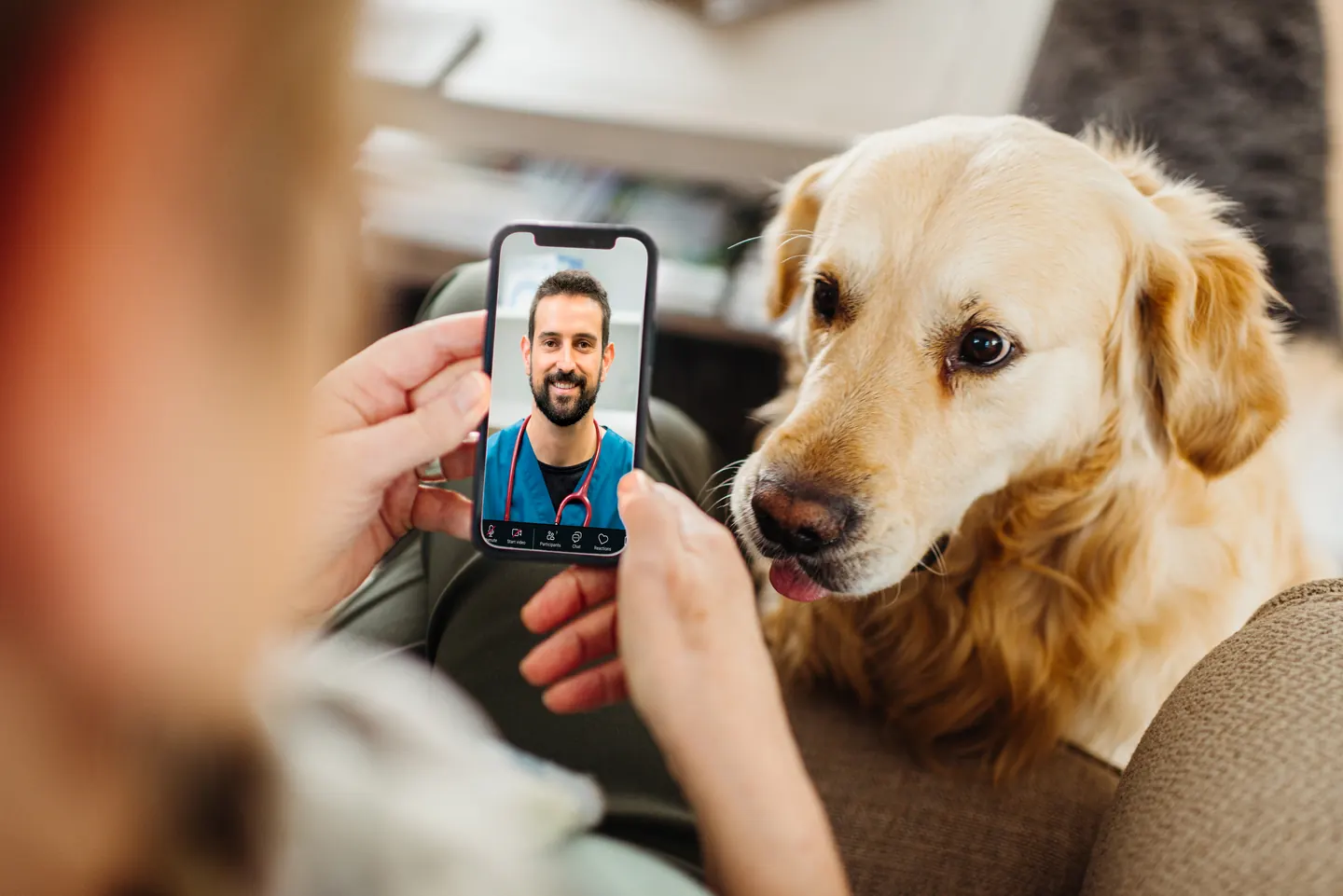
 Sponsored
Have a health question about your dog?
Talk to a licensed vet at Dutch over video or message, including nights and weekends.
Use code Pets30
Plans start at $11/month · covers up to 5 pets
- Licensed vets in most states
- Rx for 150+ conditions
- 4.7 on Trustpilot
Why is my dog scooting? Causes ranked
The most common cause of dog scooting is full anal glands. These two small sacs beside the anus normally empty during bowel movements; when they don't, pressure builds and your dog drags his rear to relieve it.
Everything else on the list is less frequent, but each has a tell that helps you narrow it down.

Here are the causes, ranked roughly by how often vets see them:
- 1. Anal gland problems. Full, impacted, or infected sacs are the top cause. Look for the companion signs: licking under the tail, a fishy smell, and discomfort when sitting. Our full guide to dog anal glands explains what the sacs are, every warning sign, and how to prevent repeat episodes.
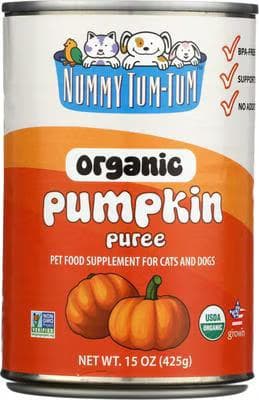
Pure USDA-organic pumpkin puree, no fillers or additives. Adds gentle soluble fiber to firm up loose stool and settle a mildly upset stomach. A simple vet-favorite topper.
Webvet may earn a commission when you click through to Chewy, at no extra cost to you.
- 2. Intestinal parasites. Tapeworm segments, which look like rice grains around the anus or in fresh stool, irritate the skin as they emerge and make dogs scoot. Dogs get tapeworms mainly from swallowing fleas, so a scooting dog with fleas is a strong parasite suspect. A simple dewormer from your vet clears them.
- 3. Allergies. Environmental or food allergies inflame skin everywhere, including around the rear. Allergic scooters usually also lick paws, scratch ears, or have recurrent skin and ear infections. Allergy-driven inflammation also narrows the anal gland ducts, so the two causes often stack.
- 4. Matted fur, clingy poop, or grooming irritation. Long-coated dogs collect mats and fecal debris around the anus that pull the skin and itch. Fresh clipper burn or razor irritation after a grooming appointment causes a distinctive short-lived scooting burst.
- 5. Less common causes. Perianal wounds or fistulas, rectal prolapse, masses in or around the anus, and vaginitis in female dogs can all present as scooting. These are the reasons a scooting dog that doesn't respond to simple care needs an exam rather than more home remedies.

Breed matters a little. Small breeds such as Chihuahuas, toy Poodles, Beagles, and Cocker Spaniels have anal gland trouble (and therefore scooting) more often than large breeds, and overweight dogs of any breed scoot more because padded, low-tone rears empty their glands poorly.
But no breed is immune, and the cause list is the same for all of them.
Why scooting works (briefly) and why it backfires
Scooting is not random; it is self-treatment. Dragging the rear presses the anal sacs against the floor, sometimes forcing out a little of the trapped fluid, and it scratches skin the dog cannot reach. The relief is real, which is why the behavior repeats.
The backfire is friction. Carpet and grass abrade the delicate perianal skin, and repeated scooting inflames the very tissue that was already irritated. Inflamed skin swells, swollen tissue narrows the gland ducts further, and the dog ends up scooting harder for less relief.
That feedback loop is the practical argument against the wait-and-see month. Two days of watching a mildly scooting dog is reasonable. Two weeks of it usually means angrier skin, fuller sacs, and a longer road back than if the glands had been checked in week one.
Normal scooting vs a symptom
A note on frequency: nearly every dog scoots occasionally, the same way people scratch an itch. One scoot after a bowel movement, then normal behavior, is not a medical event.
The pattern that matters is repetition: multiple scoots a day, scooting on every walk, or scooting paired with licking. When the behavior becomes a habit, something is producing a constant itch or pressure, and the ranked list above is where to look.
It also helps to distinguish scooting from lookalike behaviors. Tail chasing is usually play or compulsion. Sudden bolting while clamping the tail down can be flea irritation or fear. Excessive licking of the genitals rather than the anus points toward urinary or skin trouble instead.
True scooting, rear pressed to the ground and dragged with the front legs, is specifically about the anus and the tissue right around it.
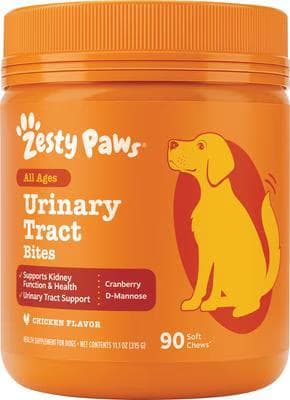
Webvet may earn a commission when you click through to Chewy, at no extra cost to you.
Scooting after pooping, grooming, or gland expression
When the scooting happens tells you a lot about why it happens. Match your scenario in this table:
| Scenario | Probable cause | Next step |
|---|---|---|
| Right after pooping, occasionally | Clingy stool or brief irritation | Wipe the area; add fiber if stool is soft; no vet needed if it stops |
| After pooping, every time | Soft stool not emptying the glands, or perianal irritation | Firm up stool with fiber; vet check if it persists a week |
| Right after a grooming visit | Clipper irritation or a too-close sanitary trim | Usually resolves in 1-3 days; vet if skin looks raw or it lasts longer |
| Within days after gland expression | Post-expression inflammation, or sacs refilling fast | Give it 2-3 days; if scooting continues, recheck with the vet |
| Still scooting weeks after expression | Glands refilled, infection brewing, or a non-gland cause | Vet visit for internal palpation and exam |
| Scooting plus licking and a fishy smell | Anal gland impaction | Book an expression; start fiber |
| Scooting plus rice-like grains near the anus | Tapeworms | Vet for dewormer and flea control |
Post-expression scooting confuses a lot of owners. A day or two of mild irritation after a gland expression is normal because the tissue was just handled.
Scooting that resumes and persists beyond a few days means the expression didn't solve the problem: the sacs refilled quickly, infection is developing, or the glands were never the cause.
Two more situational patterns worth knowing. Puppies scoot for the same reasons adults do, but in very young dogs intestinal worms move up the suspect list because puppies commonly carry roundworms and get tapeworms from fleas; a routine fecal check and deworming schedule usually solves it.
And dogs that scoot after swimming or a bath are often reacting to damp, irritated skin or shampoo residue under the tail; rinse thoroughly and dry the area well before assuming a medical cause.
Worked example: the Labrador who scoots after breakfast
Here is how the scenario read works in practice. Say your Labrador scoots only in the hour after breakfast, on days when his stool was soft. That pattern points at stool quality, not infection: soft stool left residue or failed to empty the sacs, and the fix starts with fiber.
Worked example: the Shih Tzu back from the groomer
Contrast that with a Shih Tzu who came home from the groomer Tuesday and started scooting Wednesday, with pink but unbroken skin under the tail. That is clipper irritation on the timeline alone. Keep the area clean, block further licking, and expect it gone by Friday; escalate only if it is not.
Context narrows dog scooting causes quickly: a dog scooting after pooping usually has clingy stool or full glands, a dog scooting after grooming is often reacting to razor burn or perfume, and a dog scooting and licking its bum at the same time almost always has gland pressure.
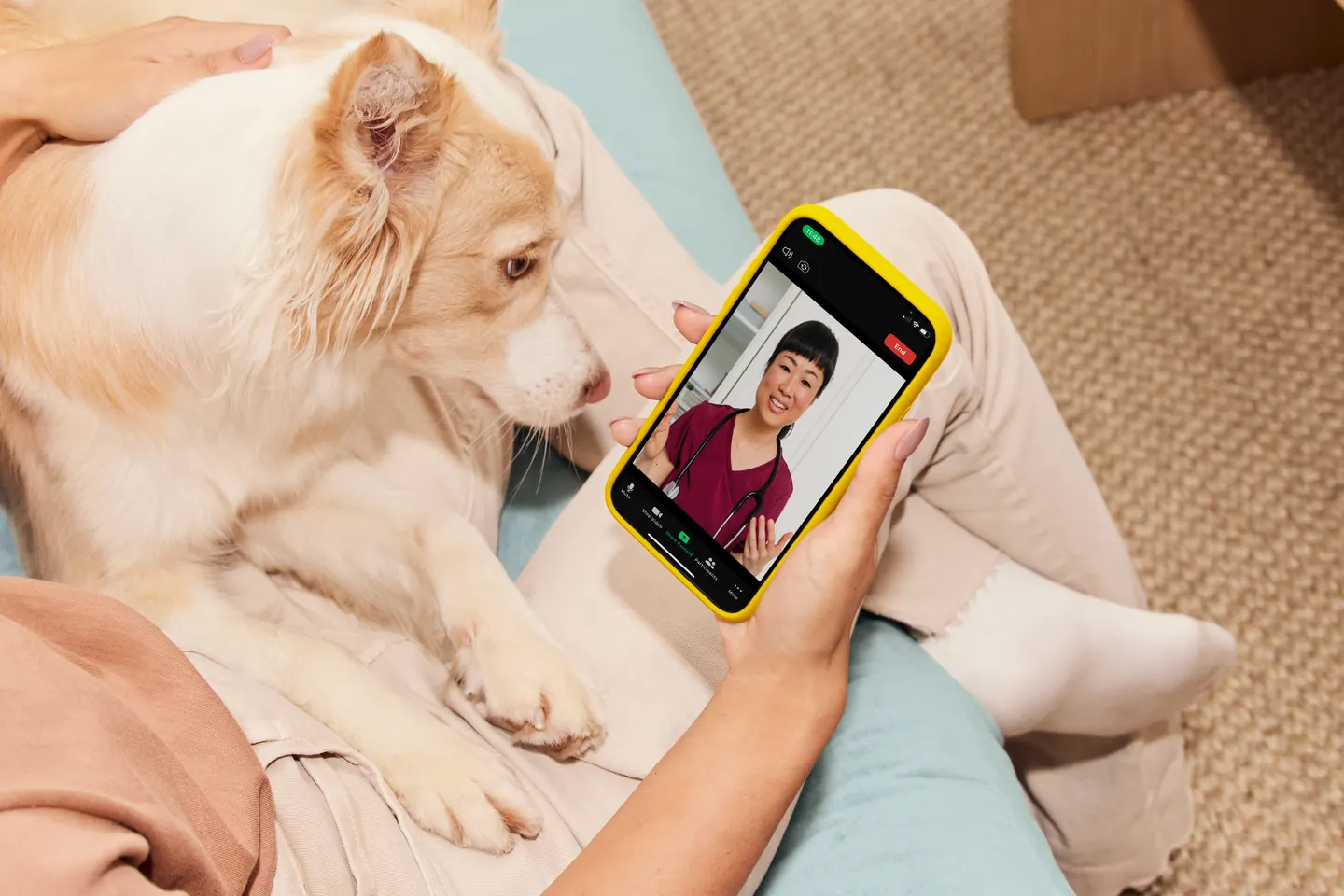 Sponsored
Vet care that's always there
Unlimited video calls and messaging with licensed vets for less than a typical vet visit. One membership covers up to five pets.
Use code Pets30
Plans start at $11/month · covers up to 5 pets
- Licensed vets in most states
- Rx for 150+ conditions
- 4.7 on Trustpilot
How vets diagnose a scooting dog
A scooting workup is short and systematic, which is part of why early visits are worth it. Expect your vet to:
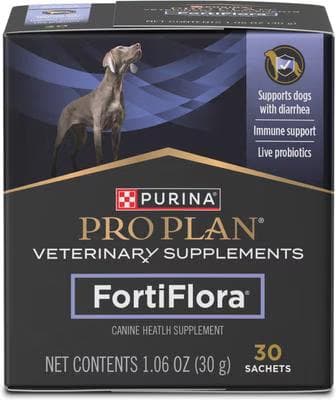
The #1 vet-recommended probiotic for dogs. Daily powder sachets with live probiotics support healthy digestion and firmer stools, and can help dogs coping with diarrhea or GI upset.
Webvet may earn a commission when you click through to Chewy, at no extra cost to you.
- Examine the perianal skin for redness, wounds, mats, and lumps
- Palpate the anal glands internally with a gloved finger to judge how full, thick, or painful they are, and express them if needed
- Check the secretion itself: normal fluid is brownish and liquid, while yellow, bloody, or pasty material suggests infection or impaction
- Run a fecal test for parasites when worms are plausible
- Look for the broader allergy picture (paws, ears, belly skin) when inflammation shows up in more places than the rear
Most cases end there, with an expression, a dewormer, or a skin treatment plan the same day.
If the glands are repeatedly infected, your vet may flush them under sedation and prescribe antibiotics; if scooting persists with normal glands and a clean fecal, the exam widens to the less common causes such as perianal fistulas or masses.
Bringing a note of when the scooting happens (after pooping, after grooming, time of day) genuinely shortens this process.
On cost, the scooting workup sits at the affordable end of veterinary medicine. An exam plus expression is a routine-visit expense, and a fecal test adds a modest lab fee. The expensive versions of this story, abscess surgery or a months-long allergy workup, are almost always the late versions.
Useful things to bring: the date the scooting started, what changed around then (new food, grooming visit, missed flea prevention), a photo of any skin changes, and a fresh stool sample in a sealed bag. Five minutes of preparation regularly saves a follow-up appointment and a second exam fee.
When scooting means anal gland trouble
Suspect the glands when scooting comes with licking under the tail, a fishy odor, or discomfort sitting. VCA Animal Hospitals lists scooting as the classic first sign of anal sac disease, which progresses from simple impaction to infection and abscess if the pressure never gets relieved.
The escalation is worth taking seriously: per the Merck Veterinary Manual, blocked sacs can become infected and abscess, eventually rupturing through the skin.
If your scooting dog has swelling or redness beside the anus, read our guide to impacted anal glands in dogs for the stage-by-stage signs and treatments, and get to the vet promptly rather than waiting it out.
Dogs that should skip wait-and-see
Certain dogs should skip the wait-and-see step entirely. If your dog has had an impaction before, is overweight, has ongoing allergies, or has been fighting soft stool, treat any new scooting as a probable gland event and book the check early. History is the strongest predictor with anal glands.
The one reassuring note: scooting itself does not injure the glands, and catching gland trouble at the scooting stage almost always means a simple fix. The goal is not panic at the first drag across the rug; it is refusing to let a second week of it pass unexamined.
If your dog is still scooting even after the glands were expressed, do not just book another squeeze. Our full guide to dog anal glands covers rechecks, infection signs, and prevention.
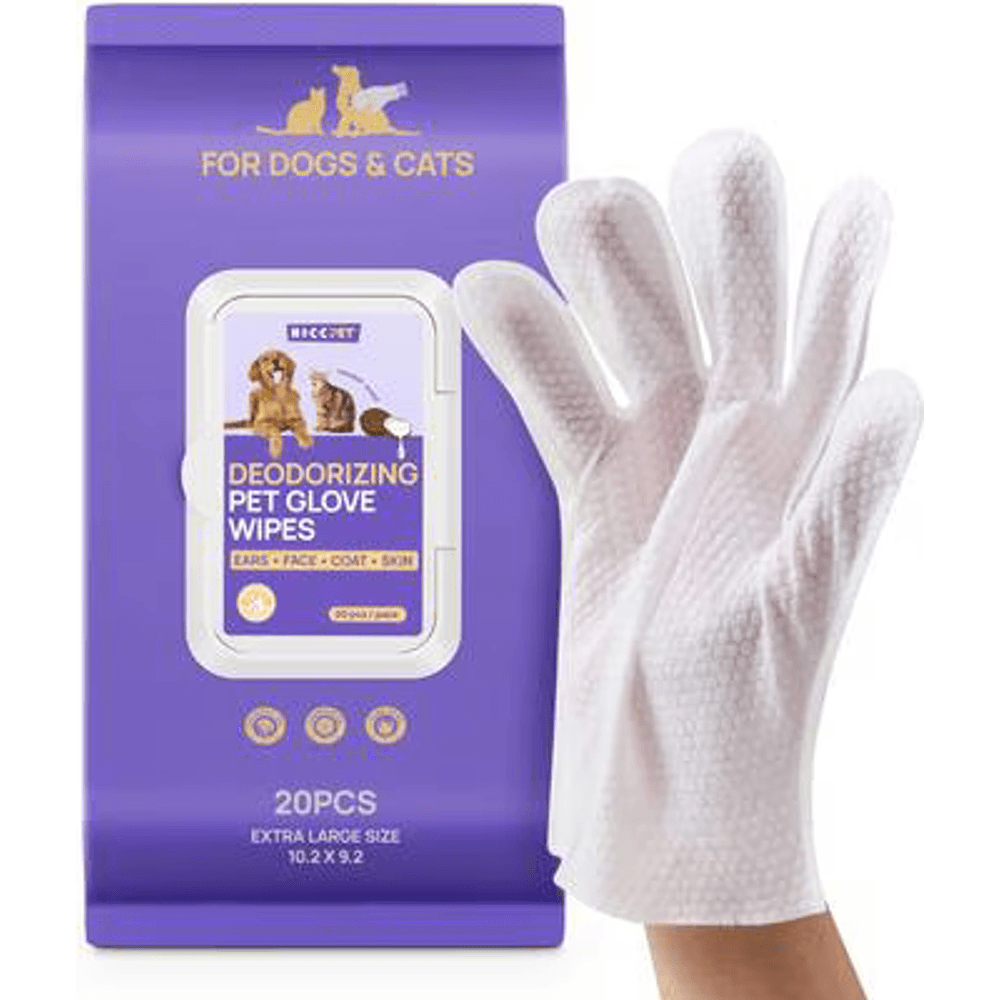
Wearable glove wipes that let you freshen and wipe down a dog's or cat's coat and skin without a full bath, while a fabric layer stays between your hand and the pet.
Webvet may earn a commission when you click through to Chewy, at no extra cost to you.
How to stop dog scooting: treatment and home care
Treatment starts with matching the fix to the cause: express impacted glands, deworm parasites, treat allergies, and clean up the coat. For the common mild case (a healthy dog scooting occasionally with slightly soft stool), safe home care often ends it:
- Add fiber. A teaspoon (small dogs) to a tablespoon (large dogs) of plain canned pumpkin per meal bulks the stool so it presses the glands empty naturally. Vet-dosed psyllium works the same way.
- Steady the gut. A veterinary probiotic powder such as FortiFlora helps dogs whose stool swings between firm and soft.
- Clean and trim the rear. Wash off residue with a gentle dog shampoo, dry well, and keep long fur around the anus trimmed short.
- Stay current on parasite prevention. Flea control prevents the tapeworm cycle that causes itchy rears.
- Work toward a lean weight. Overweight dogs empty their glands poorly and scoot more.
Because firm, consistent stool is the engine behind most of these fixes, it pays to get the diet fundamentals right; our guide to gut health for dogs covers fiber types, feeding strategy, and stool quality in detail.
Timing and expectations
Set expectations on timing. Fiber changes stool over three to seven days, so judge the pumpkin experiment after a week, not a day. Grooming irritation fades within two or three days on its own. A dewormer stops parasite-driven scooting within days of clearing the worms.
If your home-care week passes and the scooting continues at the same rate, you have learned something useful: the cause is one that needs a diagnosis, and the next step is the exam, not another remedy.
One caution on gland expression as a fix: it belongs in the plan only when the glands are actually full. Ask whoever expresses them (vet or groomer) to tell you how full the sacs were. Empty glands plus continued scooting redirects the whole investigation, and saves your dog repeated unnecessary handling of a sensitive area.
These home remedies will not cure every case, but they stop dog scooting in most mild ones within a week or two.
Keeping a chronic scooter comfortable
For dogs who scoot seasonally, plan ahead rather than react. If the pattern arrives every summer with allergy season, start the fiber support and flea prevention before the itch does, and book the gland check at the first scoot instead of the tenth. Chronic scooters do best on a calendar, not a crisis schedule.
Finally, protect the skin while the cause resolves. Keep the perianal area clean and dry, discourage licking with distraction or a soft cone if needed, and skip harsh wipes on tissue that is already inflamed. Comfortable skin breaks the itch-scoot-inflame loop faster than any single remedy, and it costs nothing.
When to see a vet about scooting
Worry about dog scooting when it happens more than once or twice a day, continues beyond a day or two, or comes with any physical change at the rear. A single scoot after a poop is housekeeping; a pattern is a symptom.
Book a same-day or next-day vet visit if you see any of these red flags:
- Swelling, redness, or a lump beside the anus
- Blood, pus, or an open sore under the tail
- Crying when sitting, guarding the rear, or fever and lethargy
- Straining to poop or refusing to poop
- Rice-grain segments around the anus (tapeworms)
- Scooting that returns within days of a gland expression
The exam is quick: your vet will palpate the glands internally, check for parasites and skin disease, and treat what they find. Catching an impaction at the scooting stage costs a fraction of treating the abscess it can become.
When in doubt, go; scooting is one of those symptoms where early visits are cheap and late ones are not.
A realistic picture of the visit helps nervous owners go. Most scooting appointments run fifteen or twenty minutes: history, a look under the tail, a gloved internal check, and treatment on the spot. Dogs object to the palpation for about ten seconds and forget it by the parking lot.
Afterward, watch for the outcome that matters: the scooting should taper within two or three days of the cause being treated. Put a note in your phone for day three. Improvement means you are done; no change means call back, because the first-guess diagnosis needs a second look.
Frequently Asked Questions
How do you treat a scooting dog?
Treat the cause. Full or impacted anal glands get expressed by a vet, tapeworms get a dewormer, allergies get allergy management, and matted or dirty rears get cleaned and trimmed. For mild cases, added fiber such as plain canned pumpkin plus a clean rear often stops the scooting within a few days.
When should I worry about dog scooting?
Worry when scooting happens repeatedly for more than a day or two, or immediately if you see swelling, blood, pus, obvious pain, or your dog also strains to poop. Those signs point to infection, abscess, or another condition that needs a vet exam rather than home care.
What dog breeds are prone to scooting?
Small breeds prone to anal gland trouble scoot most often: Chihuahuas, toy and miniature Poodles, Beagles, Cocker Spaniels, and Lhasa Apsos among them. Overweight dogs and dogs with skin allergies of any breed are also frequent scooters.
Is pumpkin good for dog scooting?
Yes, for the most common cause. Plain canned pumpkin adds fiber that bulks and firms the stool, which helps the anal glands empty naturally with each bowel movement. Use a teaspoon per meal for small dogs up to a tablespoon for large dogs, introduced gradually. It will not help scooting caused by worms, allergies, or skin problems.
Why is my dog scooting but his glands are empty?
If the glands were checked and expressed but the scooting continues, the glands were probably not the cause. The usual remaining suspects are allergies, tapeworms, irritated or infected skin around the anus, and grooming irritation. That combination is exactly when a fuller vet workup, including a fecal test and skin exam, pays off.
Does scooting always mean worms?
No. Worms are the second-tier cause; anal gland problems are more common. Suspect tapeworms specifically when you see rice-grain segments around the anus or in fresh stool, or when your dog has had fleas. A fecal test at the vet settles it.

Editor
The Webvet Editorial Team is the in-house group of pet-care editors and writers behind Webvet, operated by Smart Pet Collective. The team researches, writes, and maintains Webvet's pet health, behavior, and medication content. Every article follows a defined editorial process: research from reputable veterinary and scientific sources, careful drafting, mandatory review of medical content by a credentialed veterinarian, and dated publication. Health and medication articles are medically reviewed by a licensed veterinary professional before they go live and are kept current over time.
Veterinarian · BVMS MRCVS
Dr. Pippa Elliott, BVMS, MRCVS, is a veterinarian with nearly 30 years of experience in companion animal practice. Dr. Elliott earned her Bachelor of Veterinary Medicine and Surgery from the University of Glasgow. She was also designated a Member of the Royal College of Veterinary Surgeons. Married with 2 grown-up kids, Dr. Elliott has a naughty Puggle named Poggle, 3 cats and a bearded dragon.
Related reading

Cat Cremation Cost: Private, Communal, and Additional Charges

Cat Euthanasia Cost: Clinic, At-Home Care, and Aftercare

Dog Microchip Cost: Implantation, Registration, and Ongoing Fees
