Why Does My Dog Smell Like Fish? Causes and Fixes
A sudden fishy smell on your dog almost always traces to anal gland secretion, but breath, urine, skin, and female-specific causes matter too. Locate the source, fix the odor, and know when it needs a vet.

BVMS MRCVS
Medically reviewed by Dr. Pippa Elliott, BVMS MRCVS · Last reviewed

This article contains affiliate links. Webvet may earn a commission when you buy through them, at no extra cost to you.
Why does my dog smell like fish?
In most dogs, the answer is anal gland secretion: the two small sacs beside the anus hold an oily fluid with an unmistakable fishy odor, and when they leak, get expressed, or become too full, the smell ends up on your dog, your couch, and your nose.
But the rear is not the only possible source. Fishy breath points to dental disease, fishy urine points to a urinary tract infection, and in female dogs the smell can come from the vulva or a more serious uterine infection.
This guide gives you the fast answer, a locate-the-source framework, the fix for each cause, and the red flags that mean a vet visit.
- 1The most common reason a dog smells like fish is anal gland secretion, released by leaking, fear, or overfull sacs.
- 2Locate the source first: rear means glands, mouth means dental disease, urine means a likely UTI, whole coat means skin or diet.
- 3In female dogs, a fishy smell can also come from a UTI, vaginitis, or (rarely and urgently) pyometra.
- 4A one-time whiff after a scare is normal; a persistent or recurring smell needs a cause-specific fix.
- 5Fishy smell plus straining, blood, lethargy, or a swollen rear is a same-day vet visit.
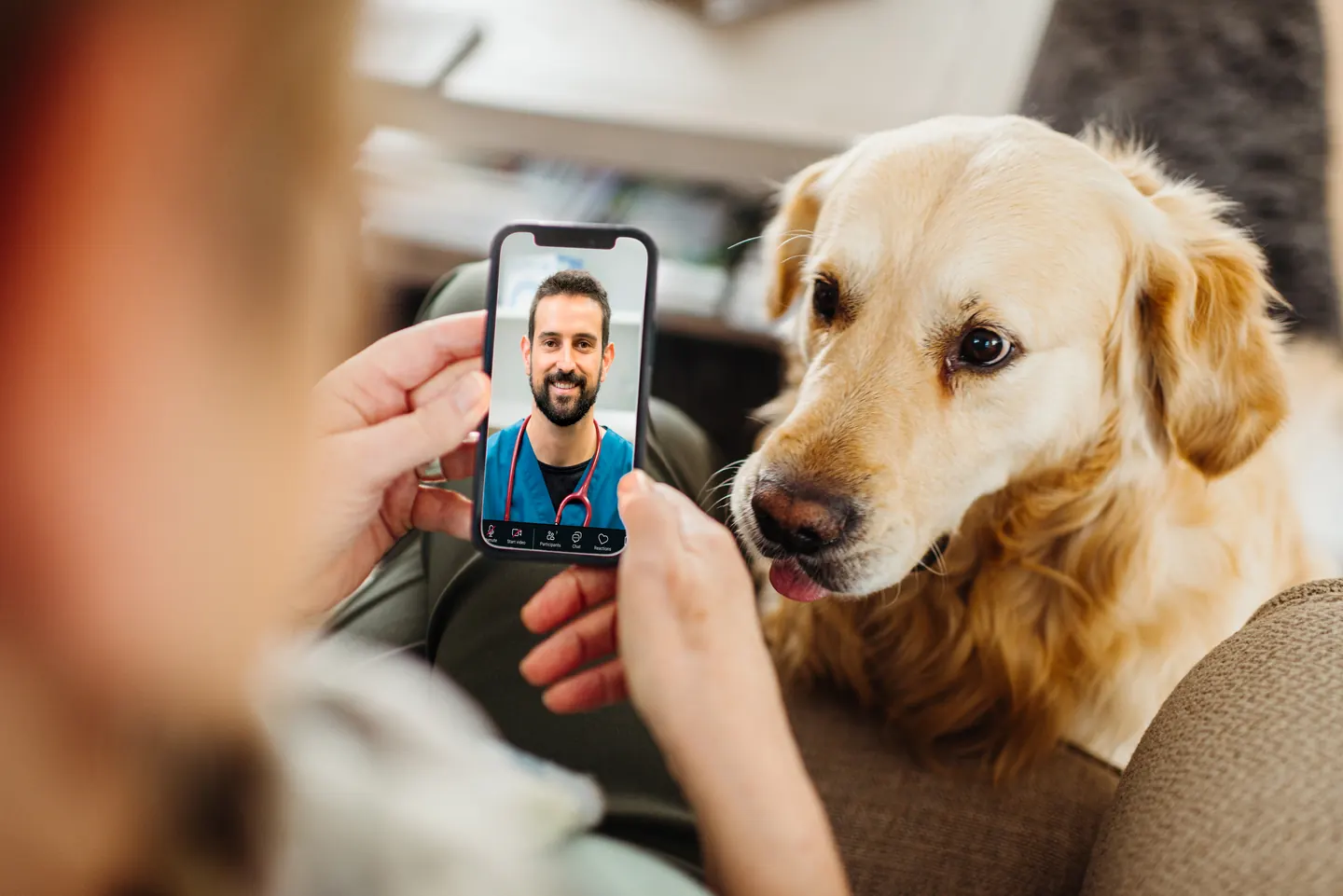
 Sponsored
Have a health question about your dog?
Talk to a licensed vet at Dutch over video or message, including nights and weekends.
Use code Pets30
Plans start at $11/month · covers up to 5 pets
- Licensed vets in most states
- Rx for 150+ conditions
- 4.7 on Trustpilot
The short answer: anal gland secretion
The most common reason a dog suddenly smells like fish is anal gland secretion. Every dog carries two small sacs just inside the anus filled with an oily, pungent scent-marking fluid, and that fluid smells strongly of fish.
A small release is normal and constant; a noticeable fishy cloud means more fluid than usual got out, or the sacs are so full they are seeping.

Typical gland-release moments include:
- A scare or stress: sudden fear can empty the sacs all at once, leaving a strong fishy patch where your dog was sitting.
- Deep relaxation or sleep: relaxed muscle tone lets a little fluid seep onto bedding.
- Overfull or impacted sacs: fluid that cannot exit through the duct seeps around it, so the dog smells fishy all the time.
- A recent expression at the vet or groomer: residue on the fur keeps the smell around for a day or so.
If your dog smells like fish all of a sudden with no scare and no recent grooming, check for companion signs of gland trouble: scooting, licking under the tail, and discomfort when sitting. Those signs together mean the sacs are likely full or impacted and need attention, not just a bath.
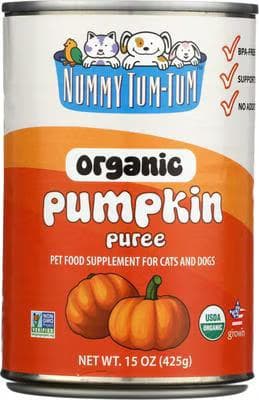
Pure USDA-organic pumpkin puree, no fillers or additives. Adds gentle soluble fiber to firm up loose stool and settle a mildly upset stomach. A simple vet-favorite topper.
Webvet may earn a commission when you click through to Chewy, at no extra cost to you.
Not sure the rear is the source? Use this locator: where the smell is strongest tells you what is producing it.
| Where the smell is strongest | Likely cause | Urgency |
|---|---|---|
| Rear end, tail base, spots where the dog sits | Anal gland secretion (leak, fear release, or overfull sacs) | Low if one-time; vet check if persistent or with scooting |
| Mouth and face, worse up close | Dental disease, gum infection, or something rotting in the mouth | Vet dental exam soon; not an emergency |
| Urine, genital area, or where the dog pees | Urinary tract infection; in females also vaginitis | Vet visit within a day or two; sooner with straining or blood |
| Whole coat, ears, or paws | Yeast or bacterial skin infection, or fish-based food and fish oil | Vet if skin is red, greasy, or itchy; diet smells are harmless |
| Vulva in an unspayed female, with discharge or lethargy | Possible pyometra (uterine infection) | Emergency: same-day vet, this can be life-threatening |
Why fish, specifically? The secretion is a dense mix of oils and compounds produced for scent marking, including the same kinds of volatile amines that give decaying fish their odor.
It is potent by design: a few drops carry enough chemical information to identify your dog to every other dog in the neighborhood. That potency is why one small leak can scent an entire room, and why the smell survives casual cleaning.
How gland smell behaves day to day
Healthy gland function has a rhythm you can learn. A faint fishy note right after a bowel movement is normal emptying and fades within the hour. A burst after a fright fades over a few hours once the fluid is wiped or licked away. Neither should recur daily.
Overfull sacs break that rhythm. The smell stops being an event and becomes a state: you notice it on the dog's bedding in the morning, on your hands after petting near the tail, in the car after a ride. Constant low-grade odor means constant low-grade seepage.
The good news hiding in that: because the smell is so distinctive, it is one of the most diagnostically useful odors in dog ownership. Owners who learn to recognize it catch gland problems at the mild, cheap-to-fix stage instead of the abscess stage.
What anal glands are and why they smell
The anal sacs sit at roughly 4 and 8 o'clock around the anus and empty a little scent fluid with each firm bowel movement. It is chemical ID: the reason dogs greet each other rear-first.
When soft stool, obesity, or thick secretion keeps the sacs from emptying, fluid accumulates and the dog develops anal sac disease, which the Merck Veterinary Manual describes as a progression from impaction to infection to abscess.
That progression, plus how expression works, which dogs need it, and how fiber and weight control stop the cycle, is covered in depth in our dog anal glands guide. And if the fishy smell comes with rear-dragging, our dog scooting explainer ranks every cause of that symptom and what to do about each.
One point worth stressing from VCA Animal Hospitals: a constant fishy smell is a symptom, not a hygiene failure. Bathing masks it for a day; only emptying (or treating) the sacs actually removes the source.
Why female dogs smell like fish
Female dogs have every cause male dogs have, plus three of their own. If your female dog smells fishy and the odor seems to come from the genital area rather than the rear, work through these:
Urinary tract infection. UTIs are far more common in females because of their shorter, wider urethra, and infected urine often carries a fishy or ammonia-heavy odor. Watch for frequent small pees, straining, accidents in the house, and licking after urinating.
Our guide to UTIs in female dogs covers the signs, diagnosis, and treatment; the infection needs a vet visit and usually antibiotics.
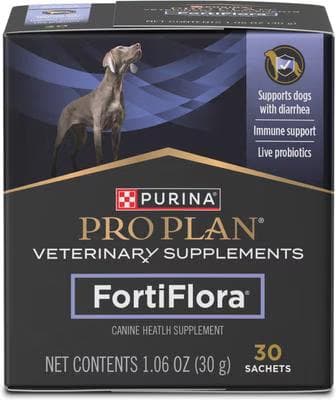
The #1 vet-recommended probiotic for dogs. Daily powder sachets with live probiotics support healthy digestion and firmer stools, and can help dogs coping with diarrhea or GI upset.
Webvet may earn a commission when you click through to Chewy, at no extra cost to you.
Vaginitis. Inflammation of the vagina, common in puppies before their first heat and in some adult females, produces a mild discharge with a fishy smell and frequent licking of the vulva. Puppy vaginitis often resolves on its own at maturity; adult-onset vaginitis deserves a vet exam to find the underlying cause.
Pyometra. This is the one that cannot wait. In unspayed females, usually within a couple of months after a heat cycle, the uterus can fill with infected material. A foul or fishy-smelling discharge, lethargy, vomiting, heavy drinking, and a swollen belly are the signature signs.
Spaying changes this list meaningfully. A spayed female cannot develop pyometra, and spaying reduces hormone-driven vaginitis.
If your spayed female smells fishy from the genital area, the workup narrows to a UTI, skin-fold irritation around the vulva (common in overweight dogs with a recessed vulva), or gland fluid transferred by grooming.
Skin-fold cases respond to weight loss and vet-guided cleaning of the fold; guessing with wipes alone tends to fail.
In intact females, note where she is in her cycle. Mild odor changes around heat are normal hormone territory.
A strong fishy or foul smell is not part of a normal heat, and in the four to eight weeks after a heat is exactly the window when pyometra develops, so treat post-heat odor plus any illness sign as urgent rather than something to watch.
Vets would far rather rule pyometra out early than operate on it late.
A female dog that smells like fish only around her heat cycle may just be showing normal hormonal shifts, but a fish odor that persists between cycles deserves an exam.
Telling the female-specific causes apart at home
A quick sorting exercise before the vet visit: a UTI changes urination (frequency, straining, accidents) but the dog otherwise feels fine. Vaginitis produces licking and mild discharge with normal urination and normal energy. Pyometra makes the dog sick: lethargy, poor appetite, vomiting, or heavy drinking alongside the odor.
Gland smell, the fourth possibility, sits at the rear rather than the vulva and usually brings scooting with it. None of this home sorting replaces the exam; it decides the urgency. Sick-dog signs mean today, urinary signs mean this week, mild licking alone can wait for a routine slot.
 Sponsored
Vet care that's always there
Unlimited video calls and messaging with licensed vets for less than a typical vet visit. One membership covers up to five pets.
Use code Pets30
Plans start at $11/month · covers up to 5 pets
- Licensed vets in most states
- Rx for 150+ conditions
- 4.7 on Trustpilot
Fishy breath: dental causes
If the fish smell rides on your dog's breath, the mouth is the source, and dental disease is the usual culprit. Plaque bacteria, infected gums, and decaying tooth roots all produce sulfurous, fishy-to-rotten odors.
Periodontal disease is among the most common medical conditions in adult dogs, so fishy breath in a dog over three years old should always prompt a look at the teeth and gums.
Two other mouth-source explanations are simpler. Dogs that eat fish-based diets or take fish oil supplements have honestly fishy breath, which is harmless.
And dogs that lick their anal glands transfer the secretion to their mouths, so what reads as fishy breath is actually gland fluid; those dogs usually also scoot or lick under the tail.
Fixes track the cause: a veterinary dental exam and cleaning for periodontal disease, daily tooth brushing to keep plaque from rebuilding, and gland treatment for the lickers.
For safe ways to freshen mild doggy breath at home while you address the underlying problem, see our home remedies for dog bad breath. Red, bleeding gums, loose teeth, drooling, or dropping food mean the mouth hurts and needs professional care, not breath fresheners.
Dental odor vs transferred gland odor
How do you tell dental odor from transferred gland odor? Timing and texture. Dental smell is constant and worsens gradually over weeks as plaque builds; it is there at every yawn. Gland-transfer smell comes and goes with grooming sessions and pairs with rear-end signs.
If you lift a lip and see yellow-brown tartar along the gumline or angry red gum edges, the mouth has earned the blame on its own.
In short: breath that smells like fish every day means dental disease until proven otherwise, while a mouth that smells like fish only after meals usually traces back to the food bowl.
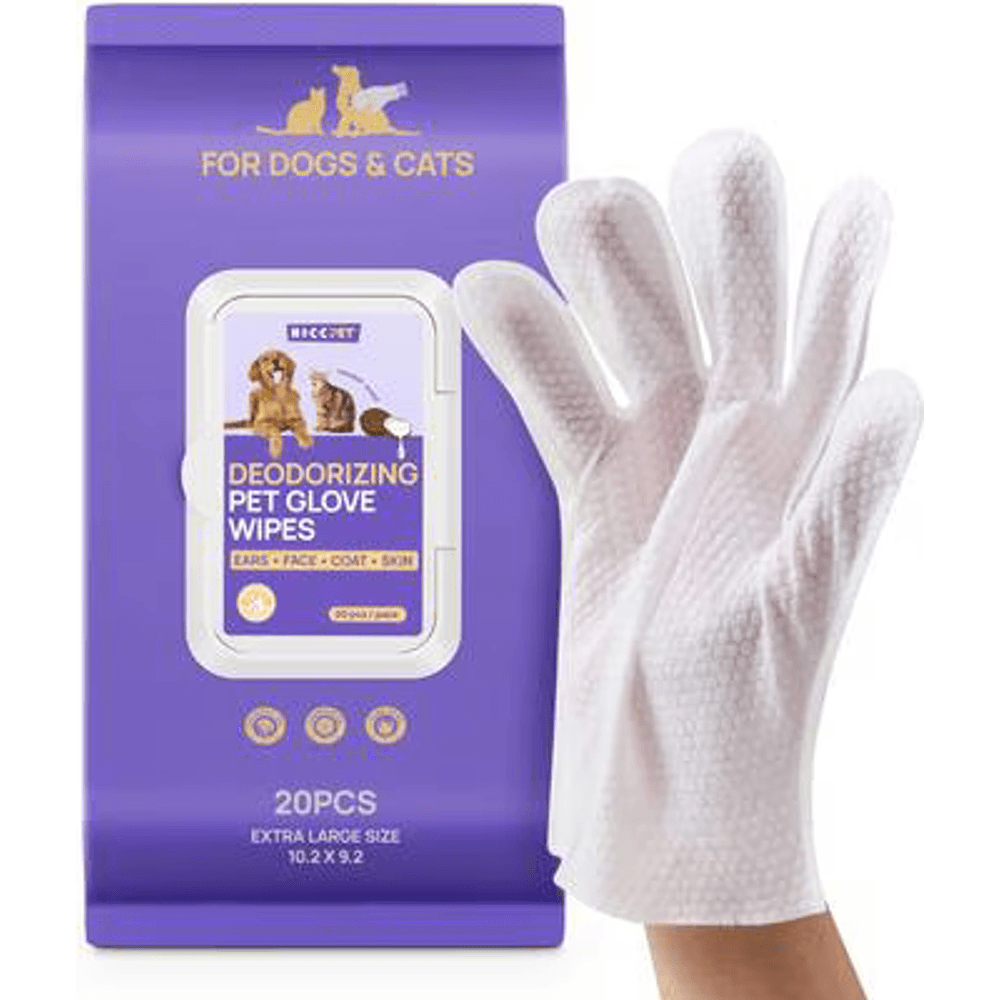
Wearable glove wipes that let you freshen and wipe down a dog's or cat's coat and skin without a full bath, while a fabric layer stays between your hand and the pet.
Webvet may earn a commission when you click through to Chewy, at no extra cost to you.
What a dental workup involves
The first step is an awake oral exam at a regular appointment, where your vet grades the tartar and gum inflammation. If disease is present, the real assessment happens under anesthesia: probing each tooth, dental X-rays to see the roots, and cleaning above and below the gumline in the same session.
Owners are often surprised that the smell disappears within days of a proper cleaning; the odor was bacterial, and the bacteria are gone. Daily brushing afterward is what keeps it gone, since plaque begins rebuilding within a day or two of any cleaning.
Fishy urine: UTIs and kidney issues
Urine that smells like fish points to bacteria. A urinary tract infection changes urine chemistry, and the byproducts smell fishy, sour, or strongly of ammonia. This applies to both sexes, though females get UTIs far more often.
Companion signs include peeing small amounts frequently, straining, accidents indoors, cloudy or bloody urine, and licking the genitals after urinating.
A UTI is a straightforward vet visit: a urine sample confirms the infection and identifies the bacteria, and a course of appropriate antibiotics clears most cases.
Skipping the visit and hoping it passes risks the infection climbing to the bladder wall or kidneys, where it becomes harder to treat.
Recurrent fishy-smelling urine, or urine odor changes in a senior dog, warrants a deeper workup for bladder stones, kidney disease, or diabetes, all of which alter urine smell and all of which are far better caught early.
One benign note: very concentrated urine in a dog that drinks little can smell strong without infection. If the odor disappears when your dog drinks more on a cooler day and there are no other signs, mention it at the next checkup rather than rushing in. Any straining or blood, though, is a same-day call.
Collecting a urine sample
Collecting a urine sample is easier than most owners expect: catch mid-stream urine in a clean, shallow container during a morning walk and get it to the clinic within an hour or two (refrigerated if longer).
A fresh sample makes the difference between a same-visit diagnosis and a repeat appointment, and it spares your dog a collection procedure at the clinic.
What treatment and follow-up look like
For a straightforward first-time UTI, expect a urinalysis at the visit, antibiotics matched to the findings, and visible improvement within two or three days. Finish the full course even when the smell disappears early; stopping short is how simple infections turn into recurring ones.
Recurring infections change the plan. Two or more UTIs in a year justify a urine culture and imaging to look for bladder stones or anatomical causes, because repeatedly treating symptoms without finding the source wastes both money and antibiotics. Fishy urine that returns is data, not bad luck.
Whole-body fishiness: skin, ears, and diet
When the smell clings to the whole coat rather than one end, think skin or diet. Yeast and bacterial skin infections, common in allergic dogs and in breeds with skin folds, produce a musty-to-fishy funk that intensifies when the coat is damp.
The skin under the fur often looks red, greasy, or flaky, and the dog is usually itchy.
Ears deserve a sniff of their own. A yeasty ear infection smells sweetish-fishy and comes with head shaking, scratching, and dark discharge; our guide to dog ear yeast infections covers how vets diagnose and clear them. Skin and ear infections need medicated treatment; baths alone cannot outclean an active infection.
Diet is the innocent explanation. Fish-based foods and fish oil supplements can scent the breath, coat oils, and even the skin slightly.
If the smell started when the new salmon kibble did and your dog is otherwise itch-free and healthy, the food is your answer, and it is only a problem if you mind it.
If you do mind, switching to a poultry- or beef-based diet of equivalent quality clears the smell within a couple of weeks, and encapsulated fish oil given with food scents the breath less than pump-bottle oils poured over kibble.
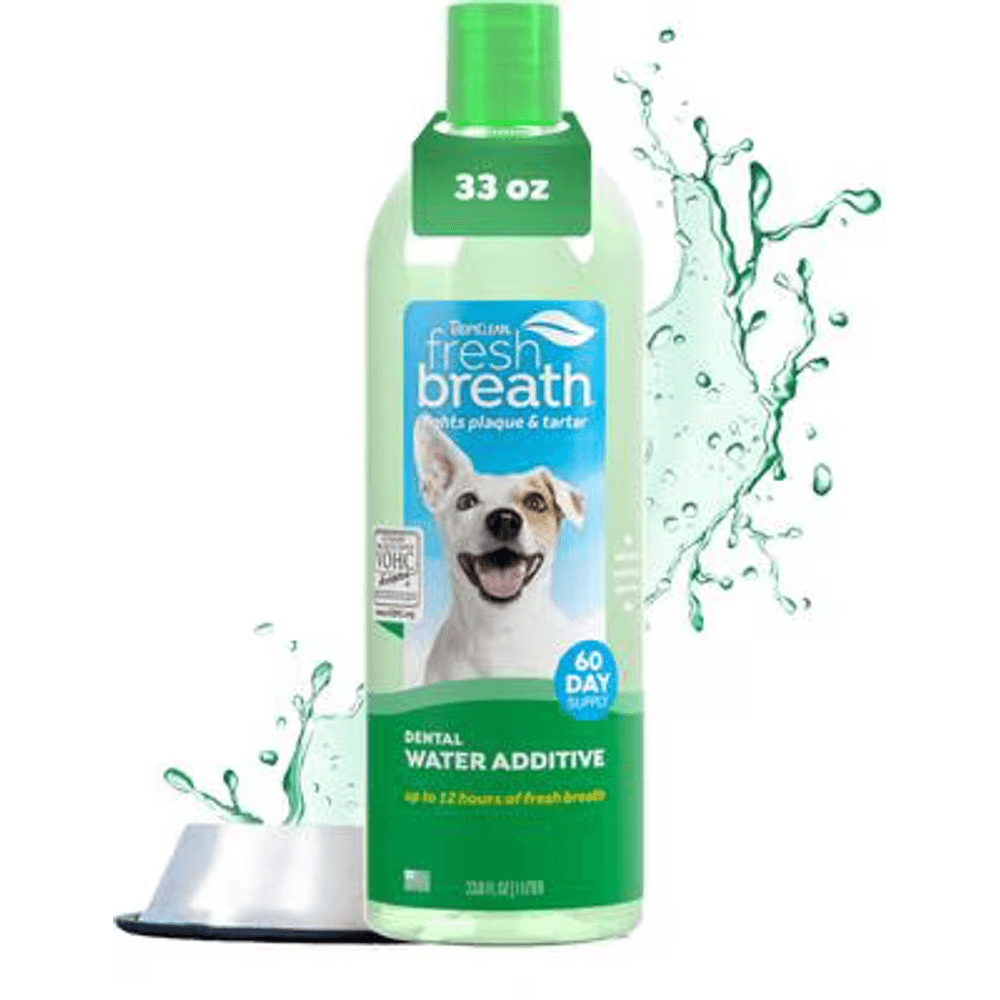
A no-brushing dental water additive: add one capful to your dog's water bowl daily to fight plaque and tartar and freshen breath for up to 12 hours. One 33.8-oz bottle is about a 60-day supply.
Webvet may earn a commission when you click through to Chewy, at no extra cost to you.
To separate skin infection from diet quickly: part the fur in several places along the back, belly, and armpits. Diet smell comes with normal pink skin and a comfortable dog. Infection comes with redness, greasiness, flakes, dark buildup, or a dog that scratches and chews.
When in doubt, a vet can settle it in minutes with a piece of tape and a microscope, and a medicated shampoo plan usually turns the odor around within two to three weeks.
Breeds and body types where coat smell concentrates
Coat-source smells are not distributed evenly across dogs. Skin-fold anatomy (Bulldogs, Pugs, Shar-Peis), dense double coats that trap moisture, and floppy ears that hold humidity all give yeast a head start. Allergic dogs of any build join the list because inflamed skin over-produces the oils yeast feeds on.
If your dog fits one of those profiles, routine maintenance is the fix that sticks: dry the folds and ears after swims and baths, keep allergies managed, and treat the first whiff of mustiness as a prompt for a skin check rather than a stronger-smelling shampoo.
Why the smell keeps coming back
A fishy smell that returns days after every bath means the source is still producing. The three most common repeat offenders:
- Glands that refill fast. Chronic soft stool, obesity, or allergies keep the sacs from emptying naturally, so they seep continuously. The fix lives upstream: firm the stool with fiber, get weight off, manage the allergy, and let your vet set an expression schedule if needed.
- Scent soaked into the environment. Gland secretion is oily and bonds to fabric. If the couch still holds the odor, your freshly bathed dog will smell fishy the moment he lies on it, and you will chase the wrong source.
- An untreated infection. Sacculitis, a smoldering UTI, or skin yeast all regenerate odor daily. No cleaning routine outruns an active infection.
Run the loop once, properly: treat the medical source, deep-clean dog and environment on the same day, and start prevention. Owners who do all three at once usually describe the smell as simply gone; owners who do them piecemeal fight it for months.
A useful self-check when the smell recurs: has anything upstream changed? A new food that softened the stool, weight creeping up over winter, allergy season starting, or a lapse in flea prevention can each restart a gland problem that had been quiet for a year.
Fix the upstream change and the odor usually follows, without another round of appointments.
How to get rid of the fishy smell
To treat a dog that smells like fish, remove the source first, then clean up the residue. Deodorizing without fixing the source buys you a day at most. Work in this order:
If the smell is sulfurous rather than fishy and started outdoors at night, it is probably a skunk; our dog sprayed by a skunk guide has the peroxide recipe and the eye precautions.

- 1. Locate the source with the table above: rear, mouth, urine, or coat.
- 2. Fix the source. Gland trouble gets checked and expressed if needed; dental disease gets a cleaning; a UTI gets antibiotics; skin yeast gets medicated shampoo from your vet.
- 3. Bathe the dog. Wash the rear (or the whole dog) with a gentle dog shampoo and dry thoroughly; gland secretion is oily and needs actual lather, not a rinse.
- 4. Clean the environment. Hit bedding, couch cushions, and car seats with an enzymatic pet odor cleaner, which breaks down the secretion's oils; regular detergent often leaves the smell behind.
- 5. Prevent the refill. For gland-source smells, keep stool firm with adequate fiber (plain canned pumpkin is the easy add), keep your dog lean, and consider a veterinary probiotic powder such as FortiFlora if stool quality swings.
Owners searching for a natural fix for a fishy-smelling female dog should reorder the steps: rule out a UTI and vaginitis at the vet first, because no amount of bathing fixes an infection. Once medical causes are cleared or treated, the same routine (bathe, enzymatic-clean the environment, firm up the stool) keeps the smell gone.
To get rid of a fishy smell from your dog’s bum naturally, work the fiber lever first: firm stool empties the glands on its own, which shuts off the odor at its source without sprays or perfumes.
Bathing and cleaning details that work
A few practical bathing details make the difference between masking and removing. Use lukewarm water and work shampoo into the fur around the tail base and the backs of the thighs, the two places secretion migrates; leave the lather on for the shampoo label's contact time before rinsing.
Skip perfumed sprays: they layer a second smell over the first and can irritate already inflamed skin. And dry the area completely, because damp fur amplifies odor and invites the yeast growth that creates a new smell of its own.
For the environment, treat every surface the dog rests on in one pass: bedding through the wash with an enzymatic additive, couch cushions and car seats sprayed and left wet for the product's full dwell time, and hard floors mopped where the dog scoots or sits.
Half-treating the environment is the most common reason owners conclude, wrongly, that the dog still smells.
If the smell keeps returning within a few days no matter how well you clean, stop cleaning and start diagnosing. A refilling gland, a smoldering infection, or an unaddressed skin problem will out-produce any bathing schedule, and each is cheaper to fix now than later.
When to see a vet about a fishy smell
Worry about a fishy smell when it is persistent, recurring, or paired with any other symptom. A one-time whiff after a thunderstorm scare needs nothing but a wipe-down. A dog that smells fishy for days is telling you something specific.
Book a prompt vet visit for any of these red flags:
- Persistent odor lasting more than a day or two despite bathing
- Scooting, licking under the tail, or pain when sitting
- Swelling, redness, or an open sore beside the anus
- Straining to pee, bloody or cloudy urine, or frequent small accidents
- Red or bleeding gums, drooling, or dropping food
- Any discharge with lethargy in an unspayed female (possible pyometra: same-day)
None of the fishy-smell causes is embarrassing to bring to a vet, and most are quick to confirm: a rectal check for the glands, a urine sample for a UTI, a look in the mouth for dental disease. The smell is your early-warning system.
Use it, and the fix is usually simple; ignore it, and an impacted gland becomes an abscess or a bladder infection climbs to the kidneys.
If cost is the worry, say so: catching any of these causes at the smell stage is reliably the least expensive version of treating it, and many clinics will check anal glands during a routine tech appointment.
When you book, describe the smell precisely: fishy versus rotten, constant versus episodic, and where it is strongest. That one sentence often determines whether you get a quick tech appointment for a gland check or a full exam slot with a urine sample requested in advance.
And once the cause is treated, give the smell a fair deadline. Gland odor should be gone within days of expression and cleanup, urinary odor within days of starting antibiotics, dental odor within a week of a cleaning. A smell that outlives its treatment is your cue to call back, not to buy stronger shampoo.
Frequently Asked Questions
How do you treat a dog that smells like fish?
Find and fix the source, then clean. Have the anal glands checked and expressed if full, treat any dental, urinary, or skin infection your vet finds, then bathe your dog with a gentle dog shampoo and clean bedding and furniture with an enzymatic odor cleaner. Adding fiber to keep stool firm prevents the gland-source smell from returning.
When should I worry about my dog's fishy smell?
Worry when the odor persists past a day or two, keeps coming back after baths, or arrives with other signs: scooting, swelling by the anus, straining to urinate, bloody urine, bad gums, or lethargy. Persistent odor plus any of those red flags deserves a vet exam, and discharge with illness in an unspayed female is a same-day emergency.
Why does my dog smell like fish all of a sudden?
A sudden fishy burst usually means the anal glands just released, often from a scare, stress, or deep relaxation. If it happened once and your dog seems normal, wipe the area and move on. If the smell returns repeatedly or your dog starts scooting or licking, the sacs are likely overfull and need a vet check.
Why does my female dog smell like fish?
Anal glands are still the most common cause in females, but add three female-specific ones: urinary tract infections (much more common in females), vaginitis, and, in unspayed females, pyometra. If the smell comes from the genital area rather than the rear, or there is any discharge, see your vet, urgently if she also seems unwell.
Can food make my dog smell like fish?
Yes. Fish-based diets and fish oil supplements can scent the breath and, in some dogs, the coat oils. This is harmless and disappears within a couple of weeks if you change the food or supplement. It only mimics the medical causes; a dog with diet-source smell has no scooting, no urinary signs, and healthy skin.
Does a fishy smell mean my dog's glands need to be expressed?
Not automatically. An occasional fishy whiff is normal gland function. Expression is warranted when the smell is constant or comes with scooting, licking, or discomfort, which suggest the sacs are not emptying on their own. Your vet can confirm with a quick check rather than expressing on spec.

Editor
The Webvet Editorial Team is the in-house group of pet-care editors and writers behind Webvet, operated by Smart Pet Collective. The team researches, writes, and maintains Webvet's pet health, behavior, and medication content. Every article follows a defined editorial process: research from reputable veterinary and scientific sources, careful drafting, mandatory review of medical content by a credentialed veterinarian, and dated publication. Health and medication articles are medically reviewed by a licensed veterinary professional before they go live and are kept current over time.
Veterinarian · BVMS MRCVS
Dr. Pippa Elliott, BVMS, MRCVS, is a veterinarian with nearly 30 years of experience in companion animal practice. Dr. Elliott earned her Bachelor of Veterinary Medicine and Surgery from the University of Glasgow. She was also designated a Member of the Royal College of Veterinary Surgeons. Married with 2 grown-up kids, Dr. Elliott has a naughty Puggle named Poggle, 3 cats and a bearded dragon.
Related reading

Cat Cremation Cost: Private, Communal, and Additional Charges

Cat Euthanasia Cost: Clinic, At-Home Care, and Aftercare

Dog Microchip Cost: Implantation, Registration, and Ongoing Fees
