How to Express Dog Anal Glands Safely at Home
A vet-informed, step-by-step guide to expressing your dog's anal glands externally at home: the supplies, the 4 and 8 o'clock technique, hard-stop safety rules, how often glands actually need it, and when to hand the job to a vet or groomer.

BVMS MRCVS
Medically reviewed by Dr. Pippa Elliott, BVMS MRCVS · Last reviewed

This article contains affiliate links. Webvet may earn a commission when you buy through them, at no extra cost to you.
Learning how to express dog anal glands at home comes down to one safe method: the external technique, done with gloves, lubricant, and a gentle milking squeeze at the 4 and 8 o'clock positions beside the anus. It takes about five minutes, and most healthy dogs tolerate it well once you know where to press.
Just as important is knowing when not to do it. Internal expression belongs to vets and groomers, most dogs never need routine expression at all, and a swollen or painful gland is a hard stop. This guide covers the full step-by-step, the frequency question, and exactly where the DIY boundary sits.
- 1Only the external technique is safe at home: a gentle inward-and-upward squeeze at the 4 and 8 o'clock positions.
- 2Internal expression (a gloved finger inside the rectum) is a vet or groomer job, never DIY.
- 3Stop immediately if you feel a hard gland, meet resistance, see blood, or your dog cries out.
- 4Most dogs never need manual expression; only express glands that are genuinely full and bothering the dog.
- 5Groomers typically charge $10 to $30 for external expression; vets charge $20 to $50 and can express internally.
 Sponsored
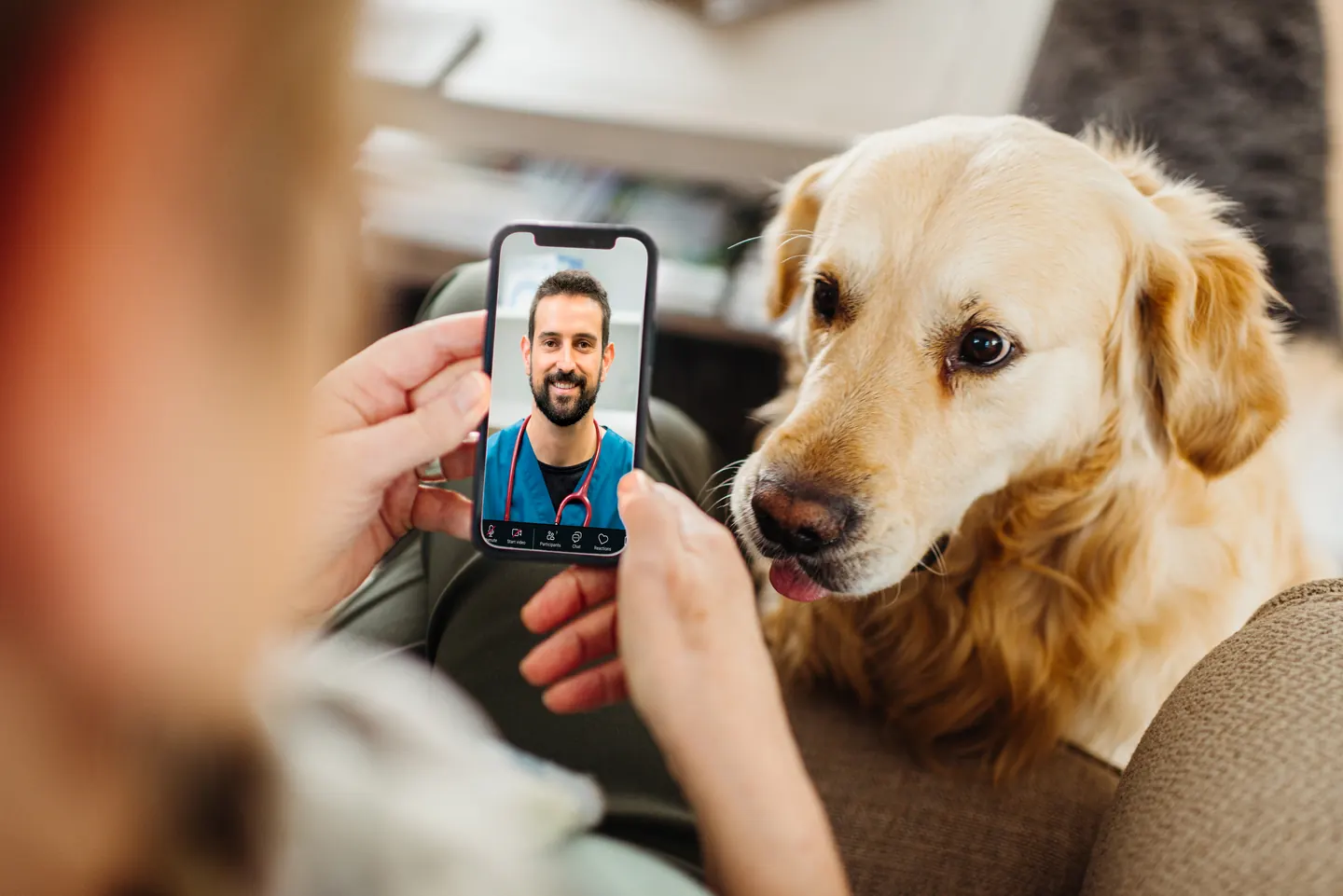
Have a health question about your dog?
Talk to a licensed vet at Dutch over video or message, including nights and weekends.
Use code Pets30
Plans start at $11/month · covers up to 5 pets
- Licensed vets in most states
- Rx for 150+ conditions
- 4.7 on Trustpilot
Signs your dog needs an expression
You can tell a dog's glands are full when scooting, licking under the tail, a fishy smell, and a firm fullness beside the anus show up together. A dog with no symptoms does not need an expression, full stop.
If the area looks swollen, red, or painful rather than just full, that is beyond a routine expression: read our guide to impacted anal glands in dogs to gauge how far the problem has progressed before touching anything.
How to express your dog's anal glands externally, step by step
The external method in brief: glove up, lift the tail, place a paper towel over the anus, find the two firm sacs at 4 and 8 o'clock, and press gently inward and upward in a milking motion until fluid releases onto the towel.
Then clean the area and reward your dog. The detailed steps below add the safety checks that matter.
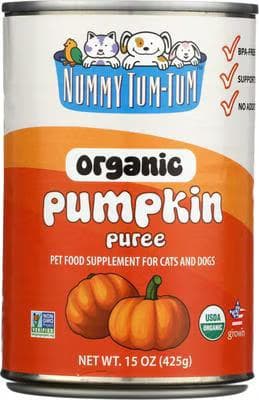
Pure USDA-organic pumpkin puree, no fillers or additives. Adds gentle soluble fiber to firm up loose stool and settle a mildly upset stomach. A simple vet-favorite topper.
Webvet may earn a commission when you click through to Chewy, at no extra cost to you.
External means exactly that: your fingers stay outside the body, pressing through the skin beside the anus. Nothing in this guide involves inserting anything, and if a technique you have seen elsewhere does, it is the internal method that belongs to professionals.
This is the only way you should express your dog’s glands externally at home; anything internal belongs to trained professionals.


Before your first attempt: get a demo
Ask your vet or groomer to walk you through an expression once before you try it solo. Five minutes of hands-on coaching teaches you what a full gland feels like versus an empty one, and how much pressure is appropriate, which is less than most people expect.
It also shows you whether your dog's glands sit in the typical position. Some dogs have sacs that sit deeper or slightly off the usual clock positions, and knowing that in advance saves a lot of fumbling.
It also confirms your dog actually needs this. Plenty of owners squeeze healthy glands for years because a groomer once mentioned fullness. If a professional confirms the glands empty on their own, retire the gloves.
What to ask during the demo
During the demo, ask three things: how full is full enough to justify expressing, which direction the pressure should travel on this particular dog, and what the fluid should look like when it is normal for them. Those three answers turn a generic tutorial into a plan for your dog.
The demo does not require a full exam appointment. Many clinics will fold the coaching into a routine tech visit for the expression itself, so you pay for the service your dog needed anyway and walk out with the training for free.
Supplies you need
- Disposable gloves (nitrile or latex)
- Water-based lubricant or petroleum jelly
- Plenty of paper towels
- Unscented pet wipes or a warm damp washcloth
- A helper to steady the dog, plus treats for after
Two of these earn a note. Use unscented wipes because the skin around the anus is thin and perfumed products sting on freshly handled tissue. And stage more paper towels than you think you need, within reach, before you start; you will not want to walk away mid-session to get more.
Step 1: Set up and position your dog
Work in a bathtub, on a towel-covered counter for a small dog, or standing on the floor for a large one. Anal gland fluid smells terrible and can spray, so pick a wipeable spot. Have your helper stand at the dog's head, holding gently under the chin and around the shoulders.
Handling a nervous or large dog
If your dog is touchy about the area, spend a few days desensitizing first: lift the tail, touch near the rear, and pay in treats without expressing anything. A dog that stays relaxed through handling makes the real session dramatically easier and safer for both of you.
Timing helps too. Pick a calm moment after a walk, when the dog is a little tired and has recently pooped, rather than ambushing a rested dog mid-play. Some owners do it right before a bath, which handles the smell problem in the same session.
Webvet may earn a commission when you click through to Chewy, at no extra cost to you.
For a large dog, work on the floor with the dog standing and your helper kneeling at the head. Position yourself to the side rather than directly behind; even a good-natured dog can kick backward reflexively when a tender area is handled.
Step 2: Locate the glands at 4 and 8 o'clock
Glove up and lubricate your thumb and forefinger. Lift the tail with your other hand and picture the anus as a clock face. The sacs sit just under the skin at the 4 o'clock and 8 o'clock positions, about a fingertip's width out from the opening.
Full glands feel like firm grapes or kidney beans; empty ones are hard to find at all, which is your cue that no expression is needed today. Note which side feels fuller, since one gland often fills faster than the other.
If you cannot find the glands at all, do not go hunting with more pressure. Either they are empty, which means today's session is over before it started, or they sit deeper than average, which is exactly the situation internal expression at a clinic exists for.
Step 3: Press gently inward and upward
Hold a paper towel over the anus with your free hand; the fluid can jet out with surprising force. Place your thumb below and outside one gland and your forefinger on the other side, then squeeze gently inward and slightly upward toward the duct openings in a slow milking motion.
Work one gland at a time and re-check between squeezes; you should feel the sac soften and shrink as it empties. Normal fluid is thin, brownish, and foul smelling, and releases within a few squeezes.
Expect modest volume: a teaspoon or less per gland is typical, often just a few drops from a mildly full sac. The goal is a soft, deflated feel afterward, not squeezing until absolutely nothing remains. Chasing the last drop is how healthy tissue gets bruised.
Step 4: Check the fluid, clean up, and reward
Glance at what landed on the towel. Thin brown or tan fluid is normal. Thick paste, yellow-green pus, or blood means infection and warrants a vet appointment even though you have already emptied the sac.
Wipe the area with a pet wipe or warm washcloth, toss the gloves, wash your hands, and pay your dog generously in treats so the next session starts on good terms. Stop if: you see blood at any point, either in the fluid or from the skin.
About the smell: anal gland fluid clings. A quick wipe handles the dog, but wash your hands twice and launder any towel that caught spray. A bath is not necessary unless fluid got into the coat beyond the immediate area.
After the session
Keep a simple log: the date, which gland was fuller, roughly how much came out, and what it looked like. Three or four entries reveal your dog's real refill rate, and that record is genuinely useful to your vet if the glands ever need medical attention.
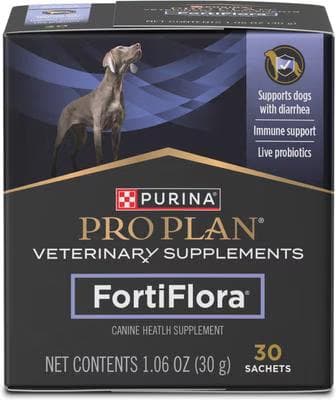
The #1 vet-recommended probiotic for dogs. Daily powder sachets with live probiotics support healthy digestion and firmer stools, and can help dogs coping with diarrhea or GI upset.
Webvet may earn a commission when you click through to Chewy, at no extra cost to you.
Normal recovery from a session is quick and boring: possibly a little scooting or licking that evening, then nothing. Swelling, ongoing discomfort into the next day, or any blood on the fur afterward means the session went beyond what the tissue tolerated, and your vet should take a look.
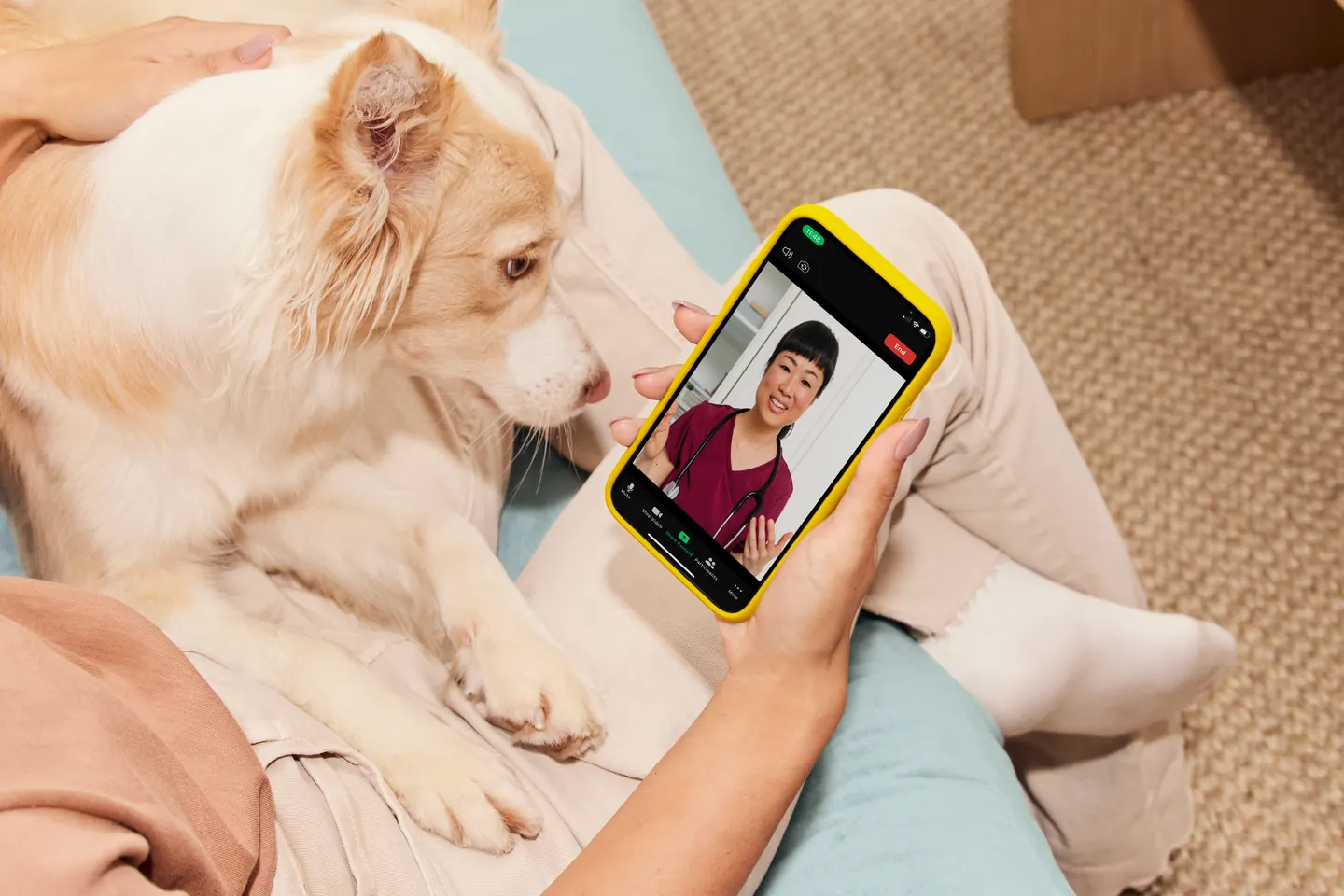 Sponsored
Vet care that's always there
Unlimited video calls and messaging with licensed vets for less than a typical vet visit. One membership covers up to five pets.
Use code Pets30
Plans start at $11/month · covers up to 5 pets
- Licensed vets in most states
- Rx for 150+ conditions
- 4.7 on Trustpilot
How often should anal glands be expressed?
Only as often as your dog actually needs it, which for most dogs is never. Healthy anal glands empty themselves a little with every firm bowel movement. The Merck Veterinary Manual's chapter on disorders of the rectum and anus in dogs treats manual expression as a response to a problem, not routine maintenance.
Dogs with a documented recurring problem usually settle into a rhythm of every 4 to 8 weeks. Follow the symptoms, not the calendar: express when scooting and licking return, and skip it when they do not.
Finding your dog's real schedule
A worked example: a 12-pound Shih Tzu starts scooting about five weeks after each expression. Her owner books a standing six-week check, expresses only when the glands actually feel full, and skips roughly one visit in four. That is what a symptom-led schedule looks like in practice.
Expect the interval to move with life events. Diet changes, a course of antibiotics, a stressful move, or a soft-stool week can all shorten the refill time temporarily. Re-check fullness rather than assuming the old schedule still holds.
Which dogs fill faster
Size and breed shape the odds. Small breeds such as Chihuahuas, Toy Poodles, Shih Tzus, and Cocker Spaniels fill faster and need help more often, while most large breeds never need a single expression. Overweight dogs of any size are overrepresented because reduced muscle tone around the sacs weakens natural emptying.
Age plays a role at both ends. Puppies essentially never need expression, and seniors need it more often as muscle tone fades and digestion gets less regular. A senior dog whose glands suddenly start filling faster deserves a vet check rather than just a tighter squeeze schedule.
Signs you may be expressing too often:
- Little or no fluid comes out at each session
- The area looks pink or irritated afterward, or scooting starts after expressions rather than before
- Your dog resents handling more each time, a sign the sessions hurt
The over-expression trap
Over-expression is a real risk. Squeezing empty or nearly empty glands irritates the tissue, and chronic irritation can cause inflammation and scarring of the ducts, creating the very blockage problem you were trying to prevent. Do dogs feel relief afterward?
Yes, when the glands were genuinely full: the scooting and licking typically stop within a day or two.
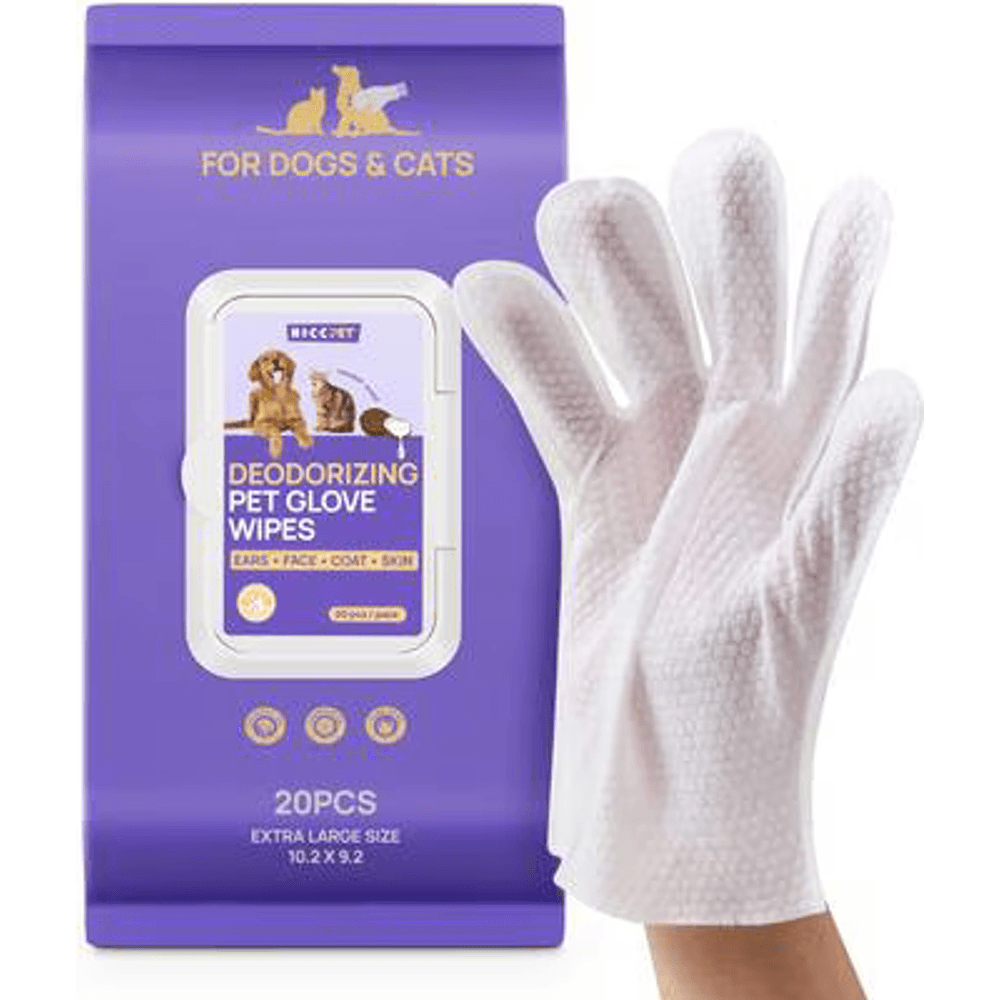
Wearable glove wipes that let you freshen and wipe down a dog's or cat's coat and skin without a full bath, while a fabric layer stays between your hand and the pet.
Webvet may earn a commission when you click through to Chewy, at no extra cost to you.
If your dog still scoots after a proper expression, something else is going on (allergies, parasites, or irritation), and a vet visit beats another squeeze.
Habits that cut the need
Daily habits reduce the need for manual expression at all. Regular exercise supports the muscle tone that helps sacs empty, consistent meal times produce consistent stool, and good hydration keeps stool formed rather than soft. Dogs who check all three boxes rarely appear on anyone's expression schedule.
There is no fixed rule like monthly or quarterly, and be wary of anyone who quotes one. The honest answer to how often is: as often as this specific dog's glands actually fill, which you learn by checking, not by calendar.
Check, don't squeeze
Checking is not expressing. A ten-second weekly feel for fullness, with no squeezing, gives you the schedule data without any of the irritation risk. Reserve the actual expression for weeks when the glands are genuinely firm and your dog is showing the early signs.
If you find yourself expressing more often than every three or four weeks, or getting almost nothing each time, that is a signal to step back and involve your vet rather than to squeeze harder. Something upstream, usually diet, weight, or allergies, is driving the pattern.
When NOT to express glands at home
Can you express your dog's glands yourself? Yes, with conditions: external expression only, on a calm dog with soft, full (not hard or painful) glands, ideally after a vet or groomer has shown you the technique once. Everything outside those conditions belongs to a professional.
The reason for the caution is anatomical. The sacs sit close to the anal sphincter and its nerve supply, and the difference between a productive squeeze and a harmful one is small. Professionals feel that difference through experience; owners learn it safely only on healthy, uncomplicated glands.
How DIY goes wrong
Here is how DIY typically goes wrong: the gland feels firm, nothing comes out, and the owner squeezes harder. If that gland was firm because it was impacted or infected, the extra pressure can rupture the sac inward, seeding infection into the surrounding tissue instead of releasing it outward.
The dog then needs the abscess treatment the owner was trying to avoid, plus the handling damage: many dogs that have had one painful home expression will not tolerate the procedure calmly again, from anyone. One forced session can buy years of muzzled vet visits.
Do not DIY in any of these situations:
- The area is swollen, red, hot, or clearly painful (possible infection or abscess)
- You see blood, pus, or an open draining wound beside the anus
- The glands feel rock hard: that is impaction, and external squeezing can rupture the sac inward
- Nothing came out on a previous gentle attempt
- Your dog will not tolerate handling back there without a struggle
VCA Animal Hospitals' guidance on anal sac disease in dogs also notes that expression is medically indicated only when the sacs fail to empty on their own, and that repeated unnecessary expression can inflame otherwise healthy tissue.
DIY vs groomer vs vet: who should do it
| Who | Technique | Best for | Typical cost |
|---|---|---|---|
| You at home | External only | Healthy dogs with confirmed recurrent fullness, after a professional demo | Free (supplies only) |
| Groomer | External (some offer internal) | Routine maintenance expressions on symptom-free-otherwise dogs | $10 to $30 as a grooming add-on |
| Veterinarian | Internal, plus exam | First-time problems, thick or hard glands, any pain, swelling, blood, or recurring issues | $20 to $50 plus exam fee if applicable |
If cost is the worry, an expression-only appointment at many clinics is a quick tech visit without a full exam fee. Our guide to how much a vet visit costs breaks down what to expect on the bill.
Searching for anal gland expression near you? Any full-service groomer or vet clinic offers it. Choose the vet whenever there is pain, swelling, blood, a first-time problem, or the glands did not empty at the last attempt; reserve the groomer for confirmed routine maintenance on an otherwise healthy dog.
When you use a groomer, ask one screening question: do you check fullness before expressing, or express every dog on the table? The right answer is check first. A groomer who expresses by default is manufacturing the recurring problem you are trying to escape.
Helping glands empty naturally
The long-term fix is rarely more expressing; it is firmer stool that empties the sacs with every bowel movement. Diet, fiber, and weight management do that work, and our complete guide to dog anal glands covers the prevention side in detail.
For the digestive foundations behind stool quality, see our guide to gut health for dogs.
If you want to help your dog express its glands naturally, focus on food: there is no proven homemade recipe, and the best dog food for anal gland issues is simply one that produces firm, bulky stool.
FAQ: expressing dog anal glands
Frequently Asked Questions
What are the side effects of expressing a dog's glands?
Mild, brief irritation is common; some dogs scoot for a day afterward. The bigger risks come from doing it too often or too hard: inflamed ducts, tissue damage, and worsening of an unnoticed infection. Expressed correctly and only when needed, side effects are minimal.
Do groomers express glands internally or externally?
Most groomers perform external expression only, as an add-on during a bath. Internal expression is generally reserved for veterinary staff, though some experienced groomers offer it. If your dog's glands never empty externally, ask your vet to do an internal expression and check for underlying disease.
What if nothing comes out when I try?
Stop after two or three gentle attempts. Either the glands are not actually full, or the material is too thick to pass the duct, which is early impaction. Forcing it risks rupturing the sac inward. A vet can empty a thickened gland internally and flush it if needed.
How much does gland expression cost at a groomer or vet?
Groomers and national grooming chains typically charge $10 to $30 as a standalone service or bath add-on. Vet clinics usually charge $20 to $50 for the expression itself, sometimes with an exam fee on top if a doctor evaluates the glands. Recurring cases often qualify for quick tech-only appointments.
Can expressing glands make scooting worse?
Temporarily, yes. The handling itself irritates the area, so a day of post-expression scooting is common. Scooting that continues beyond a couple of days means either the glands did not fully empty or the itch was never the glands in the first place: allergies, parasites, and skin irritation cause identical scooting.
Do puppies need their anal glands expressed?
Almost never. Healthy puppies empty their glands naturally, and early unnecessary expression only irritates developing tissue. If a puppy is scooting, think parasites first (worms are far more common at that age) and have your vet check before anyone squeezes anything.

Editor
The Webvet Editorial Team is the in-house group of pet-care editors and writers behind Webvet, operated by Smart Pet Collective. The team researches, writes, and maintains Webvet's pet health, behavior, and medication content. Every article follows a defined editorial process: research from reputable veterinary and scientific sources, careful drafting, mandatory review of medical content by a credentialed veterinarian, and dated publication. Health and medication articles are medically reviewed by a licensed veterinary professional before they go live and are kept current over time.
Veterinarian · BVMS MRCVS
Dr. Pippa Elliott, BVMS, MRCVS, is a veterinarian with nearly 30 years of experience in companion animal practice. Dr. Elliott earned her Bachelor of Veterinary Medicine and Surgery from the University of Glasgow. She was also designated a Member of the Royal College of Veterinary Surgeons. Married with 2 grown-up kids, Dr. Elliott has a naughty Puggle named Poggle, 3 cats and a bearded dragon.
Related reading

Cat Cremation Cost: Private, Communal, and Additional Charges

Cat Euthanasia Cost: Clinic, At-Home Care, and Aftercare

Dog Microchip Cost: Implantation, Registration, and Ongoing Fees
