Impacted Anal Glands in Dogs: Signs, Treatment, Cost
Impacted anal glands make dogs scoot, lick, and smell fishy. Learn how impaction progresses to infection or abscess, what vets do at each stage, realistic US cost ranges, and how to prevent repeat episodes.

BVMS MRCVS
Medically reviewed by Dr. Pippa Elliott, BVMS MRCVS · Last reviewed

This article contains affiliate links. Webvet may earn a commission when you buy through them, at no extra cost to you.
Scooting is usually the first sign of impacted anal glands in dogs: the dog drags its bottom across the rug, licks or chews under the tail, and leaves behind a distinctly fishy smell.
Impaction means the two small anal sacs beside the anus are overfilled with thick, pasty secretions that can no longer empty on their own.
Impaction itself is uncomfortable rather than dangerous, but it sits at the mild end of a spectrum. Left untreated, an impacted gland can become infected, form an abscess, and eventually rupture through the skin.
This guide walks through the signs at each stage, what your vet will do, what treatment realistically costs in the US, and how to stop the cycle from repeating.
- 1Impacted anal glands are overfilled sacs that cannot empty; scooting, licking, and a fishy odor are the classic signs.
- 2Untreated impaction can progress to infection, then abscess, then rupture. Each stage is more painful and more expensive.
- 3Most impactions are fixed with a quick manual expression at the vet, typically in the 20 to 50 dollar range.
- 4Never squeeze or lance a swollen, hot, or draining gland at home. Abscesses need veterinary treatment.
- 5Firm stool, healthy weight, and adequate fiber prevent most repeat impactions.
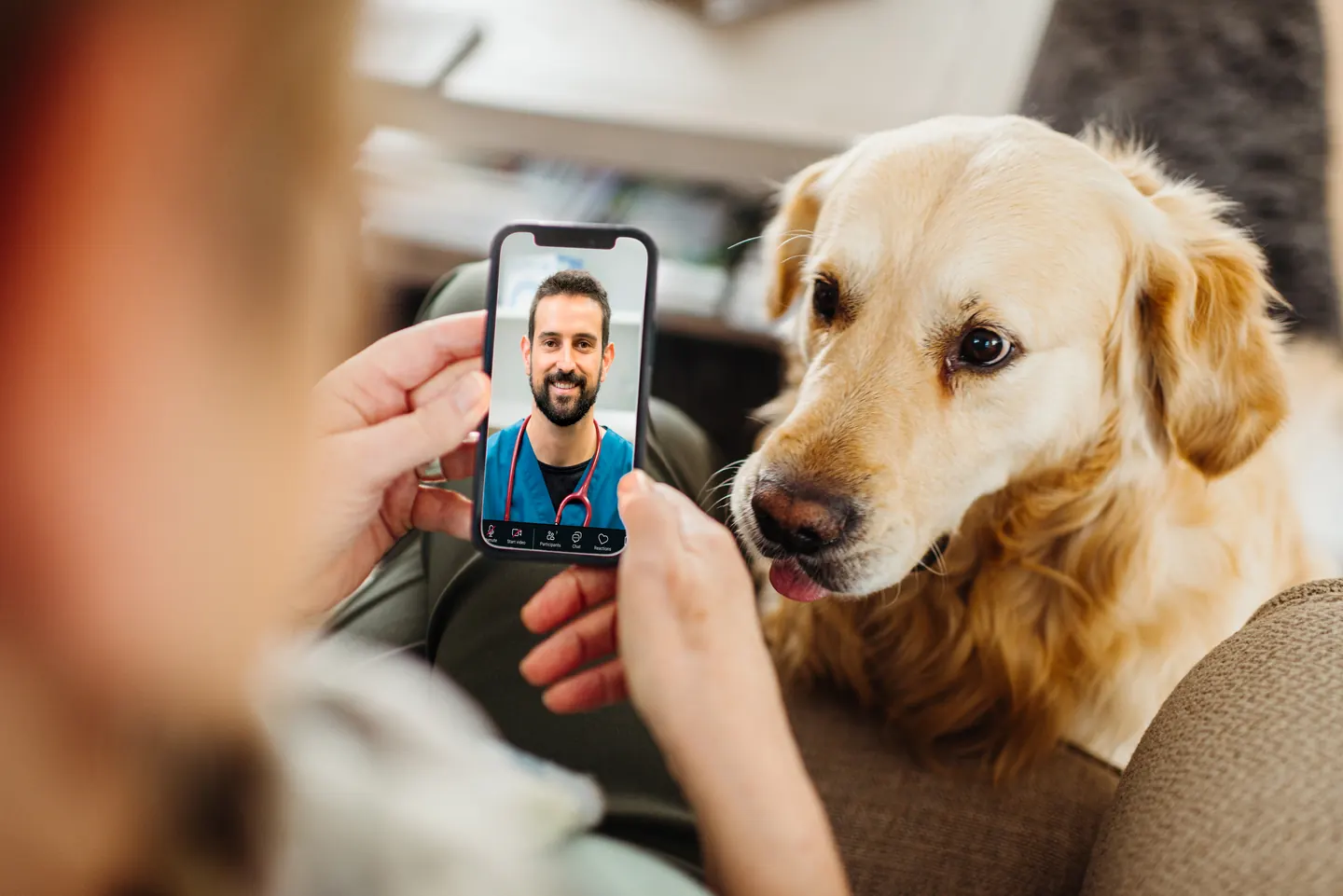
 Sponsored
Have a health question about your dog?
Talk to a licensed vet at Dutch over video or message, including nights and weekends.
Use code Pets30
Plans start at $11/month · covers up to 5 pets
- Licensed vets in most states
- Rx for 150+ conditions
- 4.7 on Trustpilot
What anal glands do
Every dog has two anal sacs that store a strong-smelling fluid used for scent marking, and a firm stool normally empties them a little with each bowel movement. For a full tour of the anatomy, what normal emptying looks like, and why some dogs have chronic trouble, see our complete guide to dog anal glands.
Signs your dog's anal glands are impacted
You can tell a dog's glands are impacted by a cluster of rear-end behaviors: scooting, persistent licking or biting at the base of the tail, straining or discomfort when pooping, and a sudden fishy odor. The glands themselves fill with thick, pasty secretions that a normal bowel movement can no longer push out.

Watch for these signs of impacted anal glands:
- Scooting or dragging the bottom along the floor
- Licking, chewing, or spinning to reach the area under the tail
- A strong fishy smell from the rear or from spots where the dog sat
- Straining, crying, or hesitating during bowel movements
- A firm, full feeling at the 4 and 8 o'clock positions beside the anus
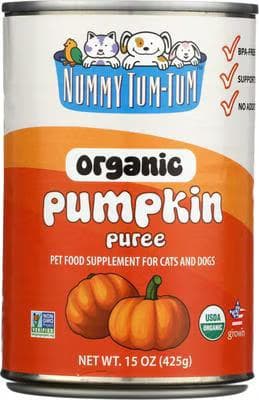
Pure USDA-organic pumpkin puree, no fillers or additives. Adds gentle soluble fiber to firm up loose stool and settle a mildly upset stomach. A simple vet-favorite topper.
Webvet may earn a commission when you click through to Chewy, at no extra cost to you.
- Reluctance to sit, or sitting abruptly then popping back up
Dogs that need their glands expressed act restless and preoccupied with their rear. Many chase or nibble at the tail base, scoot right after pooping, or turn suddenly to look at their hindquarters. Some become reluctant to jump on furniture because pressure on the area hurts.
The discomfort often reads as restlessness at night: circling before lying down, resettling repeatedly, or sitting in an odd sideways lean to keep weight off the sore side. Owners frequently describe it as the dog being unable to get comfortable rather than being in obvious pain.
According to the Cornell Riney Canine Health Center's overview of anal sac diseases, impaction is the most common anal sac problem in dogs, and small breeds are overrepresented. If the signs above appear and stick around for more than a day or two, the gland is unlikely to clear on its own.
How to check your dog's glands at home
You can gently check at home. With clean hands, feel just below and to either side of the anus for firm, grape-sized swellings at the 4 and 8 o'clock positions. Full glands are palpable; empty ones are hard to find. Do not press or squeeze during the check, especially if your dog flinches.
For a gland-prone dog, make this a weekly habit at a calm moment, the same way you would check ears or teeth. A quick feel takes ten seconds, and knowing your dog's normal is what lets you catch abnormal early, before the licking and scooting even start.
Reading the pattern over a few days
Track how the signs evolve over a few days, because the pattern carries information. Scooting that comes and goes with each bowel movement suggests glands that are still partially emptying. Scooting that becomes constant, or shifts into licking and guarding the area, suggests the duct has sealed and pressure is building.
Smell is the most underrated clue. Anal sac fluid has a metallic, fishy odor unlike anything else on a dog, and healthy dogs release almost none of it outside bowel movements. Finding that smell on couch cushions, bedding, or the spot where your dog just sat means fluid is leaking from overfull sacs.
Other causes of scooting to rule out
Not every scooting dog has impacted glands. Tapeworm segments around the anus, flea allergy dermatitis, environmental or food allergies, clipper irritation after grooming, and matted fur under the tail all cause the same behavior.
The pattern that points to glands is the combination: scooting plus the fishy odor plus fullness you can feel beside the anus.
If your dog scoots but the glands turn out to be empty at the vet, ask about allergy testing and parasite control next. Allergic skin disease is the most common reason expression fails to fix the itch.
A quick home screen helps you sort it: look under the tail in good light. Rice-like segments stuck to the fur point to tapeworms; red, bumpy, or scabby skin points to allergy or flea dermatitis; a clean area with firm fullness beside the anus points back to the glands.
Impaction vs infection vs abscess: how it progresses
Anal gland disease progresses along a predictable path: impaction (a blocked, overfull sac), then infection (bacteria multiply in the trapped fluid), then abscess (a walled-off pocket of pus), and finally rupture (the abscess bursts through the skin beside the anus). Each step up is more painful, more urgent, and more expensive than the one before.

The two sacs sit just under the skin at roughly the 4 and 8 o'clock positions around the anus, each draining through a narrow duct. When secretions thicken, that duct clogs like a blocked drain.
The Merck Veterinary Manual's chapter on disorders of the rectum and anus in dogs describes this progression from simple impaction through anal sacculitis (infection) to abscessation.
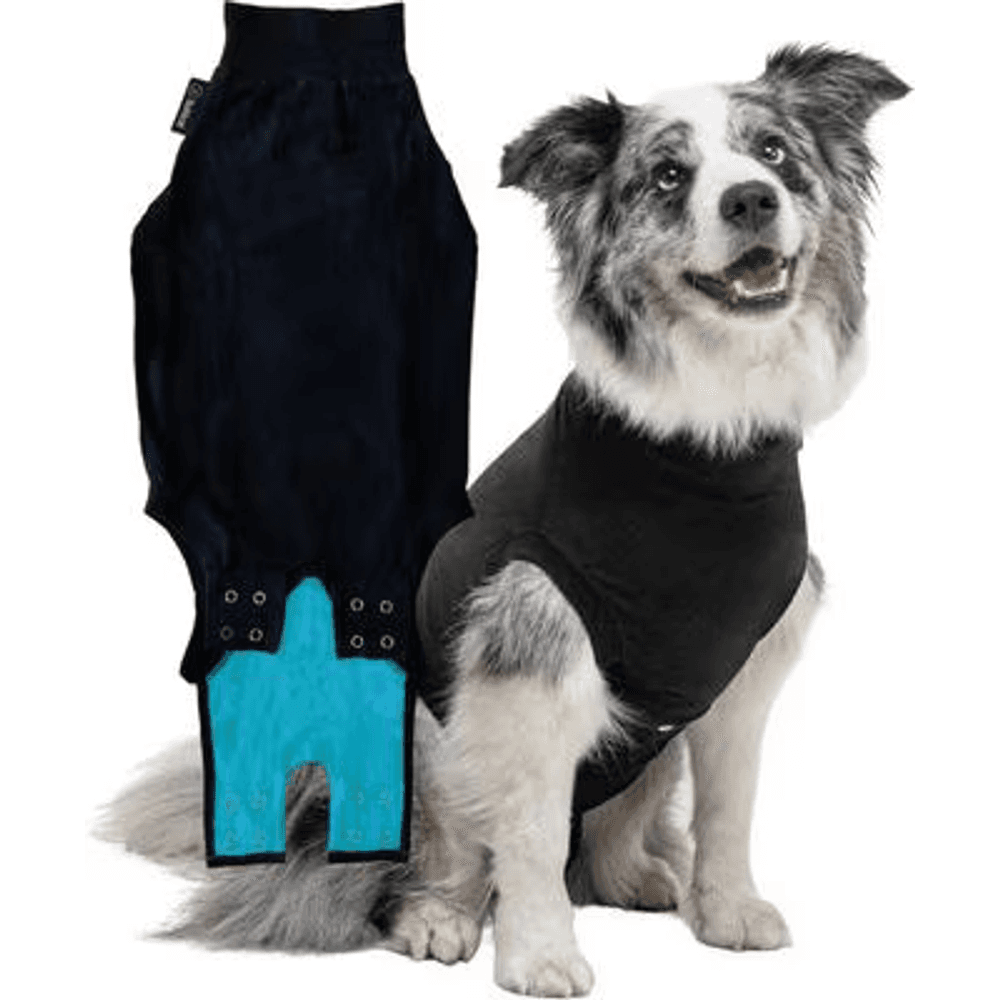
A breathable full-body recovery suit that covers a spay or abdominal incision, the vet-recommended cone alternative that lets a dog rest, walk, and go potty normally without licking or scratching the wound.
Webvet may earn a commission when you click through to Chewy, at no extra cost to you.

Stage 1: Impaction
The sac is overfull but not yet infected. Secretions turn thick and pasty instead of thin and watery. Your dog scoots and licks but otherwise feels fine, eats normally, and shows no swelling. This stage is uncomfortable, not an emergency, and a simple expression usually resolves it.
Impaction can develop over days or weeks. The fluid inside gradually loses water and turns from thin and pourable to a paste with the texture of toothpaste, then to something nearly solid.
The thicker it gets, the harder it is to express and the more likely the duct stays blocked afterward, which is why early treatment matters.
Stage 2: Infection (anal sacculitis)
Bacteria multiply in the trapped fluid. The area becomes tender and slightly swollen, the expressed material may look yellowish or blood-tinged, and licking intensifies. Infection needs a vet visit within a day or two: the gland is usually expressed, flushed, and treated with antibiotics or anti-inflammatories.
Infection is easy to miss because from the outside it can look like a stubborn impaction. The tell is pain out of proportion to fullness: a dog that suddenly will not tolerate having its rear touched, or cries during a bowel movement, has likely moved past simple impaction.
This is also the stage where finishing the medication matters most. Antibiotics stopped early leave surviving bacteria in a warm, sealed pocket, which is the exact recipe for the abscess the treatment was preventing. Give the full course even when the symptoms disappear in two days.
Stage 3: Abscess
Pus builds inside the sac and forms a hot, painful, reddish-purple swelling beside the anus. Dogs often stop scooting at this stage because the area hurts too much to touch. Many run a fever, act lethargic, or refuse to sit. An abscess is urgent: see a vet the same day.
An abscess forms because pus has nowhere to drain: the duct is sealed, pressure builds, and the infection tunnels toward the skin, the path of least resistance. That is also why abscesses rupture outward beside the anus rather than into the rectum.
Prompt lancing by a vet relieves the pressure in a controlled way before the tissue tears on its own.
Stage 4: Rupture
If the abscess bursts, you will see a draining wound next to the anus leaking blood and pus.
It looks alarming, and while the pressure release often makes the dog feel slightly better, the open wound is contaminated and will not heal properly without veterinary cleaning, antibiotics, and pain control. A ruptured anal gland is a same-day vet problem, not a home-treatment project.
Searches for home treatment of a ruptured anal gland abscess spike for a reason: the wound looks like something you could clean yourself. You cannot. The visible hole is the exit of a deeper infected tract that must be flushed and treated with antibiotics, or it will wall off and abscess again within weeks.
While you wait for the appointment, keep the dog from licking the wound and let it drain; do not bandage it tightly, flush it with hydrogen peroxide, or apply human antibiotic ointment. Your vet needs to see the wound as it is, and peroxide damages the tissue that has to heal.
| Severity stage | What you see | Urgency | Typical US cost range |
|---|---|---|---|
| Impaction | Scooting, licking, fishy smell, full glands | Vet within a week | $20 to $50 for expression, plus exam fee |
| Infection | Tenderness, mild swelling, discolored discharge | Vet within 1 to 2 days | $100 to $350 (exam, expression, flush, medication) |
| Abscess | Hot, painful swelling beside the anus; lethargy, fever | Same-day vet visit | $200 to $600 (lancing, flushing, antibiotics, pain relief) |
| Rupture | Open draining wound leaking blood and pus | Same-day vet visit | $300 to $800+, more if sedation or repeat visits are needed |
Costs vary by region and clinic; emergency hospitals run higher than daytime practices. The pattern to remember is simple: every stage you wait roughly doubles the bill and the discomfort.
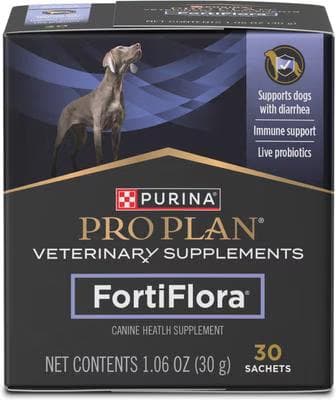
The #1 vet-recommended probiotic for dogs. Daily powder sachets with live probiotics support healthy digestion and firmer stools, and can help dogs coping with diarrhea or GI upset.
Webvet may earn a commission when you click through to Chewy, at no extra cost to you.
Progression speed varies widely. Some dogs sit at the impaction stage for weeks; others go from mild scooting to a draining abscess in a few days, particularly small breeds with narrow ducts. Because you cannot predict which path your dog will take, treat persistent signs as a this-week appointment rather than a wait-and-see situation.
A typical trajectory looks like this: a Cocker Spaniel starts scooting on a Tuesday after a week of slightly soft stool. By Friday she is licking under her tail between naps and the couch smells fishy. That is the impaction window, and a $50 expression visit ends the story.
Skip that visit, and the same dog may be flinching from touch by the following week as infection sets in. A week after that, a hot swelling appears and bursts overnight, and the owner is at an emergency hospital paying ten times the expression fee.
The stages are the same in every case; only the calendar changes.
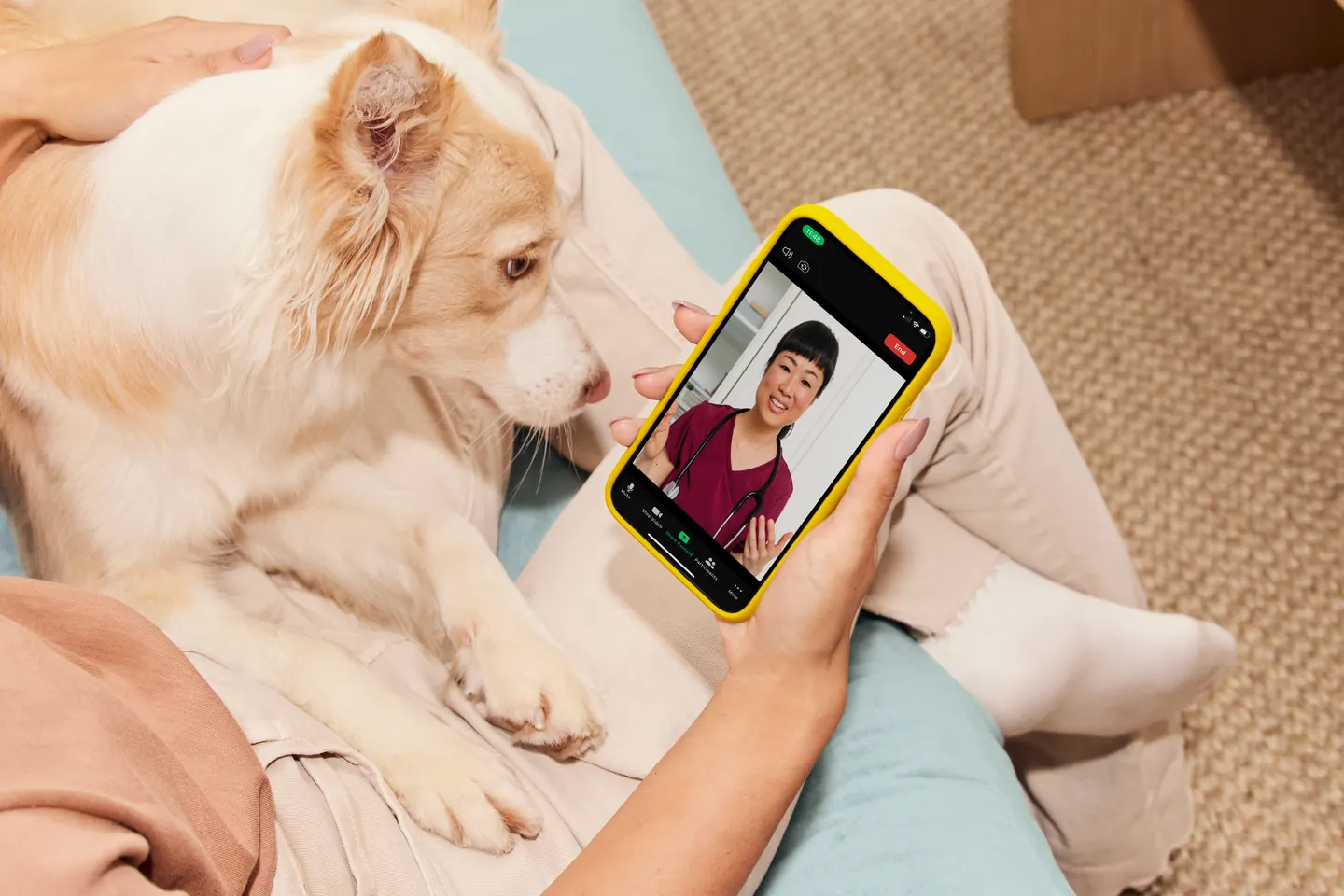 Sponsored
Vet care that's always there
Unlimited video calls and messaging with licensed vets for less than a typical vet visit. One membership covers up to five pets.
Use code Pets30
Plans start at $11/month · covers up to 5 pets
- Licensed vets in most states
- Rx for 150+ conditions
- 4.7 on Trustpilot
How vets treat impacted anal glands
Vets treat impacted glands in dogs with manual expression: a gloved, lubricated rectal exam that empties each sac from the inside in under a minute. If infection is present, the vet may also flush the sac and prescribe antibiotics or anti-inflammatory pain medication. Abscesses are lanced, drained, and flushed, sometimes under sedation.

Expect the visit to start with a rectal exam. The vet confirms both sacs are affected, checks the material's color and consistency, and feels for heat, thickening, or masses. Internal expression at the clinic empties the sac more completely than the external squeeze technique groomers use, which matters when the material is thick and pasty.
For a straightforward impaction the whole appointment runs 15 to 20 minutes, and the expression itself under a minute per sac. Most dogs object briefly to the pressure, get a treat, and forget about it by the parking lot. Sedation is reserved for dogs in real pain or with abscesses that need lancing.
Questions to ask before you leave
Before you leave, ask two questions: how full were the glands, and what did the material look like? The answers tell you whether this was a one-off or the start of a pattern, and they give you a baseline to compare against if the signs return in a month.
After a simple expression, expect a day or so of mild irritation, then normal behavior. Signs that return within a week or two mean the sac did not stay empty, and that pattern, not any single episode, is what tells your vet the case is becoming chronic.
When surgery enters the picture
VCA Animal Hospitals' explainer on anal sac disease in dogs notes that recurrent cases may need the sacs flushed and packed with medication, and that dogs with repeated abscesses are occasionally candidates for surgical removal of the sacs (anal sacculectomy).
Surgery is a last resort reserved for chronic disease, typically running $750 to $3,000 depending on the surgeon and region.
How vets diagnose the stage
Diagnosis is mostly hands-on. A rectal exam tells the vet whether the sacs are full, thickened, painful, or scarred, and the expressed material's appearance separates impaction (thick, brown, pasty) from infection (yellow-green, bloody, or foul beyond the usual).
For recurrent or stubborn cases, the vet may examine cells from the fluid under a microscope or send a sample for culture to pick the right antibiotic.
The exam also rules out look-alikes. Perianal tumors, anal sac adenocarcinoma, and perianal fistulas can all mimic gland disease, which is one more reason a first-time swelling deserves a professional look rather than a home squeeze. Very painful dogs may need sedation for a thorough exam.
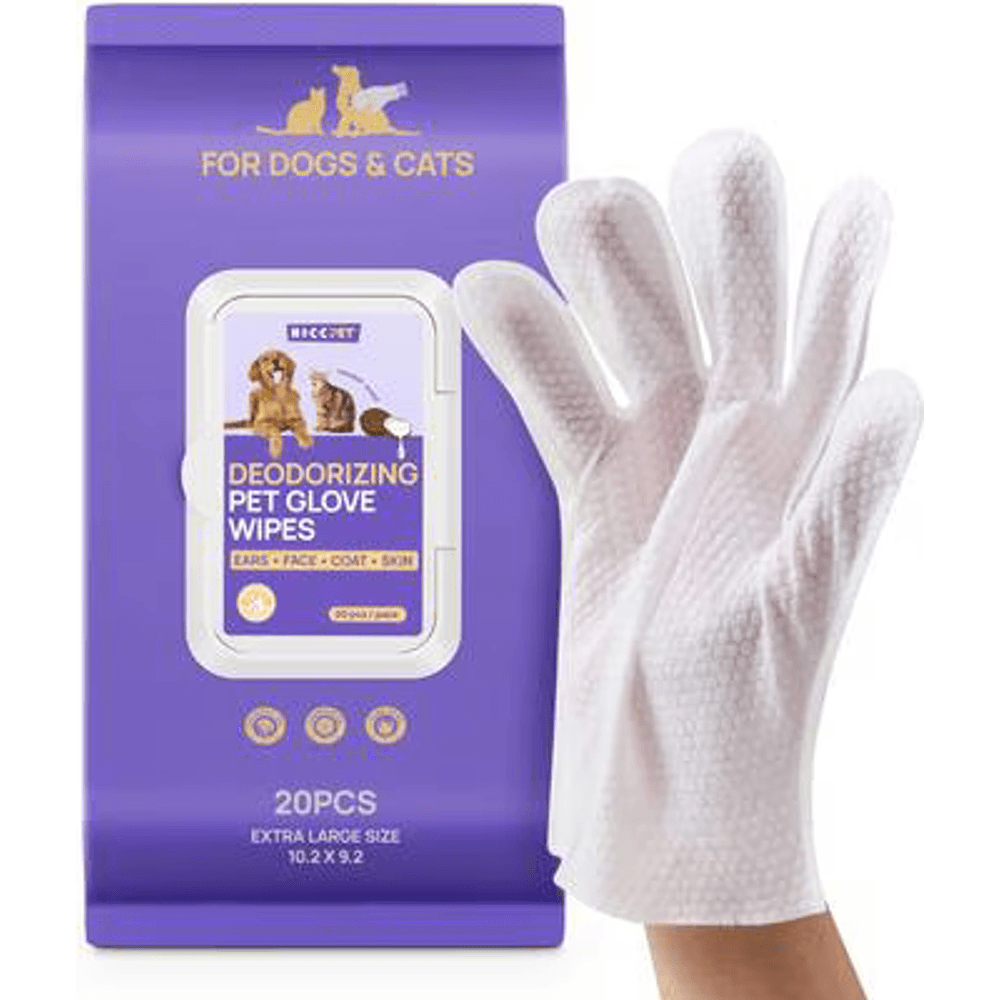
Wearable glove wipes that let you freshen and wipe down a dog's or cat's coat and skin without a full bath, while a fabric layer stays between your hand and the pet.
Webvet may earn a commission when you click through to Chewy, at no extra cost to you.
What treatment costs at each level
- Expression alone typically costs $20 to $50, plus a $50 to $150 exam fee if it is a full visit
- Infection care (expression, flush, antibiotics, pain medication) commonly lands between $100 and $350
- Abscess treatment cost usually runs $200 to $600; add more for sedation or after-hours care
- Ruptured abscesses often need repeat rechecks and bandage or wound care, pushing totals to $300 to $800 or beyond
- Anal sacculectomy for chronic disease: roughly $750 to $3,000
Two levers move these numbers. Location matters: big-city and coastal clinics sit at the top of each range, rural practices near the bottom. Timing matters more: the same abscess costs two to three times as much at an after-hours emergency hospital as it does at your regular vet on a weekday morning.
If the estimate strains your budget, say so in the room. Many clinics can stage treatment, offer payment plans, or prioritize the medically essential items on the invoice. What no vet can discount is a rupture that was preventable a week earlier.
Abscess aftercare at home
After the vet lances or cleans an abscess, your job is to protect the site while it drains and heals. Give every dose of antibiotics and pain medication on schedule, apply warm compresses only if your vet directs it, and keep your dog from licking the wound.
A cone works for lick prevention, though many dogs tolerate a soft recovery suit better for a rear-end wound since it covers the area without blocking peripheral vision. Expect a recheck in 3 to 7 days so the vet can confirm the site is closing from the inside out.
Feed normally during recovery unless your vet says otherwise, and consider adding the fiber now rather than after healing. A firm stool that passes easily is doing double duty: it avoids straining at the wound site and starts the prevention work on the remaining healthy gland.
Watching for complications
Watch the wound daily. Mild oozing for the first day or two is normal; spreading redness, fresh swelling, a bad smell, or a dog that stops eating means the infection is not controlled and needs a recheck sooner. Keep bowel movements soft and regular during healing, since straining pulls on the surgical site.
Plan for restricted activity while the site closes: leash walks only, no dog park wrestling, and no swimming or baths until the vet clears them. Water softens healing tissue and carries bacteria straight to an open wound, undoing a week of progress in one lake trip.
Should you express the glands yourself?
For a healthy dog with simple recurrent fullness, gentle external expression at home is possible once your vet confirms there is no infection and shows you the technique. Our step-by-step guide to how to express dog anal glands covers the supplies, the 4 and 8 o'clock positioning, and the hard-stop rules.
Skip DIY entirely if the area is swollen, hot, painful, or bleeding: those are infection and abscess signs, and expression at that point makes things worse.
Preventing anal gland impaction
Prevention comes down to stool quality, body weight, and a sensible recheck schedule. Firm, bulky stool presses against the sacs during each bowel movement and empties them naturally; chronically soft stool is the single biggest driver of repeat impaction.
Think of prevention as a 3-month project, not a one-time fix. Diet changes take several weeks to show up in stool quality, and a dog with a stretched, irritated sac needs a few normal cycles before the gland settles down.
Track episodes on a calendar so you and your vet can see whether the interval between impactions is lengthening.
Monitoring at home
The cheapest monitoring tool you own is the poop bag. Formed stool you can pick up cleanly is doing gland maintenance for free; stool that smears or collapses is not. A week of soft pickups is your early warning to adjust the diet before the scooting starts.
For dogs whose gland trouble rides along with itchy skin or ear infections, ask your vet about a food allergy diet trial. Chronic allergic inflammation keeps the duct lining swollen, and in those dogs no amount of pumpkin fixes the glands until the allergy is managed.
- Add fiber: a spoonful of plain canned pumpkin (not pie filling) with meals firms and bulks stool for many dogs
- Support gut health: a veterinary probiotic powder such as FortiFlora can help dogs with chronically inconsistent stool
- Keep weight down: overweight dogs have weaker muscle tone around the sacs and impaction rates climb with body condition score
- Treat diarrhea promptly: every soft-stool week is a week the glands are not emptying
- Set a recheck rhythm: dogs with two or more impactions a year benefit from scheduled expressions every 4 to 8 weeks
The fiber lever works mechanically, not magically. Insoluble fiber adds bulk, and a bulkier stool presses harder against both sacs on the way out, squeezing them the way nature intended. Start with one to four teaspoons of plain canned pumpkin per meal depending on your dog's size, and give it two to three weeks.
Weight loss earns its place on the list for a similar mechanical reason. Fat deposits around the anus cushion the sacs away from the pressure of passing stool, so even firm stool empties them poorly in an overweight dog. Slimming the rear end restores the geometry.
Owners often ask about the best dog food for anal gland issues; there is no magic brand, just food that reliably firms the stool. For the full cause-and-prevention picture, see our complete guide to dog anal glands.
Tracking whether prevention is working
If your dog is on a scheduled expression plan, keep it with one provider, vet or groomer, so someone is tracking how full the glands actually are at each visit.
Fullness that shrinks over time means the diet changes are working and the schedule can stretch out; fullness that holds steady means the root cause has not been fixed yet.
Diet and digestion do most of the preventive work here. Our guide to gut health for dogs covers fiber, probiotics, and stool quality in depth, and if soft stool is the recurring problem, start with the common causes of dog diarrhea to fix the root issue rather than expressing glands forever.
Dogs with allergies or chronic skin disease deserve a workup too, since inflamed skin around the anus thickens the duct lining and narrows the exit. Managing the allergy is often what finally ends a run of impactions.
FAQ: impacted anal glands in dogs
Frequently Asked Questions
Can impacted anal glands clear up on their own?
Occasionally a mild impaction resolves if stool firms up and empties the sac naturally, but once secretions turn thick and pasty, the duct rarely unclogs without help. If scooting and licking persist beyond a day or two, book an expression rather than waiting for infection to develop.
Are some dogs more prone to impacted anal glands?
Yes. Small breeds such as Chihuahuas, Toy Poodles, and Cocker Spaniels are overrepresented, and overweight dogs of any breed have higher rates. Dogs with chronic soft stool, food allergies, or skin disease also see more repeat impactions.
How long does recovery take after an anal gland abscess?
Most lanced or ruptured abscesses close within 1 to 2 weeks with antibiotics, pain control, and protection from licking. Your vet will usually recheck the site within a week to confirm it is healing from the inside out rather than sealing over trapped infection.
Is an impacted anal gland an emergency?
A simple impaction is not an emergency; a routine appointment within the week is fine. It becomes urgent when swelling, heat, severe pain, fever, or an open draining wound appears. Those signs mean abscess or rupture and warrant a same-day visit.
Why does my dog constantly smell like fish?
A persistent fishy odor usually means anal gland fluid is leaking onto the fur because the sacs are overfull, or the dog is releasing small amounts when startled or relaxed. Occasional leakage is normal; a constant smell suggests glands that are not emptying and deserve an exam.
Does pet insurance cover anal gland treatment?
Accident-and-illness policies generally cover infections, abscesses, and surgery as illness claims, subject to your deductible, though routine expressions are usually excluded unless you carry a wellness add-on. Pre-existing condition rules apply, so a dog with documented gland disease before enrollment may not be covered for it. Check your specific policy language.

Editor
The Webvet Editorial Team is the in-house group of pet-care editors and writers behind Webvet, operated by Smart Pet Collective. The team researches, writes, and maintains Webvet's pet health, behavior, and medication content. Every article follows a defined editorial process: research from reputable veterinary and scientific sources, careful drafting, mandatory review of medical content by a credentialed veterinarian, and dated publication. Health and medication articles are medically reviewed by a licensed veterinary professional before they go live and are kept current over time.
Veterinarian · BVMS MRCVS
Dr. Pippa Elliott, BVMS, MRCVS, is a veterinarian with nearly 30 years of experience in companion animal practice. Dr. Elliott earned her Bachelor of Veterinary Medicine and Surgery from the University of Glasgow. She was also designated a Member of the Royal College of Veterinary Surgeons. Married with 2 grown-up kids, Dr. Elliott has a naughty Puggle named Poggle, 3 cats and a bearded dragon.
Related reading

Cat Cremation Cost: Private, Communal, and Additional Charges

Cat Euthanasia Cost: Clinic, At-Home Care, and Aftercare

Dog Microchip Cost: Implantation, Registration, and Ongoing Fees
