Why Do Cats Purr? What It Means and When to Worry
Cats purr during relaxed contact, nursing, requests, stress, and pain. Learn how the sound works, how context changes its meaning, and when to call a veterinarian.

This article contains affiliate links. Webvet may earn a commission when you buy through them, at no extra cost to you.
Why do cats purr? A purr is a context-dependent signal that can accompany relaxed contact, nursing, requests, stress, or pain. The sound alone does not prove that a cat is happy. Its meaning changes with posture, surroundings, routine, behavior, and the cat's baseline. No single sound can identify one emotion or rule out illness.
For the wider comparison, see cat sounds and their meanings.
Most familiar purring is part of an ordinary, comfortable interaction. An unusual increase, a new sound, withdrawal, appetite loss, weakness, or breathing difficulty changes the decision. In those cases, the safest response is to look beyond the purr and contact a veterinarian when other signs are present.
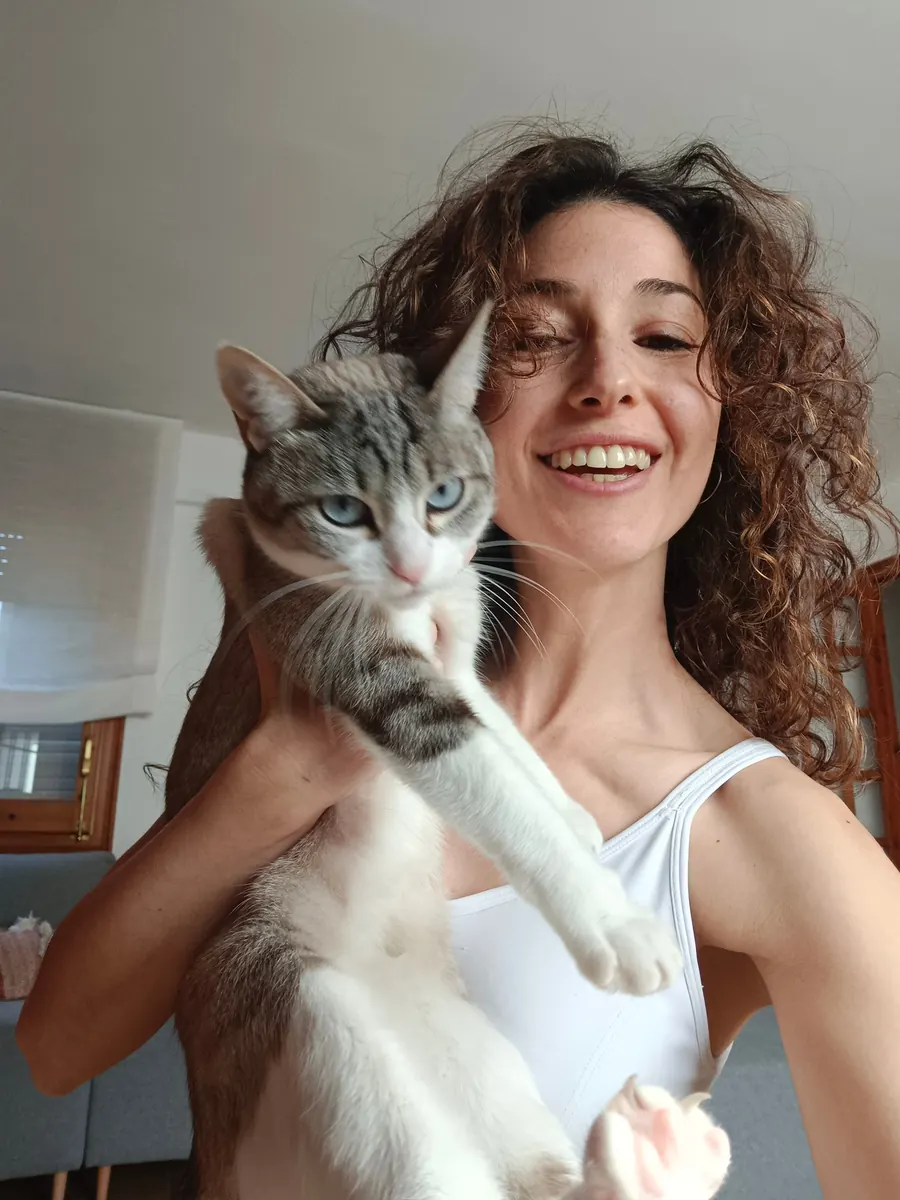
 Sponsored
Want a vet's help with your cat's anxiety or behavior?
Talk to a licensed vet at Dutch over video, often the same day. They can recommend treatment and prescribe it when it's appropriate.
Use code Pets60
Plans start at $12/month · covers up to 5 pets
- Licensed vets in most states
- Rx for 150+ conditions
- 4.7 on Trustpilot
What a Cat's Purr Means in Context
When a cat purrs on you, it often means the cat is comfortable with the contact or wants the interaction to continue. It can also be a request for attention or food. The useful answer comes from the whole scene, because purring is not a single-emotion signal.
The context table compares relaxed, requesting, stressed, and pain-associated purring without diagnosing from sound alone. Purring is not a single-emotion signal, so context and behavior change meaning in every case. Start with the cat's posture, setting, routine, and recent behavior, then decide whether the sound fits that individual's familiar pattern.
Why do cats purr? Common reasons include comfortable contact, a learned request, nursing, drowsy sleep, stress, or pain. What does it mean when a cat purrs on you? A loose body and familiar routine support comfort, while withdrawal or a new health change calls for closer attention.
Purring during relaxed contact is common, and broader bonding signs are explained in the linked affection guide.
| Purring context | Body and routine clues | Likely interpretation | Safest next action |
|---|---|---|---|
| Relaxed purr | Loose posture, soft face, familiar resting place, normal routine | Comfortable social contact or rest | Continue gently if the cat stays engaged |
| Requesting purr | Approaches at a usual food or attention time and checks the person's response | A food or attention cue, learned request, or greeting | Check the routine need without assuming distress |
| Stress-related purr | Tense or withdrawn posture, hiding, unfamiliar setting, reduced engagement | Possible self-soothing or uncertainty | Reduce pressure, offer space, and observe for other changes |
| Possible pain purr | Behavior change from baseline, appetite or activity loss, injury, weakness, or breathing trouble | Discomfort or illness may be present | Call a veterinarian; breathing trouble needs urgent care |
- 1A purr is not a single-emotion signal.
- 2Read context and accompanying behavior, including posture, location, routine, and recent changes.
- 3A normal routine supports a relaxed interpretation.
- 4Hiding, appetite or activity change, weakness, injury, or breathing trouble raises concern.
Start with the cat's baseline
One cat may purr loudly whenever someone enters the room. Another may purr so quietly that it is easier to feel the vibration than hear it. Some cats rarely purr. Those differences can all be normal when eating, activity, breathing, grooming, and social behavior remain typical for that individual.
Baseline matters more than a universal definition. Ask whether the sound, frequency, setting, or accompanying behavior is new. A cat that has always purred during sleep presents a different question from a quiet cat that suddenly begins purring continuously while hiding.
We do not know every reason one cat purrs more than another, so use the individual pattern instead of a universal rule.

360-degree Wi-Fi pet camera so you can watch your cat's resting breathing rate and behavior from your phone and catch worrying changes early.
Webvet may earn a commission when you click through to Chewy, at no extra cost to you.
Individual patterns can vary widely
Some cats purr at other cats or for long periods, while others rarely purr. A motor-like sound can be normal for that individual. House cats, kittens, and feral cats may purr, and familiar morning routines or close contact can make frequent purring easier to notice.
Look at what happened just before the purr
Context often narrows the possibilities. Gentle petting, settling into a favorite place, nursing, greeting a familiar person, and waiting near a food area are different situations. The same vibration may support contact in one moment and help a tense cat cope in another.
The NC State University College of Veterinary Medicine notes that cats may purr during positive contact, drowsy sleep, nursing, and pain. That range is why interpretation should begin with observation rather than a fixed translation.
VCA Animal Hospitals likewise cautions that purring does not always mean happiness. VCA advises veterinary assessment when an unusual increase in purring appears with behavior changes.
Purring is only one relationship clue
Purring can be one sign of a friendly relationship, but it cannot prove that a cat is bonded with a person. Purring during relaxed contact is only one clue. Broader bonding signs are explained in that affection guide through patterns of proximity, touch, play, and relaxed behavior across familiar routines.
How Cats Make the Purring Sound
Cats purr during inhalation and exhalation, while larynx evidence leaves living-cat control partly unresolved. The traditional neural-muscle model and the 2023 excised-larynx evidence leave living-cat control scientifically uncertain. The study shows what feline vocal-fold tissue can do without neural input, but not exactly how an awake cat starts or changes a purr.

Airflow and the larynx create the continuous effect
Unlike a meow, a purr can continue across the in-breath and out-breath. That alternating airflow helps explain why the sound seems almost unbroken. The vibration can travel through the chest and body, so an owner may feel a quiet purr through contact even when it is hard to hear.
The older explanation emphasized rapid, repeated activation of laryngeal muscles by the nervous system. That model may describe part of what happens in a living cat, but newer laboratory evidence shows that feline laryngeal tissue can also enter a purr-like oscillation without repeated neural instructions.
The 2023 study changed the certainty, not the basic anatomy
The Current Biology study indexed by PubMed showed that special tissue within the vocal folds can support self-sustained laryngeal oscillation. Because the work used excised larynges, it answers what the tissue can do under laboratory conditions, not every detail of how an awake cat begins or modifies a purr.
This distinction matters. It is reasonable to say that the larynx and airflow produce the sound. It is too certain to claim that science has fully settled whether every purr is voluntary, involuntary, or actively controlled from moment to moment.
Why purring evolved is still under scientific study. Biologically, airflow makes feline vocal folds vibrate, while tissue properties help the oscillation continue. Evolution may have favored purring for maternal contact or other communication, but scientists cannot command a cat to reveal intent. Some parts may be involuntary even when the situation is repeatable.
Where the purr comes from
Where does a cat's purr come from? It comes from airflow interacting with structures in the larynx. Why did cats evolve to purr? Researchers cannot answer that question with certainty, but early maternal contact and repeatable social contexts suggest communication was important. Science does not yet show how each cat controls the process.
Compare coverage choices for your pet, then request a quote directly on Lemonade.
- Check a price for your pet
- Review available coverage choices
- See the terms before you decide
Eligibility, waiting periods, limits and exclusions apply.
Webvet may earn a commission when you click through to Lemonade, at no extra cost to you.
Can a cat choose to purr?
Cats clearly purr in repeatable social situations, and many respond to familiar people or routines. That pattern does not establish conscious control in the human sense. A cat may influence when purring begins while the laryngeal tissue sustains part of the vibration automatically. Current evidence does not cleanly divide those roles.
Why Cats Purr in Normal Situations
Common normal contexts include relaxed contact, nursing, greeting, food requests, and drowsy sleep. The key signs are a loose posture and familiar routine. A cat that eats, moves, rests, breathes, and interacts as usual is more likely showing an ordinary pattern. Easy breathing and normal activity make the context more reassuring.

Petting, cuddling, and sitting on people
Why do cats purr when you pet them? Gentle touch can be part of a relaxed social exchange, especially when the cat leans in, stays nearby, and keeps a loose body. Purring while lying on a lap, chest, shoulder, or beside a person can serve the same contact-maintaining role.
Let the cat control the interaction. Pause occasionally and see whether the cat moves closer, remains loose, or turns away. A purr paired with avoidance, skin twitching, a lashing tail, or a bite should not be treated as permission to continue touching.
Sleep, night, and quiet resting places
Cats may purr while falling asleep or during drowsy rest. At night, a quiet room and close contact can make the vibration seem louder than it does during the day. A sleeping purr is usually reassuring when breathing is easy and the cat wakes, moves, eats, and behaves normally.
A purr that appears out of nowhere is not automatically a warning. First check whether the cat has moved into a familiar routine, noticed a person, anticipated food, or settled down. Then compare that event with the cat's usual pattern instead of judging one sound in isolation.
Food, greetings, and learned requests
Some cats approach a person and purr around a regular meal, on waking, or when someone comes home. The cat may have learned that the sound reliably earns attention. Purring and meowing, trilling, or chirping together can be part of that individual communication style.
Meet the reasonable need, but notice whether the request is new or excessive. A sudden change in hunger, vocal behavior, or attention seeking deserves a closer look at appetite, weight, activity, and overall health rather than an assumption that the cat is simply being affectionate.
Loud, constant, quiet, or absent purring
Purr volume varies among cats and can change with position, contact, and the surrounding room. Loudness alone does not identify happiness or pain. A cat that purrs all the time may simply use the signal often, while another healthy cat may purr rarely or too softly to hear.
Other ordinary purring moments
Some cats purr very loudly, much more quietly, constantly, continuously, or only sometimes. A different sound does not mean illness by itself, and a cat that will not stop may still be following a routine. Compare a new intensity or frequency with breathing, appetite, activity, posture, and the usual baseline.
A cat may purr when petted or stroked, when you pick her up, or while you hold, cuddle, rub, or talk to her. Humans can miss early tension during friendly contact, so pause before the cat pulls away or bites. Purring does not always mean the cat wants more touch.
Purring can occur when a cat is hungry, before eating, while they eat, after you feed them, during play or while playing, or on waking. A cat may chirp or meow, jump up, sit near you, lay next to you, or purr while laying on your stomach as part of a familiar routine.
SponsoredVet care that's always there
Unlimited video calls and messaging with licensed vets for less than a typical vet visit. One membership covers up to five pets.
Use code Pets60
Plans start at $12/month · covers up to 5 pets
- Licensed vets in most states
- Rx for 150+ conditions
- 4.7 on Trustpilot
How Purring Starts in Kittens
Very young kittens purr during nursing and close contact with their mother. In that setting, purring is part of maternal communication before a kitten has the full vocal and social repertoire of an adult. A mother cat may also purr while nursing the litter.
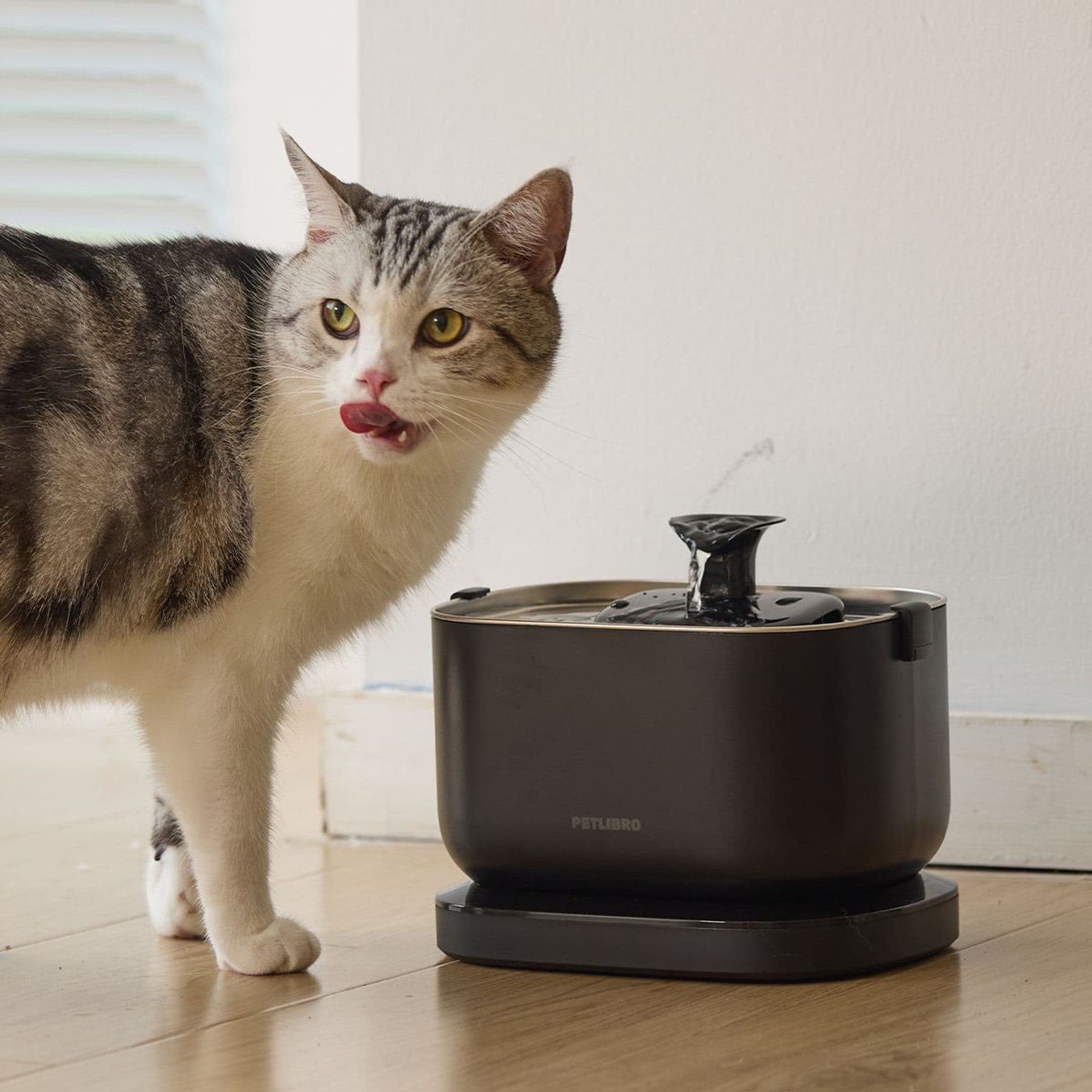
Webvet may earn a commission when you click through to Chewy, at no extra cost to you.
There is no single volume or schedule for every kitten
Owners often ask when kittens start purring. The useful answer is that purring begins in early kittenhood, including nursing interactions, but there is no reason to expect every newborn to be equally audible. Small body size, position, sleep, and individual variation can make a kitten's purr difficult to hear.
There is no exact age or volume that every kitten follows. Kittens can purr during breastfeeding, sleeping, playing, or meowing near their mother. Maternal communication begins early, but one kitten may purr more or louder than another. A quiet newborn is not automatically abnormal when nursing, warmth, movement, and growth remain appropriate.
As kittens grow, purring may continue during:
- Play and exploration
- Sleep and quiet rest
- Feeding and anticipation
- Relaxed contact with people
Frequent or loud purring can be normal when the kitten is active, eating, gaining strength, and breathing comfortably. Purring does not cancel out weakness, poor appetite, isolation, or another concerning change.
When Purring Can Signal Pain or Stress
Cats can purr when they are sick, injured, frightened, stressed, or in pain. Purring does not diagnose a problem, and a sick cat may not purr at all. The practical question is whether the sound appears with a new behavior change, physical problem, or loss of normal function.
A high-pitched, unusual, or louder-than-normal purr is not diagnostic by itself. Observe the cat's posture, appetite, activity, breathing, and willingness to interact. Call a veterinarian when the new sound accompanies withdrawal, weakness, appetite loss, pain, or another clear change from baseline.
A cat that purrs but tries to get away needs space. Do not treat the sound as permission to continue handling when the cat withdraws, stiffens, or resists contact.
Owners should observe posture and routine, call for new health changes, and treat breathing trouble as urgent. Cats may purr when sick or hurt, and a cat purring in pain may also hide, stop eating, move less, or resist touch. New health changes need veterinary advice, and breathing trouble needs urgent care.
Do cats purr to self-soothe? They may purr during stress or pain, but the sound cannot tell whether self-soothing is occurring. Should you be worried if your cat does not purr? Some healthy cats purr rarely. A new loss of purring with appetite, activity, posture, or breathing changes warrants veterinary advice.

Check the whole pattern, not the vibration
The American Animal Hospital Association explains that behavior change may be the only visible sign of pain in a cat. That makes a change from baseline more useful than purring by itself.

Webvet may earn a commission when you click through to Chewy, at no extra cost to you.
Look for accompanying changes such as:
- Hiding or withdrawing from normal contact
- Reduced appetite or a change in eating
- Less activity, reluctance to jump, or weakness
- A tense, hunched, guarded, or unusual resting posture
- Less grooming or a noticeable routine change
- An injury, recent procedure, or painful area
- Open-mouth, difficult, or visibly labored breathing
VCA Animal Hospitals distinguishes relaxed purring in a familiar resting place from purring while isolated with other behavior changes. That comparison does not diagnose the cause, but it gives an owner a safer way to decide whether observation is enough.
When to call the veterinarian
Contact a veterinarian when purring is new or markedly different and occurs with appetite loss, reduced activity, hiding, weakness, injury, vomiting, a painful posture, or another health change. An unusual increase matters more when it arrives with a clear break from the cat's routine.
Seek urgent veterinary care for purring with open-mouth breathing, obvious breathing effort, collapse, or severe weakness. Do not use the vibration as reassurance while breathing is abnormal. WebVet's guide to labored breathing in cats explains the respiratory warning signs in depth.
Stress may also change purring without causing a medical emergency. Give the cat space, reduce handling, and observe whether the cat returns to its routine. For persistent fear, hiding, or environmental triggers, WebVet's guide to signs and causes of cat anxiety covers that broader problem.
When Purring Comes With Other Behaviors
Purring can happen beside kneading, licking, biting, rapid breathing, tail movement, or staring. Those combinations do not create one new universal message. Interpret the purr here, then use the relevant behavior guide to understand the second signal.
What the Purr Means for the Cat, Not Human Health Claims
Claims about healing frequencies, bone effects, or what a cat's purr does to humans are separate from the cat-side meaning covered here. A measured frequency cannot show whether one cat is comfortable or sick. WebVet's Power of Cats article examines the evidence and limits around what cat companionship may do for people.
Questions such as whether cat purrs are good for you, whether cats' purring can heal bones, and the benefits of cat purring belong with that human-health evidence. This article stays with what the purr means for the cat and does not treat a claimed healing frequency as a diagnosis.
Scholarly articles about the effect of cat purring on humans, studies of hertz or healing properties, and claims about cats purring on a pregnant belly require separate evidence. The linked article addresses those proposed powers and benefits without assuming that a cat lying on a person's chest can heal bone or disease.
When Purring Happens With Kneading
Kneading and purring often appear during settling or close contact, but the paw movement has its own developmental and situational meanings. See why cats knead people and make biscuits instead of treating the purr as a complete explanation for both behaviors.

When a cat kneads a blanket and purrs, moves the paws, or makes biscuits on a person, the purr may accompany settling while kneading supplies the distinct paw action. The linked guide explains why cats knead when they purr and what to do if claws or mounting make the routine uncomfortable.
When Purring Happens With Licking
If your cat seems to keep licking you while purring, or purrs and licks another cat or a blanket, the behavior may involve social contact, grooming, or a repeated routine. The purr does not explain it by itself. WebVet's guide to why cats lick people explains when the behavior deserves closer attention.
Escalating licking, skin damage, or distress warrants a veterinary assessment.
When Purring Happens With Biting
Purring does not make a bite playful or harmless. A cat may remain aroused or conflicted during petting even while purring. Stop contact and give space if the body stiffens or biting begins, then read the guide to why cats bite during petting.
A cat may purr and then bite, bite while purring, or bite a blanket during an aroused routine. Those combinations do not prove affection or aggression from the purr alone. The biting guide explains why cats bite when they purr during petting and which escalation signals mean contact should end.
If a cat purrs and bites you, stop petting and give space. The purr does not cancel the bite, an attempt to leave, skin twitching, ears moving back, or a lashing tail. Read the sequence and use the linked guide before deciding that the cat is playful, angry, or seeking more contact.
When Purring Comes With Breathing Changes
Breathing fast, breathing hard, or purring with the mouth open is not simply a purr-volume question. Watch the chest and abdomen rather than trying to count through the vibration. Difficult or open-mouth breathing needs prompt veterinary attention and belongs with the cat labored-breathing guide.
Do cats breathe fast when purring? The vibration can make counting difficult, but a normal respiratory rate while purring cannot be guessed from sound. If a cat breathes fast when purring, has visible effort, or cannot settle, follow the linked breathing guidance and contact a veterinarian promptly.
Read Purring With the Whole Body
Tail movement, ears held back, dilated pupils, staring, hissing, scratching, and attempts to leave can change the meaning of an interaction. Use WebVet's guide to read your cat's whole body language before assuming that purring overrides a warning signal.
Cats may claw and purr, wag or flick the tail while purring, rub against a person, or hold the ears back while the sound continues. Read the ears, pupils, tail, claws, and distance together. A cat trying to leave needs space even if the cat is still purring.
A cat may also hiss and purr at the same time or purr while scratching a blanket. Those mixed signals are not contradictions that the sound can solve. Hissing, clawing, wagging tails, ears held back, and attempts to leave all change the interaction, so give space and read the whole body.
Frequently Asked Questions
Why do cats purr when you pet them?
Relaxed contact is a common context for cats that purr when you pet them, but posture and routine still matter. A cat may lean into touch and keep behaving normally. Pause if the body stiffens, the tail lashes, skin twitches, or the cat turns away, because purring does not overrule a request for space.
Why does my cat purr all the time?
Purring all the time can be part of one cat's normal communication, so compare the sound with that cat's usual baseline. Frequent purring during greetings, rest, meals, or contact may be ordinary. A new increase paired with hiding, appetite loss, reduced activity, weakness, pain, or breathing changes needs prompt veterinary assessment.
Why do cats purr so loudly?
Cats purr loudly for individual reasons, including natural purr volume, body position, close contact, and a quiet room. Purr volume varies among cats, and volume alone does not identify pain, happiness, or stress. A sudden change matters when it accompanies hiding, appetite loss, reduced activity, weakness, or abnormal breathing.
Can cats control their purr?
Cats may influence when purring begins, but current research does not show exactly how conscious control and self-sustained laryngeal oscillation interact. Laboratory larynges can oscillate without neural input, while living-cat control remains unresolved. The evidence does not prove that every purr is either a conscious choice or an automatic response.
Why did my cat stop purring?
Some cats purr quietly or infrequently, and healthy cats can stop for a time. If your cat stopped purring after usually doing it, check appetite, activity, breathing, posture, social behavior, and stress. Call a veterinarian when the change comes with other signs, especially when the cat also seems painful, weak, or unusually withdrawn.
The Bottom Line
Cats purr in several ordinary and concerning contexts, so the sound is best understood as one clue rather than a complete translation. Start with posture, setting, routine, and the cat's baseline. Relaxed contact and normal behavior support a comfortable interpretation.
When purring changes alongside hiding, appetite or activity loss, weakness, injury, or breathing trouble, contact a veterinarian. The most useful skill is not labeling every purr. It is noticing when the sound fits the cat's normal life and when the larger pattern has changed.
Sources
- NC State University College of Veterinary Medicine: Why Do Cats Purr?
- Current Biology research indexed by PubMed: Domestic Cat Larynges Can Produce Purring Frequencies Without Neural Input
- VCA Animal Hospitals: A Purring Cat Does Not Always Equal a Happy Cat
- American Animal Hospital Association: Recognizing Pain in Cats
- VCA Animal Hospitals: How Pain Affects Behavior in Cats

Editor
The Webvet Editorial Team is the in-house group of pet-care editors and writers behind Webvet, operated by Smart Pet Collective. The team researches, writes, and maintains Webvet's pet health, behavior, and medication content. Every article follows a defined editorial process: research from reputable veterinary and scientific sources, careful drafting, mandatory review of medical content by a credentialed veterinarian, and dated publication. Health and medication articles are medically reviewed by a licensed veterinary professional before they go live and are kept current over time.


