Vet Recommended Dog Dental Chews: Do They Work?
A vet-reviewed, evidence-first guide to vet recommended dog dental chews: what the VOHC seal means, whether chews really reduce plaque and tartar, how to match a chew to your dog, and which products to avoid.

BVMS MRCVS
Medically reviewed by Dr. Pippa Elliott, BVMS MRCVS · Last reviewed

This article contains affiliate links. Webvet may earn a commission when you buy through them, at no extra cost to you.
If you have ever stood in the pet-store dental aisle wondering which bag is worth your money, you are asking the right question. Most packaging promises whiter teeth and fresher breath, but very few products can actually prove it. The phrase vet recommended dog dental chews gets used loosely on marketing copy, yet there is a real, evidence-based standard behind it, and a lot of the shelf does not meet it.
This is a vet-reviewed look at what the science says, not a best-of roundup. We will cover whether vet-recommended dog dental chews genuinely reduce plaque and tartar, what the VOHC seal means, how to pick a safe one for your specific dog, and the chews that can crack a tooth or cause a blockage. The short version: yes, the right chew helps, but it is one tool in a bigger oral-care kit.
This article is part of our dog dental health pillar, which is a good next read once you understand how chews fit into the full picture.
- 1A dental chew earns the "vet recommended" label when it carries the Veterinary Oral Health Council (VOHC) Seal of Acceptance, which means it passed controlled trials showing real plaque or tartar reduction.
- 2Chews help, but they supplement brushing and professional cleanings rather than replace them.
Do Dog Dental Chews Actually Work? What the Evidence Shows

This is the question behind almost every search, including the skeptical "do dog dental chews work reddit" threads. The honest answer is that the right chews do work, but their effect is modest and specific. They reduce the buildup of plaque and tartar on the tooth surfaces the chew actually contacts. They do not reverse existing dental disease or clean below the gumline.
Periodontal disease is the most common clinical condition in adult dogs, and daily home care measurably reduces plaque accumulation, according to the AVMA. A chew that a dog gnaws every day adds friction and, in some products, an enzymatic boost that slows the plaque-to-tartar cycle between professional cleanings.
So are dog dental chews effective? In controlled studies, products that earned acceptance reduced plaque or tartar by meaningful margins versus a dry-food-only control. That is the difference between a chew that "actually works" and one that is just a flavored snack.
The reason dog dental chews that actually work stand out is simple: they were tested. The ones that make vague claims without trial data are the ones that disappoint owners and fuel the "they don't do anything" reviews. How do dog dental chews work? Through two mechanisms we will break down below, but first, the standard that separates proven products from the rest.
The VOHC Seal: The Only Vet-Backed Standard That Matters

If you remember one thing from this article, make it this: look for the VOHC seal. The Veterinary Oral Health Council awards its Seal of Acceptance to dental products that meet pre-set standards for reducing plaque and/or tartar in controlled trials, per the Veterinary Oral Health Council. It is the closest thing to an FDA-style stamp the pet dental world has.
Crucially, VOHC does not test products itself. Manufacturers run trials following the VOHC protocol, submit the data, and the council reviews it. A product earns the seal for plaque control, tartar control, or both. That distinction matters when you read a label.
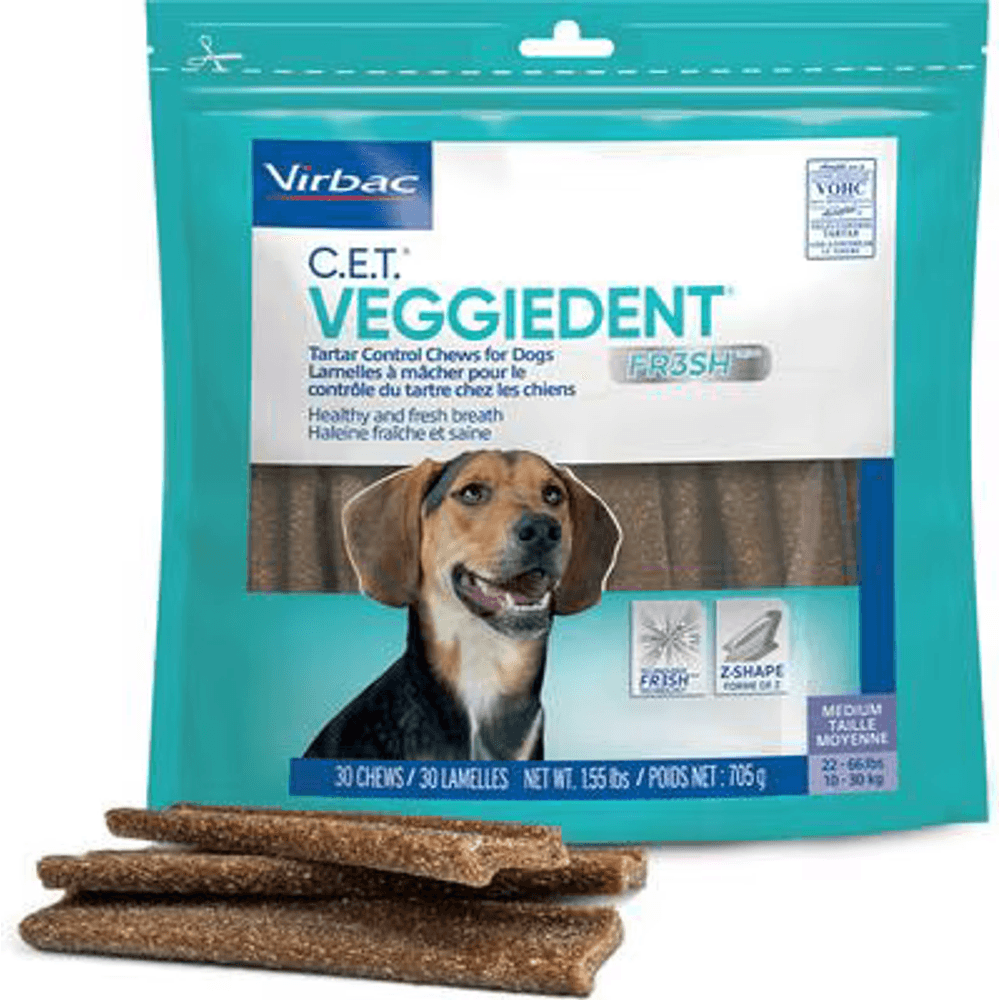
VOHC-accepted dental chews clinically shown to reduce plaque and tartar. The Z-shape and texture clean as your dog chews and freshen breath. A plant-based daily chew for medium dogs.
Webvet may earn a commission when you click through to Chewy, at no extra cost to you.
VOHC approved products for dogs go well beyond chews. The accepted list includes toothpastes, water additives, dental powders, wipes, and prescription dental diets. So "VOHC approved dental products" is a broader universe than just the treat aisle.
| VOHC-accepted category | What it is | Where it fits |
|---|---|---|
| Dental chews & treats | Edible chews tested for plaque/tartar control | Daily mechanical + sometimes enzymatic action |
| Dental diets | Kibble engineered to scrub teeth | Replaces regular food in some dogs |
| Water additives | Liquid added to the bowl | Hands-off daily plaque help |
| Toothpaste & gels | Enzymatic surface coatings | Pairs with brushing |
| Dental powders & wipes | Sprinkled or wiped on | Low-effort adjuncts |
You can search the official accepted list (often called "vohc.org dog" by searchers, and sometimes downloaded as the VOHC approved products PDF) to confirm any product before you buy. If a brand claims to be VOHC approved dental chews but is not on the list, treat that claim with suspicion.
For VOHC-accepted water additives specifically, we cover the evidence and how to use them in our guide to dog dental water additives.
How Dental Chews Reduce Plaque and Tartar (Mechanical vs Enzymatic)

There are two ways a chew fights plaque, and the best products combine them.
Mechanical action is the abrasive, scrubbing effect. As the dog chews, the textured surface scrapes soft plaque off the tooth before it can mineralize into hard tartar. Shape matters here: chews designed to make the dog gnaw, rather than gulp, keep teeth in contact with the surface longer. This is why best dog dental chews for tartar picks tend to be firm-but-flexible and ridged.
Enzymatic and coating action is the chemistry. Some dog dental enzyme chews are coated with ingredients that interfere with plaque bacteria or the mineralization process. You will see enzymatic dog dental chews and dog dental chews with lactoferrin marketed for this. Lactoferrin is a milk-derived protein with antibacterial properties, included in some chews to bolster the chemical side of the equation.
So when someone asks about dog dental chews with enzymes versus a plain textured chew, the better question is which one carries the seal. A product can combine both mechanisms and still need trial data to back its claims for best dog dental chews for plaque control.
Where do chews sit next to brushing? Brushing physically disrupts plaque on every surface, including the gumline, which a chew cannot reach. So dog dental chews vs brushing is not a contest: brushing wins on coverage, chews win on convenience and compliance. We dig into technique in our step-by-step guide to brushing your dog's teeth.
What Vets Look For When Recommending a Dental Chew (and What Counts as Healthiest)

When clients ask for the healthiest dog dental chews, vets are not usually pointing at one brand. They are applying a checklist. Here is what makes a chew a safe dog dental chew worth recommending.
- VOHC seal first. This is the non-negotiable. Everything else is secondary.
- Digestibility. A good chew should break down in the gut. Indigestible chews raise blockage risk.
- Texture that flexes. It should bend or dent under firm pressure, not feel like a rock. Hardness is the leading cause of tooth fractures.
- Calorie load. Many chews are surprisingly calorie-dense. The treat budget rule (treats under 10 percent of daily calories) includes dental chews.
- Ingredient transparency. Clear sourcing and a named protein matter, especially for dogs with sensitivities.
That is what separates healthy dog dental chews from glorified snacks. A chew can be "natural" and still flunk every one of these tests.
- 1The "healthiest" chew is the one that is VOHC-accepted, digestible, flexible enough not to crack a tooth, sized for your dog, and counted into the daily calorie budget.
- 2There is no single best brand for every dog.
For the record, when people ask what are the best dog dental chews, the answer is "the VOHC-accepted one your dog will chew daily, that fits these criteria." That framing keeps you out of marketing traps. The AKC's health guidance echoes the same priorities: VOHC acceptance, appropriate size, and digestibility.
 $65 · no membership
Have a health question about your dog?
A licensed vet can assess your dog over video and prescribe online when it's appropriate.
 Talk to a vet
- Licensed vets
- All 50 states
- same-day Rx
Webvet may earn a commission if you book.
How the Top-Selling Brands Stack Up (Greenies, Virbac, OraVet, Whimzees, Kirkland)
Brand searches dominate this category, so here is an honest editorial benchmark against the VOHC list, not a ranked roundup. The single most useful filter is whether a product carries the seal.
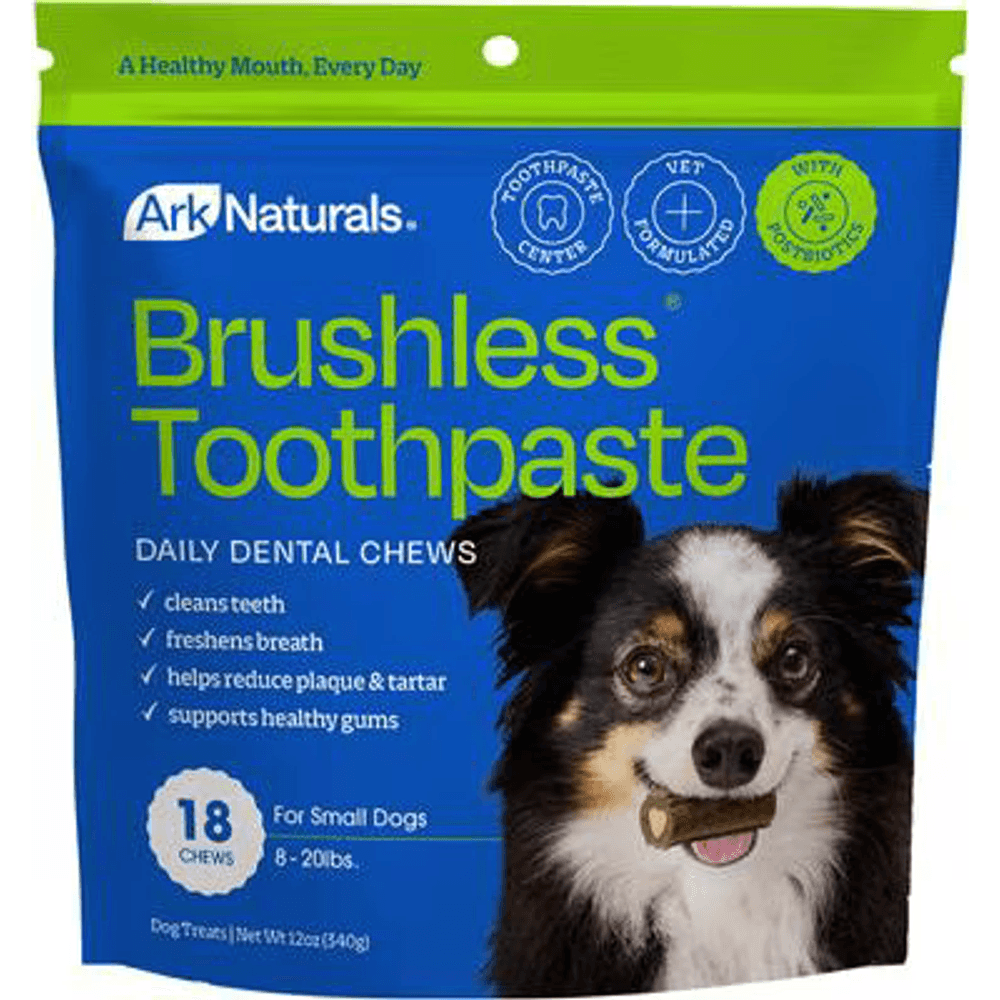
Brushless dental chews for small dogs with a toothpaste center that cleans teeth, reduces plaque and tartar, and freshens breath as they chew. A no-brushing daily option for dogs 8 to 20 pounds.
Webvet may earn a commission when you click through to Chewy, at no extra cost to you.
| Brand line | VOHC seal status | Notes |
|---|---|---|
| Greenies Dental Treats | VOHC-accepted | Among the most-tested; the original Greenies line carries the seal |
| Virbac (C.E.T. VeggieDent, Enzymatic chews) | VOHC-accepted lines | Strong enzymatic + mechanical reputation |
| OraVet Dental Hygiene Chews | VOHC-accepted | Coating designed to reduce bacterial attachment |
| Whimzees | VOHC-accepted lines | Plant-based, often chosen for grain-free needs |
| Kirkland (Costco) | Verify per current list | Value pick; confirm seal on the product you buy |
A few realities worth stating plainly. Greenies dog dental chews are the highest-volume search in this space and the original line is VOHC-accepted, which is why vets often mention them. Virbac dental chews and OraVet dog dental chews are veterinary-channel staples with the enzymatic angle. Whimzees dog dental chews appeal to owners wanting a plant-based option. And the Kirkland dog dental chews vs Greenies question usually comes down to price versus a longer testing track record, so check whether the specific Kirkland product carries the seal.
The takeaway: brand loyalty matters less than the seal. A less-famous VOHC approved dog dental chews product can outperform a household name that skipped testing.
Natural, Homemade, and DIY Dental Chews: Do They Hold Up?
The natural dog dental chews field is enormous and emotionally appealing. Owners want all natural dog dental chews or organic dog dental chews with short ingredient lists, and the homemade dog dental chews trend is everywhere.
Here is the evidence-based reality check: almost none of the natural, organic, or DIY dog dental chews circulating online have been through VOHC trials. "Natural" describes the ingredients, not the proven effect on plaque. A homemade dog dental chews recipe made from sweet potato or pumpkin may be a fine low-additive treat, but there is no trial showing it controls tartar.
If you prefer the natural route, a reasonable compromise is a VOHC-accepted plant-based chew (several exist) plus brushing. That gives you the clean-label feel and the proven mechanism. For owners chasing fresh breath through home methods, our guide to home remedies for dog bad breath separates what helps from what is just folklore.
Matching the Chew to Your Dog: Size, Age, and Diet

A great chew for the wrong dog becomes a hazard. Match these three variables.
Size. This is the biggest safety lever. Dog dental chews for small dogs must be sized so they cannot be swallowed whole, while dog dental chews for large dogs need to be substantial enough to require real gnawing. Most VOHC brands publish weight ranges; follow them. Searches like best dental chews for small dogs and large dog dental chews exist precisely because one size does not fit all.
Age. Dog dental chews for puppies should wait until adult teeth are in and be extra-soft, since puppy teeth and gums are delicate. Senior dog dental chews should be softer too, because older dogs often have worn or fragile teeth and may have existing dental disease that a hard chew would aggravate.
Diet. This is where the modifier searches pile up.
- Grain-free dog dental chews and gluten-free dog dental chews for dogs avoiding those ingredients.
- Hypoallergenic dog dental chews and dog dental chews without chicken (chicken-free) for dogs with food allergies.
- Dog dental chews for sensitive stomachs with limited, digestible ingredients.
- Low calorie dog dental chews for overweight or diabetic dogs, where every calorie counts.
- Vegetarian dog dental chews for plant-based households.
- 1Match size to prevent swallowing whole, soften the texture for puppies and seniors, and screen ingredients for allergies, calories, and medical conditions.
- 2A diabetic or overweight dog needs a low-calorie option counted into the daily budget; a dog with food allergies needs a limited-ingredient or novel-protein chew.
If your dog has a medical condition like diabetes, confirm any new chew with your veterinarian first, since some are higher in sugars or starches than the label suggests.
Dental Chews and Bad Breath: What They Can (and Can't) Fix
"My dog's breath is terrible" is one of the most common reasons owners reach for dog dental chews for bad breath. Chews can help, but it is worth understanding why.
Bad breath (halitosis) is usually a symptom of bacterial activity from plaque and periodontal disease, not a standalone problem. So best dog dental chews for bad breath work mainly by slowing the plaque buildup that causes the odor, plus a temporary minty masking effect from minty dog dental chews or dog dental chews for fresh breath.
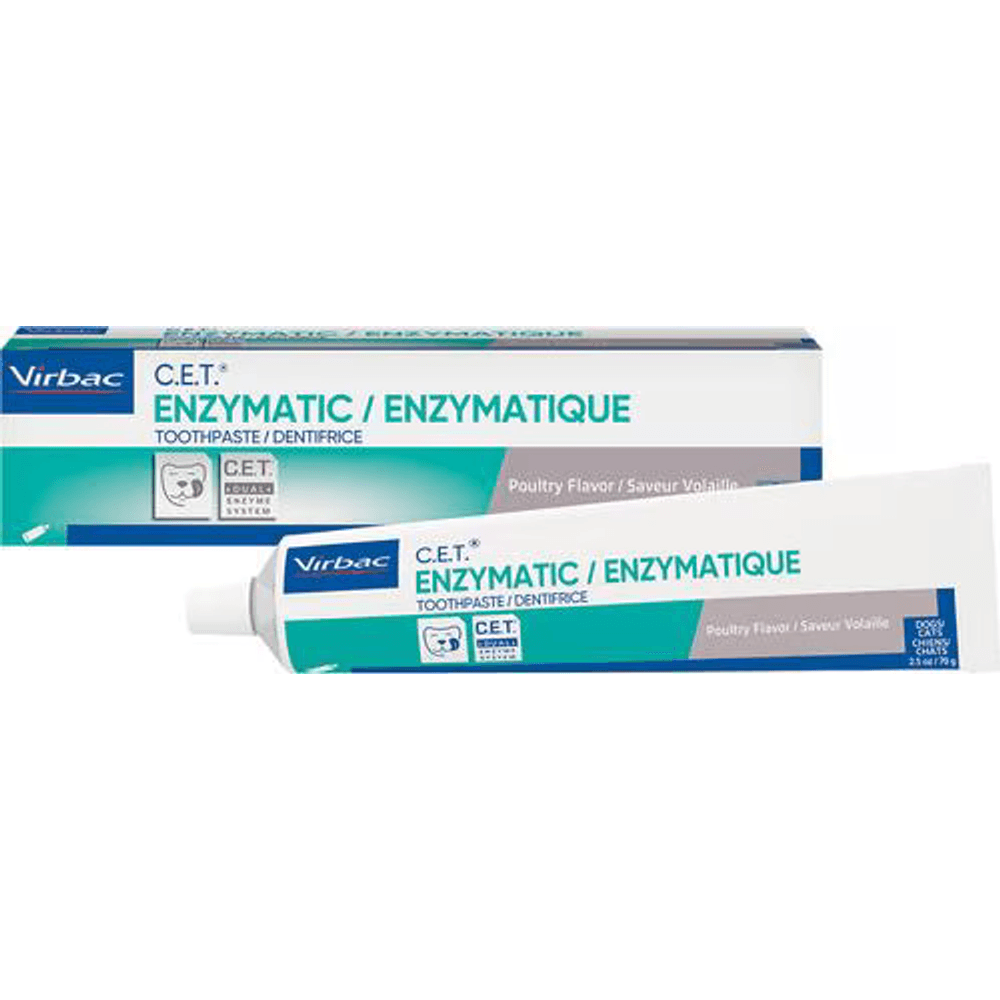
The vet-favorite enzymatic toothpaste. Its dual-enzyme system keeps working between brushings to control plaque and freshen breath, and the poultry flavor makes daily brushing easy.
Webvet may earn a commission when you click through to Chewy, at no extra cost to you.
In other words, a dog breath dental chew is a maintenance tool, not a cure. For the full breakdown of odor causes and when breath is a red flag, see our deep dive on dog bad breath causes.
How Often Should You Give a Dental Chew? Dosing and Overfeeding Risks
The benefit comes from daily use, so can I give my dog dental chews everyday? For most healthy adult dogs, yes, one appropriately sized chew per day is the intended use and the dose used in trials. That answers the common how often should I give my dog dental chews question.
But "daily" does not mean "unlimited." How many dental chews can a dog have a day is almost always one. They are calorie-dense, and stacking several can push a dog past the 10-percent treat ceiling and cause weight gain or GI upset.
| Scenario | What to do |
|---|---|
| Healthy adult dog | One correctly sized chew per day |
| Dog ate too many dental chews | Watch for vomiting/diarrhea; call your vet if symptoms appear |
| Dog ate whole bag of dental chews | Call your vet or an animal poison line right away; bloat and blockage risk |
| Dog eats dental chews too fast | Switch to a larger, harder-to-gulp size or hold one end while they chew |
| Can dog dental chews cause diarrhea | Yes, especially new or rich chews; introduce gradually |
And the flip side: my dog won't eat dental chews. Picky dogs are common. Try a different flavor or protein, a softer texture, or a different brand, and offer the chew at a consistent time. If your dog is generally a fussy eater, our guide to feeding picky dogs has palatability tricks that apply to treats too.
What to Avoid: Chews That Can Crack Teeth or Cause Blockages

This is the section thin competitor articles skip, and it is the most important for safety. Many popular "dental" chews are dangerously hard.
Avoid or use extreme caution with:
- Antlers, bones, and hooves. Among the top causes of fractured teeth (especially the slab fractures vets see on the big chewing teeth).
- Hard nylon chews. Same fracture risk if they do not flex.
- Cheap rawhide. Dog dental rawhide chews can be gulped in large pieces and cause choking or intestinal blockage. Digestible, properly sized chews are safer.
The rule of thumb vets use: if you cannot dent it with your thumbnail or it would hurt to be hit on the knee with it, it is too hard for your dog's teeth.
A safe dog dental chew flexes, is sized correctly, and is given under supervision. The dental benefit is never worth a fractured tooth and an expensive extraction.
Chews Are a Supplement, Not a Substitute for Professional Care

Here is the framing every vet wants owners to leave with. Dental chews are part of an oral-care stack, not the whole thing. The Merck Veterinary Manual and AAHA dental guidance both position home care, including VOHC-accepted products, as something that supplements professional cleaning rather than replacing it.
The full stack looks like this:
- Brushing is the gold standard for daily plaque control because it reaches the gumline. A dog dental toothbrush chew does not replace it.
- VOHC-accepted chews, water additives, or diets fill the convenience gap and boost compliance.
- Professional dental cleaning under anesthesia is what removes tartar below the gumline and lets a vet probe for disease, which no home product can do.
- 1Think of chews as the daily maintenance between professional cleanings, not a replacement for them.
- 2The strongest results come from pairing a VOHC-accepted chew with regular brushing and routine vet dental exams.
If your dog already has heavy tartar, broken teeth, red gums, or bad breath that chews are not fixing, it is time for a professional exam. For owners weighing their cleaning options, we compare the trade-offs in our piece on non-anesthetic dog teeth cleaning, and we cover how buildup forms and what to do about it in tartar on dog teeth and dog rotting teeth. For a curated look at specific products, see our companion guide to vet-recommended dental chews and treats once it expands.
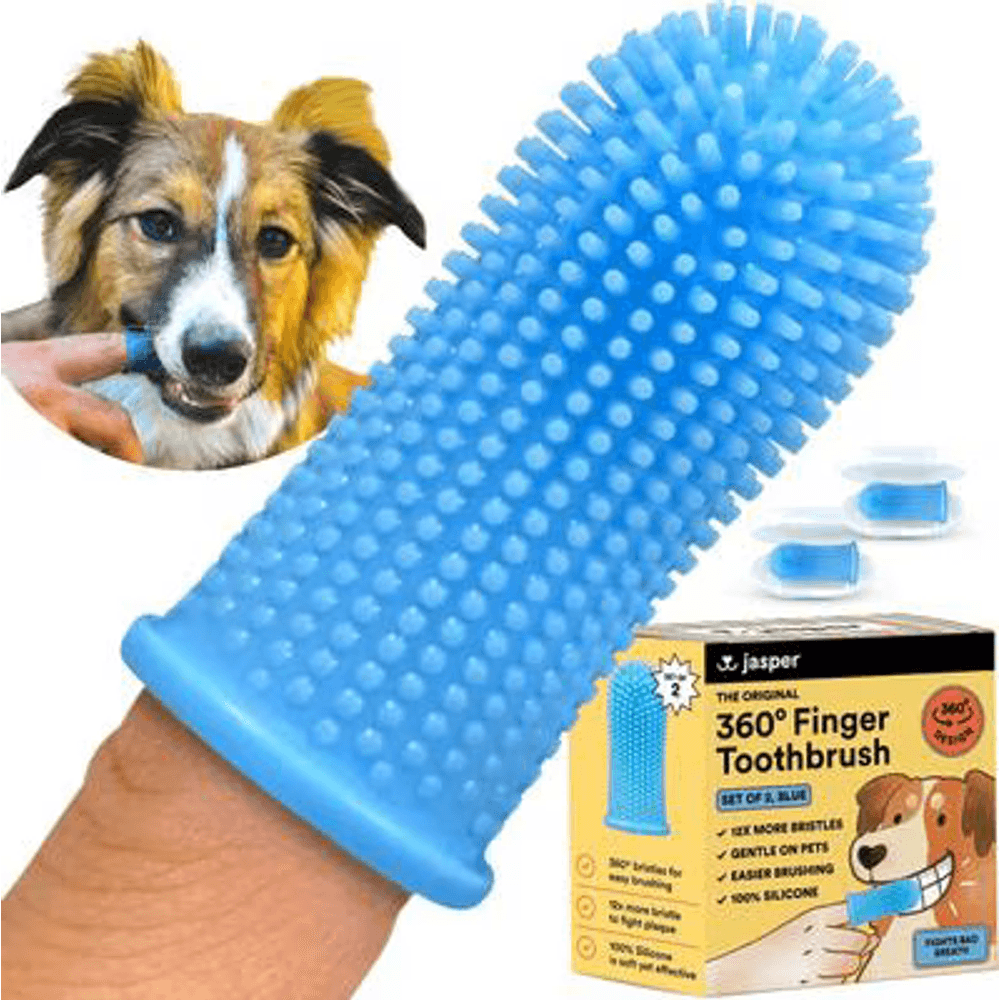
A 360-degree silicone finger toothbrush that brushes every side of a tooth at once. Gentle on gums and ideal for dogs new to brushing or owners who find a handled brush awkward.
Webvet may earn a commission when you click through to Chewy, at no extra cost to you.
Frequently Asked Questions
Do any dog dental chews actually work?
Yes. Chews that carry the VOHC Seal of Acceptance have passed controlled trials showing meaningful plaque or tartar reduction. They work by mechanical scrubbing and, in some cases, enzymatic coatings. The effect is modest and limited to surfaces the chew touches, so they supplement brushing rather than replace it.
What dental sticks do vets recommend?
Vets recommend dental sticks and chews that carry the VOHC seal, such as the original Greenies, Virbac C.E.T. and VeggieDent lines, and OraVet. The brand matters less than the seal: any product on the VOHC accepted list has trial data behind its plaque or tartar claims, which is the standard vets actually rely on.
How often should you give your dog a dental chew?
For most healthy adult dogs, one appropriately sized chew per day is both the intended use and the dose tested in studies. Daily consistency is where the benefit comes from. Do not exceed one a day for most dogs, since chews are calorie-dense and overfeeding can cause weight gain or stomach upset.
Can I give my dog a dental chew every day?
Yes, daily use is the goal for most healthy dogs and matches how the products were trialed. Just count the chew into your dog's daily calories (keep all treats under about 10 percent) and choose a low-calorie option for overweight or diabetic dogs. Introduce any new chew gradually to avoid digestive upset.
How many dental chews can a dog have in a day?
Almost always just one. Dental chews are higher in calories than they look, and giving several can push a dog past a healthy treat allowance and trigger weight gain or loose stools. One correctly sized chew per day delivers the dental benefit without the overfeeding risk.
Are dog dental chews safe?
VOHC-accepted, correctly sized, flexible chews are safe for most dogs under supervision. The main risks come from chews that are too hard (tooth fractures) or too small or gulped whole (choking and intestinal blockage). Avoid antlers, bones, hooves, and hard nylon, and match the chew size to your dog's weight.
Can dental chews cause diarrhea or an upset stomach in dogs?
Yes, they can, especially when introduced suddenly, given in excess, or if the dog has a sensitive stomach. Rich or novel ingredients are common culprits. Introduce a new chew gradually over a few days, give only one per day, and choose a limited-ingredient or sensitive-stomach formula for dogs prone to GI upset.
What should I do if my dog ate a whole bag of dental chews?
Treat it as urgent. A large volume eaten at once raises the risk of intestinal blockage and, in deep-chested breeds, can contribute to bloat. Call your veterinarian or an animal poison helpline right away, watch for vomiting, a swollen belly, retching, or lethargy, and do not wait for symptoms to appear before calling.
Are Greenies vet recommended, and do they have the VOHC seal?
The original Greenies Dental Treats line carries the VOHC Seal of Acceptance, which is why vets commonly mention them. Always confirm the specific Greenies product you are buying is on the current VOHC accepted list, since not every variant in a brand family is necessarily tested and accepted.
Do natural or homemade dental chews work as well as VOHC-approved ones?
Generally no. Almost no natural, organic, or homemade chews have been through VOHC trials, so there is no proof they control plaque or tartar. "Natural" describes the ingredients, not the effect. If you prefer a clean label, choose a VOHC-accepted plant-based chew and pair it with brushing.
Are dental chews better than brushing my dog's teeth?
No. Brushing is the gold standard because it physically removes plaque from every surface, including the gumline, which a chew cannot reach. Chews are a convenient supplement that improves compliance, but the best results come from combining a VOHC-accepted chew with regular brushing.
What dental chews are best for a small dog vs a large dog?
Choose a chew sized to your dog's weight using the manufacturer's range. Small dogs need a chew small enough not to swallow whole but large enough to require gnawing; large dogs need a substantial chew that cannot be gulped in a bite or two. Sizing is the single biggest safety factor.
Can puppies and senior dogs have dental chews?
Puppies should wait until their adult teeth are in and use only soft, age-appropriate chews. Senior dogs do best with softer chews because older teeth are often worn or fragile and many seniors have existing dental disease. For both groups, soften the texture and check with your vet if there are known dental problems.
Are there grain-free or hypoallergenic dental chews for sensitive dogs?
Yes. Grain-free, gluten-free, chicken-free, novel-protein, and limited-ingredient dental chews exist for dogs with allergies or sensitivities, and several carry the VOHC seal. Read the ingredient list carefully and, for a dog with a diagnosed food allergy, confirm the chew avoids the specific trigger protein before feeding.
Do dental chews help with my dog's bad breath?
They can help by slowing the plaque and bacterial buildup that causes most bad breath, plus a temporary minty masking effect in some products. But bad breath is usually a symptom of dental disease. If a chew does not improve the odor within a couple of weeks, or the breath smells sweet or like ammonia, see your veterinarian.
What dental chews should I avoid because they can crack a dog's teeth?
Avoid anything that does not flex: antlers, real bones, hooves, and hard nylon chews are leading causes of fractured teeth. Cheap rawhide is risky for choking and blockages. The rule of thumb: if you cannot dent it with a thumbnail, it is too hard for your dog's teeth.
What if my dog won't eat dental chews?
Try a different flavor, protein, or texture, and offer the chew at a consistent time of day so it becomes a routine. Softer chews often win over fussy dogs. If your dog refuses all chews, focus on brushing and a VOHC-accepted water additive instead, which require no cooperation at the treat level.
$65 · no membershipHave a health question about your dog?
A licensed vet can assess your dog over video and prescribe online when it's appropriate.
Talk to a vet- Licensed vets
- All 50 states
- same-day Rx
Webvet may earn a commission if you book.

Editor
The Webvet Editorial Team is the in-house group of pet-care editors and writers behind Webvet, operated by Smart Pet Collective. The team researches, writes, and maintains Webvet's pet health, behavior, and medication content. Every article follows a defined editorial process: research from reputable veterinary and scientific sources, careful drafting, mandatory review of medical content by a credentialed veterinarian, and dated publication. Health and medication articles are medically reviewed by a licensed veterinary professional before they go live and are kept current over time.
Veterinarian · BVMS MRCVS
Dr. Pippa Elliott, BVMS, MRCVS, is a veterinarian with nearly 30 years of experience in companion animal practice. Dr. Elliott earned her Bachelor of Veterinary Medicine and Surgery from the University of Glasgow. She was also designated a Member of the Royal College of Veterinary Surgeons. Married with 2 grown-up kids, Dr. Elliott has a naughty Puggle named Poggle, 3 cats and a bearded dragon.


