Dog With Bad Breath? Causes and When to Worry
A dog with bad breath usually has dental disease, but the smell can also flag kidney, liver, or diabetes problems. Here is a vet-reviewed guide to every cause, what each odor means, the fixes that actually work, and the red flags that mean it is time to call your vet.

BVMS MRCVS
Medically reviewed by Dr. Pippa Elliott, BVMS MRCVS · Last reviewed

This article contains affiliate links. Webvet may earn a commission when you buy through them, at no extra cost to you.
If you have a dog with bad breath, you already know the moment: your pup leans in for a kiss, exhales, and you flinch back. That smell is not just unpleasant. It is information. Bad dog breath (the clinical term is halitosis in dogs) is one of the earliest and most reliable signals that something inside your dog's mouth, or sometimes deeper in the body, needs attention.
The good news: most of the time, a dog with bad breath has a treatable dental problem, and you can do a lot about it at home and with your vet. The part worth taking seriously: occasionally the odor points to kidney, liver, or other systemic disease, and the smell itself can tell you which.
This guide does two jobs. First, it decodes why your dog has bad breath, cause by cause and smell by smell. Second, it walks you through how to fix bad dog breath, what to feed, which products help, and the specific red flags that mean you should stop reading and call your veterinarian. Whether you are dealing with a puppy, a senior, sudden stinky breath, or a dog whose teeth look clean but still smell awful, there is a section here for you.
- 1Roughly 8 out of 10 cases of bad dog breath trace back to dental disease, the buildup of plaque and tartar that drives gum infection.
- 2But a sudden change in smell, especially a fishy, ammonia-like, sweet, or rotting odor paired with other symptoms, can signal kidney, liver, or metabolic disease and deserves a vet visit.
This is a spoke of our larger dog dental health hub. For the deepest dives on specific fixes, we will point you to dedicated guides as we go.
Why Does Your Dog Have Bad Breath? The 8 Most Common Causes
When owners ask what causes bad dog breath, they are usually picturing one problem. In reality there are several. Here are the eight reasons for dog bad breath we see most often, roughly in order of frequency. Understanding what gives a dog bad breath is the first step to fixing it, and yes, in some cases bad breath in dogs is a sign of illness rather than just a hygiene issue.
- Dental and periodontal disease. Plaque hardens into tartar, bacteria multiply along the gumline, and the gums become infected. This is the number one cause by a wide margin. Periodontal disease is the most common cause of halitosis in dogs and affects the majority of dogs by age three, according to the Merck Veterinary Manual.
- A foreign object stuck in the mouth. A splinter of bone, a stick fragment, or a chunk of chew lodged between teeth can rot and stink within days.
- Diet and eating habits. Dogs that eat garbage, raid the litter box, or scavenge dead things carry that smell on their breath. Certain foods linger too.
- Oral growths or tumors. Masses in the mouth can become necrotic and produce a foul, rotting odor.
- Gastrointestinal problems. Reflux, a partial obstruction, or chronic vomiting can push a sour, foul smell up from the gut.
- Kidney disease. Failing kidneys let waste products build up, producing a distinctive ammonia or urine-like breath.
- Liver disease. A struggling liver can create a musty, sweetish, sometimes fecal odor.
- Diabetes. Uncontrolled diabetes can give the breath a sweet, fruity, or nail-polish-remover smell.
So what does it mean when a dog has bad breath? Most often, it means the teeth and gums need care. But because the same symptom can point to organ disease, the smell and the accompanying signs matter, which is exactly what the next section decodes.
What Your Dog's Breath Smell Is Telling You

One of the most useful things you can do is actually pay attention to the type of smell. Owners search for things like "dog breath smells like death," "why does my dog's breath smell like poop," and "sudden fishy dog breath" because the odor is a clue, not just a nuisance. Here is how to read it when your dog's breath smells so bad you cannot ignore it.
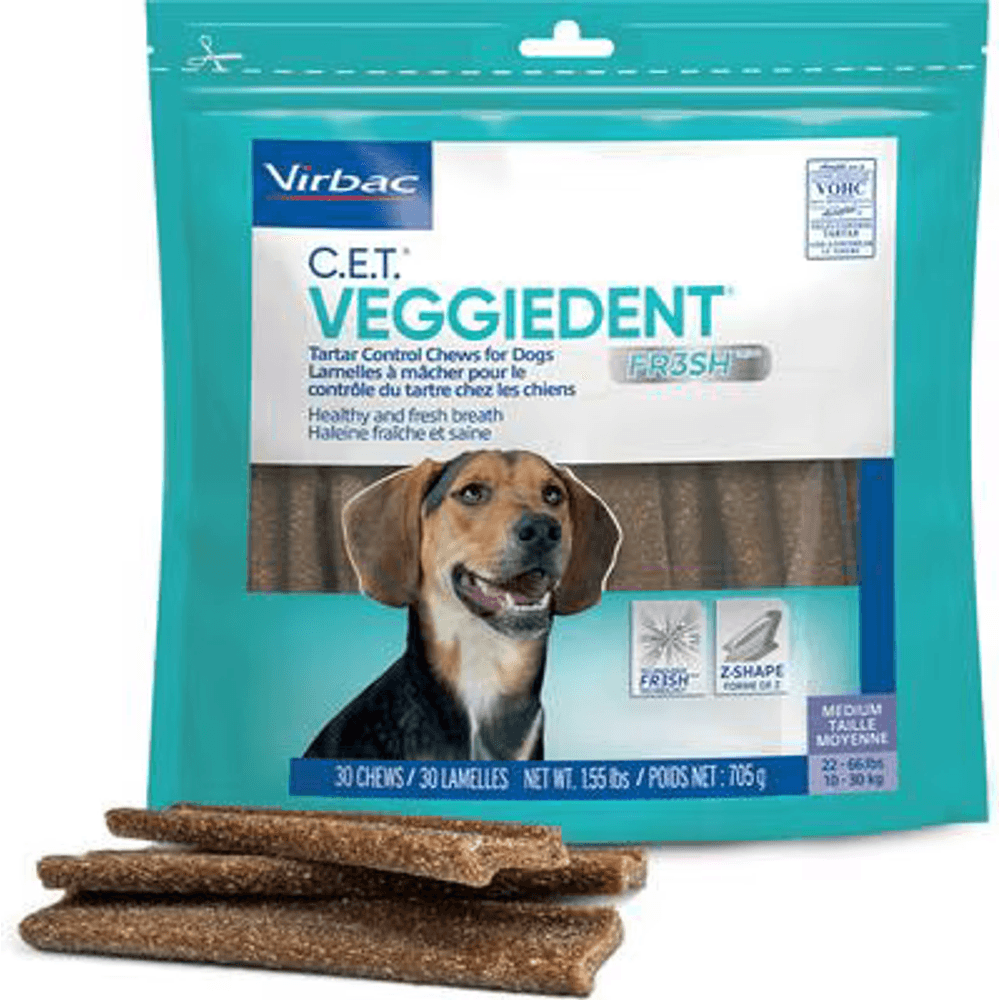
VOHC-accepted dental chews clinically shown to reduce plaque and tartar. The Z-shape and texture clean as your dog chews and freshen breath. A plant-based daily chew for medium dogs.
Webvet may earn a commission when you click through to Chewy, at no extra cost to you.
| The smell | Most likely cause | What to do |
|---|---|---|
| Foul, fishy, or rotten | Dental or gum disease (most common) | Book a dental exam; start home care |
| Smells like death or decay | Advanced gum disease, an oral tumor, or dead tissue | See your vet promptly |
| Smells like poop or feces | Stool-eating, a GI problem, or rarely an intestinal blockage | Vet visit if persistent or paired with vomiting |
| Ammonia or urine-like | Kidney disease | See your vet soon |
| Sweet or fruity | Diabetes | See your vet soon |
| Musty or sweetish-foul | Liver disease | See your vet soon |
A fishy smell deserves a special note because it confuses so many owners. Fishy dog breath most often comes from plaque-related bacteria, but it can also flag a kidney issue or, in some dogs, impacted anal glands they have been licking. To fix fishy dog breath, start with a dental assessment; if the teeth look clean and the smell is new, ask your vet to check kidney values. See WebVet’s guide to why a dog smells like fish, from anal glands to dental disease.
Dental Disease: The Number One Cause

Since dental disease drives the majority of bad-breath cases, it earns the closest look. Plaque is a soft film of bacteria that coats the teeth within hours of eating. Left alone, it mineralizes into tartar, the hard brown or yellow crust you can see near the gumline. Tartar irritates the gums, bacteria invade below the gumline, and you get gingivitis (inflamed, reddened gums) that can progress to full periodontal disease in dogs.
Here is what to look for when you lift your dog's lip:
- Yellow or brown teeth. A dog with yellow teeth and bad breath, or brown teeth and bad breath, almost always has plaque and tartar buildup.
- Red, swollen, or bleeding gums. Bleeding gums and bad breath together point to gingivitis or worse.
- Black gums. Some black gum pigment is normal in many breeds, but a dog with black gums and bad breath should be checked, because new dark areas can signal dead tissue or disease.
- Loose or missing teeth, drooling, or pawing at the mouth. These are signs the disease is advanced and painful.
For the full breakdown of what plaque versus tartar looks like and how to manage each, see our guide to tartar on dog teeth. If your dog's teeth are visibly decaying, loose, or rotting, read dog rotting teeth, which covers when extractions become necessary.
When Bad Breath Signals Something Serious: Kidney, Liver & Diabetes
This is the section to read carefully, because it answers the question lurking behind many searches: is bad breath in dogs a sign of illness, and does bad breath mean my dog is sick? Sometimes, yes. When the mouth looks reasonably clean but the breath is strongly off, the cause may be systemic. Bad breath can signal disease such as kidney disease, liver disease, or diabetes, not just dental problems, per AKC Expert Advice.
- Kidney disease. As the kidneys fail, urea and other wastes accumulate in the blood, producing a breath that smells like ammonia or urine. People search "what does kidney failure dog breath smell like" precisely because this odor is so distinctive. Dog bad breath with kidney disease or kidney failure usually comes with increased thirst, increased urination, weight loss, and poor appetite. A dog with fishy breath and kidney disease is a recognized pattern too.
- Liver disease. A failing liver can produce a musty, sweetish, or foul odor along with yellowing of the gums or eyes, vomiting, and lethargy. Dog bad breath with liver failure is less common than kidney-related odor but no less serious.
- Diabetes. Uncontrolled diabetes shifts the body into burning fat for fuel, releasing ketones that give the breath a sweet, fruity, or acetone smell. This pairs with excessive thirst, urination, and weight changes.
- Oral cancer. A rotting, death-like smell from one area of the mouth, sometimes with bleeding, can indicate a tumor. Dog bad breath and cancer is rare but is why a persistent foul odor always warrants an exam.
Sudden, Persistent, or Out-of-Nowhere Bad Breath
The timing of the smell matters. A dog that has had mild doggy breath for years is a different situation from a dog with bad breath all of a sudden. Sudden bad breath in dogs, breath that appears out of nowhere over days rather than months, more often points to an acute problem: a foreign object wedged in the mouth, a cracked or abscessed tooth, a mouth injury, or the early stage of a systemic illness.
If you are asking "why does my dog suddenly have bad breath," start by looking inside the mouth for trapped debris, a broken tooth, or a sore. If nothing is visible and the smell persists, book a vet visit.
Persistent bad breath is its own flag. If your dog has bad breath all the time and it never fully clears, that chronic odor usually means established dental disease that needs a professional cleaning, not just a stronger chew.
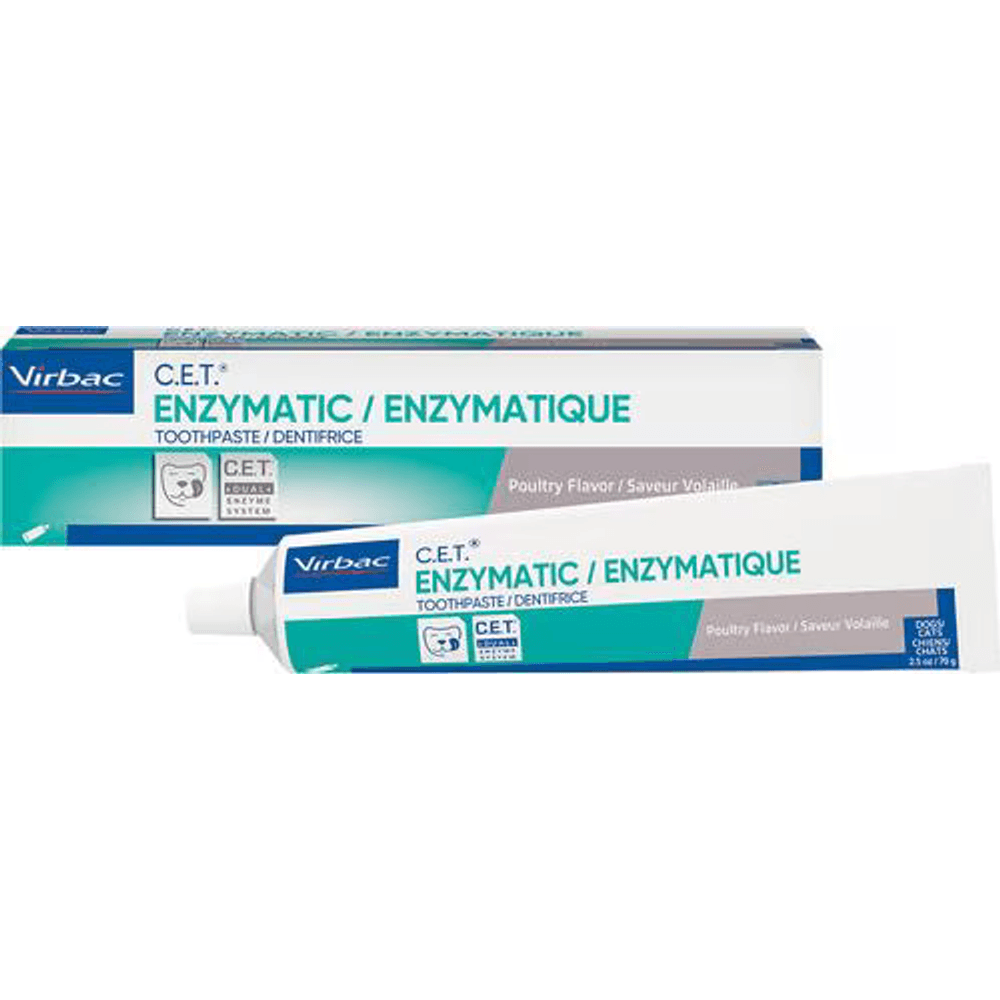
The vet-favorite enzymatic toothpaste. Its dual-enzyme system keeps working between brushings to control plaque and freshen breath, and the poultry flavor makes daily brushing easy.
Webvet may earn a commission when you click through to Chewy, at no extra cost to you.
- 1Sudden onset points to an acute cause (foreign body, broken tooth, injury, or new illness).
- 2Chronic, never-clearing breath points to established dental disease.
- 3Either way, breath that is new or worsening deserves a look inside the mouth and, if unresolved, a vet exam.
Other Symptoms to Watch With Bad Breath
Bad breath rarely travels alone, and the company it keeps tells you how worried to be. Pay attention to these co-symptoms.
- Excessive licking. Excessive licking and bad breath in dogs is an extremely common pairing. Dogs lick their lips and the air when they have nausea, oral pain, or dental disease. If your dog has bad breath and keeps licking, check the mouth first, then consider GI causes if the mouth looks clean. Treatment for excessive licking and bad breath in dogs depends on the underlying cause, so a vet exam is the fastest route to an answer.
- Eating poop. A dog that eats poop and has bad breath has an obvious, if unpleasant, explanation. Coprophagia leaves a fecal odor on the breath. It is a behavior problem more than a medical one, though it is worth ruling out dietary deficiencies.
- Coughing or gagging. Dog coughing, gagging, and bad breath together can mean something is lodged in the throat or that there is a respiratory or GI issue.
- Lip-smacking. A dog smacking its lips with bad breath is often signaling nausea or oral discomfort.
- Licking paws. Bad breath plus paw-licking is usually two separate issues (dental and allergy or anxiety), but worth mentioning to your vet.
 $65 · no membership
Have a health question about your dog?
A licensed vet can assess your dog over video and prescribe online when it's appropriate.
 Talk to a vet
- Licensed vets
- All 50 states
- same-day Rx
Webvet may earn a commission if you book.
When Should You Worry? Red-Flag Symptoms and When to Call the Vet

Owners constantly ask when should I worry about dog bad breath, and should I be worried if my dog has bad breath at all. Here is a clear line to draw.
Mild, stable doggy odor with normal eating, drinking, and energy: book a routine dental check, start home care, and monitor. Not an emergency.
Call your veterinarian promptly if you see any of these:
- A dog that is lethargic and has bad breath
- A dog with bad breath that won't eat or is eating noticeably less
- Breath that smells like ammonia, fruit, or decay
- Sudden onset of strong odor over a few days
- Bleeding from the mouth, visible swelling, or loose teeth
- Increased thirst and urination alongside the bad breath
- Vomiting, weight loss, or yellowing of the gums or eyes
The appetite signal deserves emphasis. A dog that stops eating, especially while still drinking, can be telling you about oral pain or a deeper illness. If that describes your dog, our guide on a dog not eating but drinking water walks through what that combination can mean and when it becomes urgent.
How to Get Rid of Your Dog's Bad Breath

Now the question most owners came for: how to get rid of bad dog breath, and how to fix it for good. The honest answer is that there is no shortcut around the actual cause. The fastest, most reliable fixes target the source of the odor, and nearly all of them lead back to the teeth.
Here is the vet-backed hierarchy, from most to least impactful:
- A professional dental cleaning. If tartar is established, a veterinary cleaning under anesthesia is the only way to remove it from below the gumline and reset the mouth. This is the single most effective step for a dog with entrenched bad breath.
- Daily toothbrushing. Daily toothbrushing and professional dental care are the standard for preventing periodontal disease and associated halitosis, according to the American Veterinary Medical Association. It is the highest-value thing you can do at home.
- Dental chews, diet, and additives. These help maintain a clean mouth between brushings but do not replace brushing or a cleaning.
- Treating the underlying disease. If the cause is kidney, liver, or diabetic, fixing the breath means managing that condition with your vet.
People asking how to get rid of bad dog breath fast want an overnight solution. Be realistic: you can mask odor briefly with a chew or a water additive, but you only stop bad dog breath by removing the plaque and treating the cause. For step-by-step brushing technique, see how to brush your dog's teeth. Curious about cleanings without anesthesia? Read our honest take on non-anesthetic dog teeth cleaning before you book one.
Home Remedies and Natural Cures for Dog Bad Breath
This is the highest-demand search of all, so here is a straight answer about what works and what does not. There are real natural remedies for dog bad breath, and there is a lot of hopeful internet folklore. A home remedy for a dog with bad breath can support a clean mouth, but none cures dental disease on its own.
What has a reasonable basis:
- Brushing with dog-safe toothpaste. The most effective home remedy, period.
- Crunchy dental-textured food and approved chews. Mechanical scrubbing helps reduce plaque.
- Fresh water, changed daily, with an approved additive. Helps maintain oral hygiene.
What is mostly overrated:
- Coconut oil for dog bad breath. Pleasant-smelling and harmless in small amounts, but no evidence it removes plaque. It adds calories.
- Parsley for dog bad breath. Fresh parsley is a mild, temporary deodorizer at best. It masks, it does not treat.
- Yogurt. A dog bad breath remedy with yogurt is popular online for its probiotics, but the breath-freshening effect is minimal and dairy upsets some dogs.
The bottom line on any quick fix for dog bad breath naturally: these are maintenance helpers, not cures. For a fuller rundown of the safe, vet-vetted options, see our dedicated guide to home remedies for dog bad breath.
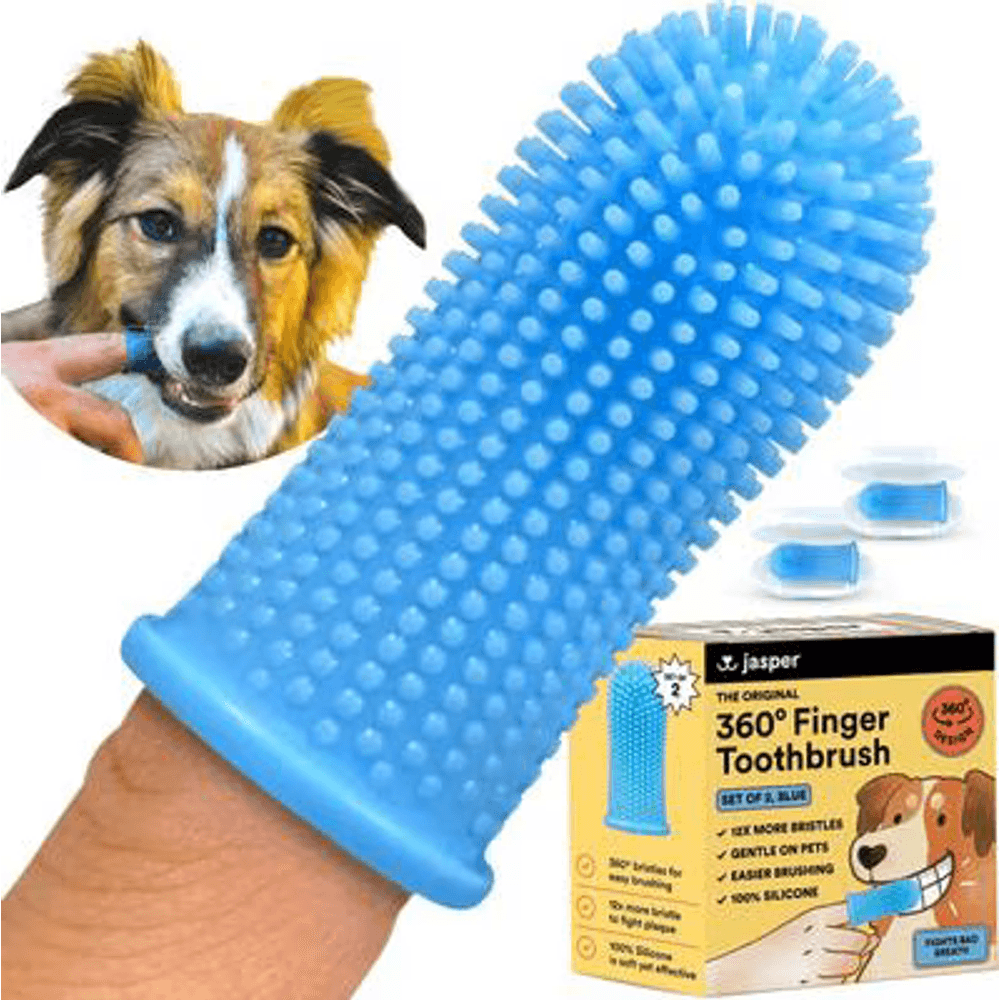
A 360-degree silicone finger toothbrush that brushes every side of a tooth at once. Gentle on gums and ideal for dogs new to brushing or owners who find a handled brush awkward.
Webvet may earn a commission when you click through to Chewy, at no extra cost to you.
What to Feed a Dog With Bad Breath
Diet plays a supporting role. The best dog food for bad breath is generally a complete, vet-approved diet that keeps the gut healthy and, ideally, has a texture that helps scrub teeth. Owners ask what to give a dog with bad breath and what to feed for fresher breath, so here is the practical guidance.
- Dental diets. Some dry foods are formulated with a special kibble texture and shape that helps mechanically clean teeth as the dog chews. These are a legitimate option for dogs prone to plaque.
- Crunchy versus soft. A diet of only soft or wet food gives teeth no scrubbing action, which can speed plaque buildup. If your dog eats wet food, brushing and chews matter even more.
- Can dog food cause bad breath? Yes, indirectly. Food caught between teeth, low-quality ingredients that upset digestion, or a food your dog cannot tolerate can all contribute. Does grain-free dog food cause bad breath? Grain-free itself does not cause halitosis; the dental and GI factors above are what matter.
Diet is a lever, not the whole machine. Even the best dry dog food for bad breath will not overcome an established dental infection that needs a cleaning.
Best Dental Chews and Treats for Fresher Breath

Dental chews and treats are the most popular at-home tool, and a good one genuinely helps reduce the plaque that causes odor. The key is choosing products that are proven, not just marketed. Look for the Veterinary Oral Health Council seal, which identifies dental products proven to reduce plaque and tartar, per the Veterinary Oral Health Council.
When choosing the best dog chews or treats for bad breath:
- Look for the VOHC seal. It means the product was tested and shown to reduce plaque or tartar.
- Match the chew to your dog's size and chewing style. A chew too hard for the dog's teeth can crack them; too soft and it does nothing.
- Use chews as a supplement, not a substitute. Dog dental chews for bad breath work best alongside brushing.
For our full vetted list, see vet-recommended dog dental chews.
Toothpaste, Water Additives, Sprays & Probiotics: Do They Help?

There is a whole shelf of products promising fresher breath. Here is how the main categories stack up, since owners search heavily for dog bad breath toothpaste, water additives, and probiotics.
| Product type | What it does | How much it helps |
|---|---|---|
| Dog toothpaste | Used with brushing to remove plaque; enzymatic formulas add antibacterial action | High, when paired with actual brushing |
| Water additive | Dissolves in the bowl to reduce oral bacteria | Modest; convenient maintenance |
| Dental spray | Sprayed on teeth and gums to slow bacteria | Low to modest; short-lived |
| Probiotics | Support gut and oral microbiome balance | Emerging; modest at best |
| Dog mints / mouthwash | Mask odor temporarily | Cosmetic only; no real treatment |
The best dog toothpaste for bad breath is the one you will actually use daily, in a dog-safe (never human) formula. A water additive for bad dog breath is a reasonable hands-off helper, especially for dogs that resist brushing. Dog probiotics for bad breath, dog mouthwash, dog spray, and dog mints all sit lower on the value scale: helpful as add-ons, useless as a standalone cure. For the deep comparison, see our guide to dog dental water additives.
Bad Breath by Life Stage: Puppies, Teething, and Senior Dogs

Age changes the meaning of the smell.
Puppies and teething. A little bad dog breath in a puppy, especially a slightly fishy or musky smell, is often normal during teething. As baby teeth loosen and adult teeth erupt, mild inflammation and trapped food can create temporary odor. This is why so many owners search "why does my puppy's breath smell like fish." Dog teething bad breath usually resolves once the adult teeth are in. That said, persistent strong odor or a young dog with bad breath that is not teething still warrants a look.
Senior dogs. An old dog with bad breath is a different story. Senior dogs have had years for plaque, tartar, and gum disease to accumulate, and they are also more prone to kidney, liver, and other systemic disease. Senior dog bad breath should rarely be dismissed as "just old age." A senior dog bad breath home remedy can help maintain comfort, but the right first move is a vet exam to find the cause. The same goes for an older dog with bad breath that appears suddenly: investigate rather than assume.
Bad Breath but Clean Teeth? (and Breath After a Dental Cleaning)
One of the most confusing scenarios is a dog with bad breath but clean teeth. If the teeth genuinely look spotless and the breath still stinks, the odor is probably coming from somewhere other than visible plaque:
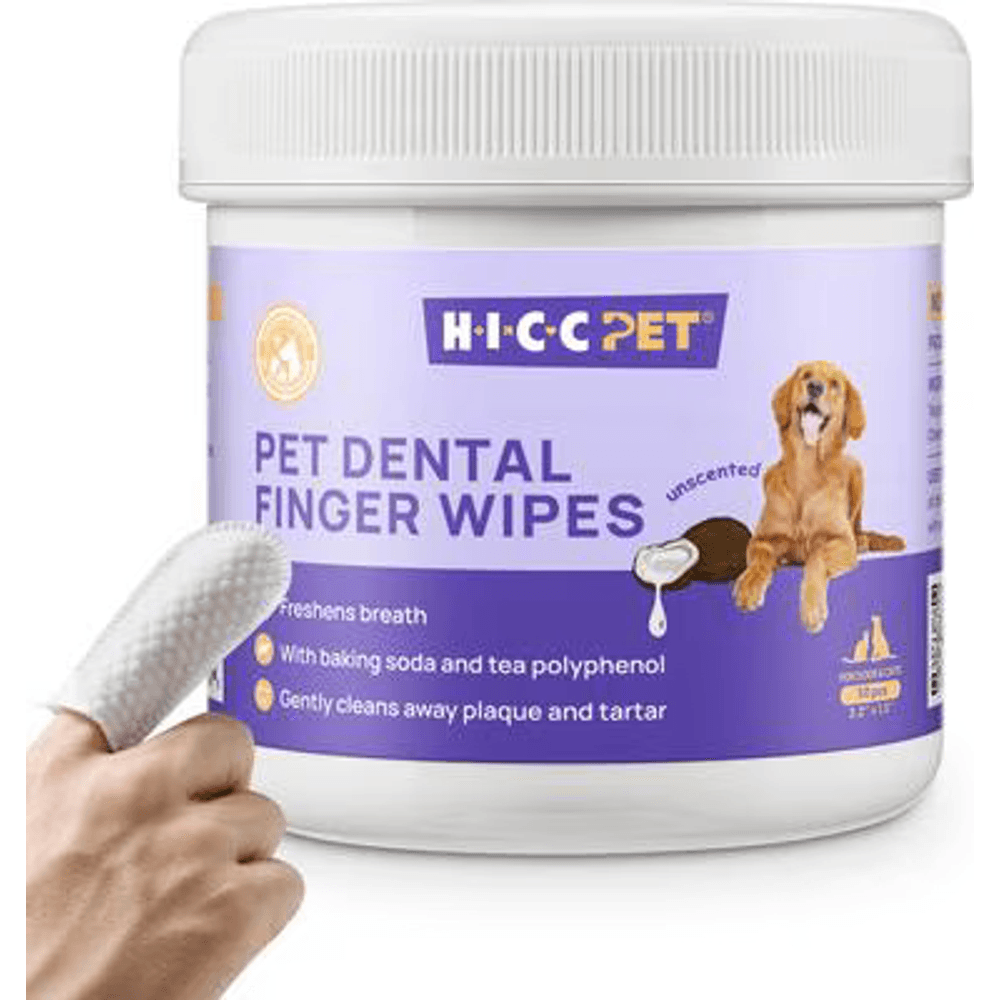
Pre-moistened finger-glove dental wipes with baking soda and tea polyphenol that wipe away plaque and freshen breath. The easiest brushless option for a dog that will not tolerate a toothbrush.
Webvet may earn a commission when you click through to Chewy, at no extra cost to you.
- Below the gumline. Teeth can look clean on top while infection brews beneath the gums where you cannot see it.
- A systemic cause. Clean teeth but bad breath is a classic prompt to check for kidney, liver, or diabetic disease.
- The throat or gut. Tonsil infections, GI reflux, or sinus issues can produce breath odor with clean-looking teeth.
Then there is the post-procedure question. Some dog bad breath after a dental cleaning or after a tooth extraction is normal for a few days as the gums heal, but a worsening or foul smell a week later can mean infection and should be rechecked. A dog with teeth falling out and bad breath, or loose teeth and bad breath, has advanced periodontal disease that needs prompt veterinary care. The Cornell University College of Veterinary Medicine offers excellent owner resources on grading dental and oral disease through its Riney Canine Health Center.
The Bottom Line
A dog with bad breath is almost always telling you its teeth and gums need care, and dental disease is both the most common cause and one of the most treatable. Start by looking inside the mouth, decode the smell, and build a simple daily routine of brushing, an approved chew, and a water additive. But stay alert: a fishy, ammonia, sweet, or rotting odor, sudden onset, or bad breath paired with appetite loss, lethargy, excessive thirst, or vomiting can point to kidney, liver, or metabolic disease. When in doubt, your veterinarian is the fastest path to the right answer. For the broader picture on keeping your dog's mouth healthy for life, visit our dog dental health hub.
Frequently Asked Questions
What does it mean when a dog has bad breath?
Most often it means dental disease, the buildup of plaque and tartar that infects the gums. It can also mean a foreign object in the mouth, a GI problem, or systemic disease like kidney, liver, or diabetic illness. The smell and any accompanying symptoms help narrow it down.
Why does my dog's breath smell like death?
A rotting, death-like odor usually signals advanced gum disease, dead tissue, or an oral tumor. It can also come from severe systemic illness. This smell is one of the more concerning ones and warrants a prompt veterinary exam.
Why does my dog's breath smell like poop?
The most common reasons are stool-eating (coprophagia), which leaves a fecal odor, or a digestive problem. Rarely, an intestinal blockage produces this smell. If it persists or comes with vomiting or appetite loss, see your vet.
What does kidney failure dog breath smell like?
Kidney failure typically produces an ammonia-like or urine-like breath odor, caused by waste products building up in the blood. It usually appears alongside increased thirst, increased urination, weight loss, and poor appetite. This combination needs veterinary attention soon.
Why does my dog have bad breath but clean teeth?
The infection may be below the gumline where you cannot see it, or the cause may be systemic (kidney, liver, or diabetes) or come from the throat, sinuses, or gut. Clean-looking teeth with strong breath is a good reason to have your vet look deeper.
Is bad breath in dogs a sign of illness?
It can be. Most cases are dental, but bad breath is also a recognized early sign of kidney disease, liver disease, and diabetes. A new, strong, or distinctly fishy, ammonia, or sweet odor, especially with other symptoms, should be evaluated by a vet.
Why does my dog suddenly have bad breath?
Sudden bad breath often means an acute cause: a foreign object stuck in the mouth, a cracked or abscessed tooth, an oral injury, or the onset of a systemic illness. Check the mouth for trapped debris first, and if the smell persists, book a vet visit.
Is puppy bad breath normal, and does teething cause it?
Mild, temporary bad breath during teething is usually normal, as loosening baby teeth and erupting adult teeth cause minor inflammation and trapped food. It typically clears once the adult teeth are in. Strong or lasting odor in a puppy still deserves a check.
Does coconut oil or parsley actually fix dog bad breath?
Not really. Coconut oil smells pleasant and parsley is a mild, temporary deodorizer, but neither removes plaque or treats the underlying cause. They mask odor briefly. Brushing, dental care, and treating the root cause are what actually work.
Can a water additive get rid of my dog's bad breath?
A water additive can modestly reduce oral bacteria and is a convenient maintenance tool, especially for dogs that resist brushing. But it will not clear established dental disease or a systemic cause. Think of it as a helper, not a cure.
What is the best dog food for bad breath?
A complete, vet-approved diet that supports digestion is the foundation; some dry dental diets add a kibble texture that helps scrub teeth. Crunchy food helps more than soft food alone. No food, though, overcomes an established dental infection that needs a cleaning.
Can dog food (raw or grain-free) cause bad breath?
Indirectly. Food trapped between teeth or a diet a dog cannot tolerate can contribute to odor, and raw diets can leave a distinct smell. Grain-free itself does not cause halitosis; the dental and digestive factors are what matter.
Do dental chews really freshen a dog's breath?
Quality dental chews do help by mechanically reducing plaque, and the breath improvement comes from a cleaner mouth. Look for the VOHC seal. They work best alongside brushing, not as a replacement for it.
Why does my dog have bad breath and keep licking?
Excessive licking and bad breath frequently go together and usually point to nausea, oral pain, or dental disease. Check the mouth first; if it looks clean, a GI cause may be behind both. A vet exam is the quickest way to identify and treat the cause.
Why does my senior dog have bad breath all of a sudden?
In an older dog, sudden bad breath should not be brushed off as age. It can mean advanced dental disease or a new systemic problem like kidney or liver disease, which become more likely with age. Have your vet examine the mouth and run basic bloodwork.
Why does my dog still have bad breath after a dental cleaning?
A few days of mild odor while the gums heal is normal. Breath that worsens or turns foul a week or more later can mean infection at an extraction site or a missed problem, and should be rechecked by your vet.
Can dog halitosis be cured for good?
Yes, when the cause is dental and you address it: a professional cleaning plus consistent home care can fully resolve dental-related halitosis. Keeping it gone requires ongoing brushing and dental maintenance. Systemic causes are managed by treating the underlying disease.
How do I get rid of my dog's bad breath fast?
There is no true overnight cure, but you can freshen things temporarily with an approved dental chew or water additive while you address the real cause. Lasting freshness comes from removing plaque through brushing and, when needed, a professional cleaning.
$65 · no membershipHave a health question about your dog?
A licensed vet can assess your dog over video and prescribe online when it's appropriate.
Talk to a vet- Licensed vets
- All 50 states
- same-day Rx
Webvet may earn a commission if you book.

Editor
The Webvet Editorial Team is the in-house group of pet-care editors and writers behind Webvet, operated by Smart Pet Collective. The team researches, writes, and maintains Webvet's pet health, behavior, and medication content. Every article follows a defined editorial process: research from reputable veterinary and scientific sources, careful drafting, mandatory review of medical content by a credentialed veterinarian, and dated publication. Health and medication articles are medically reviewed by a licensed veterinary professional before they go live and are kept current over time.
Veterinarian · BVMS MRCVS
Dr. Pippa Elliott, BVMS, MRCVS, is a veterinarian with nearly 30 years of experience in companion animal practice. Dr. Elliott earned her Bachelor of Veterinary Medicine and Surgery from the University of Glasgow. She was also designated a Member of the Royal College of Veterinary Surgeons. Married with 2 grown-up kids, Dr. Elliott has a naughty Puggle named Poggle, 3 cats and a bearded dragon.


