Veterinarian Recommended Dog Food for Picky Eaters: What Actually Works
Wondering what to feed a picky dog who sniffs the bowl and walks away? A vet explains how to tell true pickiness from a medical issue, which foods finicky dogs prefer, and the feeding strategies that get dogs eating again.

BVMS MRCVS

This article contains affiliate links. Webvet may earn a commission when you buy through them, at no extra cost to you.
Looking for veterinarian recommended dog food for picky eaters? The right choice is less about gimmicks and more about matching palatability to the individual dog. If you're standing in the kitchen at 7 p.m. watching your dog sniff his bowl, walk away, and stare at you like the menu offends him, you're not alone. "Picky eater" is one of the most common concerns pet parents bring to the exam room, and it's also one of the most misunderstood. Sometimes a picky dog is genuinely just bored with his food. Sometimes he's been trained (often unintentionally) to hold out for something better. And sometimes he's not picky at all, he's telling you something is wrong.
As a veterinarian, here's how to figure out which one you're dealing with, what to actually feed a picky dog, and the feeding techniques that work (and the ones that quietly make the problem worse).
- 1Medical issues can mimic pickiness. If your dog suddenly stops eating, rule out dental disease, GI problems, or illness before switching foods.
- 2Highly palatable options with aroma and visible ingredients, like shelf-stable fresh or slow-cooked wet food, work for most behavioral picky eaters.
- 3Set a 15- to 20-minute mealtime window, pick up the bowl after, and stop all between-meal snacks. Consistent rules beat endless food switching.
- 4Warming wet food to body temperature (about 100°F) dramatically boosts aroma and often gets reluctant dogs to eat.
- 5Don't free-feed a picky dog or add human food on top, both teach your dog that holding out gets an upgrade.
Is my dog actually picky, or is something else going on?
The first rule of feeding a picky dog is to make sure you're actually feeding a picky dog.
True picky eating is a behavioral pattern: a healthy dog who skips meals, eats slowly, turns his nose up at his regular food, but still eats treats, human food, or a fresh bowl of something new. He's maintaining weight, his energy is fine, his stool is normal, he just has opinions.
Behavioral pickiness vs medical causes
Medical conditions that can look like pickiness include:
- Dental disease, painful teeth or gums make kibble hurt to chew
- Gastrointestinal issues, nausea, acid reflux, inflammatory bowel disease, pancreatitis
- Kidney or liver disease, reduces appetite and can cause food aversion
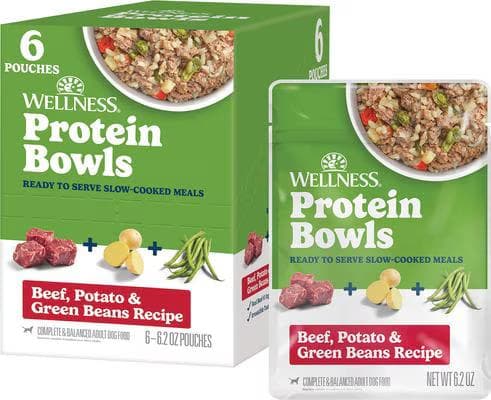
Slow-cooked, complete and balanced wet dog food with real beef as the #1 ingredient. Case of six 6.2 oz pouches.
Webvet may earn a commission when you click through to Chewy, at no extra cost to you.
- Infections or fever, general malaise suppresses appetite
- Medication side effects, many drugs, including some antibiotics and pain medications, cause nausea
- Recent vaccines or anesthesia, usually temporary (24 to 48 hours)
When picky eating means you need to call the vet
Why some dogs are pickier than others
Assuming your dog is medically healthy, picky eating comes from a mix of nature and nurture.
Breed and genetics play a role. Small breeds (Yorkies, Chihuahuas, Maltese, Shih Tzus) are famously picky, partly because their tiny stomachs fill fast and partly because they've been bred as companions whose feeding humans indulge them. Some large and giant breeds (Great Danes, some sighthounds) can be surprisingly picky too.
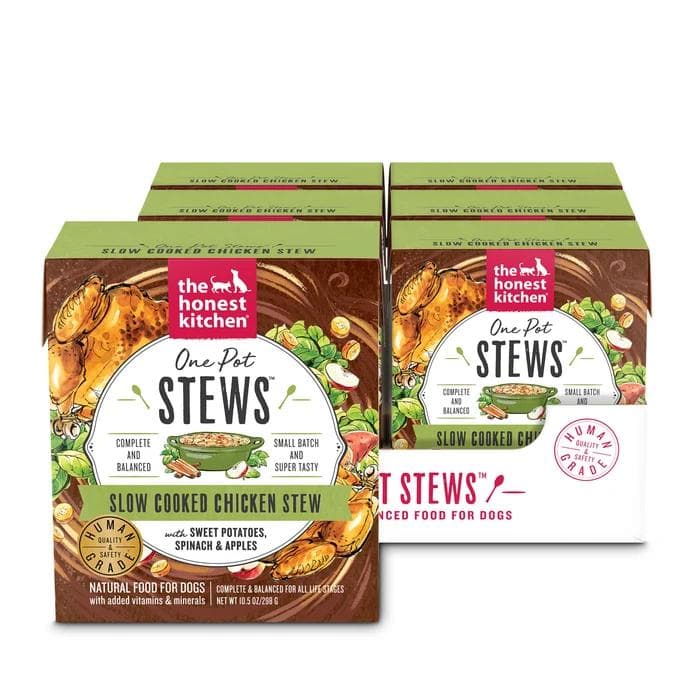
Webvet may earn a commission when you click through to The Honest Kitchen, at no extra cost to you.
Feeding history shapes the pattern. Dogs who learned early that holding out gets them chicken, cheese, or a new bag of food will keep doing what worked. The behavior is reinforced every time the human caves.
Age matters. Senior dogs often become pickier because of reduced smell and taste (yes, dogs' senses dull with age too), subtle dental pain, or mild nausea from age-related conditions.
Free-feeding, leaving food out all day, often creates pickiness by accident. A dog who can eat whenever never gets hungry enough to be enthusiastic about a specific meal.
What makes a dog food appealing to picky eaters
When you're shopping for a picky dog, you're really shopping for four attributes at once.
Aroma and palatability factors for picky dogs
Dogs experience food through smell far more than through taste. A food that smells strongly of real protein and fat will almost always outperform one that smells like dry cereal, regardless of how nutritious either one is on paper. This is why warming wet food briefly (we'll cover technique below), using gently cooked foods, or switching from dry to wet often gets a picky dog eating immediately.
Visible, high-quality ingredients
Dogs do notice food appearance, and so do their humans. Foods where you can see real pieces of meat, vegetables, and grains tend to be more palatable and tend to come with stronger aromas, because they haven't been cooked at temperatures high enough to blend everything into a paste. This category includes refrigerated fresh foods, some gently cooked canned foods, and shelf-stable fresh dog foods like slow-cooked pouch-based meals.
Texture and variety
Dogs, like people, can get bored eating the same thing every day. Alternating between two or three recipes within the same brand line (so the nutrient profile stays consistent) can keep mealtime interesting. Many picky dogs also have strong texture preferences, some love soft wet food, some prefer the crunch of kibble, and some want both in the same bowl.
Protein quality and content
A food where real, named protein (chicken, beef, lamb, salmon) is the first ingredient usually outperforms one where protein appears later on the list or is listed as a meal or by-product. Higher-quality protein means stronger aroma, better palatability, and, not coincidentally, better nutrition. The Wellness Protein Bowls line, for example, is designed around this principle: real protein is the #1 ingredient in every recipe, combined with visible vegetables and wholesome grains, and slow-cooked to preserve aroma. The line was designed specifically for palatability and consumer testing rated it superior to the dog's current food in most cases.
Best types of dog food for picky eaters
The most successful dog food for picky eaters usually falls into one of these categories: wet dog food, slow-cooked or shelf-stable fresh formulations, and freeze-dried raw. Within each, visible ingredient recognition and aroma drive palatability more than price or marketing claims.
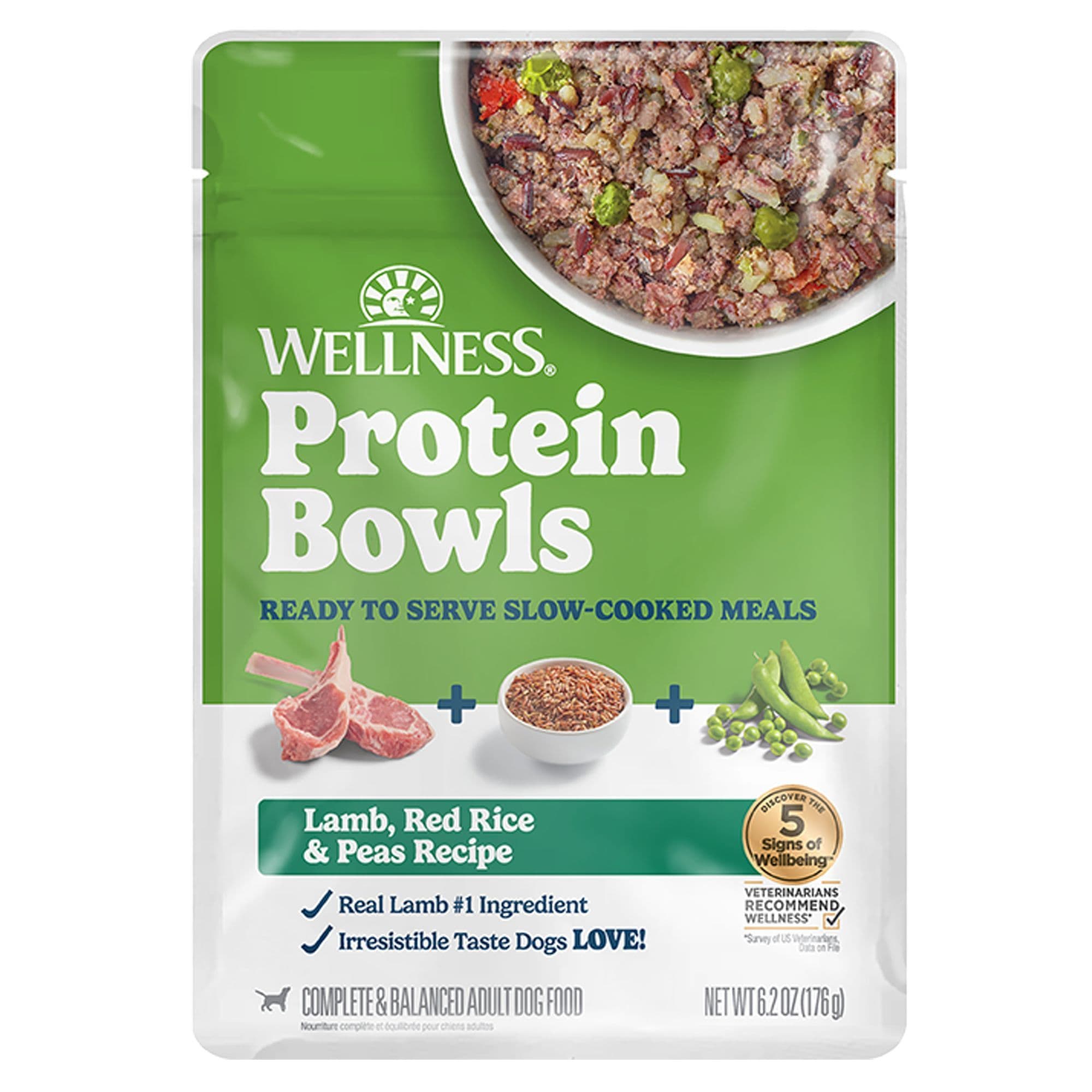
Slow-cooked, complete and balanced wet dog food with real lamb as the #1 ingredient. Single 6.2 oz pouch.
Webvet may earn a commission when you click through to PetSmart, at no extra cost to you.
Best dog food types for picky eaters, at a glance
| Food Type | Why Picky Dogs Like It | Best For |
|---|---|---|
| Shelf-stable fresh / slow-cooked wet | High aroma, visible real-food pieces, soft texture | Dogs bored with kibble; travel-friendly fresh alternative |
| Traditional canned wet food | Strong aroma, moist texture, high palatability | Seniors, dogs with dental issues, most behavioral picky eaters |
| High-protein flavored kibble | Richer protein-driven aroma than standard kibble | Dogs who prefer dry food but want something more appealing |
| Food toppers and mixers | Adds flavor and aroma without replacing the base diet | Dogs on a specific kibble who need a palatability boost |
| Freeze-dried raw / fresh rehydrated | Intense aroma, minimally processed, novel texture | Picky eaters who've rejected most cooked options |
Shelf-stable fresh or slow-cooked wet food
These are pouch-based foods that look like home cooking but don't need refrigeration until opened. They typically have the strongest combination of aroma, visible ingredients, and palatability. Good for dogs who have rejected traditional kibble or canned food. Can be fed as a full meal (for adult dogs) or used as a topper.
Traditional canned wet food
A well-formulated canned food is still one of the best tools for a picky eater. Look for a named protein first, a short ingredient list, and an AAFCO complete-and-balanced statement for your dog's life stage.
High-protein kibbles with added flavor
If you want the convenience of dry food, look for kibbles with a named protein as the first ingredient, a crude protein content of at least 25 to 30 percent for adult dogs, and a recent manufacturing date. Fresh kibble is much more palatable than kibble that's been sitting in a bag for six months.
Compare coverage choices for your pet, then request a quote directly on Lemonade.
- Check a price for your pet
- Review available coverage choices
- See the terms before you decide
Eligibility, waiting periods, limits and exclusions apply.
Webvet may earn a commission when you click through to Lemonade, at no extra cost to you.
Food toppers and mixers
Toppers are small portions of wet food, freeze-dried raw, bone broth, or goat milk added on top of kibble to boost aroma and flavor without completely changing your dog's diet. Great for dogs who will eat kibble but need extra encouragement, and great for pet parents who want to avoid a full diet overhaul.
Freeze-dried raw and fresh options
Freeze-dried raw food and refrigerated fresh food (from brands offered as full-service subscriptions) tend to have excellent palatability but come with higher costs, more prep, and, in the case of fresh food, cold storage requirements. Worth considering, but not necessary for most picky dogs.
How to feed a picky dog (techniques that actually work)
The 7-day transition
When you switch foods, do it slowly. Mix 25 percent of the new food with 75 percent of the old for two to three days, then 50/50, then 75/25, then 100 percent new. This matters for two reasons: a sudden switch can cause diarrhea even in healthy dogs, and a slow switch gives a picky dog time to accept the new food gradually rather than reject it outright.
Set mealtime rules
Slow-cooked, complete and balanced wet dog food with real beef as the #1 ingredient. Case of six 6.2 oz pouches.
Webvet may earn a commission when you click through to Chewy, at no extra cost to you.
Put food down. Give your dog 15 to 20 minutes. If he doesn't eat, pick the food up and don't offer anything else (no treats, no table food, no second meal) until the next scheduled mealtime. Most healthy dogs will start eating within one to two mealtimes once they realize the kitchen isn't a 24-hour buffet. This works, but only if every human in the house sticks to it.
Warming wet food to boost aroma
Warming wet food to just above room temperature (about 100°F / 38°C, body temperature) dramatically boosts aroma. Microwave a small portion for 5 to 10 seconds, stir, and check the temperature before serving. Never serve hot food, burned mouths create long-term food aversion.
The topper strategy
If your dog is eating a nutritionally complete kibble but needs encouragement, add a small portion (no more than 10 to 20 percent of total calories) of wet food, shelf-stable fresh food, or a commercial topper on top. You get the palatability without completely changing the diet.
What not to do
- Don't hand-feed from the bowl. This trains the dog that eating requires you to be there.
- Don't constantly switch foods in response to any food refusal. Most dogs need 3 to 5 exposures to a new food before they commit.
- Don't use human food as a "fix." Chicken, cheese, or bacon on top of kibble teaches the dog that holding out gets an upgrade.
- Don't add homemade food that's not nutritionally balanced. More than 10 percent of calories from an unbalanced topper can pull a complete diet out of balance.
- Don't let mealtime turn into a negotiation. Dogs are great at reading us. If you're visibly anxious about whether he'll eat, he'll pick up on it.
Frequently Asked Questions
Can a picky dog actually starve itself on dog food for picky eaters?
A healthy adult dog will not starve himself to death over food preferences, hunger eventually wins. However, puppies, small-breed dogs, and dogs with certain medical conditions can become genuinely ill after just 24 hours without food. Small dogs can develop hypoglycemia, and any dog can develop hepatic lipidosis (a serious liver condition, more common in cats but possible in dogs) after extended food refusal. If your dog goes more than 24 hours without eating, call your vet.
Is free-feeding making my dog picky?
Often, yes. Free-feeding (leaving food out all day) means your dog is never really hungry at any specific moment, which removes the natural drive to eat. Scheduled meals, two for adults, three or four for puppies, create predictable hunger and usually improve appetite within a week.
Should I add human food to get my dog to eat?
As a general rule, no. Most human foods are higher in fat, salt, or seasonings than is good for dogs, and adding them to the bowl teaches your dog that holding out gets a better option. If you want to boost palatability, use a commercial topper or mixer designed for dogs.
What's the best dog food for very picky dogs?
There's no single best, it's whichever nutritionally complete food your specific dog will eat consistently. For most very picky dogs, a slow-cooked, visible-ingredient wet or shelf-stable fresh food outperforms dry kibble on palatability. Whatever you choose, it must carry an AAFCO complete-and-balanced statement for your dog's life stage.
The bottom line from a veterinarian
Picky eating is usually a behavior problem with a food solution, but it's not always. Before you spend weeks trying new bags of food, rule out medical causes first, any dog refusing food alongside vomiting, lethargy, weight loss, or other symptoms needs a vet visit, not a new recipe.
For a healthy dog who's just bored or spoiled, the winning combination is usually: a high-aroma, visible-ingredient food (shelf-stable fresh or canned wet); scheduled meals on a consistent routine; a slow 7-day transition when switching; and no caving to the puppy eyes with human food. Within two to three weeks, most picky dogs are eating their new food reliably.
Mealtime should be one of the highlights of your dog's day. With the right food and the right routine, it can be.
The information in this article is educational and not a substitute for veterinary care. If your dog has specific health concerns or isn't eating, consult your veterinarian.
Veterinarian · BVMS MRCVS
Dr. Pippa Elliott, BVMS, MRCVS, is a veterinarian with nearly 30 years of experience in companion animal practice. Dr. Elliott earned her Bachelor of Veterinary Medicine and Surgery from the University of Glasgow. She was also designated a Member of the Royal College of Veterinary Surgeons. Married with 2 grown-up kids, Dr. Elliott has a naughty Puggle named Poggle, 3 cats and a bearded dragon.
Related reading

Low Calorie Dog Treats: Calories and Portion Guide

Minimally Processed Dog Food: What It Means and Why It Matters

Best Soft Dog Food for Senior Dogs: Gentle, Nutrient-Dense Options
