What Is Shelf-Stable Fresh Dog Food and Is It Good for Dogs?
A veterinarian explains what shelf-stable fresh dog food is, how it's made, and whether it's a good choice for your dog, plus how to feed it safely every day.

BVMS MRCVS

This article contains affiliate links. Webvet may earn a commission when you buy through them, at no extra cost to you.
Is shelf-stable dog food good for dogs? The short veterinary answer: yes, when it's AAFCO complete and balanced for the right life stage. Walk down the dog food aisle in 2026 and you'll see a format that didn't really exist a few years ago: pouches of slow-cooked, visible-ingredient meals that look like human food but sit on the shelf, not in a refrigerator. This is shelf-stable fresh dog food, a relatively new category that blends the look and appeal of fresh, refrigerated meals with the convenience of traditional pantry storage. For pet parents, it raises a straightforward question: is this real nutrition, or is it marketing?
As a veterinarian, here's a plain-English breakdown of what shelf-stable fresh dog food actually is, how it's made, whether it's good for your dog, and how to tell a quality product from a cosmetic one.
- 1Shelf-stable fresh dog food is slow-cooked with real, visible ingredients and then sealed in a pouch so it stays safe at room temperature until opened.
- 2Nutritionally it can match refrigerated fresh food, the difference is storage logistics, not quality, as long as the bag carries an AAFCO complete-and-balanced statement.
- 3It fits pet parents who want fresh-food benefits without a freezer, a subscription, or defrosting, and it travels well.
- 4Once opened, treat it like any fresh food: refrigerate and use within 3–5 days.
- 5For dogs with chronic illness, food allergies, or on a prescription diet, check with your veterinarian before switching.
High-quality shelf-stable dog foods are built around whole-food ingredients, named animal proteins, whole grains like brown rice and quinoa, and recognizable vegetables. Gentler, slow-cooked processing preserves more of the original ingredient structure than the high-temperature extrusion used for traditional kibble.
What does "shelf-stable fresh" actually mean?
Shelf-stable fresh dog food is gently cooked, whole-ingredient food sealed in a retort pouch so it stays safe in your pantry until opened. Under the FDA's low-acid canned food regulations (21 CFR Part 113), shelf-stable pet foods like these must be heat-processed to commercial sterility inside the sealed package, which is why they need no refrigeration and no artificial preservatives. The best products also carry an AAFCO complete-and-balanced statement for your dog's life stage.
"Shelf-stable fresh" is an industry term, not a regulatory one. It describes dog food that:
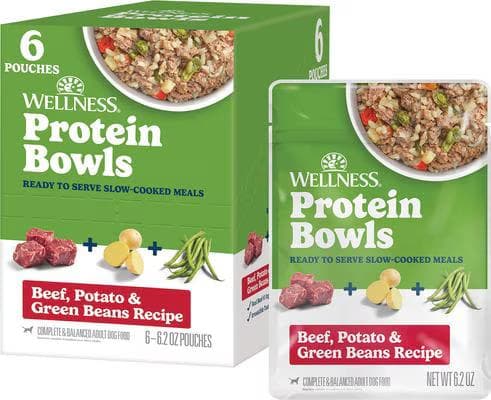
Slow-cooked, complete and balanced wet dog food with real beef as the #1 ingredient. Case of six 6.2 oz pouches.
Webvet may earn a commission when you click through to Chewy, at no extra cost to you.

- Looks and smells like a home-cooked meal, you can see real pieces of meat, vegetables, and grains in the pouch
- Doesn't require refrigeration until the package is opened
- Is gently or slow-cooked rather than extruded at high pressure like dry kibble
- Typically comes in a resealable stand-up pouch, not a can or a frozen tub
The defining trade-off is in the name. It looks "fresh" (visible whole ingredients, soft texture, aroma), but it's "shelf-stable", meaning it's been processed and packaged in a way that allows it to sit safely in your pantry for months or years, unopened.
Vet-formulated fresh meals delivered to your door. Custom portions tailored to your dog. No fillers, no by-products.
- 50% off your first box
- Custom portion plans tailored to your dog
- Vet-formulated fresh meals made
Trusted by hundreds of thousands of dog parents
Webvet may earn a commission when you click through to Farmers Dog, at no extra cost to you.
How it's different from traditional wet food
Traditional canned wet food is also shelf-stable, it goes through a retort sterilization process where sealed containers are heated under pressure to kill bacteria. Canned food works, but the high-heat, long-cycle process tends to blend ingredients into a loaf or pâté where you can't tell what's what. Shelf-stable fresh dog food uses modern retort packaging (usually a flexible pouch) that allows for gentler, faster cooking, so the pieces of chicken still look like chicken and the green beans still look like green beans.
How it's different from refrigerated fresh food
Refrigerated fresh dog food, brands like The Farmer's Dog, Freshpet, or Ollie, uses gentle pasteurization at lower temperatures, then refrigeration or freezing to keep the food safe. It's the closest thing to home cooking, but it requires cold storage from the factory to your fridge, and it expires within days to weeks once opened. Shelf-stable fresh food aims to deliver a similar sensory experience, real visible ingredients, aroma, soft texture, without the cold chain, the subscription box, or the freezer space.
How is shelf-stable fresh dog food made?
The short version: ingredients are combined, cooked, and sealed in a retort pouch, then the sealed pouch is sterilized with heat. Because the pouch is thin and flexible, heat penetrates faster than it does in a metal can, so the food spends less total time at high temperatures. That shorter cook time helps preserve:
Slow-cooked, complete and balanced wet dog food with real beef as the #1 ingredient. Case of six 6.2 oz pouches.
Webvet may earn a commission when you click through to Chewy, at no extra cost to you.

- Visible texture of meats and vegetables
- Aroma compounds that drive palatability factors for picky dogs (important for picky eaters)
- Some heat-sensitive nutrients that can degrade in longer cooks
Once sealed, the pouch is commercially sterile, it's a true shelf-stable product, not a "fresh" product with preservatives doing the work. Many shelf-stable fresh formulas contain no artificial preservatives at all; the packaging is doing the preservation.
Is shelf-stable dog food good for dogs?
Short answer: it can be, but quality varies widely. The category name doesn't guarantee nutritional quality. What matters is the same thing that matters for any dog food:
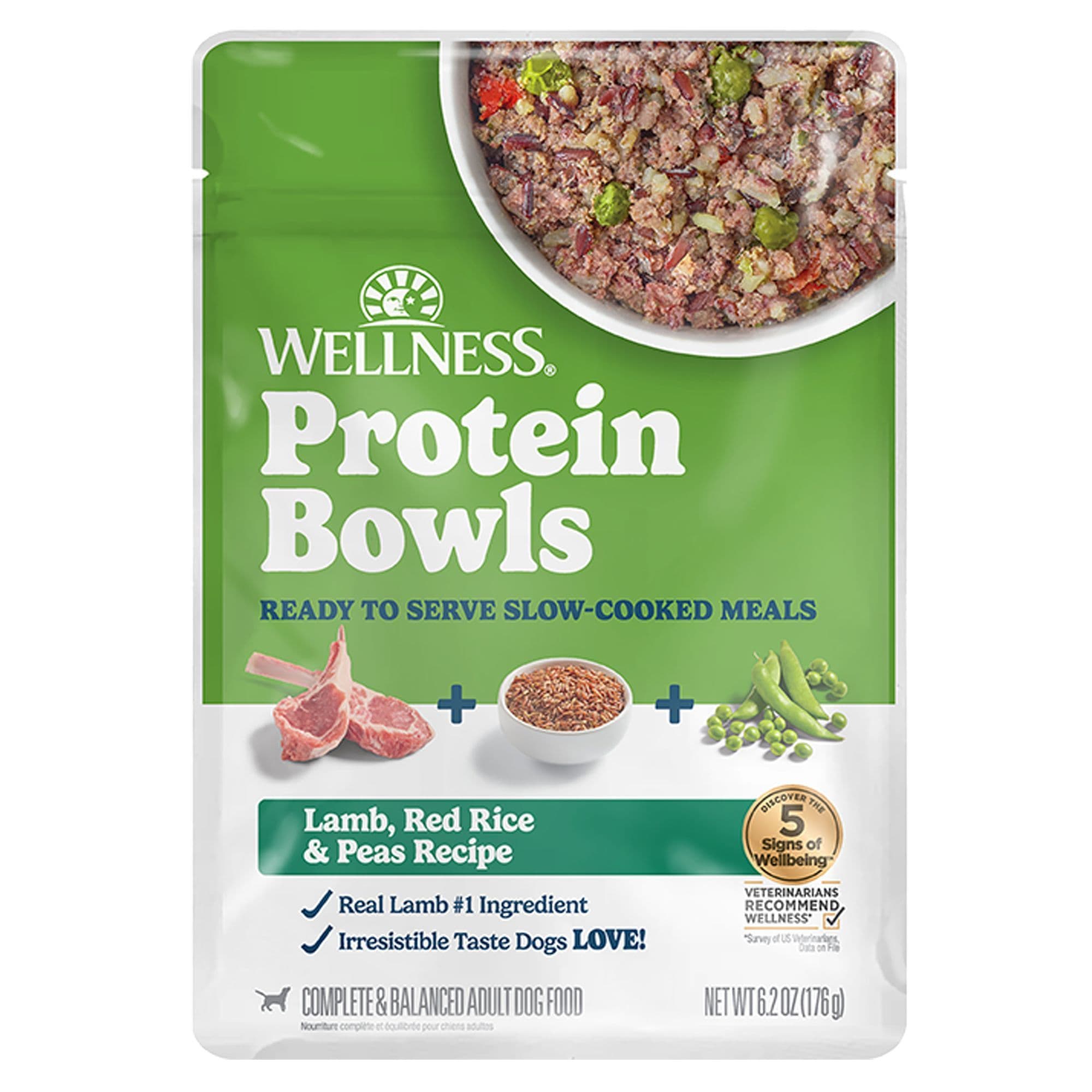
Slow-cooked, complete and balanced wet dog food with real lamb as the #1 ingredient. Single 6.2 oz pouch.
Webvet may earn a commission when you click through to PetSmart, at no extra cost to you.

Nutritional completeness
The first thing to check on any dog food, shelf-stable fresh or otherwise, is whether the label includes an AAFCO (Association of American Feed Control Officials) nutritional adequacy statement. That statement tells you whether the food is complete and balanced for a specific life stage (adult maintenance, growth, all life stages) and whether that was proven through a formulation method or an actual feeding trial. Food without that statement is not nutritionally complete, no matter how premium it looks.
Ingredient quality and processing
Because shelf-stable fresh food is gently cooked, the ingredient quality is easier to evaluate than in extruded kibble or blended pâté, you can actually see the protein pieces and whole vegetables. Look for a named protein (chicken, beef, lamb, salmon, not "meat by-products" or "animal protein meal") as the first ingredient, whole grains or named starches (sweet potato, rice, quinoa) rather than generic "grain," and a recognizable, short ingredient list. High-quality shelf-stable fresh foods like the Wellness Protein Bowls line follow this pattern: protein as the #1 ingredient, visible vegetables and grains, and no wheat, corn, meat by-products, or artificial colors and flavors.
Compare coverage choices for your pet, then request a quote directly on Lemonade.
- Check a price for your pet
- Review available coverage choices
- See the terms before you decide
Eligibility, waiting periods, limits and exclusions apply.
Webvet may earn a commission when you click through to Lemonade, at no extra cost to you.
When it might not be the right fit
Shelf-stable fresh food isn't right for every dog in every situation:
- Puppies: Most shelf-stable fresh formulas are labeled "for adult dogs." Puppies have different nutrient requirements (more calcium, phosphorus, protein by weight) and need a food specifically formulated for growth. Check the AAFCO statement before feeding to a puppy, or use the food only as an occasional topper on a complete puppy diet.
- Dogs with specific medical conditions: Kidney disease, pancreatitis, liver disease, food allergies, and inflammatory bowel disease often require a prescription or therapeutic diet. A shelf-stable fresh food is not a substitute for a therapeutic diet prescribed by your veterinarian.
- Large dogs on a budget: Pouch-based food costs more per calorie than dry kibble. For a 70-pound dog, feeding shelf-stable fresh as a full diet can get expensive fast. Many pet parents use it as a topper instead.
Shelf-stable fresh vs refrigerated fresh vs traditional wet food
Shelf-stable fresh vs refrigerated fresh vs traditional wet food
| Feature | Shelf-Stable Fresh | Refrigerated Fresh | Traditional Wet (Canned) |
|---|---|---|---|
| Storage before opening | Pantry, shelf stable | Refrigerator or freezer | Pantry, shelf stable |
| Cooking method | Slow-cooked, gently processed | Gently cooked, sometimes frozen | High-temperature retort-canned |
| Visible ingredients | Yes, pieces of meat & veggies | Yes, visible whole-food pieces | Usually ground/puréed |
| Subscription required | No | Often yes | No |
| Travel-friendly | Yes, no cooler needed | No, needs refrigeration | Yes |
| Opened shelf life | 3–5 days refrigerated | 3–7 days refrigerated | 5–7 days refrigerated |
| Best for | Fresh benefits without the fridge | Dogs on a frozen subscription plan | Seniors, dental issues, budget wet food |

How to choose a quality shelf-stable fresh dog food

If you want to compare specific brands, Petful's roundup of the best shelf-stable fresh dog food for busy pet parents puts the leading options side by side. When you pick up a pouch, check for:
- An AAFCO "complete and balanced" statement for your dog's life stage (adult, all life stages)
- A short, recognizable ingredient list, if you can't read it, your dog probably shouldn't eat it as a staple
- No artificial colors, flavors, or preservatives
- A manufacturer that publishes feeding guidelines and has responsive customer service (a phone number or email, not just a contact form)
- A "best by" or "use by" date that's at least 6 months out from purchase
Most shelf-stable fresh products are designed for two uses:
- As a complete meal for adult dogs, feed the amount on the pouch's guide, adjusted for your dog's weight, age, and activity level
- As a topper over dry kibble, add a spoonful or two to make meals more appealing, especially helpful for picky eaters or dogs with reduced appetite
If you're switching your dog from another food, transition gradually over 7 to 10 days. Mix 25% new food with 75% old food for a few days, then 50/50, then 75/25, then 100% new. Sudden diet changes can cause diarrhea or vomiting in most dogs, even when the new food is higher quality.
Frequently Asked Questions
Is shelf-stable dog food good for dogs long-term?
Not until it's opened. The sealed pouch is commercially sterile and can be stored in your pantry. Once opened, unused food should be resealed, refrigerated, and used within the manufacturer's recommended window, usually 3 to 5 days.
How long does shelf-stable fresh dog food last?
Unopened pouches typically last 12 to 24 months from the manufacturing date. Check the "best by" date on each pouch. Once opened and refrigerated, use within 3 to 5 days.
Can puppies eat shelf-stable fresh dog food?
Most shelf-stable fresh formulas are AAFCO-approved for adult maintenance only. Puppies need a food formulated for growth. If you want to give your puppy a shelf-stable fresh product, use it as a small topper (no more than 10% of total calories) on a complete puppy diet, and check with your vet first.
Is shelf-stable fresh dog food safe for dogs with sensitive stomachs?
Often yes, because shelf-stable fresh formulas tend to use simpler, more recognizable ingredient lists than heavily processed foods. But if your dog has a diagnosed food allergy or a chronic GI condition, work with your veterinarian to pick a limited-ingredient or therapeutic diet rather than switching on your own.
Is shelf-stable fresh dog food the same as human-grade dog food?
No. "Human-grade" is a specific AAFCO-regulated label meaning every ingredient and the manufacturing facility meet human-food standards. Many shelf-stable fresh products use high-quality ingredients but are not certified human-grade. Check the label if this matters to you.
Is shelf-stable dog food the same as wet dog food?
Related but not identical. Both shelf-stable fresh dog food and traditional canned wet food are technically shelf-stable, you store them at room temperature before opening. The difference is processing. Canned wet food is heated at very high temperatures in a retort process that blends ingredients into a pâté or loaf; shelf-stable fresh food is gently cooked at lower temperatures in multi-layer pouches so visible pieces of meat, vegetables, and grains remain. Both can be AAFCO complete and balanced; shelf-stable fresh typically has less processing intensity and more visible whole-food structure.
Can I mix shelf-stable dog food with kibble?
Yes, this is one of the most common ways pet parents use this category. A spoonful or two of shelf-stable fresh over kibble improves aroma and palatability without fully switching the diet. Keep the topper to about 10% of daily calories so you don't unbalance the complete-and-balanced base. If you want the topper to be a larger portion of the meal, pick a shelf-stable fresh that's itself AAFCO complete and balanced so you're combining two complete diets, that's nutritionally safe even at higher proportions and lets you flex the mix based on budget and what your dog will actually eat.
Shelf-stable fresh dog food isn't a gimmick, it's a legitimate food format made possible by modern retort packaging, and a quality product can deliver real nutrition along with strong palatability. But the category name isn't a guarantee. A shelf-stable fresh food is only as good as its AAFCO statement, its ingredient list, and the company standing behind it.
For most adult dogs, a well-formulated shelf-stable fresh product is a reasonable option as either a complete meal or a topper. For puppies, senior dogs on therapeutic diets, or dogs with specific medical conditions, talk to your veterinarian before making a switch.
Mealtime matters more than pet parents sometimes realize. If a higher-quality, better-smelling, more visually appealing food gets your dog eating consistently and enthusiastically, that's a real clinical benefit, not just a lifestyle upgrade.
The information in this article is educational and not a substitute for veterinary care. If your dog has specific health concerns or dietary needs, consult your veterinarian.
Veterinarian · BVMS MRCVS
Dr. Pippa Elliott, BVMS, MRCVS, is a veterinarian with nearly 30 years of experience in companion animal practice. Dr. Elliott earned her Bachelor of Veterinary Medicine and Surgery from the University of Glasgow. She was also designated a Member of the Royal College of Veterinary Surgeons. Married with 2 grown-up kids, Dr. Elliott has a naughty Puggle named Poggle, 3 cats and a bearded dragon.
Related reading

Low Calorie Dog Treats: Calories and Portion Guide

Minimally Processed Dog Food: What It Means and Why It Matters

Best Soft Dog Food for Senior Dogs: Gentle, Nutrient-Dense Options
