Natural Tick Repellent for Dogs: What Works, What Doesn't, and How to Use It
Explore botanical tick repellents, the evidence behind essential oils, and how to mix and use Silver Lining Herbs Bug Repel within a practical protection routine for your dog.

BVMS MRCVS
Medically reviewed by Dr. Pippa Elliott, BVMS MRCVS · Last reviewed

This article contains affiliate links. Webvet may earn a commission when you buy through them, at no extra cost to you.
A natural tick repellent for dogs offers a botanical option for your outdoor routine. Research supports tick-repelling activity in certain plant oils, including geranium. Choosing a formulated product with clear directions gives you a practical way to explore those ingredients alongside regular tick checks and your dog's established prevention plan.
Silver Lining Herbs Bug Repel combines several botanicals in a concentrate that you dilute with water, then spray or wipe on. Below, we explain what natural repellents do, how to compare formats, and how to prepare Bug Repel for use.

 Sponsored
Need flea, tick, or parasite care for your dog?
A licensed vet at Dutch can recommend the right preventive and prescribe it when it's appropriate. Annual members get 20% off their first flea and tick order.
Use code Pets60
Plans start at $12/month · covers up to 5 pets
- Licensed vets in most states
- Rx for 150+ conditions
- 4.7 on Trustpilot
What can a natural tick repellent actually do?
Tick repellency means discouraging a tick from approaching, remaining on or attaching to a host. Killing a tick and preventing disease are different outcomes. A repellent therefore has a specific role: helping reduce unwanted contact as part of a routine that also includes tick control and inspection.
Botanical repellents use plant-derived ingredients, often aromatic essential oils. When choosing a natural flea and tick repellent for dogs, start with the pests named on the label and the way the product fits your walks, hikes and time in the yard.
- 1Botanical ingredients such as geranium have shown activity that may help repel ticks.
- 2Pair a clearly directed repellent with tick checks and veterinarian-selected protection.
A practical routine gives each measure a clear job:
- Discourage encounters: A repellent aims to make contact or attachment less likely.
- Control ticks on the animal: A tick-control product has its own specific action and labeled claims.
- Find ticks that get through: A hands-on inspection can reveal crawling or attached ticks.
- Reduce exposure nearby: Managing routes and tick habitat addresses where encounters happen.
- Respond to an attached tick: Prompt removal and appropriate follow-up are separate from routine repellent application.
Whether your concern is wood ticks, deer ticks or another local species, look for the product's stated tick claims. Your location and usual walking routes help determine which ticks deserve attention.
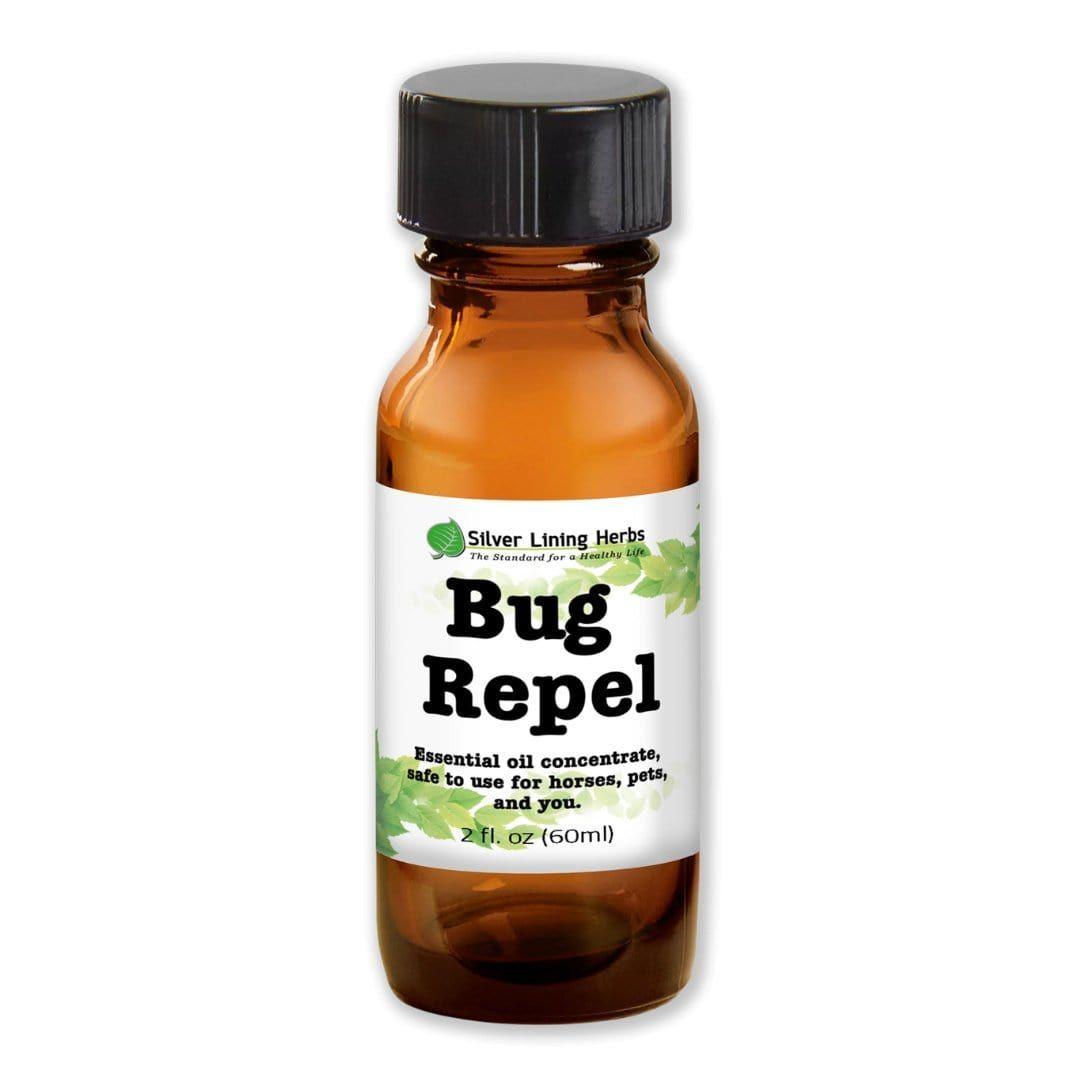
A concentrated essential-oil blend you dilute with water to repel flies, ticks, and other insects on dogs, horses, and around the house.
Webvet may earn a commission when you click through to Silver Lining Herbs, at no extra cost to you.
What the research says about essential oils and ticks
Geranium is one of the botanicals researchers have investigated for tick repellency. In a laboratory study, geranium oils repelled lone star tick nymphs on treated filter paper. Other work has examined lemon-eucalyptus, geranium and lavender preparations in laboratory tests and on treated blankets outdoors. These studies help explain the interest in plant-based repellents. Geranium essential-oil study
These studies support interest in botanical repellents, with results tied to the formula and test conditions. They did not test Bug Repel, so they do not establish that product's effectiveness against ticks or tick-borne disease.

Use the study design to understand the question each source answers:
| Evidence type | What it can show | Useful context |
|---|---|---|
| Laboratory ingredient test | Repellency under the tested conditions | Identifies promising ingredients for further study |
| Formulated product study | Performance of that exact formulation and method | Connects results to a defined blend and application method |
| Canine field study | Outcomes in dogs under the study conditions | Shows how the tested formula performed in dogs |
| Manufacturer directions | How the manufacturer instructs owners to use the product | Provides the preparation and application instructions to follow |
The laboratory and outdoor blanket study also examined how preparation and time affected repellency. That makes it useful background for understanding why application method and duration matter. Laboratory and field repellent study
Research on particular geranium-containing formulations has extended to brown dog ticks under laboratory and canine field conditions. Such work moves the question from whether a botanical has repellent potential to how a defined preparation performs in practice. Formulation-specific dog-tick study
What smell do ticks absolutely hate? Geranium is a researched example of a botanical with repellent activity, but no scent guarantees complete protection. For everyday use, choose a formulated product by its ingredients and directions rather than by how strongly it smells.
How to choose a natural tick spray or collar for your dog
The best natural tick repellent for your dog is one that suits the animal and is easy to use consistently. Compare the intended species, named pests, preparation steps and application method. Reviews can help you judge practical details such as packaging, scent and ease of handling.
Start with what would make your routine easier: a ready-to-use bottle, a concentrate you can prepare at home, or a collar designed for ongoing wear. For owners who prefer a botanical spray with a measured mixing process, Bug Repel is an option to consider.
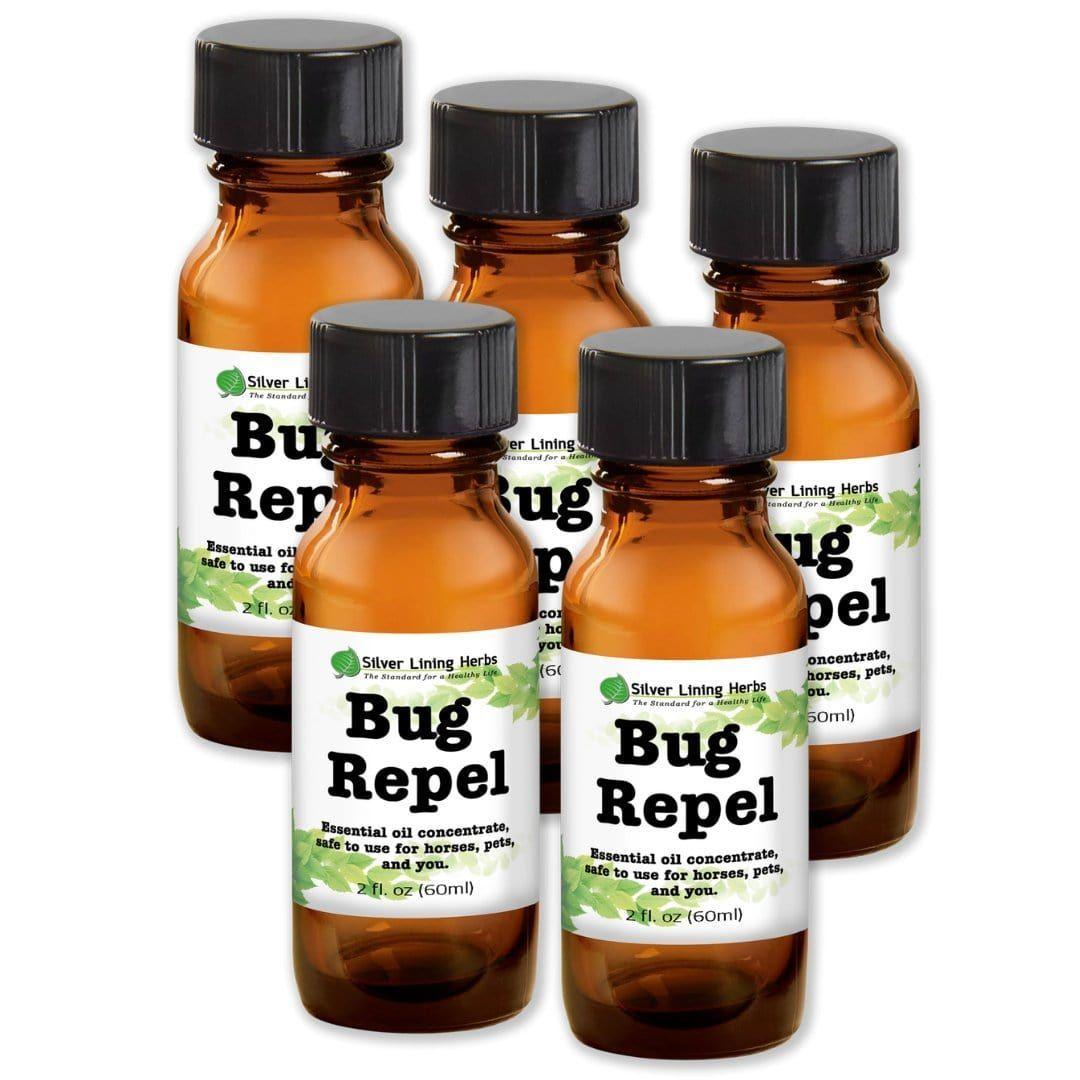
Five 2 fl oz bottles of Bug Repel concentrate at a lower per-bottle price, enough to keep a sprayer filled through tick season.
Webvet may earn a commission when you click through to Silver Lining Herbs, at no extra cost to you.
Use these questions while looking at the current package:
- Is it intended for dogs? Choose an on-animal product with directions for your intended use.
- Does it name ticks? Match the pest claim to the problem you want to address.
- Is it ready to use or concentrated? That determines whether measuring and mixing are required.
- Where should it be applied? Coat, collar, bedding and yard are different application sites.
- Does it fit your dog and household? Check species, age and other label requirements.
- What does the product information explain? Look for ingredients, use instructions and any supporting performance information.
- Will the format work for you? Consider measuring, storage and how comfortably your dog accepts application.
Spray, concentrate or collar?
A ready-to-use spray is convenient when you want to skip measuring. A concentrate lets you prepare a larger spray mixture from a small bottle. For either format, check the amount to apply and any repeat-use directions on that specific product.
A natural tick repellent collar offers a wearable format. Compare its fit, ingredients, permitted use and stated duration with the spray options. Use a purpose-made collar according to its directions, rather than adding essential oils to an ordinary collar.
For a concentrate, consider the practical setup before buying:
- A clearly marked measuring container.
- A suitable sprayer of sufficient capacity.
- Somewhere to prepare the mixture away from pets and food.
- A way to retain the original label.
- A household agreement about who applies it.
Homemade tick repellents: recipes, vinegar and other remedies
Making a spray at home can mean two different things: following a commercial concentrate's mixing directions or creating your own formula from household ingredients. A concentrate offers the convenience of home preparation with a defined recipe. A DIY blend requires decisions about ingredients, concentration and application that a list of drops does not resolve.

Vinegar and apple cider vinegar
Vinegar and apple cider vinegar are common suggestions for homemade tick sprays, but the reviewed sources do not establish them as dependable tick repellents for dogs. If your goal is a botanical spray you can prepare yourself, a labeled concentrate gives you clearer preparation and use instructions.
A few essential safety points
Avoid feeding kitchen garlic as a tick remedy. Toxic garlic exposure can damage red blood cells, with risk depending on the amount, preparation, and dog. Merck Veterinary Manual on garlic toxicity
Avoid applying undiluted essential oils or inventing your own dilution. A veterinary case series documented serious illness in dogs and cats exposed to 100% tea tree oil. Use formulated products at their directed dilution. Tea tree oil case series
For puppies, pregnant or nursing dogs, and dogs with medical conditions or previous product reactions, confirm suitability with your veterinarian. Dog and cat suitability differs, so obtain explicit feline guidance before using a product on a cat or allowing contact with a treated dog. Stop use and seek veterinary advice if a reaction occurs, keeping the container available. FDA product-use guidance
Choosing an alternative to a homemade recipe
What is the best homemade tick repellent for dogs? There is no validated household recipe to recommend as the best. For owners who want to prepare a botanical spray at home, a formulated concentrate supplies a defined mixing recipe. Bug Repel is one example: the manufacturer specifies the concentrate and water amounts, with spray or wipe-on application. The steps below explain how to prepare it.
With Bug Repel, the blending is already done. You measure the concentrate and water, then shake the mixture before application. This keeps preparation simple without requiring you to source and combine individual oils.
 Sponsored
Vet care that's always there
Unlimited video calls and messaging with licensed vets for less than a typical vet visit. One membership covers up to five pets.
Use code Pets60
Plans start at $12/month · covers up to 5 pets
- Licensed vets in most states
- Rx for 150+ conditions
- 4.7 on Trustpilot
Silver Lining Herbs Bug Repel: what it offers and how to mix it
Silver Lining Herbs describes Bug Repel as a concentrated botanical blend for repelling flies, ticks and other insects. Its practical strengths are a pre-blended formula, clearly measured dilution instructions and a choice of spray or wipe-on application.
A concentrated essential-oil blend you dilute with water to repel flies, ticks, and other insects on dogs, horses, and around the house.
Webvet may earn a commission when you click through to Silver Lining Herbs, at no extra cost to you.
The ingredient list includes geranium, peppermint, clove oil, lemongrass, cedarwood, citronella, eucalyptus, aloe vera, orange and witch hazel. For owners interested in aromatic plant ingredients, the blend brings several familiar botanicals together in one product.
The preparation directions are specific:
- Measure 2 fl oz of Bug Repel concentrate.
- Add 22 fl oz of water to the sprayer with the concentrate.
- Shake well before using.
- Apply the diluted solution as a spray or wipe it on.
- Avoid the eyes.
Five 2 fl oz bottles of Bug Repel concentrate at a lower per-bottle price, enough to keep a sprayer filled through tick season.
Webvet may earn a commission when you click through to Silver Lining Herbs, at no extra cost to you.
Prepare your sprayer
Use a clearly marked measuring container and a sprayer with enough room for the complete 24 fl oz mixture and shaking.
Keep the original bottle and directions with your supplies, and label the prepared mixture so everyone in the household can identify it.
The spray-or-wipe choice gives you two ways to handle application. Wiping may be more convenient for a dog that dislikes a spray nozzle. Follow the same dilution and eye-avoidance directions with either method.
How to apply a natural tick spray as part of your routine
An easy application routine starts with the exact product, its directions and a comfortable place for your dog to stand. Have everything ready before the outing so measuring and application do not become a last-minute task.
If another person helps with walks, agree who will prepare and apply the spray. Keeping the original container and the prepared bottle together makes the routine easier to repeat.

Before you start
Set up the application so the product stays where it is intended:
- Confirm the exact product and whether it requires dilution.
- Read the preparation and application directions.
- Keep food, drinking bowls and other pets away from the setup.
- Have the original container available.
- Decide who will hold the dog if assistance is needed.
- Check whether another product has already been applied.
During application
Choose a calm moment and work at a pace your dog accepts. If spraying makes the dog turn toward the nozzle or pull away, Bug Repel's permitted wipe-on method gives you another application option. Pause if your dog becomes uncomfortable.
After application
Put the supplies away and let other caregivers know when the product was applied. A simple note can keep the whole household coordinated.
After the walk, make the tick check part of your usual return-home routine. The inspection steps below show where to look.
Can dogs, people and cats share the same repellent?
Some botanical repellents are marketed for both people and animals. Bug Repel's manufacturer describes uses for people, horses, pets and around the home, which may appeal to households seeking one product for several outdoor needs.
Match each intended use to the directions for that person, animal or surface. In a home with cats, follow the species-specific precautions above. Shared storage and preparation can be convenient while each household member still receives the appropriate application.
Build a tick-protection routine before and after each outing
If you are interested in a holistic approach to flea and tick control, discuss how botanicals can fit alongside exposure reduction, tick checks and appropriate preventive products. Recommendations vary among veterinarians and with each dog's circumstances. A useful plan turns those choices into a routine you can follow before and after each outing.
Before the outing
Think about where the dog will actually go. A wooded trail, a brushy fence line and a maintained walking path are different settings. If you are traveling, consider the destination as well as your home address.
Prepare these practical details:
- Check that your dog's established prevention routine is current.
- Choose the route and any areas you intend to avoid.
- Prepare a repellent only as its directions specify.
- Carry a suitable tick-removal tool.
- Decide when and where you will inspect the dog afterward.
- Make sure another caregiver knows what has already been applied.
For a short walk on a maintained path, plan your familiar route and inspect your dog when you return. For a longer trip through brush, choose clearer sections of trail, pack a removal tool and allow more time for inspection afterward.
Before boarding, camping or leaving your dog with family, share the product name, preparation directions and application record. Agree who will handle the return inspection so the routine stays consistent while you are away.
After the outing

The CDC recommends daily tick checks for pets that go outdoors and prompt removal of attached ticks. Pay attention to the ears, eyelids, collar area, front legs, toes, back legs and tail. Long or dark fur can make inspection harder, so use both sight and touch. CDC tick-check guidance
Work through the same areas in the same order each time. Part the coat where necessary and feel gently for small bumps. If your dog finds paw or ear handling difficult, use calm, manageable sessions to build a routine you can complete.
Record useful observations when you find a tick:
- The date and place of the outing.
- The repellent or preventive product used.
- Rain, swimming or other notable conditions.
- Whether the tick was crawling or attached.
- Where it was found and what action you took.
These observations can reveal recurring exposure spots or situations worth discussing with your veterinarian.
When to reassess
If you keep finding ticks, review your walking routes, yard habitat and prevention plan. Bring your observations and current product information to the discussion.
The Companion Animal Parasite Council recommends consistent, year-round tick control and notes that substantial environmental exposure can complicate control. Your veterinarian can help interpret what you are finding in the context of local ticks and your dog's routine. CAPC tick guidelines
When you need broader flea and tick prevention
The healthiest flea and tick prevention plan is tailored to your dog's age, health history, local parasites and daily activities. Botanical repellents can be considered within that broader choice, alongside products intended to control parasites on the animal.
Natural flea-repellent options address unwanted pest contact; managing an established flea infestation may also require treatment of the home environment. WebVet's guide to the best flea and tick prevention for dogs explains the broader product choices.
The safest flea treatment for dogs guide covers treatment suitability. For heartworm protection as well, see flea, tick and heartworm prevention for dogs. Heartworm prevention requires its own appropriate preventive product.
What to do if you find an attached tick
Remove an attached tick promptly using the correct technique. If it is in a difficult location or your dog will not tolerate handling, contact your veterinarian for help.
WebVet's step-by-step tick-removal guide explains the technique. The separate article on what kills ticks on dogs instantly addresses the distinction between killing a tick and safely removing one.
After removal, note the date and where the tick was found. Your veterinarian can advise on any follow-up appropriate to the exposure.
When a tick bite needs veterinary attention
A small mark or lump can remain at an attachment site. Monitor the area and your dog's overall comfort and behavior; appearance alone cannot identify a tick-borne infection.
Contact your veterinarian if the area becomes increasingly swollen, painful or develops discharge, or if your dog becomes unwell. Mention the tick encounter even if the skin change seems minor.
WebVet's guide to what tick bites look like on dogs explains visual changes and bite-site concerns. The tick-borne diseases in dogs guide covers signs and clinical follow-up.
Reduce tick encounters around the yard
Reducing tick habitat gives your dog's outdoor routine another useful layer. Start with the areas your dog uses most, including resting places and the edges of walking routes.

Start by looking at where the dog rests and moves:
- Brushy boundaries and accumulated leaf litter.
- Routes through dense vegetation.
- Places wildlife regularly crosses.
- Resting areas close to unmanaged growth.
CAPC includes habitat management, such as addressing brush and leaf litter, within tick control. The point is to reduce favorable encounter areas while continuing the dog's protection routine. CAPC environmental guidance
If you are considering a yard product, compare its target pests, application area and household directions. WebVet's flea and tick yard-treatment comparison covers those options. Use yard treatments and on-animal sprays for their respective labeled purposes.
Natural tick repellent questions
Frequently Asked Questions
How long does a natural tick repellent last?
Under normal conditions, 1–3 hours. Reapply as needed.
Can I use Bug Repel on a puppy?
Puppies under 12 weeks old are typically more sensitive to oils, so use is not recommended.
Can I spray my dog's bedding with a natural tick repellent?
Generally, yes. Apply as a light mist and spot test first to avoid staining.
Sources
- Silver Lining Herbs: Bug Repel ingredients and recommended use
- Companion Animal Parasite Council: Tick guidelines
- Companion Animal Parasite Council: General guidelines
- CDC: Preventing ticks on pets
- FDA: Safe use of flea and tick products in pets
- Geranium essential oils as natural tick repellents: laboratory study
- Plant-oil repellency in laboratory and field testing
- Geranium-containing formulations for dog-tick control
- Concentrated tea tree oil toxicosis in dogs and cats
- Merck Veterinary Manual: Garlic and onion toxicosis
Veterinarian · BVMS MRCVS
Dr. Pippa Elliott, BVMS, MRCVS, is a veterinarian with nearly 30 years of experience in companion animal practice. Dr. Elliott earned her Bachelor of Veterinary Medicine and Surgery from the University of Glasgow. She was also designated a Member of the Royal College of Veterinary Surgeons. Married with 2 grown-up kids, Dr. Elliott has a naughty Puggle named Poggle, 3 cats and a bearded dragon.
Related reading

Myiasis in Dogs and Cats: Maggots in a Wound, Signs, and What to Do

Screwworm Treatment and Prevention for Dogs and Cats: What Works

Screwworm in Dogs and Cats: Signs, What It Looks Like, and What to Do
