How Much Does Giardia Treatment Cost for Dogs?
Giardia costs vary by exam, fecal test, medication, supportive care, rechecks, and complications. Compare dated lab benchmarks without mistaking them for a full bill.

BVMS MRCVS
Medically reviewed by Dr. Pippa Elliott, BVMS MRCVS · Last reviewed

This article contains affiliate links. Webvet may earn a commission when you buy through them, at no extra cost to you.
How much does Giardia treatment cost? There is no evidence-supported national total for a dog's complete Giardia episode. The clinic estimate depends on the examination, test choice, medication, supportive care, rechecks, reinfection, and complications. Local prices and the dog's condition can change every component.
Three veterinary laboratories publish useful test-fee benchmarks, but none is a pet owner's complete bill. Those fees exclude the examination, sample collection, clinic charges, shipping, medication, tax, and follow-up. Ask the clinic for an itemized estimate, and never delay needed care while researching prices.

 Sponsored
Need flea, tick, or parasite care for your dog?
A licensed vet at Dutch can recommend the right preventive and prescribe it when it's appropriate. Annual members get 20% off their first flea and tick order.
Use code Pets60
Plans start at $12/month · covers up to 5 pets
- Licensed vets in most states
- Rx for 150+ conditions
- 4.7 on Trustpilot
What a Giardia Treatment Estimate May Include
- 1There is no reliable national average for a complete Giardia diagnosis and treatment episode.
- 2The estimate may include an exam, one or more fecal tests, prescribed medication, supportive care, cleaning guidance, rechecks, and care for complications.
- 3Published laboratory fees are benchmarks for different services, not a clinic invoice and not amounts that should be added together.
- 4A retail dewormer price does not include diagnosis, veterinary direction, extra-label treatment judgment, or follow-up.
- 5Insurance generally covers future eligible expenses, not a problem that was already present, and remains subject to policy terms and insurer decisions.
- 6Bloody diarrhea, collapse, severe vomiting, weakness, pain, or dehydration can require urgent care regardless of cost questions.
Giardia is not automatically expensive to treat, but the total can grow when diagnosis is uncertain, symptoms persist, reinfection occurs, or the dog needs urgent support. The most useful number is a clinic-specific itemized estimate, not an internet average. Whether pet insurance covers Giardia affects reimbursement, not what the clinic charges for the episode.
Cornell University College of Veterinary Medicine explains that a workup may combine fecal examination and antigen testing because cyst shedding can be intermittent. Treatment, diet, bathing, cleaning, and recheck decisions can become separate parts of the episode.

Sponsored Lemonade pet insurance link. Webvet may earn a commission.
| Estimate component | Why it may appear | What to ask |
|---|---|---|
| Examination | The veterinarian assesses hydration, pain, weight, appetite, and other causes | Is the exam included, and is urgent-care pricing different? |
| Fecal testing | Microscopy, antigen testing, or molecular testing answer different questions | Which test is being used, and will the result change treatment? |
| Sample collection or handling | The clinic may collect, prepare, ship, or process the specimen | Are collection, handling, and shipping separate charges? |
| Prescribed medication | Drug choice, amount, duration, and dispensing vary by dog and clinic | Does the estimate include the full prescribed course? |
| Supportive care | Fluids, diet support, nausea control, or other care may be needed | Which items are necessary now, and which depend on response? |
| Cleaning or bathing support | The plan may include coat hygiene and environmental control | Are products or professional services optional retail costs? |
| Recheck or repeat testing | Persistent signs or intermittent shedding can prompt follow-up | Is a recheck included, and what would trigger another test? |
| Complication care | Vomiting, dehydration, pain, or severe diarrhea can require more intensive care | What warning signs should trigger urgent or emergency care? |
This framework avoids pretending that every dog needs every line. Ask the clinic which components apply now, which are conditional, and which could be performed later only if the dog does not improve.
For the clinical sequence behind those line items, start with WebVet's Giardia symptoms and testing guide and veterinarian-directed Giardia treatment guide. Those pages explain the medical decisions this cost guide prices without replacing them.
Questions that make an estimate useful
- What does the examination fee include?
- Which fecal test is planned, and why was it chosen?
- Are sample collection, outside-lab handling, and shipping included?
- Does the estimate include the complete medication course?
- Which supportive-care items are required today?
- Is a recheck or repeat fecal test already included?
- What symptoms would change this from routine to urgent care?
- Is payment due before an insurer can evaluate reimbursement?
An estimate is a planning tool, not a cap or guarantee. The veterinarian may recommend a different test or treatment if the examination reveals dehydration, pain, another parasite risk, or a reason to investigate beyond Giardia.
Testing Costs Before Treatment

Dated Laboratory Benchmarks
Fecal test cost for dogs varies because fecal flotation, Giardia antigen testing, and broader molecular panels are different laboratory services. A Giardia antigen test cost is only one possible laboratory component, not the complete diagnosis and treatment bill. The Merck Veterinary Manual describes these methods with different diagnostic uses.
Each dated laboratory benchmark below names a different service, fee, and test purpose, with owner-invoice exclusions beside the amount. The rows are not a price menu or national average. They help an owner ask which test the veterinarian selected and what examination, collection, shipping, treatment, tax, or follow-up remains outside the laboratory charge.
The figures below were published by veterinary-school laboratories and fetched on August 30, 2026. They are not national averages, a recommendation to order a test directly, or a promise that a local clinic will charge the same amount.

Multi-strain probiotic plus prebiotic sprinkle capsules for dogs and cats; supports digestive balance during diarrhea, diet changes, and antibiotic courses.
Webvet may earn a commission when you click through to Chewy, at no extra cost to you.
| Published laboratory service | Listed fee | What the service represents | Exclusions from the listed fee |
|---|---|---|---|
| Texas A&M double centrifugal zinc flotation for Giardia in small animals | $19.50 | A laboratory fecal flotation using a two-gram sample | Not an owner invoice; excludes veterinary exam, collection, clinic charges, shipping, medication, tax, and follow-up |
| Washington State University WADDL Giardia antigen assay | $35 | A single-organism laboratory antigen test for canine or feline feces | Not an owner invoice; excludes veterinary exam, collection, clinic charges, shipping, medication, tax, and follow-up |
| UC Davis canine gastrointestinal and diarrhea PCR panel | $123 | A broader molecular panel that includes Giardia among multiple pathogens | Not an owner invoice; excludes veterinary exam, collection, clinic charges, shipping, medication, tax, and follow-up |
Do not add $19.50, $35, and $123 to create a supposed standard total. The rows describe different services from different laboratories. A veterinarian selects tests based on the dog's history, signs, prior results, and the question that needs answering.
The dated amounts come directly from Texas A&M's parasitology laboratory, Washington State University WADDL, and the UC Davis veterinary PCR laboratory.
The fecal test cost for dogs at a local clinic may differ because these laboratory listings do not include the complete visit.
Why a clinic's fecal-test price can be higher
A clinic charge may include professional collection, examination of the sample, preparation, packaging, shipping, result interpretation, and communication. An in-house test and a reference-laboratory test can also have different cost structures.
Ask whether the quoted price is for one method or a combined panel. A broader panel may cost more because it evaluates multiple pathogens, but broader is not always necessary. The veterinarian should connect the test to a clinical decision.
Why more than one test may be considered
Giardia cyst shedding can be intermittent. Cornell notes that a fecal examination and antigen test may be combined, while Merck describes several available methods. Continued signs can lead to repeat sampling or a different test rather than an automatic repeat of the same medicine.
One negative result may not settle a strongly suspected case, and one positive result still needs interpretation. The dog may have another cause of diarrhea or may carry Giardia without the parasite explaining every current sign.
When broader diagnostics enter the estimate
Persistent diarrhea, weight loss, repeated vomiting, pain, dehydration, or an atypical course may prompt tests beyond Giardia. The veterinarian might consider another fecal method, bloodwork, imaging, or a broader gastrointestinal workup according to the dog's findings.
WebVet's dog bloodwork cost guide explains common laboratory cost components. The veterinary visit cost guide helps separate an examination from diagnostics and treatment.
 Sponsored
Vet care that's always there
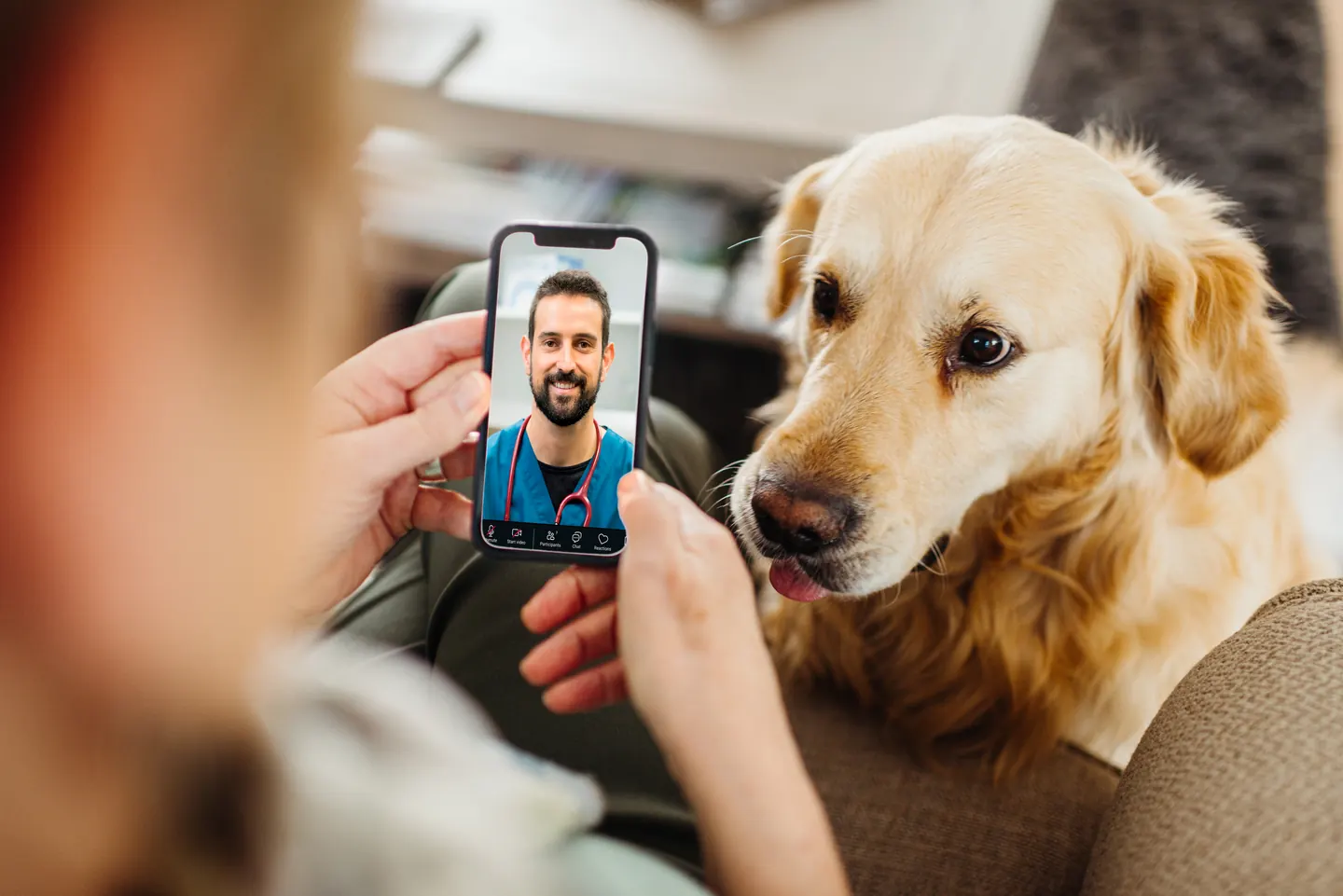
Unlimited video calls and messaging with licensed vets for less than a typical vet visit. One membership covers up to five pets.
Use code Pets60
Plans start at $12/month · covers up to 5 pets
- Licensed vets in most states
- Rx for 150+ conditions
- 4.7 on Trustpilot
Medication and Supportive-Care Costs
There is no evidence-supported national price for Giardia medication because the veterinarian selects the drug, amount, duration, and dispensing method for the individual dog. Weight, medical history, other medicines, local pricing, and whether treatment changes can all affect the amount paid. The price must stay tied to veterinary diagnosis and follow-up.
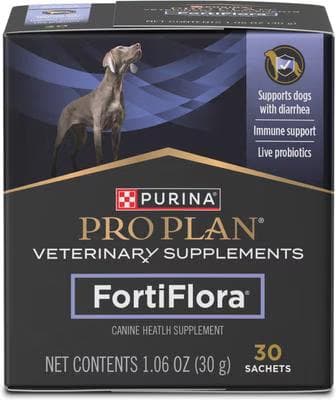
The #1 vet-recommended probiotic for dogs. Daily powder sachets with live probiotics support healthy digestion and firmer stools, and can help dogs coping with diarrhea or GI upset.
Webvet may earn a commission when you click through to Chewy, at no extra cost to you.
Cornell lists fenbendazole, metronidazole, or a veterinarian-selected combination among possible approaches. Merck commonly considers fenbendazole first line and notes that, in the United States, no drug is specifically approved for canine giardiasis. Treatment therefore requires veterinarian-directed extra-label judgment.
Veterinarian-approved digestive support may become a separate optional cost after diagnosis and treatment are set. A probiotic does not kill Giardia, choose a medication, or confirm that infection has cleared.

Retail price is not episode cost
A retail listing covers only the product shown. It does not confirm that the dog has Giardia, set a safe dose, account for other disease, include the examination or tests, or tell the owner whether follow-up is needed.
Panacur C Canine Dewormer is one fenbendazole retail product. Its product-page price can change and cannot stand in for veterinarian-directed treatment. WebVet's fenbendazole for dogs guide owns medication-specific use and safety.
Safe-Guard Canine Dewormer for Medium Dogs is another fenbendazole retail product whose package size and labeled directions cannot establish a Giardia regimen. Compare only the exact product the veterinarian names, and do not substitute based on price alone.
What can change the medication portion
- The dog's weight and the amount dispensed
- The selected drug and formulation
- The prescribed duration
- Whether a dose is missed or vomited
- Whether another medication is needed for nausea or another problem
- Local dispensing and pharmacy charges
- A treatment change after persistent signs or a new result
Ask the clinic whether the estimate includes the full course and what to do after a missed or vomited dose. Never double a dose or restart leftovers without direction.
Supportive care may be separate
Some dogs need only the veterinarian's outpatient plan. Others need fluids, an anti-nausea medicine, diet support, or monitoring because diarrhea and vomiting have affected hydration or appetite. Those services can cost more than the parasite medication itself.
If a temporary bland food is prescribed, Under the Weather Rice & Chicken is one exact retail price to check separately. It does not treat Giardia and should not be counted as complete long-term nutrition.
Digestive supplements are optional adjuncts when the veterinarian approves them. Options include Nutramax Proviable, Purina FortiFlora for dogs, AnimalBiome Gut Restore for Dogs, and Animal Biome S. boulardii + FOS Powder. They do not kill Giardia, replace testing, or confirm that infection has cleared.
Why Rechecks or Reinfection Can Raise the Total
How hard Giardia is to get rid of depends on reinfection, intermittent shedding, incomplete medication, and whether another gastrointestinal problem complicates the case. A return of diarrhea does not automatically prove drug resistance or justify repeating the previous treatment.
Merck lists reinfection, treatment failure, dosing problems, resistance, and another gastrointestinal condition among possibilities when signs continue. Cornell notes that persistent diarrhea may require a new stool assessment for reinfection or another cause.
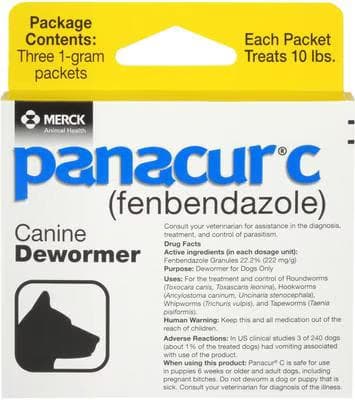
Broad-spectrum dog dewormer (fenbendazole) that treats roundworms, hookworms, whipworms, and Taenia tapeworms. Three daily 1-gram packets dosed by weight.
Webvet may earn a commission when you click through to Chewy, at no extra cost to you.
Costs that may appear after the first visit
- A recheck examination
- Another fresh fecal sample
- A repeat or different test method
- Testing for other parasites or intestinal disease
- Another prescribed medication course or changed plan
- Fluids or nausea control
- Bathing, laundry, or cleaning supplies
- Urgent care if the dog's condition worsens
The Giardia home-care guide covers cleaning and reinfection control. Those supplies can add out-of-pocket cost, but they should not be confused with medical treatment or used to delay a recheck.
Make the recheck trigger explicit
Before leaving the first appointment, ask what improvement should look like and when the clinic wants an update. Clarify whether a planned recheck is routine or only needed if symptoms persist.
Keep a record of medication times, stool frequency, vomiting, appetite, water intake, energy, and possible re-exposure. That history can help the veterinarian choose a focused next step rather than repeating every part of the original workup.
Can Pet Insurance Help With Giardia Costs?
Pet insurance may help only with future eligible expenses under the policy. It generally excludes problems that existed before coverage began and remains subject to waiting periods, deductibles, reimbursement percentages, limits, exclusions, documentation, and the insurer's claim decision.
The American Animal Hospital Association explains that policyholders commonly pay the veterinary bill and then seek reimbursement for eligible expenses. VCA's pet insurance guide also emphasizes pre-existing-condition exclusions and policy-specific cost sharing.

A current problem is not future coverage
Buying a policy after diarrhea, testing, or a Giardia diagnosis usually does not convert that episode into a covered event. The insurer may review earlier signs and medical records, not merely the date a test finally named the condition.
If the dog is already sick, focus on care and ask the clinic about payment. Insurance shopping can still help with future planning, but the current problem should be treated as potentially pre-existing unless the policy and insurer determine otherwise.
Questions to ask before relying on reimbursement
- Is this condition eligible under the policy in force on the date signs began?
- Has the waiting period ended?
- Is the examination fee eligible?
- Are fecal tests, medication, and rechecks eligible?
- What deductible remains?
- What reimbursement percentage applies?
- Is there an annual or condition-specific limit?
- What records and itemized invoices are required?
- Must the owner pay the clinic first?
Save the policy version, estimate, medical record, laboratory result, prescription, and paid invoice. A benefits summary cannot replace the contract. For future planning, a Lemonade pet insurance quote is one available comparison point, not a promise that a current Giardia episode will be covered.
When Cost Concerns Should Not Delay Care
Price research should stop when a dog shows emergency warning signs. Cornell emergency and critical care identifies severe bloody diarrhea, collapse, weakness, severe vomiting, pain, or a distended abdomen as reasons for urgent assessment.
Ask for an itemized medical plan
Tell the veterinary team that cost is a concern before declining or delaying care. Ask which service addresses an immediate safety risk, which test is most likely to change the plan, and which conditional items depend on the dog's response.
Possible questions include:
- Can the clinic provide a written low and high estimate?
- Which services are medically urgent today?
- Which costs are conditional rather than certain?
- Is a lower-cost test clinically appropriate for this question?
- When would a broader test become necessary?
- Does the clinic accept third-party financing or another payment arrangement?
- Are there local veterinary-school or charitable resources?
The emergency vet cost guide explains why triage, stabilization, monitoring, and after-hours care can change a bill. Cost planning should help an owner communicate, not encourage waiting while the dog deteriorates.
For non-emergency stool changes, the dog diarrhea causes guide explains the broader diagnostic possibilities. A color or odor cannot establish Giardia or justify choosing the lowest-cost dewormer.
Bring the right information
Bring the symptom timeline, medication and supplement list, insurance documents, and any prior fecal results. If the clinic asks for a fresh sample, follow its collection and storage instructions.
Do not give a retail dewormer before the visit simply to save money. It can complicate interpretation, may not fit the dog, and does not address dehydration, vomiting, blood loss, or another cause of diarrhea.
Frequently Asked Questions
How much can a Giardia fecal test cost?
How much a Giardia fecal test can cost depends on the service. One published laboratory benchmark is $19.50 for a Texas A&M zinc flotation, while a WSU antigen assay is listed at $35. A UC Davis canine gastrointestinal PCR panel is listed at $123.
Each is a different laboratory service, not an owner invoice, and excludes the exam, collection, clinic charges, shipping, medication, tax, and follow-up.
Why might my dog need more than one Giardia test?
Your dog may need more than one Giardia test because cyst shedding can be intermittent. A veterinarian may combine microscopy with antigen testing, repeat a sample, or choose a different method when signs persist.
More testing is not automatic. The next test should answer a defined clinical question and change the plan. The veterinarian should interpret every result with the dog's condition.
Does a Giardia estimate usually include medication and rechecks?
A Giardia estimate does not necessarily include medication and rechecks. Ask for itemization showing the examination, sample collection, tests, medication, supportive care, and follow-up separately.
Clarify whether a recheck or repeat fecal test is included, conditional, or billed only if symptoms continue. Written itemization helps you compare planned services with the final invoice and ask about changes.
Does pet insurance cover Giardia treatment?
Pet insurance may cover Giardia treatment only as a future eligible expense if the condition was not pre-existing and all policy terms are met. Waiting periods, deductibles, reimbursement, limits, exclusions, records, and insurer decisions still apply.
A policy bought after signs begin usually should not be assumed to cover that episode. Confirm the current episode directly with the insurer.
Can I use a retail dewormer price as the total treatment cost?
You cannot use a retail dewormer price as the total treatment cost. A retail price covers one product, not diagnosis, veterinary extra-label judgment, dosage selection, supportive care, rechecks, or complications.
Use the veterinarian's written plan and itemized estimate. Do not select or combine dewormers from price alone. The total also depends on the dog's response and complications.
The Bottom Line
There is no reliable national total for Giardia treatment. Use a clinic-specific estimate that separates examination, testing, medication, supportive care, rechecks, reinfection, and complications. Treat published laboratory fees as dated, limited benchmarks rather than pieces of a standard owner bill.
Insurance may help with future eligible expenses, but it generally does not erase a pre-existing problem. Ask direct payment and estimate questions early, keep records, and never let price research delay veterinary care for a worsening dog.

Editor
The Webvet Editorial Team is the in-house group of pet-care editors and writers behind Webvet, operated by Smart Pet Collective. The team researches, writes, and maintains Webvet's pet health, behavior, and medication content. Every article follows a defined editorial process: research from reputable veterinary and scientific sources, careful drafting, mandatory review of medical content by a credentialed veterinarian, and dated publication. Health and medication articles are medically reviewed by a licensed veterinary professional before they go live and are kept current over time.
Veterinarian · BVMS MRCVS
Dr. Pippa Elliott, BVMS, MRCVS, is a veterinarian with nearly 30 years of experience in companion animal practice. Dr. Elliott earned her Bachelor of Veterinary Medicine and Surgery from the University of Glasgow. She was also designated a Member of the Royal College of Veterinary Surgeons. Married with 2 grown-up kids, Dr. Elliott has a naughty Puggle named Poggle, 3 cats and a bearded dragon.


