Tapeworms in Dogs: Signs, Treatment, and Preventing Reinfection
Rice-like segments may be the first clue to tapeworms. Learn how identification, veterinary treatment, flea control and practical household care address different parts of the problem.

BVMS MRCVS
Medically reviewed by Dr. Pippa Elliott, BVMS MRCVS · Last reviewed

This article contains affiliate links. Webvet may earn a commission when you buy through them, at no extra cost to you.
Tapeworms in dogs are intestinal parasites that may be noticed as small moving pieces near the anus or rice-like segments on poop, fur or bedding. The common flea tapeworm, Dipylidium caninum, is acquired by swallowing an infected flea. Other tapeworm species have different life cycles and risks.
A veterinarian can identify a suspected segment and select effective treatment. Treating the tapeworm and controlling fleas are separate jobs. A worm medicine will not remove a household flea problem, and a flea product will not necessarily eliminate an established intestinal tapeworm.

 Sponsored
Need flea, tick, or parasite care for your dog?
A licensed vet at Dutch can recommend the right preventive and prescribe it when it's appropriate. Annual members get 20% off their first flea and tick order.
Use code Pets30
Plans start at $11/month · covers up to 5 pets
- Licensed vets in most states
- Rx for 150+ conditions
- 4.7 on Trustpilot
What tapeworms are and what segments may look like
Save a clear photograph or a sample as the clinic directs if you see suspected tapeworm segments. Veterinary treatment addresses the intestinal infection; flea control or other exposure changes help prevent another one.
A tapeworm is a flat, segmented worm, also called a cestode, that attaches in the intestine. Its mature segments, or proglottids, contain eggs and can separate from the main worm. The tapeworm and dog relationship is parasitic: the dog is the host, not a partner receiving a benefit.
Fresh Dipylidium segments may move and resemble cucumber seeds or small white pieces of rice. Dried segments become harder and may look yellowish. You may find them on a freshly passed stool, around the rear end or where the dog sleeps. Individual tapeworm eggs are not the rice-sized objects an owner sees.

This magnified segment of Dipylidium caninum is CDC PHIL image 4839 (1979), a public-domain image credited to CDC. It shows a laboratory view of a proglottid and its egg packets, not the ordinary naked-eye appearance of rice-like segments in dog poop.
Collect feces promptly even while you are waiting for identification. Earth Rated Unscented Dog Poop Bags provide a simple way to contain each stool for disposal. If the clinic wants a segment sample, follow its separate container instructions rather than bringing an open bag of waste into the waiting room.

Unscented bags for prompt, contained feces disposal.
Webvet may earn a commission when you click through to Chewy, at no extra cost to you.
Movement, dried pieces and look-alikes
Objects mistaken for a tapeworm include rice, fibers, mucus and fly larvae. A moving piece in fresh poop can be useful evidence, but neither a picture nor a video identifies every parasite. Rice, plant material and other debris can resemble a dried segment. Fly larvae may appear in stool left outdoors; those maggots are different from tapeworm proglottids. Roundworms tend to look longer and more spaghetti-like.
There is no single useful answer to how long tapeworms live in dog poop. Usually an owner is watching shed segments, not the entire adult worm. Those pieces can move before drying and releasing eggs; the adult remains inside the host. A motionless piece does not prove treatment succeeded, and movement does not measure how severe the infection is.
Symptoms, look-alikes, and when to see a veterinarian
Many dogs with a common flea tapeworm appear well. Signs may include visible segments, licking around the rear or scooting. These behaviors also have other causes, including anal-sac trouble and skin irritation, so a scooting dog is not automatically a dog needing tapeworm medicine.
A flea-control discussion is useful even when no adult flea is seen. For an eligible dog weighing 45–88 pounds, PetArmor Plus Flea and Tick Spot Treatment is one possible option. The manufacturer labels this canine product for dogs over 8 weeks old. Confirm the dog's current weight and existing medicines before choosing it; it does not remove an established intestinal tapeworm.
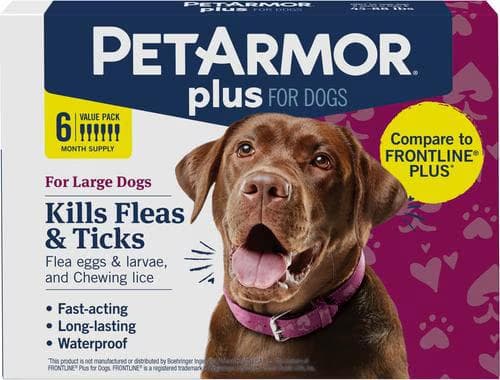
A flea-control option for eligible dogs weighing 45–88 pounds.
Webvet may earn a commission when you click through to Chewy, at no extra cost to you.
When symptoms need more than a wormer
Tapeworms can coexist with diarrhea, vomiting or poor growth, but substantial illness should not automatically be blamed on them. A heavy burden may be more troublesome in a puppy or vulnerable dog. Taenia infection may also be quiet, so symptoms cannot reliably tell you which tapeworm species is present.
Call promptly for:
- Repeated vomiting, declining appetite or weight loss.
- Persistent diarrhea, blood in stool or abdominal discomfort.
- A puppy that is not thriving or cannot maintain food and water intake.
- New signs that continue after prescribed treatment.
Bloody diarrhea is not a typical sign of common Dipylidium infection and deserves assessment for other causes even if tapeworm segments are present. Our guide to causes of diarrhea in dogs explains why the pattern and the dog's overall condition matter. Collapse, severe weakness, a painful distended abdomen or repeated inability to keep water down warrants urgent care.
Typical Dipylidium infection in an otherwise well dog is not usually an emergency or a cause of rapid death. However, there is no safe countdown for how fast tapeworms could kill a dog, and a seriously ill patient needs examination rather than reassurance based on that label. A worm-like object in vomit also requires identification; do not assume all worms brought up are tapeworms.
How dogs acquire tapeworms
For the flea tapeworm, the critical event is a swallowed flea. Flea larvae encounter tapeworm eggs in the environment; the parasite develops as the flea matures, and a dog can swallow the infected flea while grooming. An indoor dog can therefore acquire this tapeworm at home if fleas are present.
The CDC's Dipylidium life-cycle reference explains the intermediate-host step. Merely being near a dog with segments does not bypass that step. Treating the dog while leaving infected fleas available creates an opportunity for reinfection.

Different tapeworm species mean different prevention
Dogs can acquire some Taenia tapeworms by eating infected prey or raw tissues. Hunting rabbits is relevant to Taenia pisiformis exposure; scavenging and access to carcasses also deserve mention at the appointment. Flea control alone will not prevent every prey-associated tapeworm.
Echinococcus species raise distinct animal and human-health concerns in affected regions. Tell the veterinarian about travel, hunting, raw offal and contact with livestock or wildlife. Do not assume that every tapeworm is the relatively familiar flea-associated species, especially when an exposure history points elsewhere.
Useful exposure details include:
- The exact flea preventive, its last dose and any missed doses.
- Other pets with fleas or suspected segments.
- Hunting, raw feeding or scavenging opportunities.
- Recent travel or an upcoming border crossing.
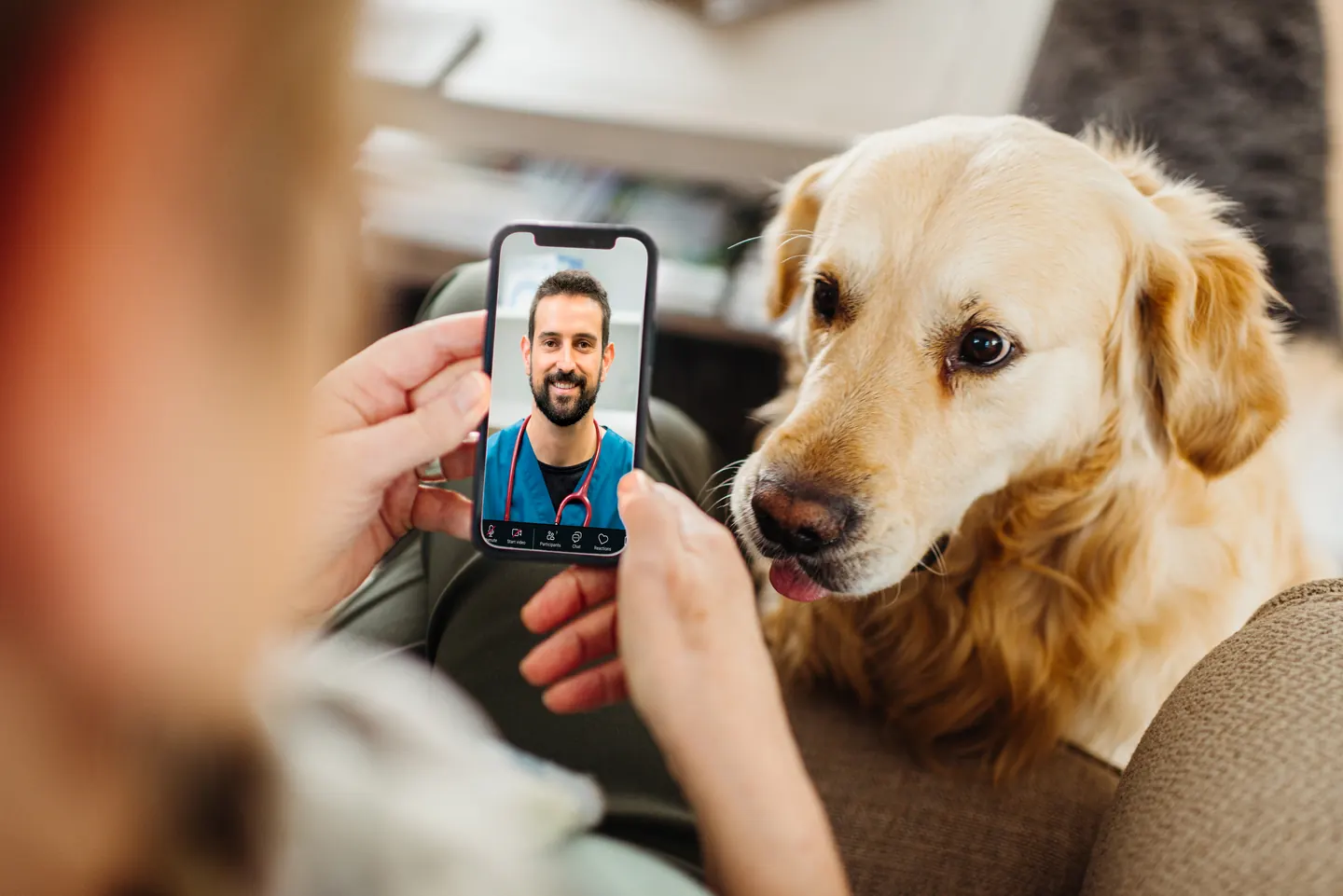 Sponsored
Vet care that's always there
Unlimited video calls and messaging with licensed vets for less than a typical vet visit. One membership covers up to five pets.
Use code Pets30
Plans start at $11/month · covers up to 5 pets
- Licensed vets in most states
- Rx for 150+ conditions
- 4.7 on Trustpilot
Diagnosis and effective veterinary treatment
Yes, tapeworms in dogs can usually be treated effectively. A veterinarian may identify a submitted segment and use additional testing when appropriate. A routine fecal examination can miss Dipylidium because eggs are not evenly distributed through every sample. A clear owner photograph can therefore help, but it does not replace species identification when that distinction matters.
Praziquantel is a common tapeworm treatment, often prescribed as a single administration for an uncomplicated infection. Cornell describes the available formulations; a single treatment does not prevent later exposure. It appears in several veterinary formulations, alone or in combination with medicines for other parasites. Which product is best depends on the likely species, the dog's weight and age, other medicines and the treatment goal. A young puppy needs an individual deworming plan, not an adult tablet divided by guesswork.
For the separate flea-control part of the plan, Advantage II for Dogs Over 55 Pounds is another format the veterinarian may consider for an eligible large dog. It is an alternative to other flea products, not an instruction to add a second topical. Confirm the exact label and application schedule, particularly if another product was recently used.
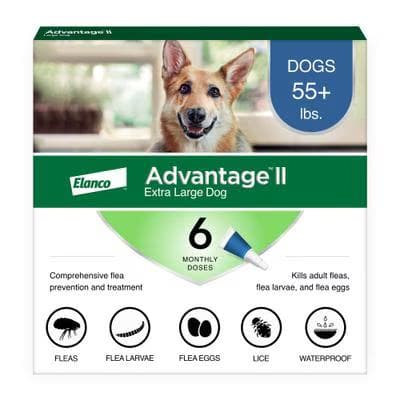
An alternative flea-control topical for eligible dogs over 55 pounds.
Webvet may earn a commission when you click through to Chewy, at no extra cost to you.
Named medicines and over-the-counter choices
Bayer-branded tapeworm products may now appear under Elanco branding. Check the active ingredient and current canine label rather than choosing from an old package photograph. Droncit contains praziquantel; Drontal Plus combines active ingredients to cover additional worms. Brand name alone cannot determine the correct dose or whether a particular pack is suitable for a puppy.
Some canine praziquantel products are available over the counter. That does not mean every dog with diarrhea needs one, or that every wormer kills tapeworms. Ivermectin and pyrantel alone are not substitutes for a labeled flea-tapeworm treatment. Fenbendazole, including Panacur formulations, has a role against certain Taenia species but should not be assumed to treat Dipylidium. CAPC's Taenia guidance makes the species distinction important.
For tapeworm tablets in Australia or Canada, verify the locally registered canine product and its active ingredient with a local veterinarian. A U.S. package or an old Bayer listing may not describe the available formulation. For a Droncit price comparison, compare the same strength and prescribed quantity, then include examination or dispensing fees; the lowest pack price is not necessarily the lowest complete treatment cost.
Choosing a usable formulation
Ask the clinic about a liquid, tablet or other formulation if administration is difficult. Different concentrations are not interchangeable. Never use a dog product on a cat or a livestock formulation on a pet without specific veterinary instructions. Give the clinic the dog's current weight and a list of all parasite products before it selects the regimen.
What to expect after treatment
No home action can promise to kill every tapeworm immediately. After effective treatment the parasite may be broken down in the intestine, so you may not see a whole dead worm passed in poop. A few observed pieces do not provide a dependable clearance test; ask when continued or returning segments should prompt reassessment.
If a dose is vomited, partly swallowed or missed, call before repeating it. Possible medication side effects depend on the formulation, so use the specific label and clinic instructions rather than a generic list. Report a marked reaction or worsening illness promptly, with the product, amount and timing available.
For an eligible dog over 18 pounds, a Seresto Flea and Tick Collar is another flea-control option. Check the canine size, minimum age, fit, handling instructions and suitability for the household. It is an alternative format to discuss, not an intestinal tapeworm cure or an extra layer to combine automatically with the spot treatments above.
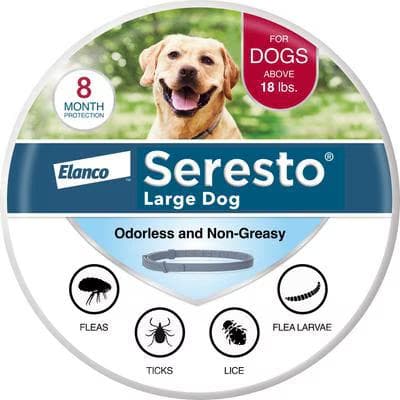
A flea-control collar format for eligible dogs over 18 pounds.
Webvet may earn a commission when you click through to Chewy, at no extra cost to you.
Choosing the next treatment step
| Finding and next treatment decision | Useful next step |
|---|---|
| A suspected segment, but no identification | Send the clinic a photograph and ask how to collect a specimen. |
| A confirmed intestinal tapeworm | Use a veterinarian-selected product appropriate for the dog and parasite. |
| Segments returning after treatment | Review the medicine, administration and flea control or hunting exposure. |
| A border-crossing appointment | Check the destination's current travel requirements and veterinary documentation. |
Natural remedies and treatment costs
Trying to get rid of tapeworms naturally is unreliable: no food has been shown to replace an effective tapeworm medicine for dogs. Pumpkin seeds, coconut oil, vinegar and herbal mixtures should not replace an effective medicine. Garlic is unsafe for dogs and is not a tapeworm remedy. Treating a dog at home can mean administering the veterinary plan correctly; it does not make a natural cure established.
Do not wait for tapeworms to go away without treatment. For fast, effective treatment, arrange prompt identification and give the correct medicine as directed. Increasing the dose or adding a home remedy will not reliably get rid of tapeworms faster. A period without visible segments does not prove that the adult parasite has disappeared. Continued exposure can also make infection recur after a successful course.
An estimate should separate the consultation, any testing, the medicine and ongoing flea control. Weight and formulation affect the drug component; travel documentation may add another fee. Prices in the United States, Canada, Australia, France or Spain are not interchangeable. Ask the actual clinic for a written quote and what a repeat visit would cost rather than relying on an unverified universal price.
Flea control, cleanup, and preventing another infection
Reinfection prevention needs a plan matched to how dogs acquire tapeworms. For Dipylidium, reliable flea control is central. For prey-associated species, reducing hunting and scavenging matters too. A flea treatment and a dewormer may both be needed, but the clinician should choose a compatible combination rather than have the owner stack products.
Control the exposure route as well as the worm
Flea management often needs attention to all eligible pets and the places they rest. Use only the correct species-specific product for each animal. Cats have their own parasite-prevention needs; sharing the dog's medication is not a safe shortcut.
- Collect feces promptly and keep children away from soiled areas.
- Vacuum resting areas and dispose of collected debris appropriately.
- Wash suitable bedding and follow its drying instructions.
- Maintain the prescribed flea schedule for every eligible household pet.
- Prevent hunting and access to raw offal or carcasses when those are relevant risks.
A dog may stop showing segments while fleas continue developing in the home. Keep following the prevention plan instead of stopping as soon as visible fleas decrease. Conversely, adding a flea product cannot solve whipworm exposure in contaminated soil: different parasites need different control measures.
Yes, a veterinarian can prescribe a dewormer preventively: an appropriate monthly combination containing praziquantel can treat newly acquired tapeworm infections as part of ongoing control. Preventive use still needs the correct product and schedule; it is not a reason to administer leftover tablets whenever a dog visits a park. CAPC's Dipylidium guidance addresses treatment together with flea control.
A practical record for recurring segments
Keep the original treatment date, the product and the dates on which segments reappear. Note whether they were seen in a freshly passed stool or only in old bedding. Fresh observations are more informative than finding an undated dried piece during a deep clean. Photograph the object beside a simple size reference without handling it barehanded.
At the follow-up, ask whether the clinic wants the segment, a fecal sample or both. Discuss whether the original dose was fully swallowed and whether every household pet received its appropriate flea prevention. A recurrent observation can reflect another exposure, a mistaken identification or a problem with the treatment plan; those possibilities should be assessed before another course is given.
Travel to Great Britain, Ireland and other destinations
Travel treatment has a separate purpose and documentation standard. Great Britain's official rules generally require a veterinarian to give an approved treatment effective against Echinococcus multilocularis between 24 and 120 hours before entry, with specified direct-origin exceptions. The vet must record the product and exact treatment time in the accepted travel document.
This matters when arranging treatment in France or Spain before returning to Great Britain. Book the appointment around arrival time, not simply the day of departure. A delayed crossing can move the dog outside the permitted window. An owner's receipt for an over-the-counter tablet is not the required veterinary entry.
Ireland has its own official pet-travel instructions. Finland, Malta, Norway and Northern Ireland also require route-specific checks. Travelling to France is a different question from returning from France; do not assume every border uses the British tapeworm rule. Verify the complete itinerary with the official destination service before booking treatment.
Human exposure and contact questions
You can ordinarily touch and care for a dog with a common flea tapeworm while using sensible hygiene and arranging treatment. Wash hands after handling the dog, bedding or waste, supervise children and avoid face licking. People do not need preventive dog wormer because they have petted the animal.

Dead tapeworm segments in a dog bed do not establish that the intestinal infection is cured. Remove the pieces, wash the bedding and review flea control; a dried segment can leave egg packets behind. For Dipylidium, human infection requires swallowing an infected flea. The CDC's owner guidance explains that this is uncommon and that children account for many reported cases. The same flea route can affect dogs and cats; they do not usually transmit this species directly to one another simply through contact.
When a person should seek advice
If you find suspected segments in a person's stool, or have symptoms or an unusual exposure concern, contact a healthcare professional. Tell them the dog's confirmed parasite, if known, and the flea or travel history. Whether someone needs testing is an individual human medical decision, not something determined solely by a pet's positive result.
Other tapeworm species, especially Echinococcus, have different transmission routes and consequences. A blanket claim that no canine tapeworm can affect people would be wrong. If the veterinarian suspects one of these parasites, follow the specific household and public-health instructions rather than general flea-tapeworm advice.
Tapeworm questions
Frequently Asked Questions
Can I get tapeworms if my dog licks me?
A lick by itself is not the usual route for Dipylidium; infection involves swallowing an infected flea. Avoid face licking and wash hands because other parasites and bacteria have different routes. If the dog's tapeworm species is uncertain, ask the veterinarian before applying the flea-tapeworm explanation to every situation.
Can I sleep with my dog if he has tapeworms?
Use a separate washable sleeping area while treatment and flea control are being established, and wash bedding. Bed sharing does not directly transfer Dipylidium without the infected-flea step, but sharing flea-infested bedding is avoidable exposure. Follow more specific advice if another tapeworm species is suspected.
Can tapeworms live on bedding?
Shed segments can be found on bedding and release eggs as they dry. They do not become full adult tapeworms living in the mattress; Dipylidium requires its flea life cycle and an animal host. Laundering and flea control matter together, rather than treating a visible dry segment as the whole infestation.
Can a tapeworm be pulled out?
Do not pull a suspected tapeworm or a string-like object from the dog's anus. Pulling will not reliably remove the attached parasite and can injure the dog; a linear foreign body is another possibility. Photograph what you see and contact the clinic for instructions. Removing a visible segment does not remove the intestinal attachment. Veterinary treatment is needed even if the piece detaches by itself.
Veterinarian · BVMS MRCVS
Dr. Pippa Elliott, BVMS, MRCVS, is a veterinarian with nearly 30 years of experience in companion animal practice. Dr. Elliott earned her Bachelor of Veterinary Medicine and Surgery from the University of Glasgow. She was also designated a Member of the Royal College of Veterinary Surgeons. Married with 2 grown-up kids, Dr. Elliott has a naughty Puggle named Poggle, 3 cats and a bearded dragon.


