Prevention of Giardia in Dogs: Home Care, Cleaning, and Reinfection
Reduce Giardia reinfection risk with a practical routine for stool pickup, laundry, bowls, safe surface cleaning, bathing, fresh water, and veterinary follow-up.

BVMS MRCVS
Medically reviewed by Dr. Pippa Elliott, BVMS MRCVS · Last reviewed

This article contains affiliate links. Webvet may earn a commission when you buy through them, at no extra cost to you.
Prevention of Giardia in dogs combines veterinarian-directed treatment with practical contamination control. Prompt stool pickup, clean bowls and bedding, appropriate surface cleaning, thorough drying, safer water, and exposure reduction can lower reinfection risk. Home care does not replace testing, prescribed medicine, or recheck advice.
Ask the veterinarian how this dog, household, and home should be managed. Product choice, dilution, contact time, rinsing, and surface safety must follow the label. No single cleaner, including bleach, can be promised to sterilize every indoor or outdoor area.
 Sponsored
Need flea, tick, or parasite care for your dog?
A licensed vet at Dutch can recommend the right preventive and prescribe it when it's appropriate. Annual members get 20% off their first flea and tick order.
Use code Pets60
Plans start at $12/month · covers up to 5 pets
- Licensed vets in most states
- Rx for 150+ conditions
- 4.7 on Trustpilot
Daily Giardia Cleanup Checklist
- 1Pick up feces promptly, keep hands clean, and prevent pets from revisiting contaminated areas.
- 2Wash bowls, bedding, and washable items, then use only a surface-appropriate disinfectant exactly as labeled.
- 3Dry cleaned items and areas thoroughly because cool, damp conditions can help Giardia cysts persist.
- 4Bathe or clean the dog's rear end only as the veterinarian directs, often near the end of treatment.
- 5Avoid standing water, communal bowls, and high-exposure pet spaces until the veterinarian says they are appropriate.
- 6Call the clinic if diarrhea persists, returns, or is joined by vomiting, blood, weakness, poor appetite, pain, or dehydration.
Yes, a home with an infected dog needs a focused cleanup routine, but it does not need indiscriminate chemical use. Cornell University College of Veterinary Medicine pairs veterinary treatment with prompt waste removal, bathing, and environmental cleaning to reduce reinfection. It is contamination control, not a home cure or substitute for recheck advice.
The goal is to interrupt the fecal-oral route. Giardia cysts pass in feces and can be swallowed from contaminated paws, fur, water, bowls, objects, or surfaces. Begin by removing visible fecal material before washing and any label-directed disinfection.
A veterinarian may approve digestive support during recovery, but that support remains separate from cleaning and prescribed treatment. It cannot kill Giardia, prevent exposure, or replace a recheck when signs persist.
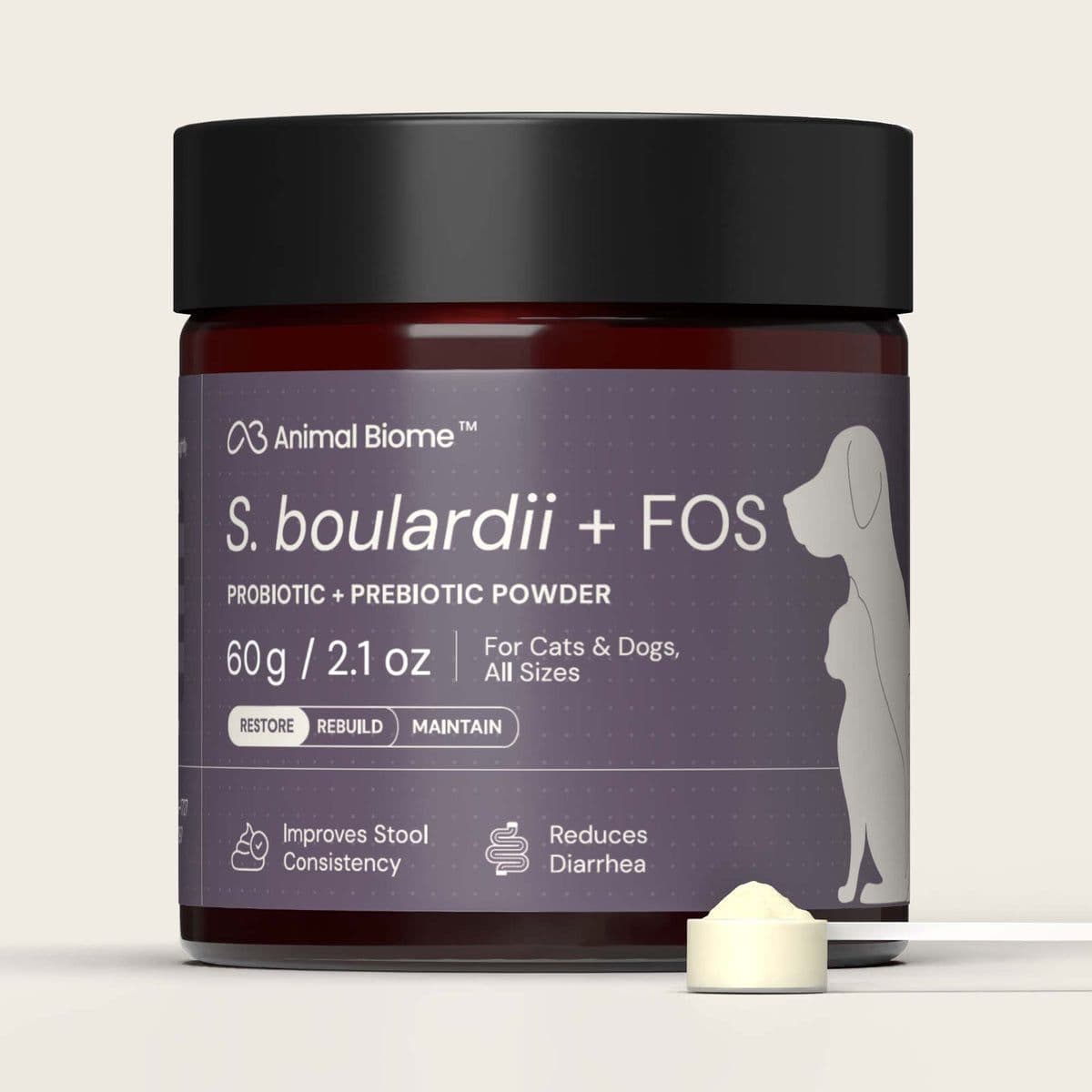
Antibiotic-resistant probiotic yeast paired with prebiotic FOS; supports stool consistency and helps reduce diarrhea in cats and dogs, including during antibiotic courses.
Webvet may earn a commission when you click through to Animal Biome, at no extra cost to you.
A practical daily sequence
- Remove feces promptly. Bag stool as soon as possible and keep other pets away from the area.
- Wash your hands. Use soap and water after stool pickup, laundry, bathing, or handling soiled items.
- Clean bowls. Wash food and water containers, rinse them well, and dry them before reuse.
- Handle bedding and laundry. Move soiled items without shaking them through the house, then wash and dry them thoroughly.
- Clean hard surfaces. Remove visible soil, wash the surface, and apply only a compatible disinfectant according to its label.
- Rinse when required. Keep pets away until the label's rinsing, drying, and reentry directions are complete.
- Record new diarrhea. Note stool frequency, vomiting, appetite, and energy so the veterinarian can judge recovery.

| Area or item | First step | Safer next step | Important limit |
|---|---|---|---|
| Fresh feces | Remove and bag promptly | Wash hands and prevent pet access | Do not wait for the yard to dry around it |
| Food and water bowls | Wash away visible residue | Rinse and dry before reuse | Follow material and dishwasher guidance |
| Bedding and washable fabrics | Contain soiled items | Launder and dry thoroughly | Do not shake contaminated laundry indoors |
| Sealed hard floors and crates | Remove soil and wash | Use a compatible labeled disinfectant, then rinse if required and dry | Never mix products or assume one dilution fits every surface |
| Upholstery and porous items | Remove visible contamination | Ask about steam or professional cleaning when the material allows | Moisture, heat, and chemicals can damage materials |
| Grass and soil | Pick up feces and restrict access | Promote drying and reduce repeated exposure | Grass yards cannot be reliably disinfected |
| Dog's coat and hind end | Remove visible fecal debris safely | Bathe only on the veterinarian's schedule | Bathing does not treat intestinal infection |
This sequence separates removal, washing, disinfection, rinsing, and drying. Skipping directly to a disinfectant can leave contamination behind or expose pets to irritating residue.
Does bleach kill Giardia?
There is no safe universal bleach promise for a household Giardia problem. Effectiveness depends on the product, concentration, contact time, temperature, surface, and whether visible organic material was removed first. Some materials can be damaged, and residues may irritate pets.
Use only a product labeled for the intended surface and follow every dilution, ventilation, contact-time, rinsing, and reentry instruction. Never mix bleach with ammonia, acids, or another cleaner. Ask the veterinary team which approach fits the home rather than improvising a stronger solution.
Steam and other surface methods
The Merck Veterinary Manual notes that steam, boiling water, and appropriate quaternary ammonium compounds can inactivate cysts on suitable surfaces. That does not make every method safe for every material or pet area.
Steam can damage finishes, spread moisture, or burn skin. Boiling water is suitable only for items designed to tolerate it. Chemical disinfectants need label-directed use. Keep the dog away during cleaning and until the area is rinsed and dry when required.
Digestive support is separate from this cleaning protocol. Consider a probiotic only after a veterinarian diagnoses the dog and approves it for recovery.
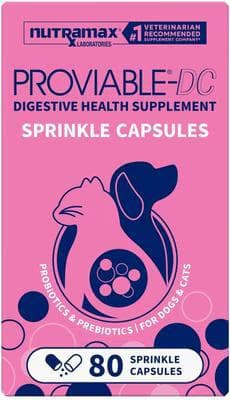
Multi-strain probiotic plus prebiotic sprinkle capsules for dogs and cats; supports digestive balance during diarrhea, diet changes, and antibiotic courses.
Webvet may earn a commission when you click through to Chewy, at no extra cost to you.
How to Clean Bedding, Bowls, Floors, and Your Dog
Clean each item according to what it is made of, then dry it thoroughly. Giardia cysts can persist for weeks or months in cool, damp conditions, according to Merck. Drying is part of contamination control, not a cosmetic finishing step.
Make the routine manageable. Prioritize items that contact feces, paws, the dog's hind end, food, or water. Trying to sterilize every object in the home can lead to unsafe chemical use without addressing the highest-value tasks.
Bedding, towels, and soft toys
Move visibly soiled fabrics directly to the laundry area in a washable container or bag. Avoid shaking bedding, which can scatter debris. Wash according to the fabric label using an appropriate cycle, then dry completely before the item returns to the dog.
If an item cannot be cleaned and dried safely, ask the veterinarian whether it should be temporarily removed or replaced. Keep a small rotation of washable bedding so the dog has a clean resting place while another set is being laundered.
For a washable protective layer over a bed or furniture, the Pet Parents Pawtect Waterproof Blanket is one exact retail option. It still needs prompt laundering after soiling and does not disinfect the surface beneath it.

Food and water bowls
Wash food and water bowls regularly during treatment and recovery. Remove food residue and saliva film, use a method suitable for the material, rinse thoroughly, and let the bowl dry. Do not share bowls between pets during an active household problem unless the veterinarian approves it.
Replace chipped, cracked, or difficult-to-clean containers when practical. A clean bowl cannot compensate for unsafe water, so refill it with fresh water rather than topping off an old supply.
If a separate stainless-steel setup would simplify the routine, the Frisco Stainless Steel Double Elevated Dog Bowl is one exact option to consider. Product choice does not replace regular washing, rinsing, drying, and separation between pets.
Floors, crates, and hard surfaces
Start with mechanical cleaning. Remove fecal debris, wash away visible soil, and then use a surface-compatible disinfectant if the veterinarian and label support it. Follow the stated contact time rather than wiping the product away immediately.
Ventilate the area and keep pets separated. Rinse food-contact surfaces or any surface the label requires, then allow complete drying. A dog should not walk through wet disinfectant and lick residue from its paws.
Upholstery, carpets, and porous materials
Porous materials are harder to manage because contamination can enter fibers or seams. Remove visible debris without grinding it deeper. Ask whether the material can tolerate hot-water extraction, steam, laundering, or professional cleaning.
Do not soak upholstery with an improvised chemical mixture. Excess moisture may prolong dampness and damage the material. Restrict access until the cleaned area is fully dry.
Bathing and rear-end cleaning
Cornell notes that bathing near the end of treatment can help remove fecal material and cysts from the coat. Follow the veterinarian's timing and product advice. A dog with irritated skin, weakness, or another condition may need a modified approach.
Focus on visible contamination around the hind end, tail, paws, and long coat without scrubbing damaged skin. Prevent chilling, rinse grooming products completely, and dry the dog. Bathing reduces material on fur but does not treat parasites inside the intestine.
 Sponsored
Vet care that's always there
Unlimited video calls and messaging with licensed vets for less than a typical vet visit. One membership covers up to five pets.
Use code Pets60
Plans start at $12/month · covers up to 5 pets
- Licensed vets in most states
- Rx for 150+ conditions
- 4.7 on Trustpilot
What to Do About Yards and Outdoor Exposure
Grass and soil cannot be reliably sterilized, so yard management centers on feces removal, drying, and reducing re-exposure. Merck specifically notes the limitation of disinfecting grass yards. Avoid pouring bleach or another disinfectant onto lawns, soil, drains, or standing water.
Pick up feces promptly and keep the dog away from the spot. Where practical, use a limited elimination area that can be monitored. Sunlight and drying may help environmental control, but neither provides a guaranteed timeline for safety.
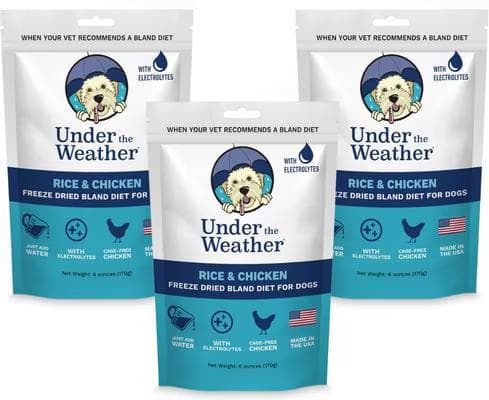
A temporary recovery diet is separate from these exposure rules. Use one only when the veterinarian recommends it for the individual dog.
Webvet may earn a commission when you click through to Chewy, at no extra cost to you.
Standing water and shared water sources
Prevent drinking from puddles, ponds, ditches, communal bowls, and other unknown sources. Bring fresh water on walks and outings. The Giardia exposure guide explains how contaminated water, soil, food, objects, and fur can participate in the fecal-oral route.
Empty outdoor containers that collect rainwater when it is safe and legal to do so. Clean reusable travel bowls after the outing and allow them to dry.
Dog parks, daycare, boarding, and kennels
Ask the veterinarian when the dog can return to shared pet spaces. Daycare, boarding, dog parks, grooming facilities, kennels, and communal elimination areas can create repeated contact with feces, contaminated ground, bowls, or equipment.
Tell the facility about the diagnosis when required by its policy. Do not rely on a normal-looking bowel movement as clearance. Return timing may depend on treatment, symptoms, household risk, and follow-up testing.
Other pets and wildlife
Keep pets from investigating or eating feces. Separate bowls and clean shared resting areas during the active problem. The veterinarian can decide whether another household dog or cat needs testing based on exposure and signs.
Wildlife access cannot always be eliminated. Secure garbage, supervise outdoor time, and block repeat access to heavily contaminated areas when possible. Avoid traps, poisons, or yard chemicals that create a new hazard.
Retail Recovery Products Are Separate From Prevention
Veterinarian-approved digestive support belongs to recovery, not prevention. AnimalBiome Gut Restore for Dogs, Animal Biome S. boulardii + FOS Powder, Nutramax Proviable, and FortiFlora for dogs are exact products to discuss after diagnosis and the treatment plan are set. None kills Giardia, prevents reinfection, or changes the cleanup schedule.
If the veterinarian recommends longer-term support or temporary food, AnimalBiome Gut Maintain for Dogs and Under the Weather Rice & Chicken are options to ask about. Neither treats Giardia, disinfects the home, or replaces prescribed care, rechecks, or a complete long-term diet.
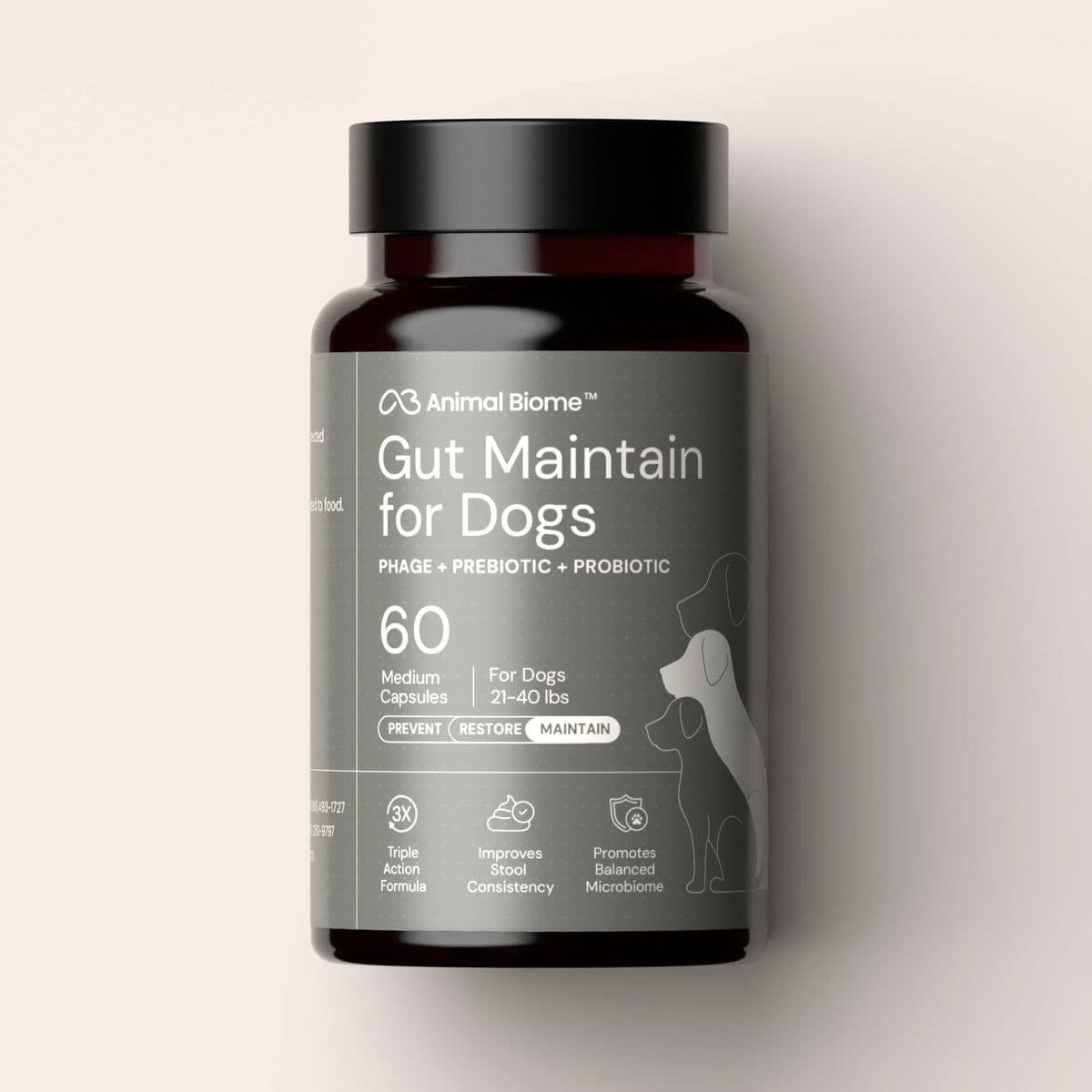
Triple-action phage, prebiotic, and probiotic capsules for everyday maintenance of a balanced gut microbiome once a dog's digestive flare has settled.
Webvet may earn a commission when you click through to Animal Biome, at no extra cost to you.
How to Reduce Giardia Reinfection
Reinfection prevention works best when medication completion and exposure control happen together. A dog can improve and then swallow cysts again from contaminated fur, paws, bowls, water, objects, or the environment. Environmental work alone cannot clear intestinal infection, choose medication, confirm eradication, or decide when veterinary follow-up is complete for the dog.
Do not stop prescribed treatment because stool looks normal, and do not extend it without veterinary direction. WebVet's Giardia treatment guide owns the treatment pathway, while fenbendazole for dogs covers drug-specific use and safety.

Create a repeatable prevention routine
- Give prescribed medication exactly as directed.
- Pick up feces promptly at home and on walks.
- Clean visibly contaminated fur, paws, bedding, bowls, and living areas.
- Keep water fresh and prevent access to standing or communal water.
- Avoid feces, contaminated soil, and high-exposure pet areas during the restricted period.
- Complete the veterinarian's recheck or repeat-testing plan.
- Report persistent or returning diarrhea rather than automatically repeating medicine.
The broader veterinary deworming guide explains why the parasite and the dog determine treatment decisions. Prevention is not a reason to give dewormers on an unverified schedule.
How long to continue cleanup
How long Giardia lasts in dogs has no one timetable, and household cleanup duration is a separate question. Giardia may last longer when reinfection occurs, medication is not completed, another pet remains exposed, or the dog's signs have another cause. Cysts can also persist in cool, damp environments.
Continue the focused routine for the period the veterinarian recommends, including any bathing or recheck milestone. Ask what can be relaxed after symptoms improve and what should continue until testing or household risk has been reassessed.
Longer-term gut support remains optional and does not set the cleanup stop point. Use it only when the veterinarian approves it for recovery. One normal stool also does not set the end date. A practical stop point is a veterinary decision that considers treatment completion, sustained improvement, exposure risk, and any planned follow-up test.
Food and Water Practices During Recovery
There is no universal list of foods every dog with Giardia must avoid. Diet advice depends on the cause and severity of diarrhea, appetite, hydration, other disease, and the veterinarian's plan. Do not make a sudden food change merely because a stool color looks unusual.
The Cornell diarrhea guide emphasizes that persistent diarrhea, blood, vomiting, lethargy, or appetite loss needs veterinary attention. Food support is not a substitute for evaluating those signs.
Digestive supplements are adjuncts
Some veterinarians may approve a probiotic or other digestive support after diagnosis. Use only the exact product and timing in the medical plan, and stop if the clinic advises that the product complicates symptom tracking.
Ask before changing the diet
The veterinarian may recommend the regular complete diet, a temporary highly digestible food, smaller meals, or another plan. The right choice depends on the individual dog. Do not add treats, change diets abruptly, or begin a homemade plan unless the veterinary team specifically approves it.
If a temporary recovery food is recommended, follow the veterinarian's exact product, portion, and duration. A bland food does not treat Giardia and should not become a complete long-term diet without veterinary nutrition guidance.
These products do not kill Giardia, disinfect the home, prevent exposure, or replace prescribed treatment. Ask whether a product fits the dog's medicines, diet, and symptom-tracking plan.
Fresh water matters
Offer clean, fresh water in a clean bowl. Prevent drinking from puddles, ponds, runoff, communal containers, and other sources the veterinarian considers unsafe. Do not add disinfectant, supplements, or medication to water unless specifically directed.
Call the clinic if the dog refuses water, cannot keep it down, urinates less, or becomes weaker. Dehydration requires medical assessment, not a different bowl-cleaning schedule.
Contact Precautions for People and Pets
Cuddling is not the main household risk when a dog has Giardia. Precautions should focus on feces, soiled fur, contaminated items, and hand hygiene rather than unnecessary separation from the dog. Wash hands after cleanup, bathing, or handling contaminated laundry.
Clean visible fecal material from the hind end as the veterinarian directs. A person with questions about their own health should contact a physician rather than relying on a pet-care article.
Tell the veterinarian about other pets and any household concern that could affect the cleaning plan.
When Home Care Is Not Enough
A dog should not be expected to fight off Giardia while an owner relies only on cleaning or a natural remedy. Some infected dogs have no signs, but whether an individual dog needs treatment or follow-up is a veterinary decision. Home care reduces contamination and reinfection risk, not intestinal infection by itself.
WebVet's Giardia symptoms and testing guide explains the broader clinical pathway. Use it with the veterinarian's instructions rather than treating a cleaning response or one normal stool as proof that the infection has resolved.
Call the clinic if diarrhea persists, returns after treatment, or is joined by vomiting, poor appetite, weight loss, lethargy, pain, or dehydration. Blood or black stool needs prompt assessment. Repeated vomiting, worsening lethargy, or marked pain can require urgent care. If the dog is worsening, seek veterinary reassessment rather than waiting.
Why symptoms can return
Returning diarrhea may reflect reinfection, incomplete treatment, another parasite, diet response, or another intestinal disease. A normal-looking stool followed by another loose bowel movement does not identify which explanation is correct.
Take a fresh sample if the clinic requests one and bring the treatment timeline. The Giardia stool appearance guide explains why color and pictures cannot confirm the cause. The diarrhea causes guide covers broader symptom triage.
What not to do
- Do not give leftover antibiotics or dewormers.
- Do not use human anti-diarrheal medicine unless the veterinarian directs it.
- Do not apply household disinfectant to the dog's coat or skin.
- Do not mix cleaners or exceed label concentration.
- Do not treat a lawn, drain, pond, or soil with an improvised chemical solution.
- Do not delay care while trying to complete a perfect cleanup.
Frequently Asked Questions
How often should I pick up poop during Giardia treatment?
During Giardia treatment, pick up your dog's poop promptly whenever the dog defecates. Immediate pickup reduces the time cysts remain in the environment and limits access by the same dog, other pets, and people.
Bag the waste, keep pets away from the spot, and wash hands with soap and water afterward. Cleanup supports treatment but does not replace it.
Can bleach kill Giardia in the house?
Whether bleach can kill Giardia in the house cannot be answered with a universal recipe. Effectiveness and safety depend on surface cleaning, concentration, contact time, temperature, material, rinsing, and label directions.
Never mix cleaners or use bleach on the dog. Ask the veterinarian which labeled method fits each surface. Cleaning visible debris first is part of using any product correctly.
Should I wash my dog's bedding every day with Giardia?
Whether you should wash your dog's bedding every day with Giardia depends on contamination and the veterinary plan. Contain soiled items without shaking them, follow the fabric-care label, and dry everything thoroughly.
A small rotation of washable bedding can make the routine easier during treatment. The goal is to reduce contamination, not to create an impossible laundry schedule.
Should I bathe my dog after Giardia treatment?
Whether you should bathe your dog after Giardia treatment depends on the veterinarian's timing and product advice. Bathing near the end of treatment may remove fecal material and cysts from fur. Rinse and dry the dog well.
Bathing helps contamination control but does not treat intestinal Giardia. Ask whether rear-end cleaning is needed sooner if the coat becomes soiled.
How can I prevent Giardia from coming back?
To prevent Giardia from coming back, complete prescribed treatment, pick up feces promptly, clean contaminated fur and household items, provide fresh water, avoid unsafe standing water and shared bowls, limit high-exposure pet spaces, and follow recheck advice.
No cleaning step guarantees prevention, so report returning diarrhea. Keep the veterinary team informed if signs persist or return after treatment.
The Bottom Line
Prevention of Giardia in dogs depends on a repeatable routine, not an attempt to sterilize everything. Remove feces, wash before disinfecting, follow labels, rinse when required, dry thoroughly, keep water fresh, and reduce contact with contaminated areas.
Pair those steps with prescribed treatment and veterinary follow-up. Home care cannot diagnose Giardia, select a drug, or explain persistent diarrhea. When signs worsen, the dog's medical needs come before cleaning, shopping, or environmental control.

Editor
The Webvet Editorial Team is the in-house group of pet-care editors and writers behind Webvet, operated by Smart Pet Collective. The team researches, writes, and maintains Webvet's pet health, behavior, and medication content. Every article follows a defined editorial process: research from reputable veterinary and scientific sources, careful drafting, mandatory review of medical content by a credentialed veterinarian, and dated publication. Health and medication articles are medically reviewed by a licensed veterinary professional before they go live and are kept current over time.
Veterinarian · BVMS MRCVS
Dr. Pippa Elliott, BVMS, MRCVS, is a veterinarian with nearly 30 years of experience in companion animal practice. Dr. Elliott earned her Bachelor of Veterinary Medicine and Surgery from the University of Glasgow. She was also designated a Member of the Royal College of Veterinary Surgeons. Married with 2 grown-up kids, Dr. Elliott has a naughty Puggle named Poggle, 3 cats and a bearded dragon.


