How Do Dogs Get Giardia? Contagion to Dogs and Humans
Dogs get Giardia by swallowing cysts from fecally contaminated water, soil, food, objects, or fur. Learn about indoor exposure, dog-to-dog spread, and human risk.

BVMS MRCVS
Medically reviewed by Dr. Pippa Elliott, BVMS MRCVS · Last reviewed

This article contains affiliate links. Webvet may earn a commission when you buy through them, at no extra cost to you.
How do dogs get Giardia? Dogs become infected when they swallow microscopic Giardia cysts from fecally contaminated water, soil, food, objects, or fur. The exposure can happen outdoors, in shared pet spaces, or inside a home after contaminated material is tracked or carried in.
Exposure does not prove infection, and infection does not always cause symptoms. Contact your veterinarian if a dog develops recurring diarrhea, vomiting, poor appetite, weight loss, or low energy. Puppies and medically fragile dogs need especially prompt advice.
 Sponsored
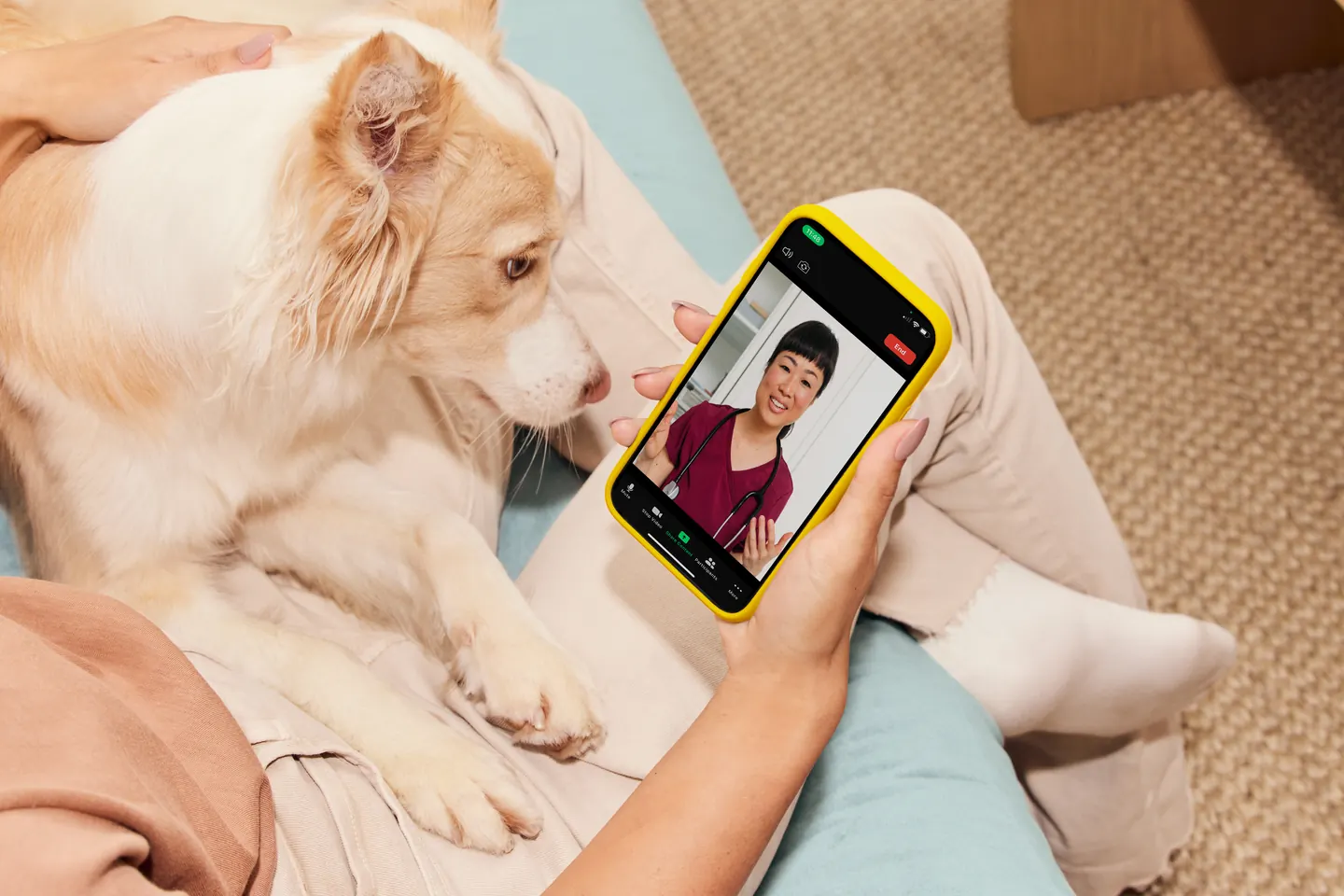
Need flea, tick, or parasite care for your dog?
A licensed vet at Dutch can recommend the right preventive and prescribe it when it's appropriate. Annual members get 20% off their first flea and tick order.
Use code Pets60
Plans start at $12/month · covers up to 5 pets
- Licensed vets in most states
- Rx for 150+ conditions
- 4.7 on Trustpilot
Post-Diagnosis Recovery Is Separate From Exposure
Recovery products do not prevent Giardia or make a suspected route diagnostic. If a veterinarian later confirms infection, sets treatment, and approves digestive support, Nutramax Proviable may fit a limited recovery role. Evidence for supplemental probiotic benefit is limited, and the product does not treat the parasite.
Other exact products to discuss only after that point include AnimalBiome Gut Restore for Dogs and AnimalBiome S. boulardii + FOS Powder. Neither prevents exposure, clears infection, or replaces prescribed treatment and rechecks.
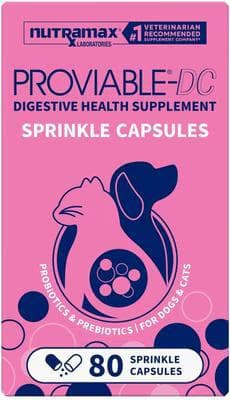
Multi-strain probiotic plus prebiotic sprinkle capsules for dogs and cats; supports digestive balance during diarrhea, diet changes, and antibiotic courses.
Webvet may earn a commission when you click through to Chewy, at no extra cost to you.
How Dogs Get Giardia
- 1Giardia spreads mainly by the fecal-oral route, when a dog swallows cysts shed in feces.
- 2Puddles, shared bowls, soil, food, toys, crates, fur, and feces from infected animals can become exposure routes.
- 3Indoor dogs can be exposed through shoes, visiting pets, shared items, or contaminated outdoor material brought inside.
- 4Dog-to-human transmission is possible but relatively uncommon. Hand hygiene still matters.
- 5Testing, treatment, and detailed cleaning decisions belong with the veterinarian and their dedicated WebVet guides.
Dogs get Giardia by swallowing the infective cyst stage of Giardia duodenalis. The Merck Veterinary Manual explains that cysts pass in feces and can be infectious when shed. The parasite then releases active trophozoites in the intestine, where they multiply before new cysts leave in feces.
The central fact is fecal contamination. Water or food does not create Giardia on its own. A puddle, bowl, piece of snow, patch of soil, toy, or animal feces becomes a risk when infective cysts are present and reach the dog's mouth.

| Exposure source | How cysts can reach a dog | Risk reduction step |
|---|---|---|
| Puddles, streams, standing water, or shared bowls | Fecally contaminated water is swallowed | Offer clean water and prevent drinking from unknown or communal sources |
| Soil, grass, or yard surfaces | Contaminated material reaches paws, fur, toys, or the mouth | Pick up feces promptly and clean visibly soiled paws and items |
| Dog, cat, wildlife, or livestock feces | A dog eats, mouths, or sniffs contaminated material | Supervise outdoors and interrupt feces eating without punishment |
| Crates, bedding, toys, food bowls, or grooming tools | Microscopic fecal material transfers between pets and surfaces | Clean shared items and separate bowls during an active household problem |
| Soiled rear fur or self-grooming | Cysts on the coat are swallowed during licking | Follow the veterinarian's bathing and coat-hygiene plan |
Use the exposure source and risk reduction step columns to trace a fecal-oral route without treating it as a diagnosis. The same logic applies to an adult or older dog and to a puppy: determine what contaminated material could have reached the mouth, reduce that contact, and ask a veterinarian whether signs warrant testing.
Water, soil, and shared bowls
Cornell University College of Veterinary Medicine identifies contaminated water, soil, and food as exposure routes. A dog can drink cysts, lick them from paws, or mouth a contaminated object.
The same fecal-contamination principle applies across settings. Snow, raw food, commercial dog food, or another named source does not prove exposure unless infective cysts reached it and were swallowed. Dog food does not create Giardia, and a route still requires fecal contamination.
Wildlife, birds, livestock, and feces eating
Dogs may encounter rabbit droppings, goose or chicken feces, bird-contaminated ground, cat poop, or horse manure. Not every Giardia type infects every species equally, and finding feces does not prove transmission. The practical risk is swallowing material carrying infective cysts.
If a dog eats feces, redirect calmly and remove access. WebVet's guide to why dogs eat poop covers that behavior. Testing becomes a veterinary question if exposure is followed by diarrhea, weight loss, poor appetite, or another compatible sign.
Temporary food applies only after diagnosis and treatment
If a veterinarian recommends a temporary bland food after diagnosis and treatment, Under the Weather Rice & Chicken is one exact retail option. It does not treat Giardia, prevent reinfection, or replace a complete long-term diet.
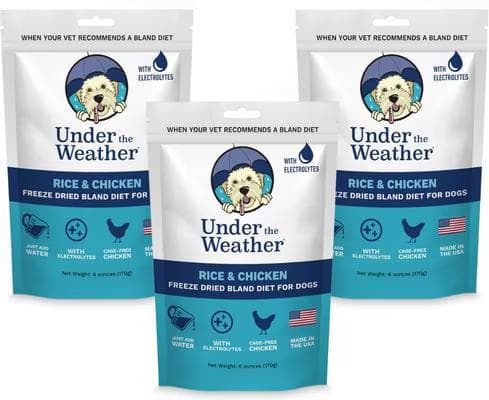
Webvet may earn a commission when you click through to Chewy, at no extra cost to you.
How indoor dogs can still be exposed
An indoor dog can get Giardia without visiting a lake or daycare. Cysts can arrive on shoes, paws, crates, bowls, visiting pets, foster animals, or objects that contacted contaminated ground. A private yard can also be contaminated by another dog or wildlife.
Indoor status lowers some exposures but does not create a sealed environment. Focus on the dog's actual contacts, water sources, feces access, and recent visitors rather than assuming someone must have made a cleaning mistake.
After a Possible Exposure
A healthy dog does not automatically need medication after every possible exposure. Call the veterinarian for case-specific advice if the dog is a young puppy, has a weakened immune system, or develops digestive signs.
Watch appetite, water intake, energy, weight, vomiting, and stool frequency. Do not give leftover fenbendazole or metronidazole. The veterinarian may recommend testing, monitoring, or another plan based on the exposure and the dog.
For symptom and testing guidance, use WebVet's Giardia in dogs guide. The separate visual guide to Giardia poop in dogs explains why stool appearance cannot confirm infection.
Recovery products do not prevent infection
Probiotics and microbiome products do not block Giardia exposure or replace testing. If a veterinarian approves digestive support after diagnosis and treatment, FortiFlora for dogs is one product to discuss. Evidence for a Giardia-specific recovery benefit is limited, and it does not clear infection or prevent reinfection.
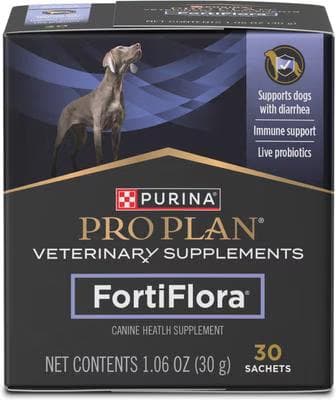
The #1 vet-recommended probiotic for dogs. Daily powder sachets with live probiotics support healthy digestion and firmer stools, and can help dogs coping with diarrhea or GI upset.
Webvet may earn a commission when you click through to Chewy, at no extra cost to you.
Keep every recovery product secondary to the veterinary treatment, hydration, nutrition, and recheck plan. Stop and call the clinic if a new product coincides with worsening diarrhea, vomiting, poor intake, or weakness.
 Sponsored
Vet care that's always there
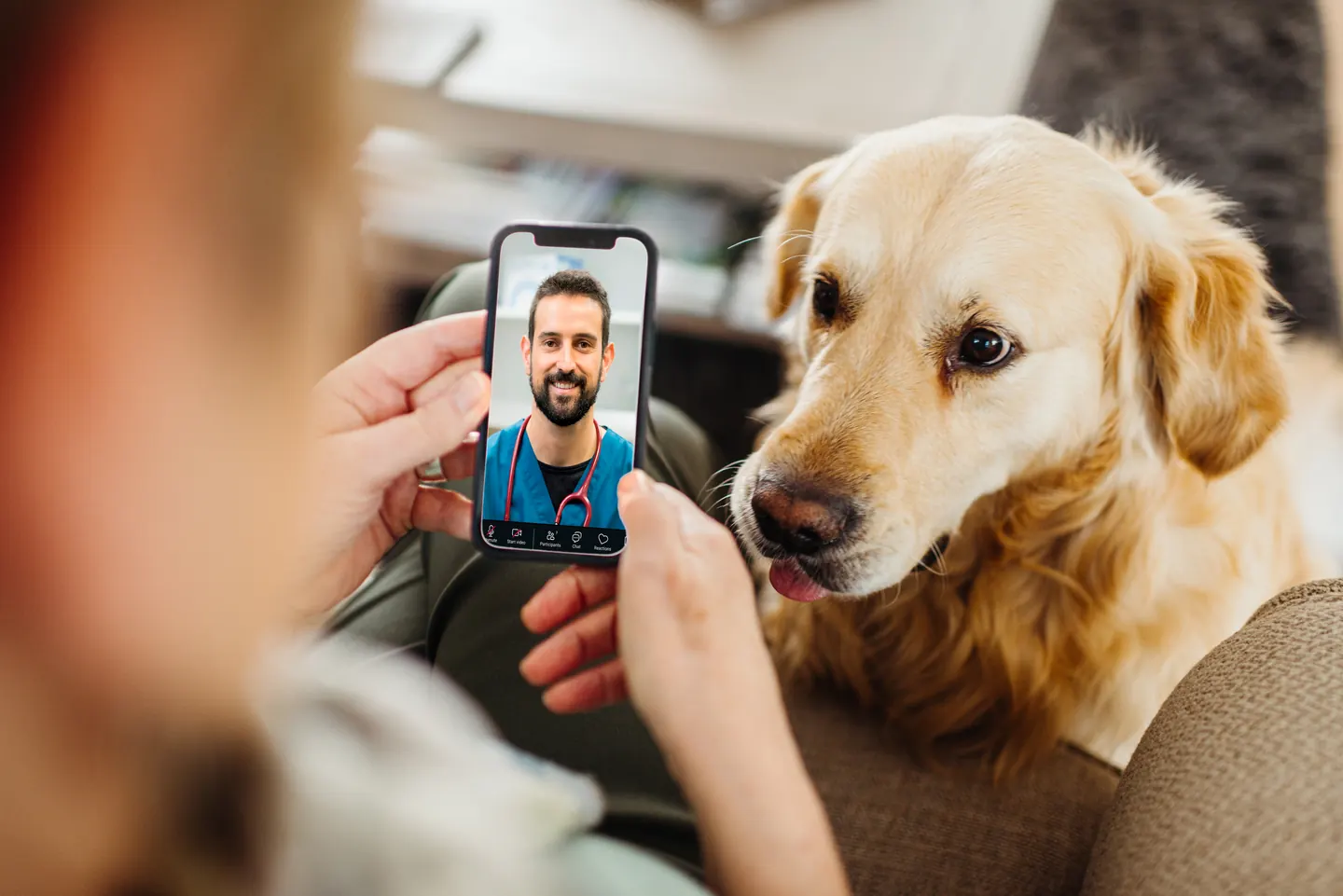
Unlimited video calls and messaging with licensed vets for less than a typical vet visit. One membership covers up to five pets.
Use code Pets60
Plans start at $12/month · covers up to 5 pets
- Licensed vets in most states
- Rx for 150+ conditions
- 4.7 on Trustpilot
Can People Get Giardia From a Dog?
Can humans get Giardia from dogs? It is possible, but transmission from a dog appears relatively uncommon. Cornell explains that the Giardia strains found most often in dogs are not the strains found most often in people. Good hygiene remains sensible because fecal material can carry multiple organisms.
Giardia infection requires swallowing infective cysts. Do not try to calculate a person's infection risk from one contact event. Wash hands after handling stool or soiled items, and contact a physician about human diarrhea or a specific exposure concern.
Giardia can be passed from dog to human, but this appears relatively uncommon. Phrases such as spread from dogs to humans, transferred to humans, or contagious to humans describe the same fecal-oral concern. They do not show that a dog caused a person's illness. A physician evaluates human symptoms and testing.
Can cats get Giardia from dogs?
Cats can also have Giardia, although infection types and susceptibility differ. Do not give a cat the dog's medicine or assume every household pet needs treatment. Tell the veterinarian about all pets and any symptoms so testing and management can be coordinated.
Safe contact while a dog has Giardia
You usually can cuddle and comfort your dog. Avoid contact with feces or visibly soiled rear fur, and wash your hands thoroughly with soap and water after petting the dog or handling infected feces.
Gut Maintain Is Only a Post-Treatment Discussion
After diagnosis and veterinarian-directed treatment, AnimalBiome Gut Maintain for Dogs may be discussed for later digestive support. Evidence for a Giardia-specific recovery benefit is limited. It does not clear infection, shorten contagiousness, or prevent reinfection, and it must remain secondary to the treatment and recheck plan.
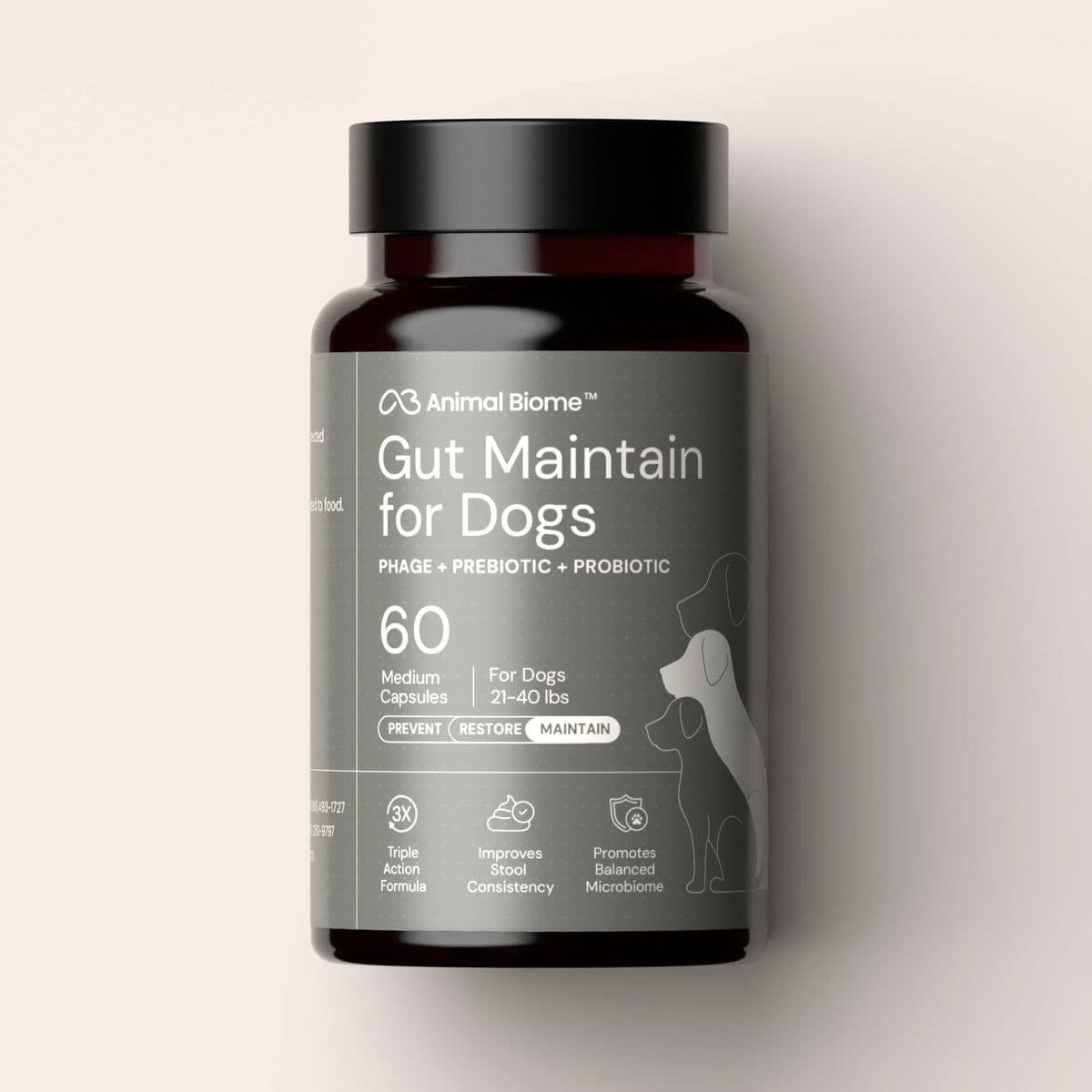
Triple-action phage, prebiotic, and probiotic capsules for everyday maintenance of a balanced gut microbiome once a dog's digestive flare has settled.
Webvet may earn a commission when you click through to Animal Biome, at no extra cost to you.
How Giardia Spreads Between Dogs
Giardia is contagious among dogs when cysts shed in feces contaminate a shared environment and another dog swallows them. Crowded housing, daycare, kennels, shelters, dog parks, communal bowls, and shared elimination areas create more opportunities for that chain. Contact alone cannot confirm infection, and a veterinarian decides whether testing is appropriate.

How long a dog can be contagious
There is no safe visual clock for contagiousness. Dogs can shed cysts intermittently, and reinfection can restart exposure after treatment. Stool may look normal while cyst shedding remains possible, so cyst shedding, treatment completion, and environmental control must be considered together. Symptoms and follow-up testing also guide the veterinarian's return-to-contact advice.
Ask the veterinarian when the dog can return to daycare, boarding, dog parks, grooming, or shared water. The decision may include treatment completion, symptom resolution, household risk, and follow-up testing.
Reducing dog-to-dog spread
- Pick up feces immediately.
- Prevent access to communal bowls and standing water.
- Avoid dog parks, daycare, and shared elimination areas during the veterinary restriction period.
- Clean visibly contaminated crates, bowls, toys, and bedding.
- Follow bathing guidance to reduce cysts on the rear coat.
- Ask how to manage other dogs and cats in the home.
For detailed cleaning instructions, read WebVet's Giardia home care and reinfection guide. Do not mix chemicals, use harsh products on the dog, or assume that trying to sterilize a yard replaces prompt feces removal.
Can Dogs Get Giardia Again and Is There a Vaccine?
Dogs can get Giardia more than once. Recovery does not guarantee lasting protection, and a dog can swallow new cysts from contaminated fur, water, soil, objects, or another animal's environment.
Dogs can be reinfected, and current preventives do not keep dogs from contracting Giardia. VCA Animal Hospitals states that preventives do not currently protect dogs from Giardia infection.
Prevention therefore focuses on reducing fecal-oral exposure, using safe water, cleaning contaminated items, following the veterinarian's bathing plan, and coordinating household care.
Reinfection versus treatment failure
Diarrhea that returns may reflect reinfection, incomplete control, another parasite, diet response, or a separate intestinal disease. A repeat positive test also needs clinical interpretation. Do not assume the organism is resistant or automatically repeat the same medicine.
Call the veterinarian with the timing of treatment, missed or vomited doses, exposure opportunities, cleaning steps, and current symptoms. That evidence helps determine whether another sample, another test method, or a broader workup is useful.
When to arrange testing
Contact a veterinarian if exposure is followed by:
- Recurring soft or watery diarrhea
- Mucus or increased stool frequency
- Vomiting or reduced appetite
- Weight loss or poor growth
- Low energy or weakness
- Signs of dehydration
Seek urgent care for bloody diarrhea, repeated vomiting, collapse, severe weakness, abdominal pain, or inability to keep water down. Exposure history can guide testing, but it should never delay stabilization of a dog that appears seriously ill.
Frequently Asked Questions
Can dogs get Giardia from eating snow?
Dogs can get Giardia from eating snow only if the snow or ground beneath it contains infective cysts from feces. Snow itself does not create Giardia, and an outdoor mouthful does not prove infection.
Merck and Cornell identify fecally contaminated water and environments as exposure routes. Offer clean water, limit access to visibly soiled areas, and contact the veterinarian if compatible digestive signs develop.
Testing, not the exposure story alone, determines whether Giardia is present.
Can dogs get Giardia from raw food?
Dogs can get Giardia from raw food only if infective cysts from fecal contamination reach the food and the dog swallows them. Raw food is not automatically a Giardia source.
Cornell lists contaminated food among possible routes. Handle and store food hygienically, clean bowls, and use veterinary testing for diarrhea rather than treating the food history as a diagnosis.
Report the food history and any signs when you call the clinic.
Can dogs get Giardia from horse manure?
Dogs can be exposed to Giardia through horse manure only when swallowed manure or nearby material contains an infective Giardia type. Finding horse manure does not prove transmission.
Merck describes host-associated Giardia types, so cross-species risk is not identical in every encounter. Prevent manure eating, offer clean water, and ask the veterinarian about testing if diarrhea, weight loss, or poor appetite follows.
Promptly remove access without punishing the dog for the encounter.
Can Giardia spread through saliva in dogs?
Giardia does not spread through clean saliva alone. It spreads when a dog swallows infective cysts from fecally contaminated water, soil, food, fur, or objects.
A shared toy or mouth area could be involved only through that contamination chain. Focus on prompt feces removal, clean shared items, and veterinary guidance instead of treating ordinary saliva contact as proof of infection.
Use the dog's symptoms and testing plan, not saliva contact, to guide next steps.
The Bottom Line
How do dogs get Giardia? They swallow infective cysts from fecally contaminated water, soil, food, objects, fur, or animal waste. The route can exist outdoors or inside a home, and it often cannot be traced to one event.
Reduce risk with clean water, prompt feces removal, hand hygiene, controlled shared items, and veterinary guidance for symptoms or household exposure. Dog-to-human transmission is possible but uncommon. Do not use stool appearance, a suspected route, or a retail product as a substitute for testing.
Sources

Editor
The Webvet Editorial Team is the in-house group of pet-care editors and writers behind Webvet, operated by Smart Pet Collective. The team researches, writes, and maintains Webvet's pet health, behavior, and medication content. Every article follows a defined editorial process: research from reputable veterinary and scientific sources, careful drafting, mandatory review of medical content by a credentialed veterinarian, and dated publication. Health and medication articles are medically reviewed by a licensed veterinary professional before they go live and are kept current over time.
Veterinarian · BVMS MRCVS
Dr. Pippa Elliott, BVMS, MRCVS, is a veterinarian with nearly 30 years of experience in companion animal practice. Dr. Elliott earned her Bachelor of Veterinary Medicine and Surgery from the University of Glasgow. She was also designated a Member of the Royal College of Veterinary Surgeons. Married with 2 grown-up kids, Dr. Elliott has a naughty Puggle named Poggle, 3 cats and a bearded dragon.


